12542.

Bowery, (Atlantic Garden) N.Y. The Atlantic Garden was a beer garden and music hall established by William Kramer in 1858 at what is now 50 Bowery, next to the Bowery Theatre (built in 1826) and on the site of the Bull’s Head Tavern, formerly headquarters for New York’s cattle market, and the New York Hotel. The premises extended west to a secondary frontage on Elizabeth Street. The Bowery Theatre was built as a fashionable theater, but by the 1850s it came to cater to immigrant groups; the Germans especially patronized Atlantic Garden, which featured a theater behind the beer hall, where the new entertainment of “variety” acts were presented along with popular music concerts. In 1910, following the neighborhood’s changing dynamic, Atlantic Garden switched to presenting Yiddish theatre. In 2013 structures on the site were razed to make way for a high-rise hotel.
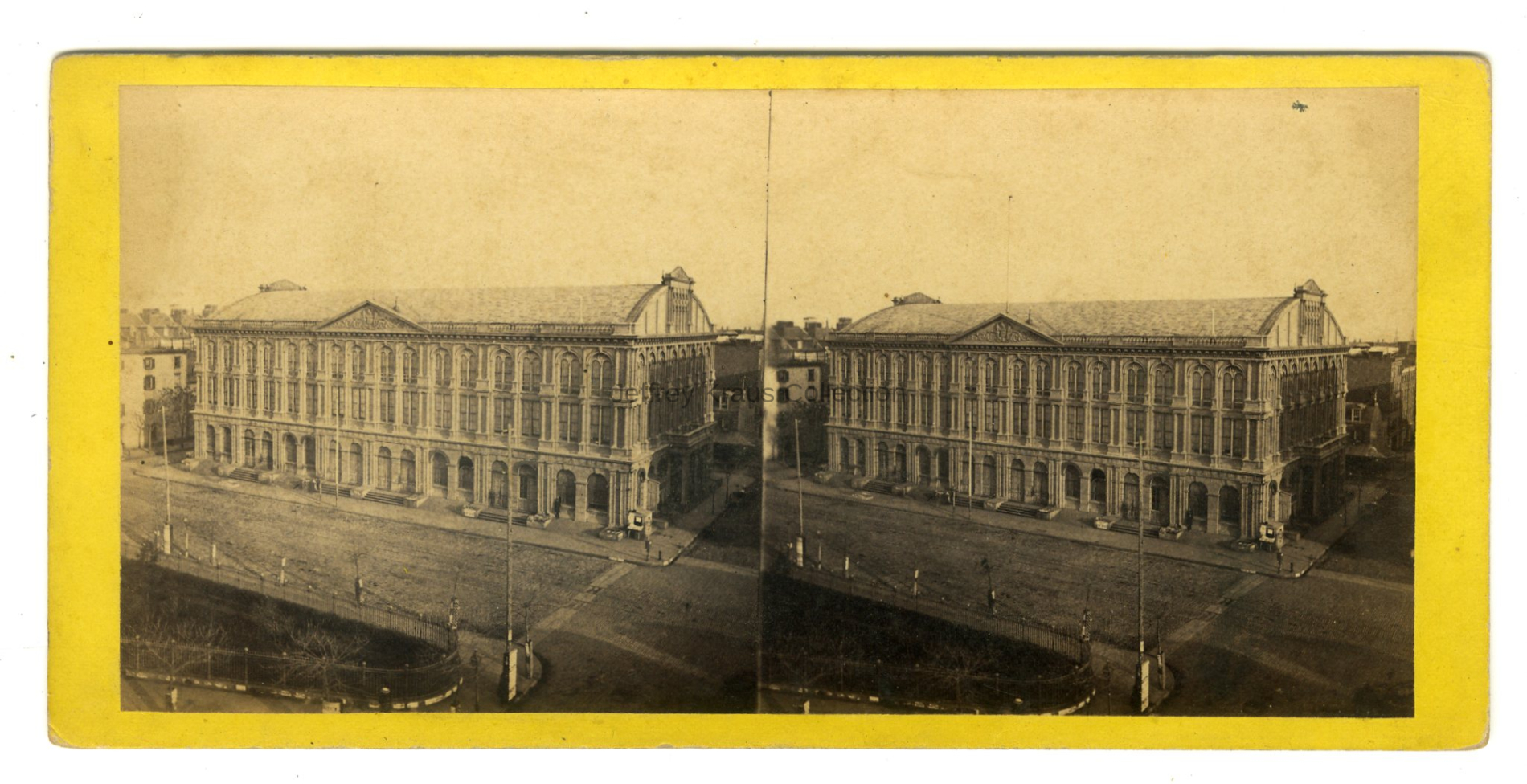
12543.

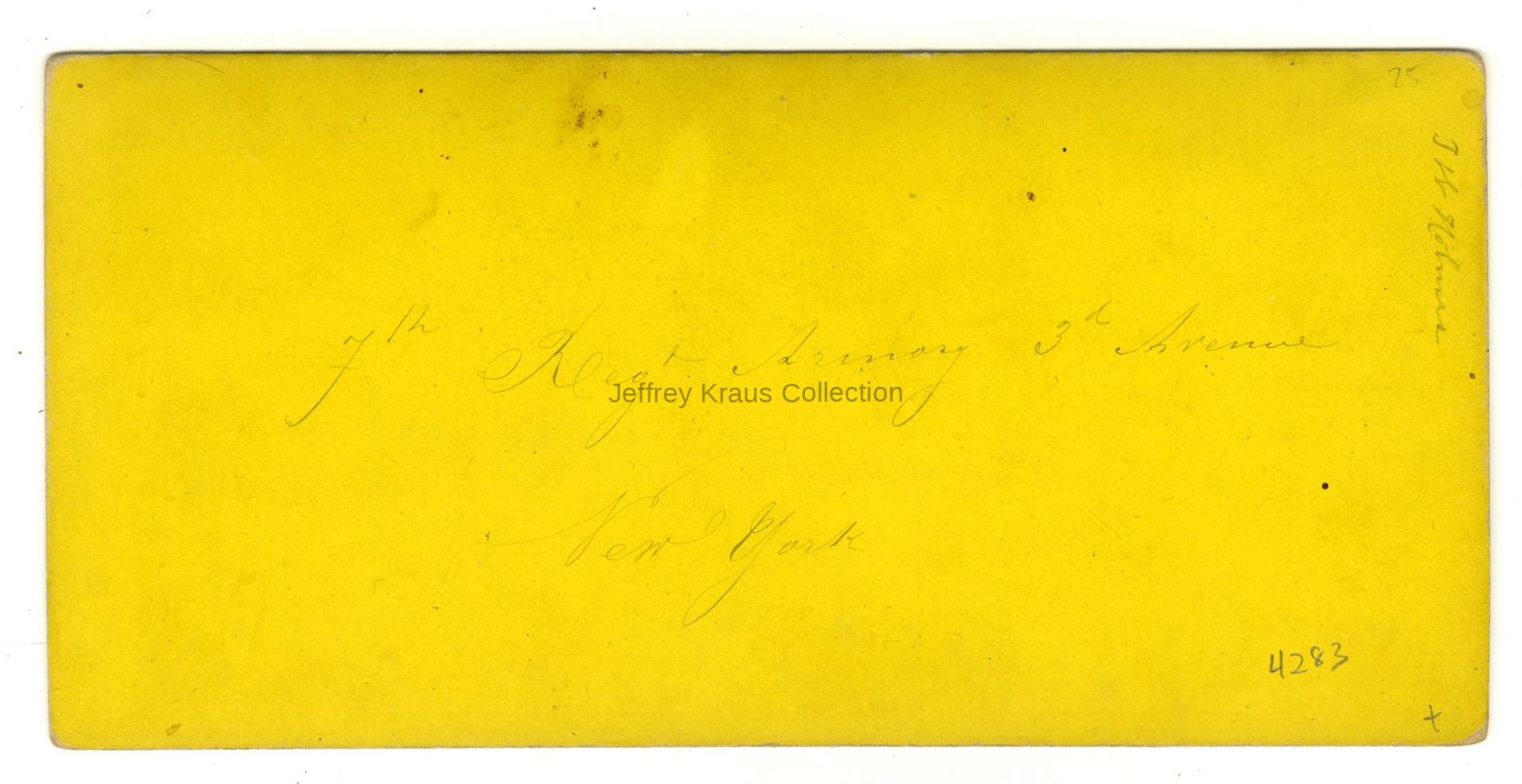
7th Regiment Armory, 3rd Avenue, New York.

12544.

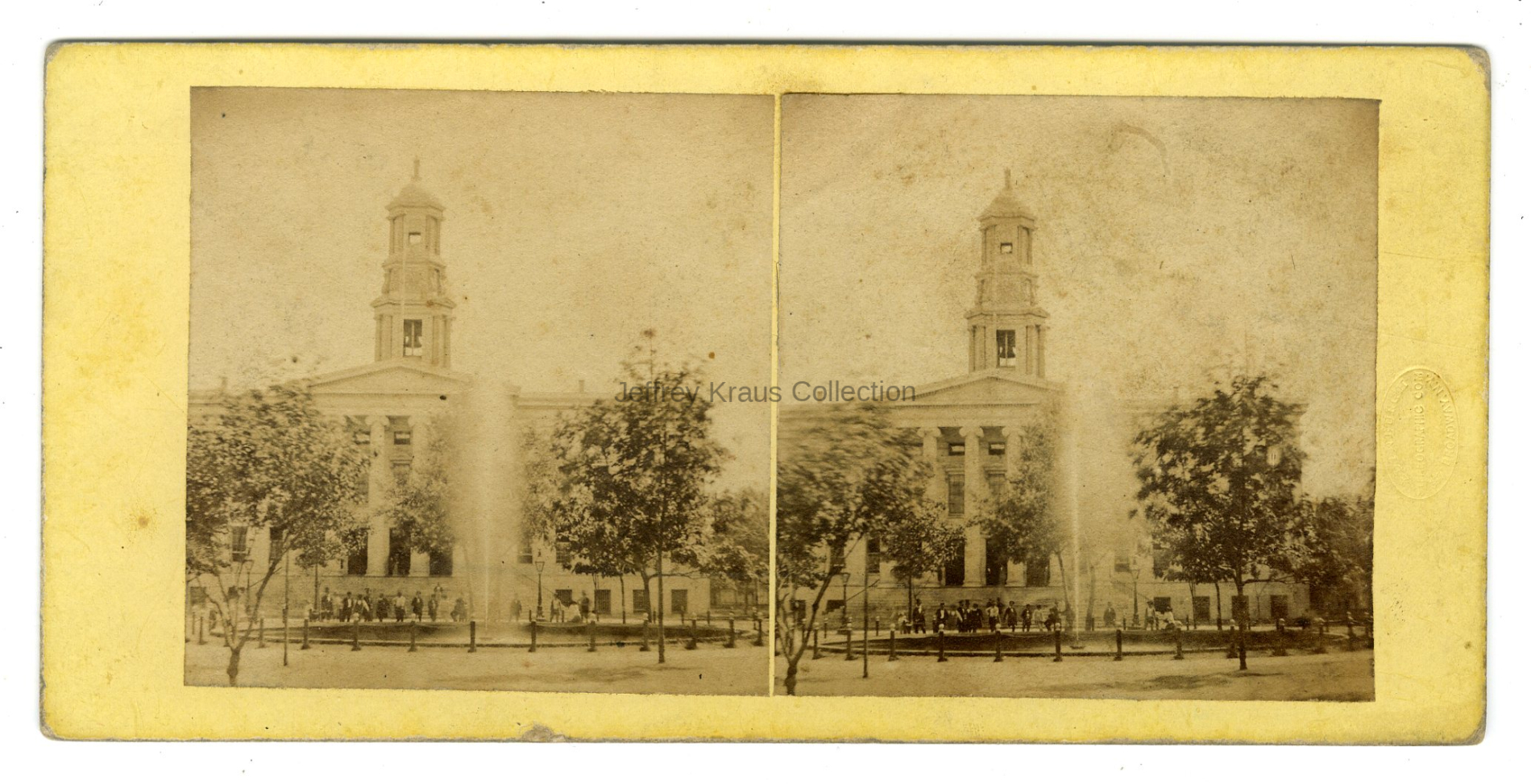
Brooklyn City Hall.

12545.

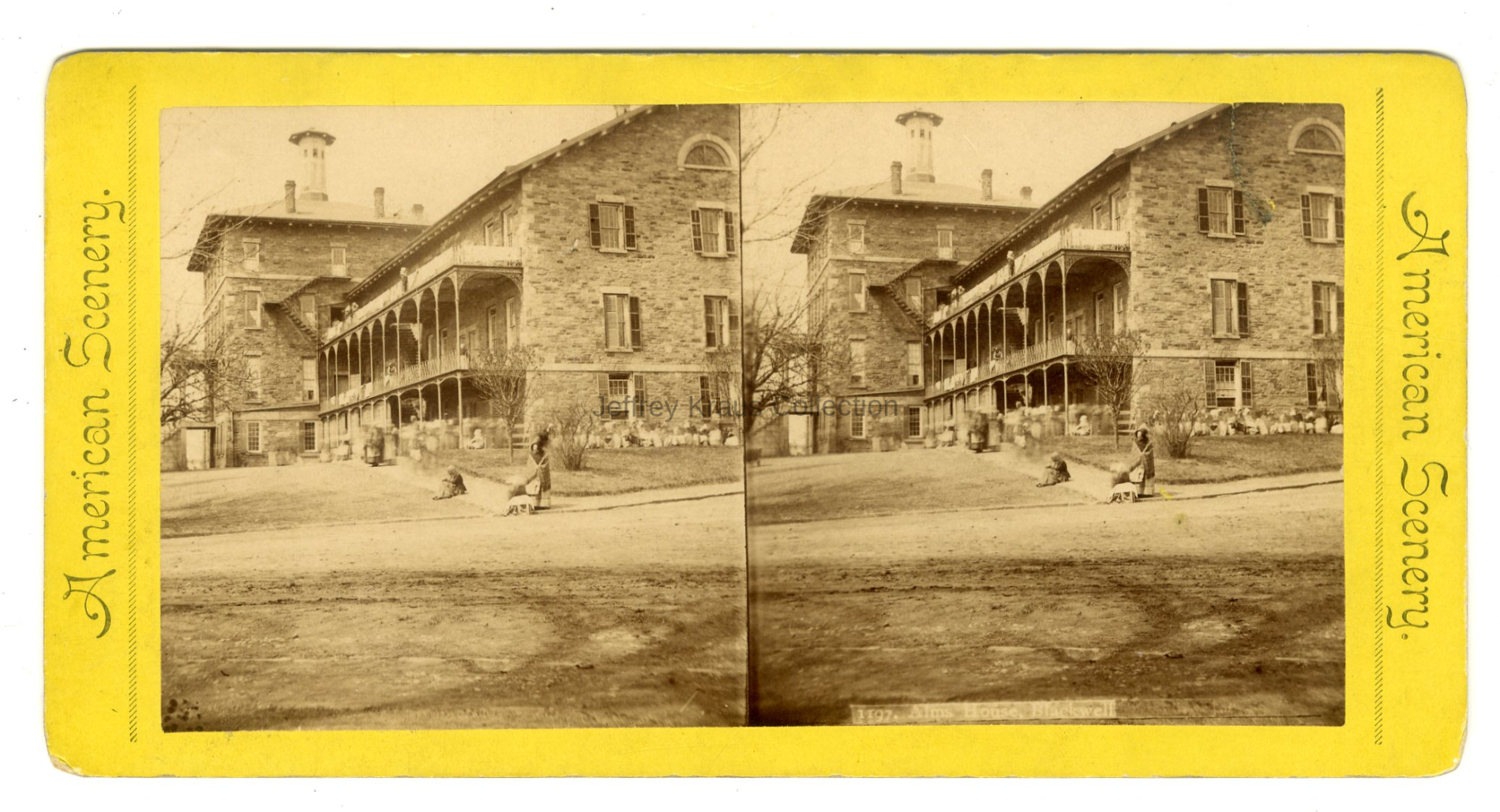
1197. Alms House, Blackwell.

12546.

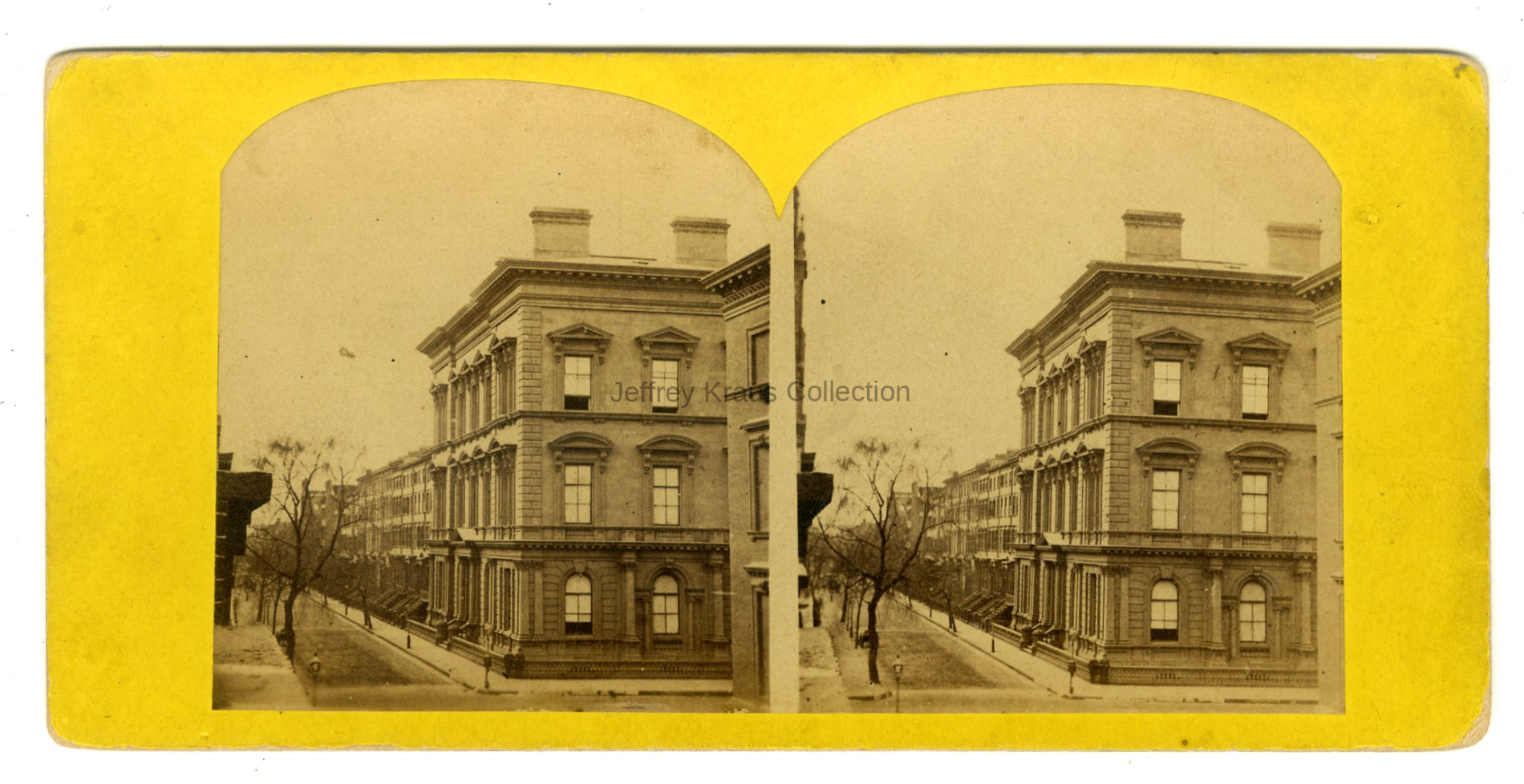
NY Club House 5th Ave.

12547.

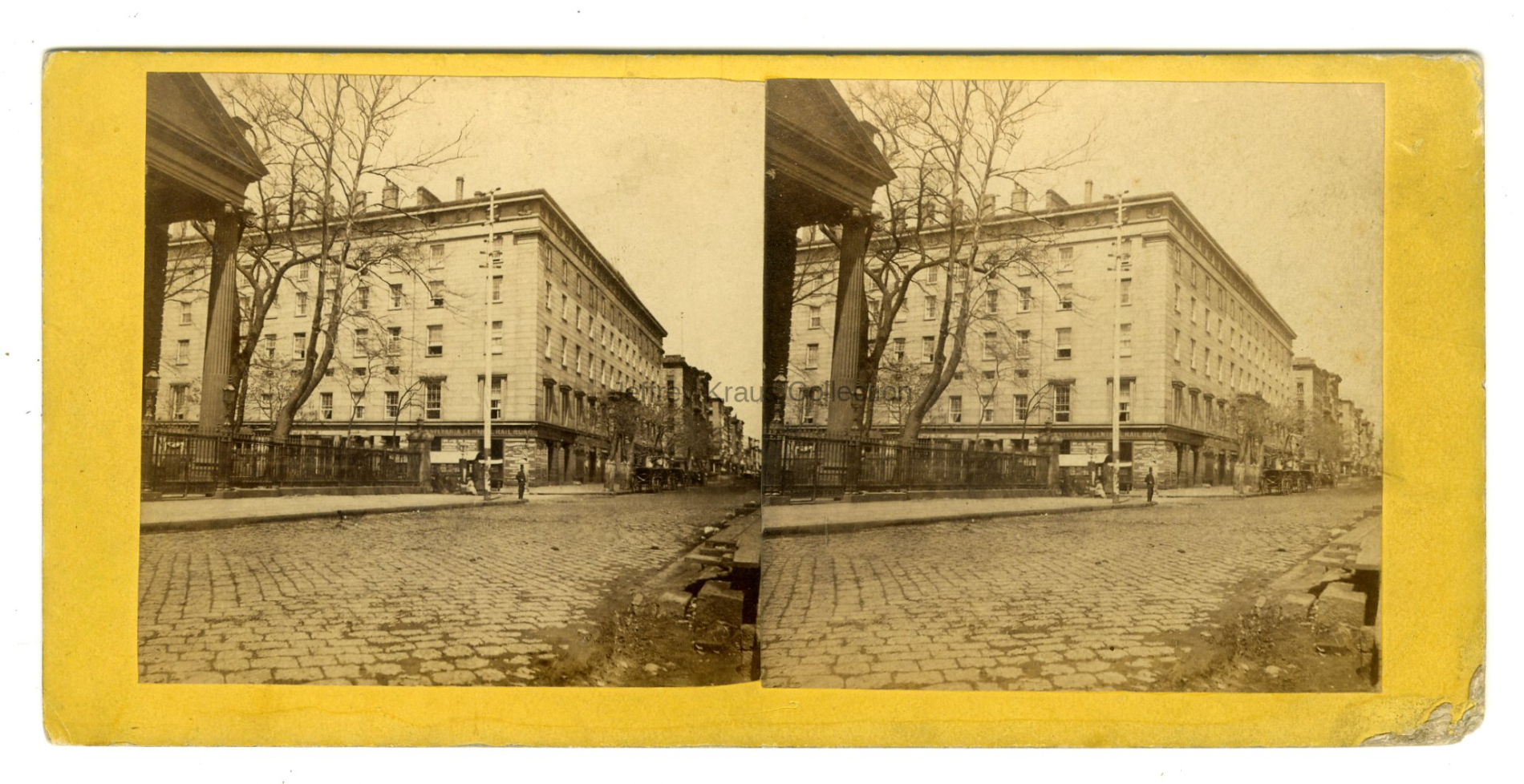
Astor House, New York.

12548.

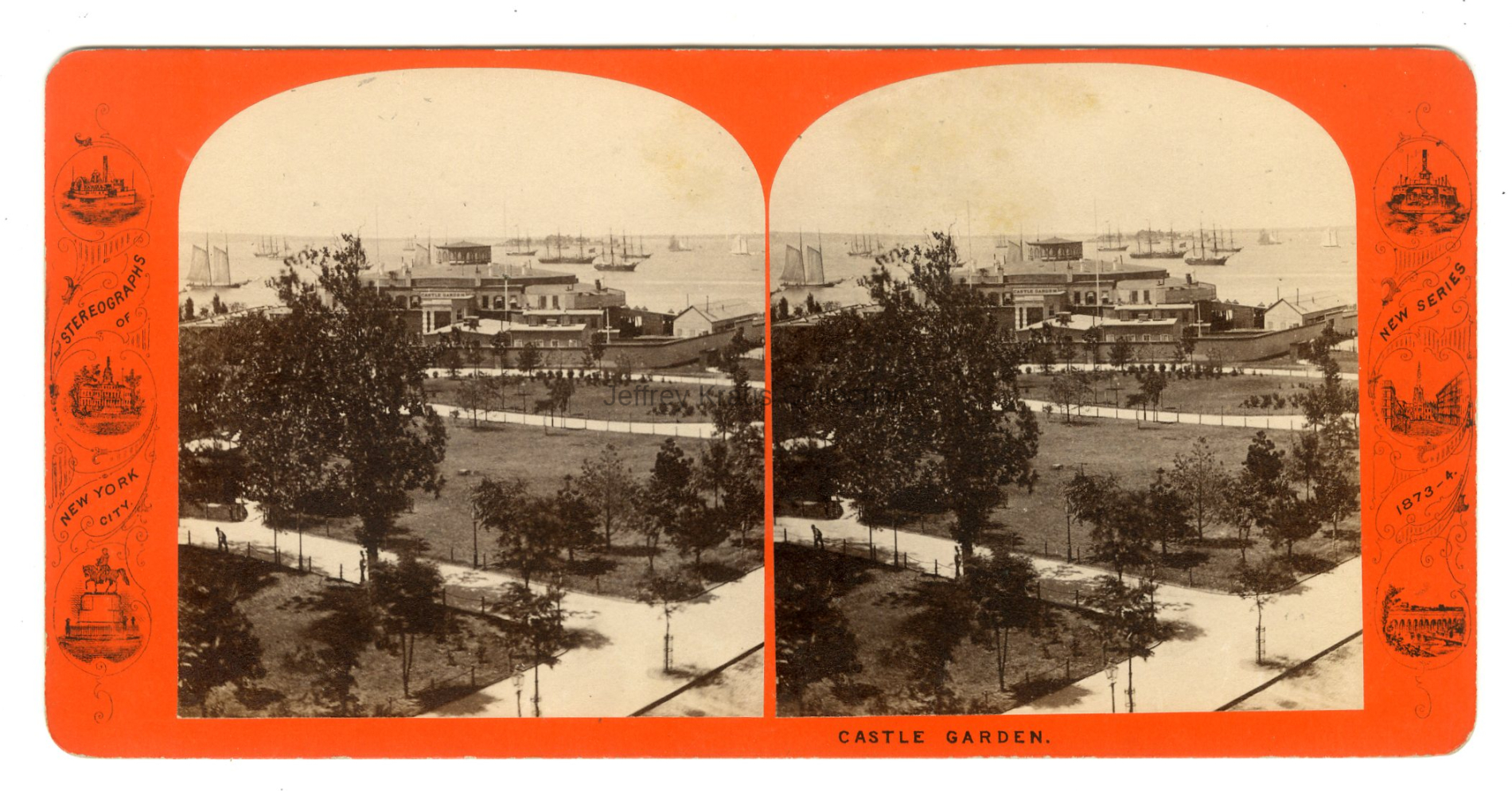
Castle Garden.

12549.

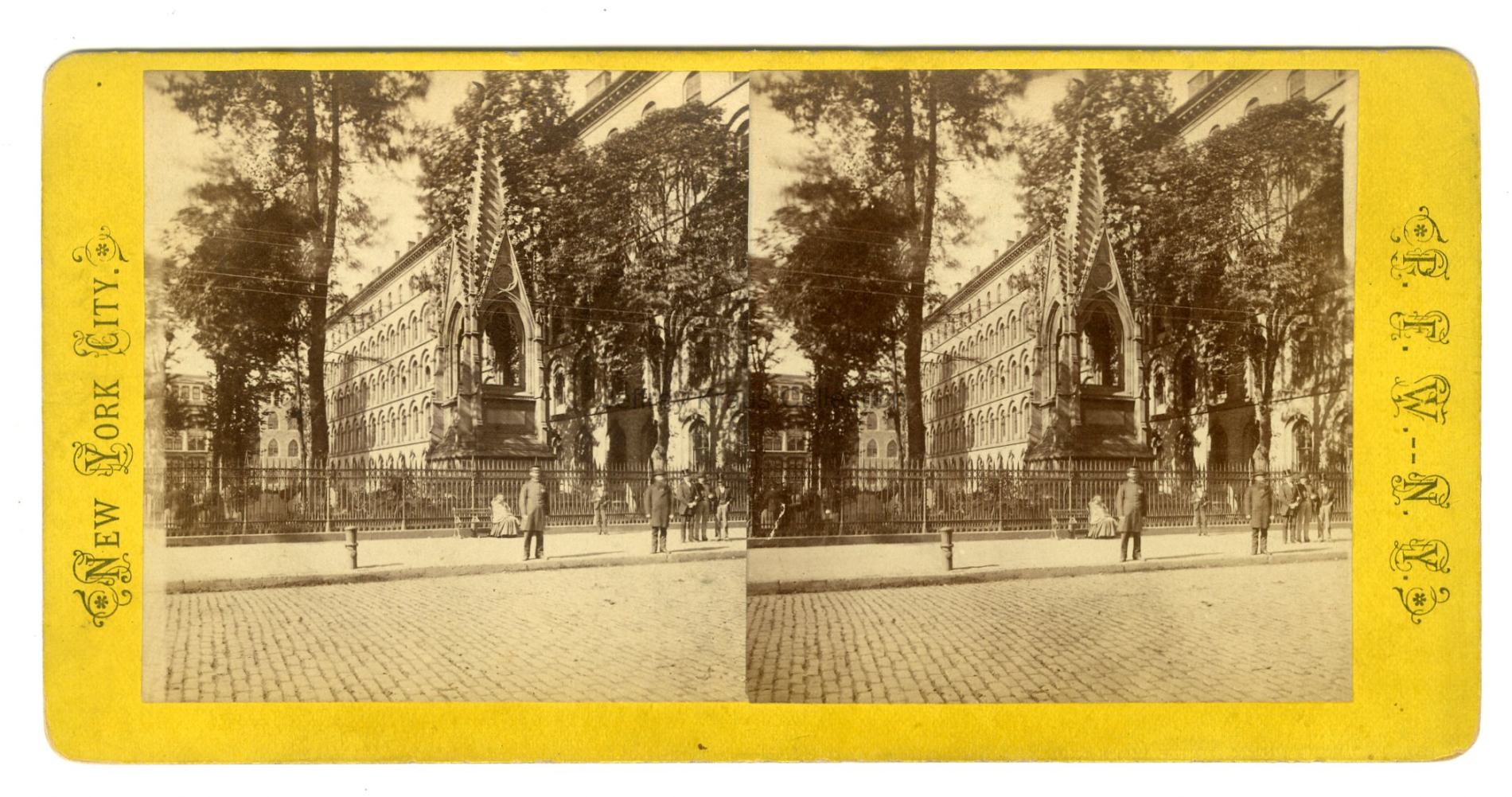
Trinity Church yard from Broadway.

12550.

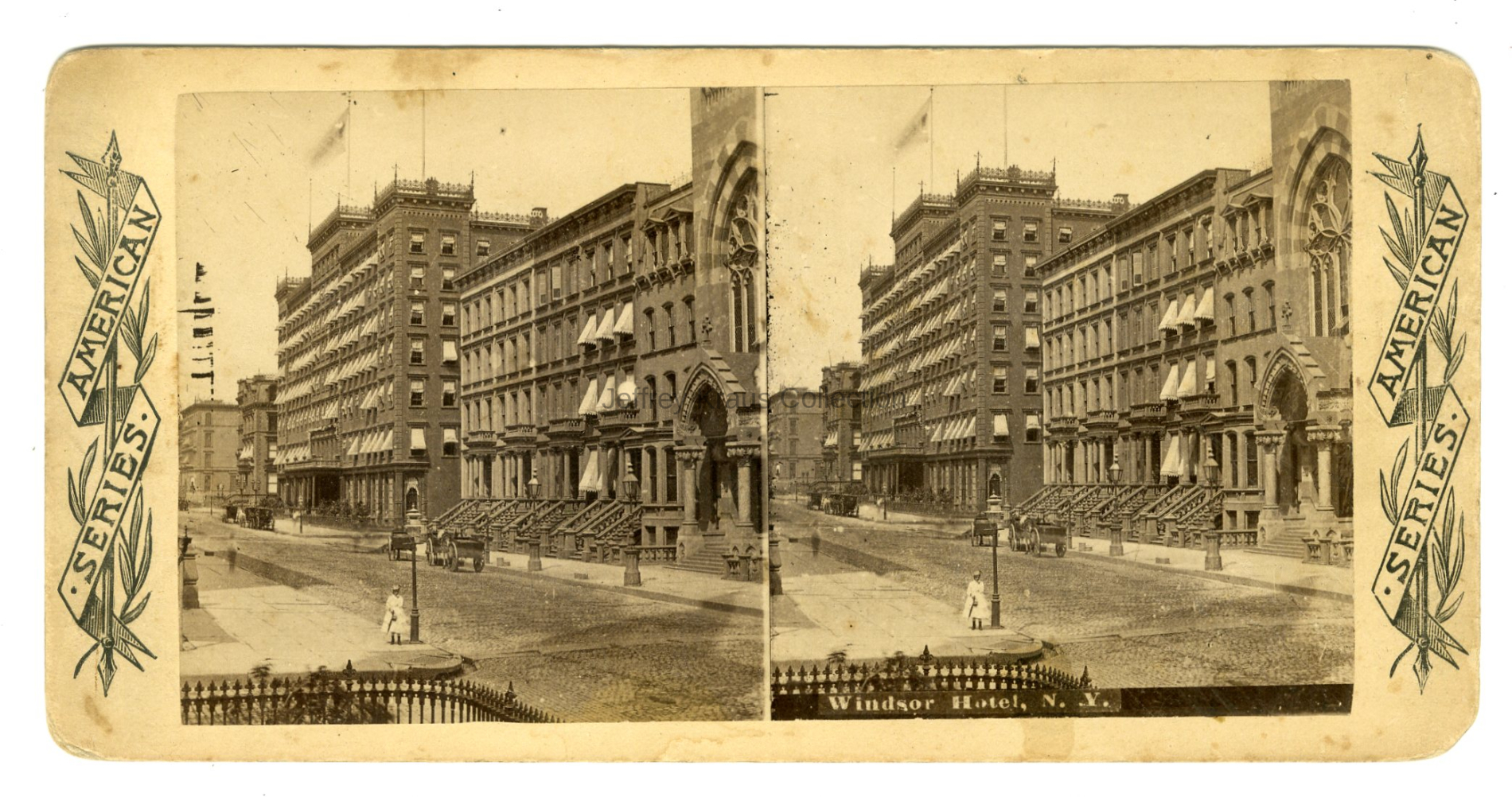
Windsor Hotel, NY.

12551.

Broadway Hospital.

12552.

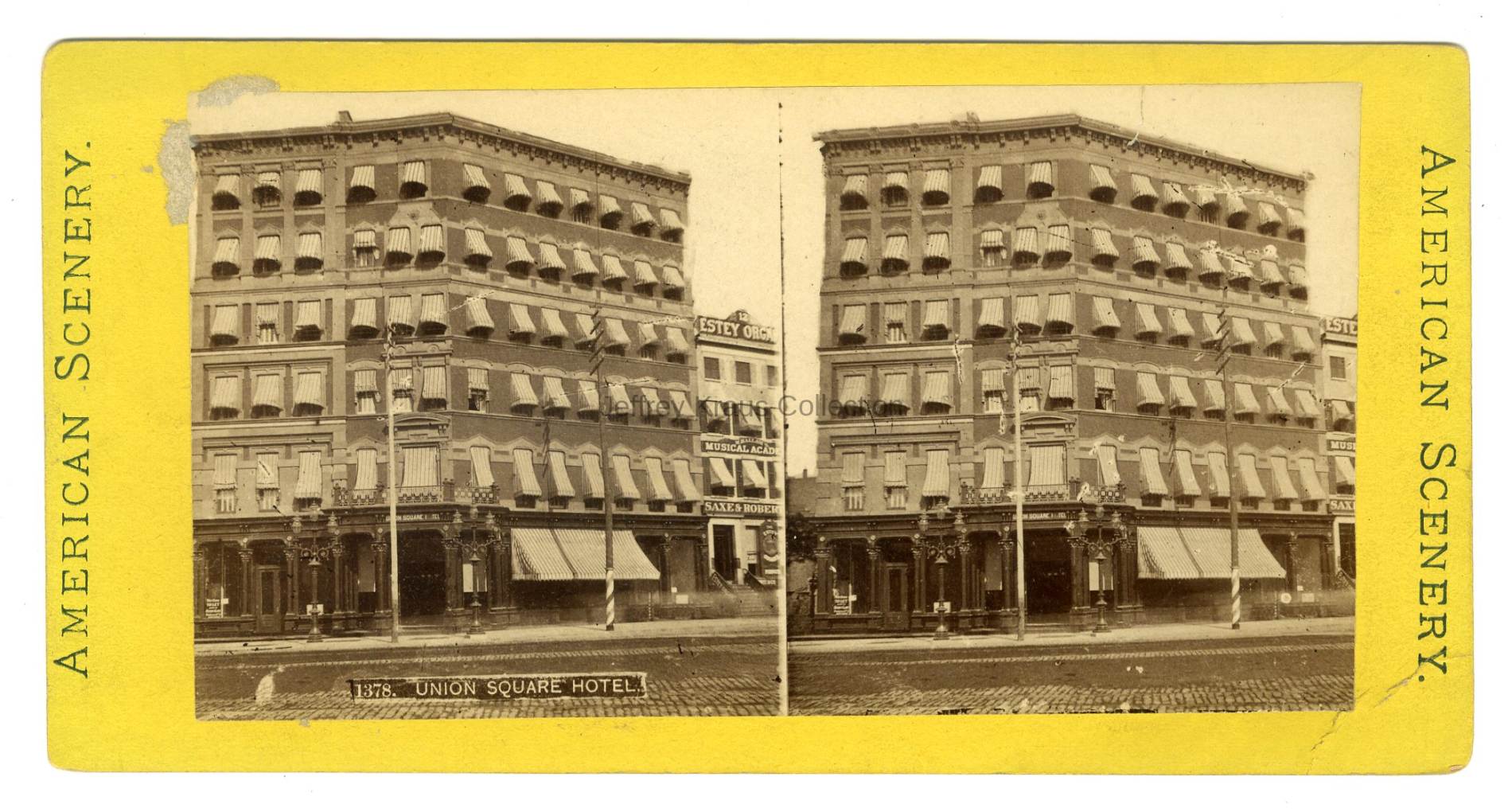
1378. Union Square Hotel.
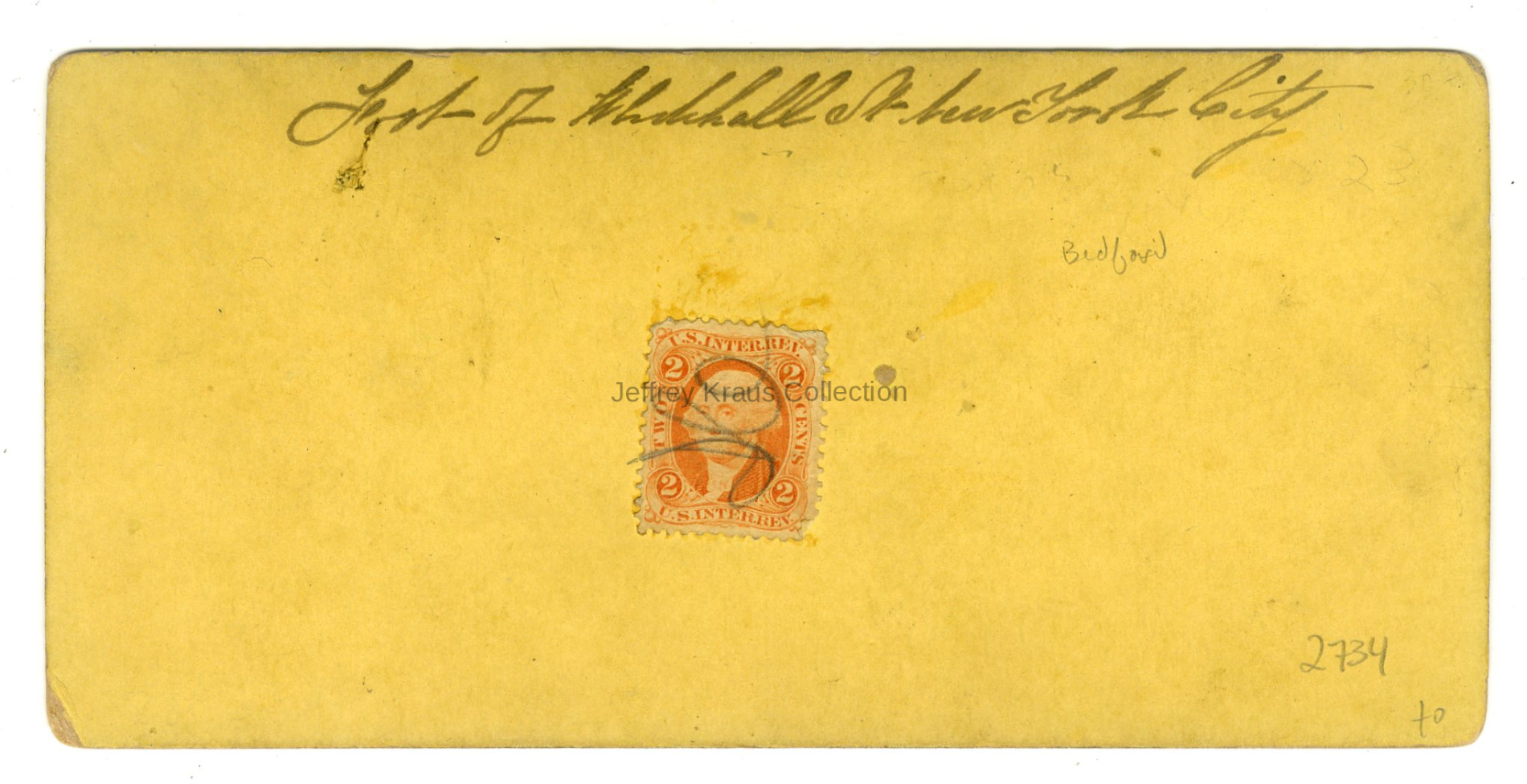
12553.

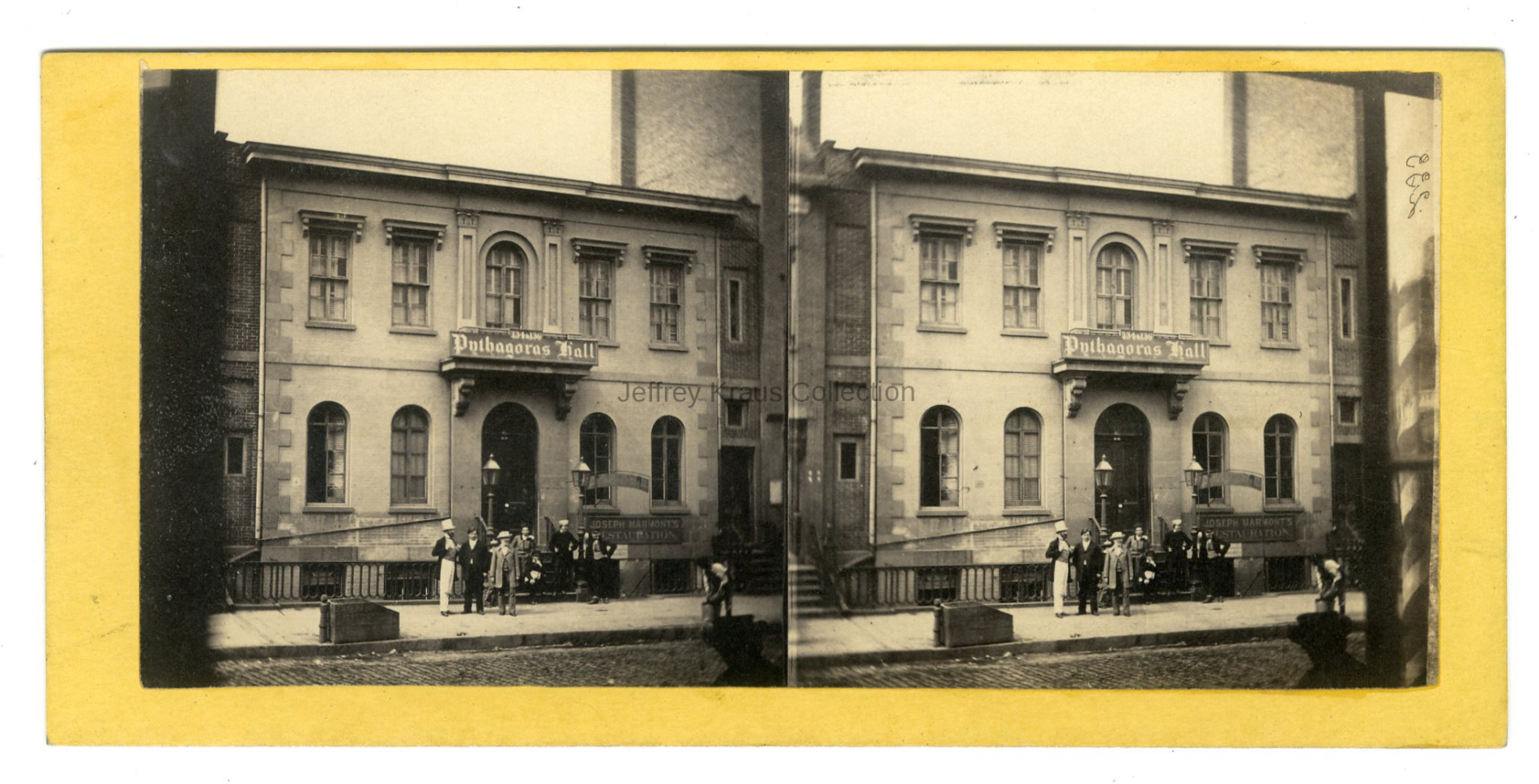
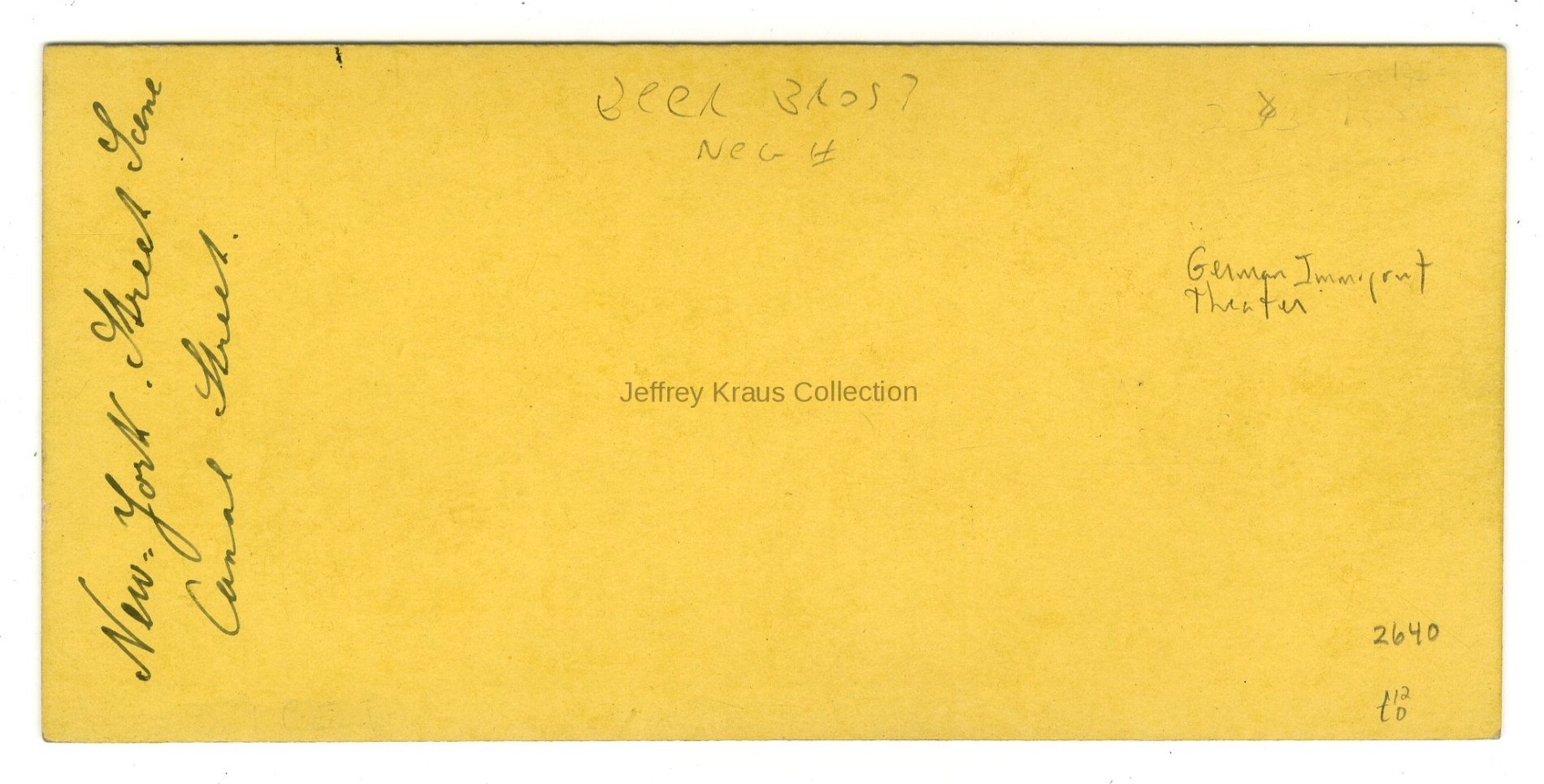
New York Street Scene, Canal Street. Pythagoras Hall, 134 & 136 Canal Street.

12554.

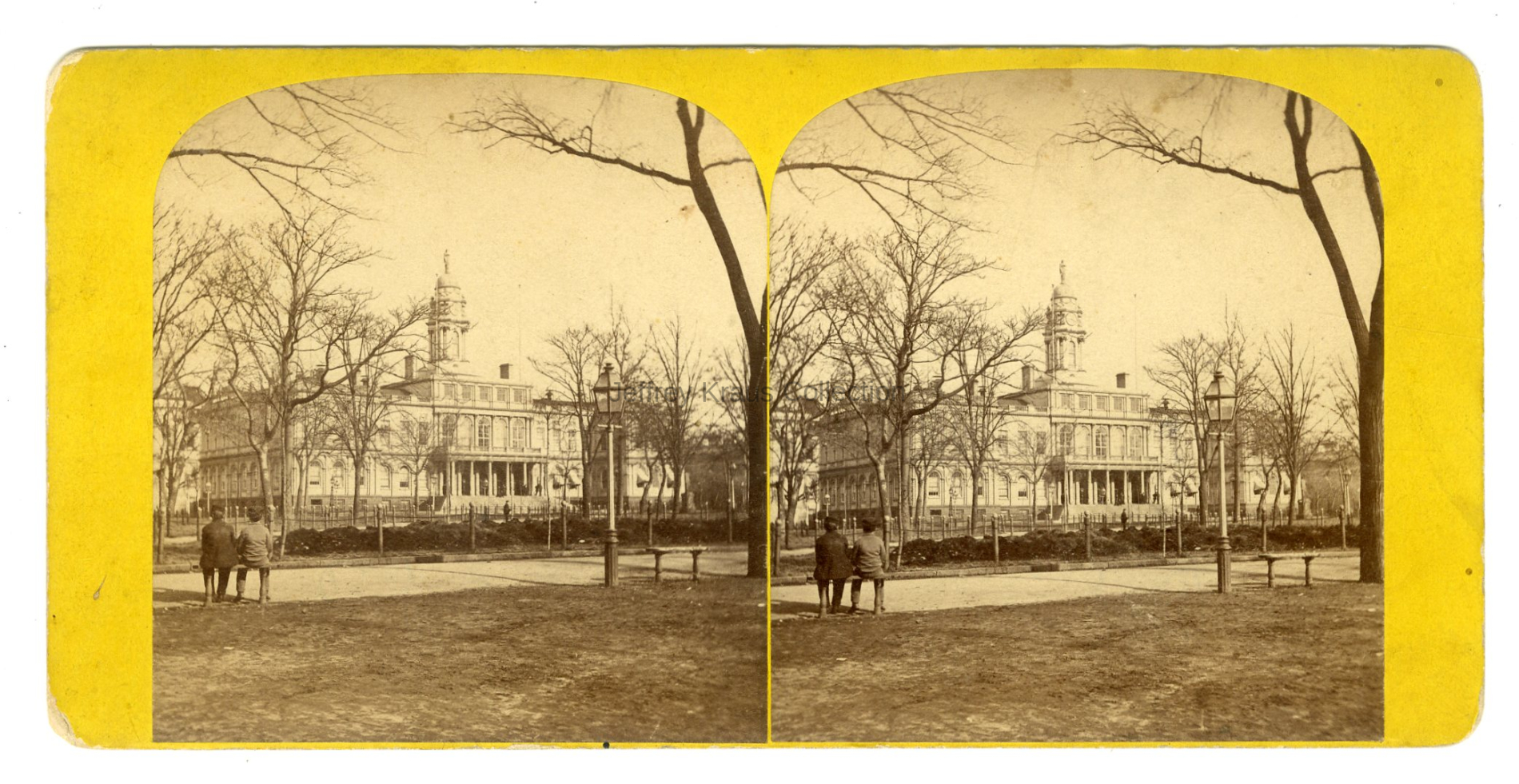
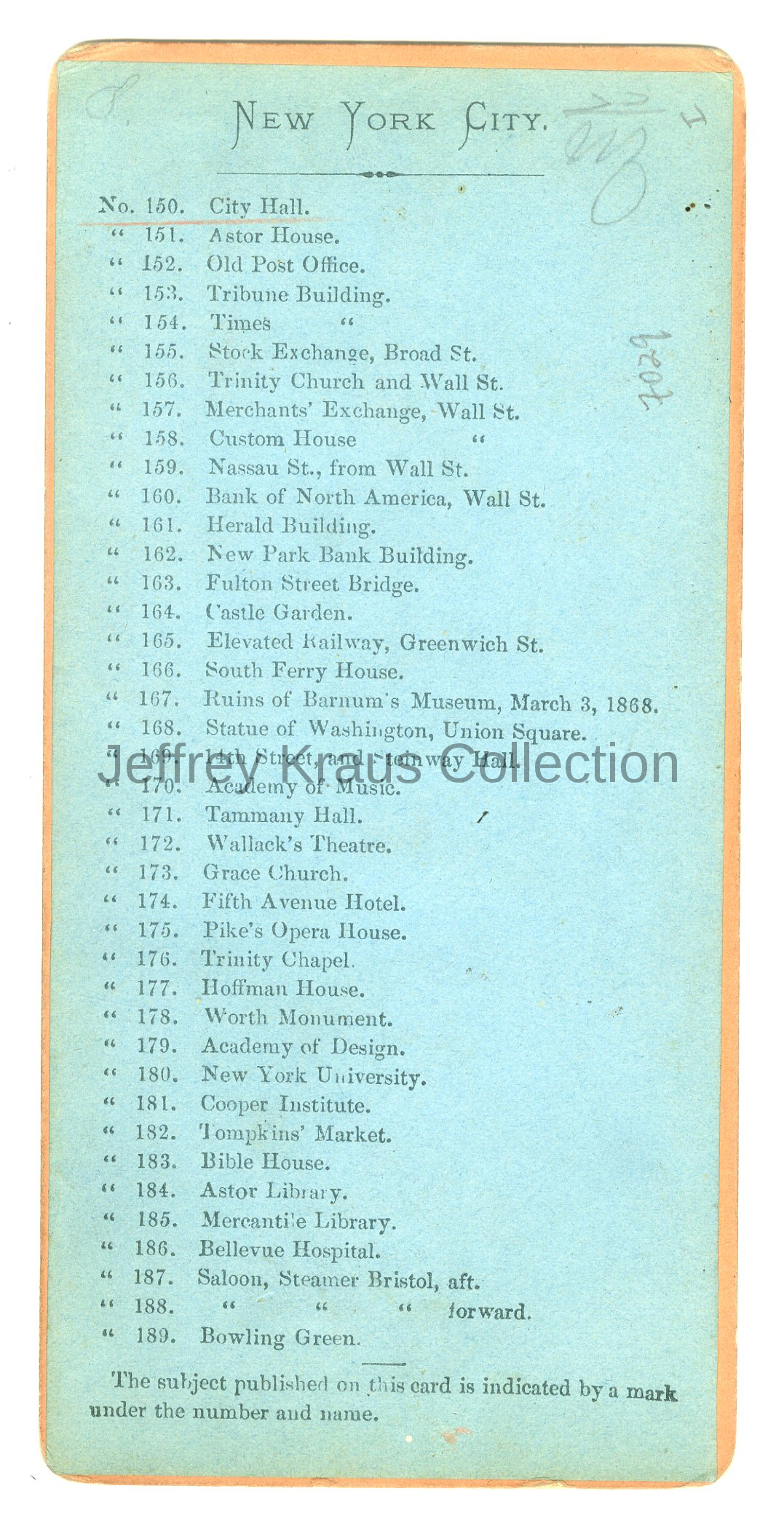
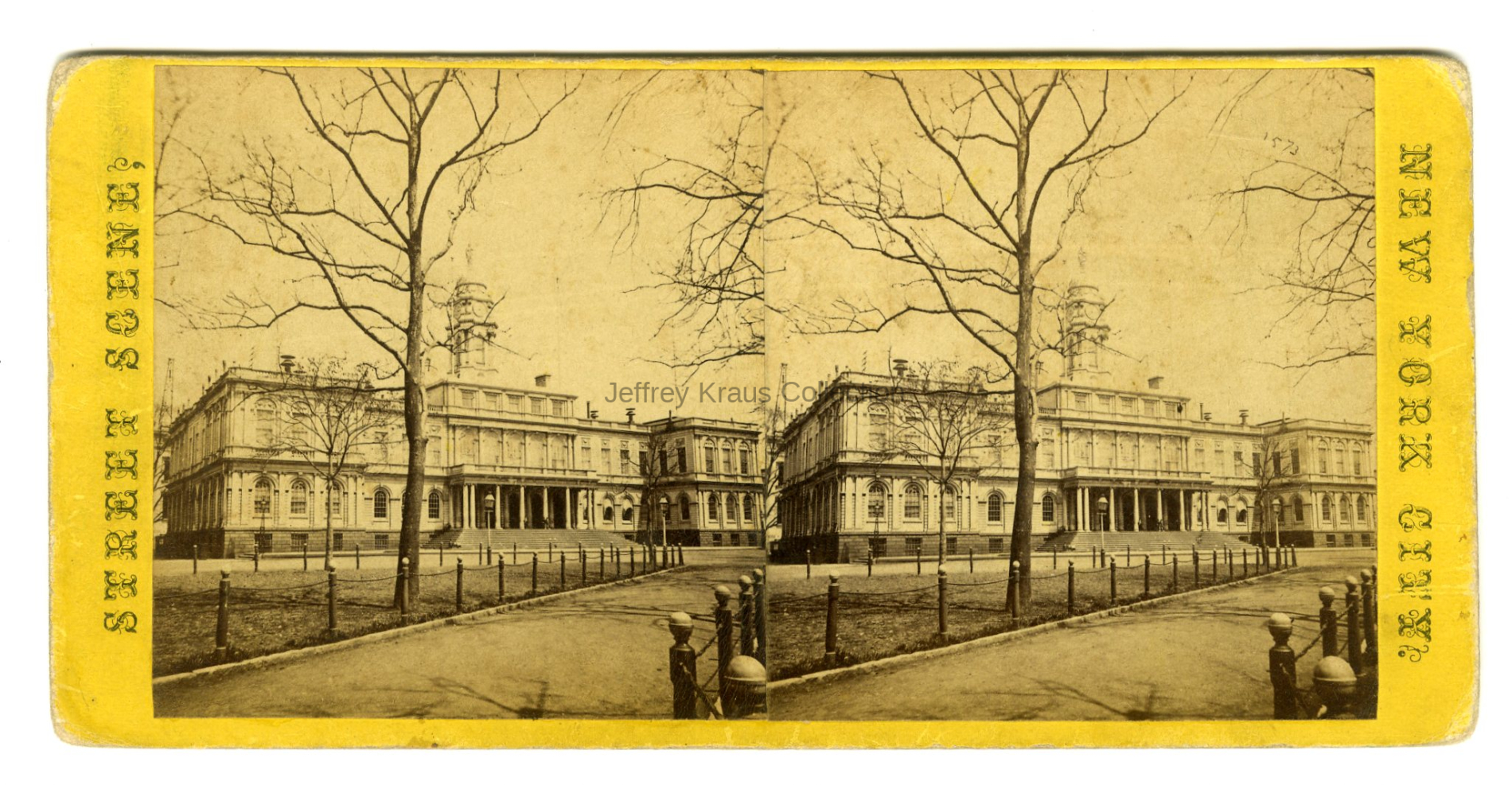
No. 150. City Hall.

12555.

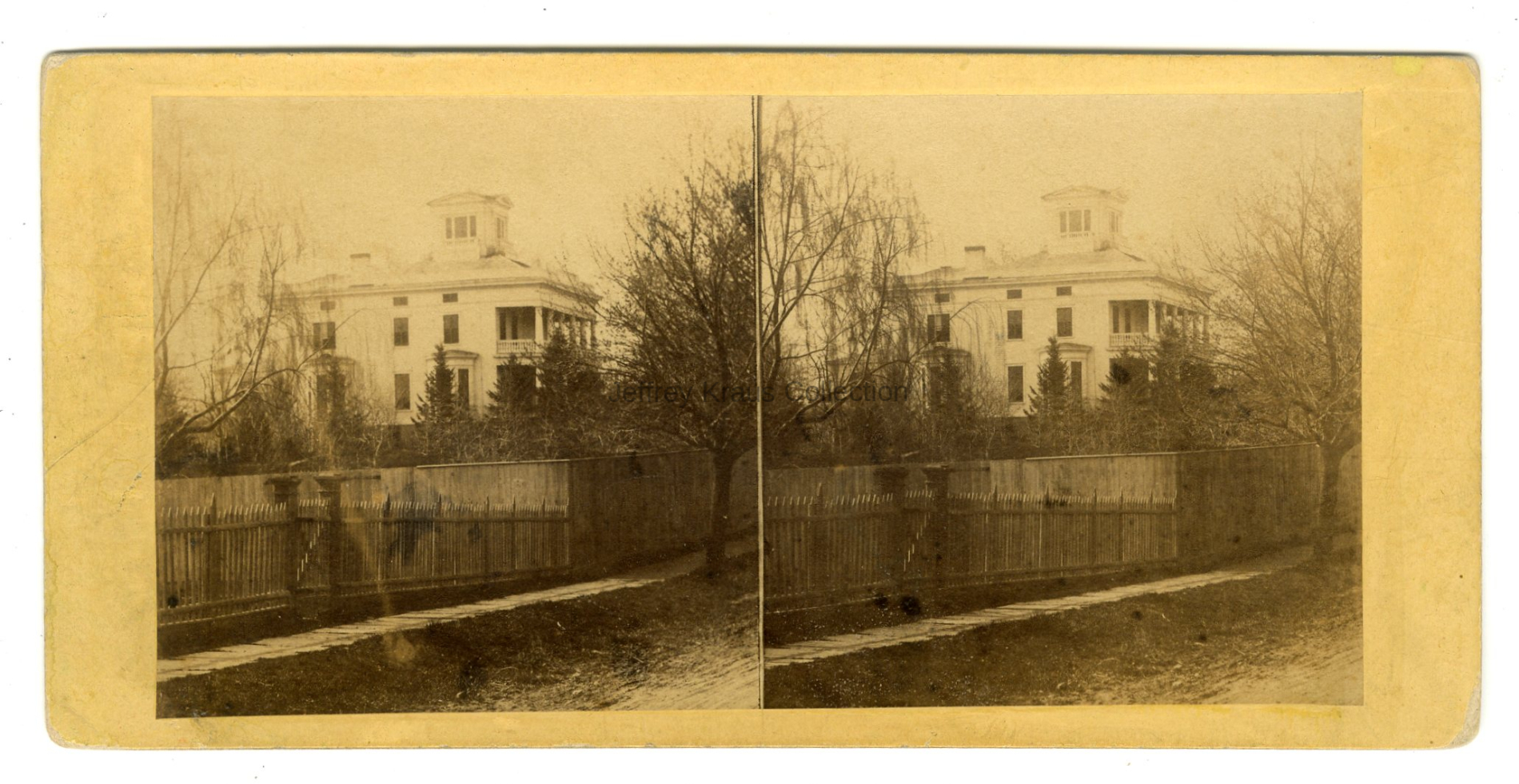
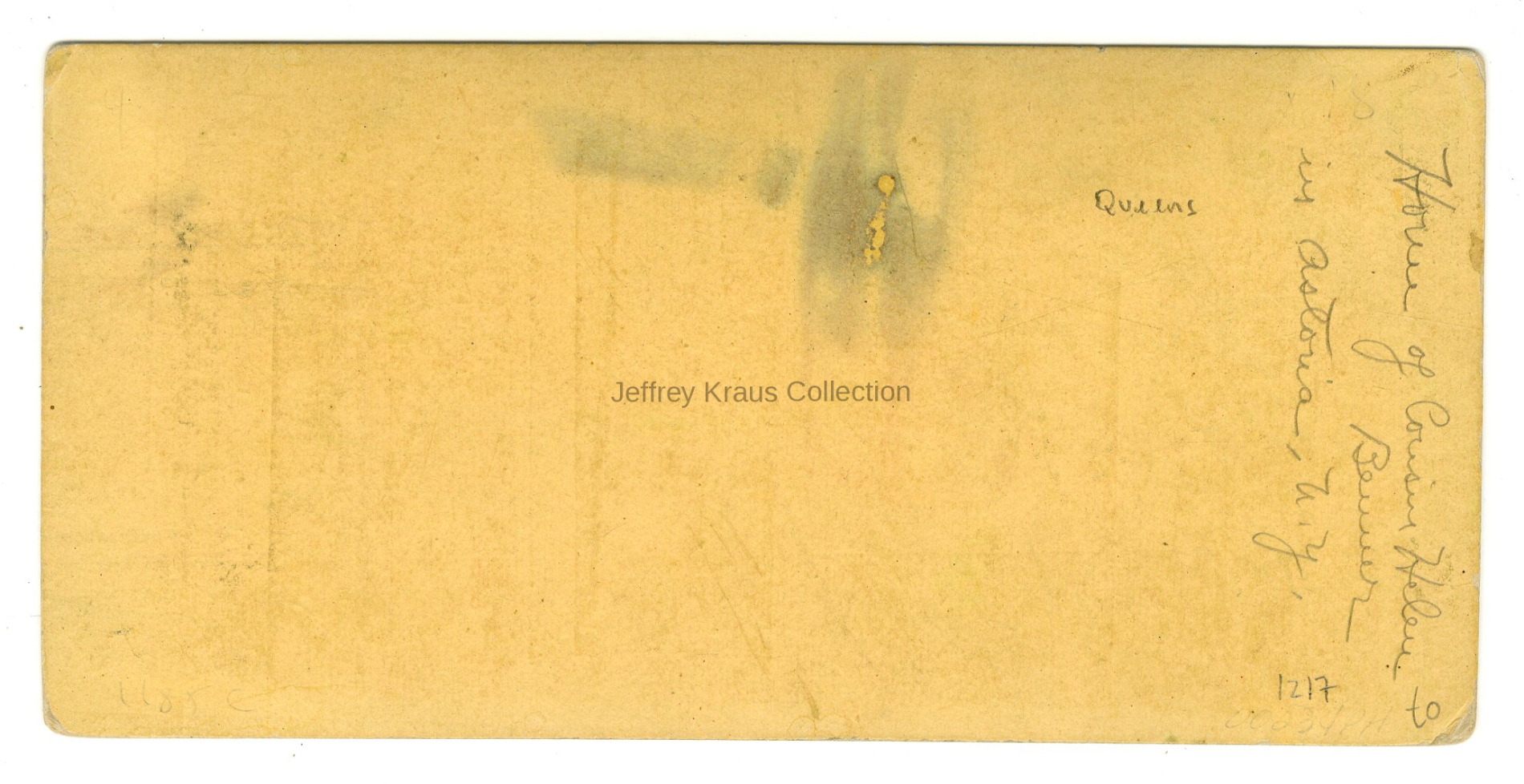
House of Cousin Helen Beuvier? in Astoria, N.Y.

12556.

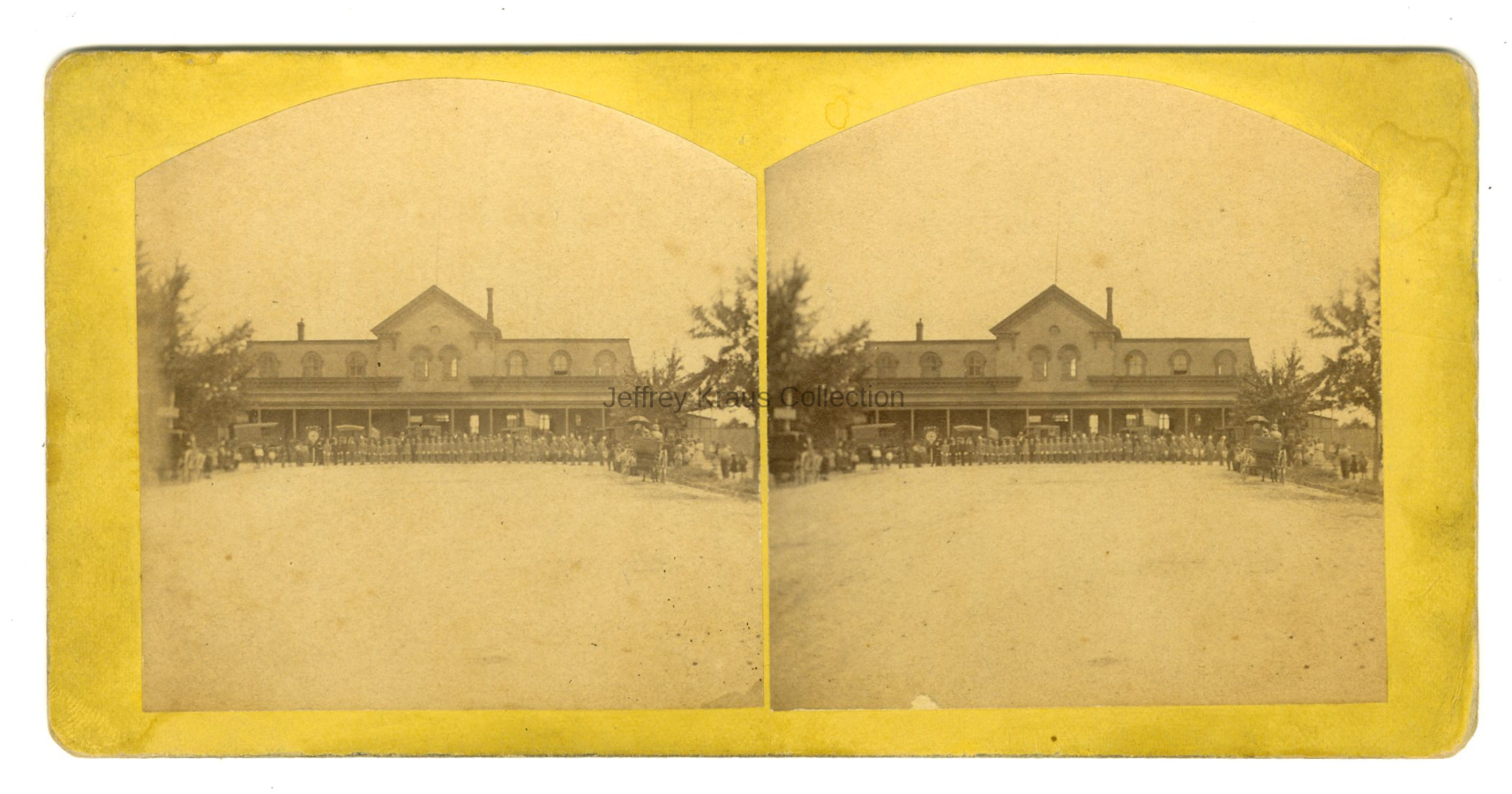
College Point Railroad Station.

12557.

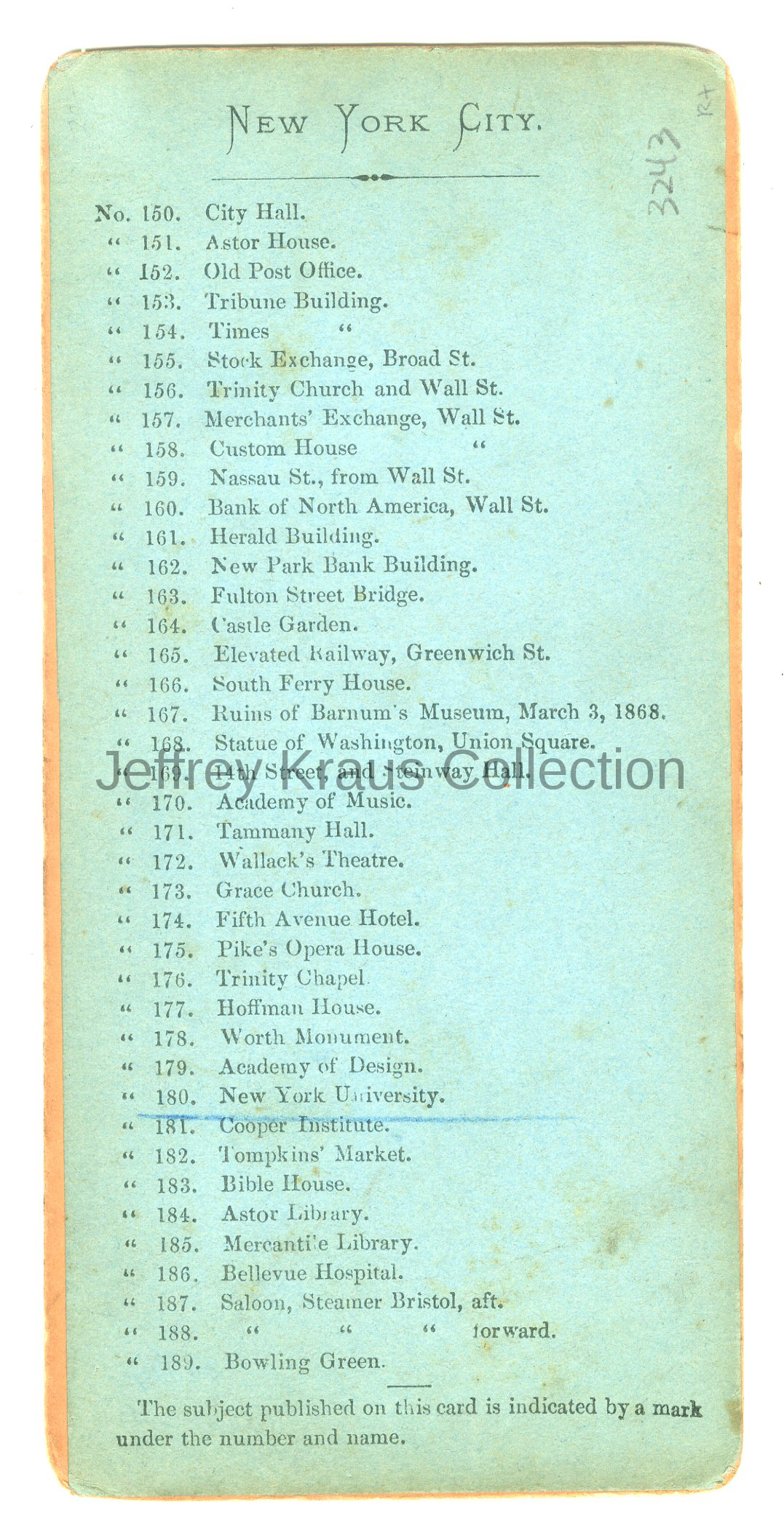
No. 180. New York University.

12558.

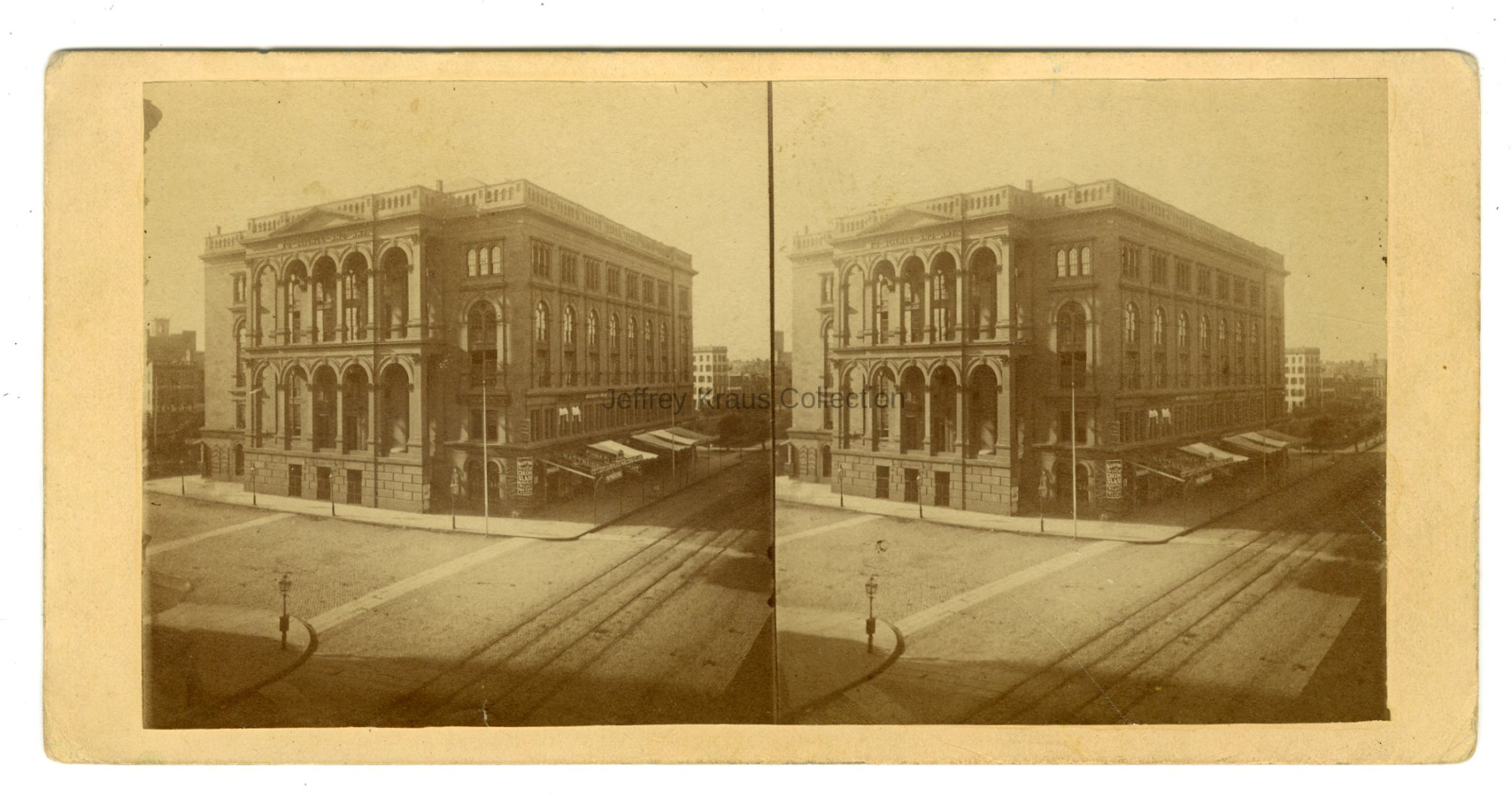
Cooper Institute.

12559.

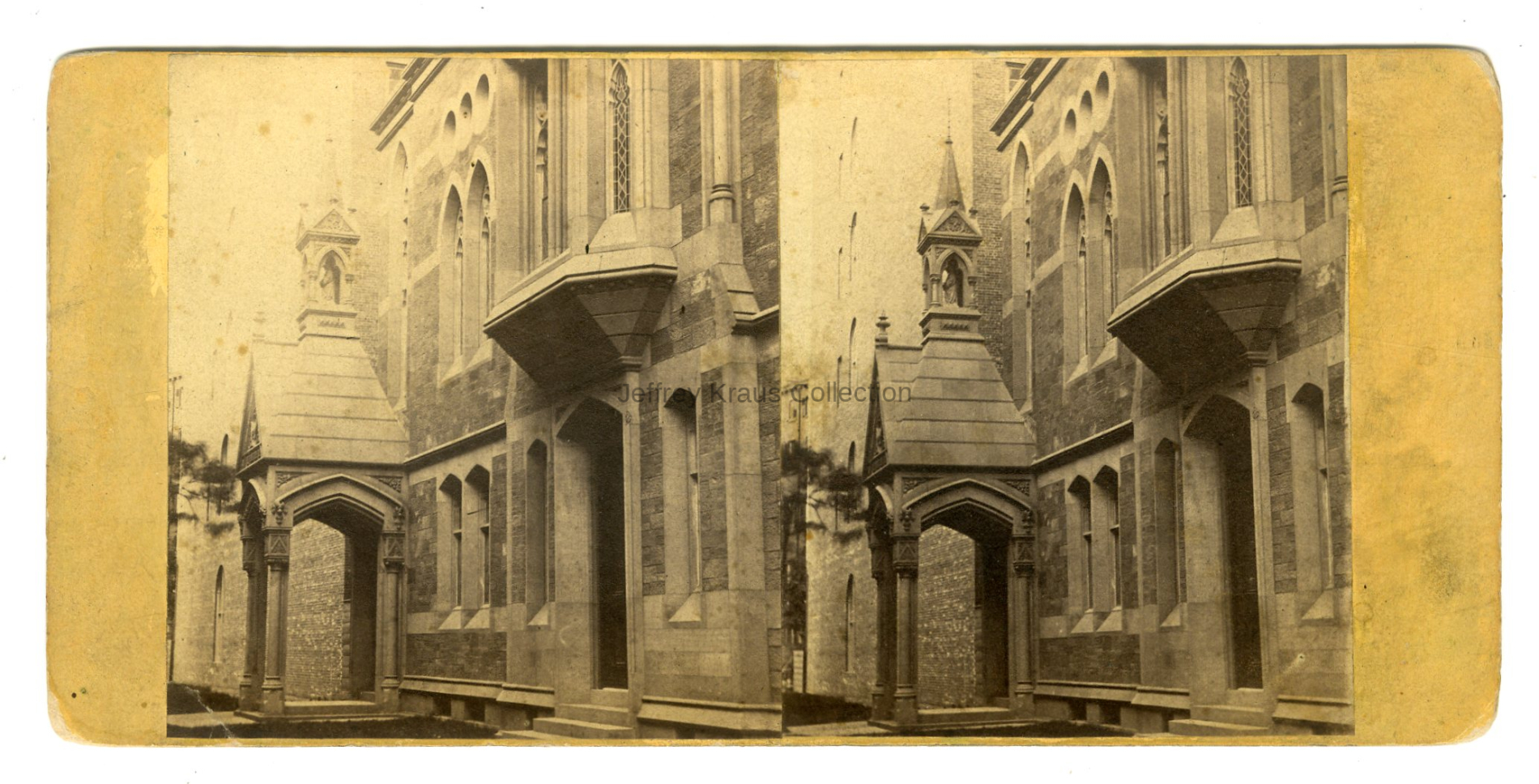
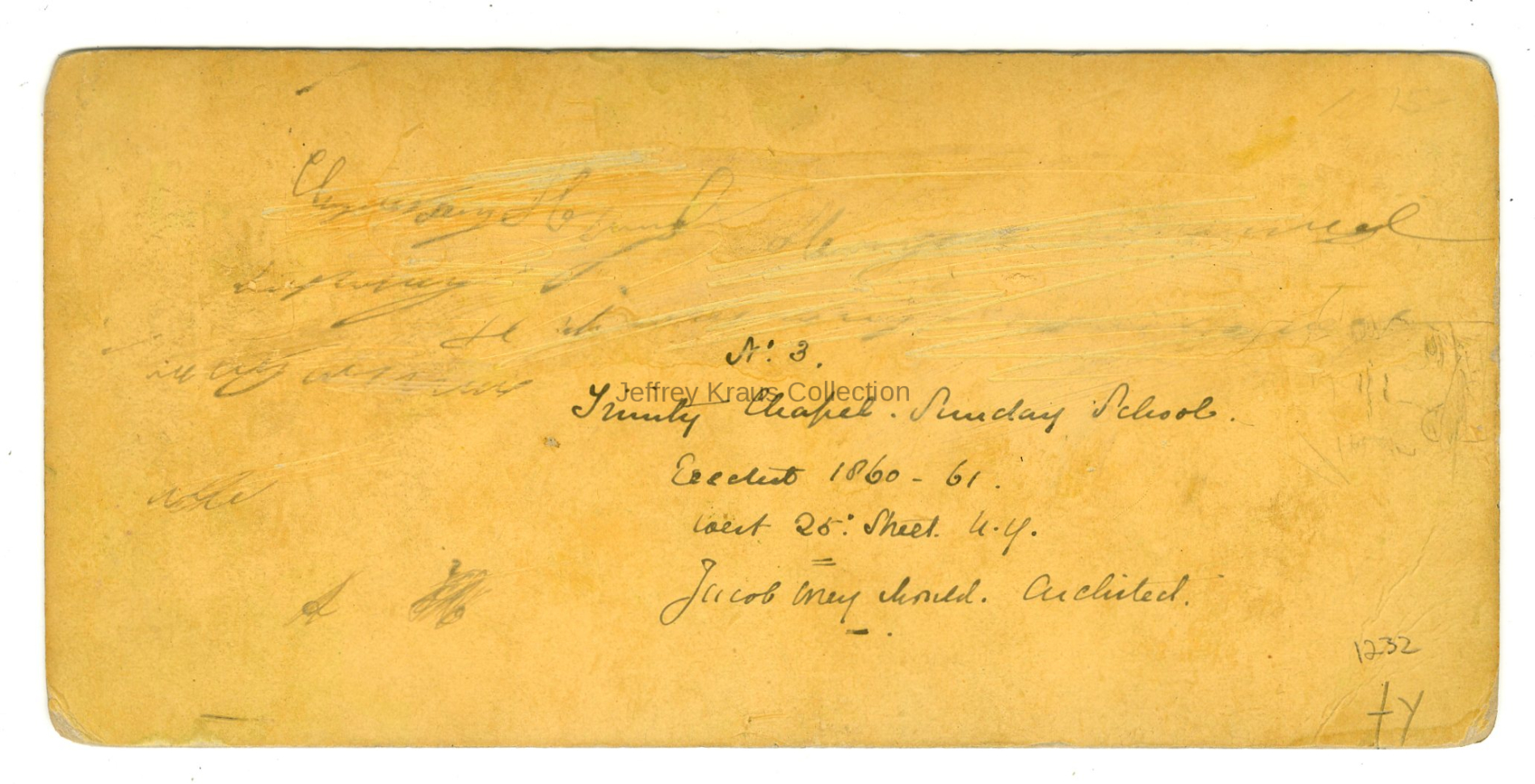
No. 3. Trinity Chapel Sunday School. Erected 1860-’61. West 25th Street, N.Y. Jacob Wrey Mould, Architect.

12560.

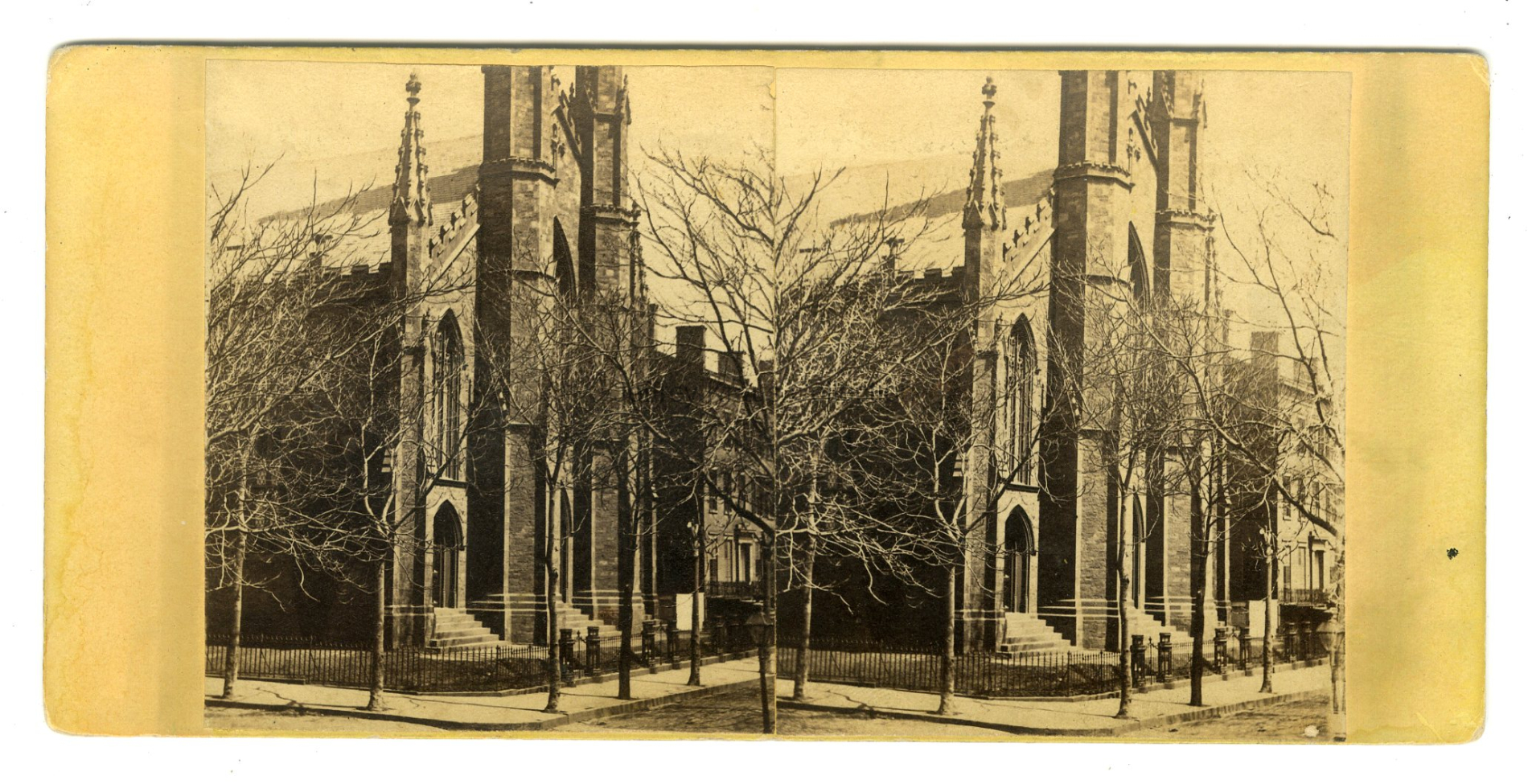
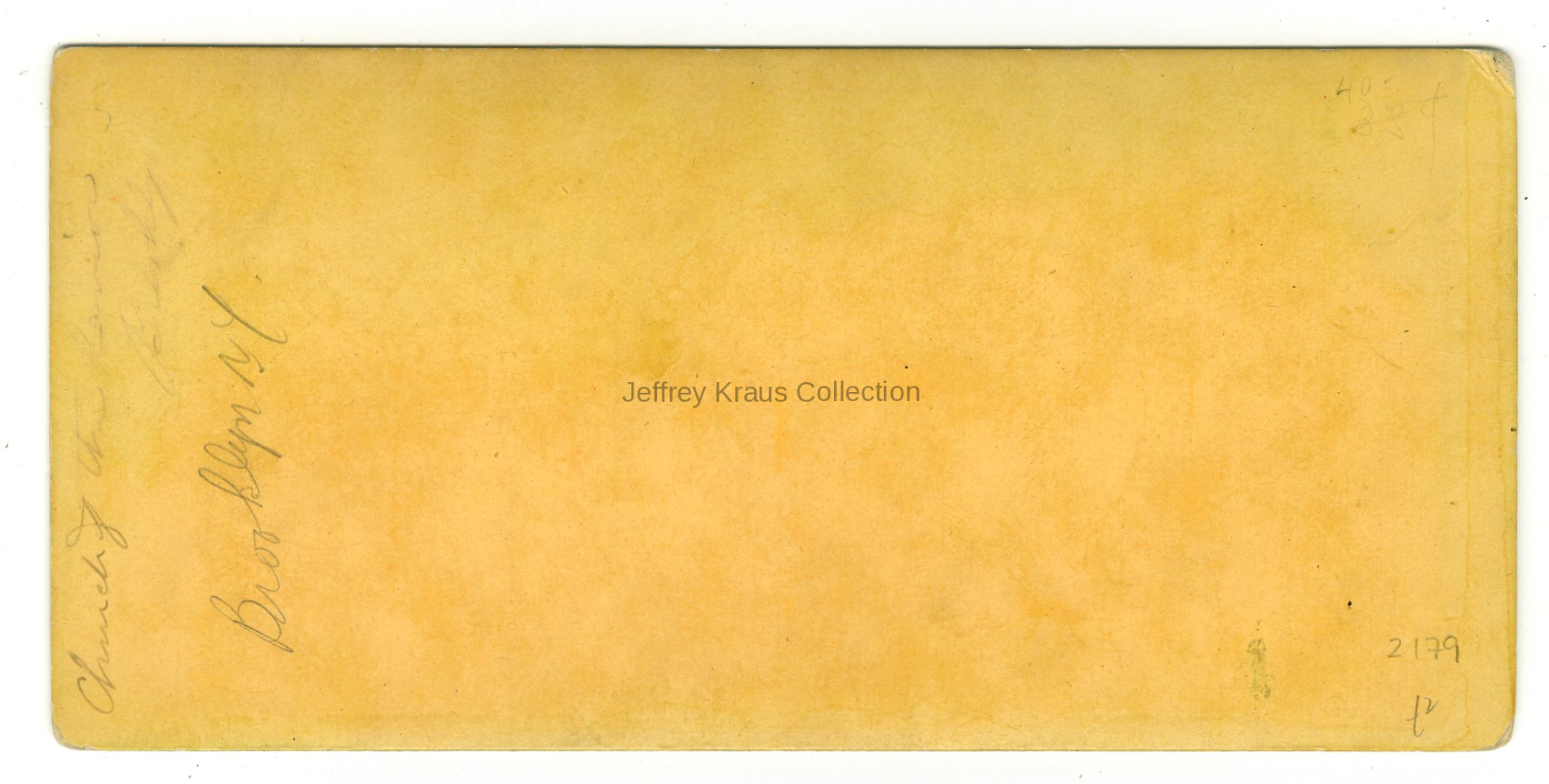
The Church of the Saviour, Brooklyn. In June 1833, forced between choosing a ferry ride to Unitarian services in Manhattan or attending services of a different denomination in Brooklyn where they would be refused communion, a group of ten men (John Frost, Josiah Dow, George Blackburn, William H. Carey, William H. Hale, Henry Leeds, Seth Low, Alexander H. Smith, and Charles and Thomas Woodward) set to forming a Unitarian society in Brooklyn. The First Unitarian Congregational Society of Brooklyn was incorporated two years later as the thirteenth functioning church in Brooklyn and the first in the city to be controlled by its congregation. As its place of worship the First Church constructed the Church Of The Saviour on Pierrepont Street by Monroe Place in 1844. The building was designed by architect Minard Lefever in the Gothic Revival style.

12561.

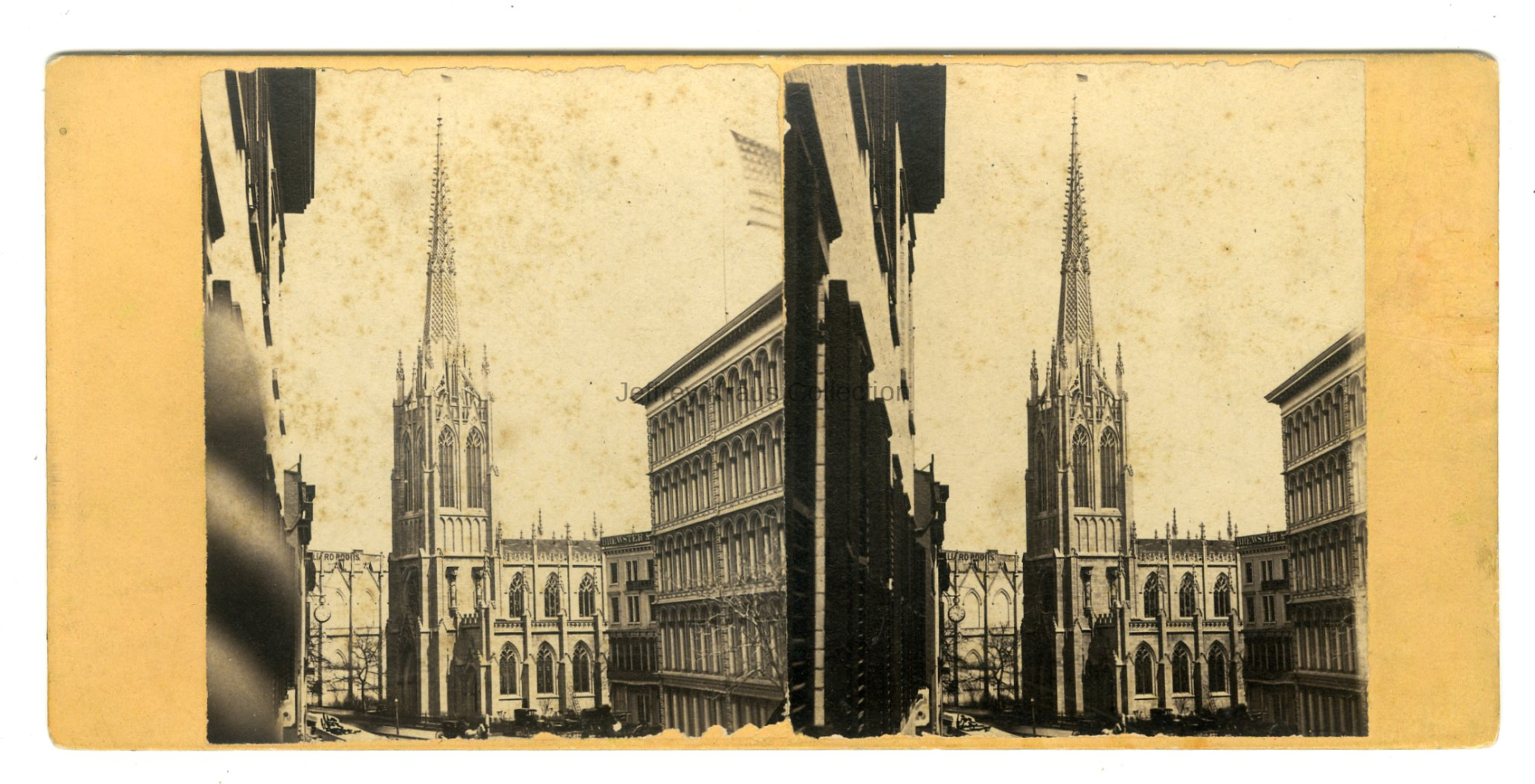
Grace Church, N.Y. No. 148.

12562.

Foot of Whitehall St., New York City.

12563.

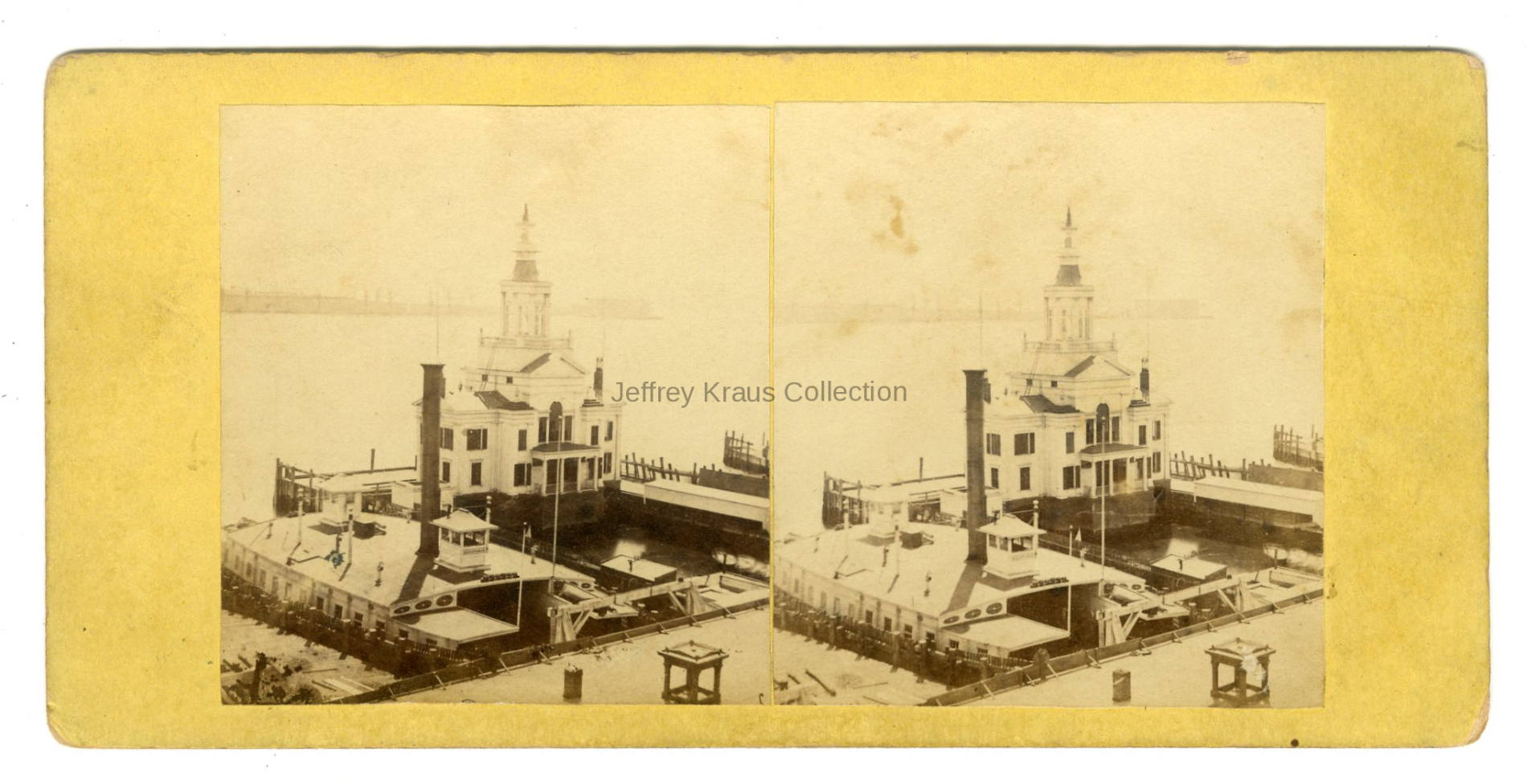
Wall Street Ferry, N.Y. Side.

12564.

537. Vanderbilt Residence, NY.

12565.

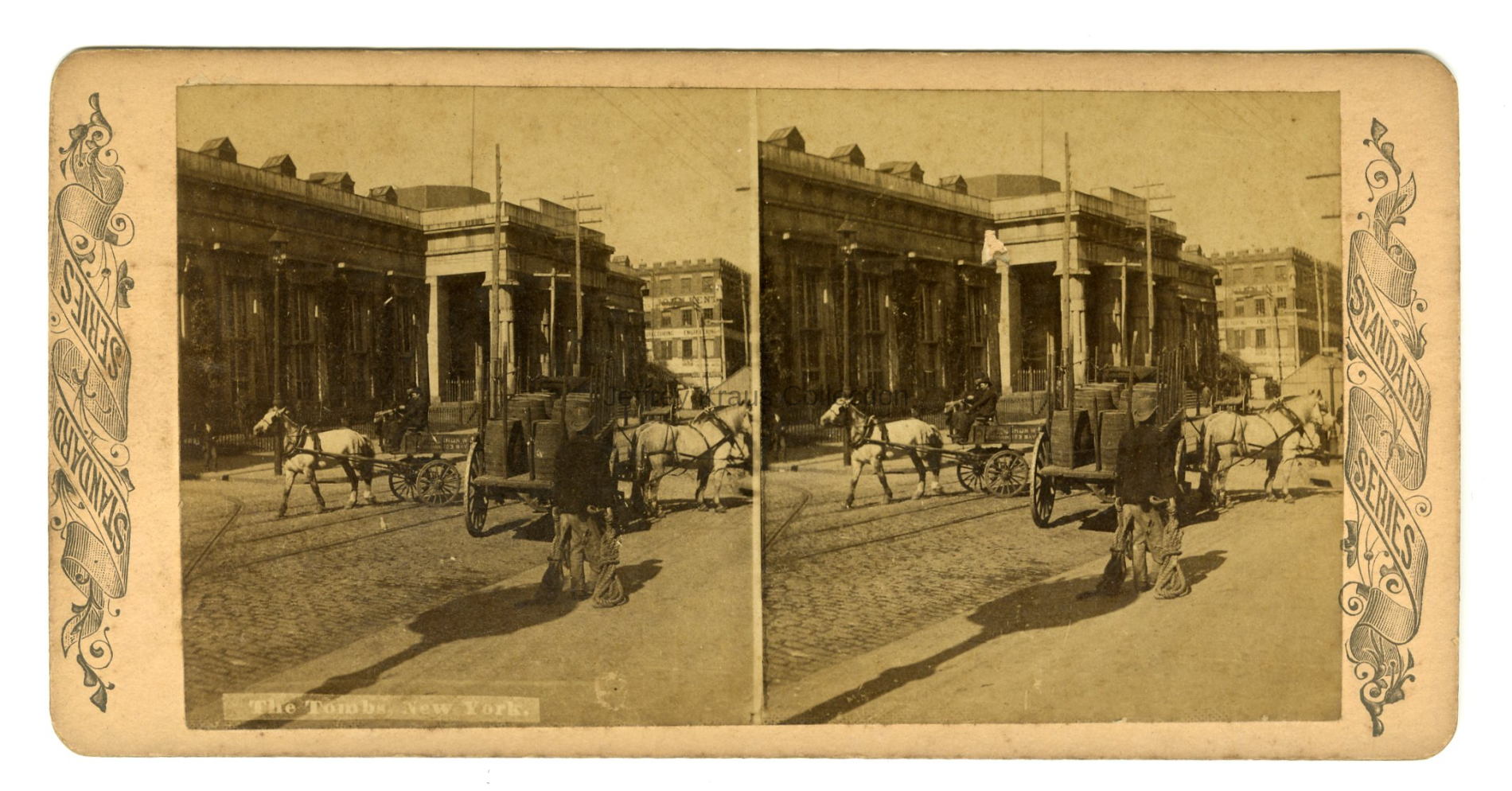
The Tombs, NY.

12566.

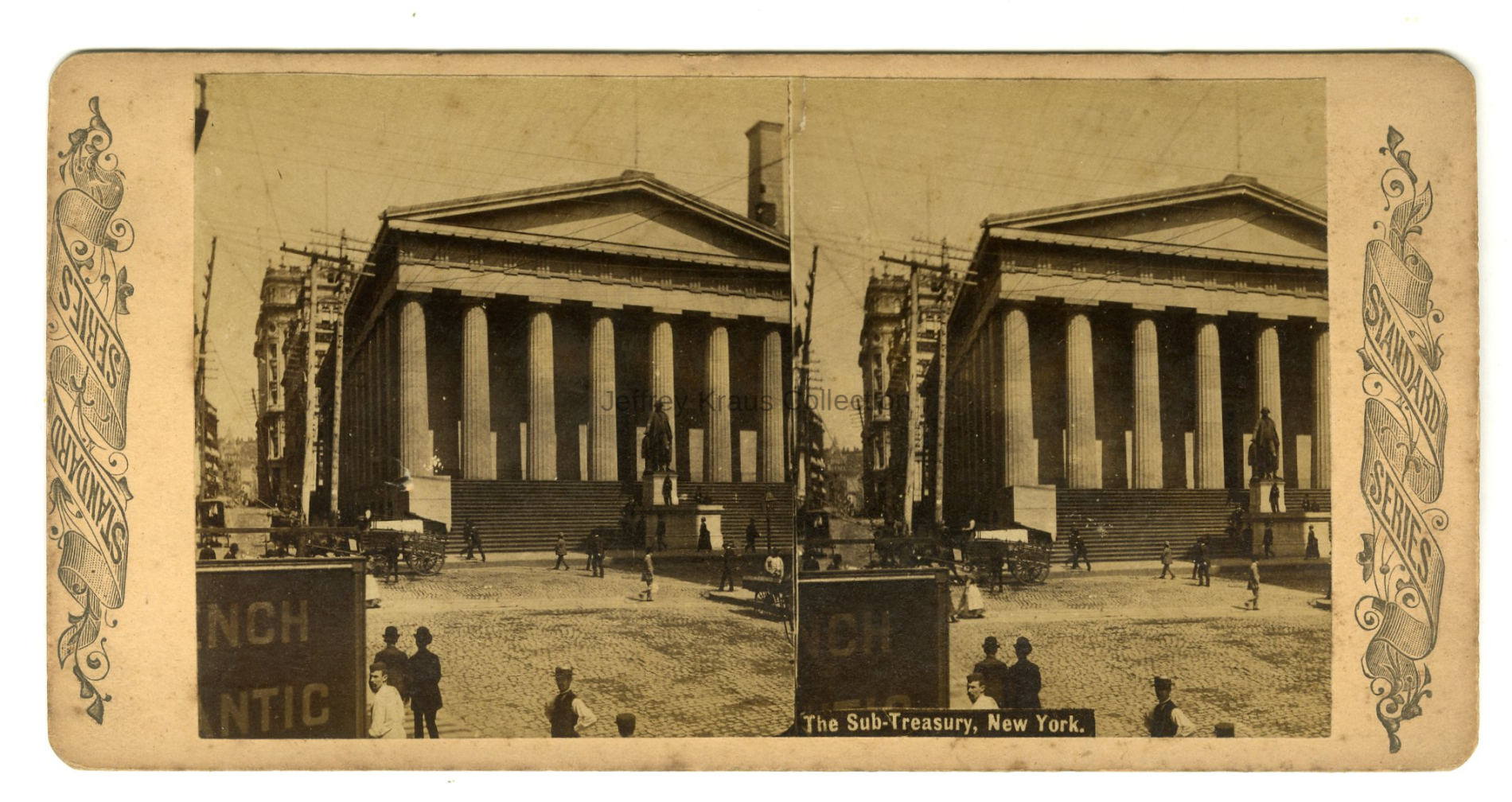
The Sub-Treasury, NY.

12567.

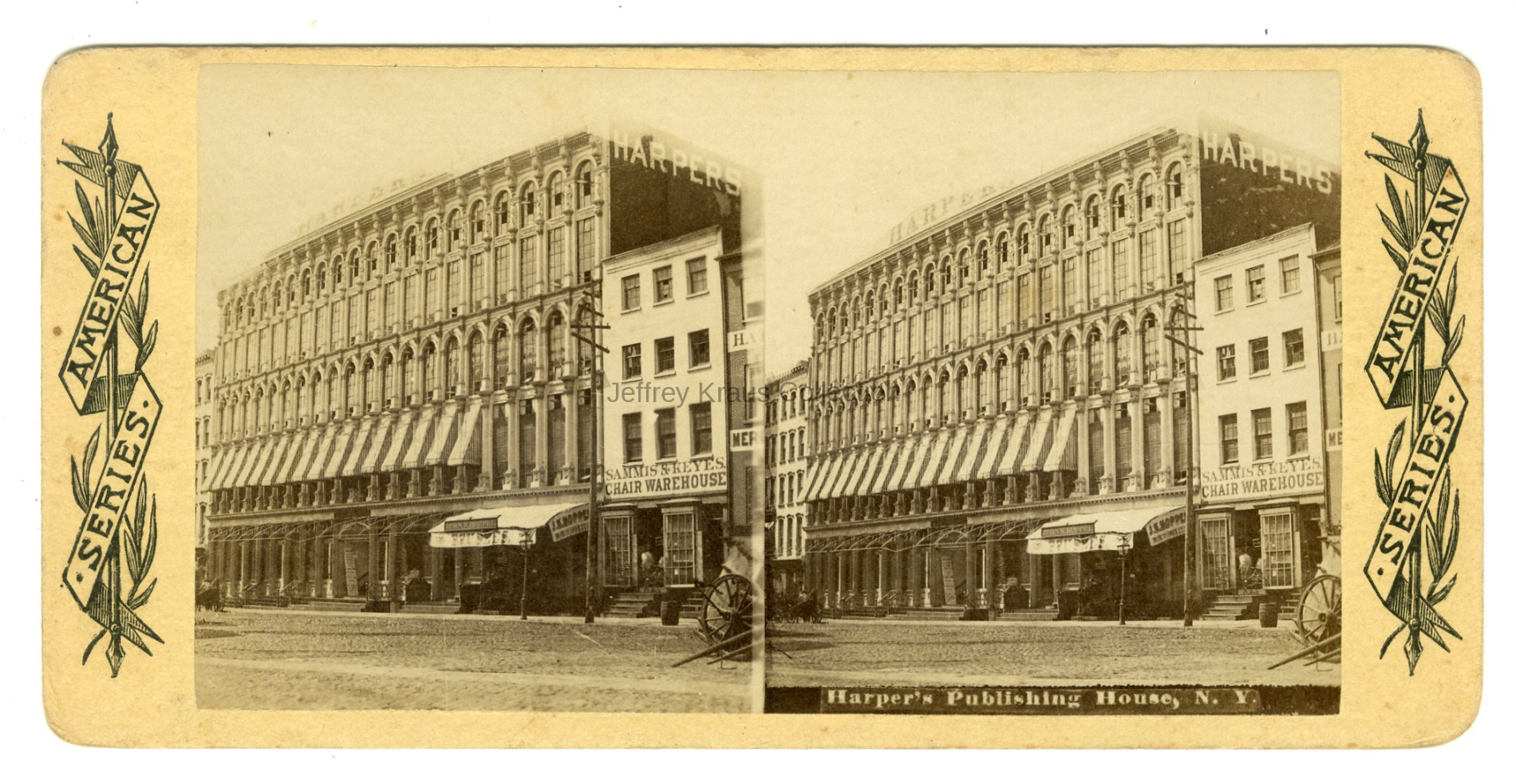
Harper’s Publishing House, NY.

12568.

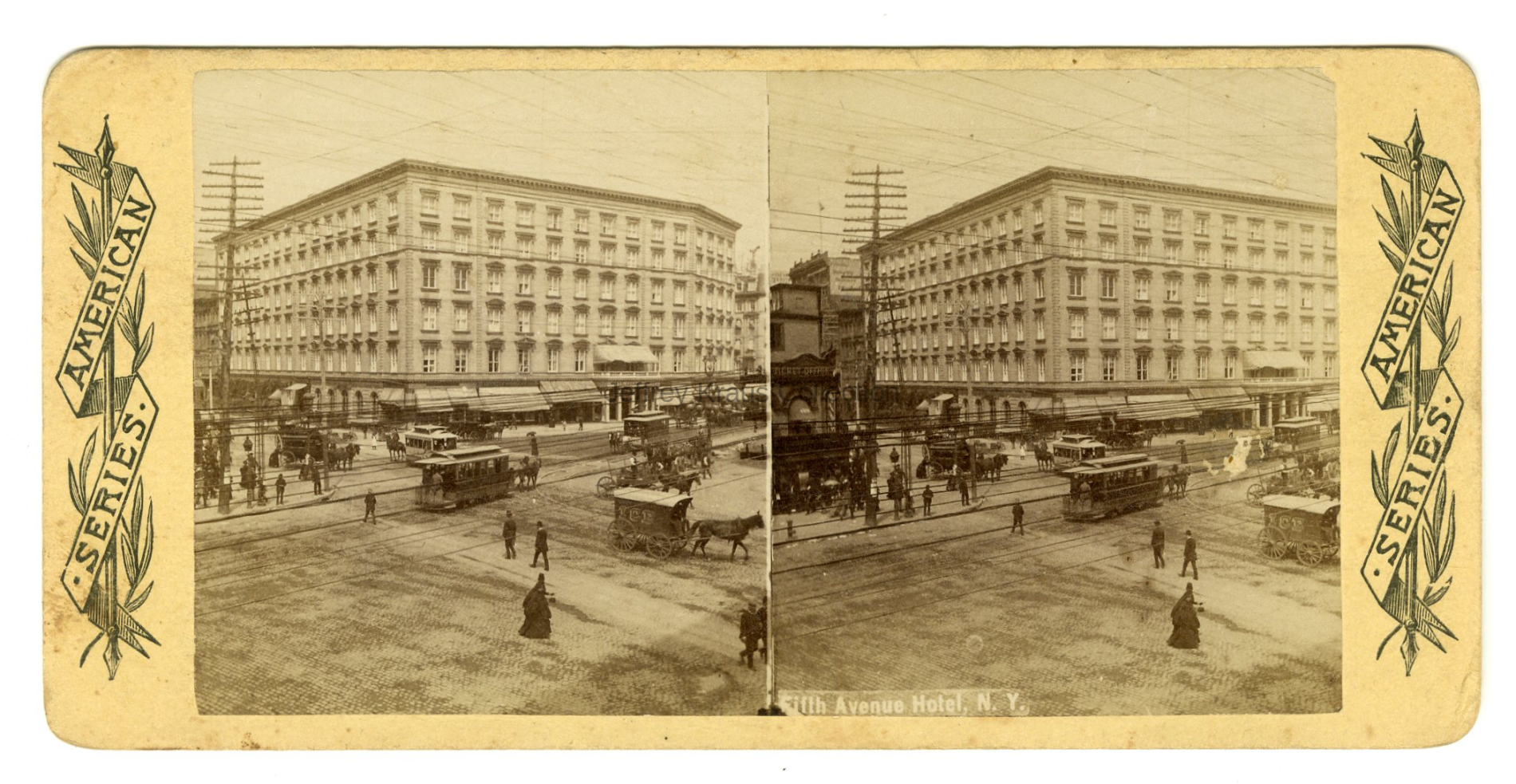
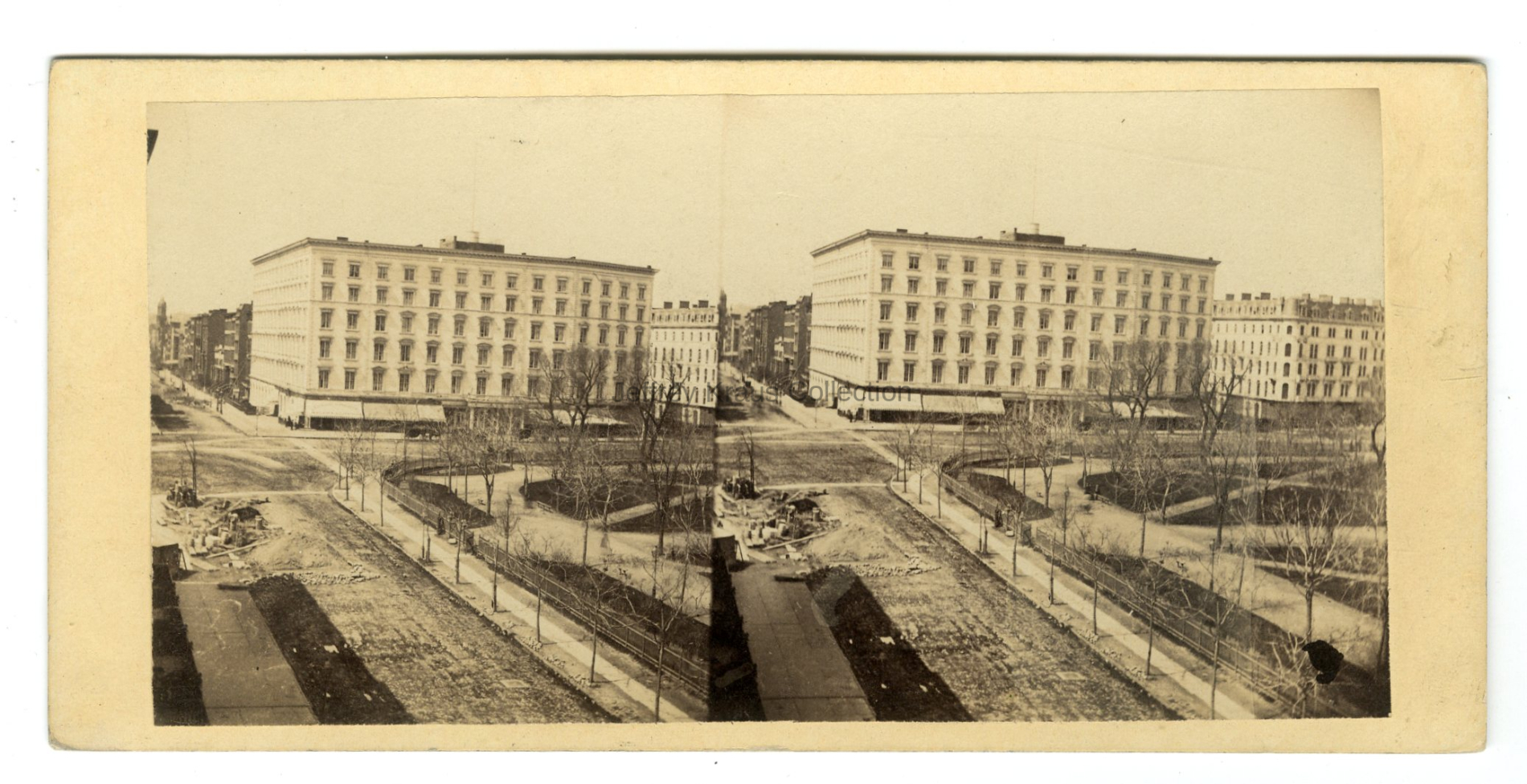
Fifth Avenue Hotel, NY.

12569.

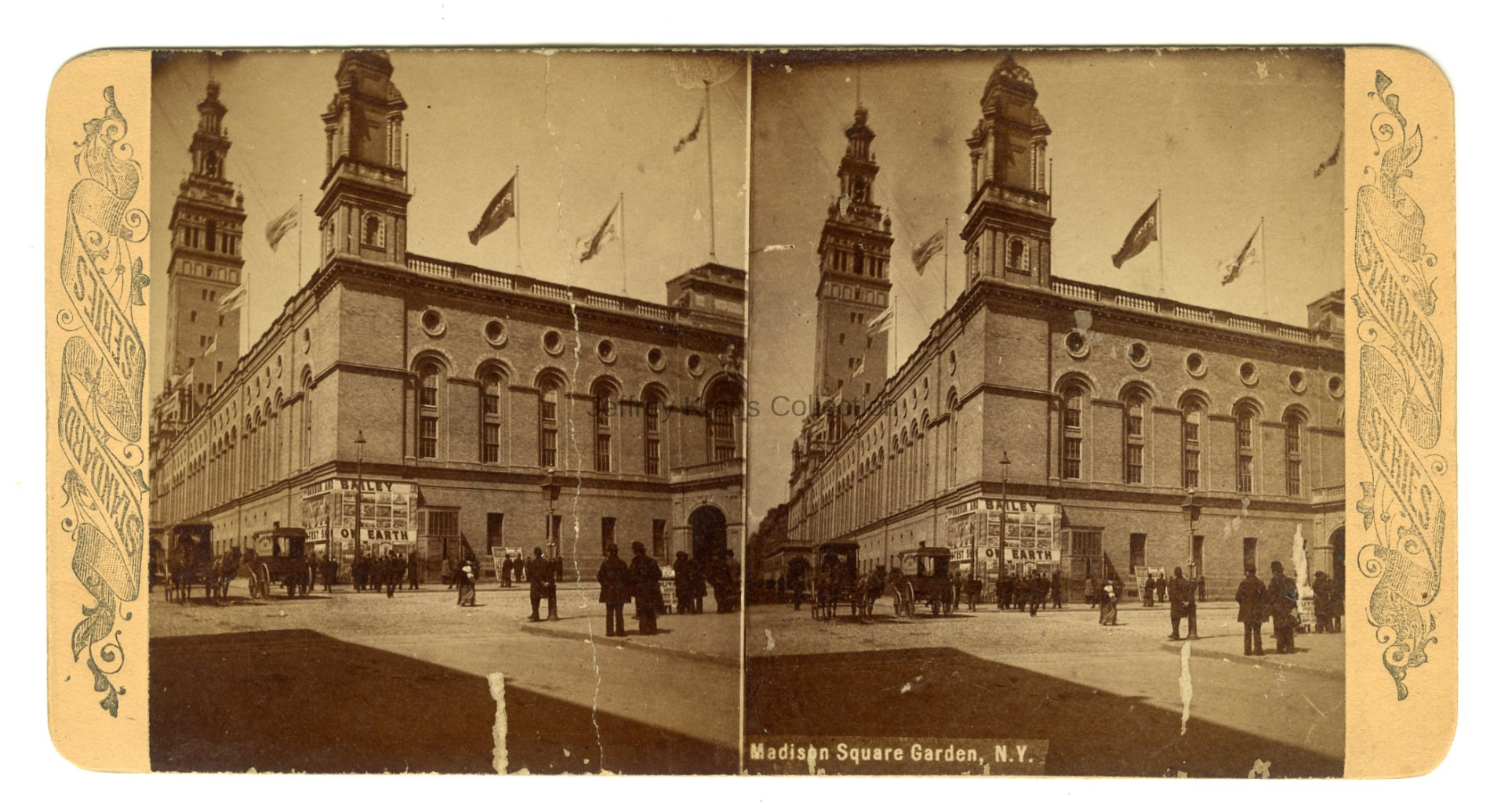
Madison Square Garden, NY. Barnum & Bailey, the Greatest Show on Earth poster.

12570.

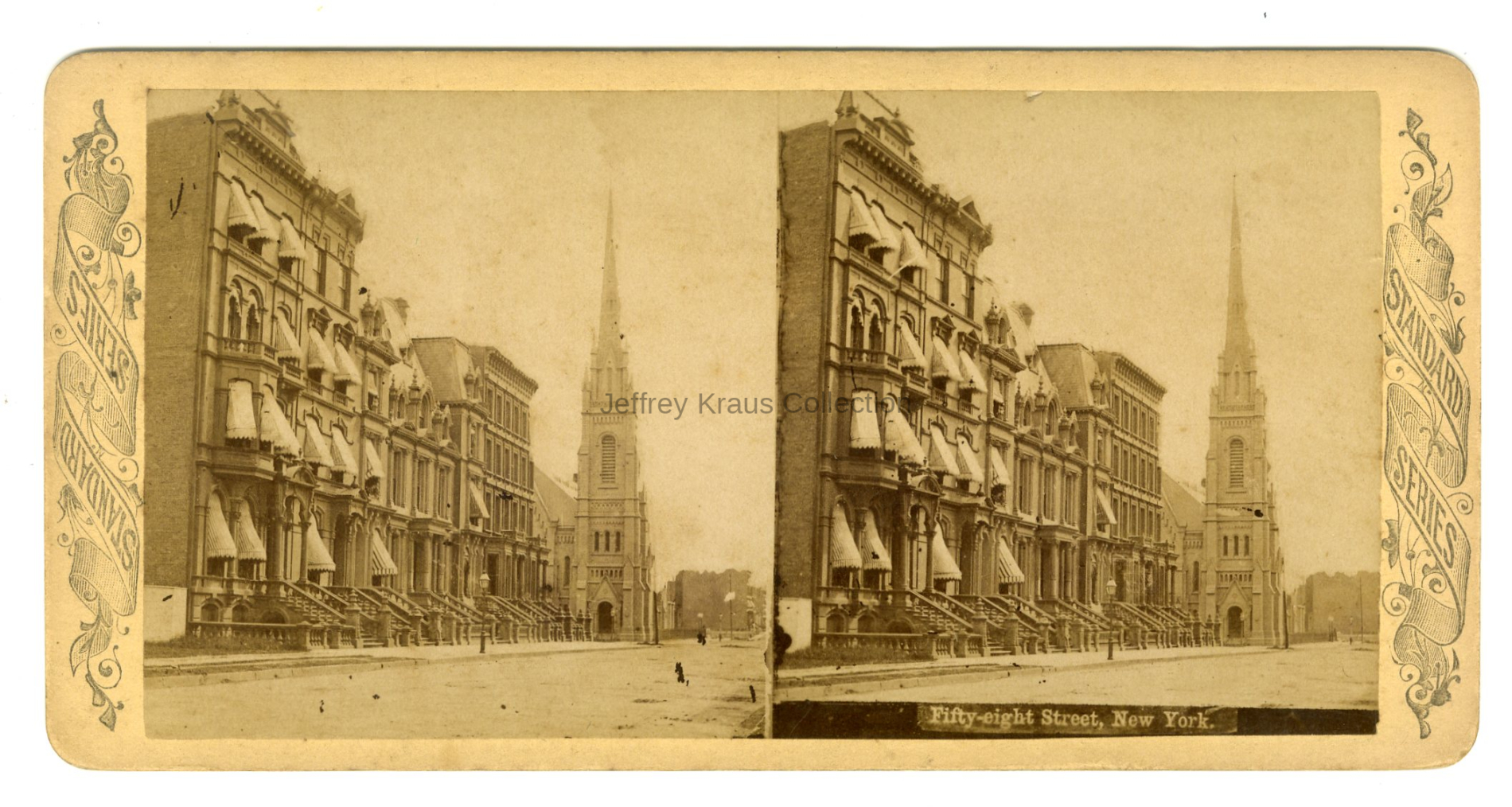
Fifty-eight Street, New York.

12571.

City Hall.

12572.

South Ferry, Brooklyn Side.

12573.

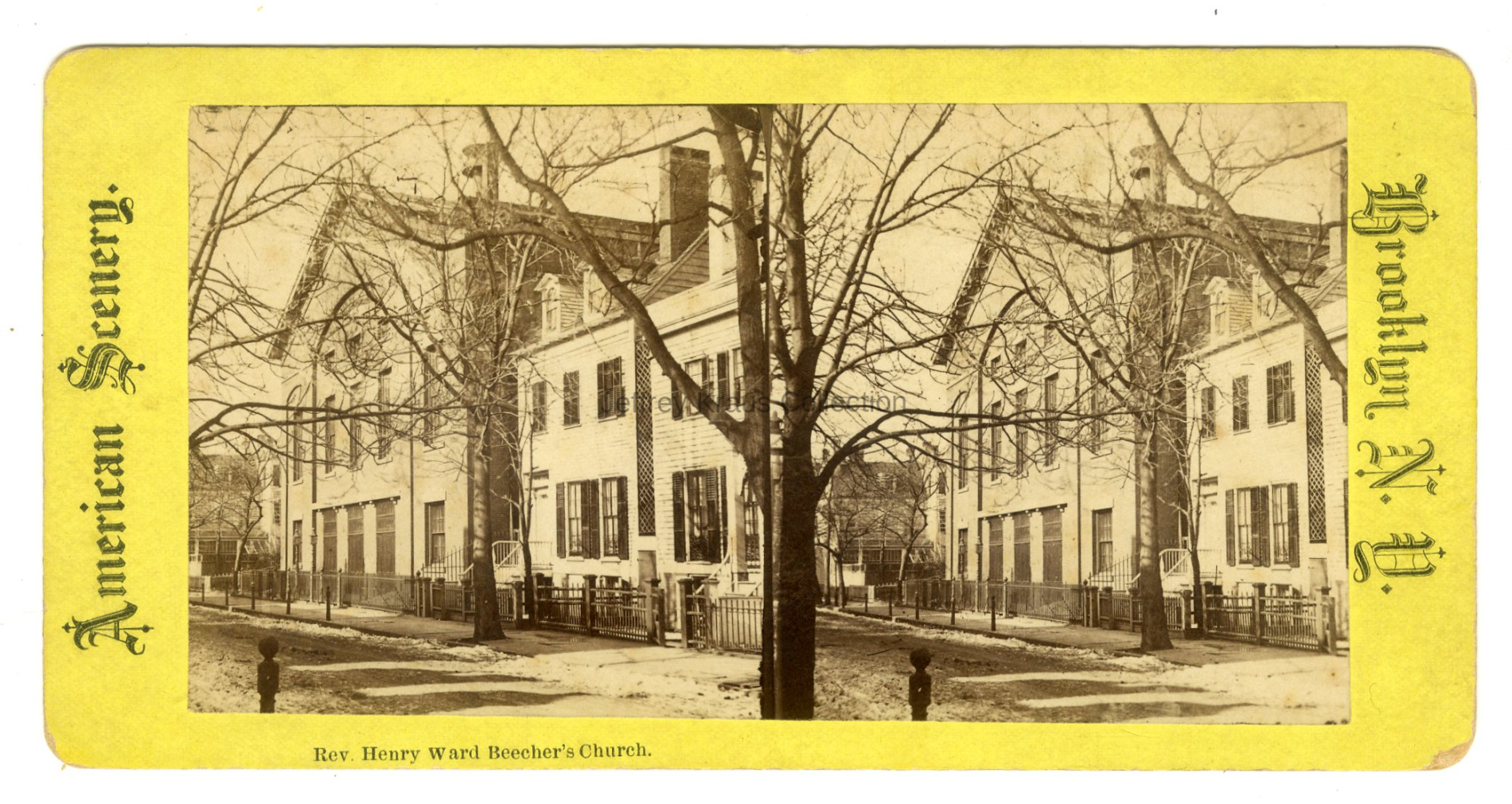
Rev. Henry Ward Beecher’s Church.

12574.

No. 29. Tribune Building from New Post Office.

12575.

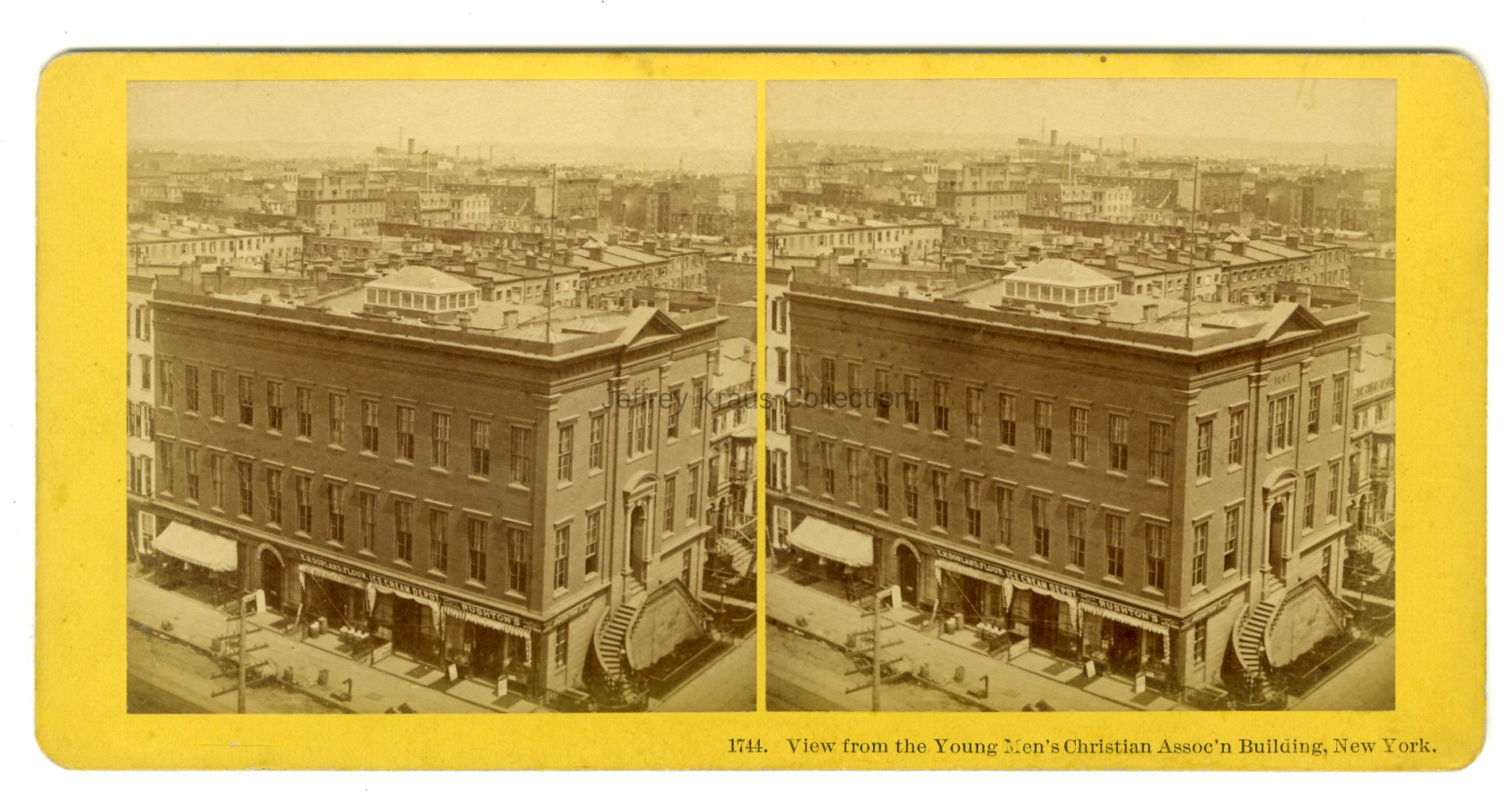
1744. View from the Young Men’s Christian Assoc’n Building, New York.

12576.

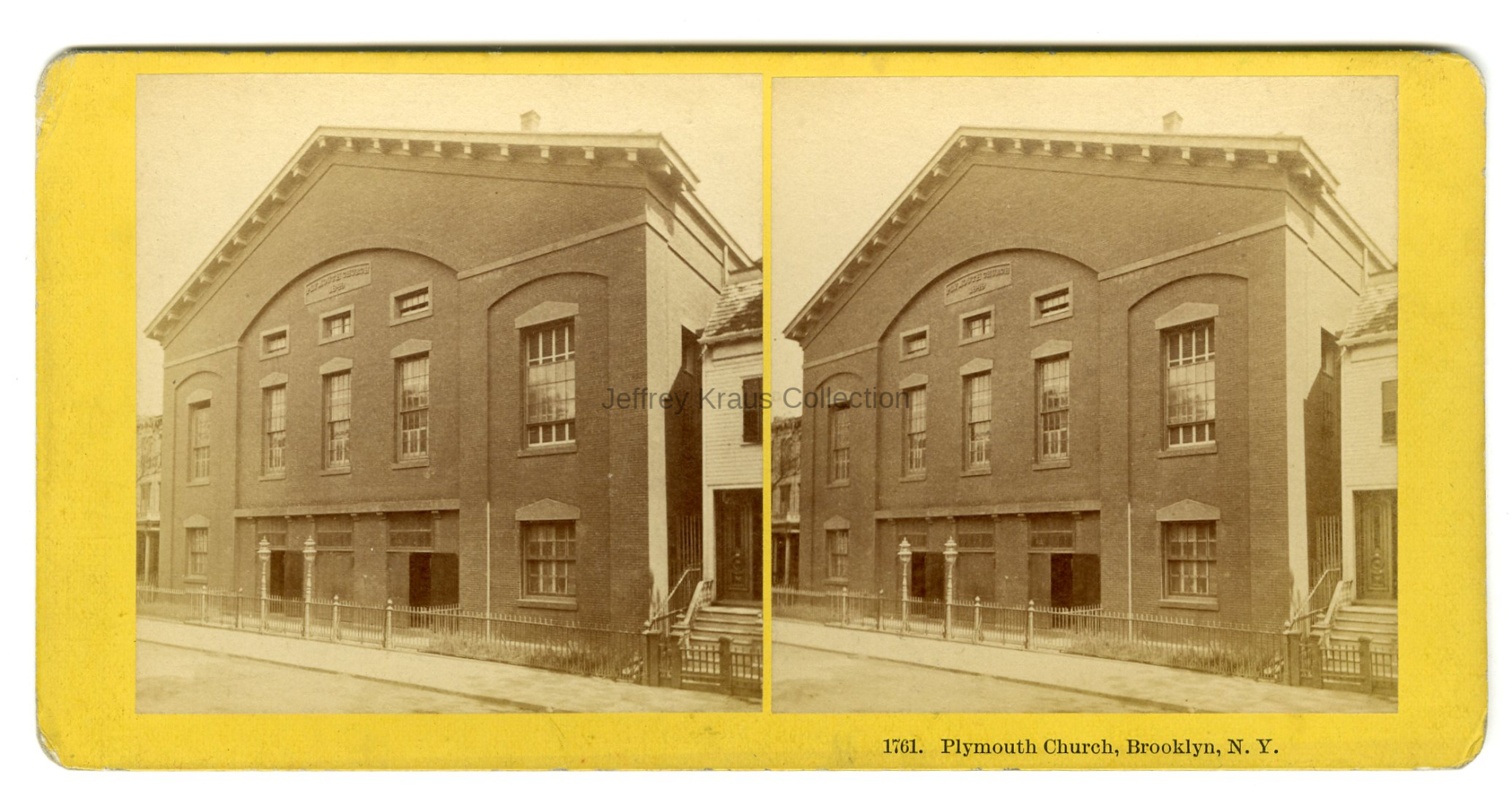
1761. Plymouth Church, Brooklyn, N.Y.

12577.

1737. Young Men’s Christian Association Building, New York.

12578.

Tombs, N.Y.

12579.

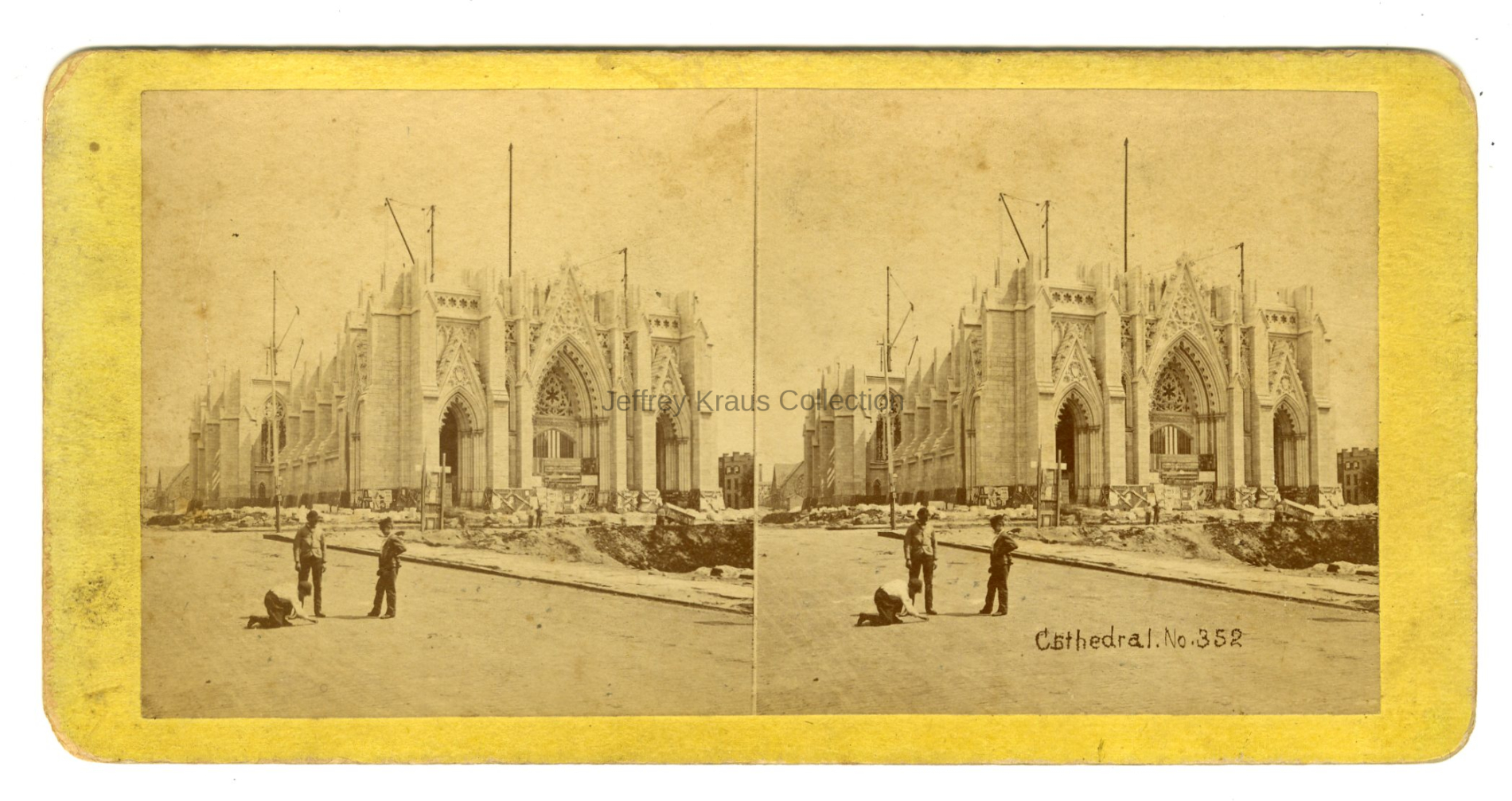
Cathedral No. 352. St. Patrick’s Cathedral, NY, under construction.

12580.

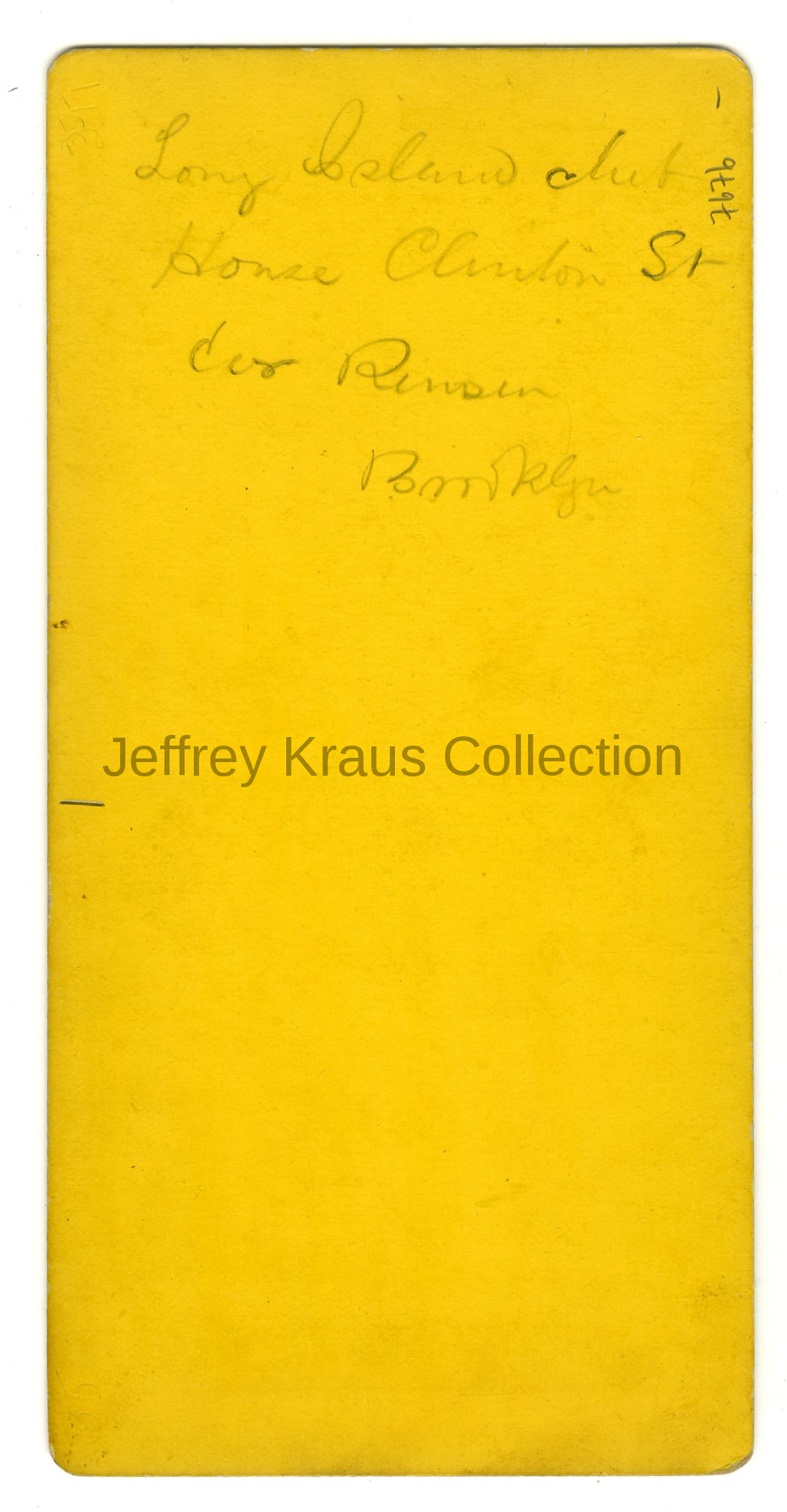
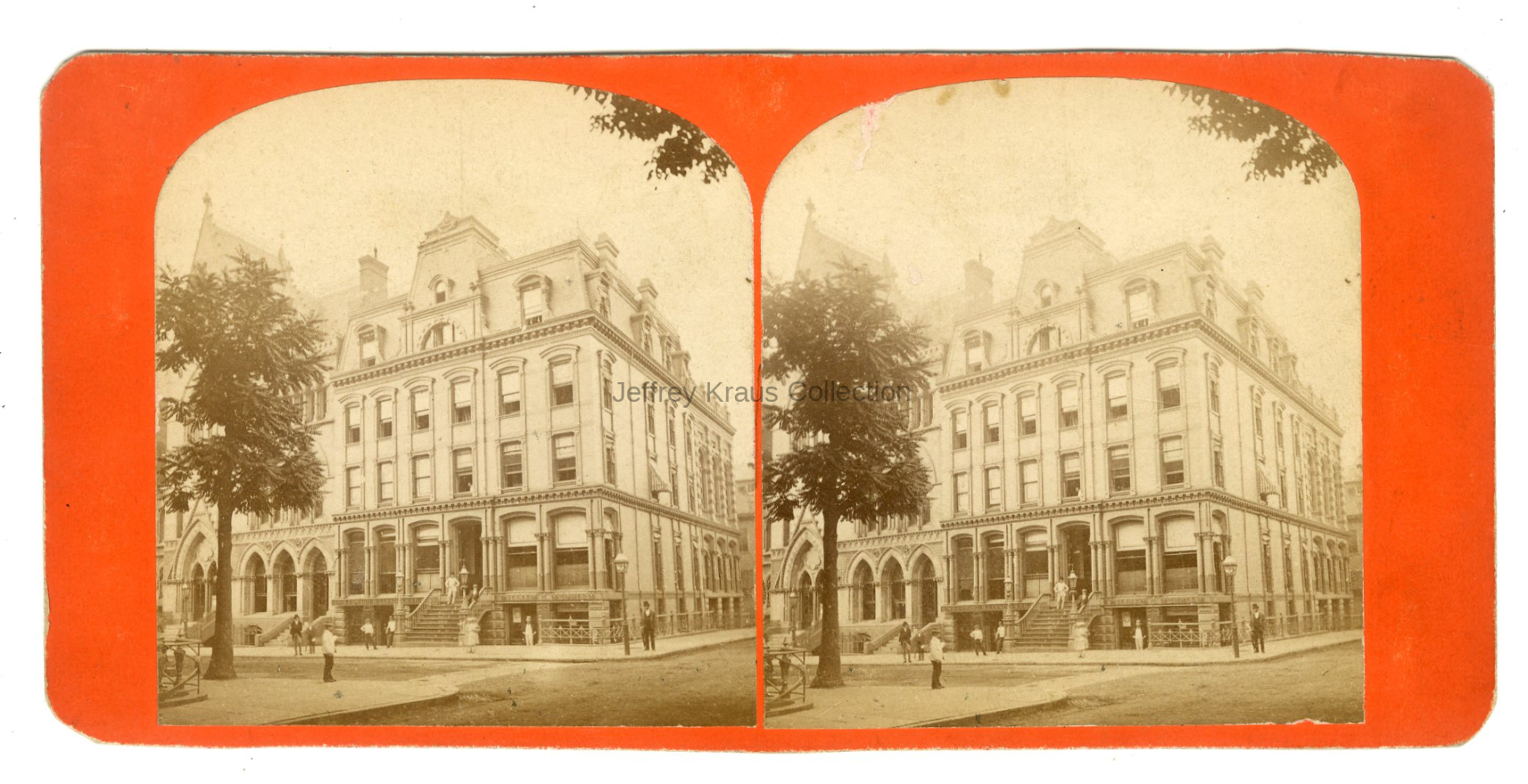
Long Island Club House, Clinton St. corner Remsen, Brooklyn.

12581.

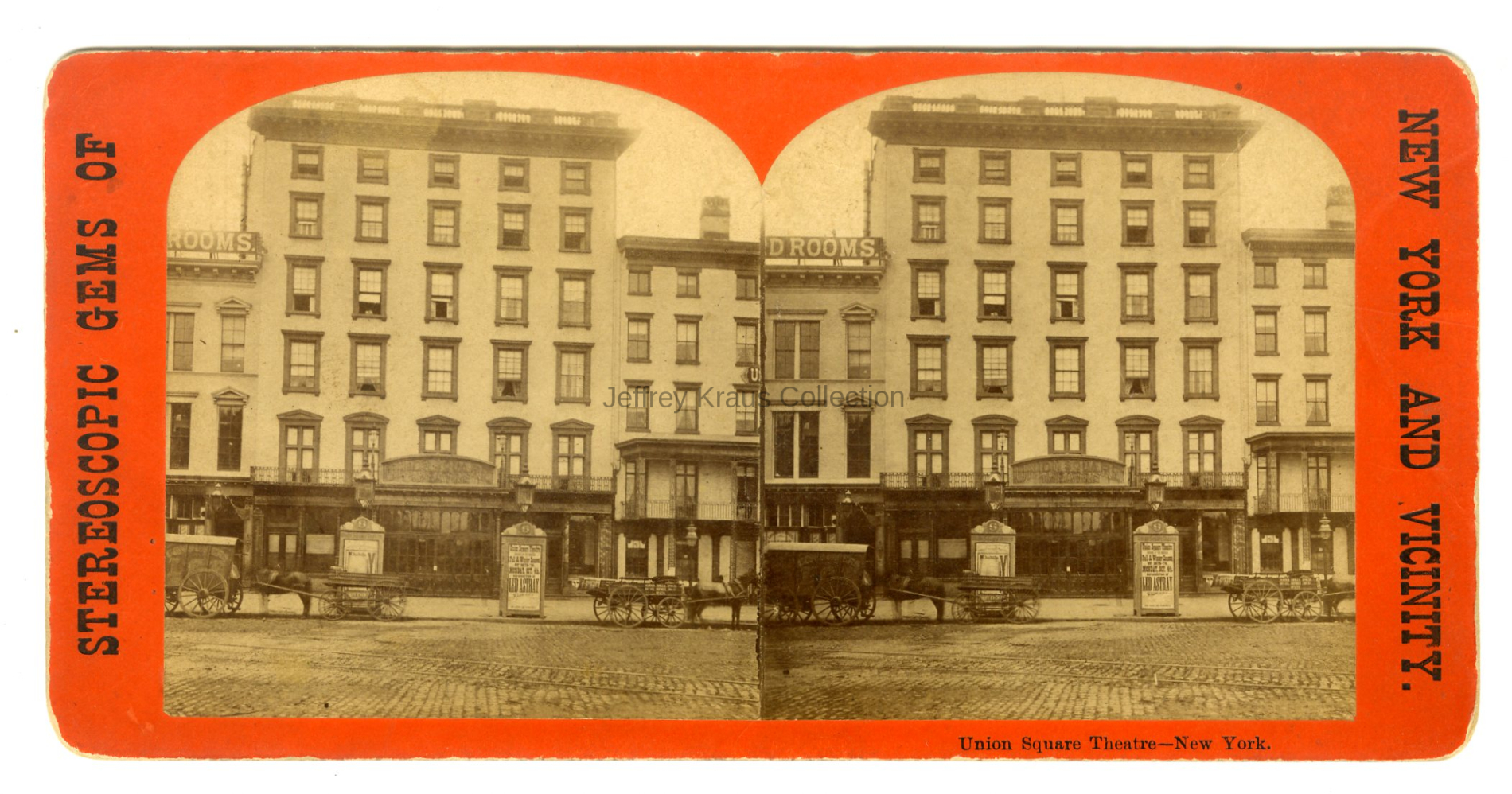
Union Square Theater-New York.

12582.

Fulton Ferry House, Brooklyn. Brooklyn Bridge Tower under construction.

12583.

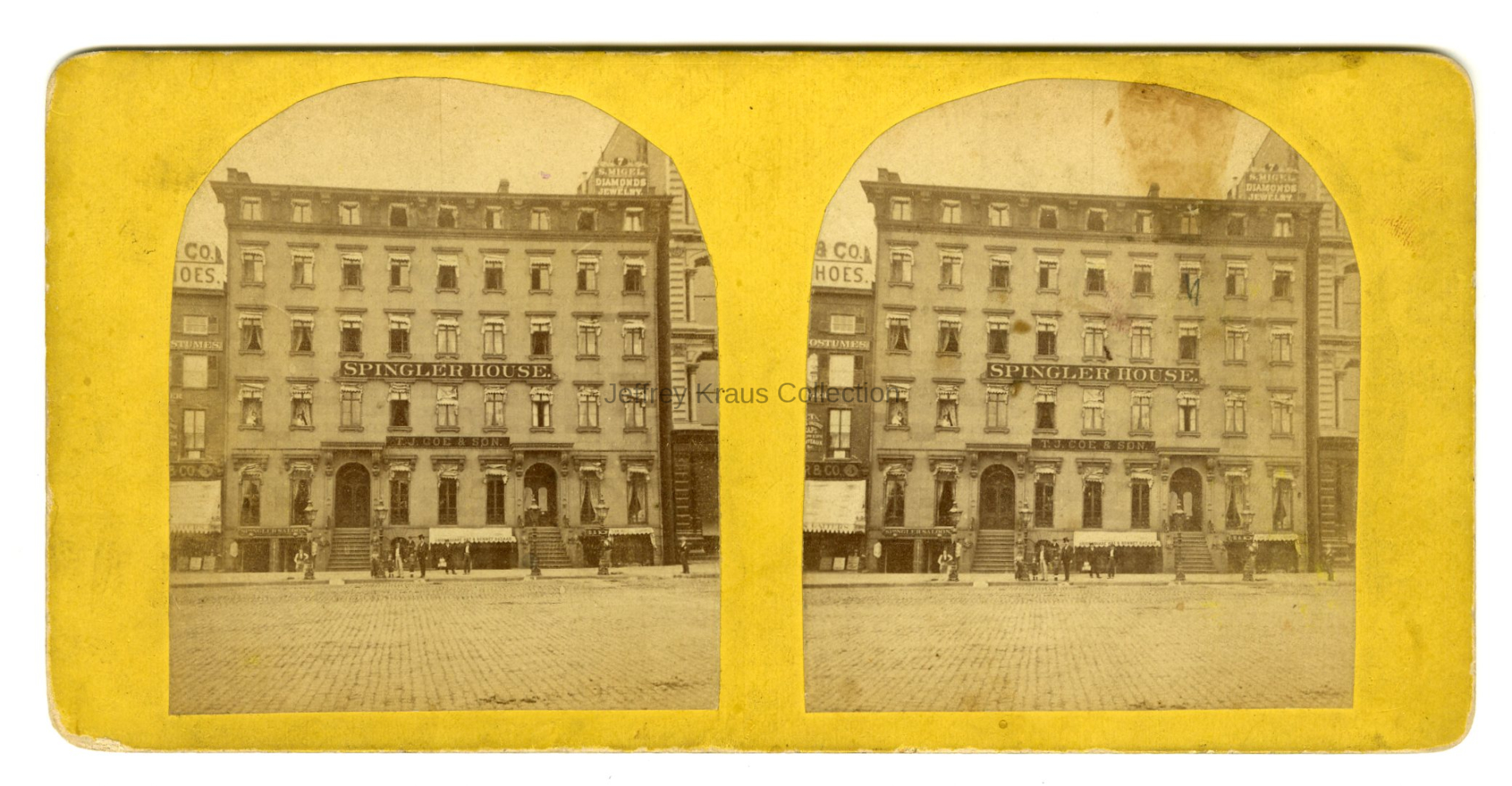
Spingler House. The site of the Spingler Building was initially part of a farm owned by Henry Spingler (or Springler). Union Square was first laid out in the Commissioners’ Plan of 1811, expanded in 1832, and then made into a public park in 1839. The completion of the park led to the construction of mansions surrounding it, which were largely replaced with commercial enterprises following the Civil War. Despite this, the Spingler and Van Buren families continued to own the land under the western side of Union Square until 1958, leasing it out to various people. The Spingler Institute for Young Ladies, founded in 1843, was located at 5 Union Square West from 1848 until c. 1861, at which point it was turned into the Spingler Hotel. The hotel operated from 1864 until about 1878. By the late 1870s, technological advances in elevator technology and steel framework enabled the construction of taller office buildings. The original Spingler Building, a five-story loft and commercial structure on the site of the hotel, was completed in 1878 at a cost of $115,000. The Spingler Building was a “L”-shaped structure wrapping around the Tiffany & Co. building at 15 Union Square West to the northeast, with a depth of 200 feet (61 m) on Union Square West, along its eastern facade, and 70 feet (21 m) on 15th Street to the north. The structure housed the Brentano’s book store. At the time, The New York Times said: “the block is now occupied by uniform buildings […] the front is of iron, imposing in appearance, and the shops and lofts are of the first class.” In 1892, the structure burned down in a fire that destroyed everything below the second floor, but only caused minor damage to its neighbors: the Lincoln Building (to the south) and 15 Union Square West. The charred walls of the old building remained standing for several years.

12584.

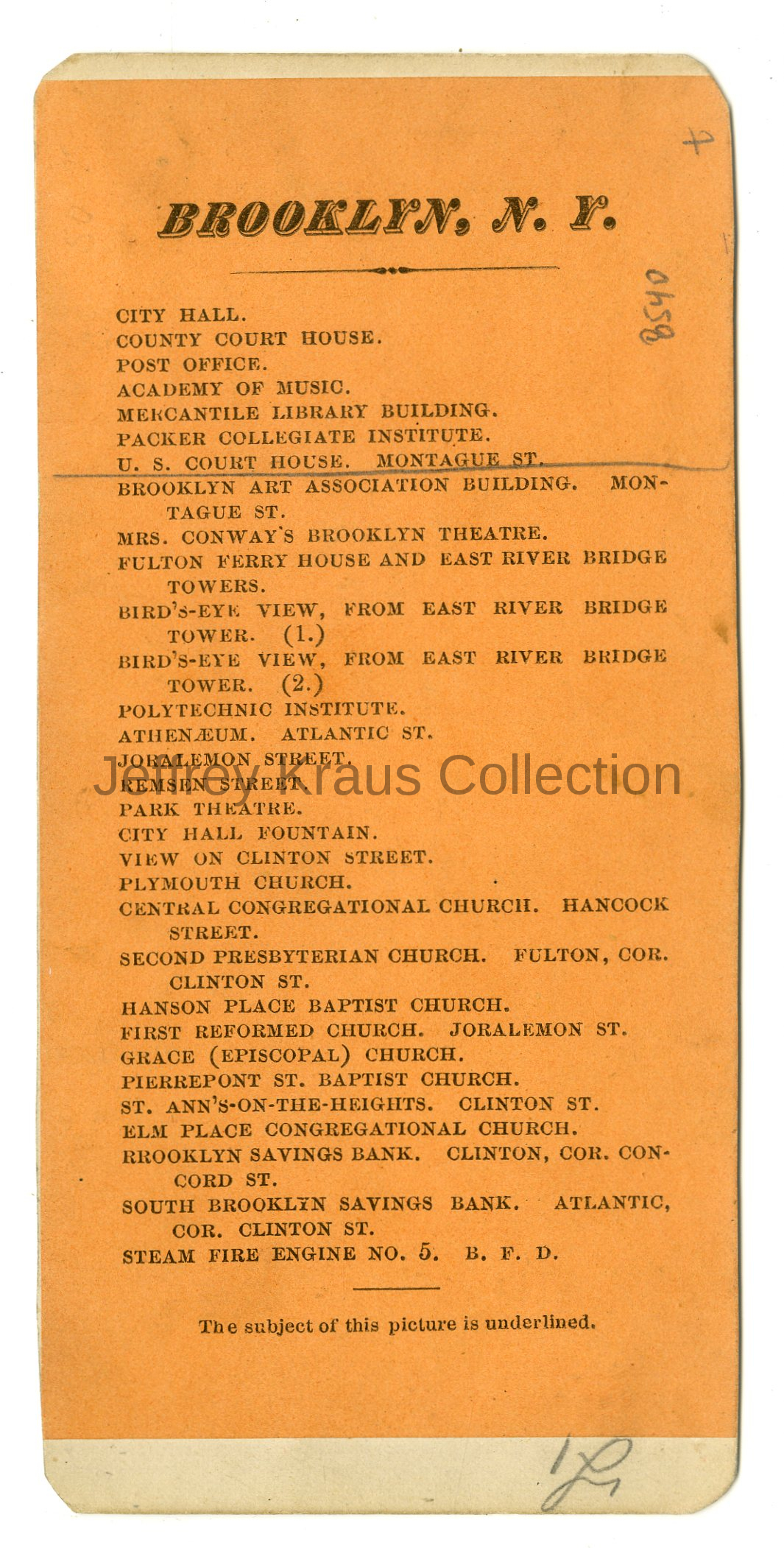
U.S. Court House, Montague St., Brooklyn.

12585.

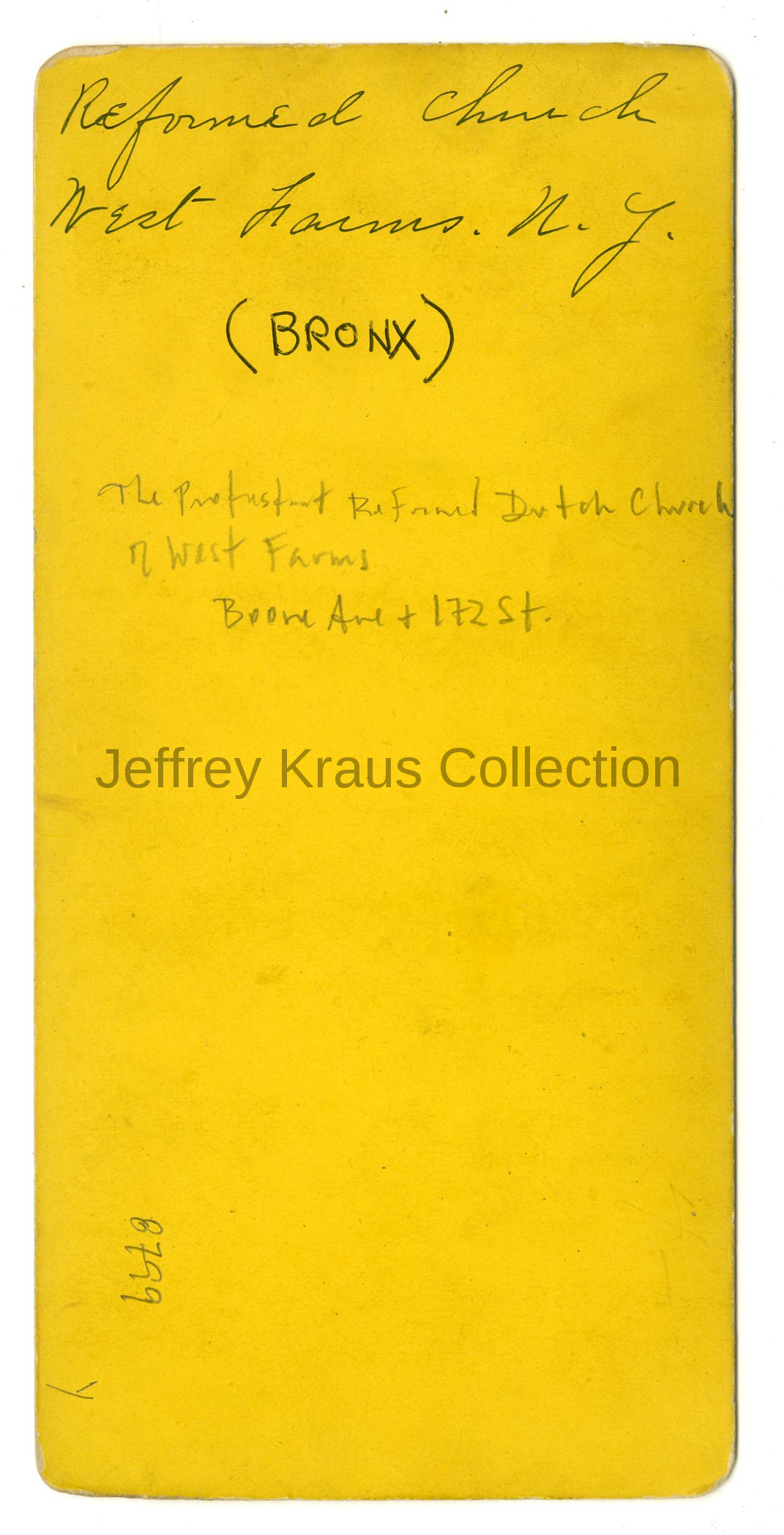
Reformed Church, West Farms, N.Y. This is the Protestant Reformed Dutch Church of West Farms, Boone Ave. & 172nd St., Bronx.

12586.

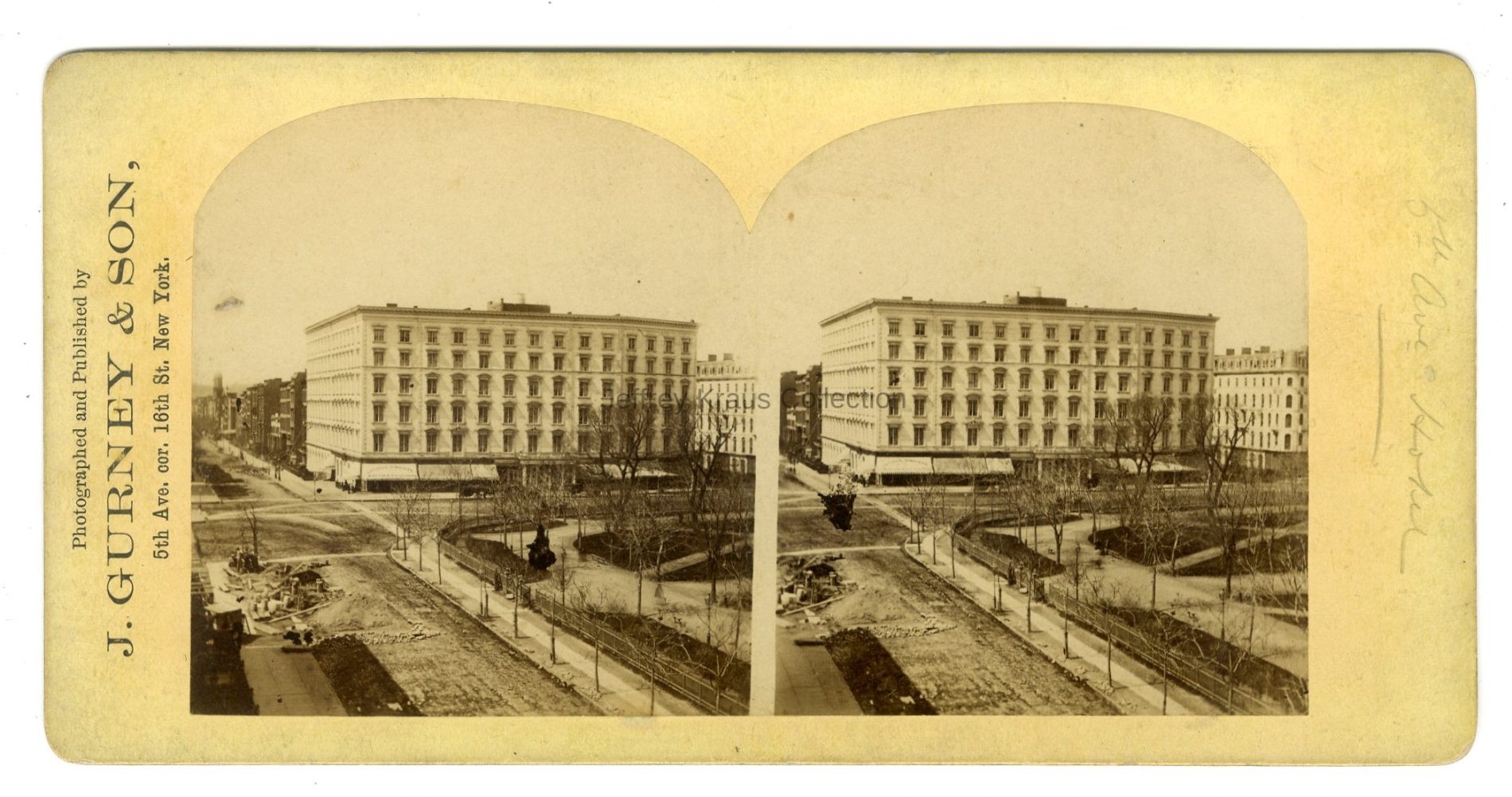
5th Ave. Hotel.
12587.

5th Ave. Hotel.

12588.
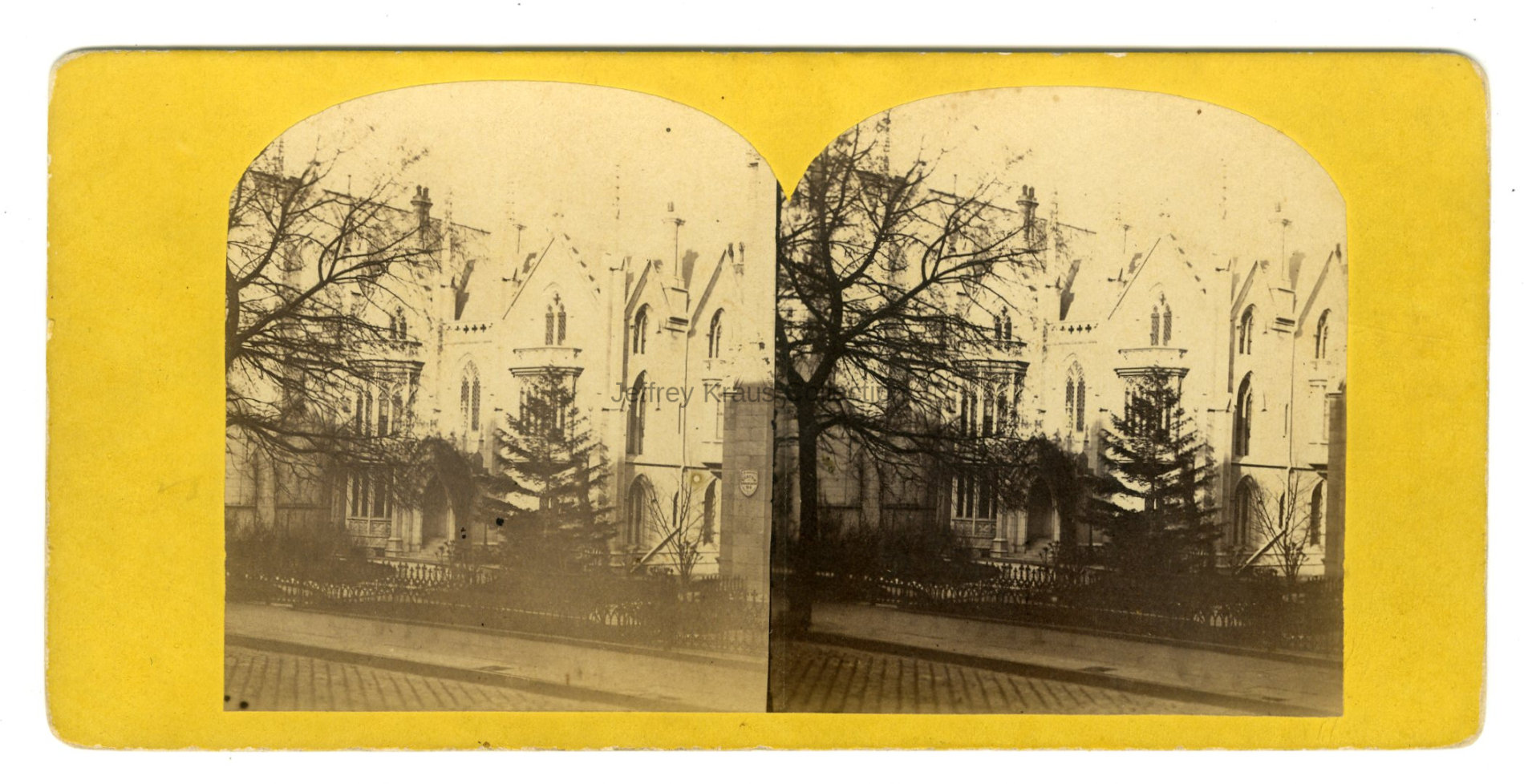
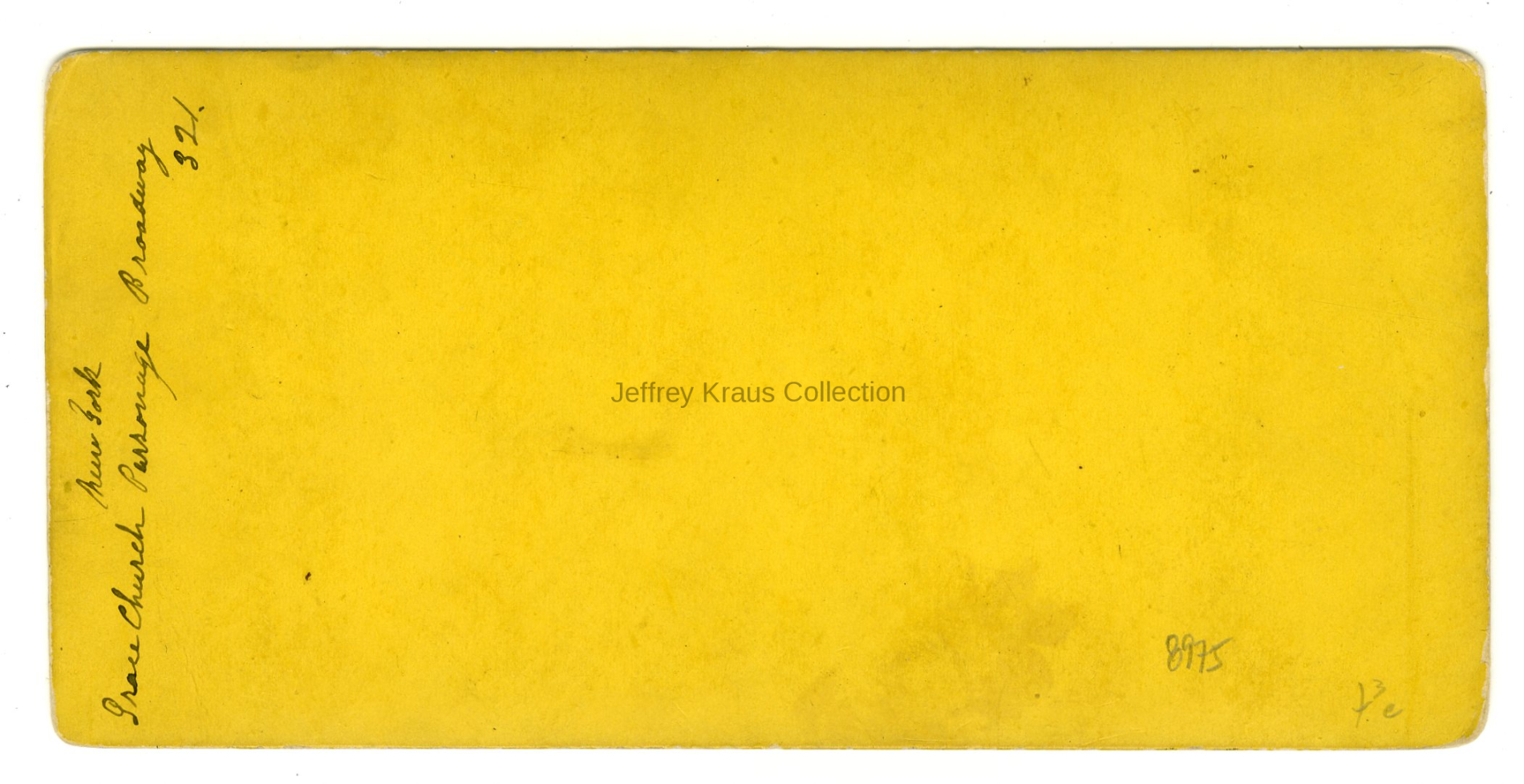
321. Grace Church Parsonage, Broadway.

12589.

No. 663. This image came with a group of views of Queens, NY which were labeled Long Island as it was before NYC was incorporated.

12590.

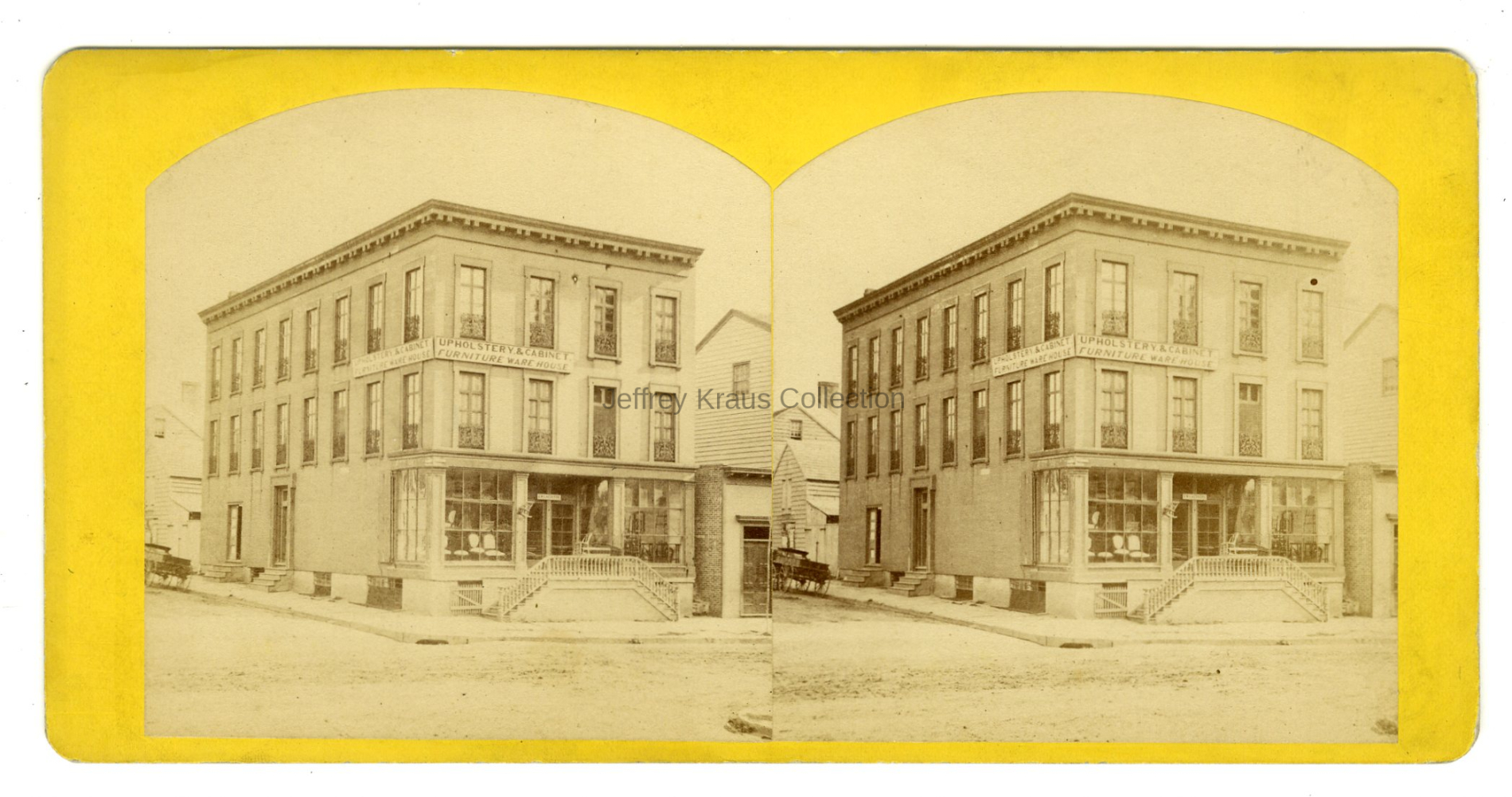
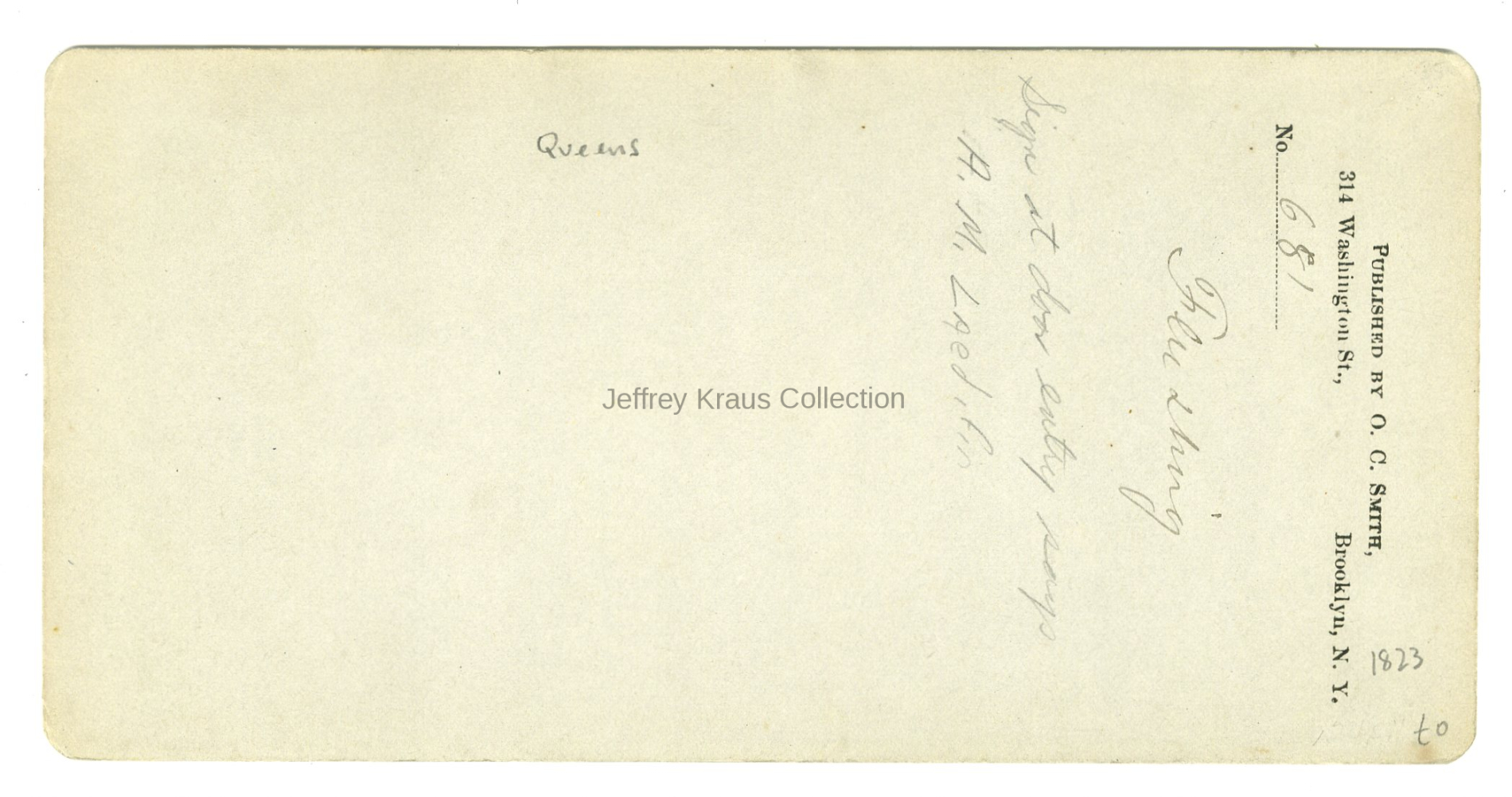
No. 681. Flushing.

12591.

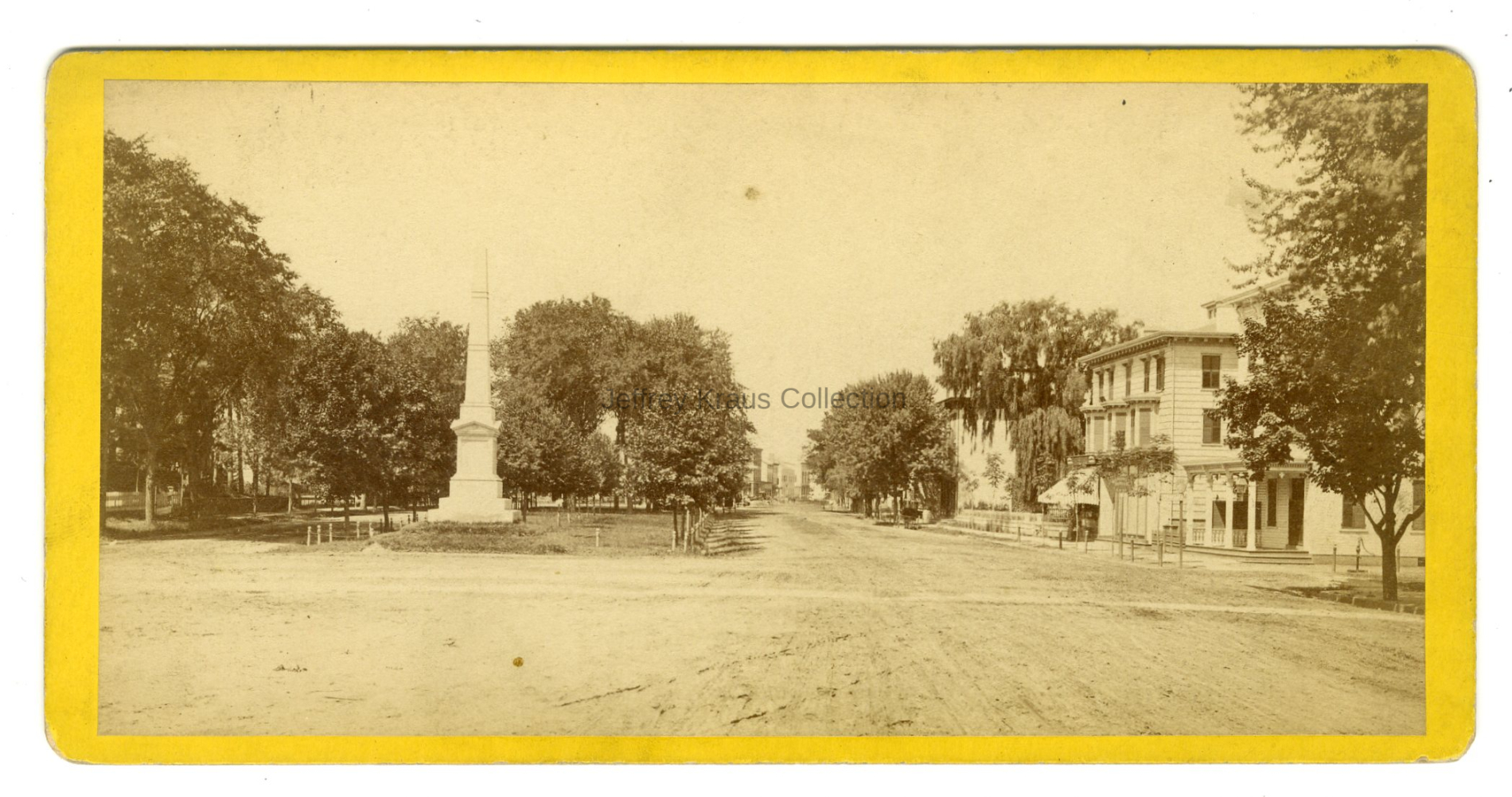
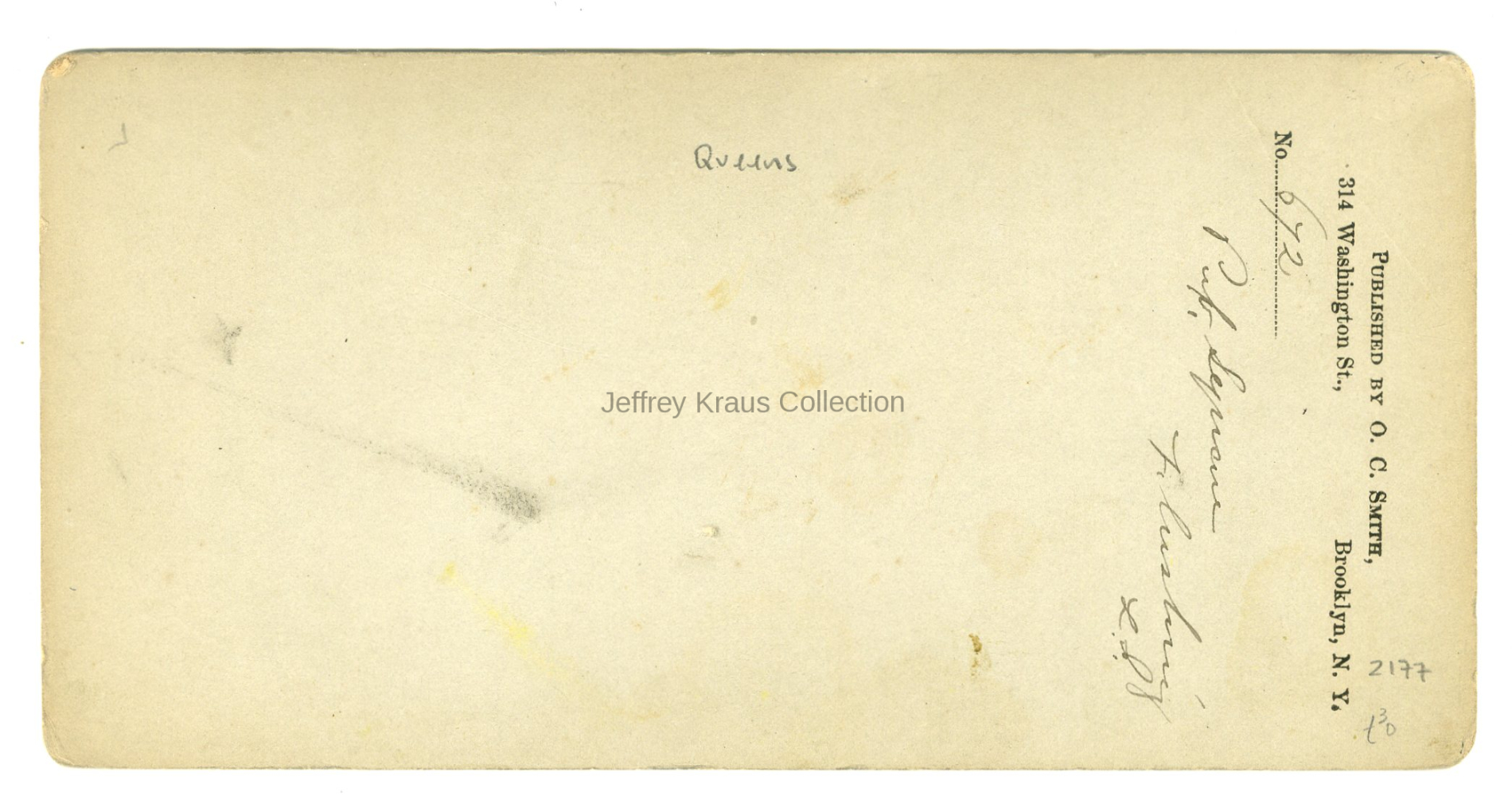
No. 672. Pub. Square, Flushing, L.I.