44560.
The Dame and Spinning Wheel.

The Dame and Spinning Wheel.
The Church Seen Through the Trees.
The Fish Pond.
Dick Carter’s Potatoe Harvest.
Sketches from my Log Book. The Emigrants’ Farewell.
The Back Door of Neal’s Cottage.
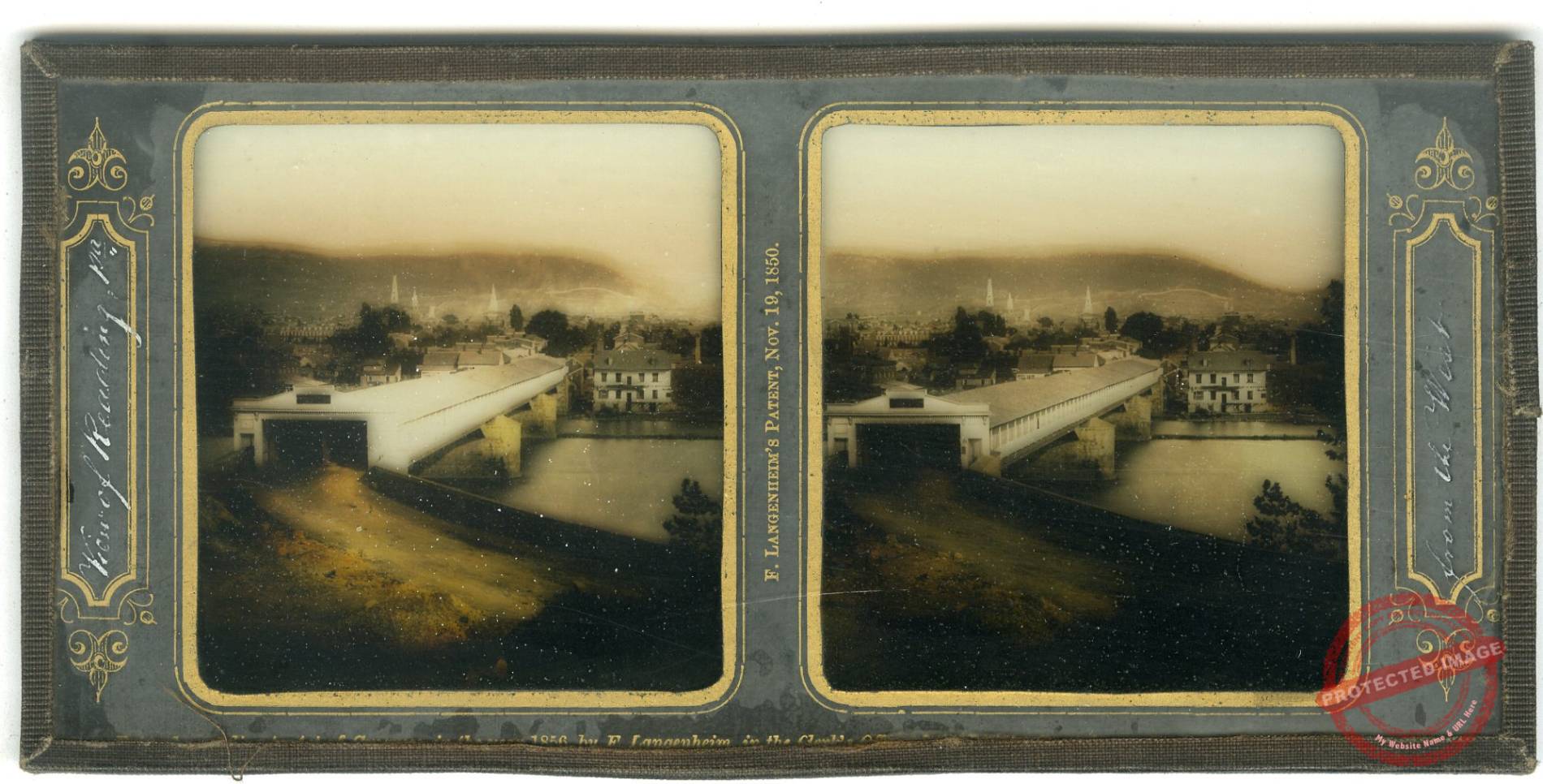
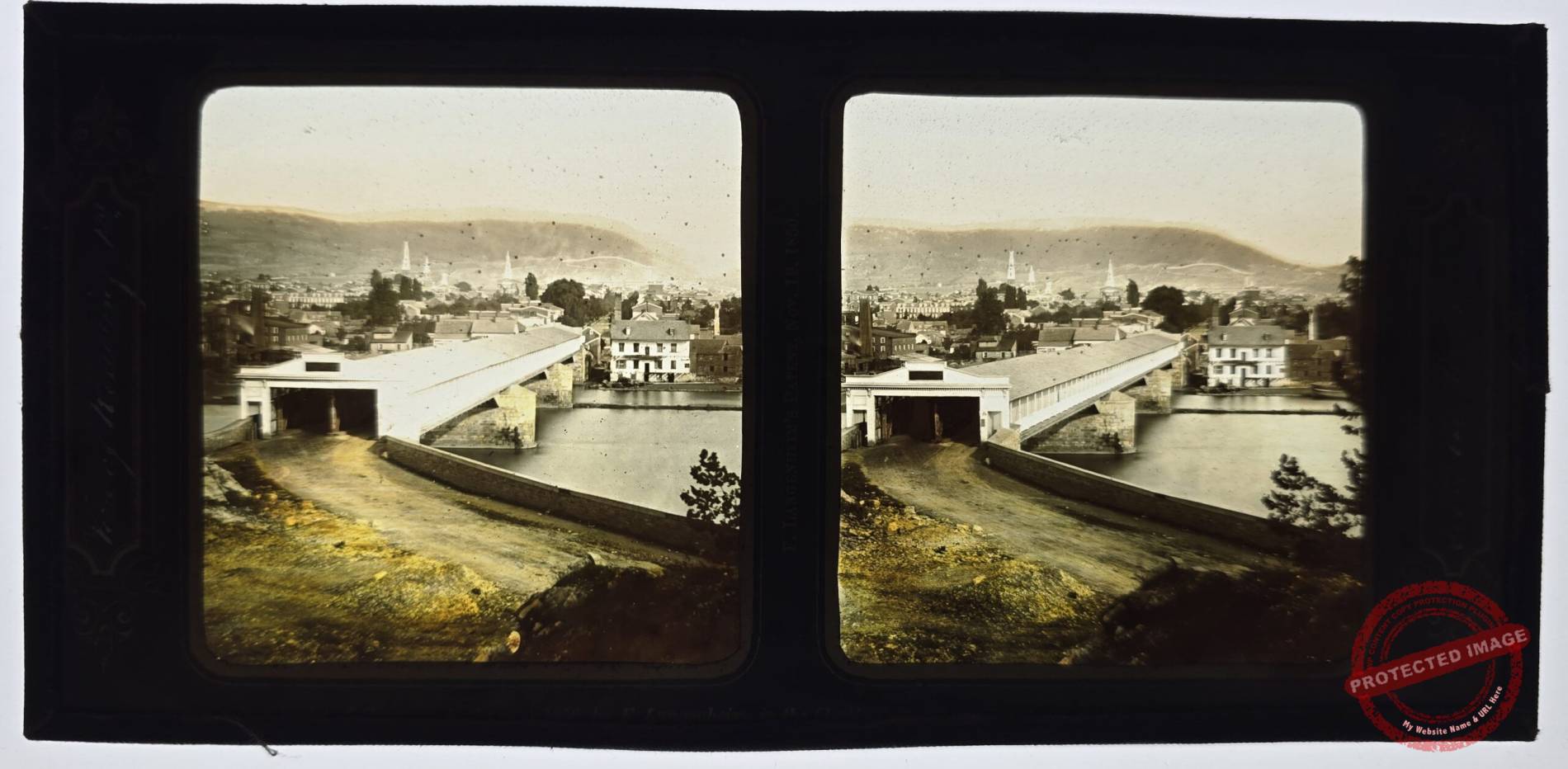
View of Reading Pa. from the West.
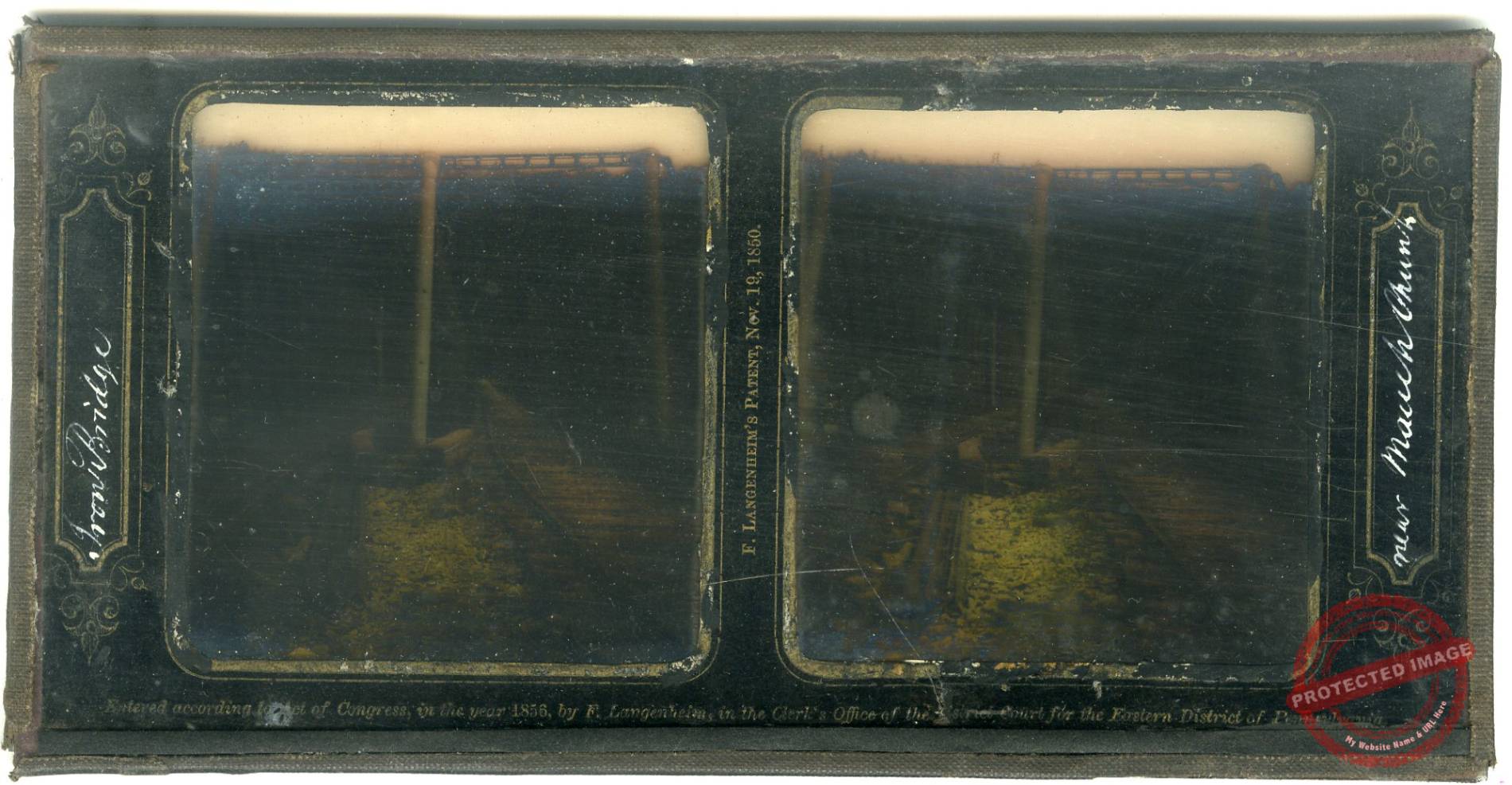
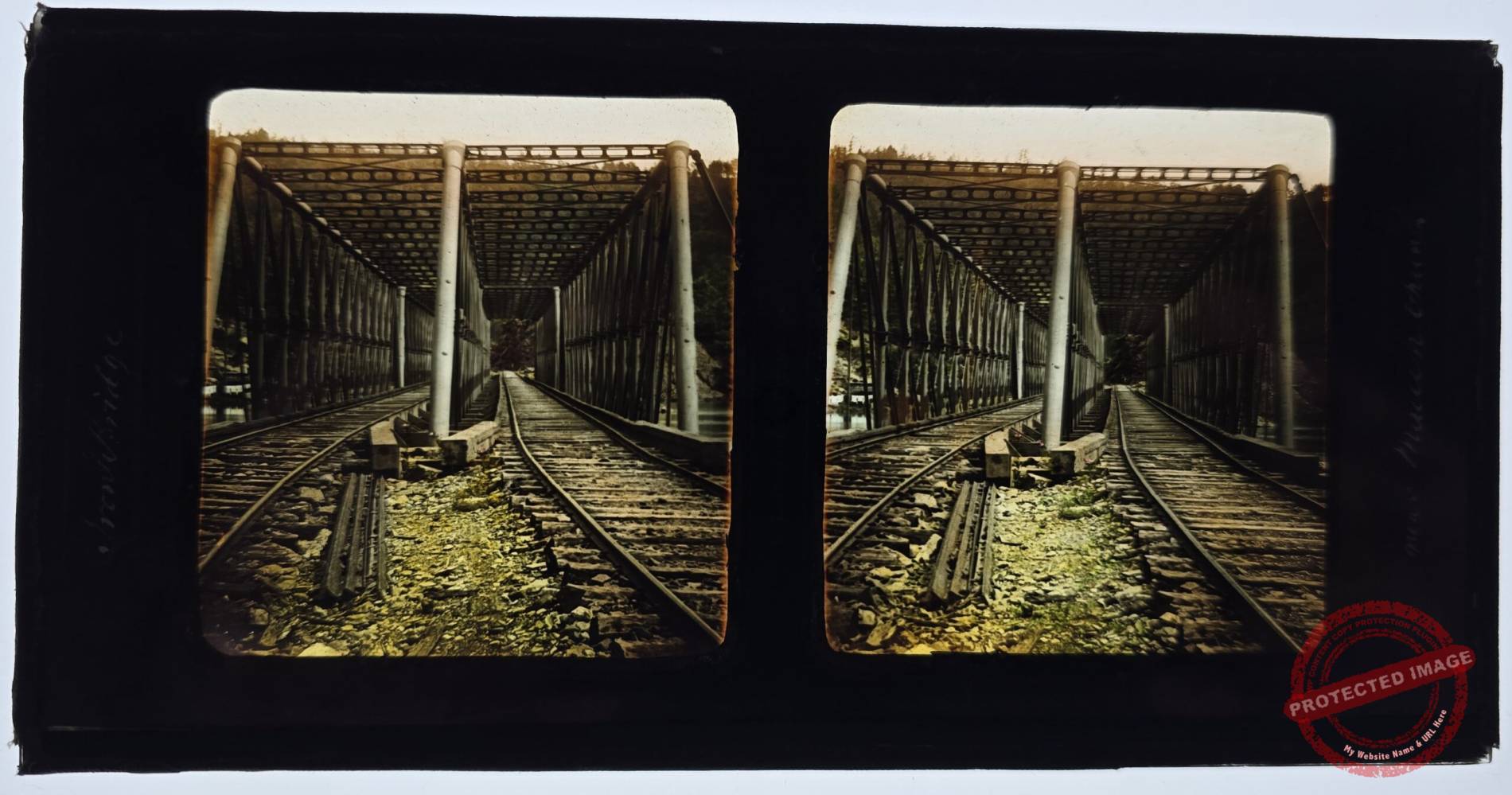
Iron Bridge near Mauch Chunk.
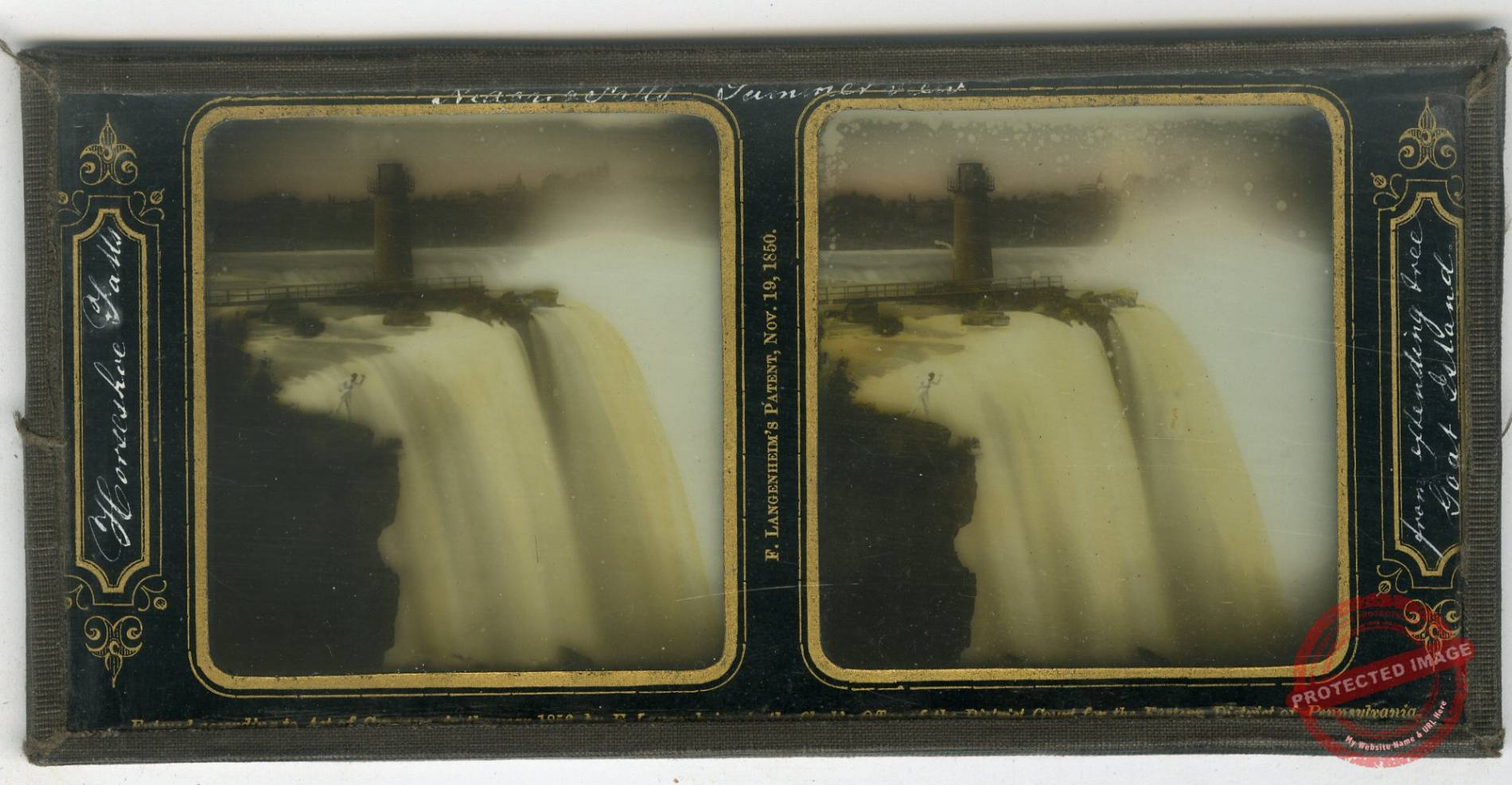
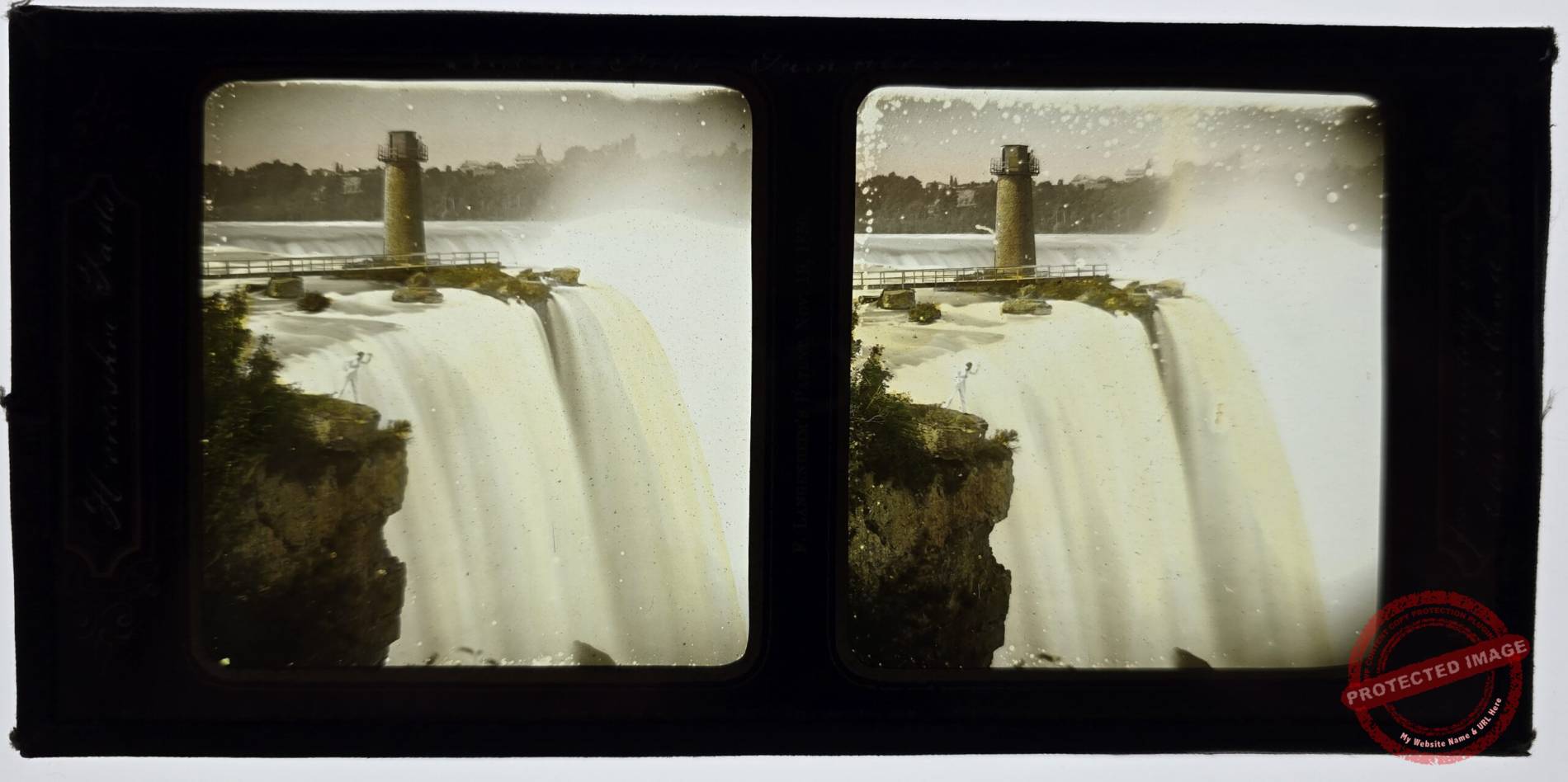
Horseshoe Falls from extending tree Goat Island.
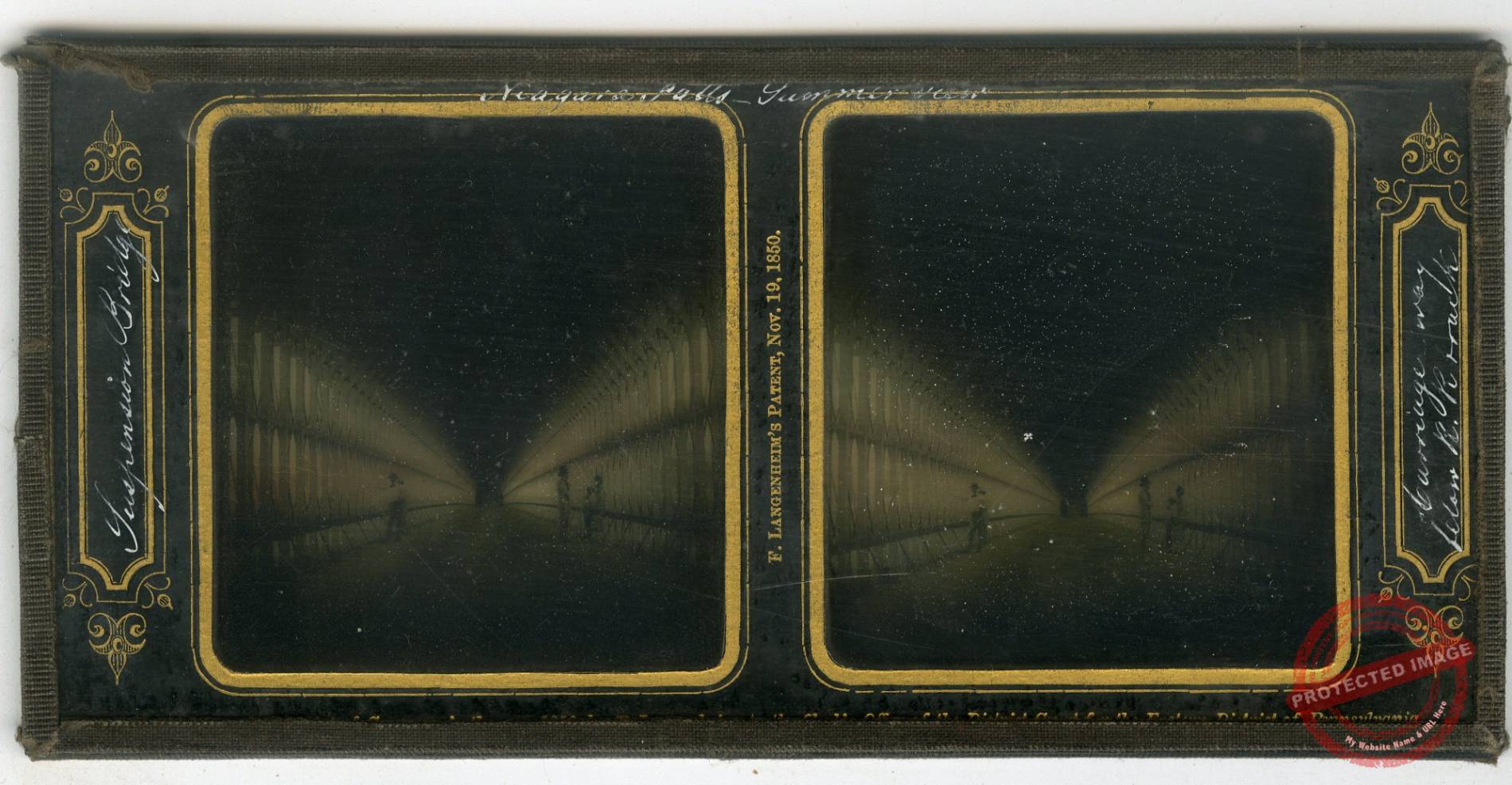
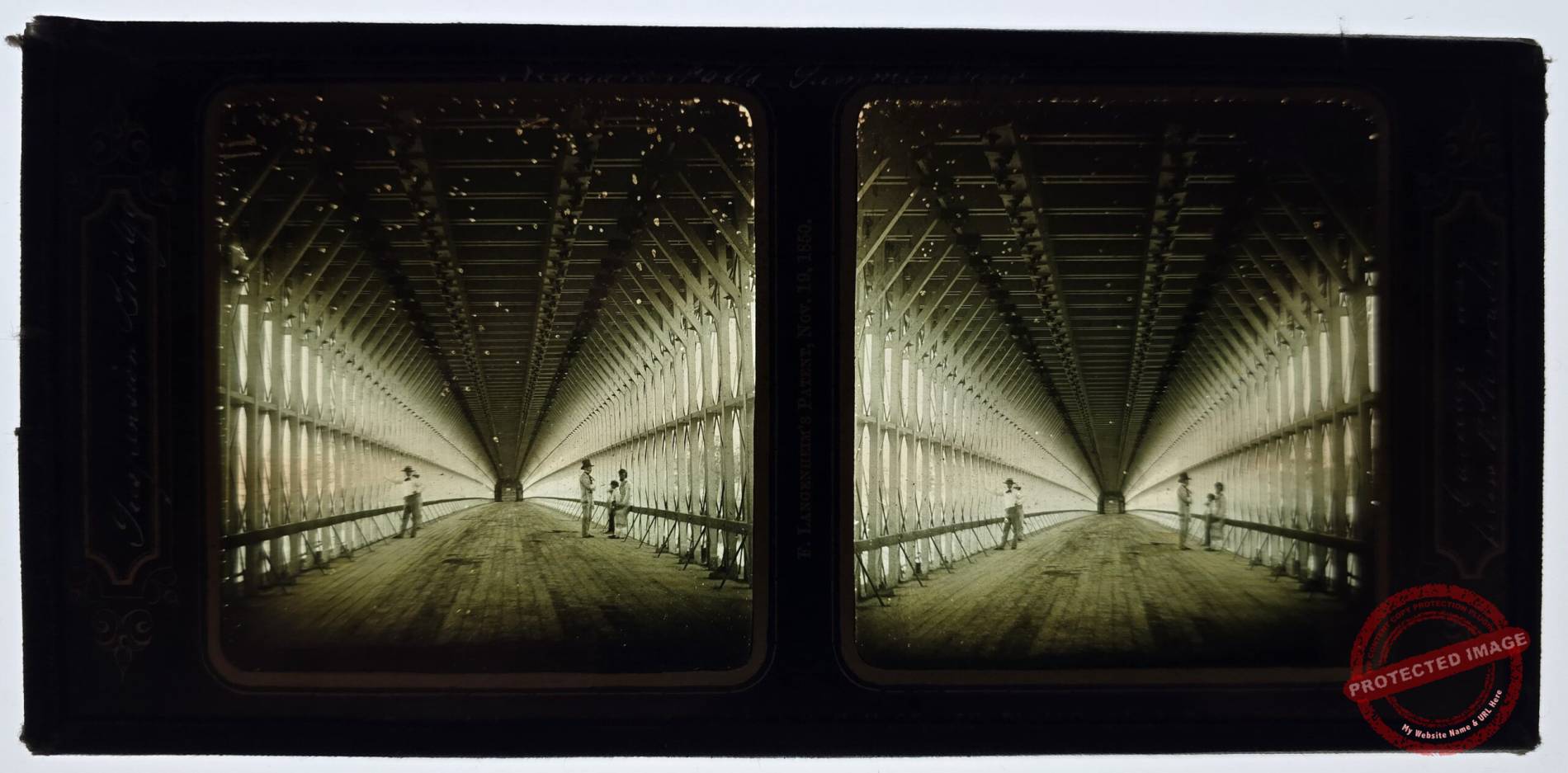
Suspension Bridge, Carriage Way below R.R. Track.
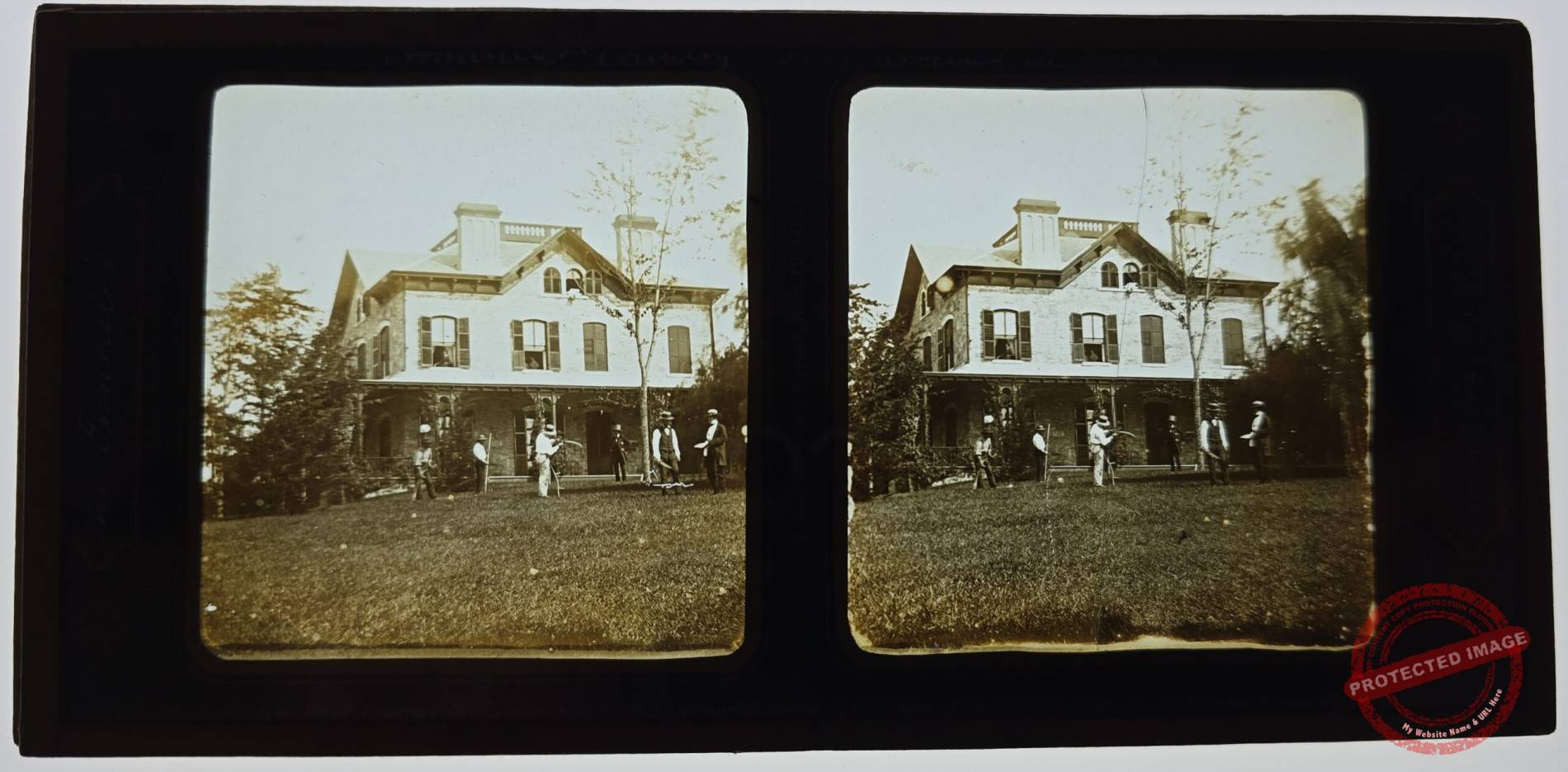
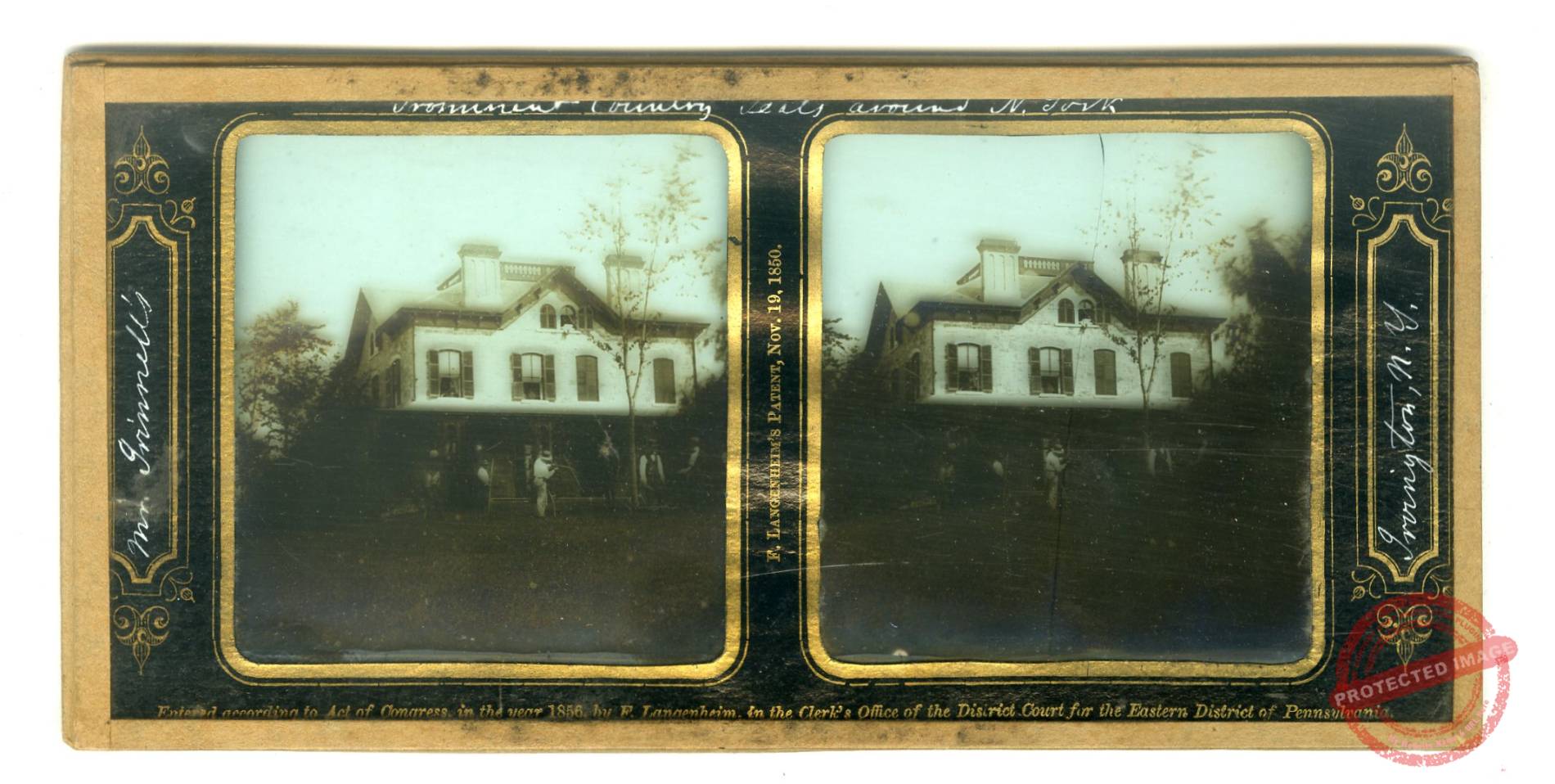
Mr. Grinnell’s, Irvington, N.Y.
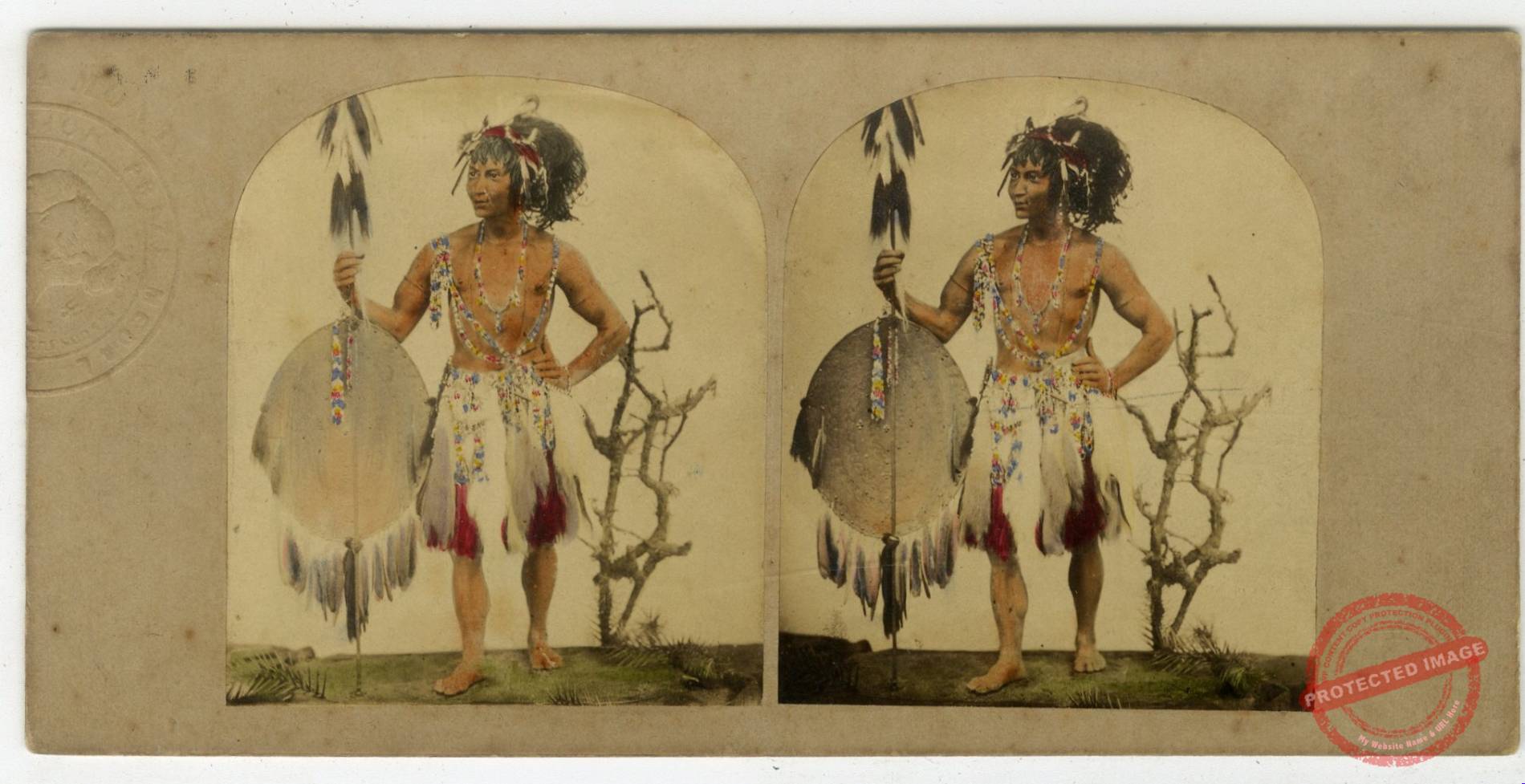
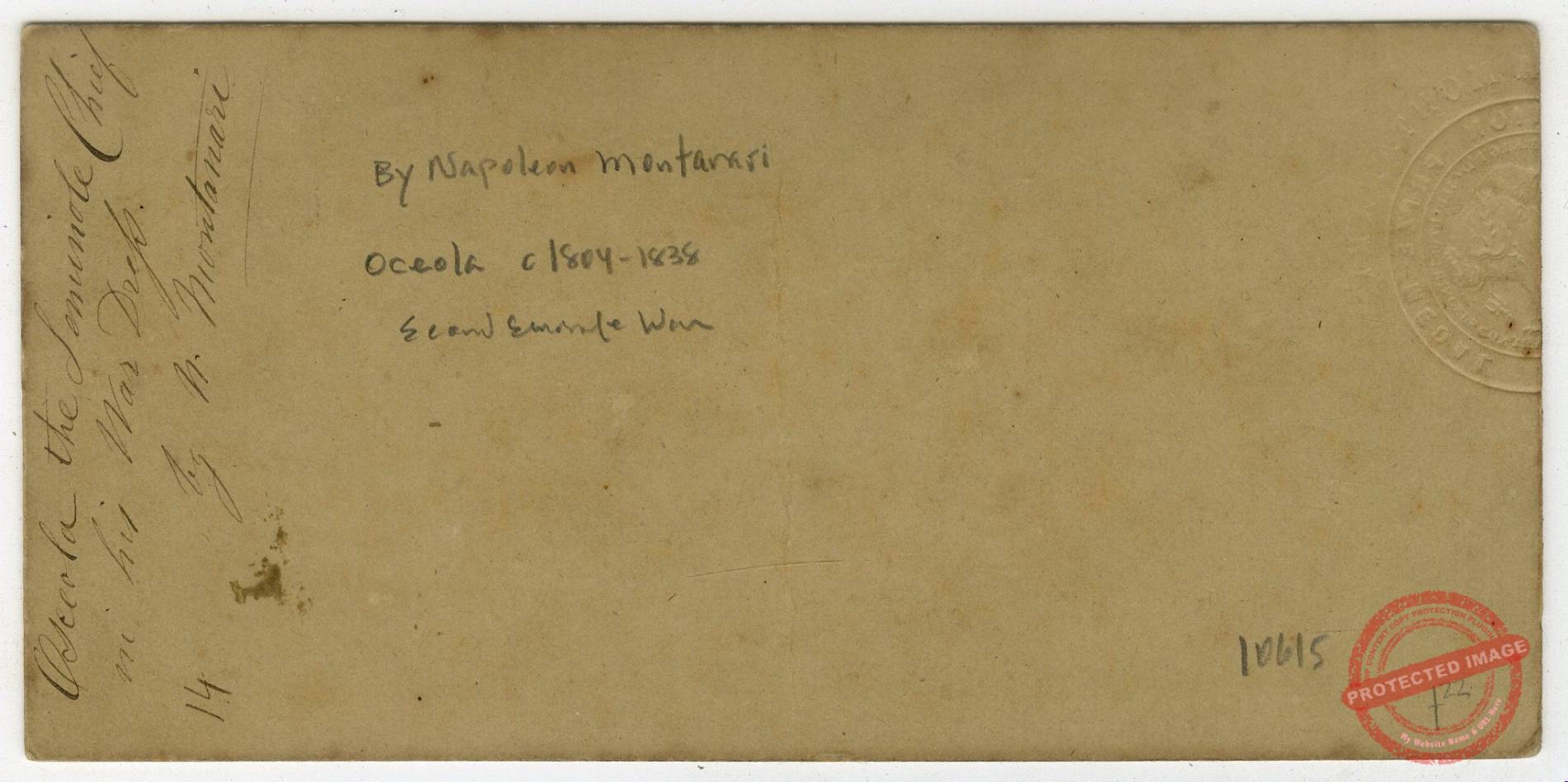
Oceola, the Seminole Chief in his War Dress, by Napoleon Montanari. Montanari was born circa 1813 in Boniface, Corsica. He was famous for his wax models and for doll making. He and his wife, Augusta were prize winners at the Great Exhibition of 1851. The couple were the biggest names in London’s luxury doll business in the second half of the nineteenth century. Their skilled wax modelling and attention to detail was much admired but the high cost of their dolls was often criticized. Dolls representing Queen Victoria and her children were hugely popular in the mid 19th century. Known as ‘model’ dolls they were purchased as objects to be admired, rather than played with. The Montanaris sold their goods in the fancy goods market in Soho Square. The hugely popular Soho Bazaar was owned and built by John Trotter, who had made his fortune supplying the British Army during the Napoleonic Wars. Concerned with the financial distress of the widows and daughters of Army Officers and anxious to stop the country from pouring ‘its happy and innocent virgins into the common sink of London’ he converted one of his warehouses into an indoor market for the encouragement of Female and Domestic Industry. Here, from 1816 widows and young women could sell homemade goods such as gloves, lace and jewelery and earn an income. As the Bazaar became more successful so the range of goods on sale increased and it moved away from its original purpose and became open to more professional manufacturers such as the Montanaris. The business thrived for many years but finally closed in the 1880s. This view has a prize medal blindstamp in the left margin.
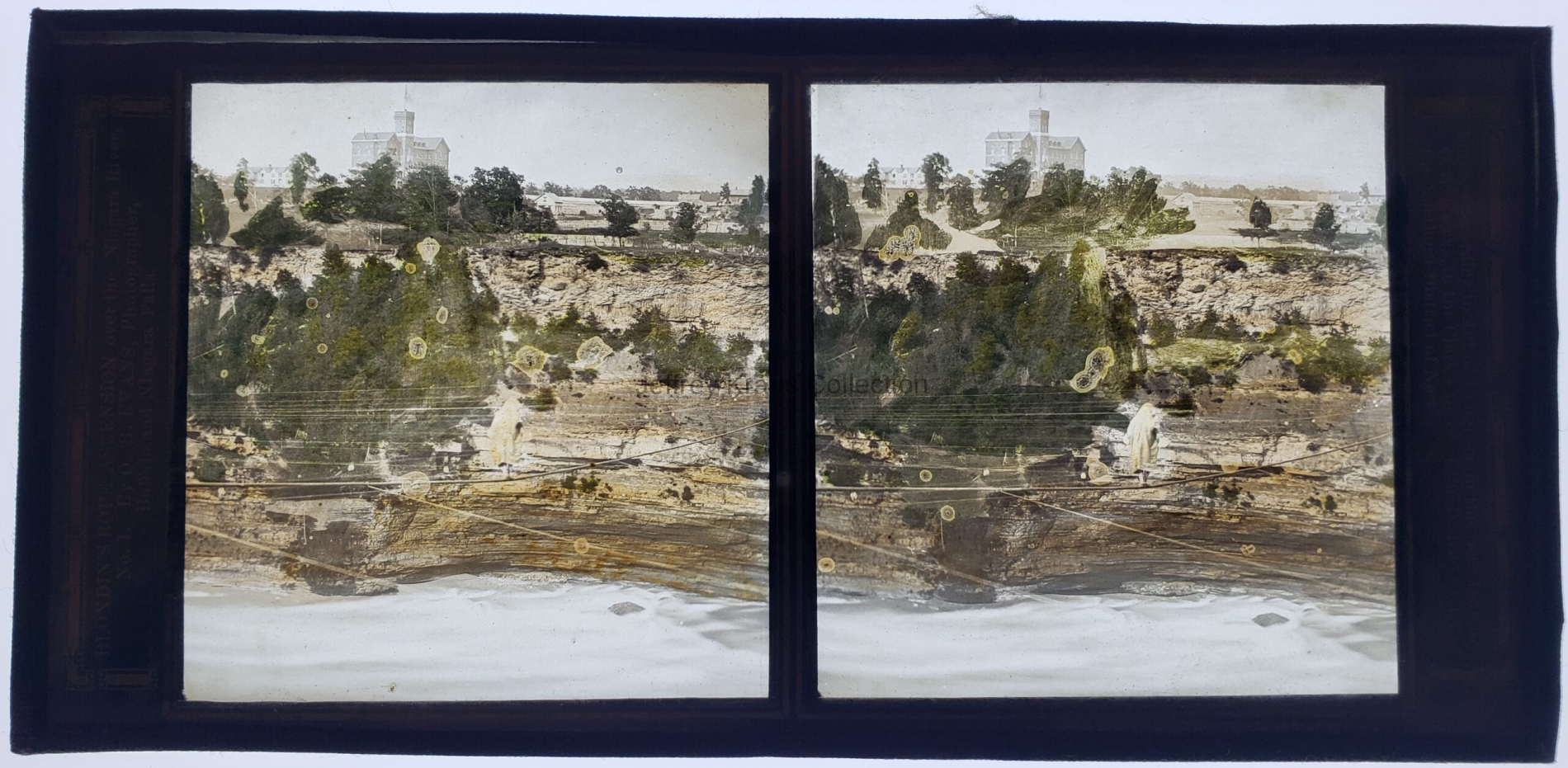
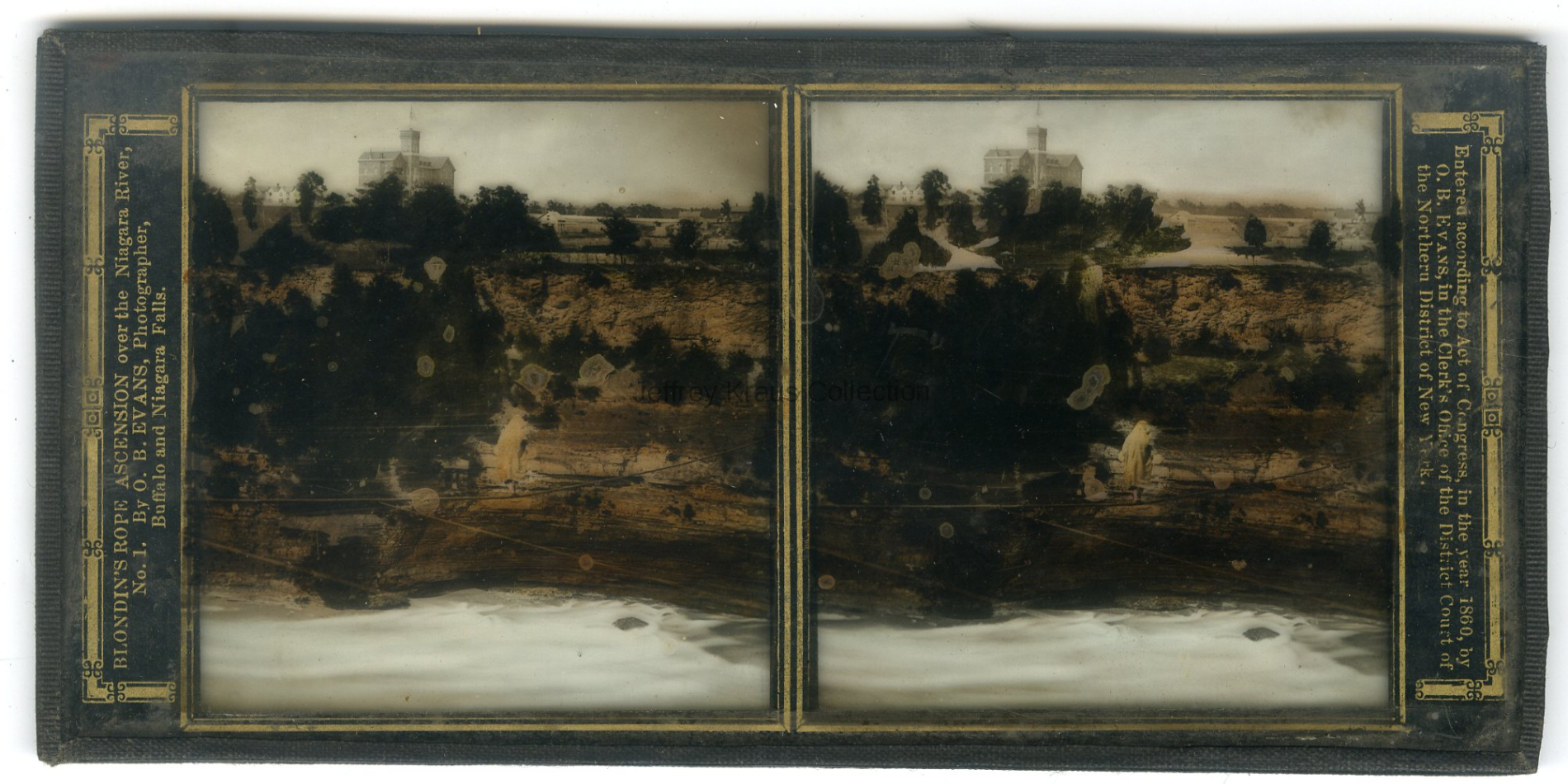
Blondin’s Rope Ascension over the Niagara River, No. 1.
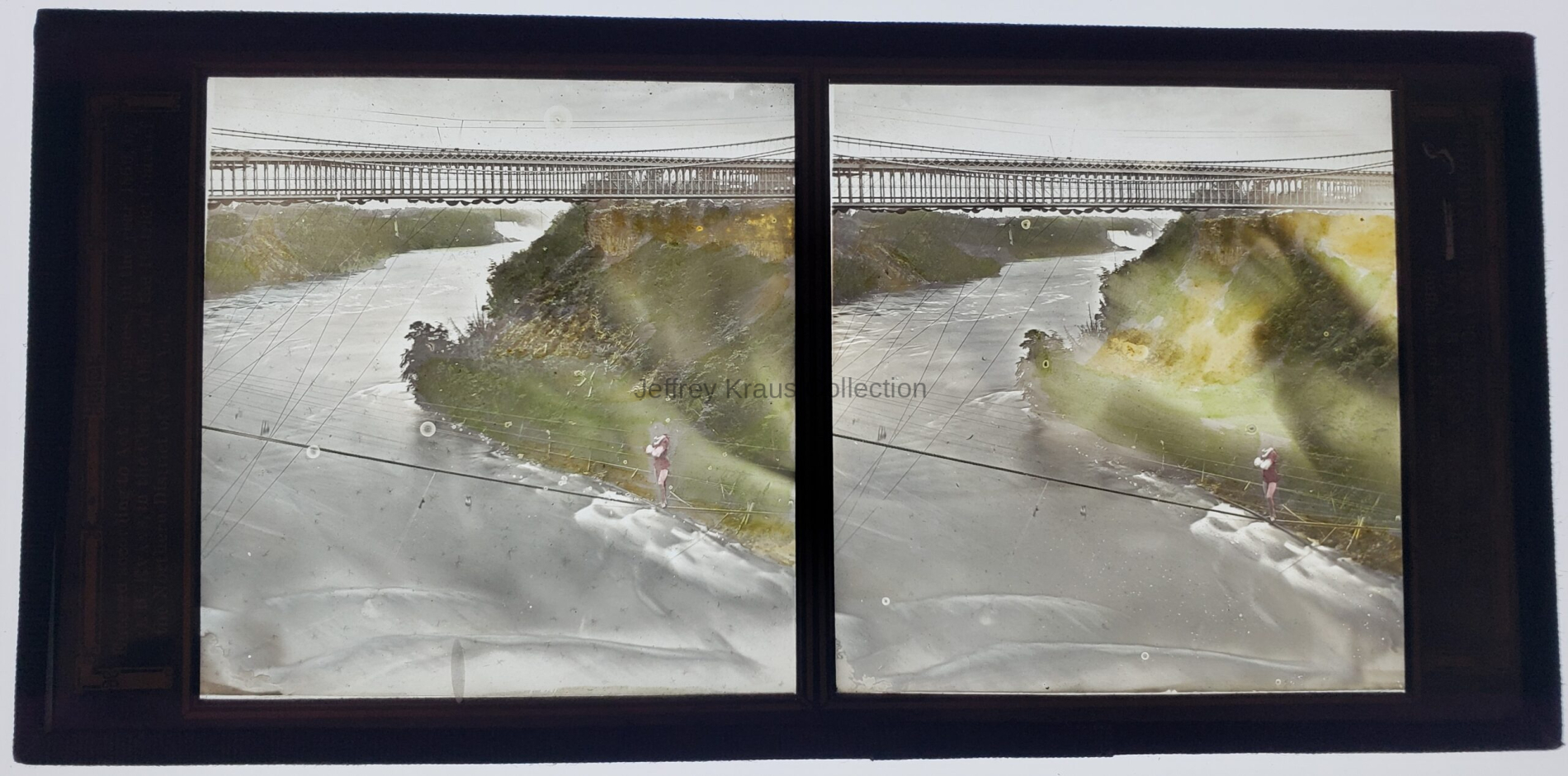
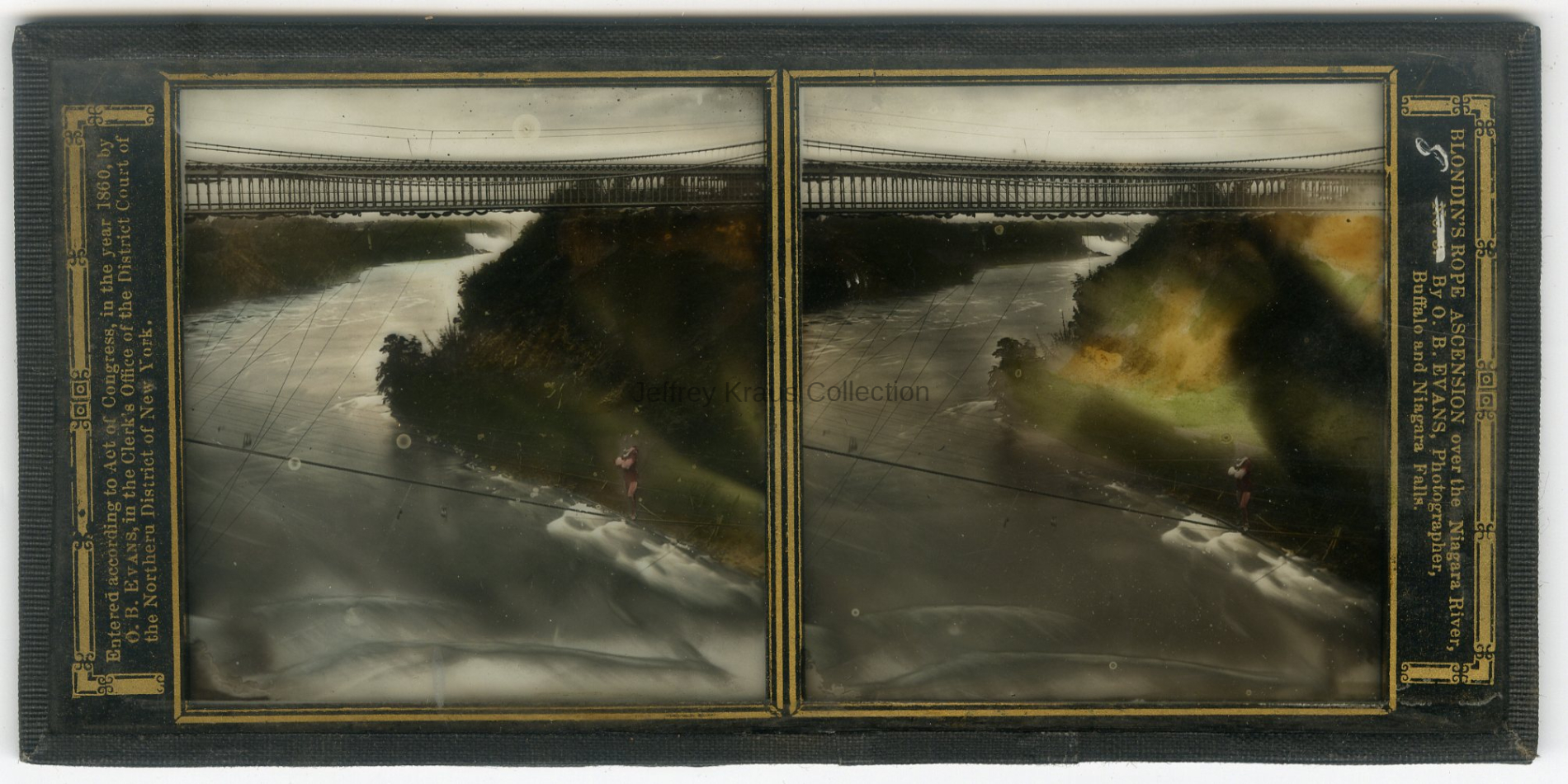
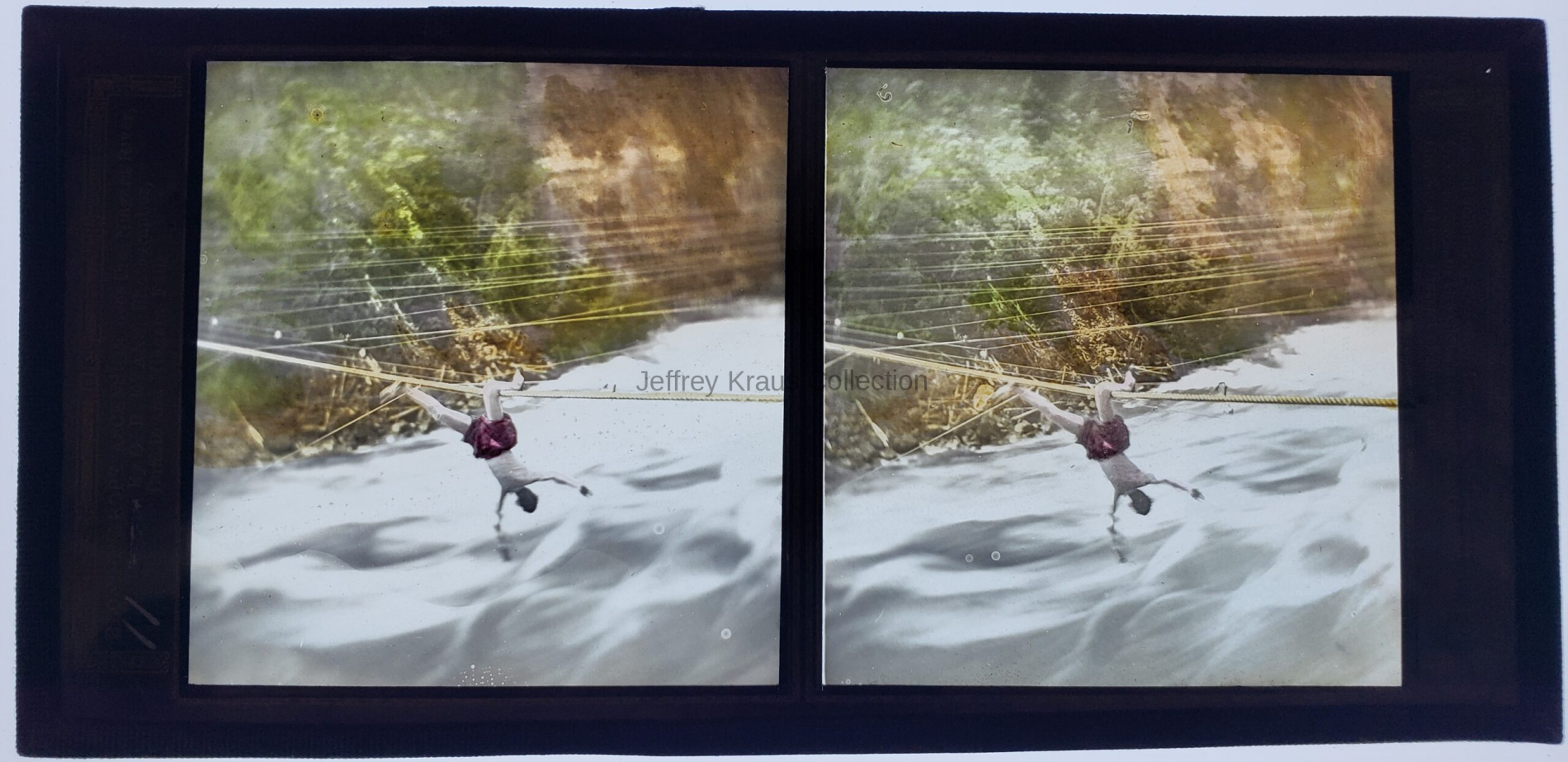
Blondin’s Rope Ascension over the Niagara River, No. 8.
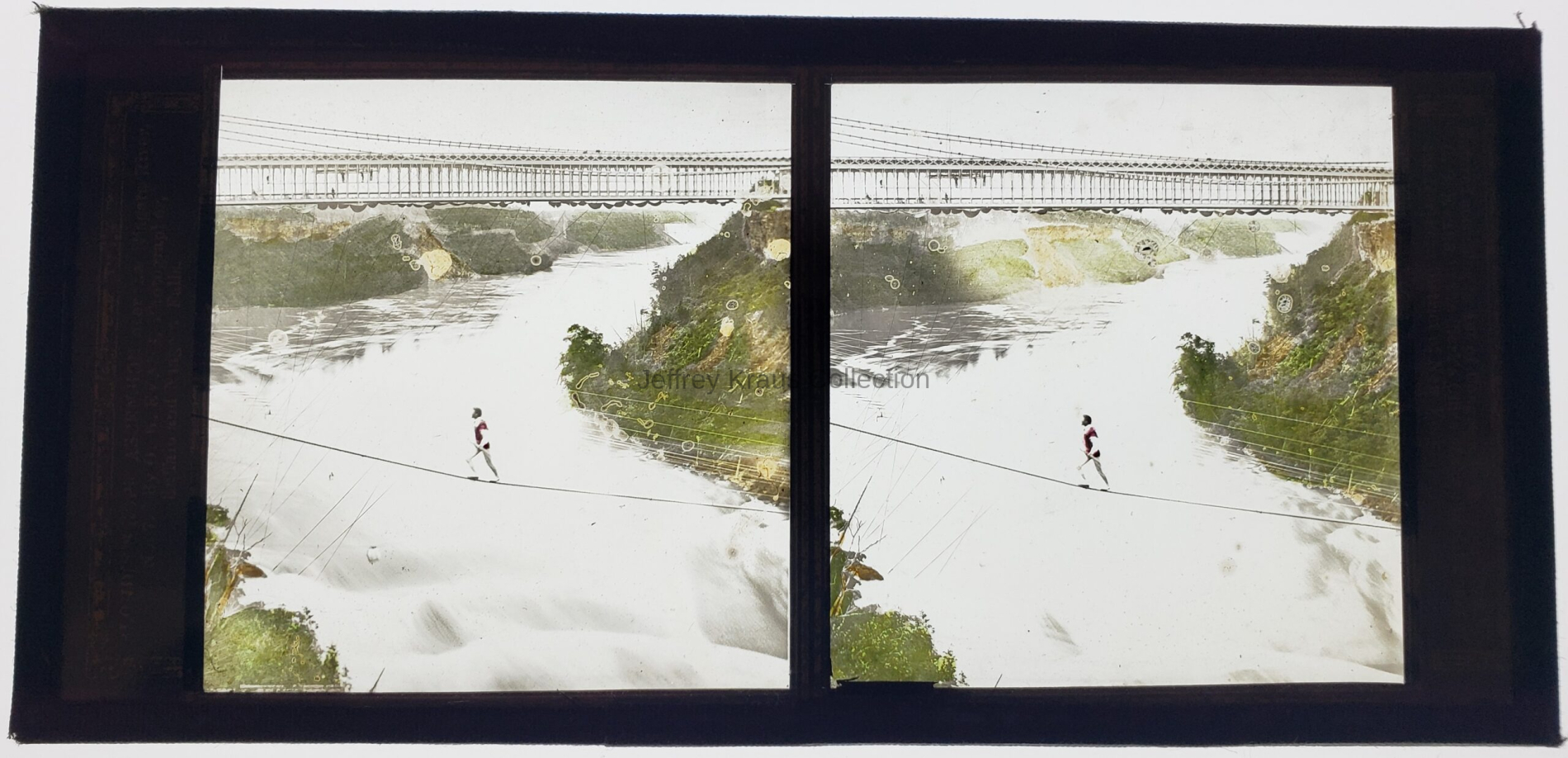
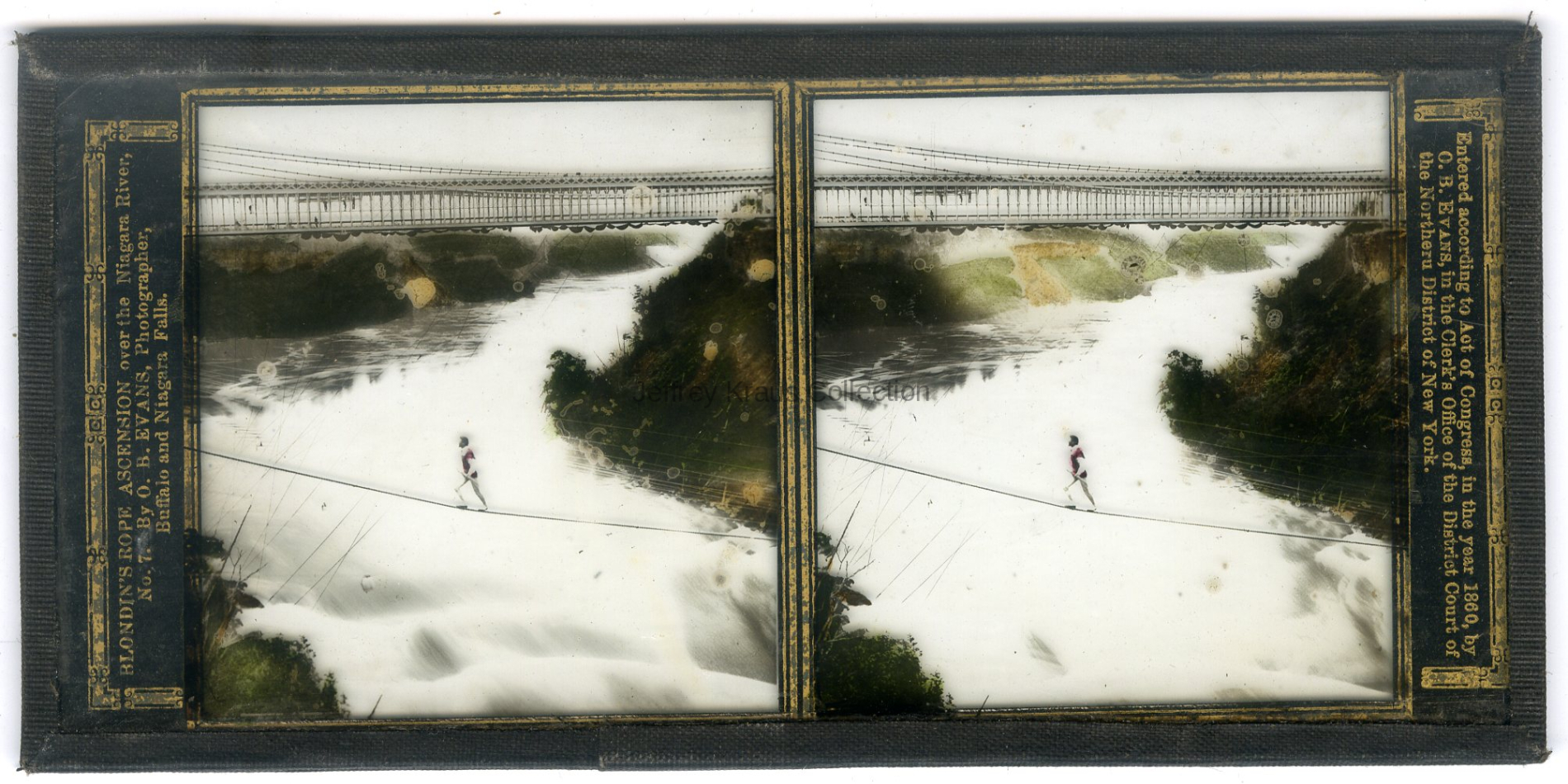
Blondin’s Rope Ascension over the Niagara River, No. 7.
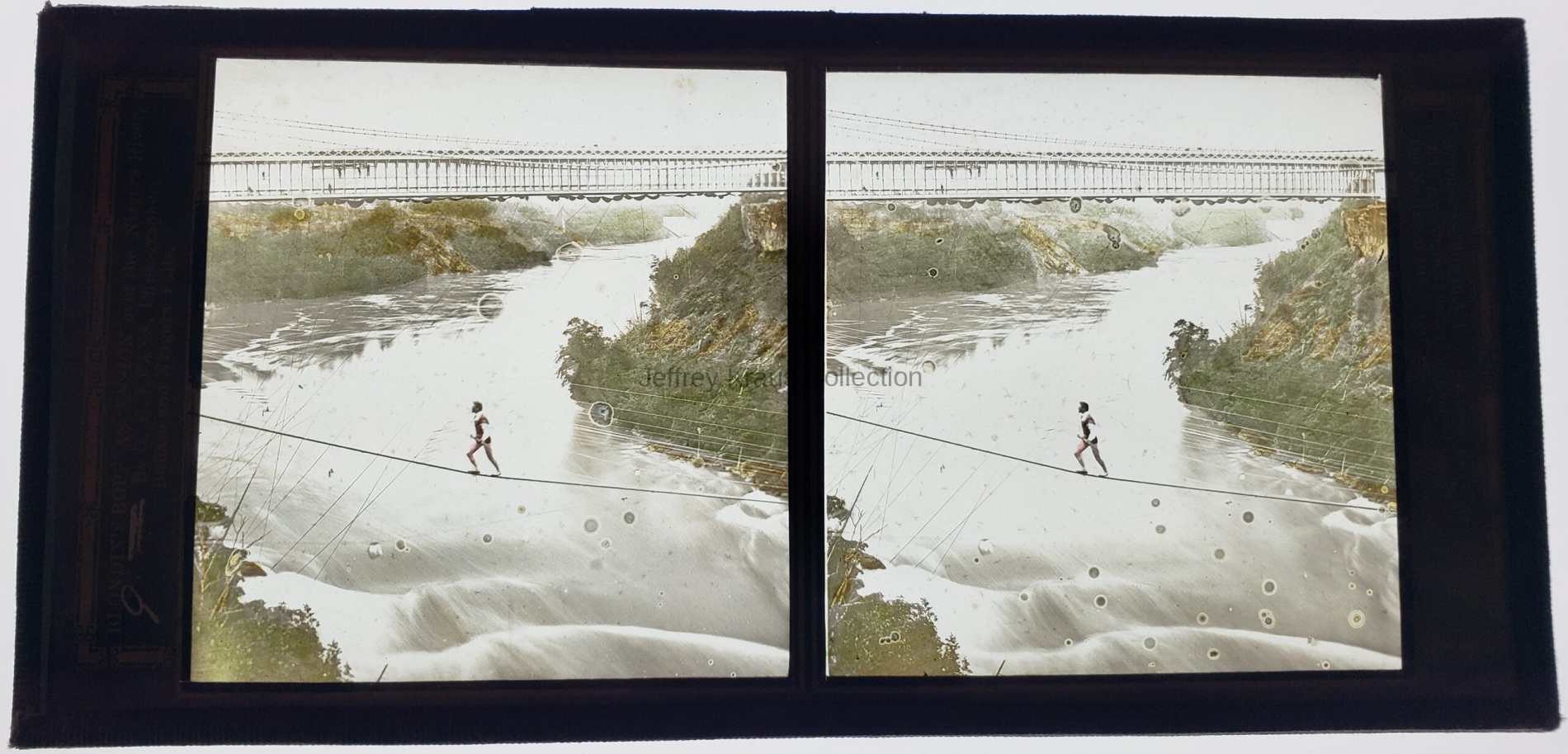
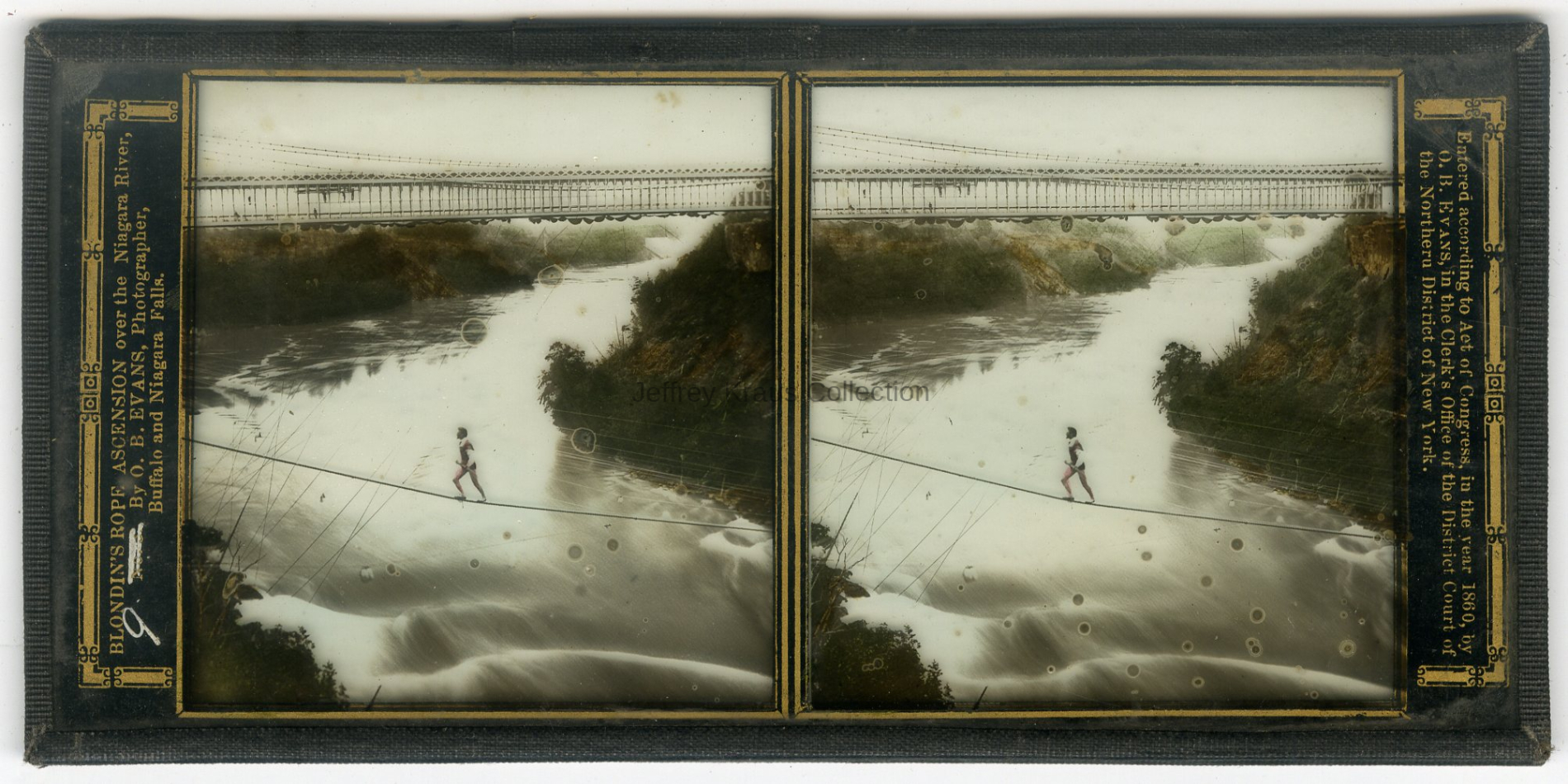
Blondin’s Rope Ascension over the Niagara River, No. 9.
Blondin’s Rope Ascension over the Niagara River, No. 11.
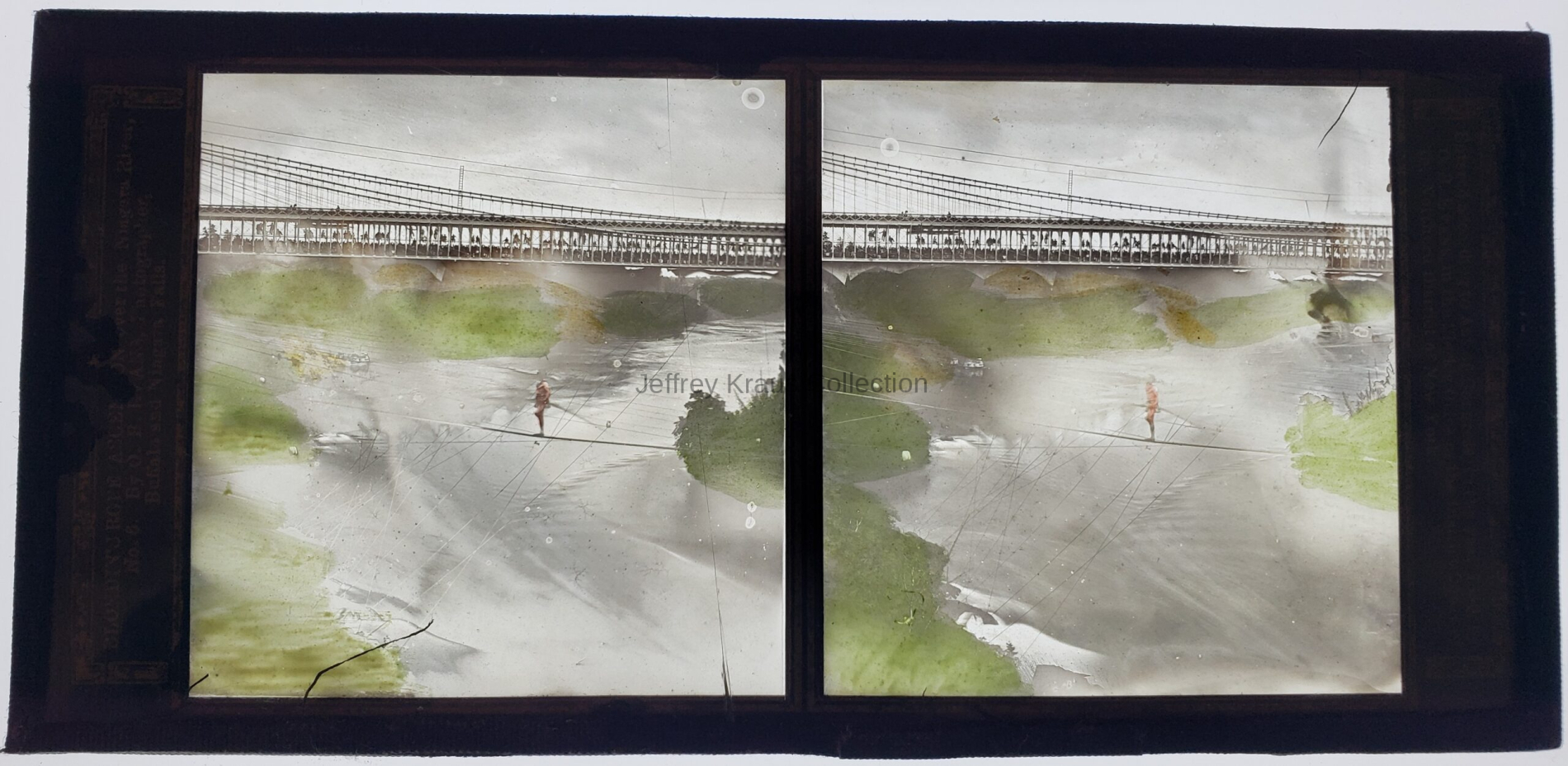
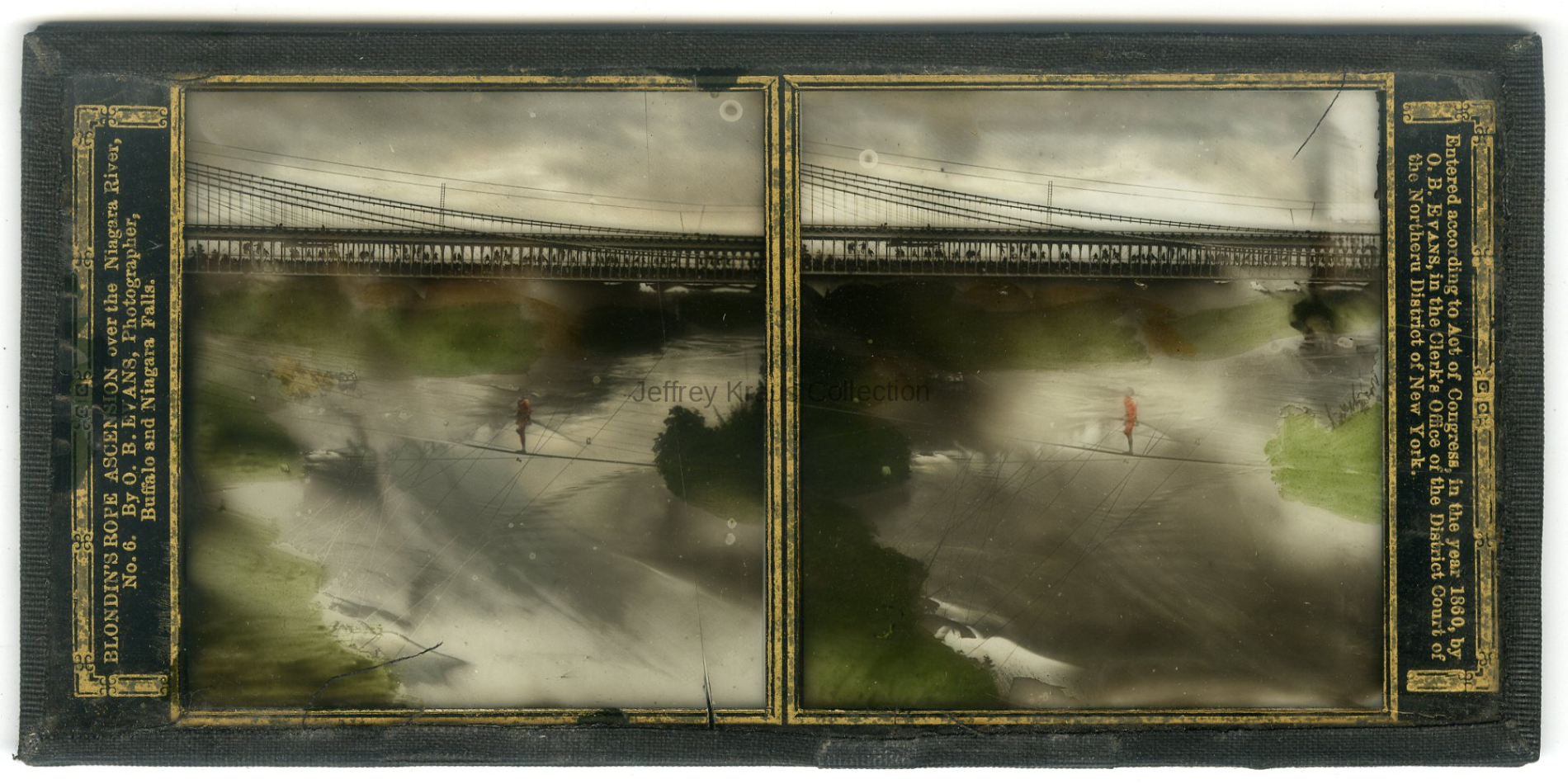
Blondin’s Rope Ascension over the Niagara River, No. 6.
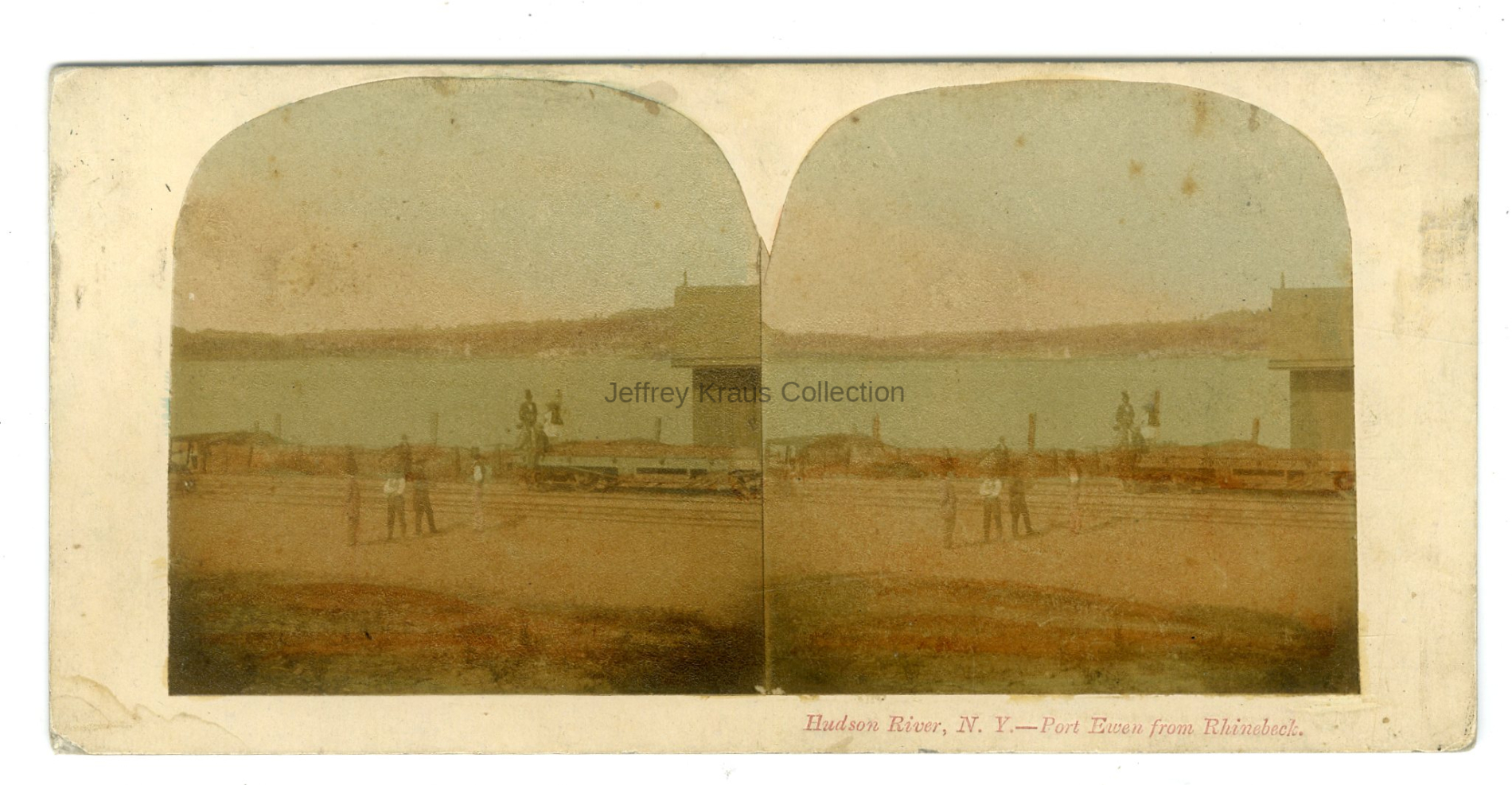
Hudson River, N.Y.-Port Ewen from Rhinebeck.