44597.
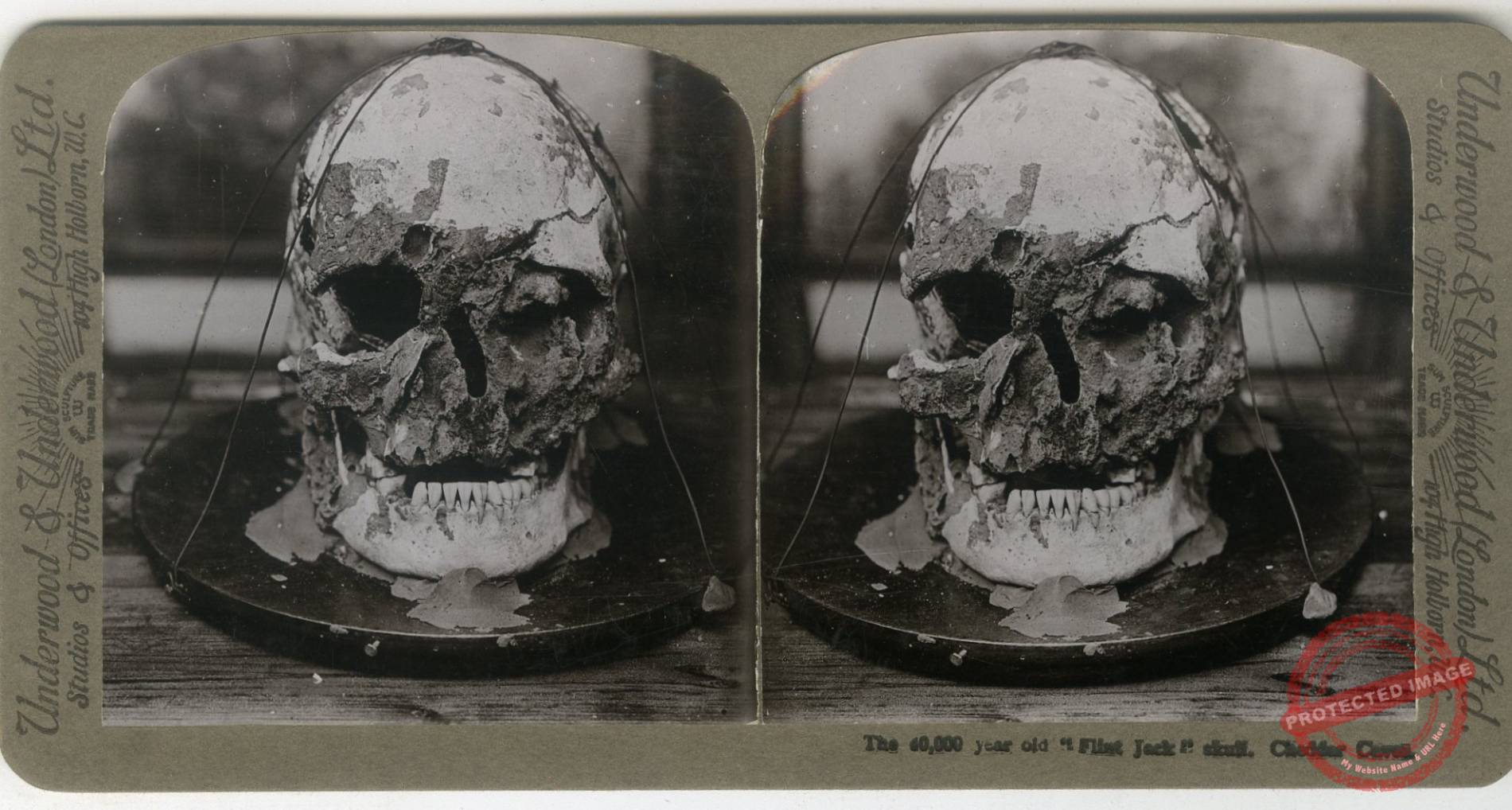
The 40,000 year old “Flint Jack” skull, Cheddar Caves.

The 40,000 year old “Flint Jack” skull, Cheddar Caves.
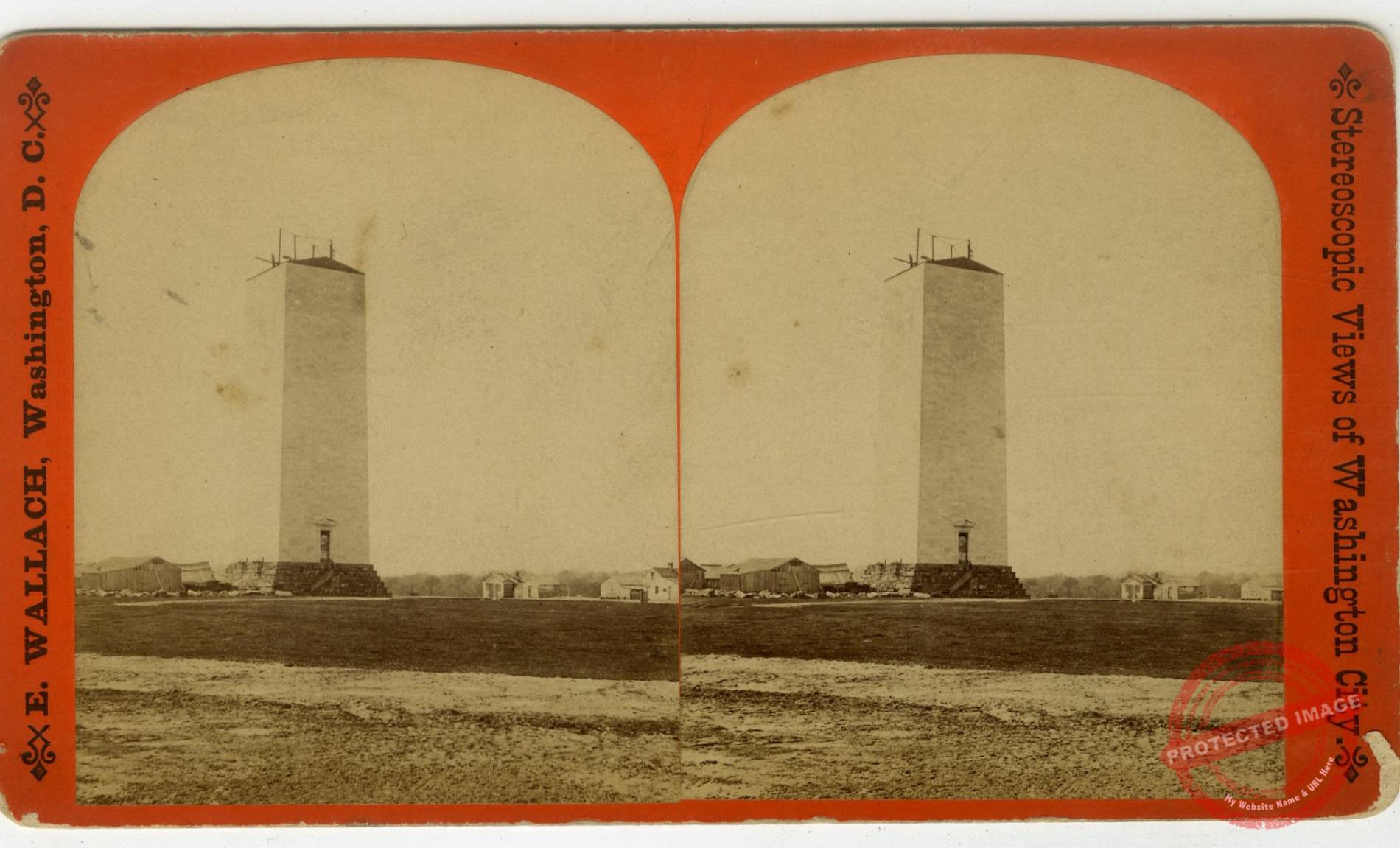
Washington Monument under Construction.
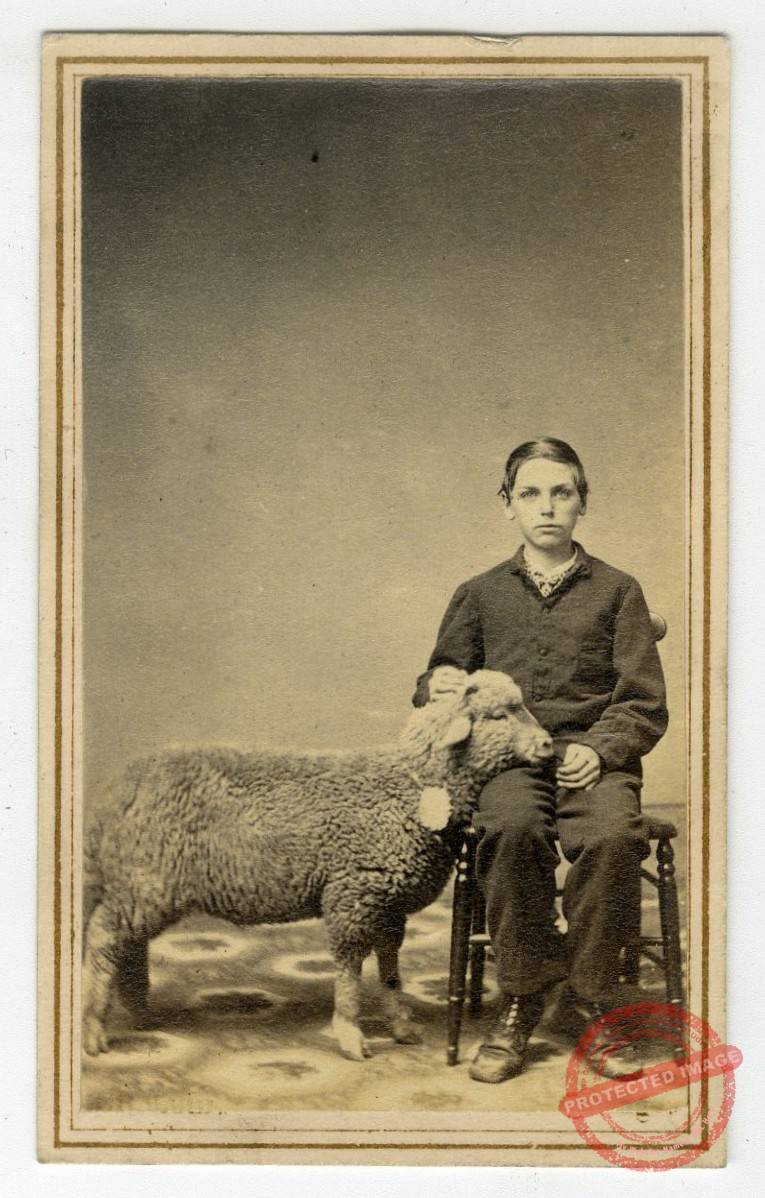
Boy with his lamb.
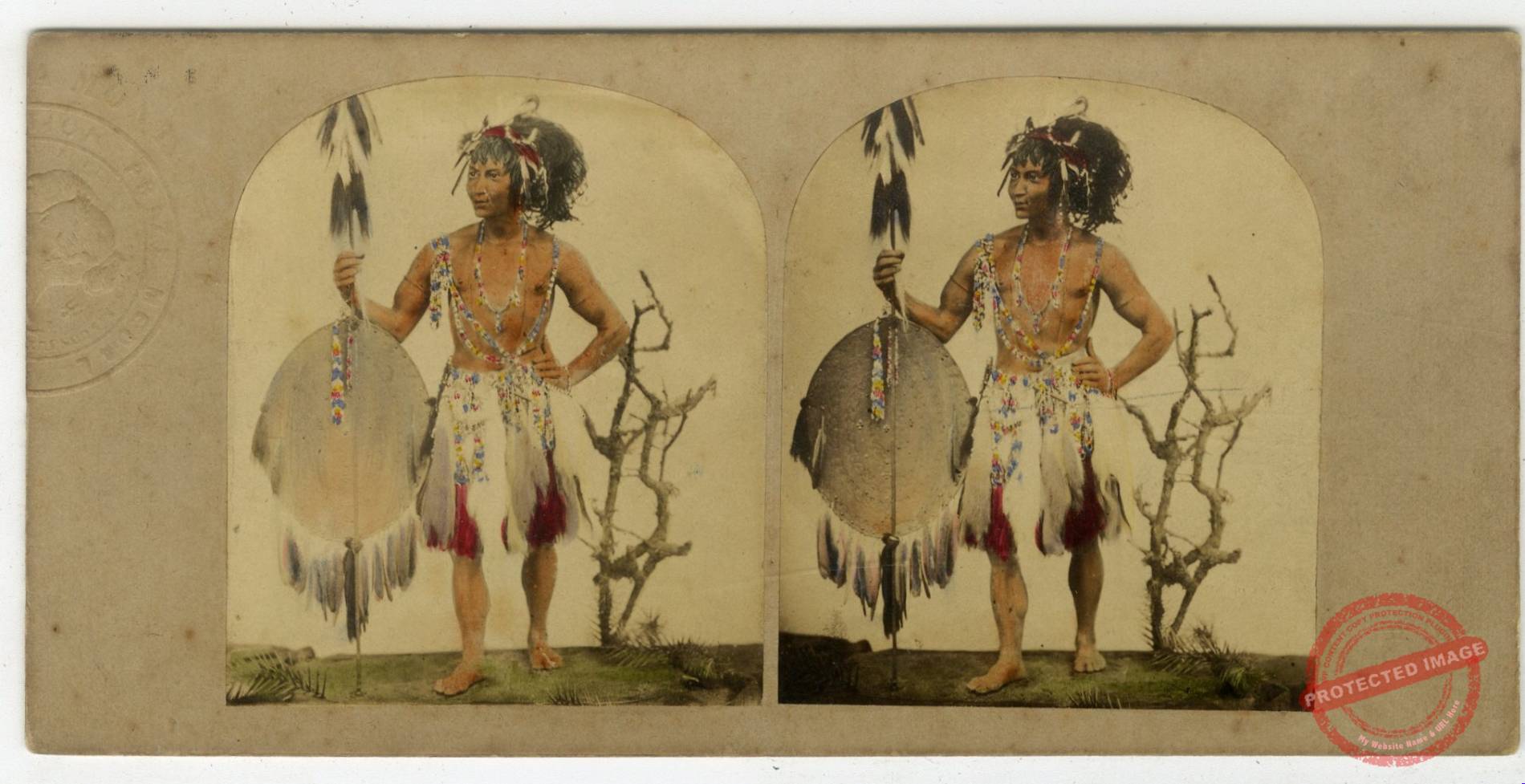
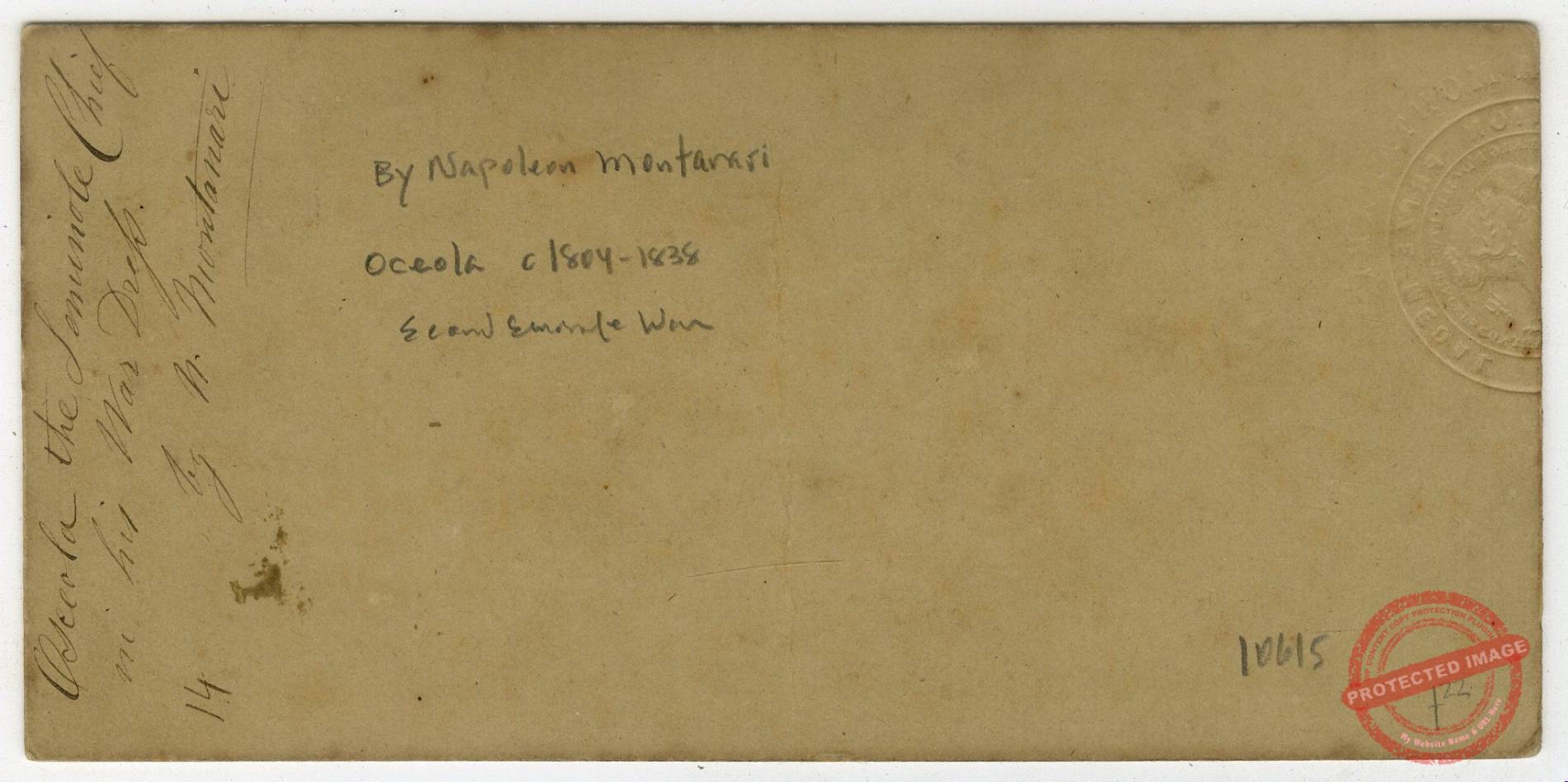
Oceola, the Seminole Chief in his War Dress, by Napoleon Montanari. Montanari was born circa 1813 in Boniface, Corsica. He was famous for his wax models and for doll making. He and his wife, Augusta were prize winners at the Great Exhibition of 1851. The couple were the biggest names in London’s luxury doll business in the second half of the nineteenth century. Their skilled wax modelling and attention to detail was much admired but the high cost of their dolls was often criticized. Dolls representing Queen Victoria and her children were hugely popular in the mid 19th century. Known as ‘model’ dolls they were purchased as objects to be admired, rather than played with. The Montanaris sold their goods in the fancy goods market in Soho Square. The hugely popular Soho Bazaar was owned and built by John Trotter, who had made his fortune supplying the British Army during the Napoleonic Wars. Concerned with the financial distress of the widows and daughters of Army Officers and anxious to stop the country from pouring ‘its happy and innocent virgins into the common sink of London’ he converted one of his warehouses into an indoor market for the encouragement of Female and Domestic Industry. Here, from 1816 widows and young women could sell homemade goods such as gloves, lace and jewelery and earn an income. As the Bazaar became more successful so the range of goods on sale increased and it moved away from its original purpose and became open to more professional manufacturers such as the Montanaris. The business thrived for many years but finally closed in the 1880s. This view has a prize medal blindstamp in the left margin.
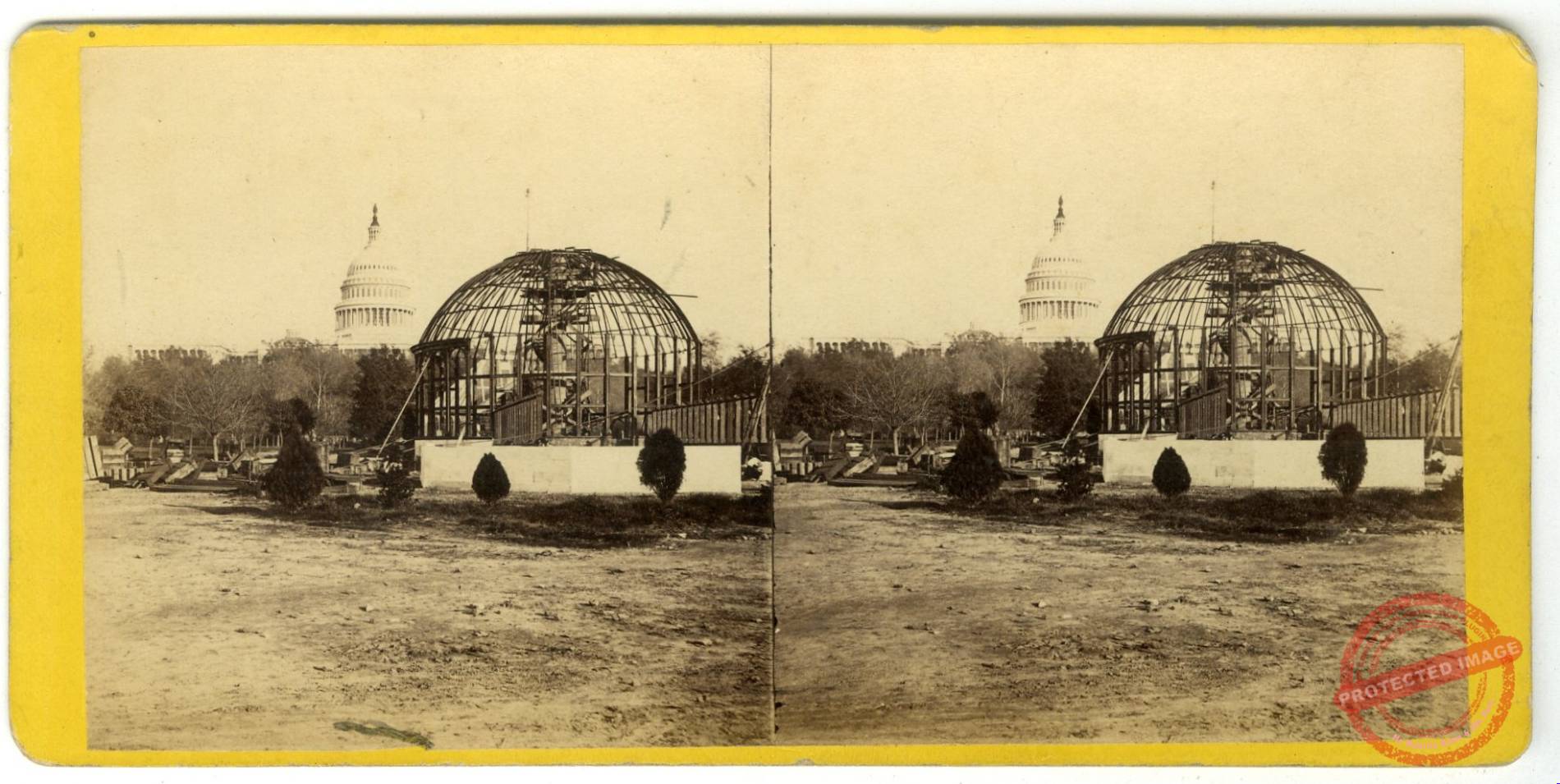
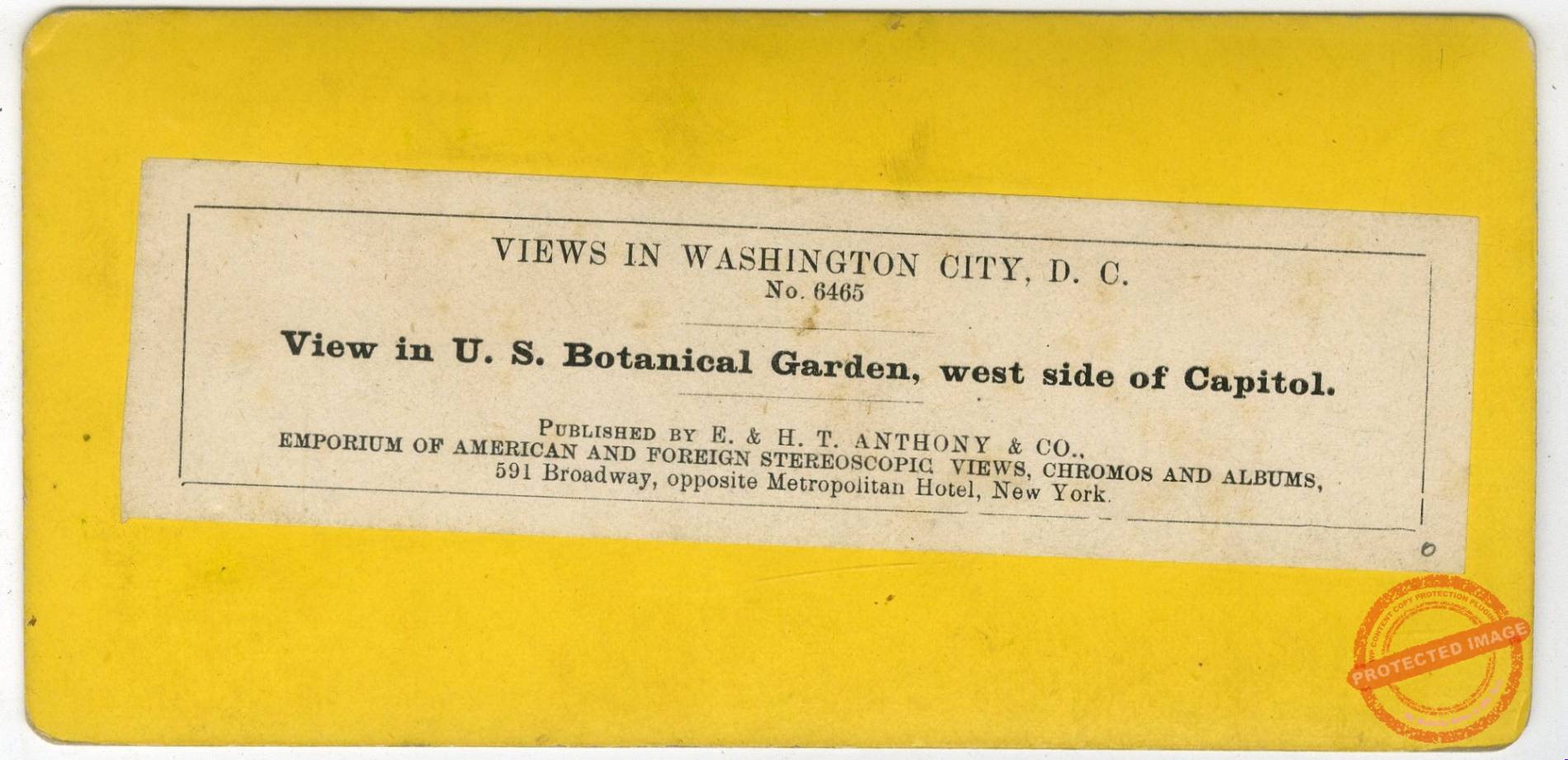
No. 6465. View in U.S. Botanical Garden, west side of Capitol. Construction of the original Palm House which stood from 1867-1933.
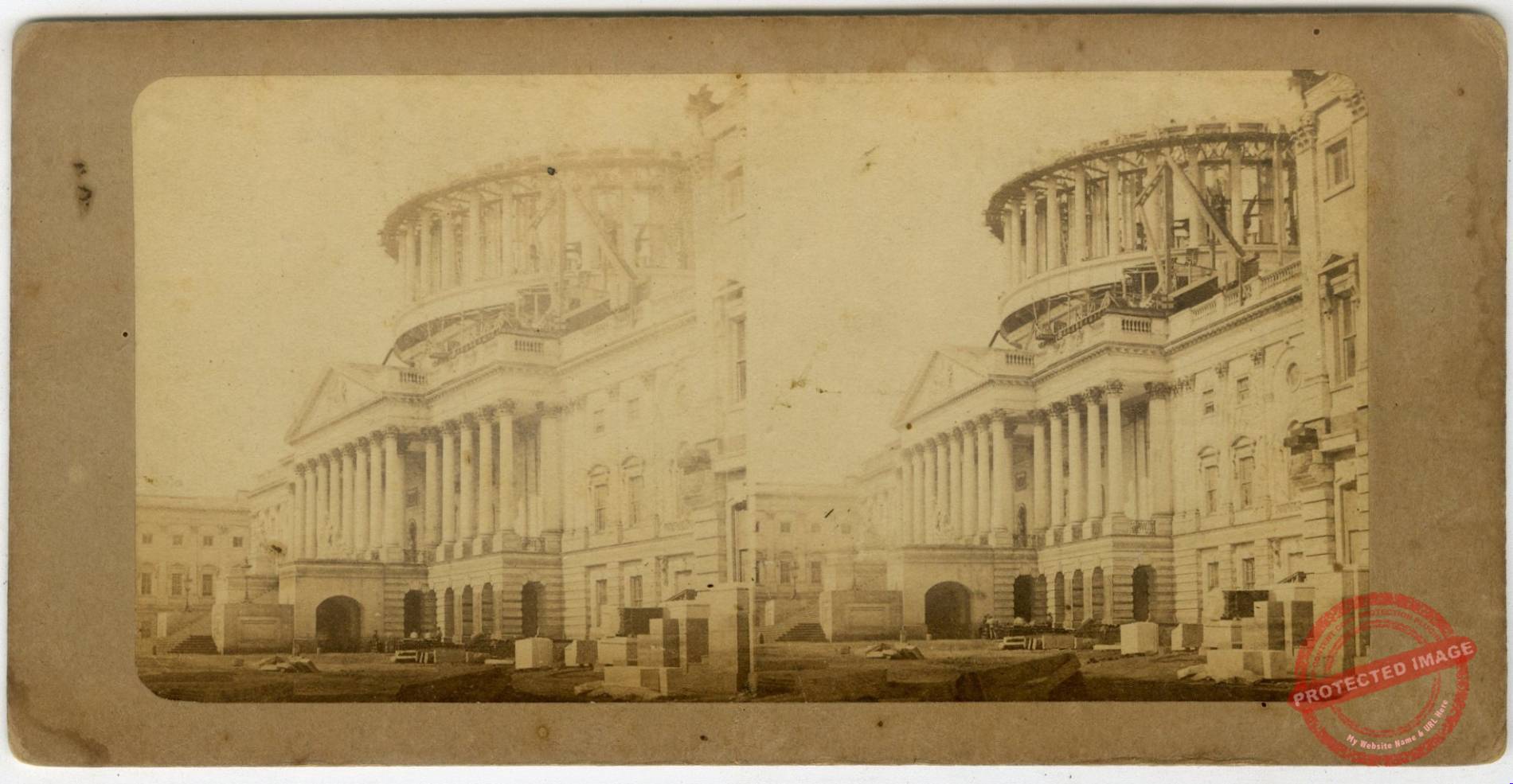
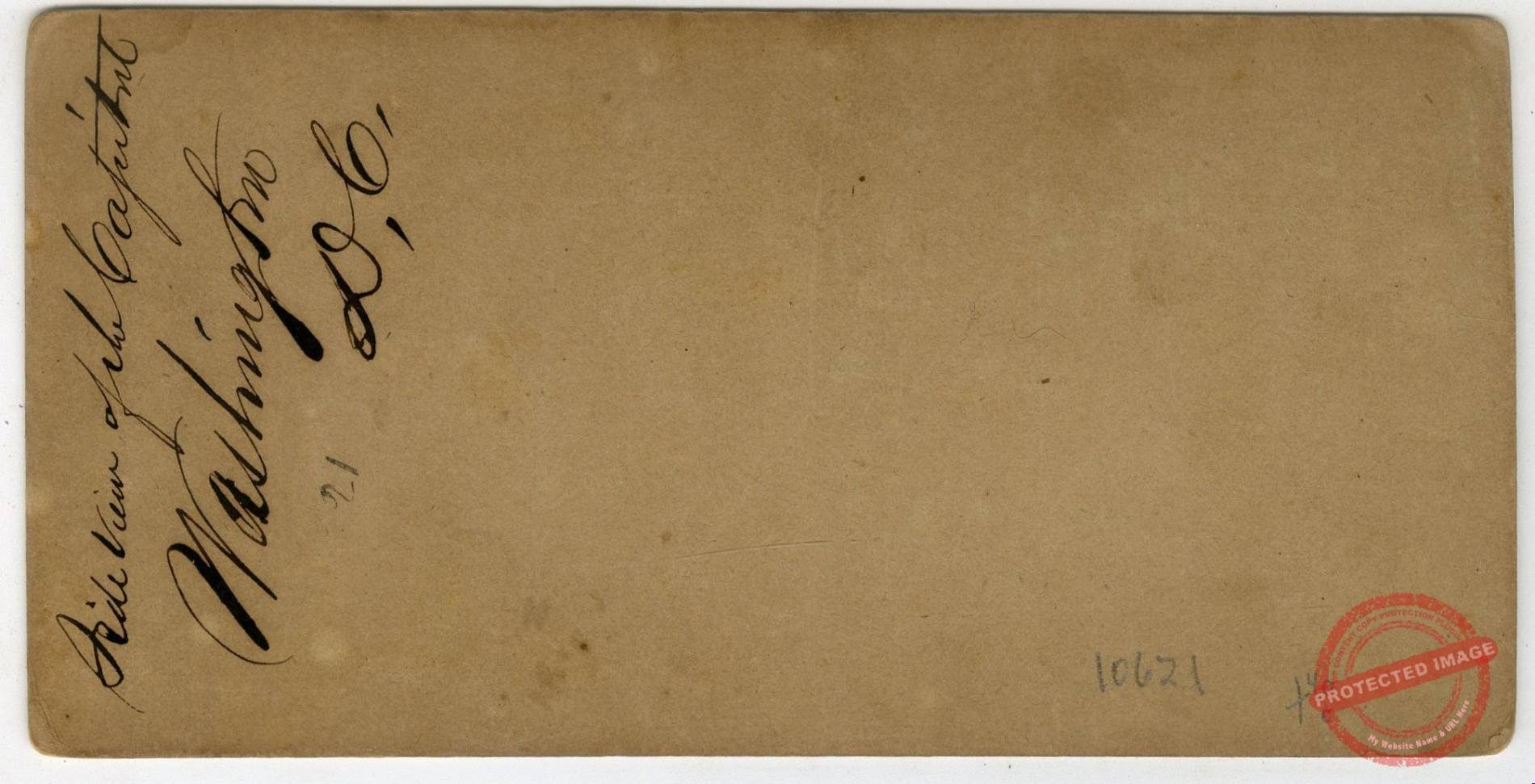
Side View of the Capitol, under Construction, Washington, D.C.
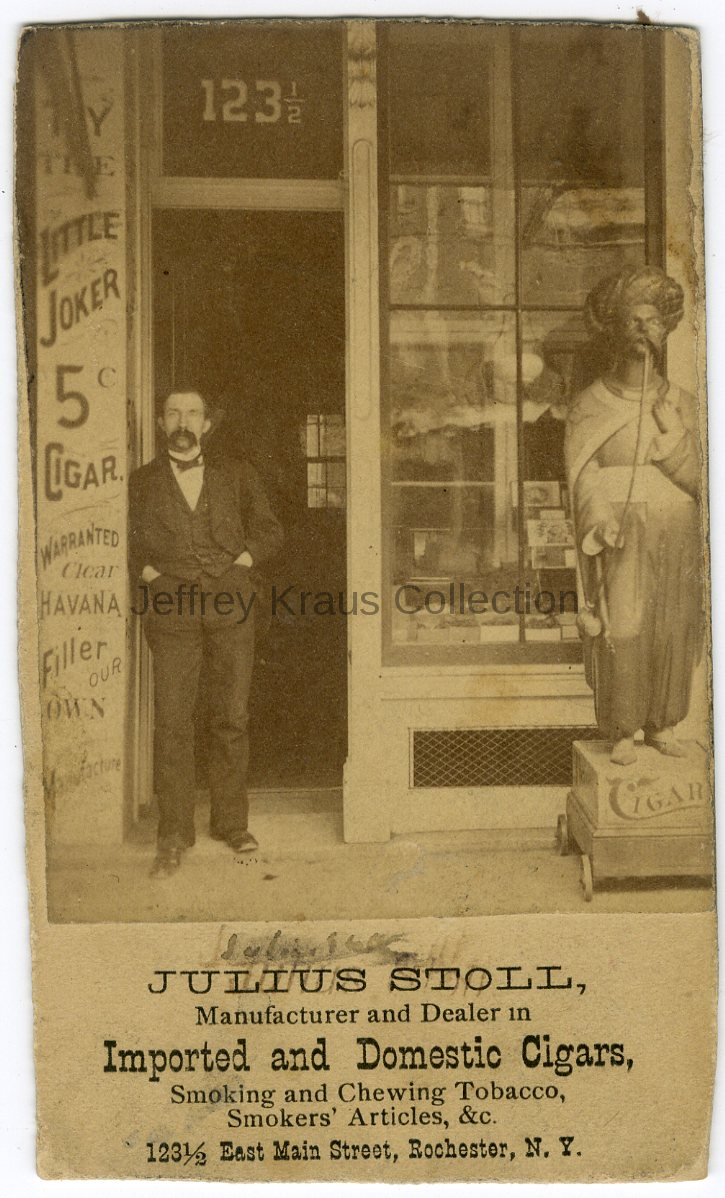
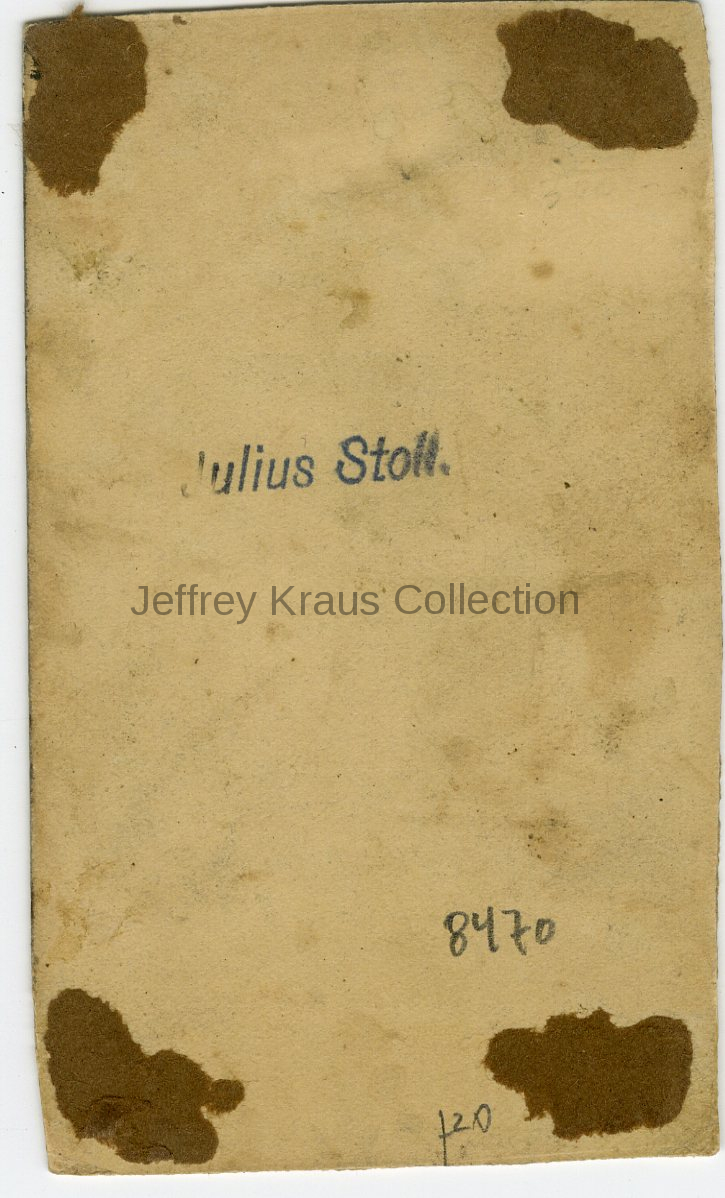
Julius Stoll, Manufacturer and Dealer in Imported and Domestic Cigars, Smoking and Chewing Tobacco, Smokers’ Articles, &c. 123 1/2 East main Street, Rochester, N.Y.
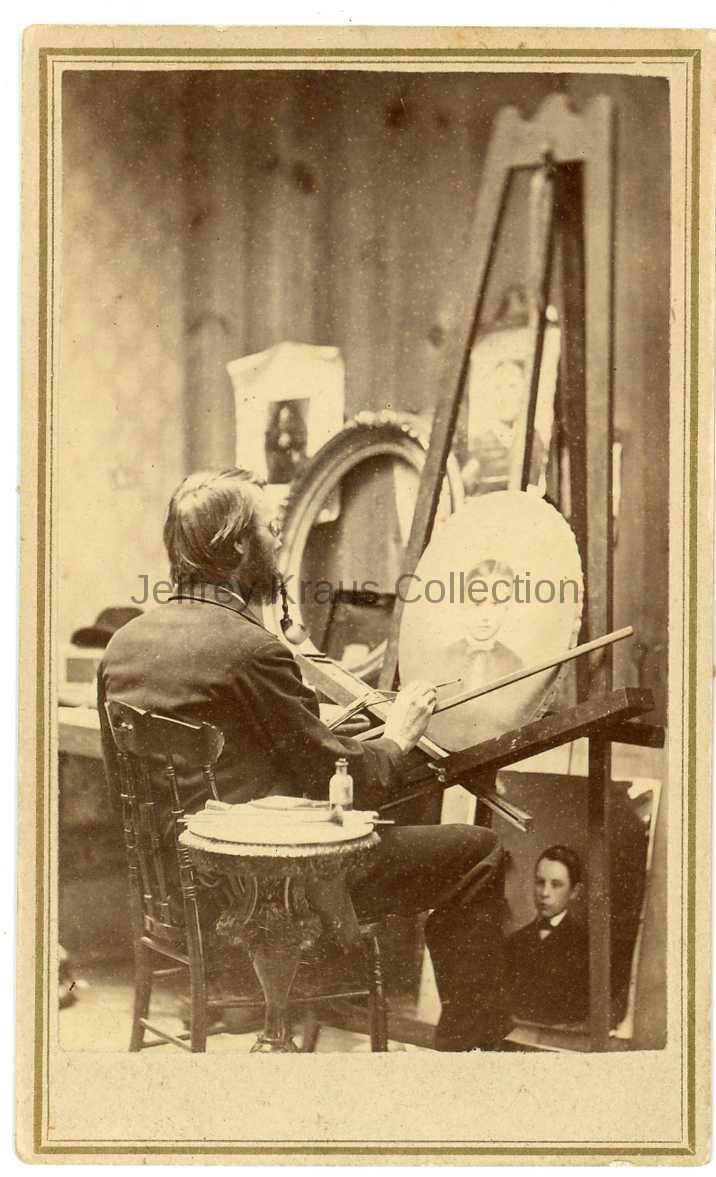
J.N. Arnold, Portrait Painter–Painting his own Boy’s likeness.
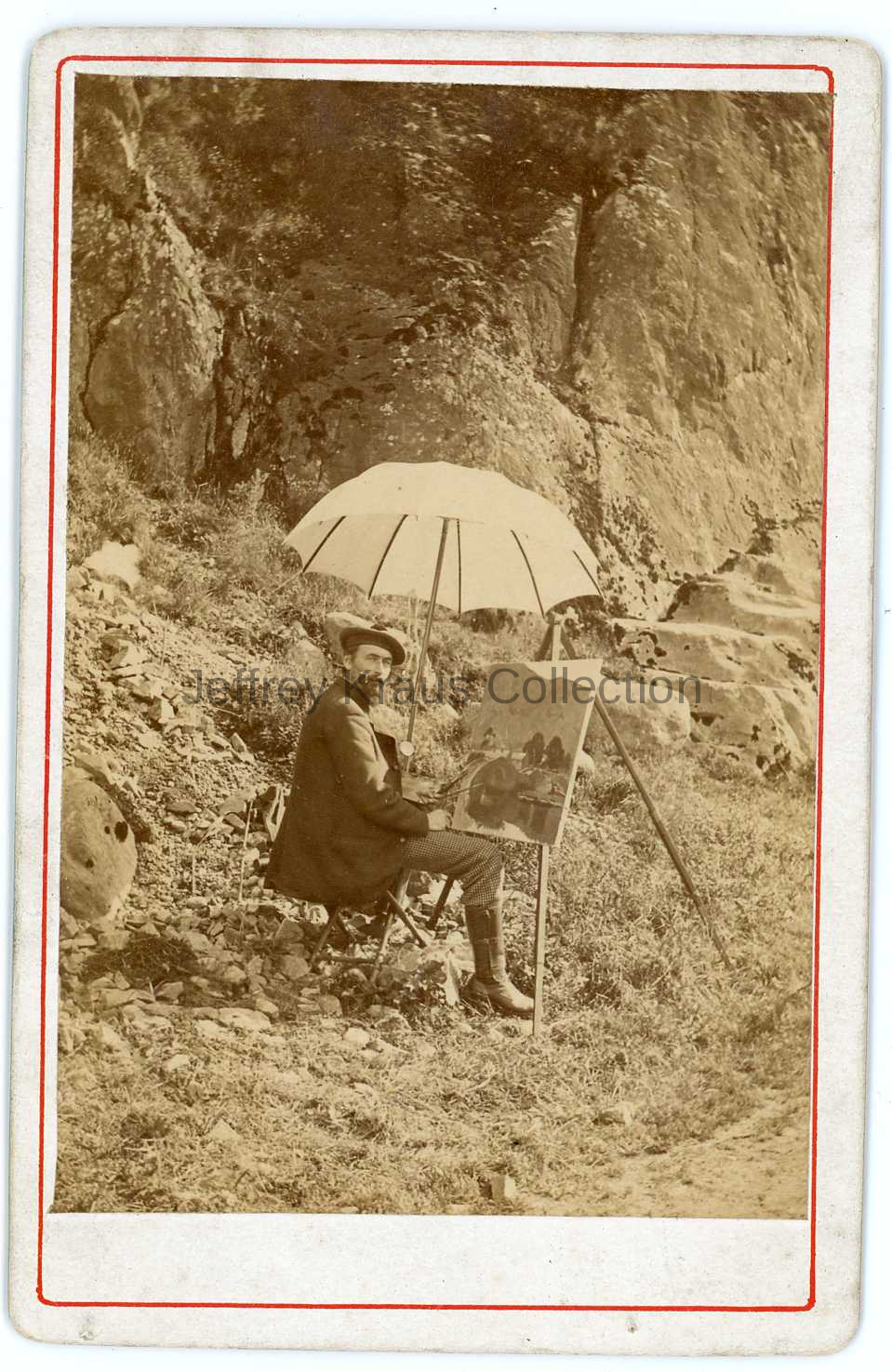
Painter en plein air.
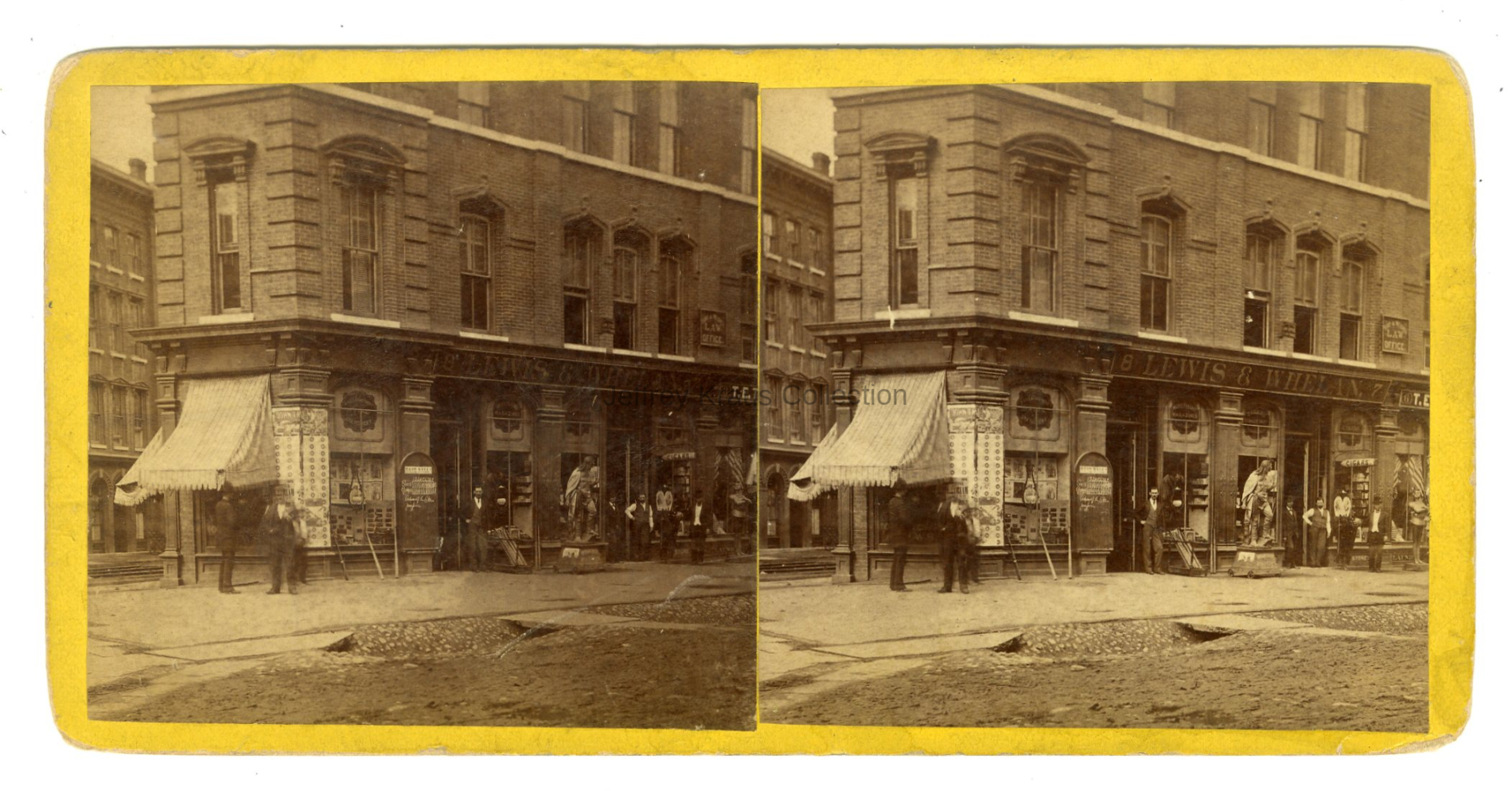
Cigar Store Indian in front of cigar store.
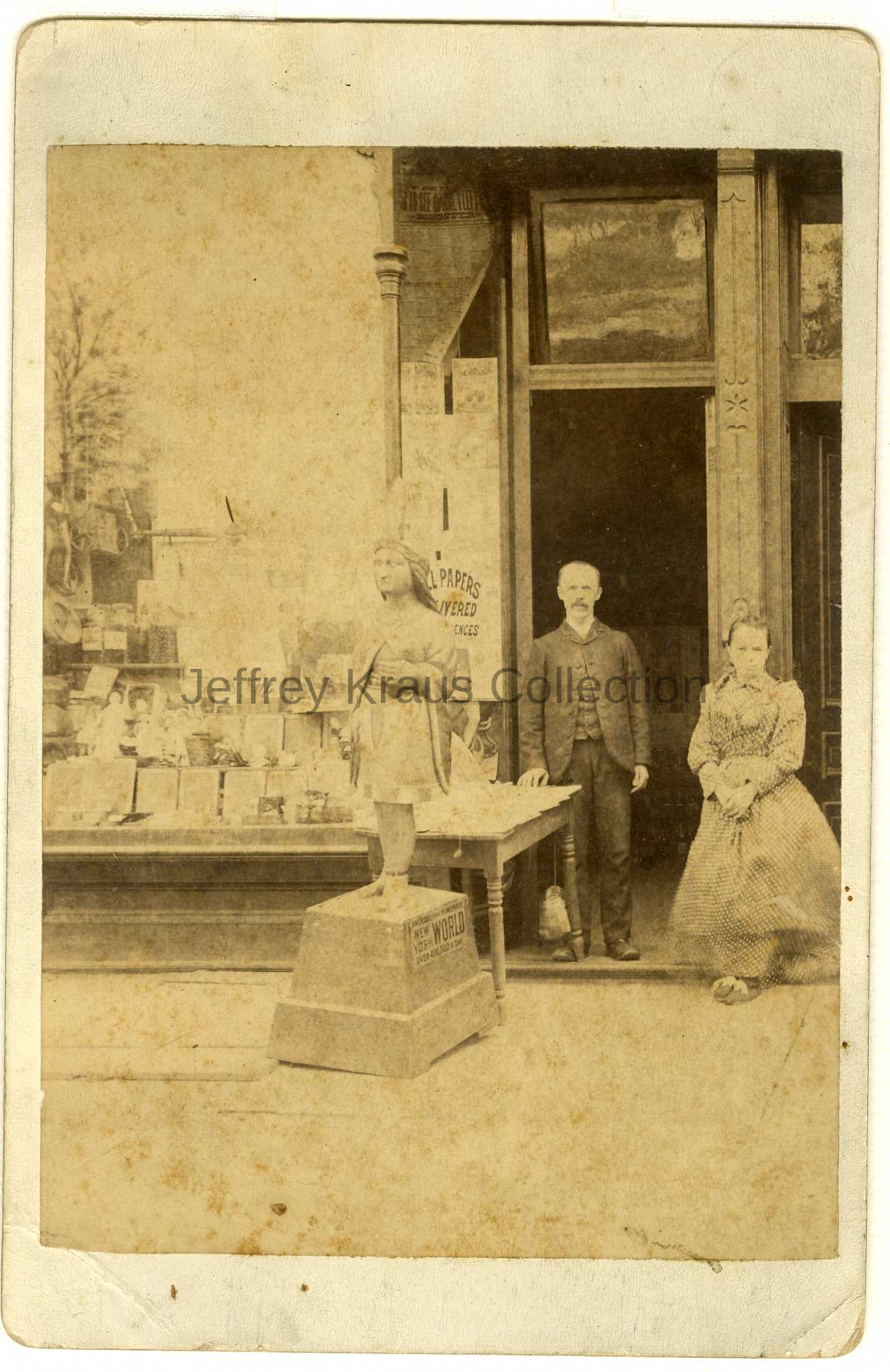
Man and woman out front of storefront with cigar store Indian.
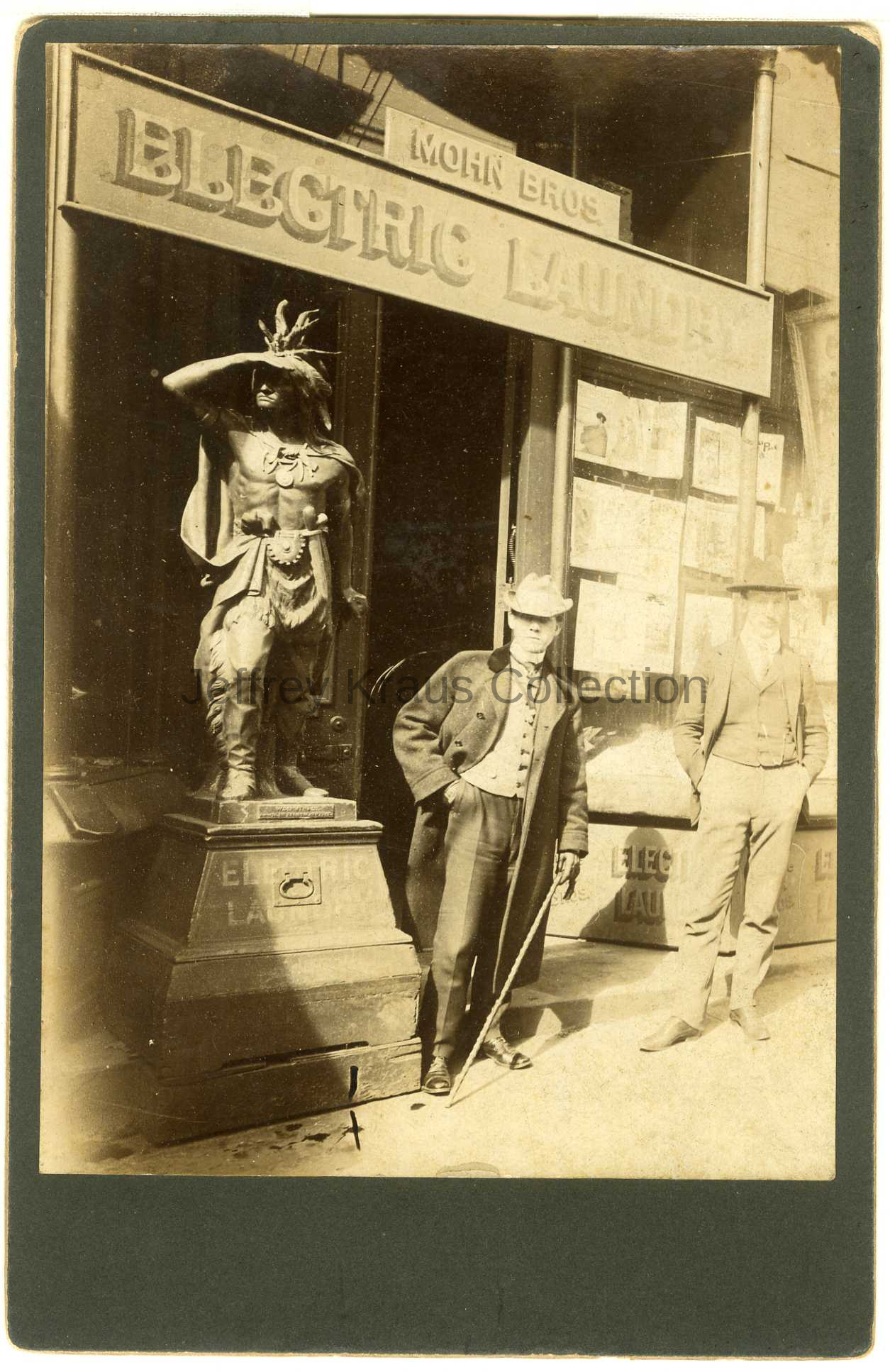
Mohn Bros. Electric Laundry, Pittsburgh. Native-American figure out front. This “Captain Jack cigar store Indian” was made by Wm. Demuth & Co., NY, circa 1875. It is made of hollow cast zinc, not wood. See this video.
Cigar Factory No. 44 18th Dist. of Ohio. Cigar store Indian with workers.
Cigar store owner posed out front of store with cigar store Indian.
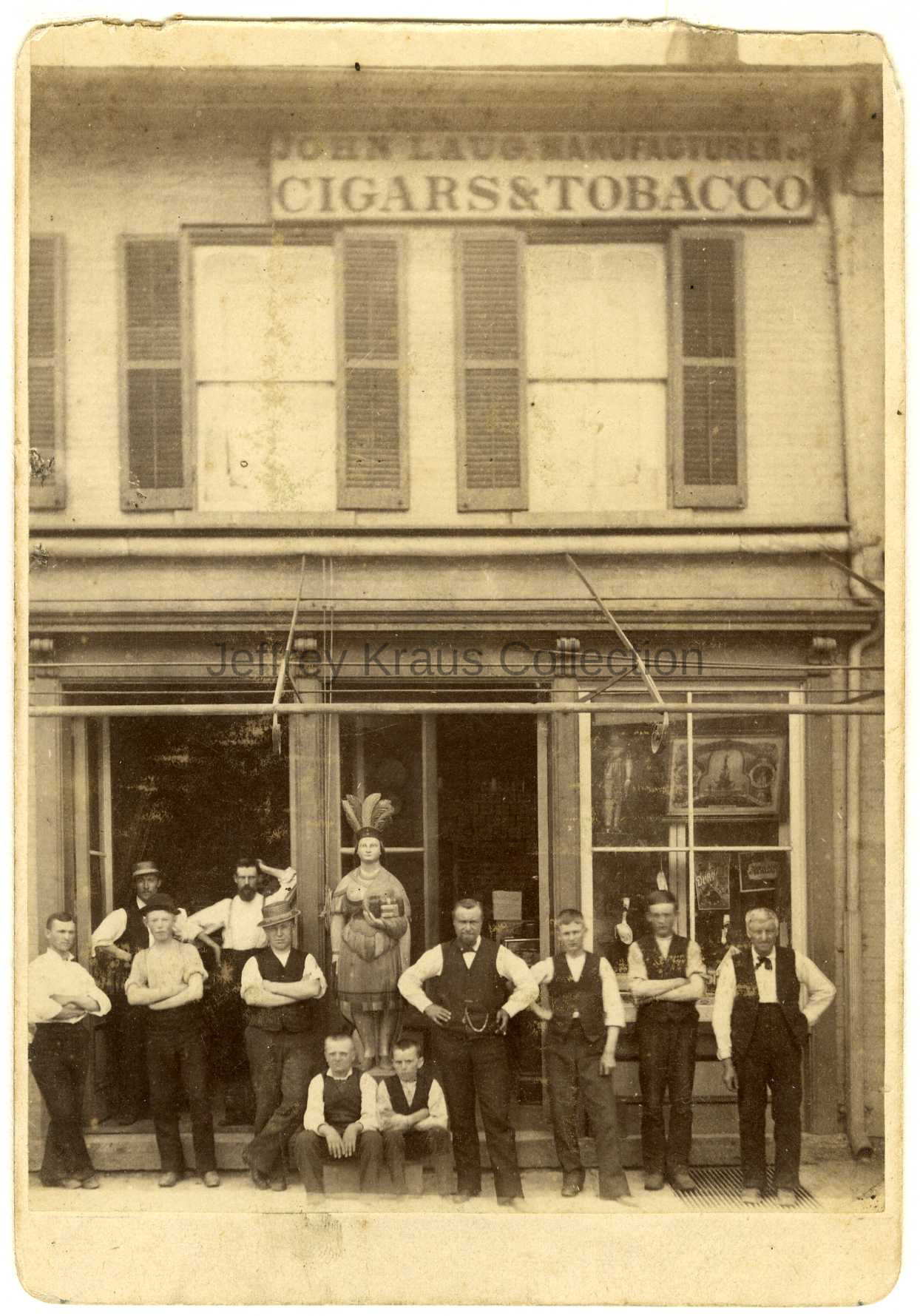
John Laug, Manufacturer of Cigars & Tobacco. Employees posed with cigar store Indian.
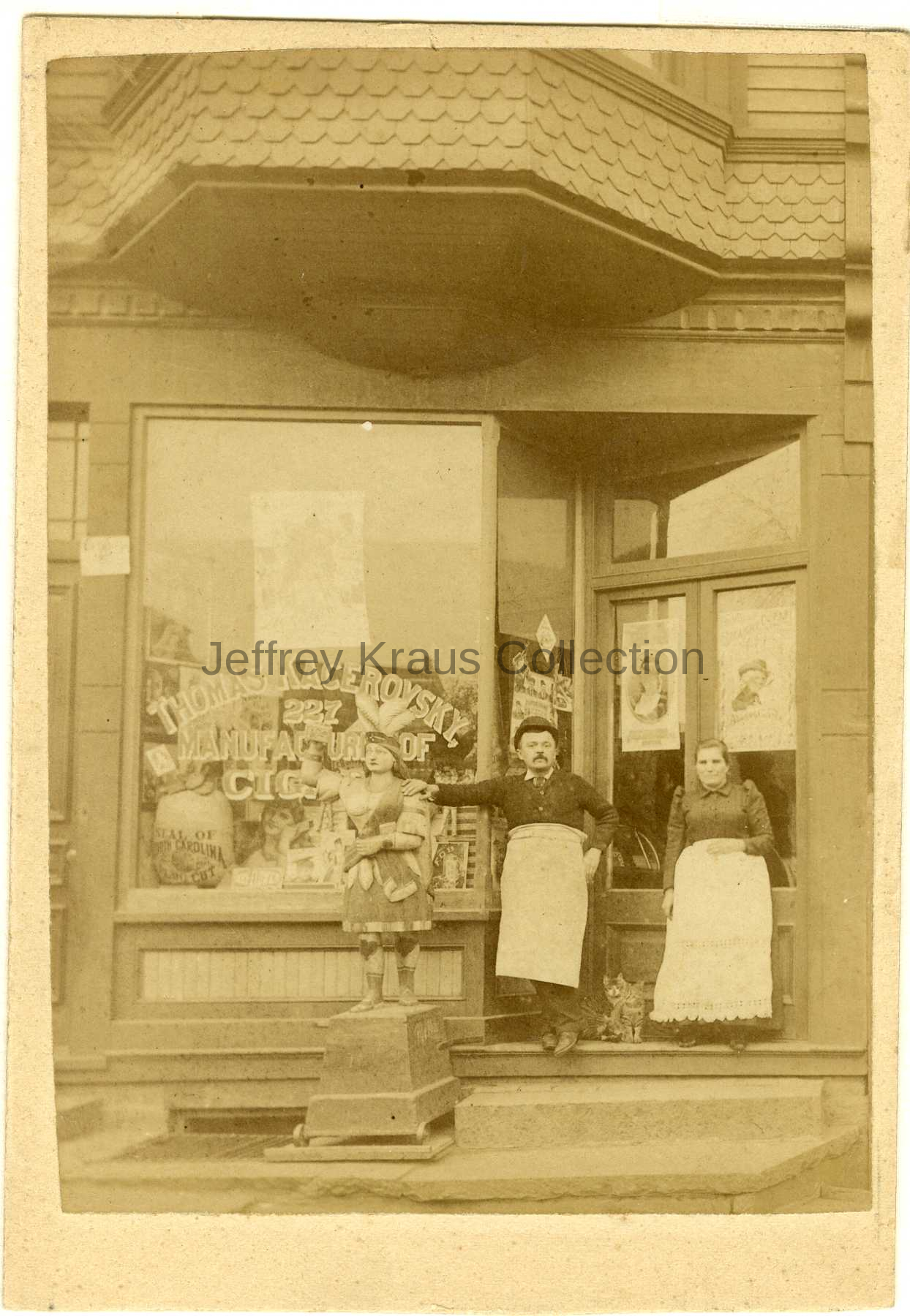
Thomas Kaceroysky, Manufacturer of Cigars. Owner and wife in front of store. His hand rests on the shoulder of a cigar store Indian.
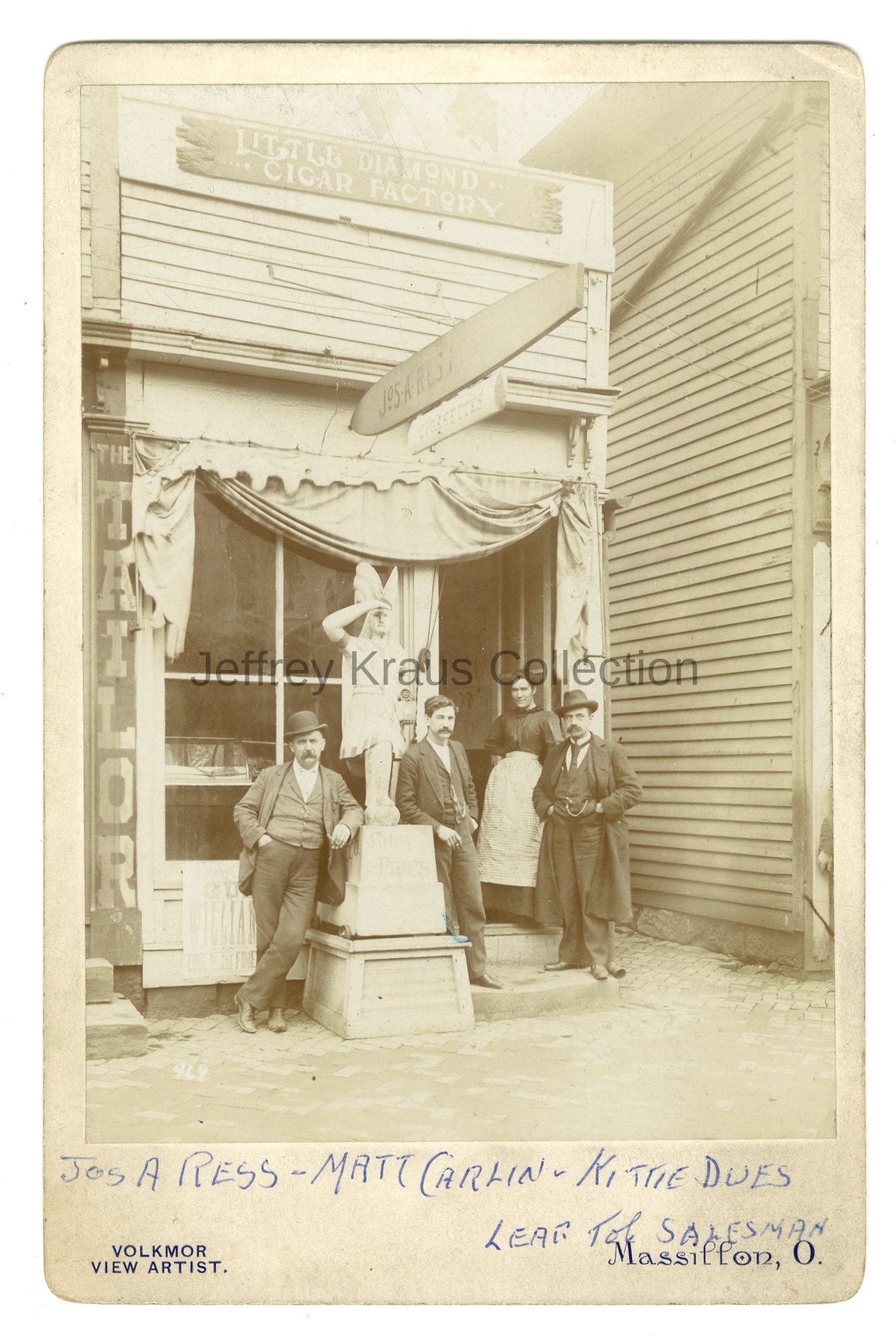
Little Diamond Cigar Factory. Jos. A Ress-Matt Carlin-Kittie Dues. Leaf Tob[acco] Saleman.
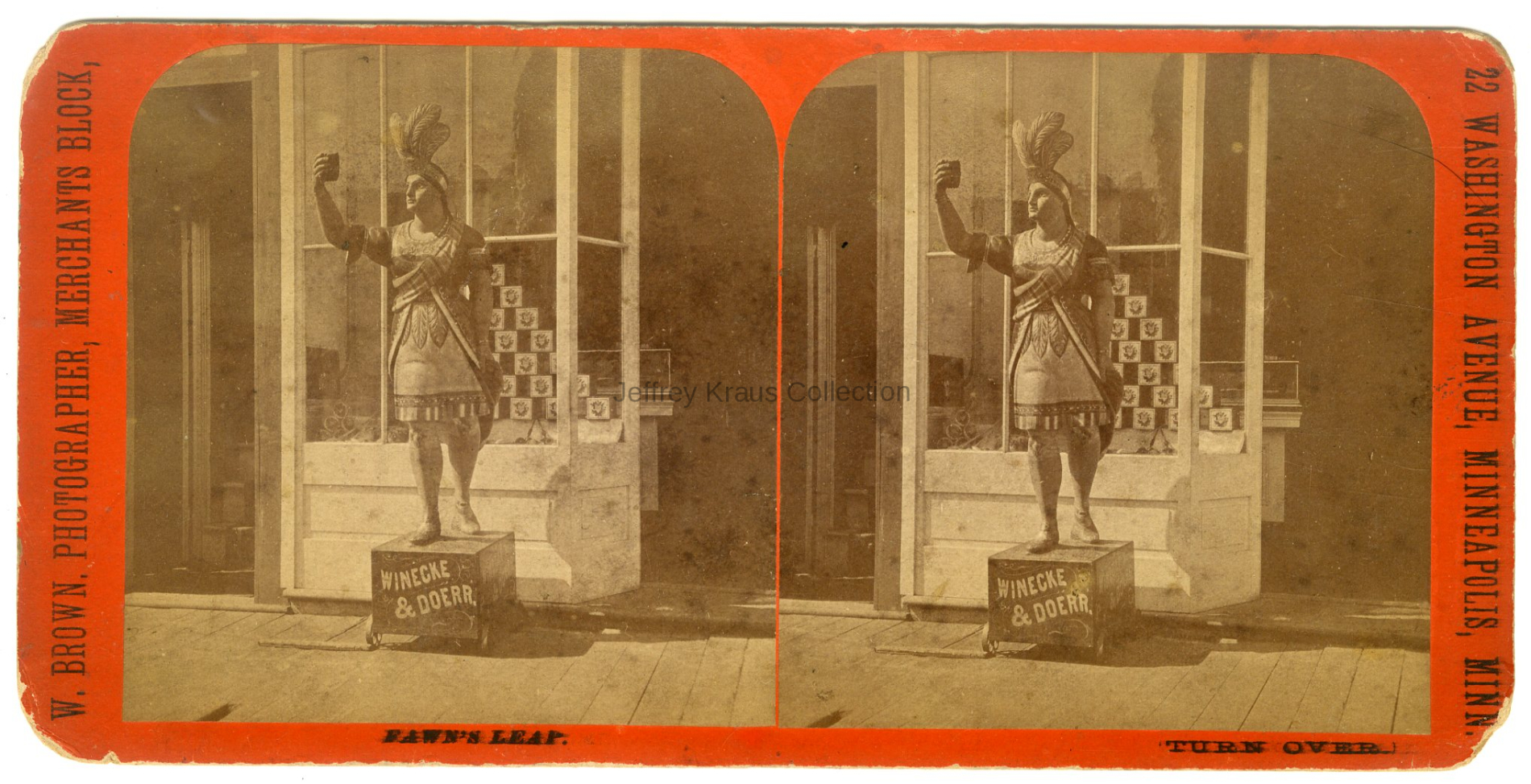
Cigar store Indian in front of the shop of Winecke & Doerr, Minneapolis, Minn.
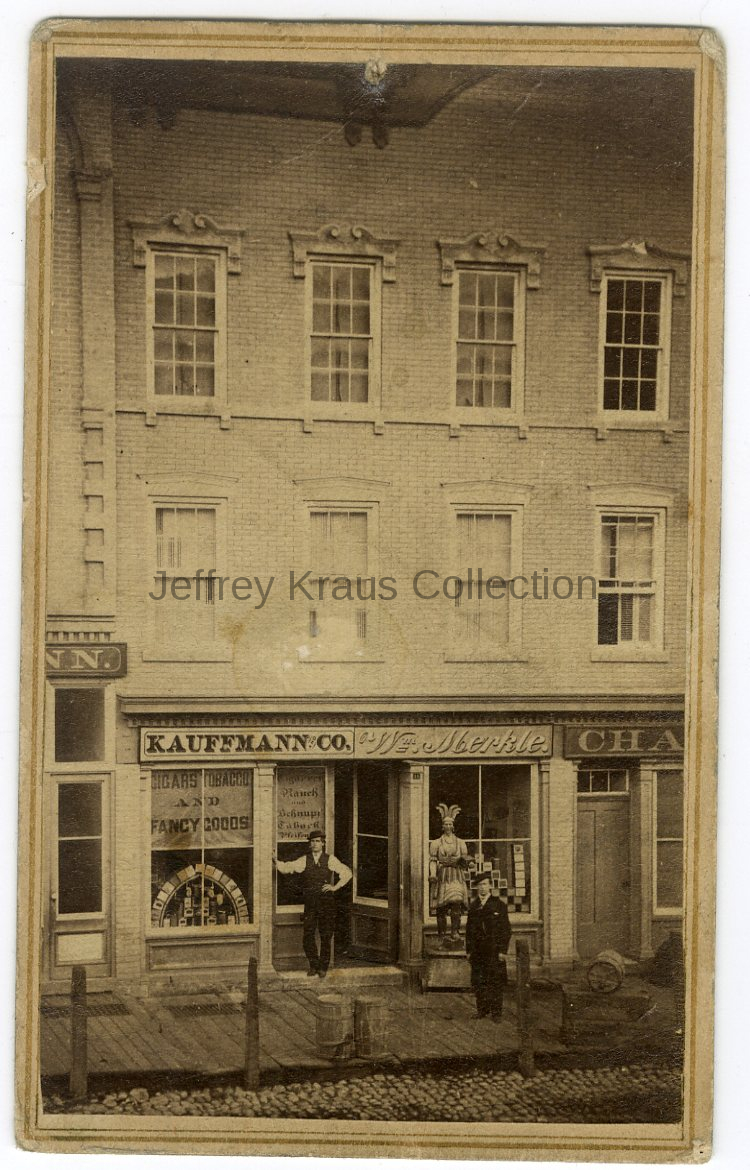
Kauffman & Co. Cigars, Tobacco and Fancy Goods.
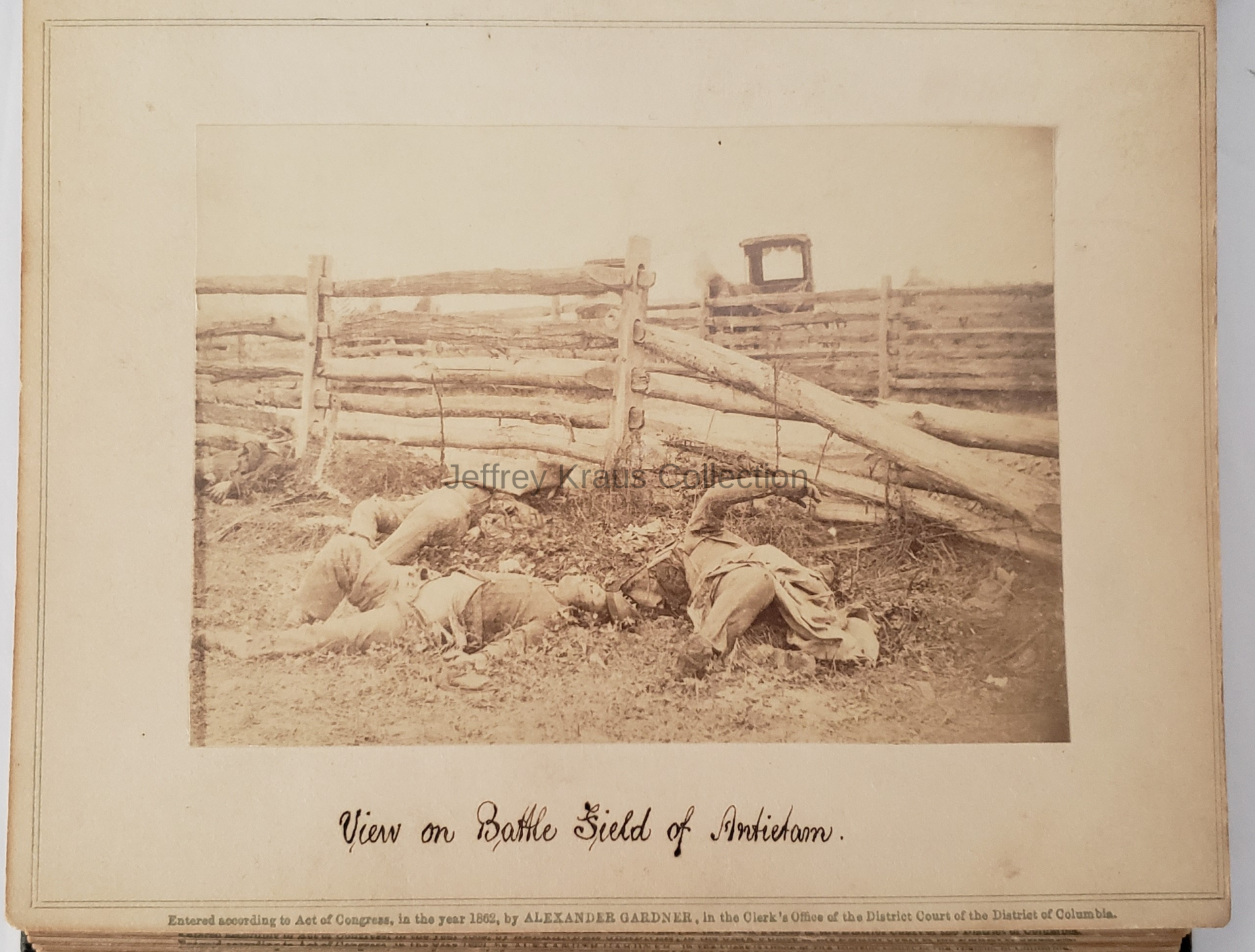
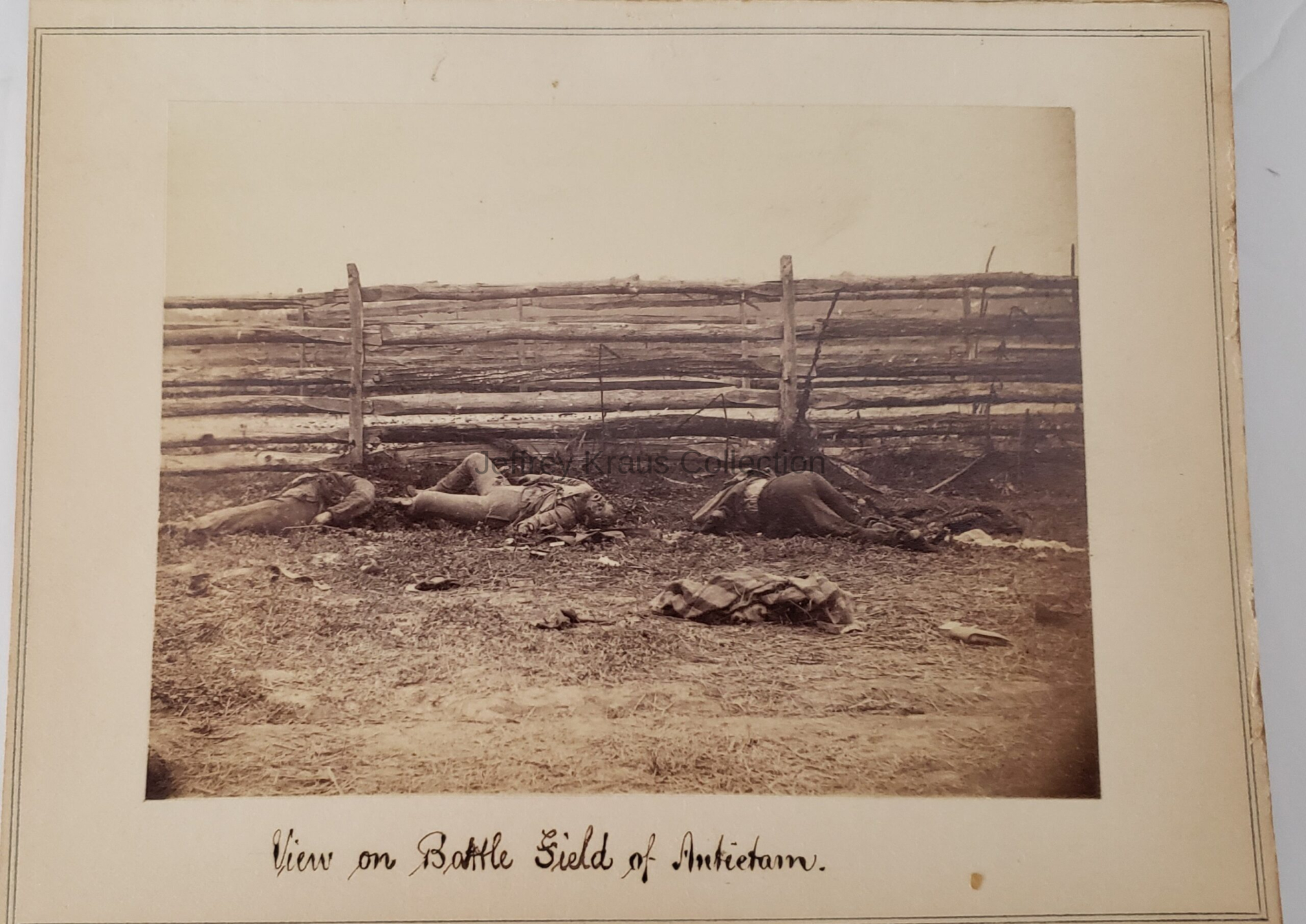
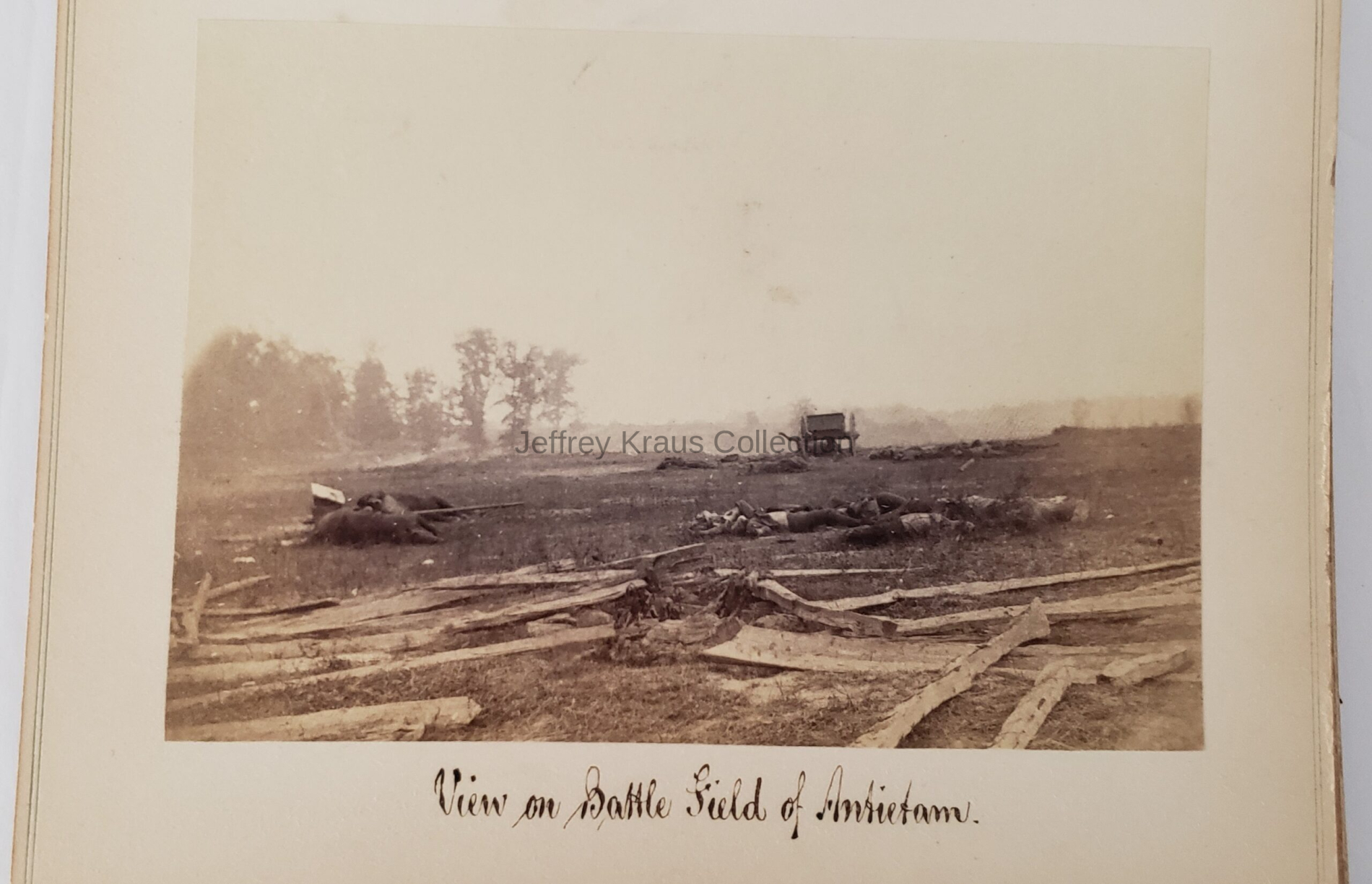
No. 567. View on Battle-Field of Antietam.
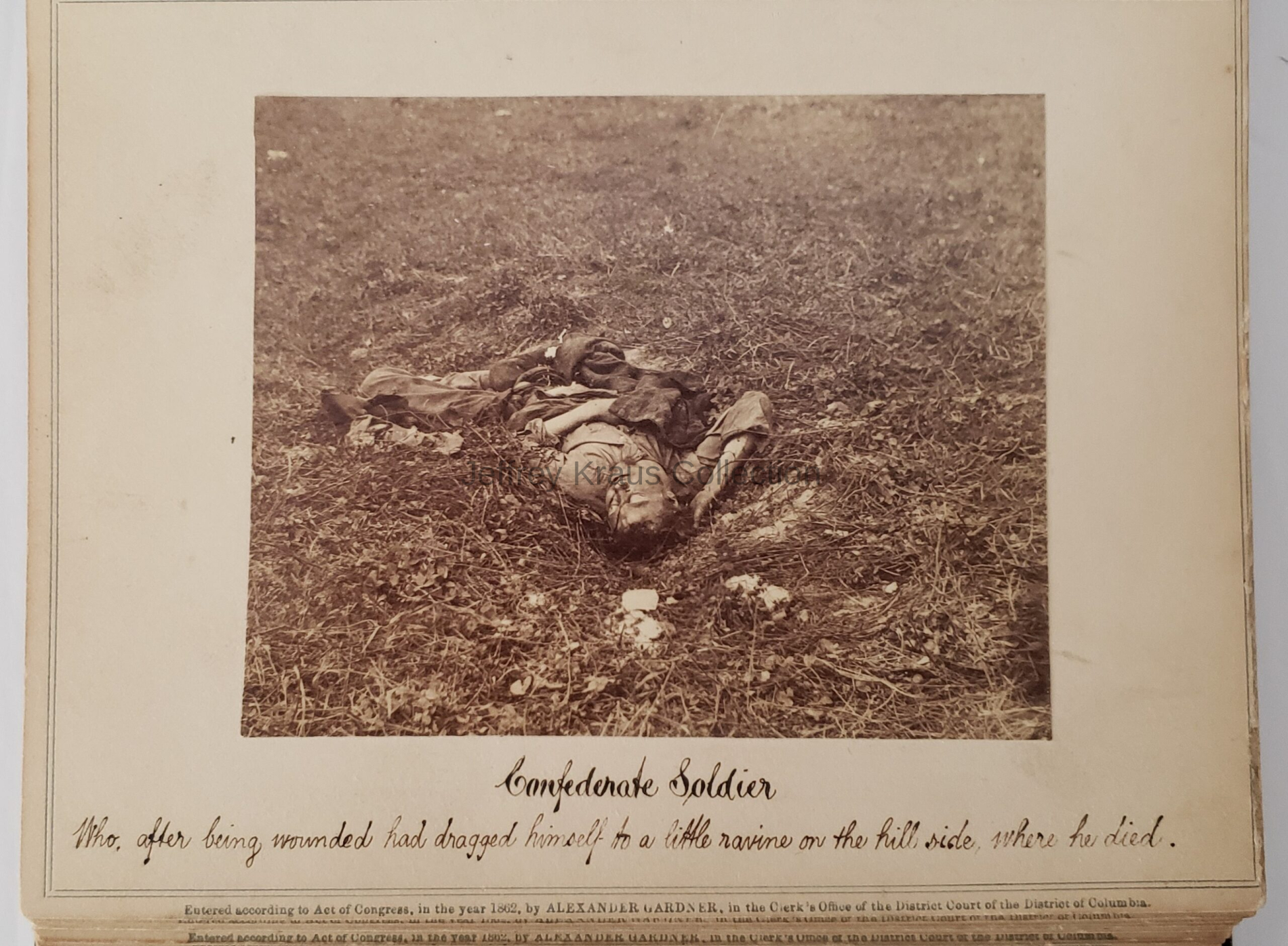
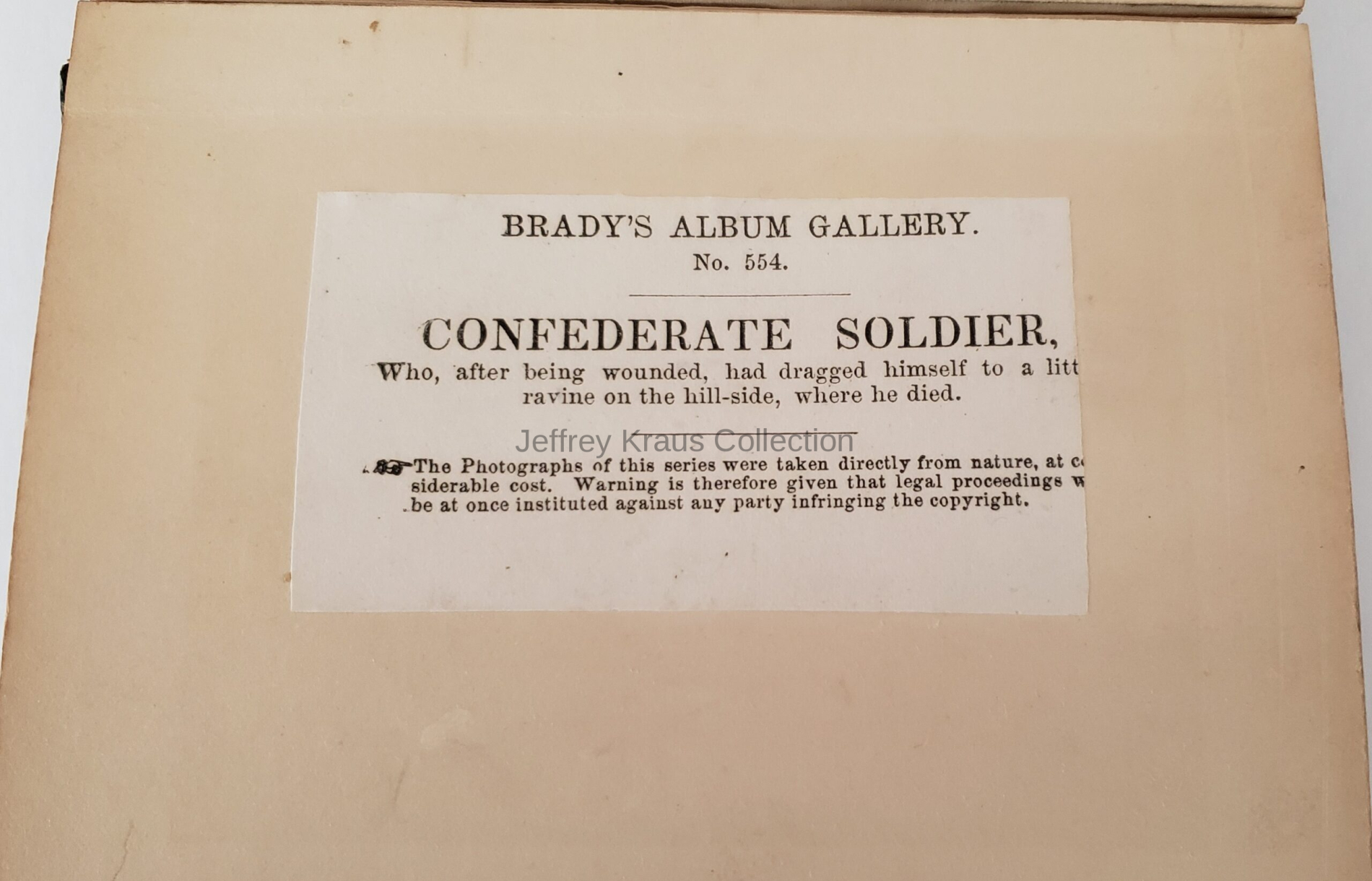
No. 554. Confederate Soldier, Who, after being wounded, had dragged himself to a little ravine on the hill-side, where he died.
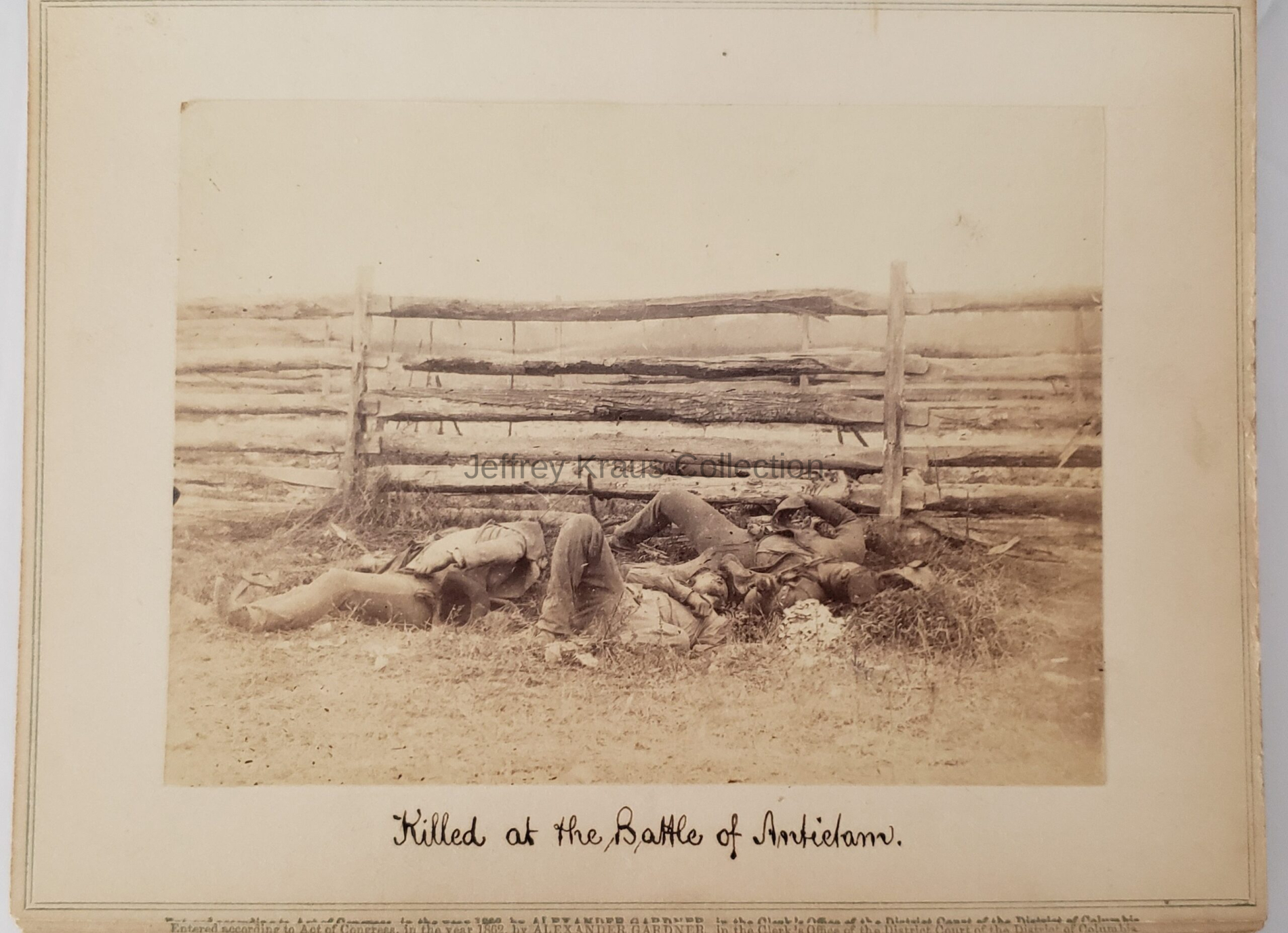
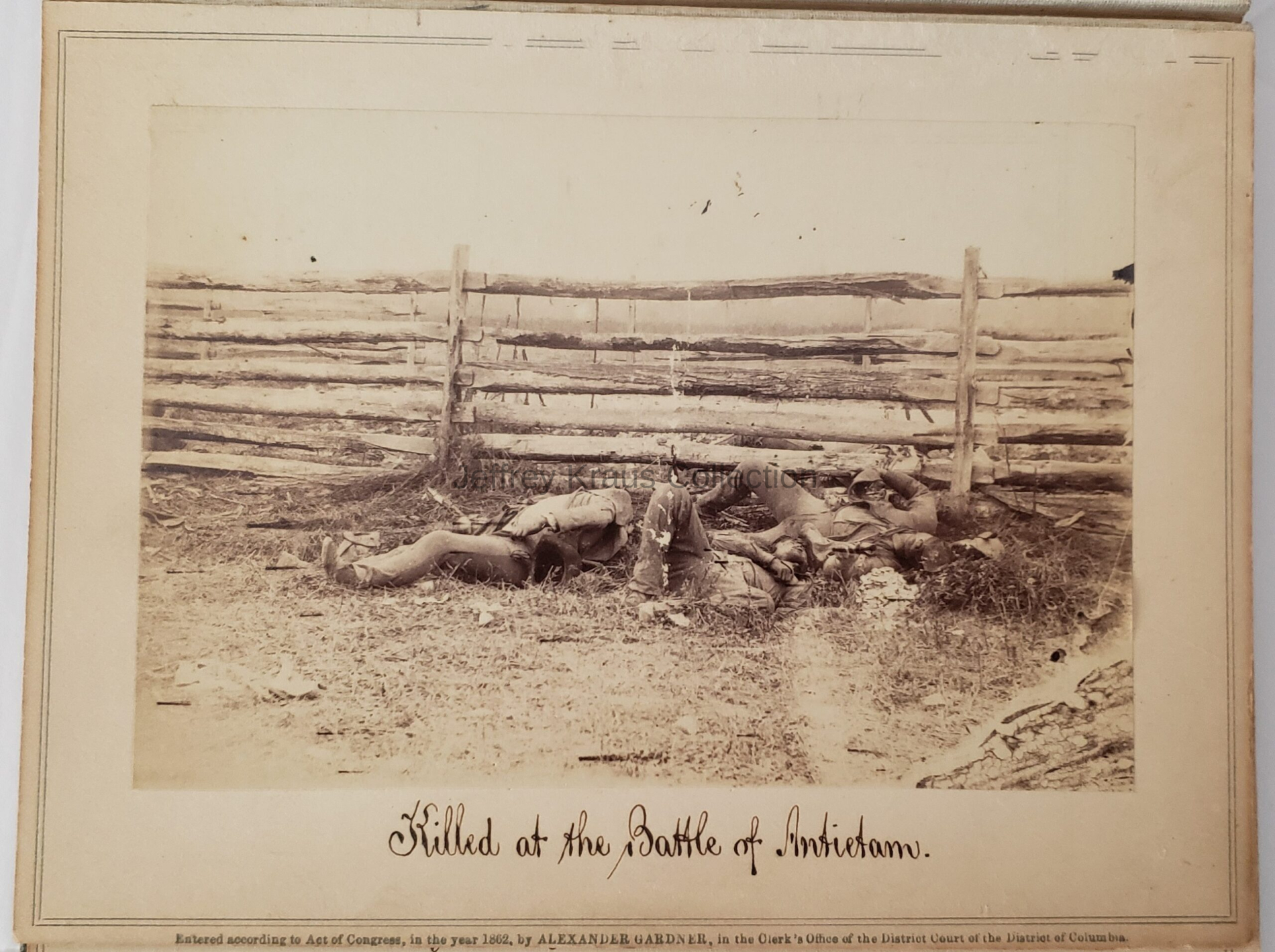
No. 559. Killed at the Battle of Antietam.
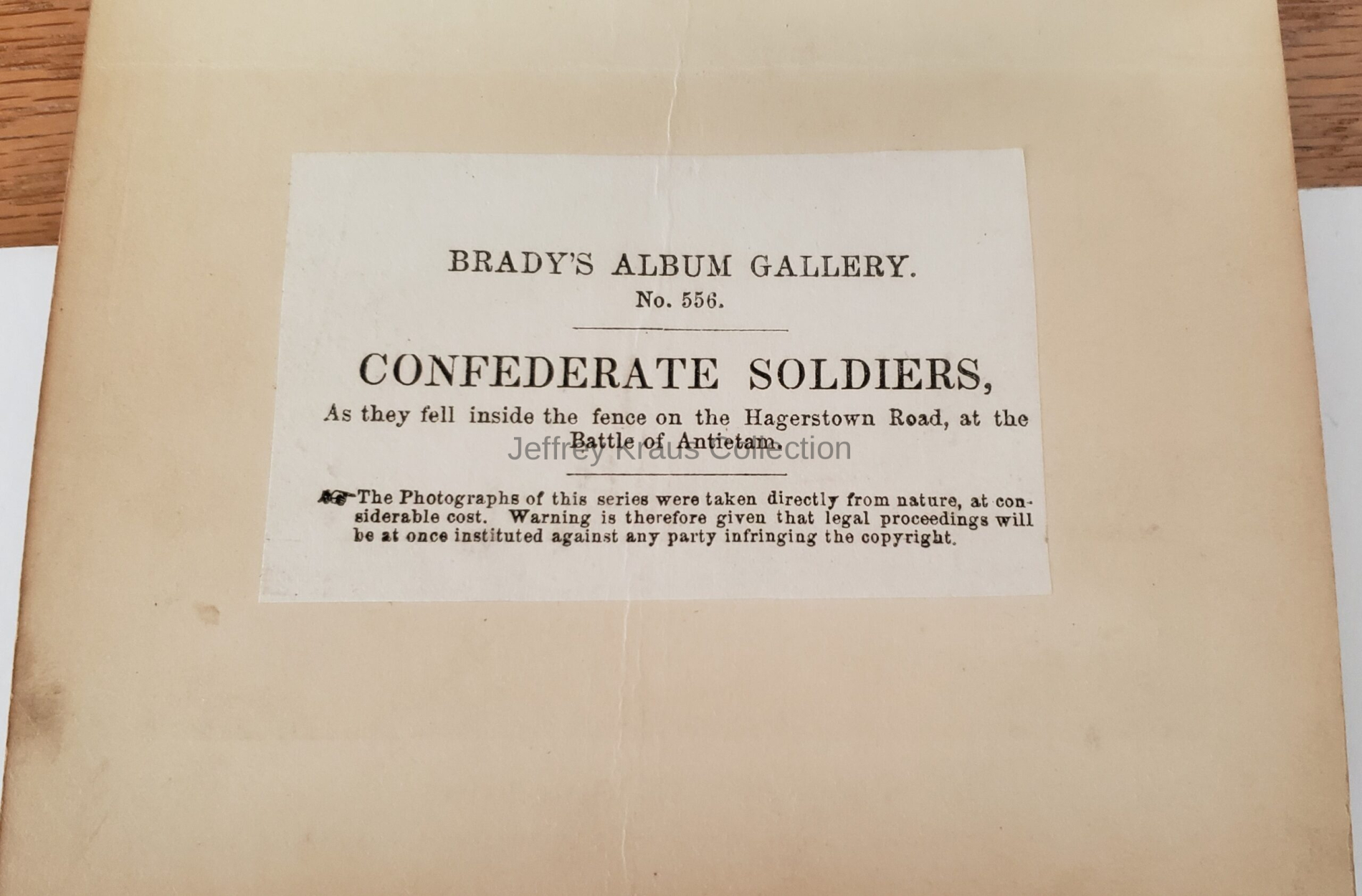
No. 556. Confederate Soldiers, As they fell inside the fence on the Hagerstown Road, at the Battle of Antietam.
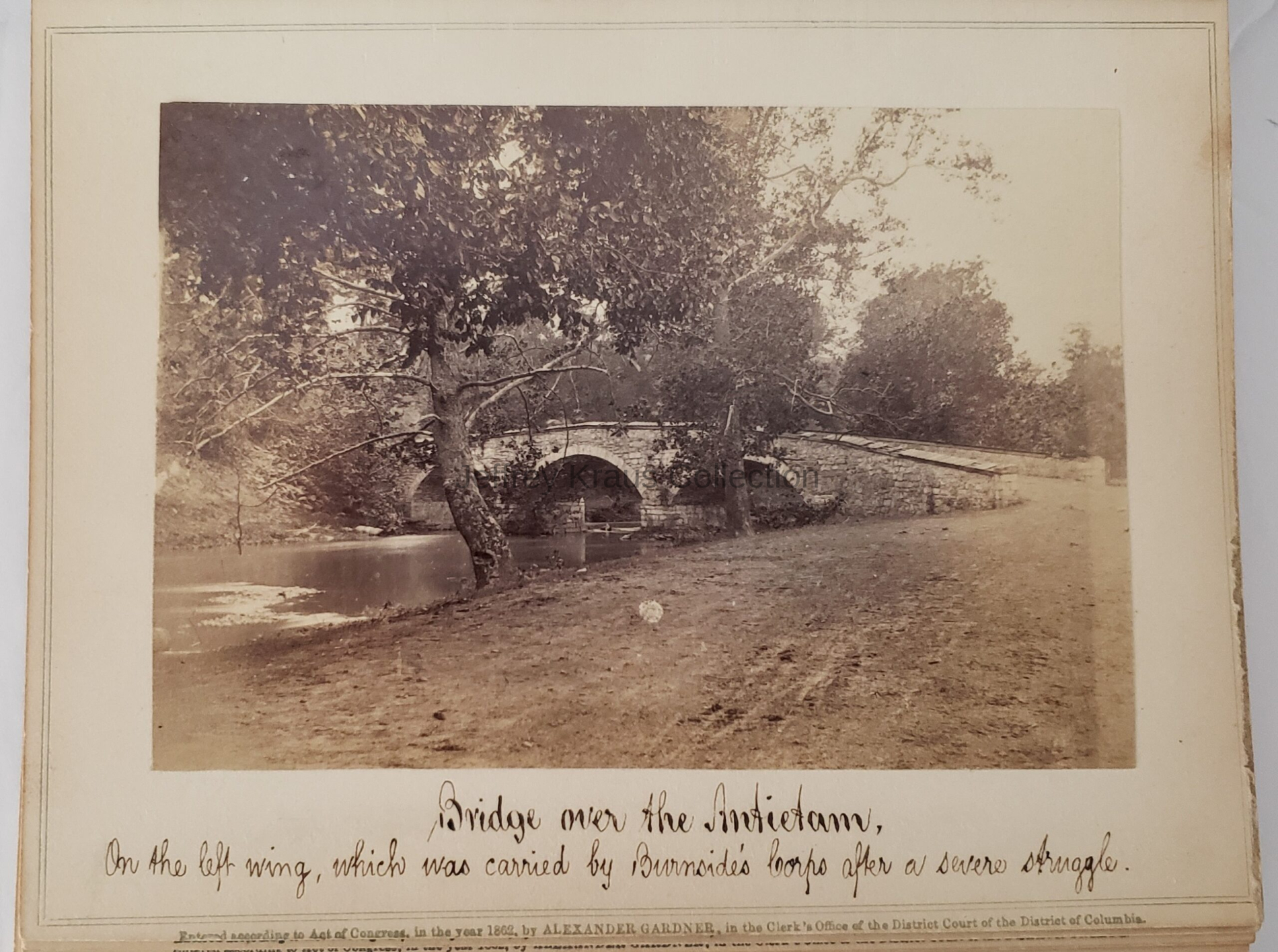
No. 584. Bridge Over the Antietam, On the left wing, which was carried by Burnside’s Corps, after a severe struggle.
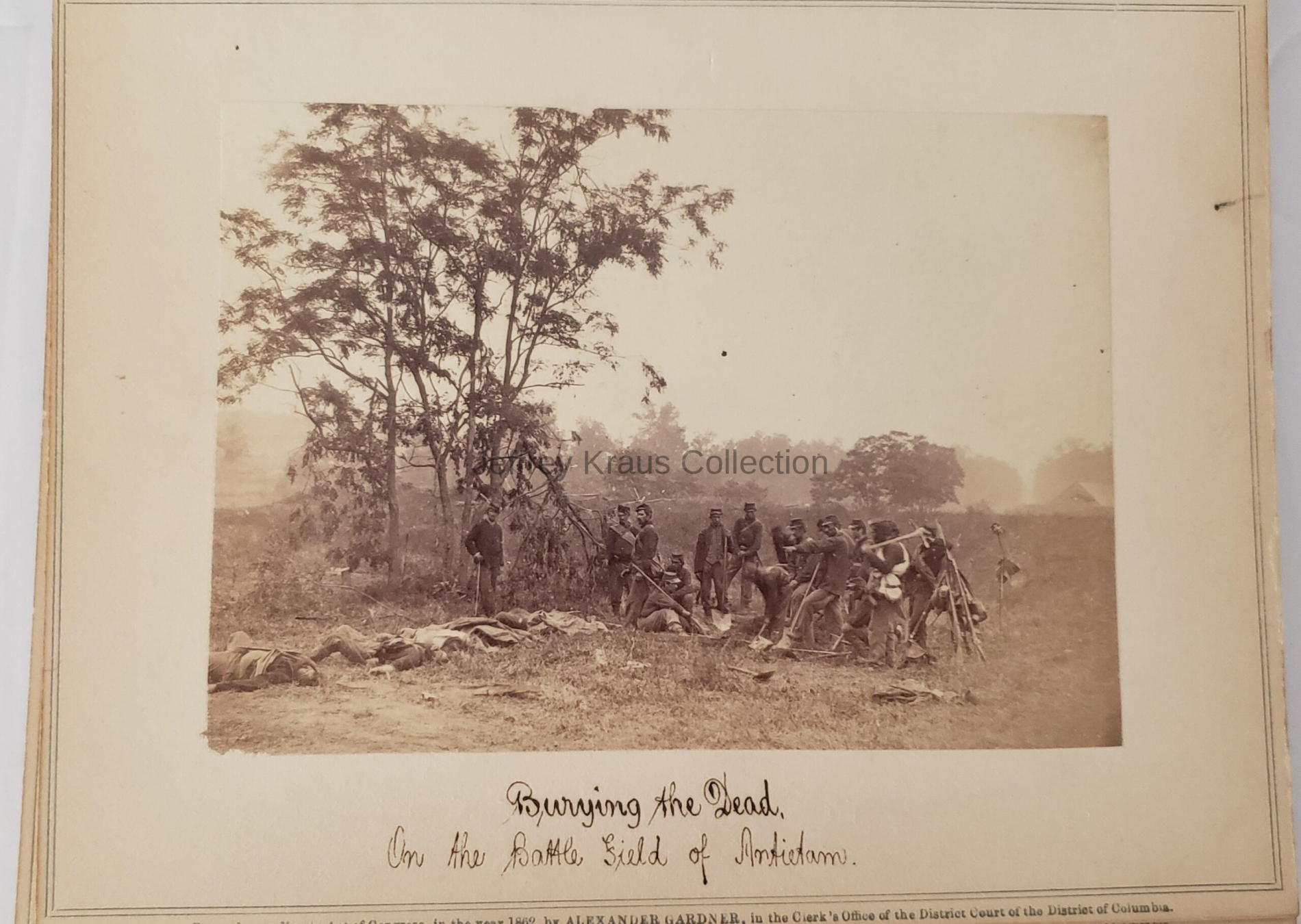
No. 561. Burying the Dead on the Battle-field of Antietam.
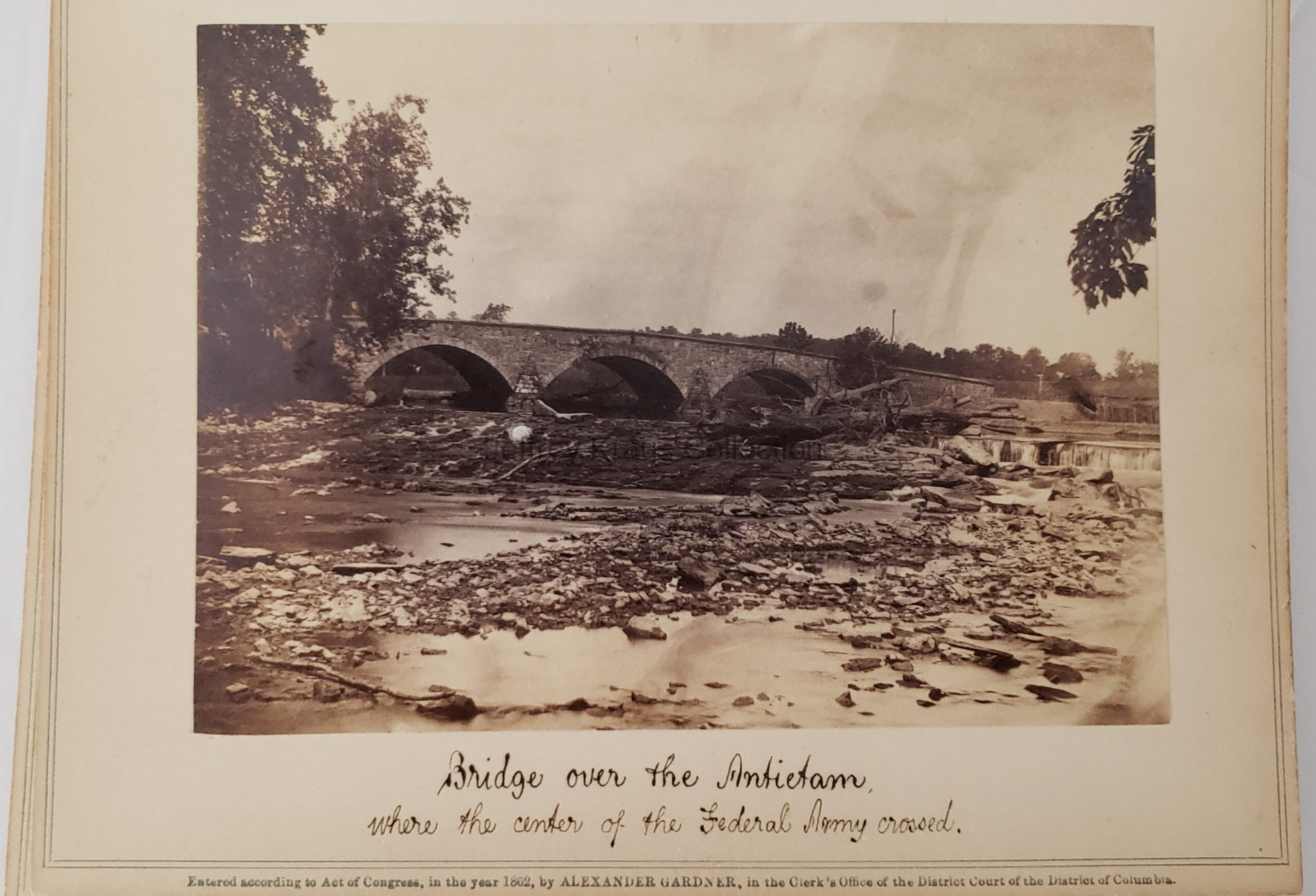
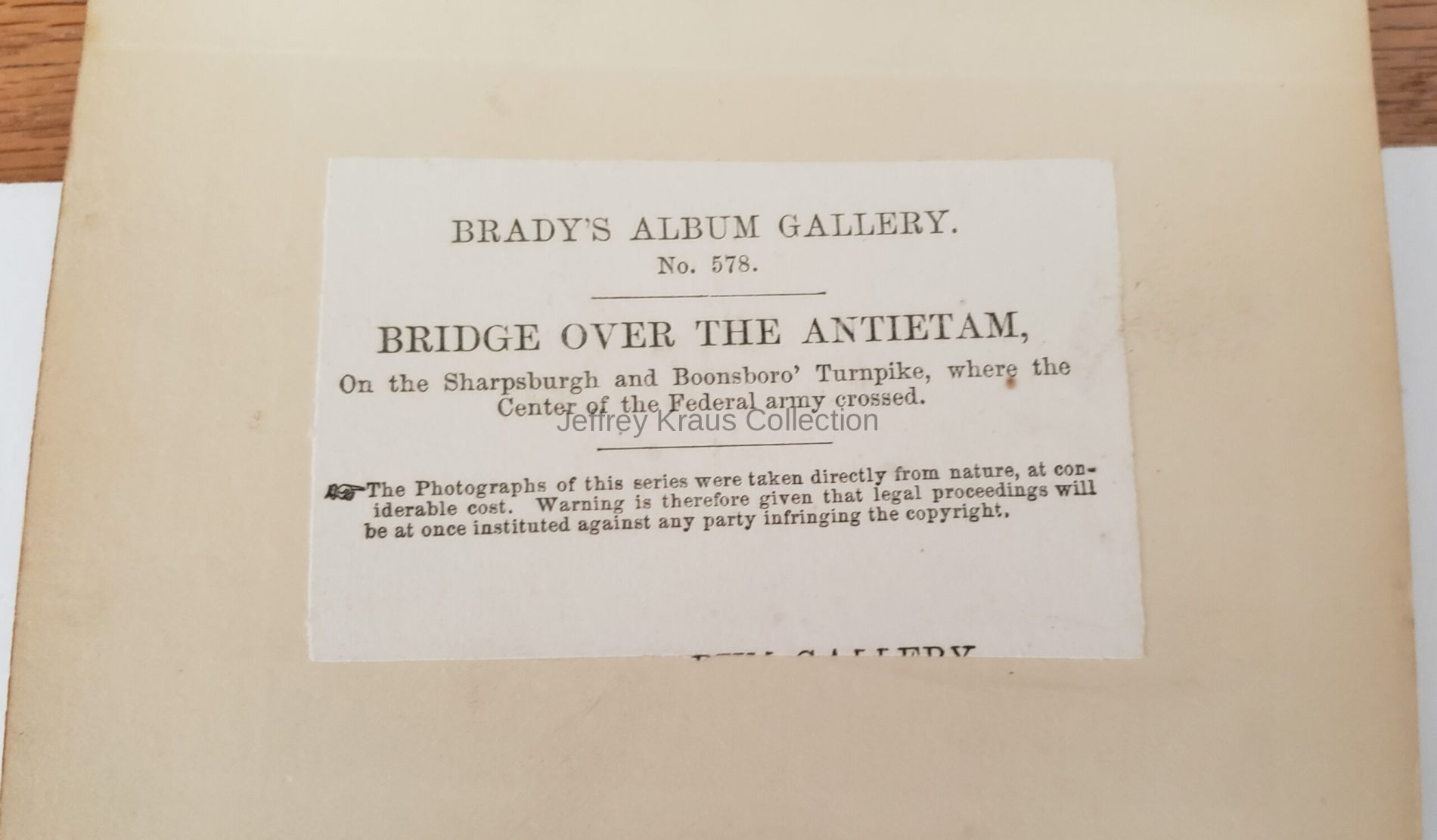
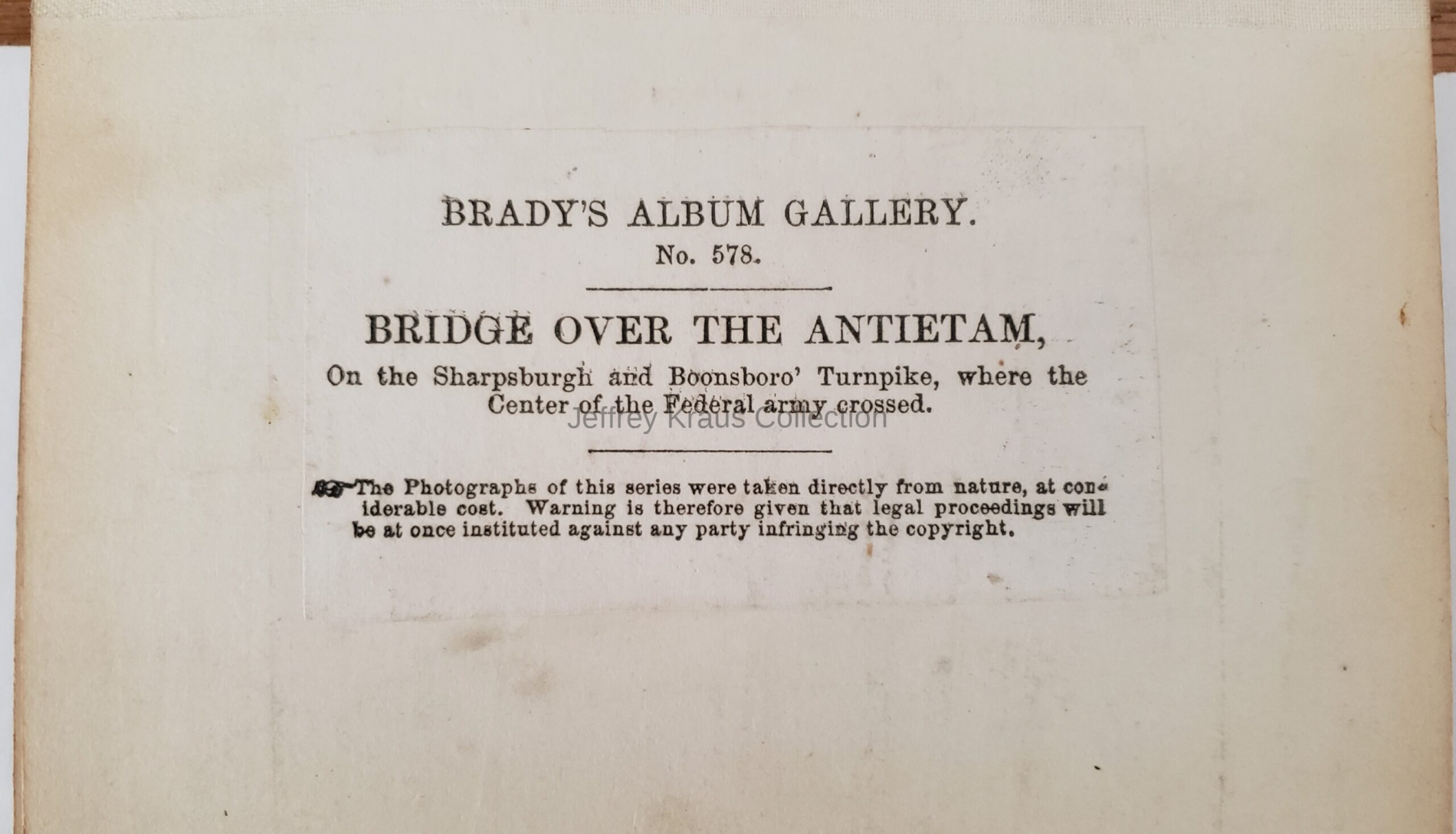
No. 578. Bridge Over the Antietam, On the Sharpsburgh and Boonsboro’ Turnpike, where the Center of the Federal army crossed.
No. 568. View on the Battle-Field of Antietam.
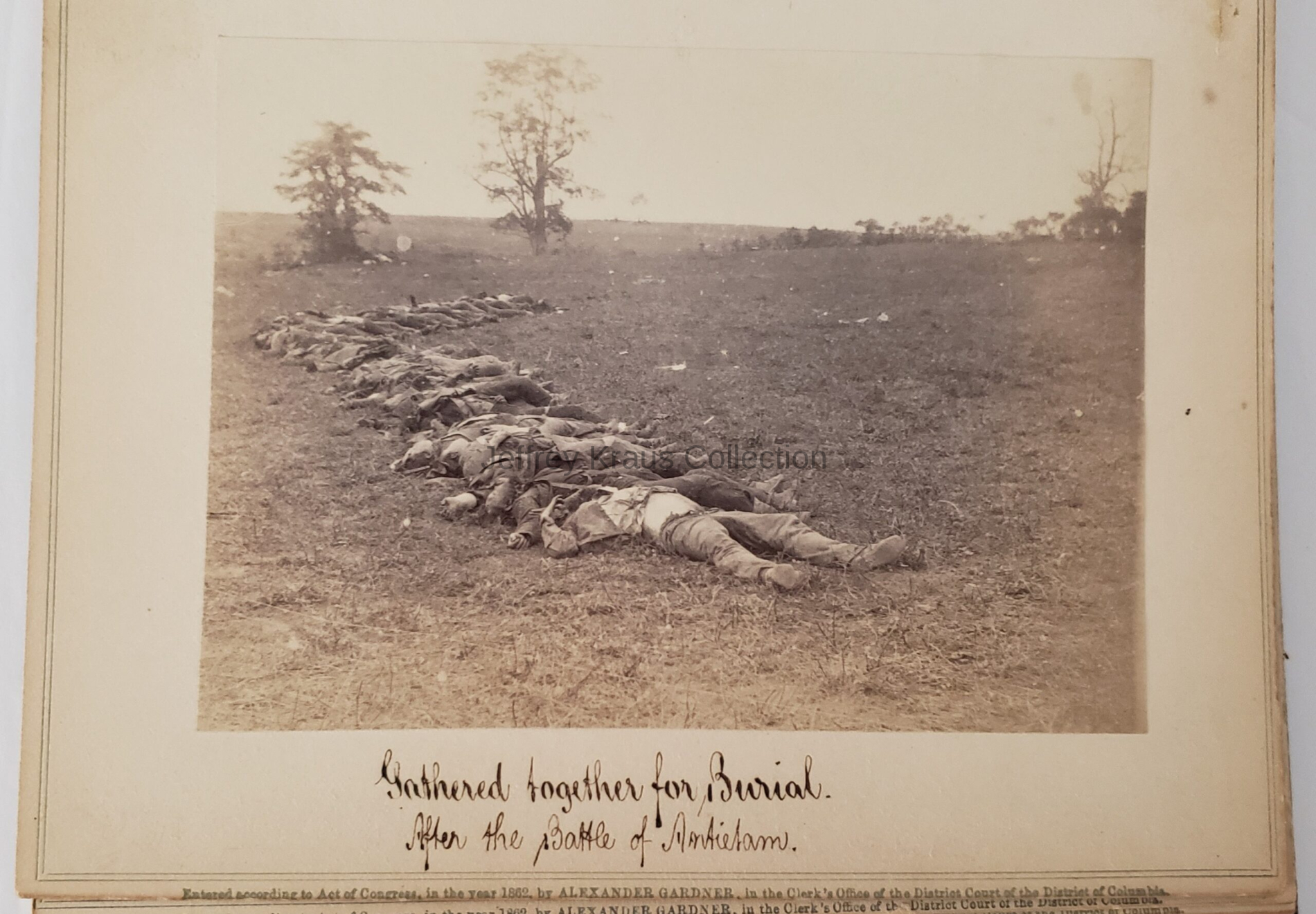
No. 557. Gathered Together for Burial, after the Battle of Antietam.
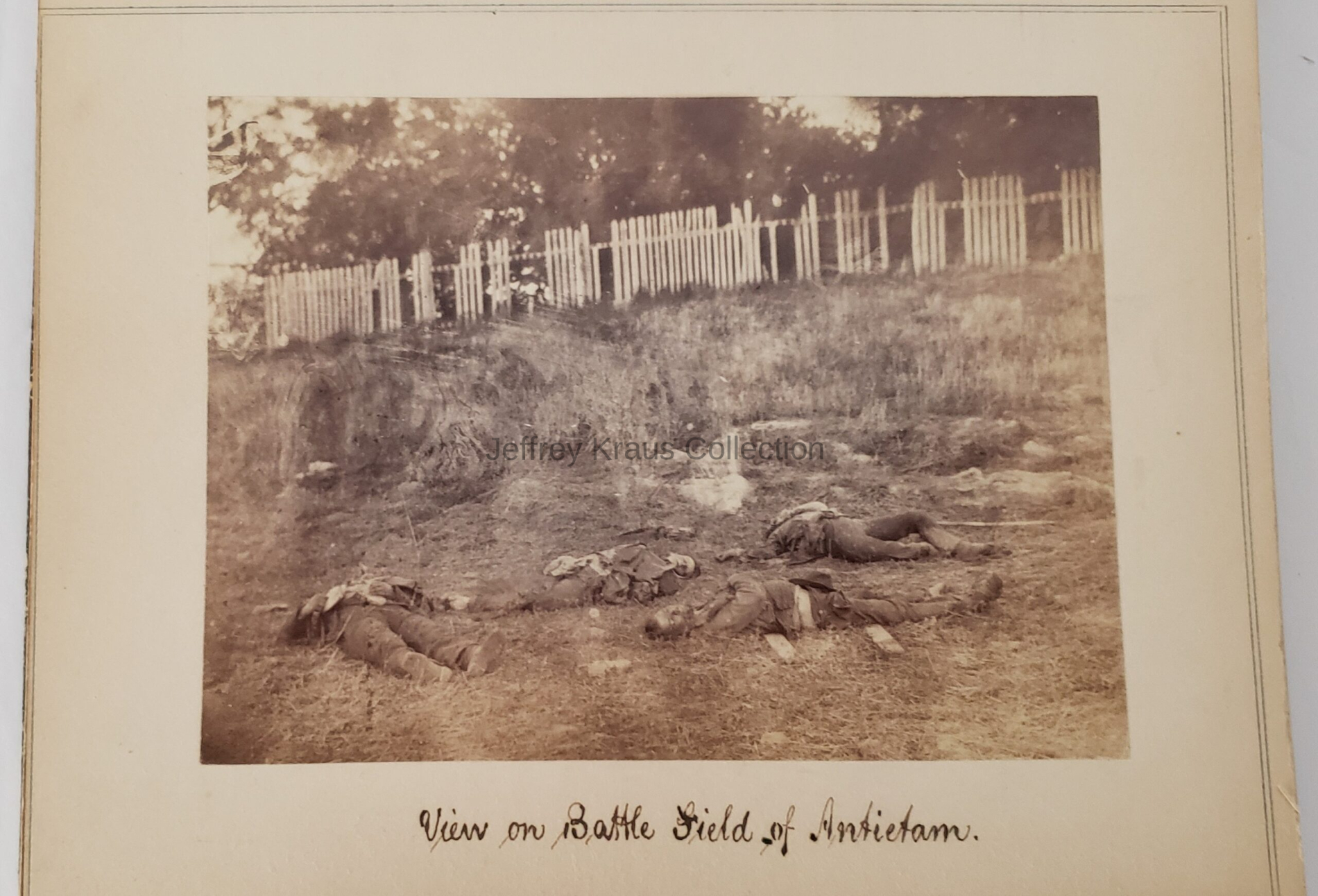
No. 572. View on the Battle-Field of Antietam.
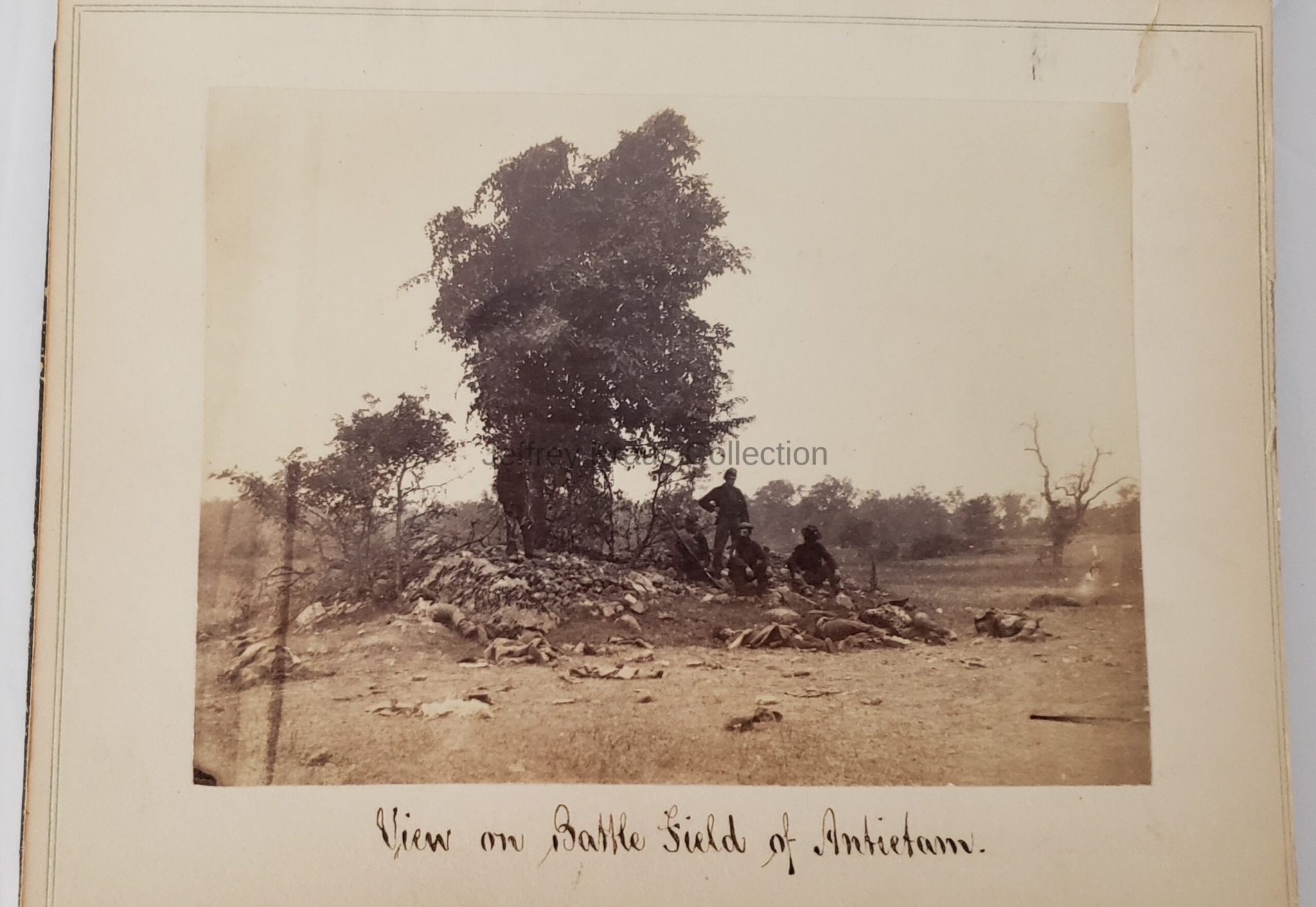
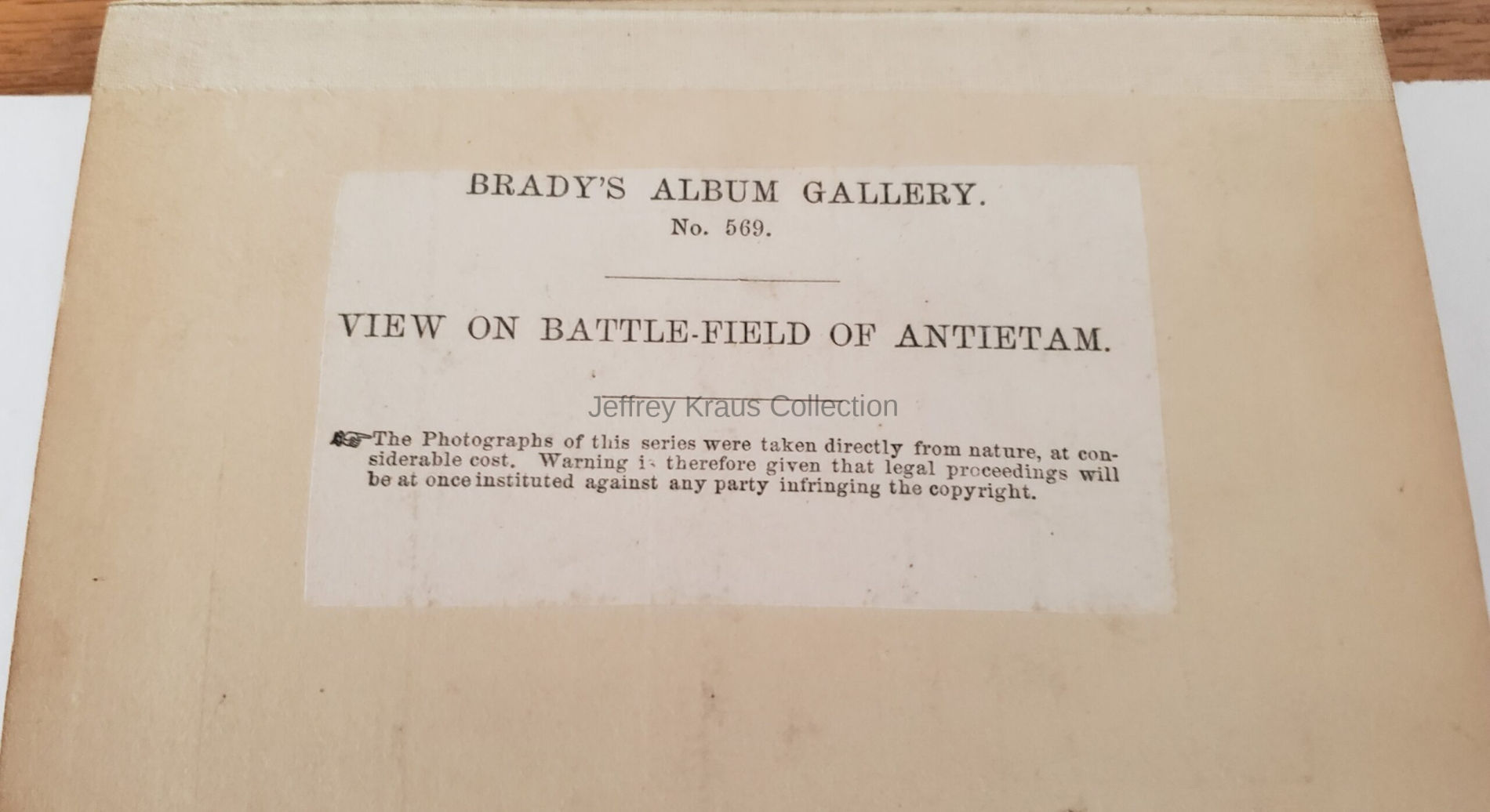
No. 569. View on Battle-Field of Antietam.
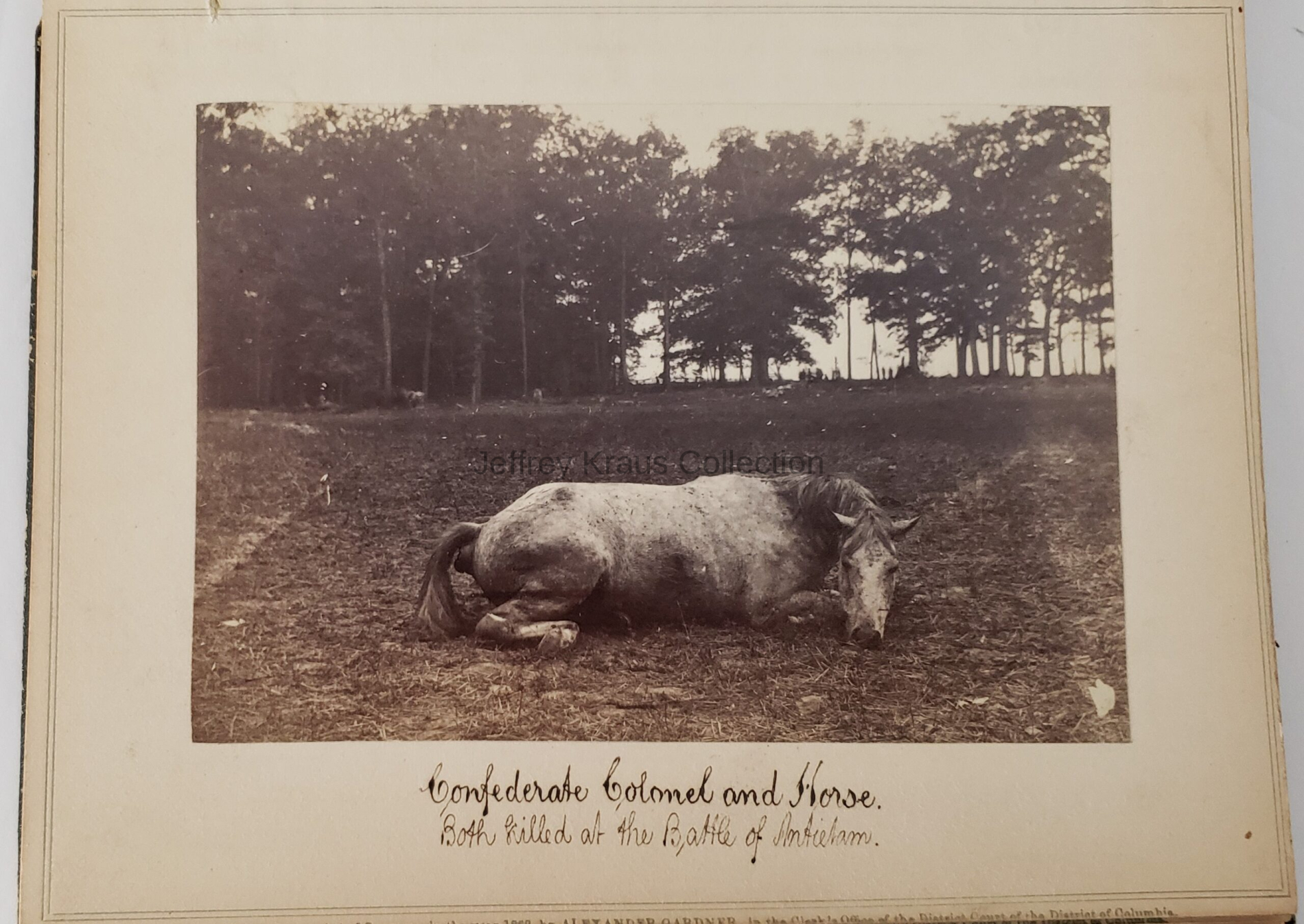
No. 558. Confederate Colonel and Horse, Both killed at the Battle of Antietam.
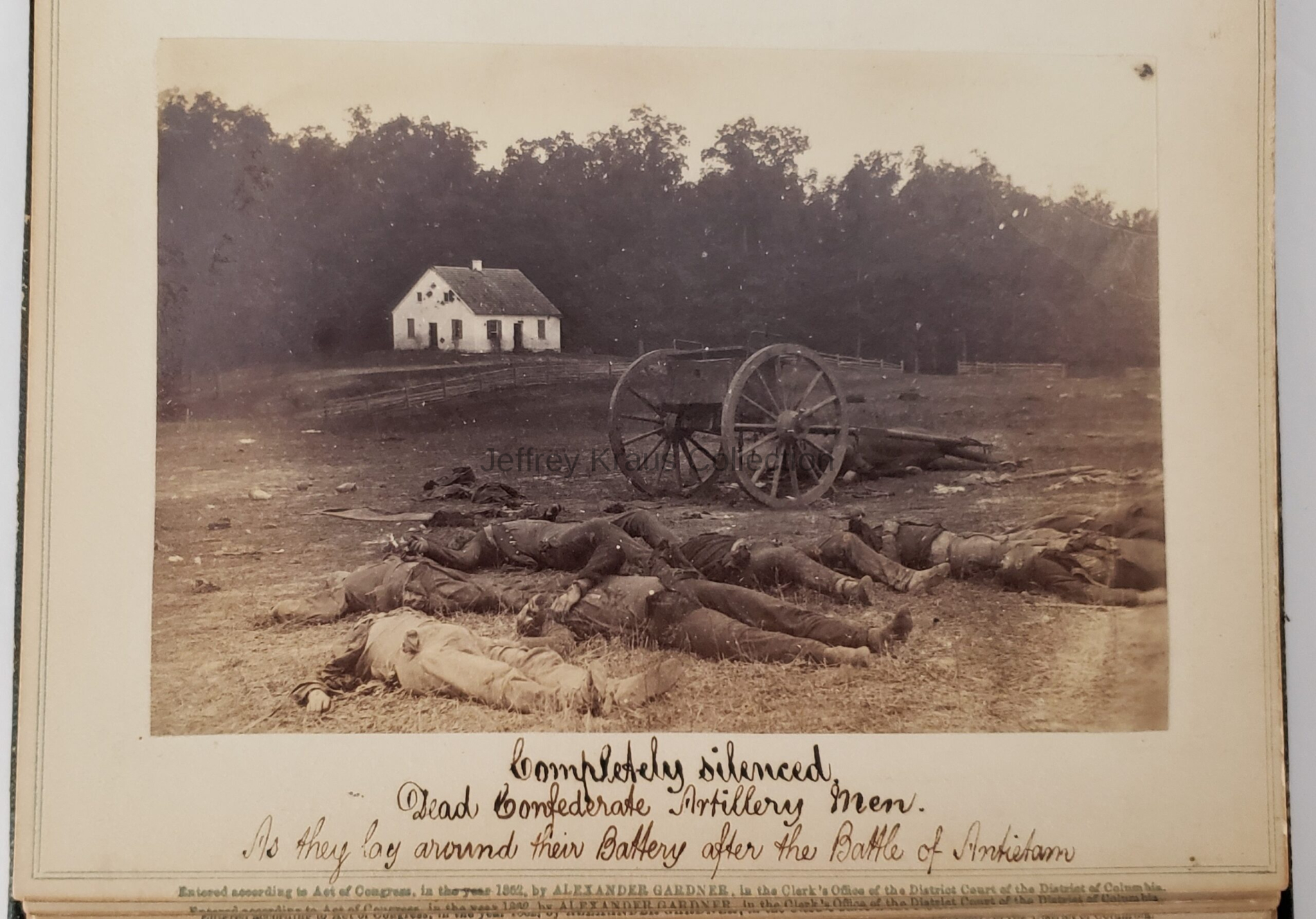
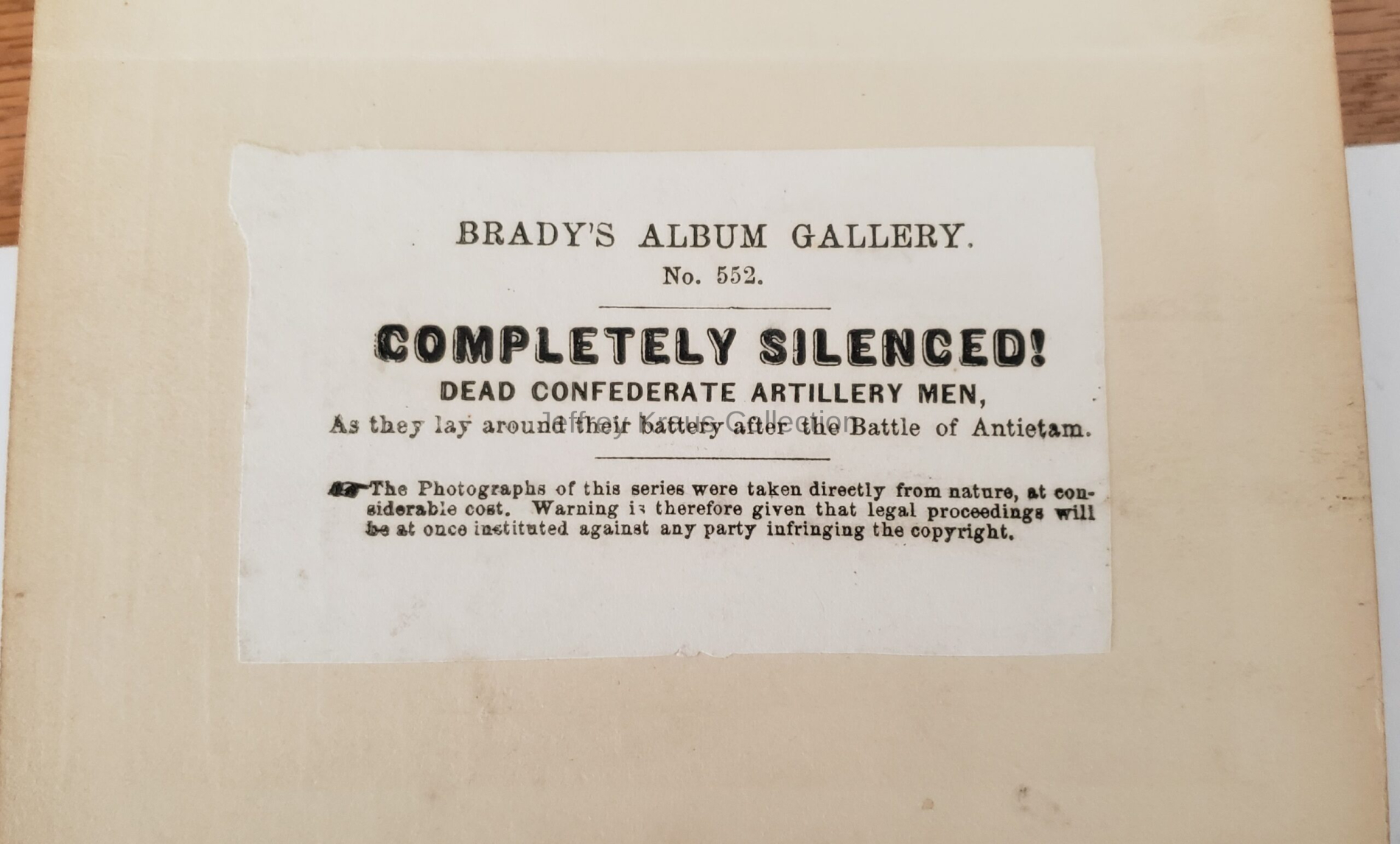
552. Completely Silenced! Dead Confederate Artillery Men, as they lay around their battery after the Battle of Antietam.
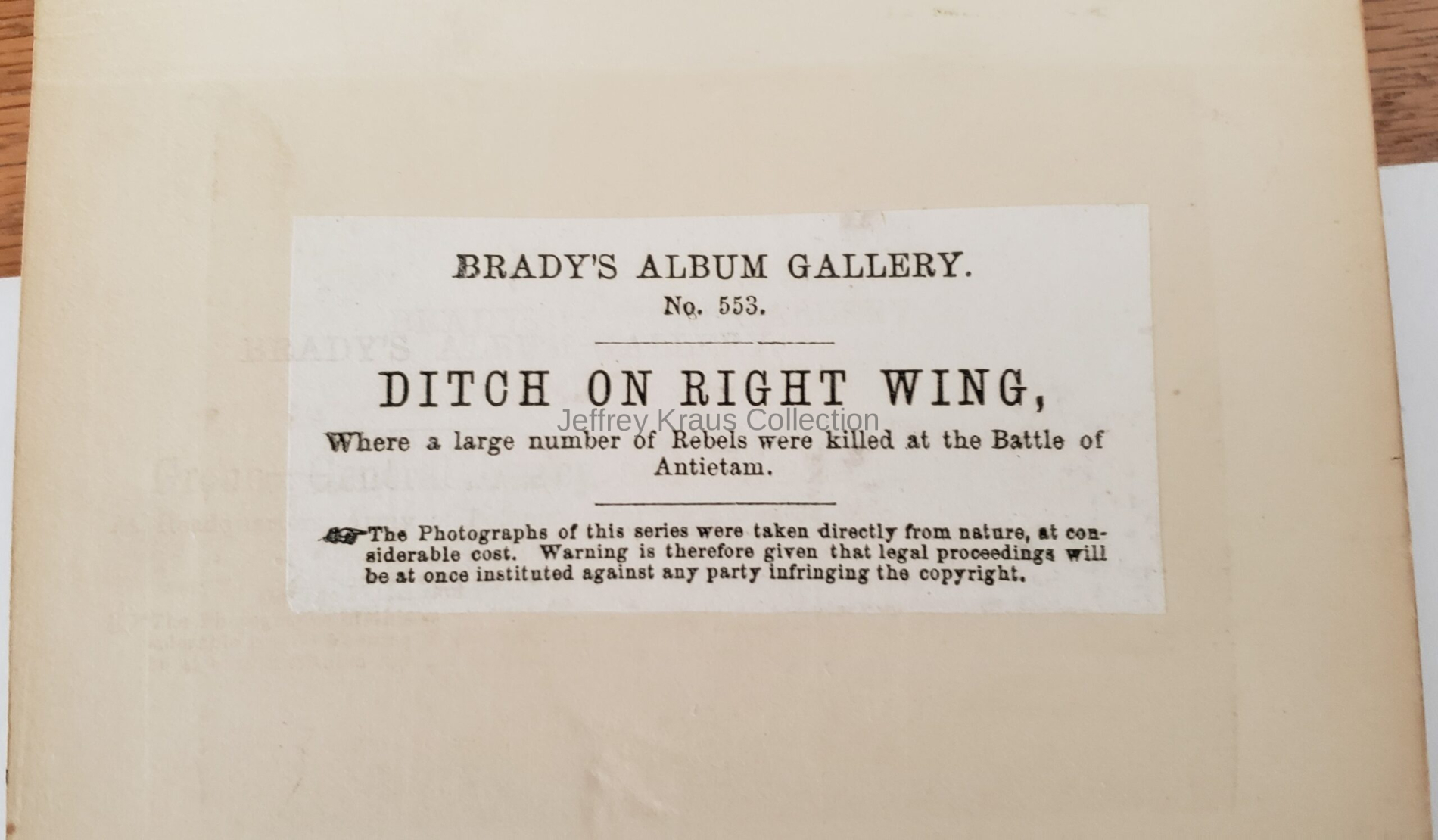
No. 553. Ditch on Right Wing, Where a large number of Rebels were killed at the Battle of Antietam.
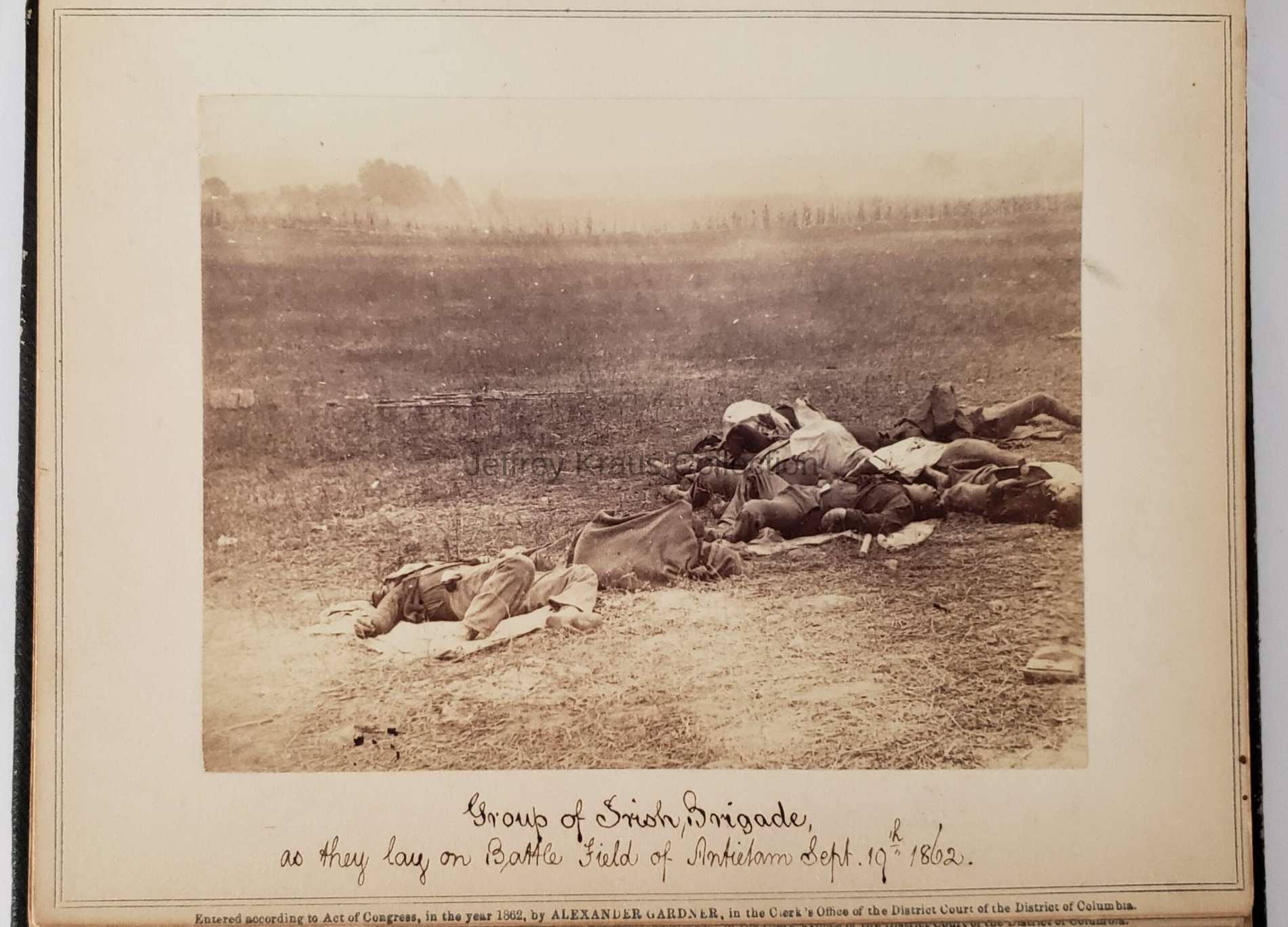
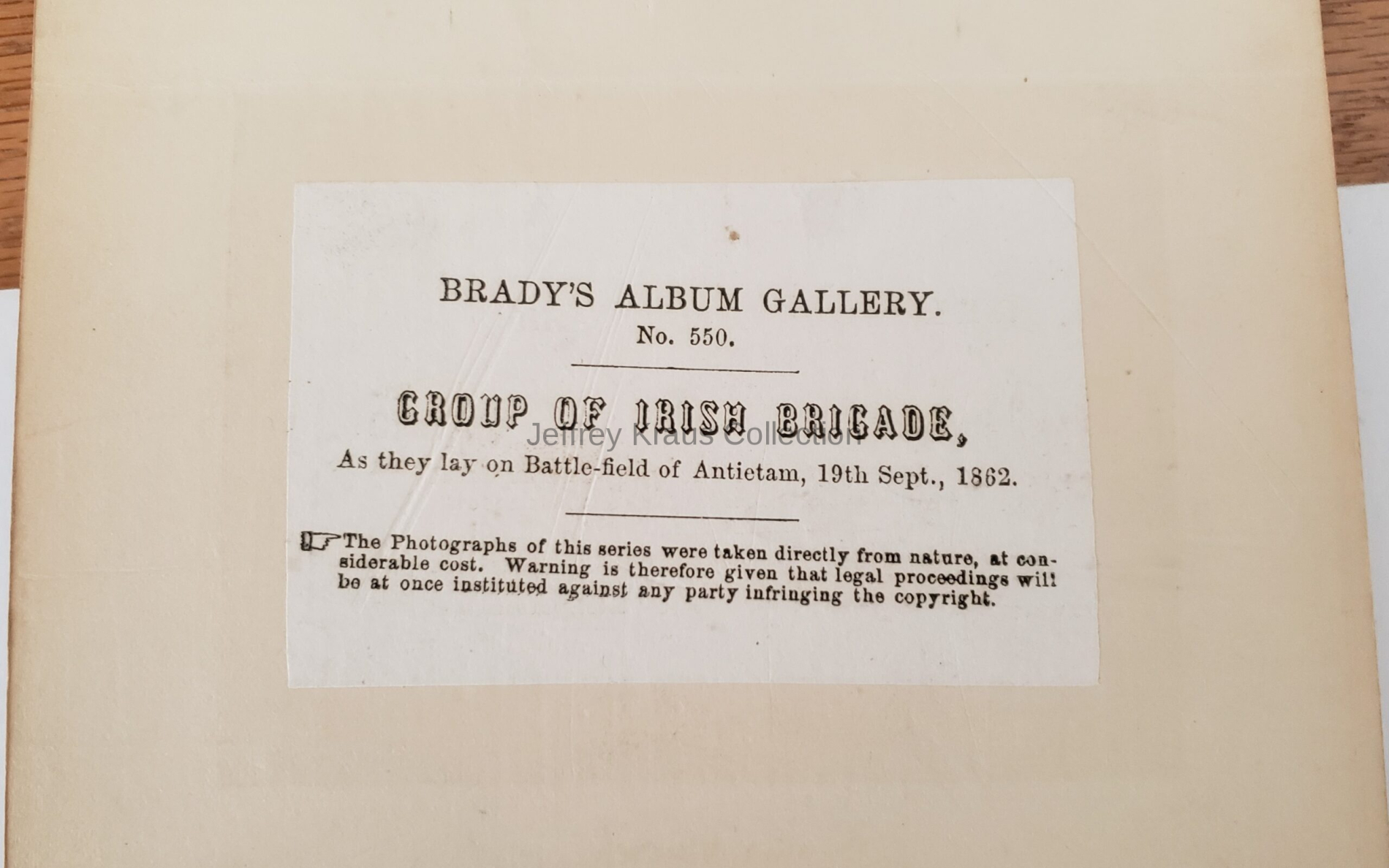
No. 550. Group of Irish Brigade, As they lay on Battle-field of Antietam, 19th Sept., 1862.
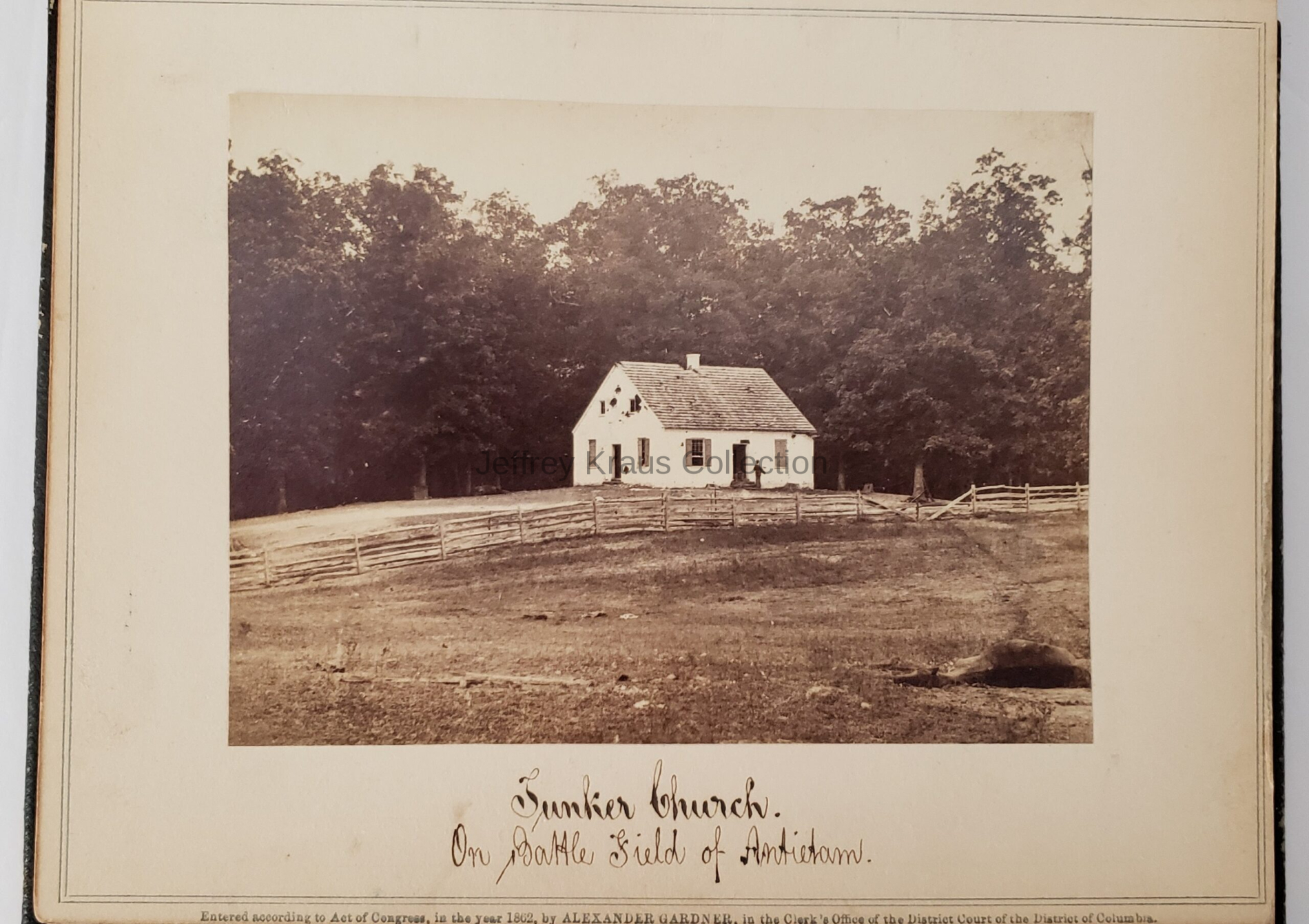
No. 573. Tunker [sic] Church, on Battle-Field of Antietam. Should be Dunker Church.
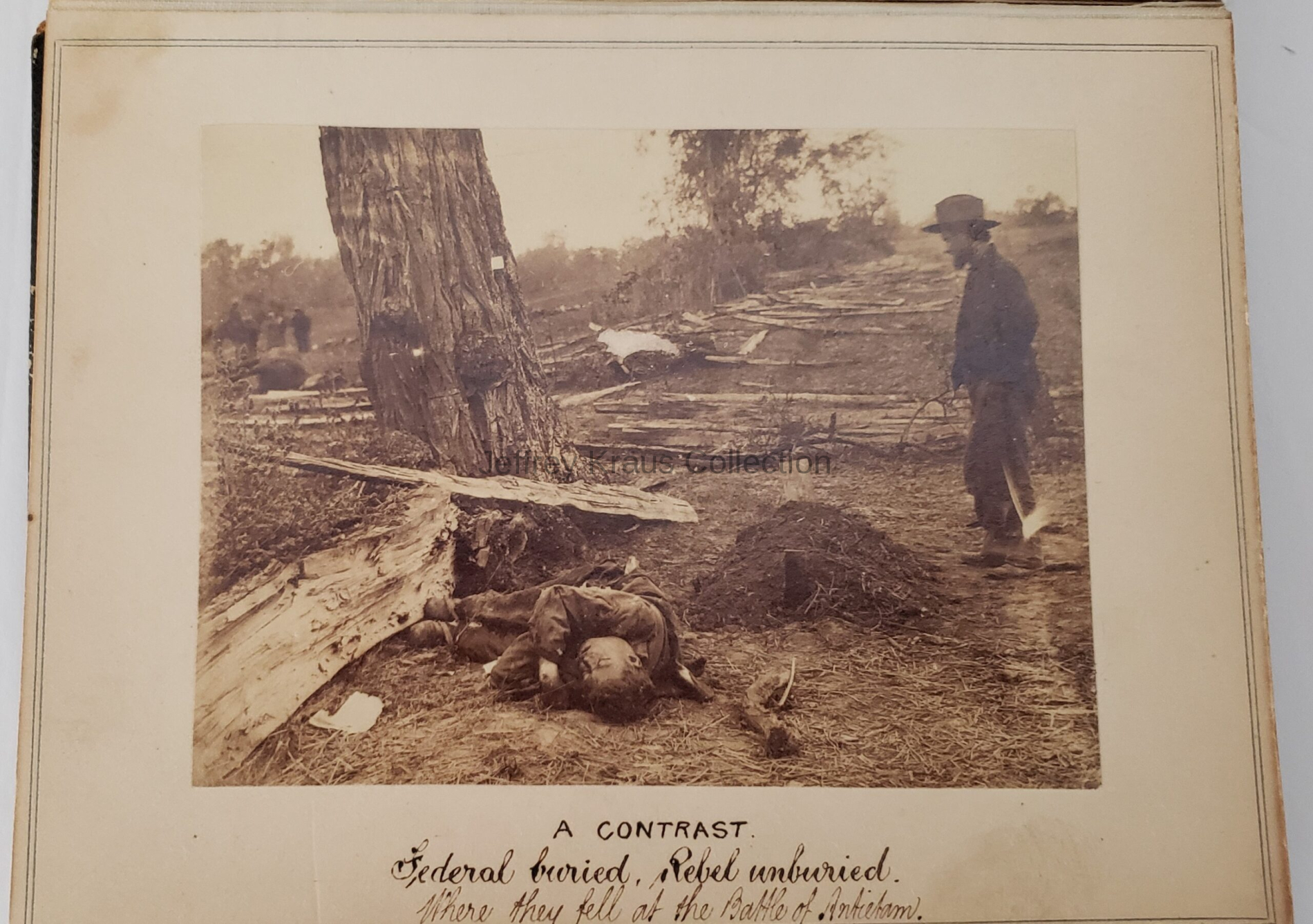
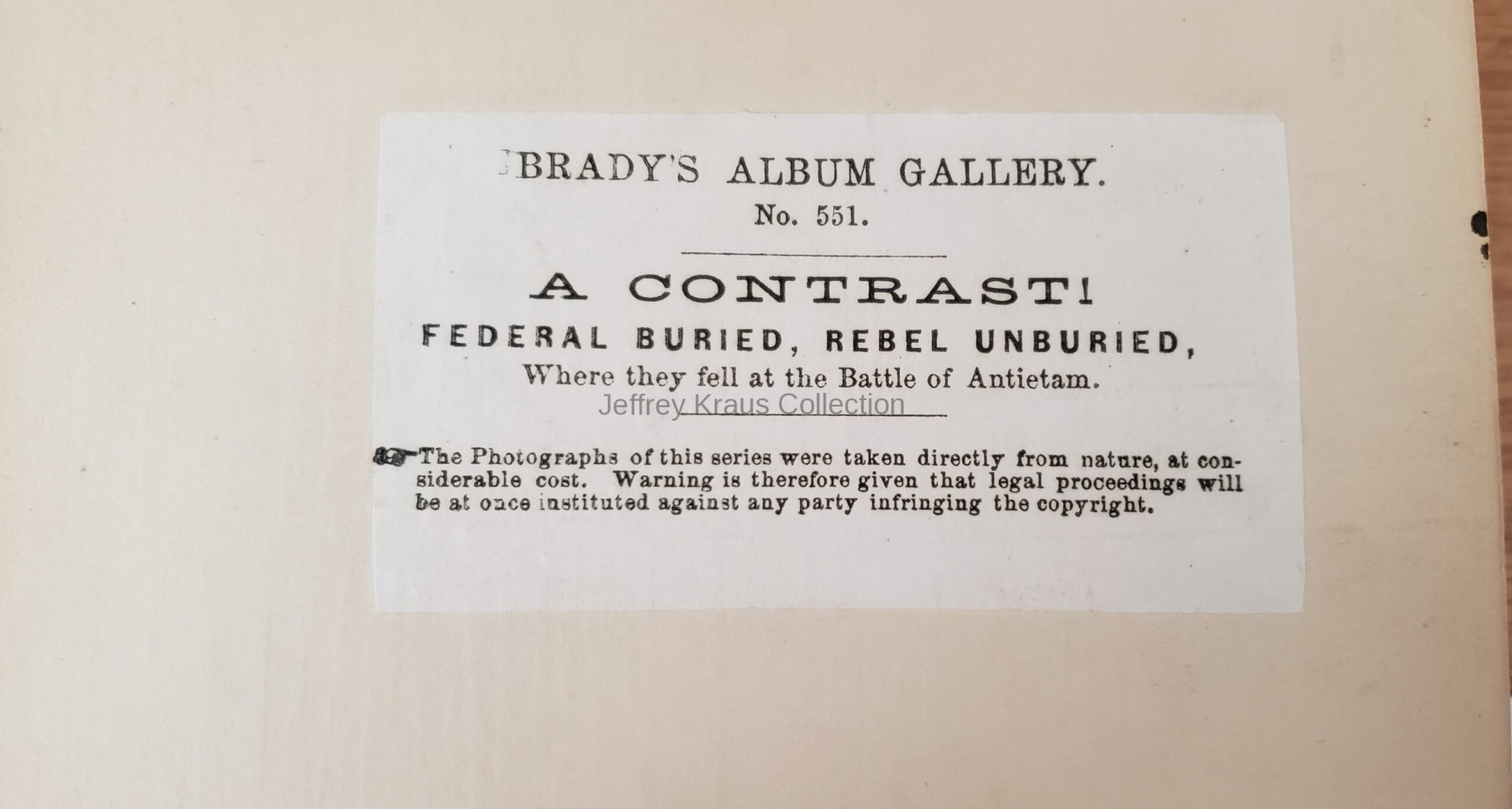
No. 551. A Contrast! Federal Buried, Rebel Unburied, Where they fell at the Battle of Antietam.
Album card album measuring 6″ x 5.”
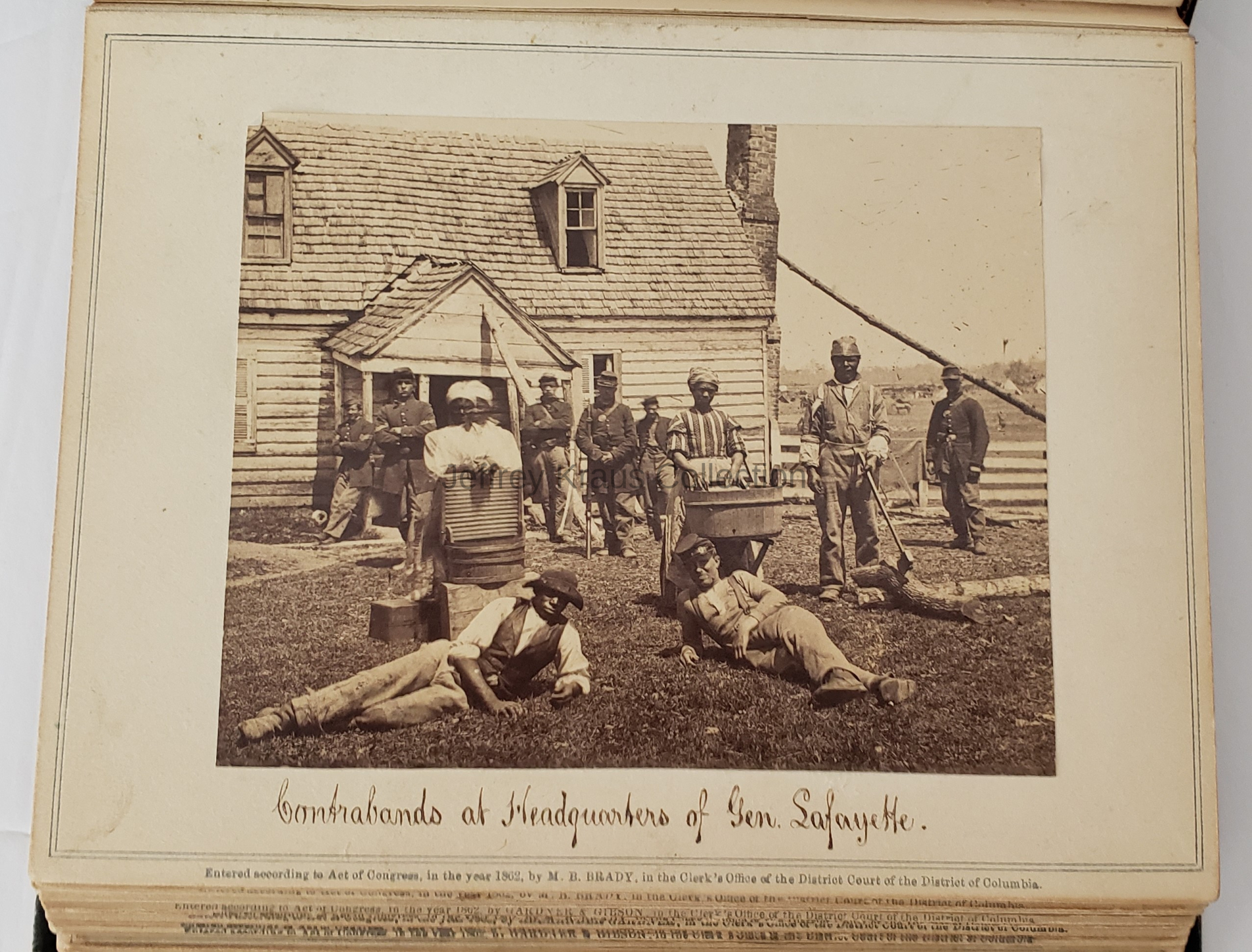
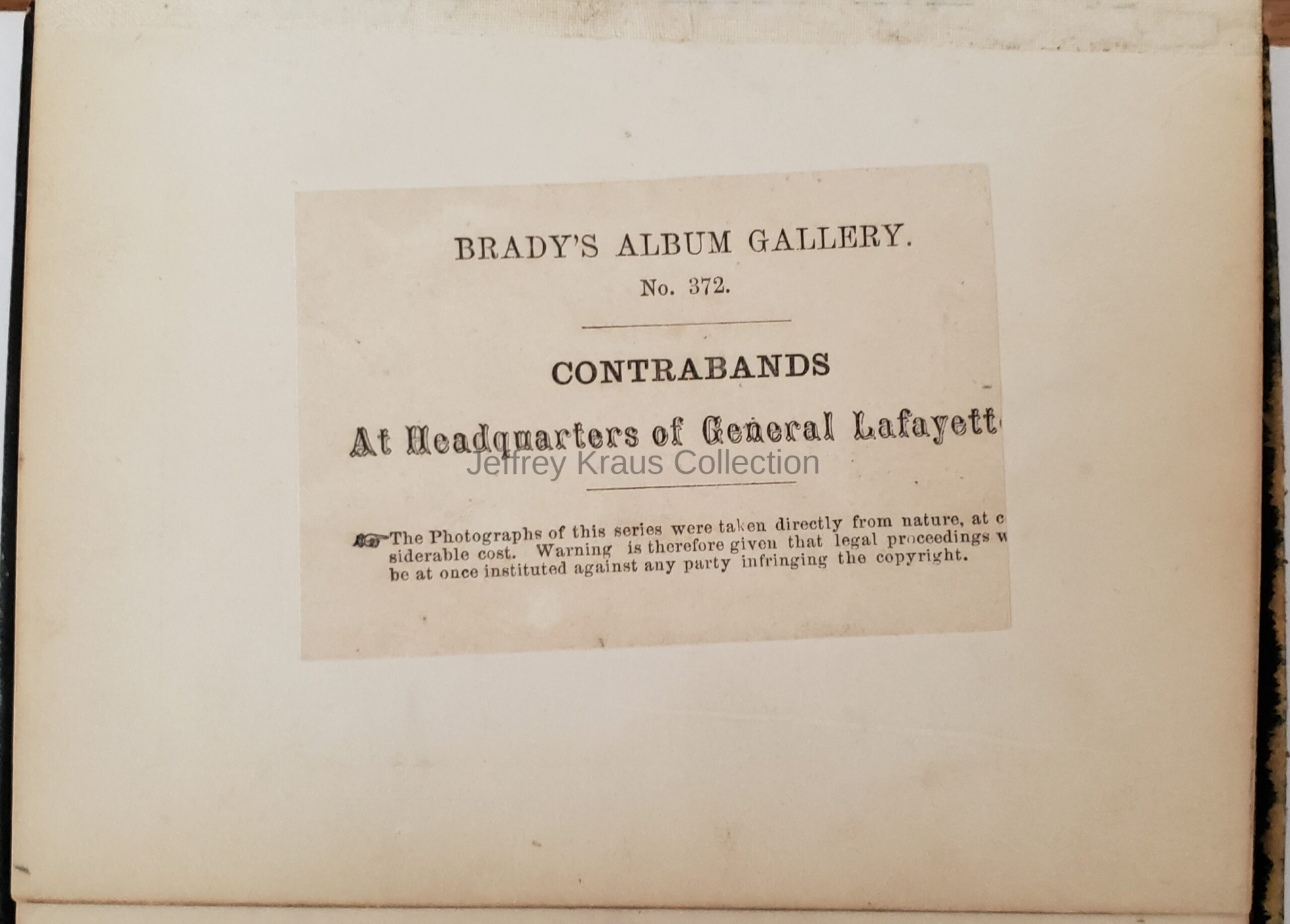
No. 372. Contrabands at Headquarters of General Lafayette.
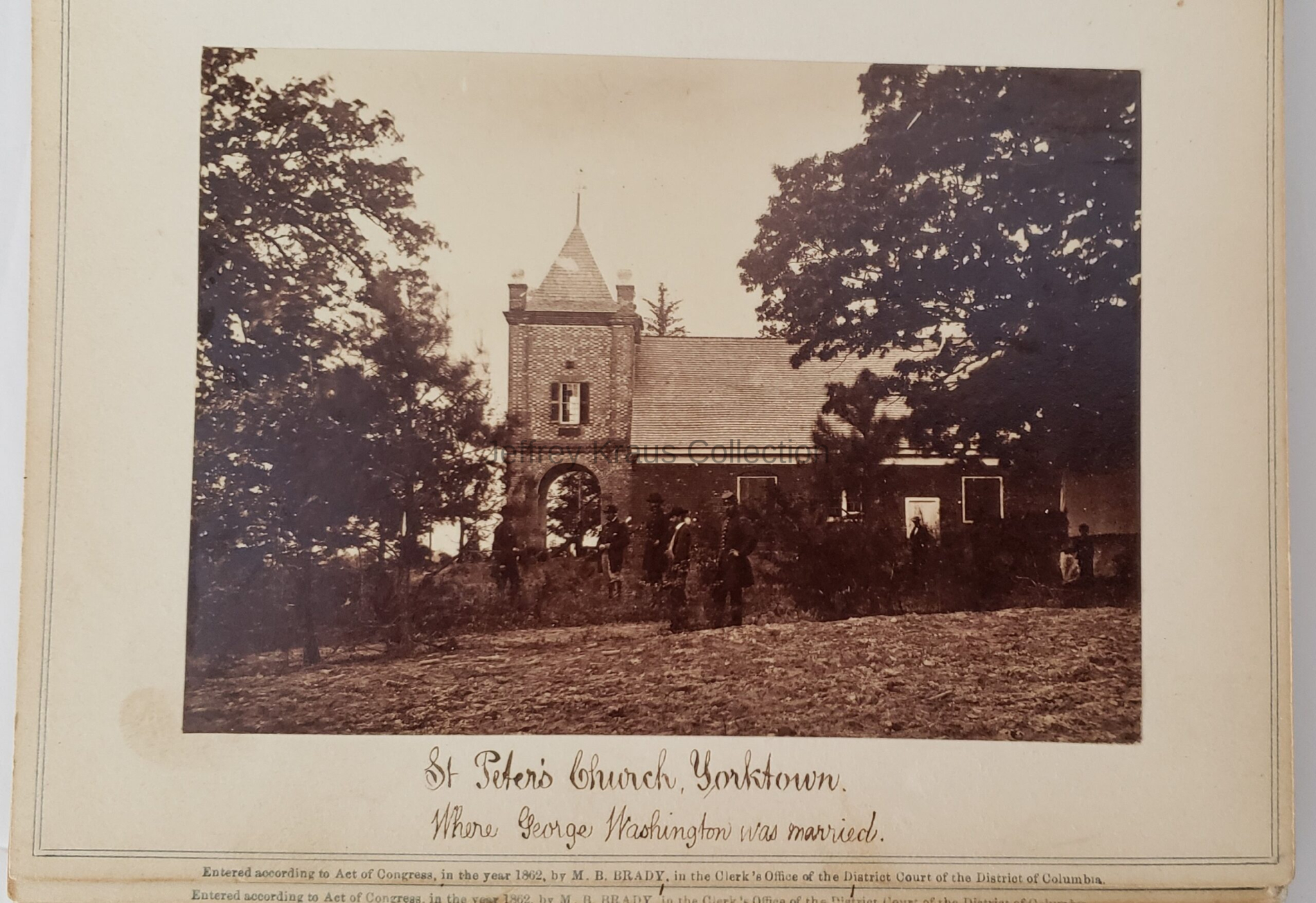
No. 407. St. Peter’s Church, Yorktown–Built 1717. Where George Washington was married.
No. 393. Headquarters of Lord Cornwallis at the Surrender of Yorktown, Now used as a Hospital, under the Superintendence of Miss Dix.
No. 369. Headquarters of Gen’l Lafayette Before the Battle of Yorktown.
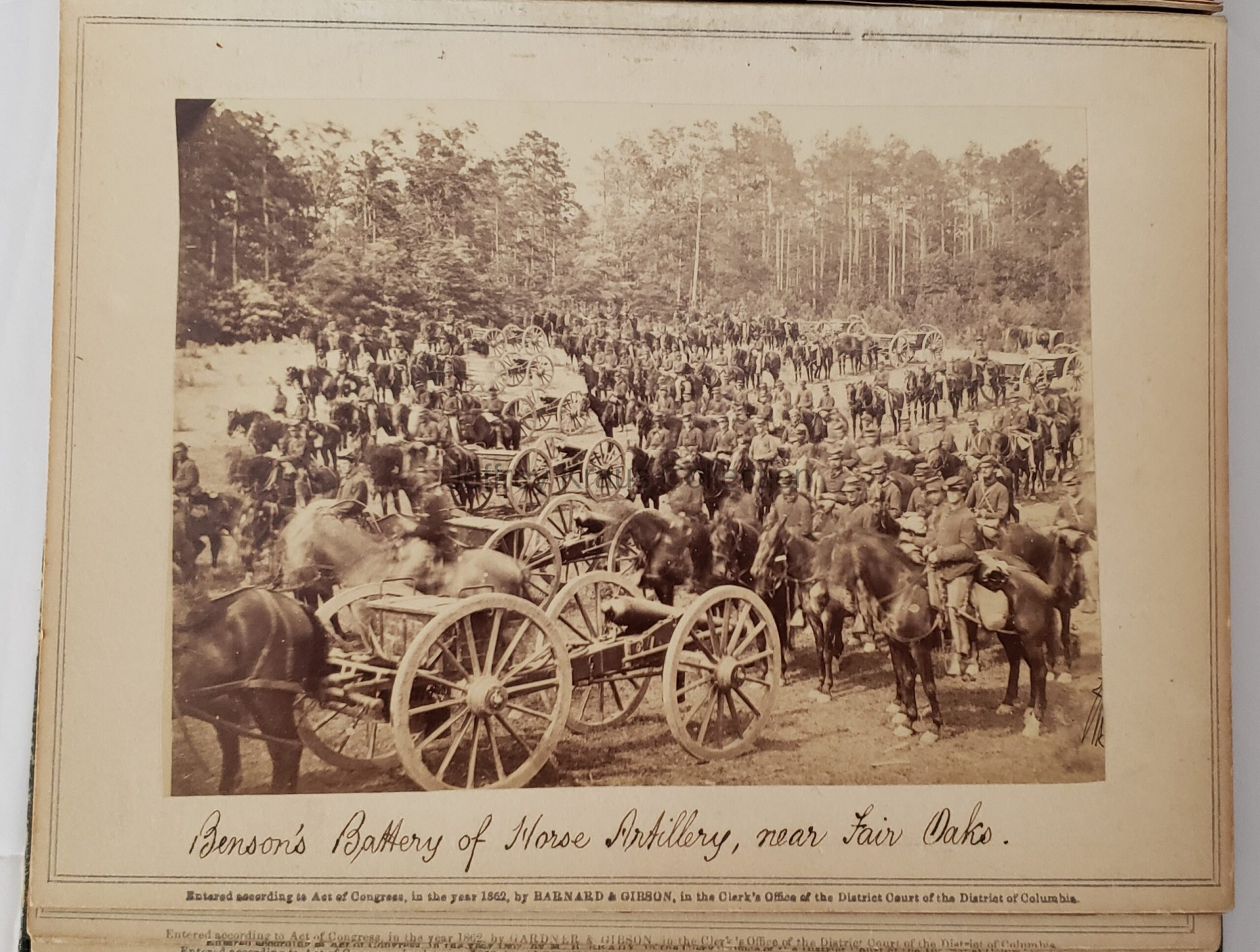
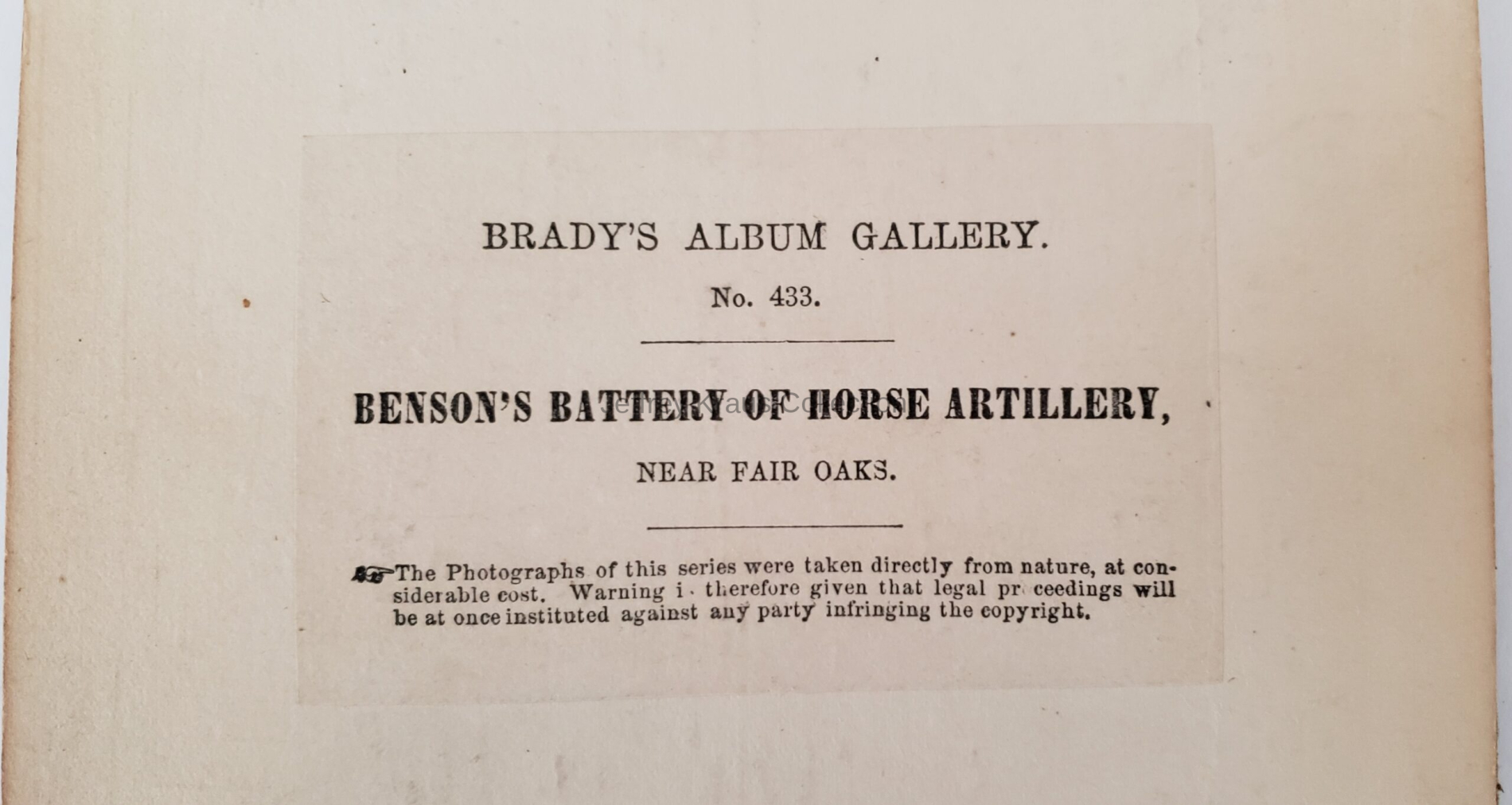
No. 433. Benson’s Battery of Horse Artillery, near Fair Oaks.
No. 559. Killed at the Battle of Antietam.
No. 489. Military Bridges across the Chickahominy, Built by the 15th N.Y.V. Engineers, Col. Murphy.
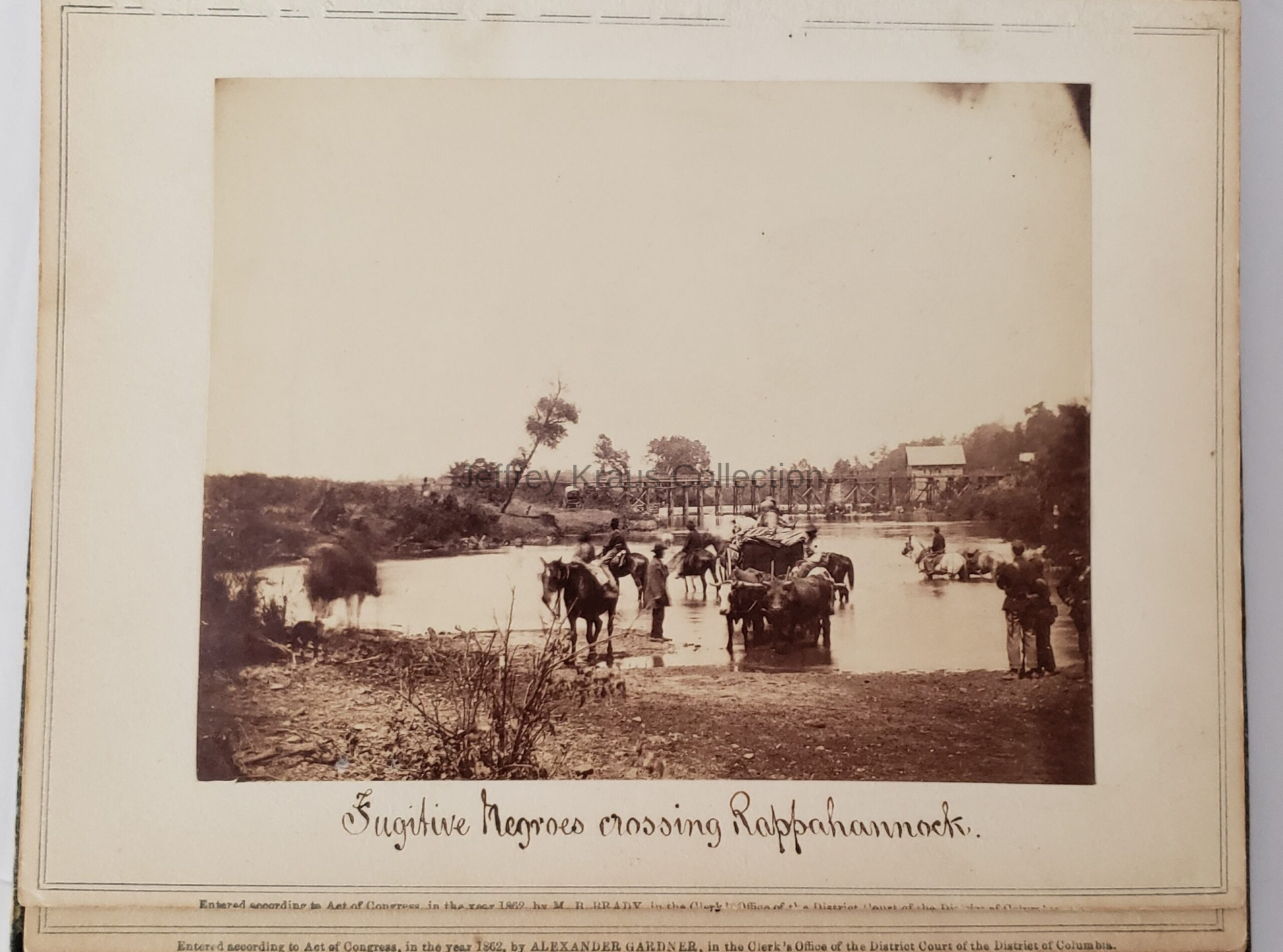
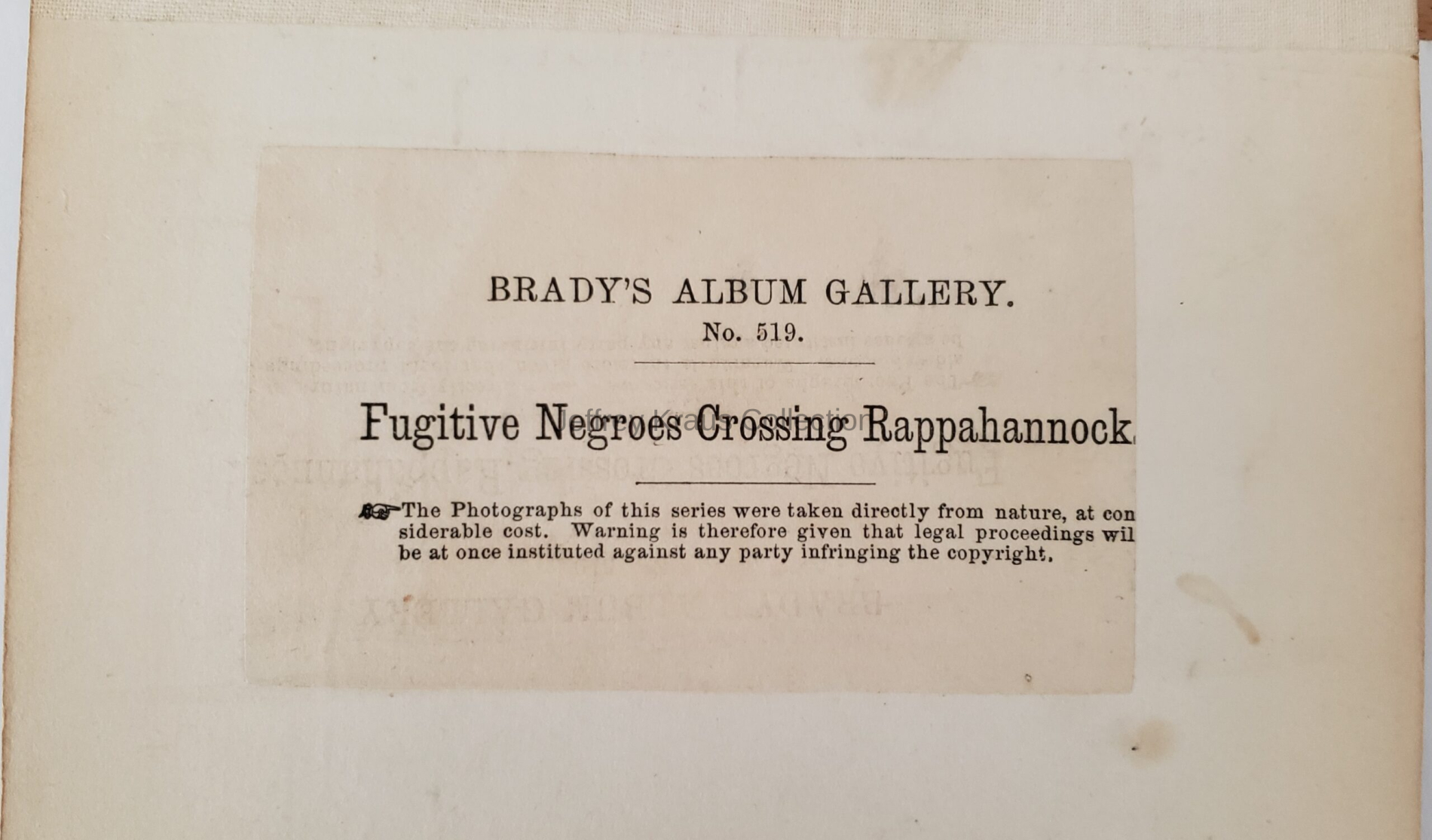
No.519. Fugitive Negroes Crossing Rappahannock.
No. 569. View on Battle-Field of Antietam.
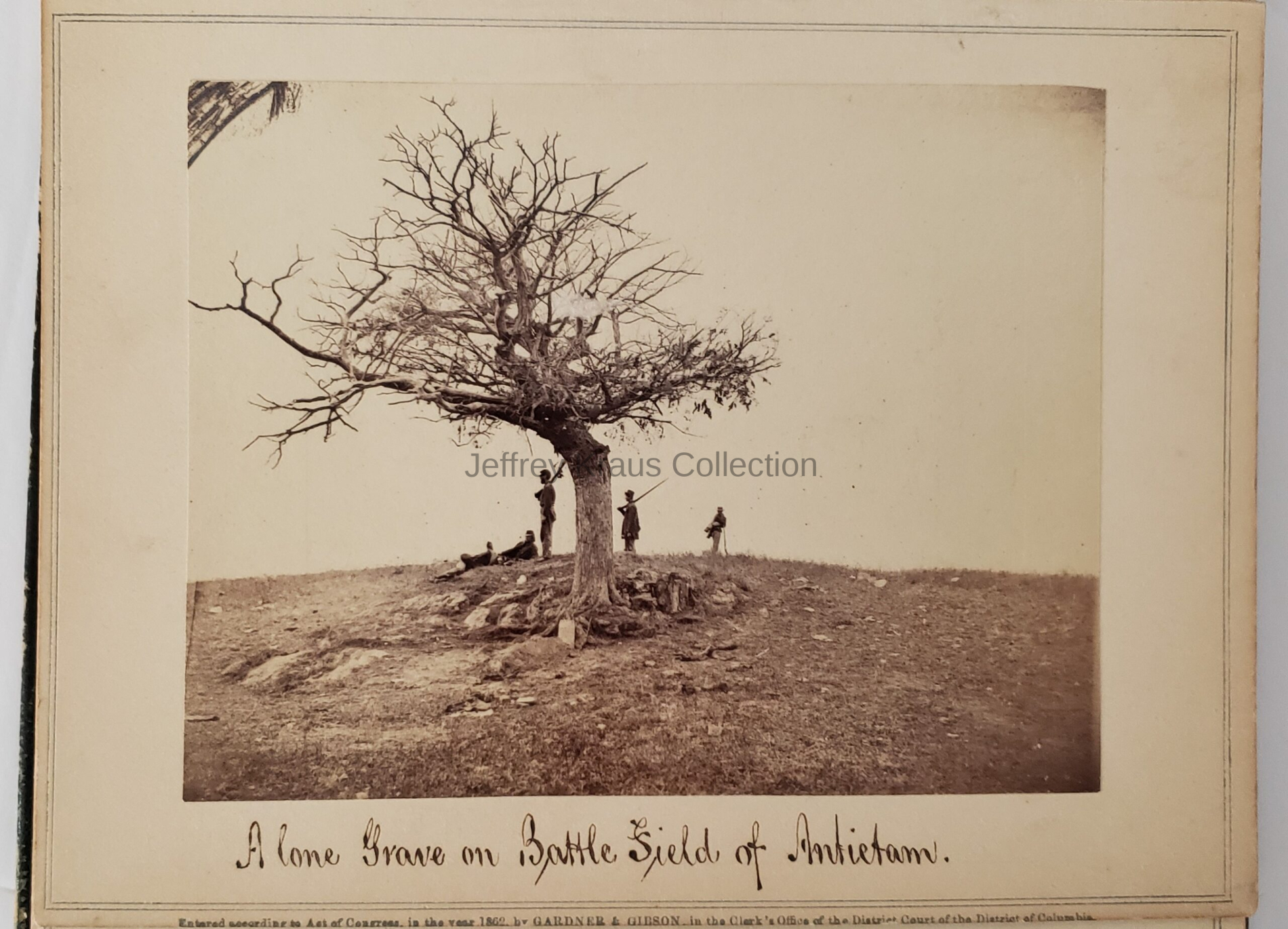
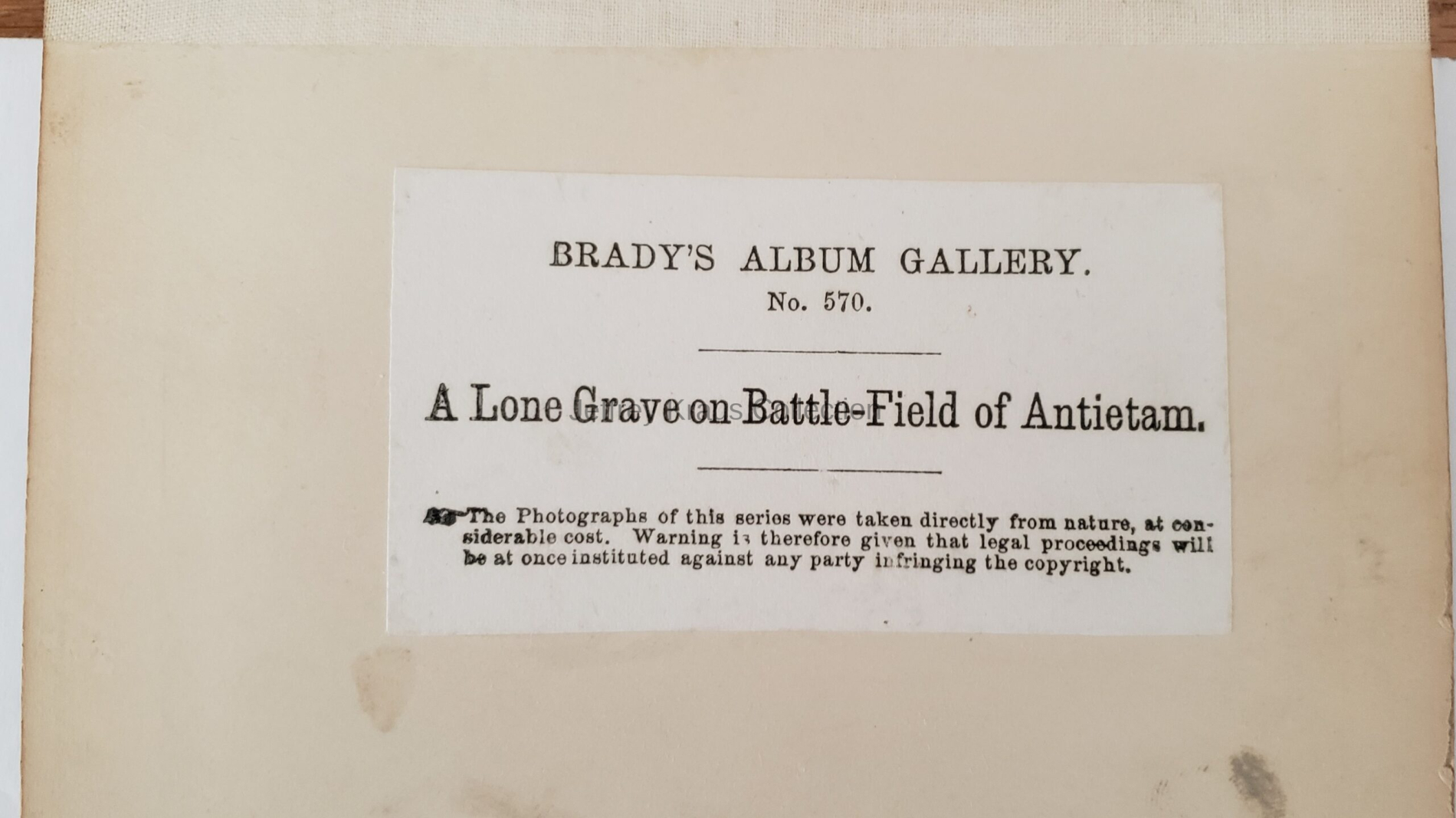
No. 570. A Lone Grave on Battle-Field of Antietam. This grave has been identified as that of John Marshall, 28th Pennsylvania: John Marshall is unique among the named fallen on the Elliott map. Born in Ireland in 1812, John was 50 years old—considerably more seasoned than his comrades—when he enlisted on July 27, 1861 as a private in the 28th Pennsylvania’s Company L. A stonemason in Allegheny City—which became part of Pittsburgh in 1907—John left behind much upon enlisting for although his first wife had died of consumption in 1855, their son William remained at home, as did John’s second wife Mary—18 years his junior—and their sons two year old Samuel and infant John, Jr. John Marshall and the 28th also marched into their first major fight that morning at Antietam, despite having served for most of the war to September 17, 1862. Assigned to Lieutenant Colonel Hector Tyndale’s Brigade of Brigadier General George S. Greene’s Division of the XII Corps, they waited while Hooker’s I Corps men battered themselves in taking and retaking the Cornfield. Sometime around 8:30 that morning, however, the 28th and Tyndale’s Brigade was sent into action as part of the “swinging door” advance. Driving through the East Woods and finally securing the Cornfield, John and his regiment relentlessly advanced until reaching the Hagerstown Pike’s eastern edge. Short on ammunition, the 28th and Greene’s Division remained aligned on a slight rise—roughly where today’s NPS visitors center stands—for over an hour before pushing across the road to secure the Dunker Church, where they remained until being driven back sometime before 1:00 p.m. John Marshall, however, probably never witnessed the regiment’s stand around the Dunker Church given the location of his burial. John’s final unique feature is that his battlefield grave was captured by photographer Alexander Gardner, shortly after the battle. Photographic historian William Fassanito in 1978 confirmed the location by identifying the still-existing rock formation and enlarging the image to read John’s name inscribed on his wooden marker. John’s body was moved to the Antietam National Cemetery by 1866 but the loneliness and sadness of his battlefield resting place haunts viewers even today. (https://antietamscornfield.com/2020/09/17/elliotts-antietam-burial-map-new-revelations-about-the-cornfields-toll/?fbclid=IwAR2wSwzQzXTeITTWejXkbHUniKYRtzG6Ow19OTmBNJZ5y5RFxhDpQFXIebw)
No. 578. Bridge Over the Antietam, on the Sharpsburgh and Boonsboro’ Turnpike, where the Center of the Federal Army crossed.
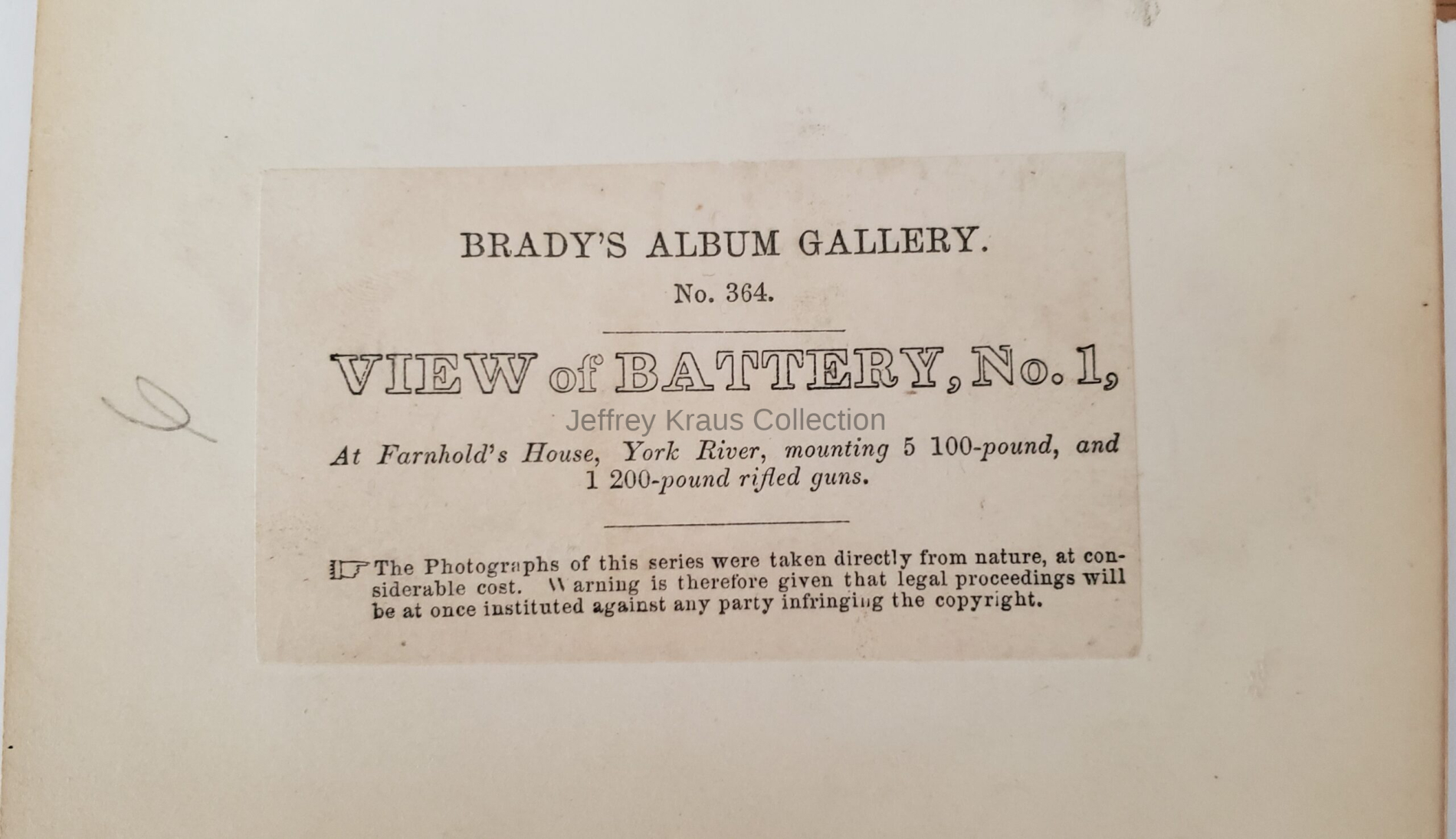
No. 364. View of Battery, No. 1, at Farnhold’s House, York River, mounting 5 100-pound and 1 200-pound rifled guns.