
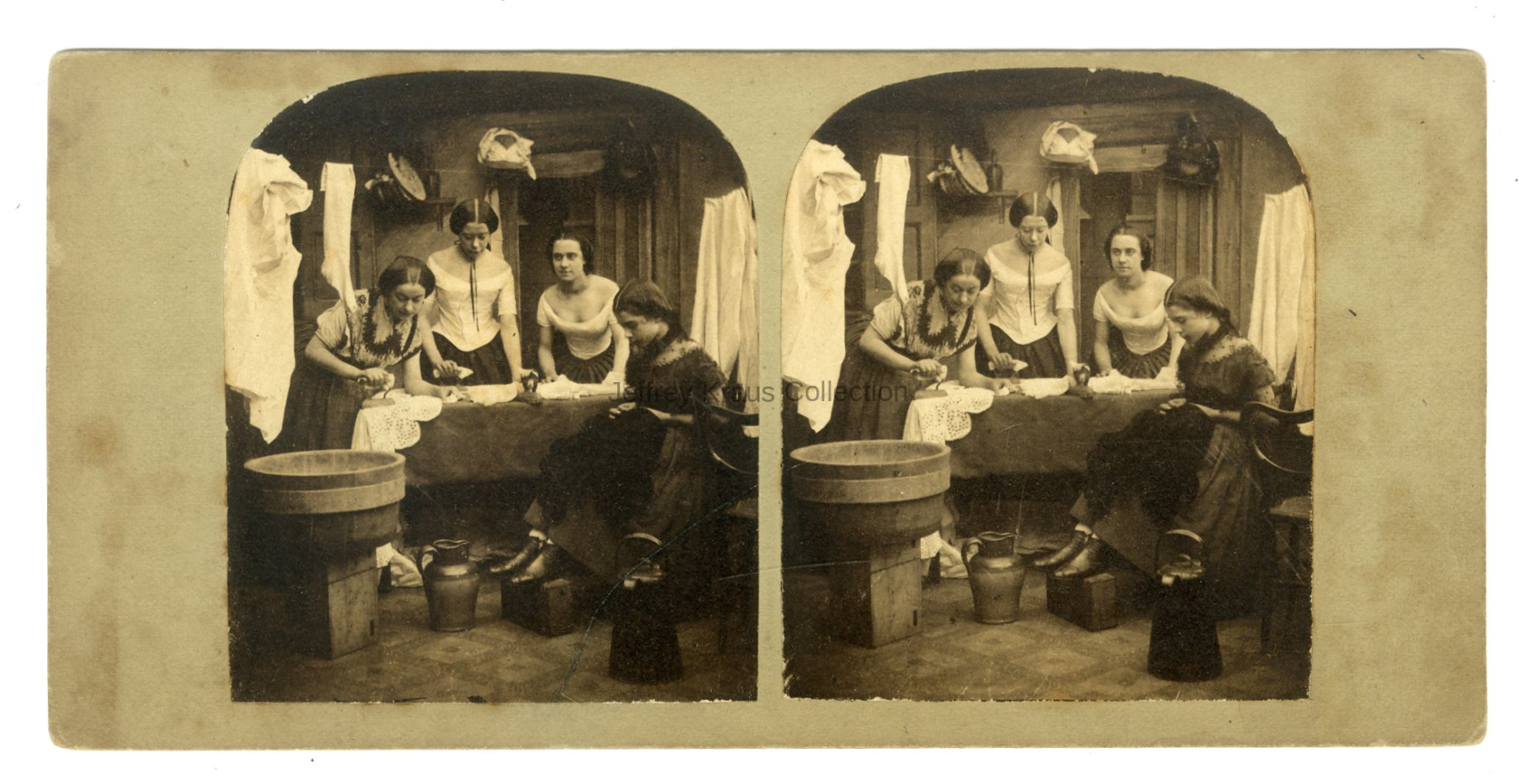
Anonymous-Misc.
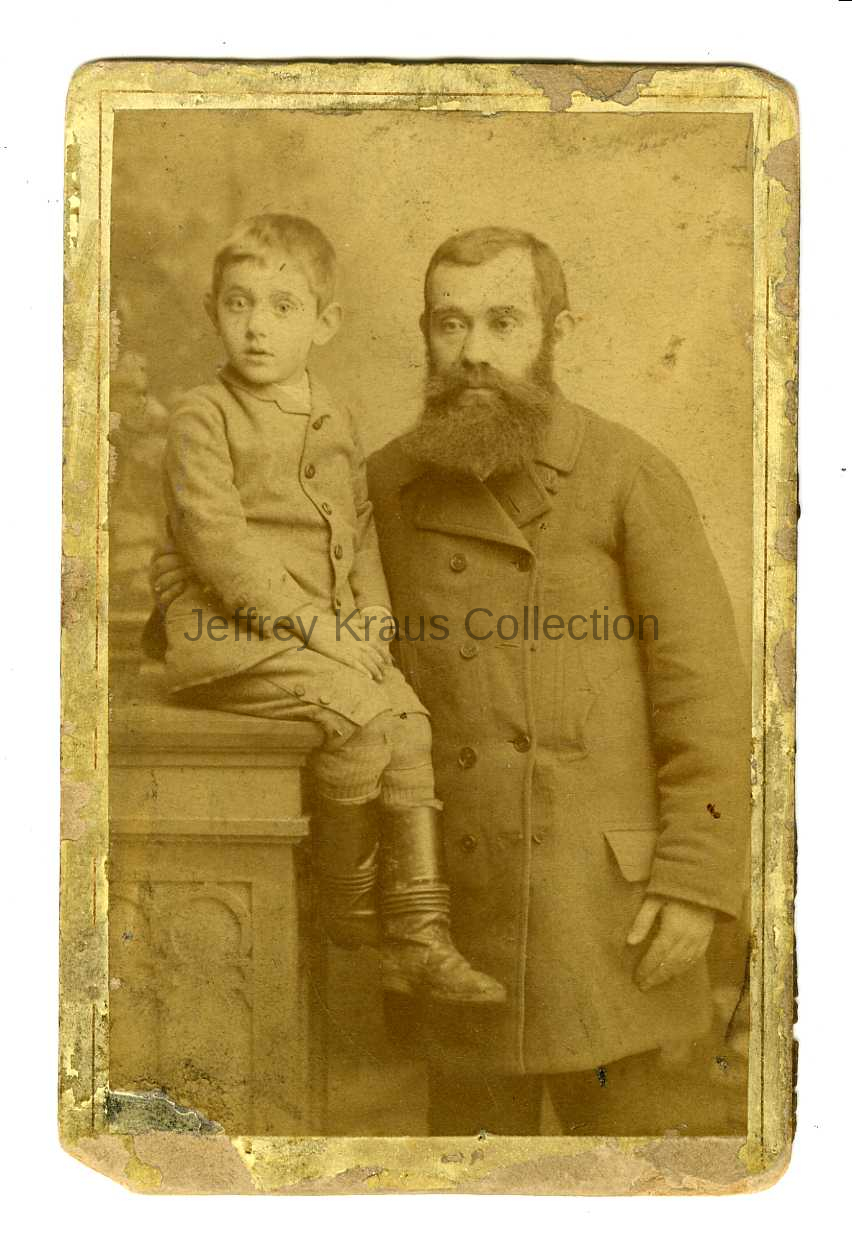
44384.
Solomon Isaac Kraus and Abraham Kraus. Grandfather and great-grandfather of Jeff Kraus, on his father’s side. 1885.
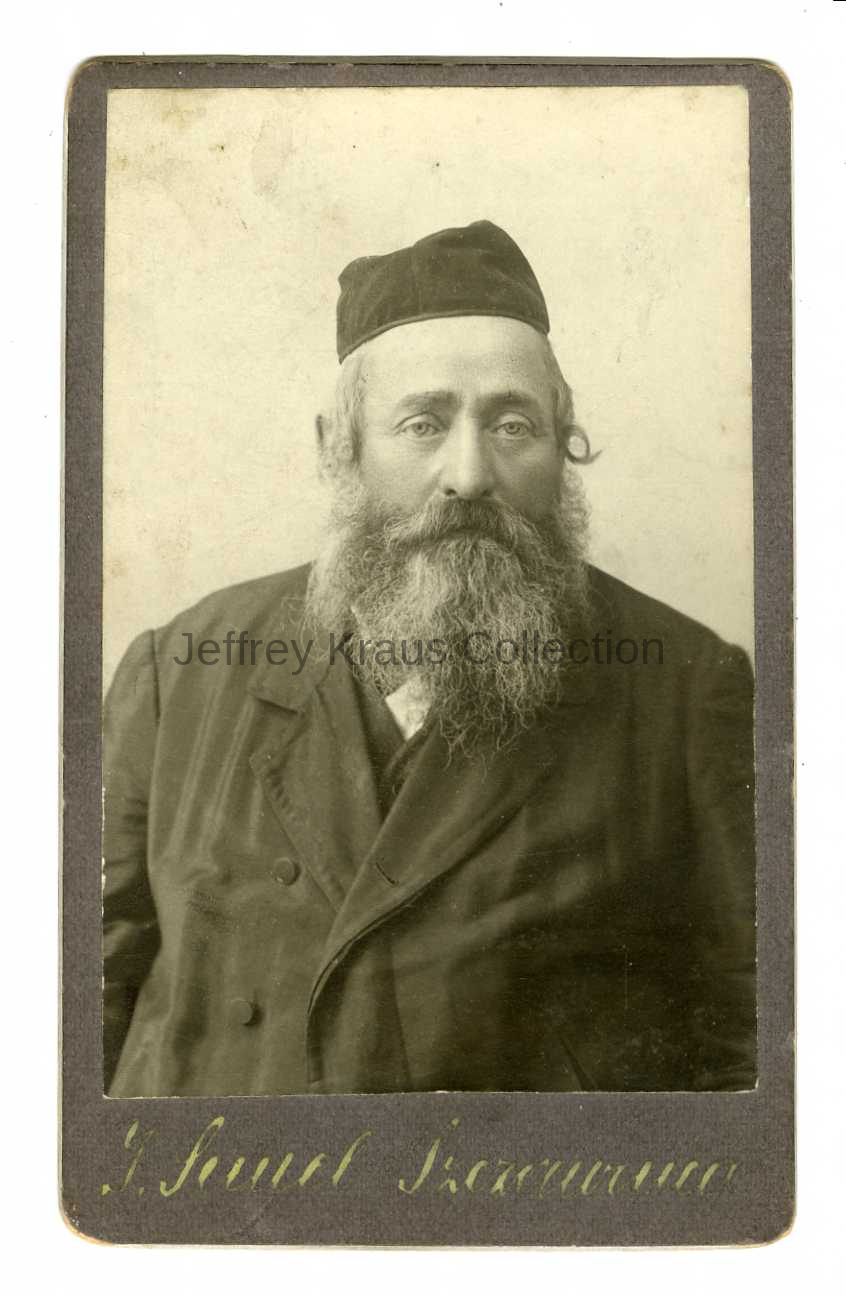
44385.
Moses Goldman. Great-grandfather of Jeff Kraus, the father of his grandmother on his father’s side.
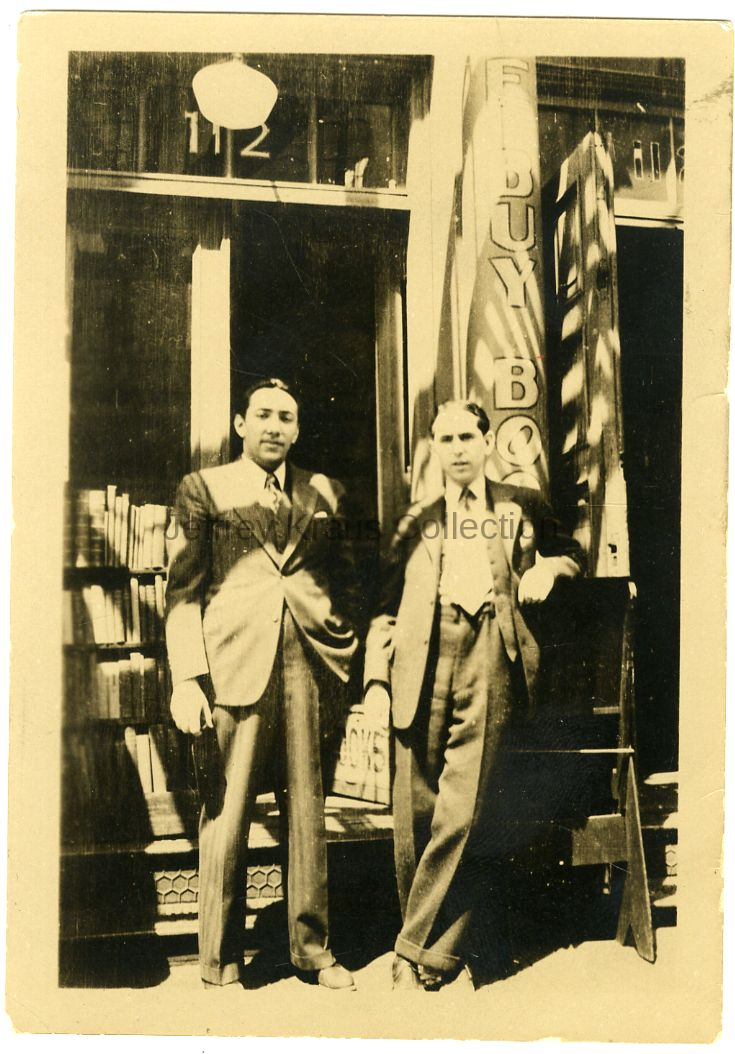
44386.
Bernard Kraus, in front of his store, the Raven Book Shop, 112 Fourth Avenue, with his assistant.
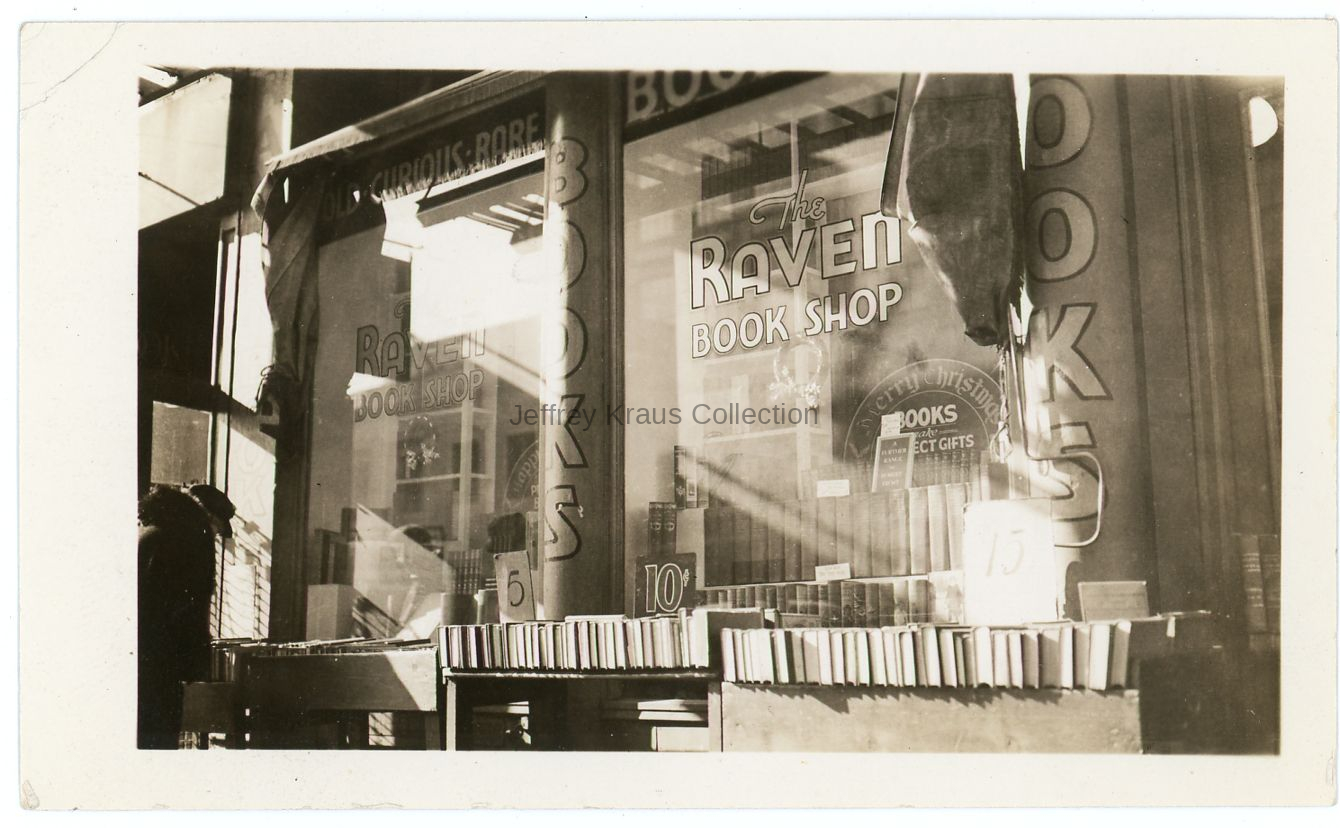
44387.
Storefront Window of the Raven Book Shop, 112 Fourth Avenue, NYC.
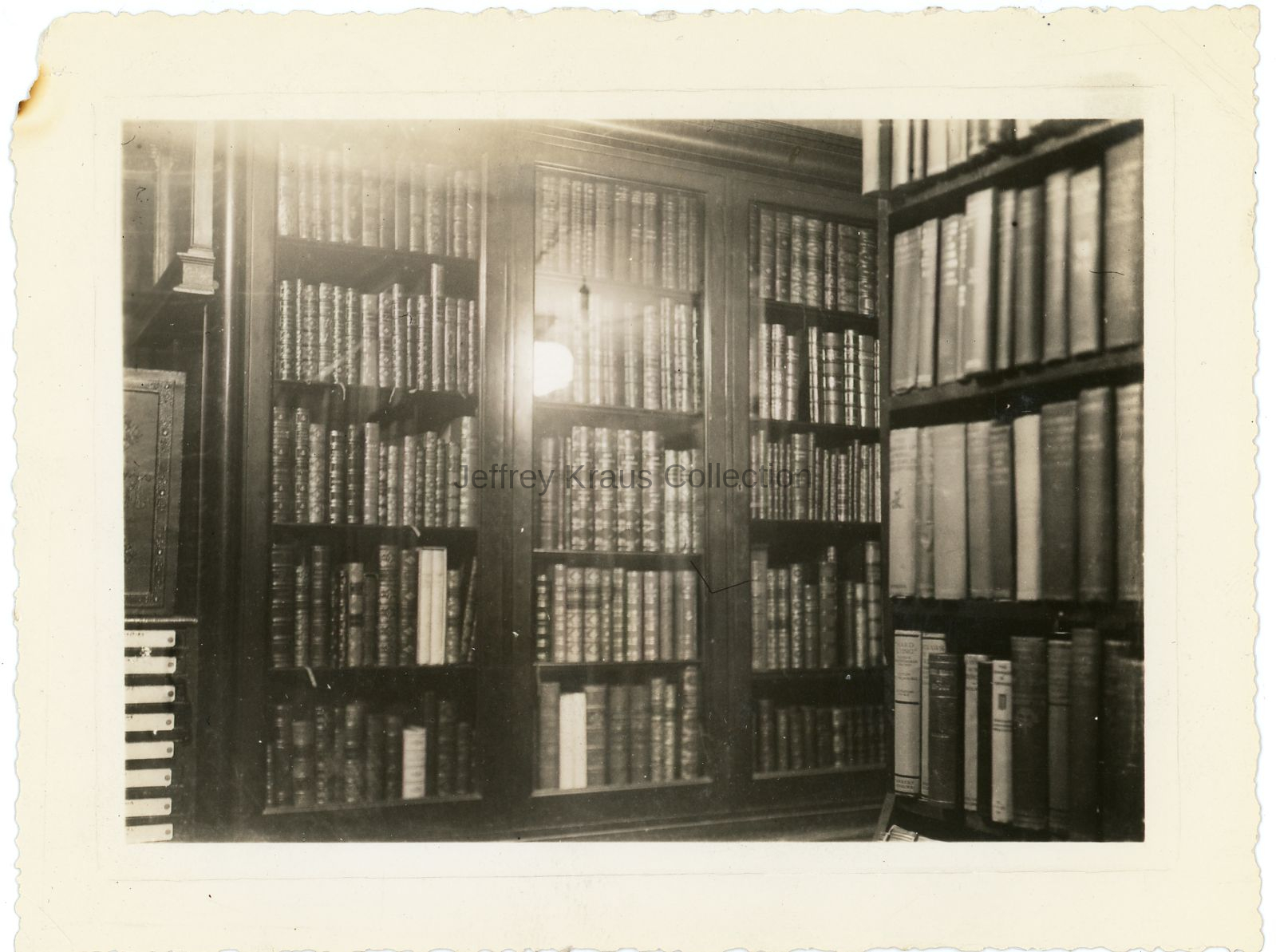
44388.
Interior View of the Raven Book Shop, 112 Fourth Avenue, NYC.
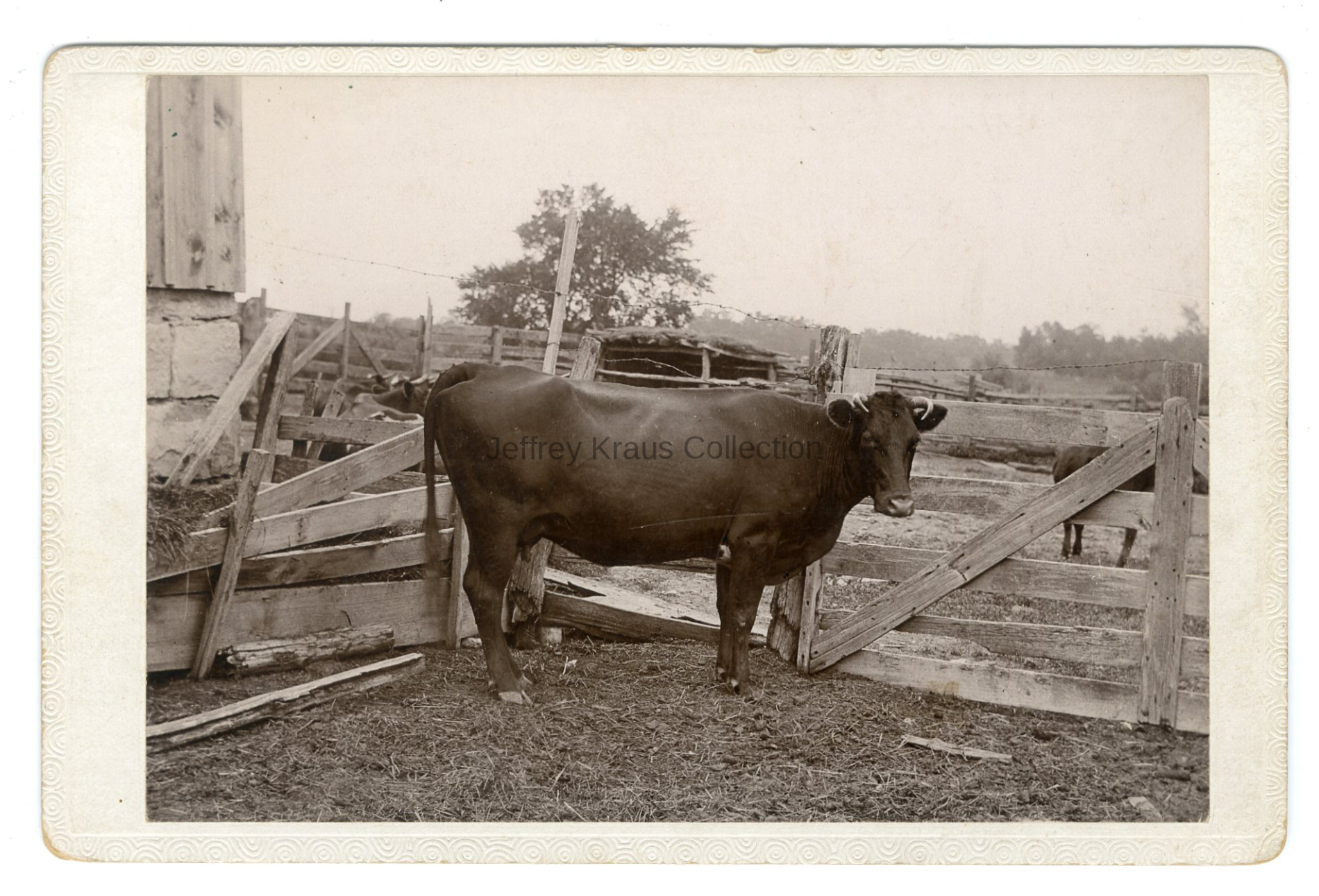
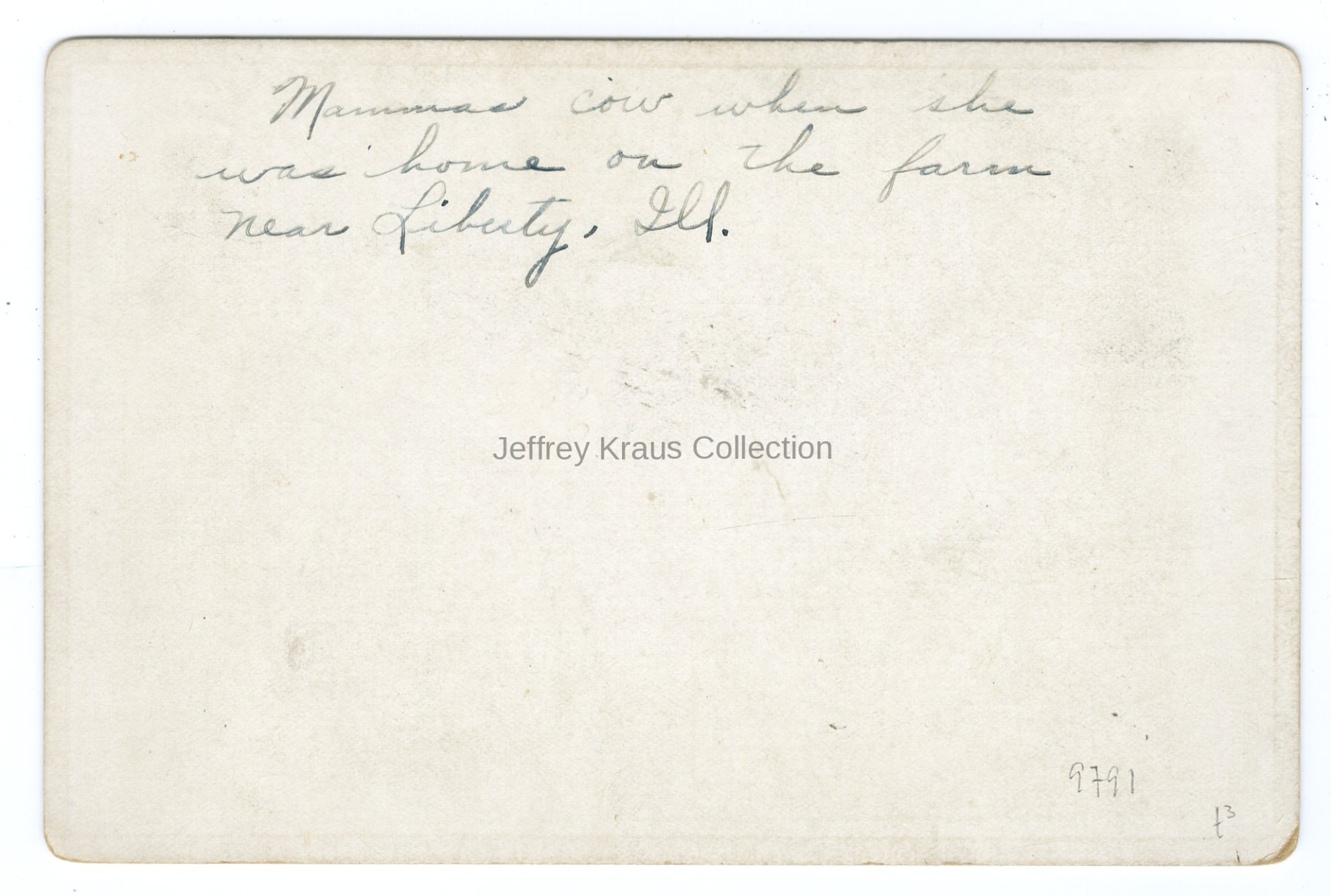
44514.
Mamma’s cow when she was home on the farm near Liberty, Ill.
44516.
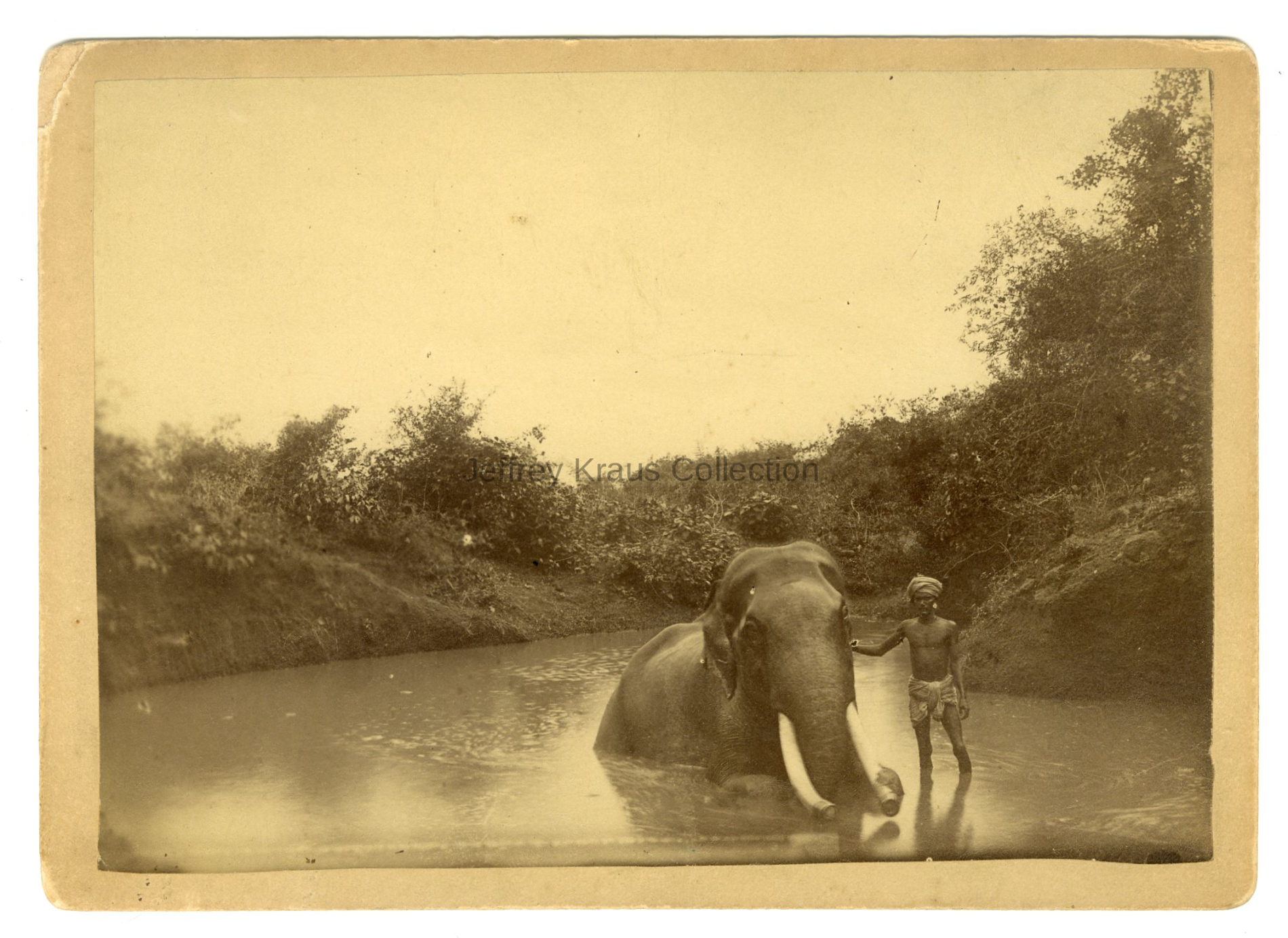
Native and elephant in pool.
44523.
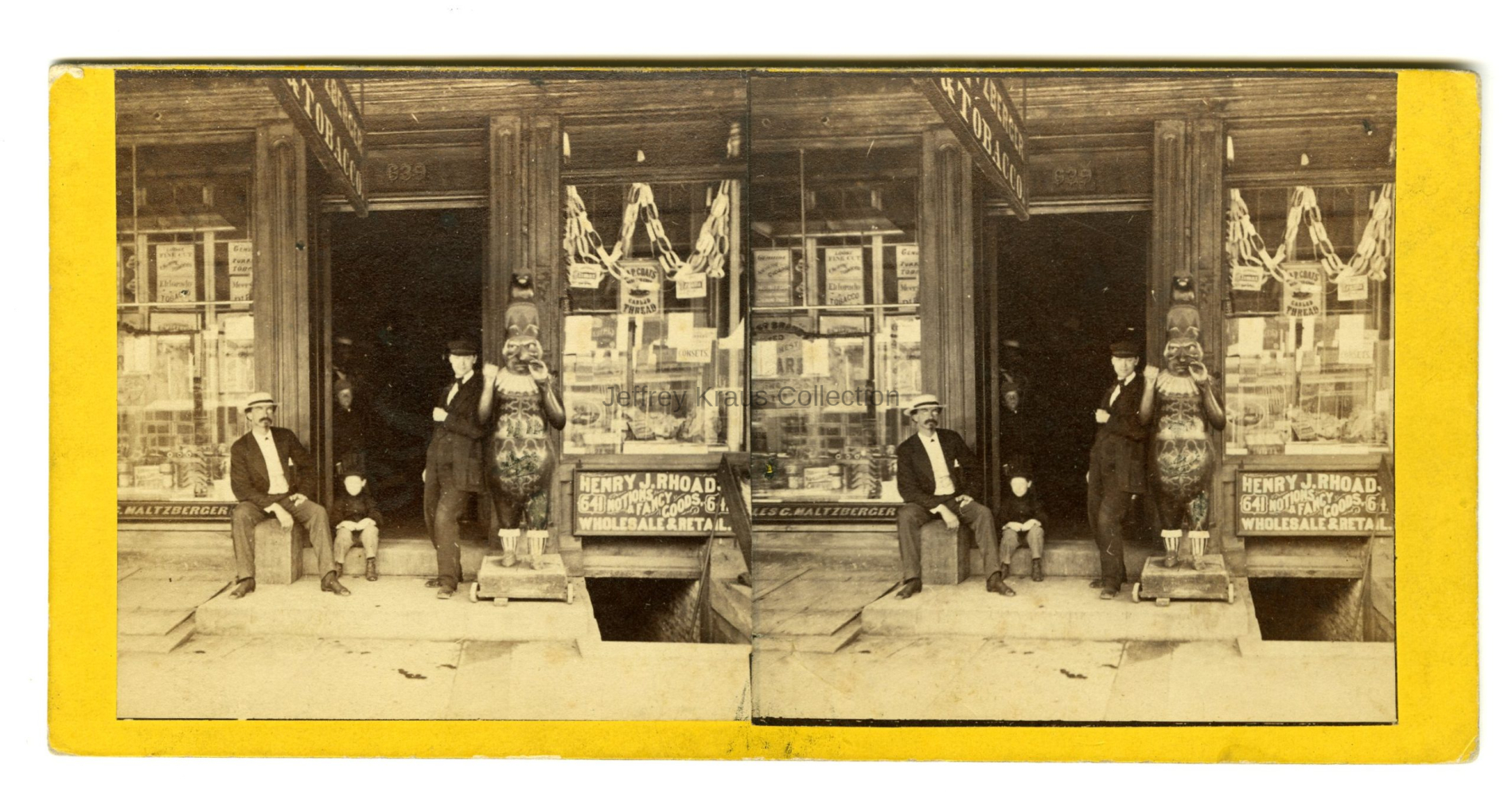
Charles C. Maltzberger, 639 Penn St., Reading, PA. Tobacconist.

44526.
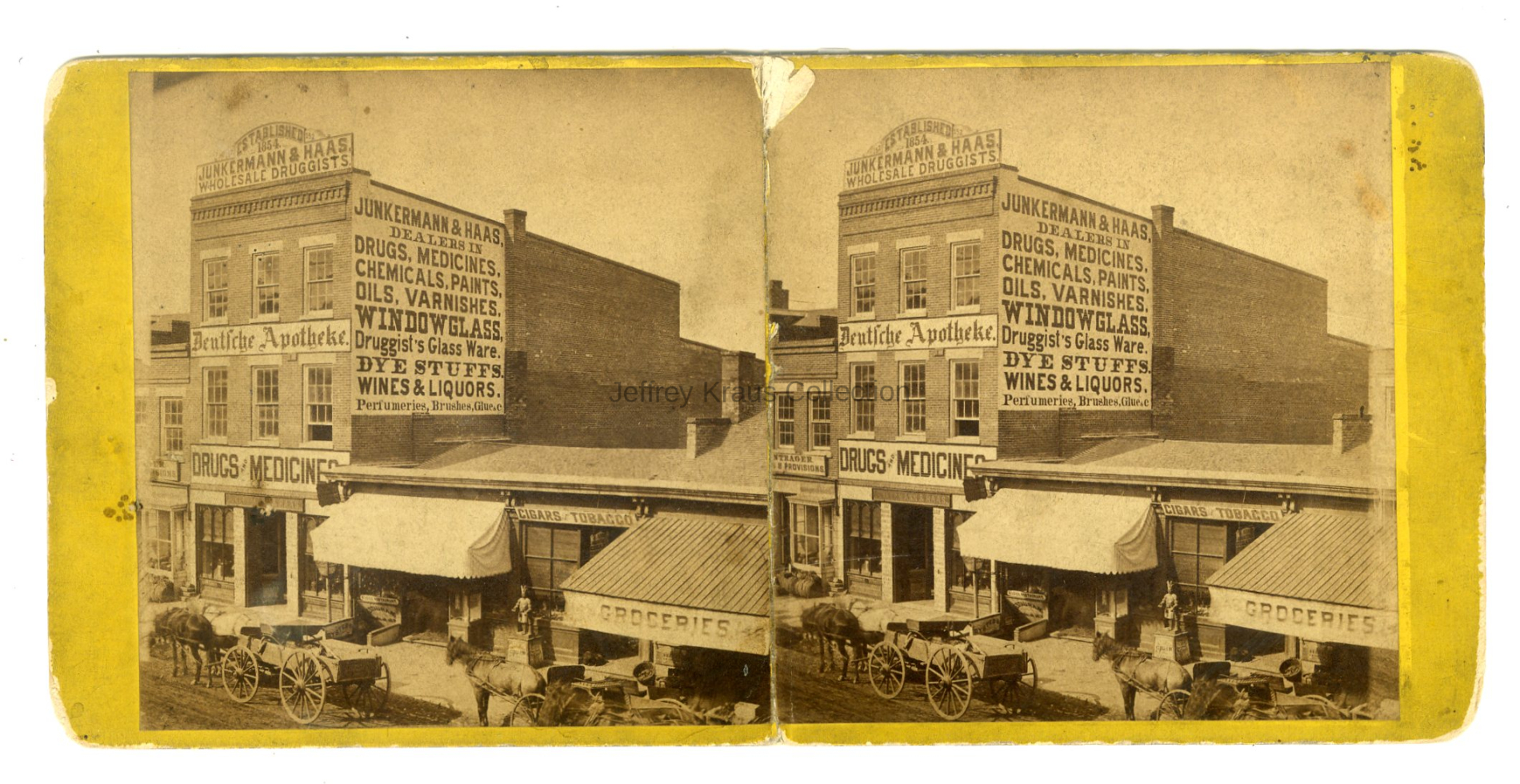
Oscar F. Rawson, Cigar Manufactory, Worcester, Mass.
44528.
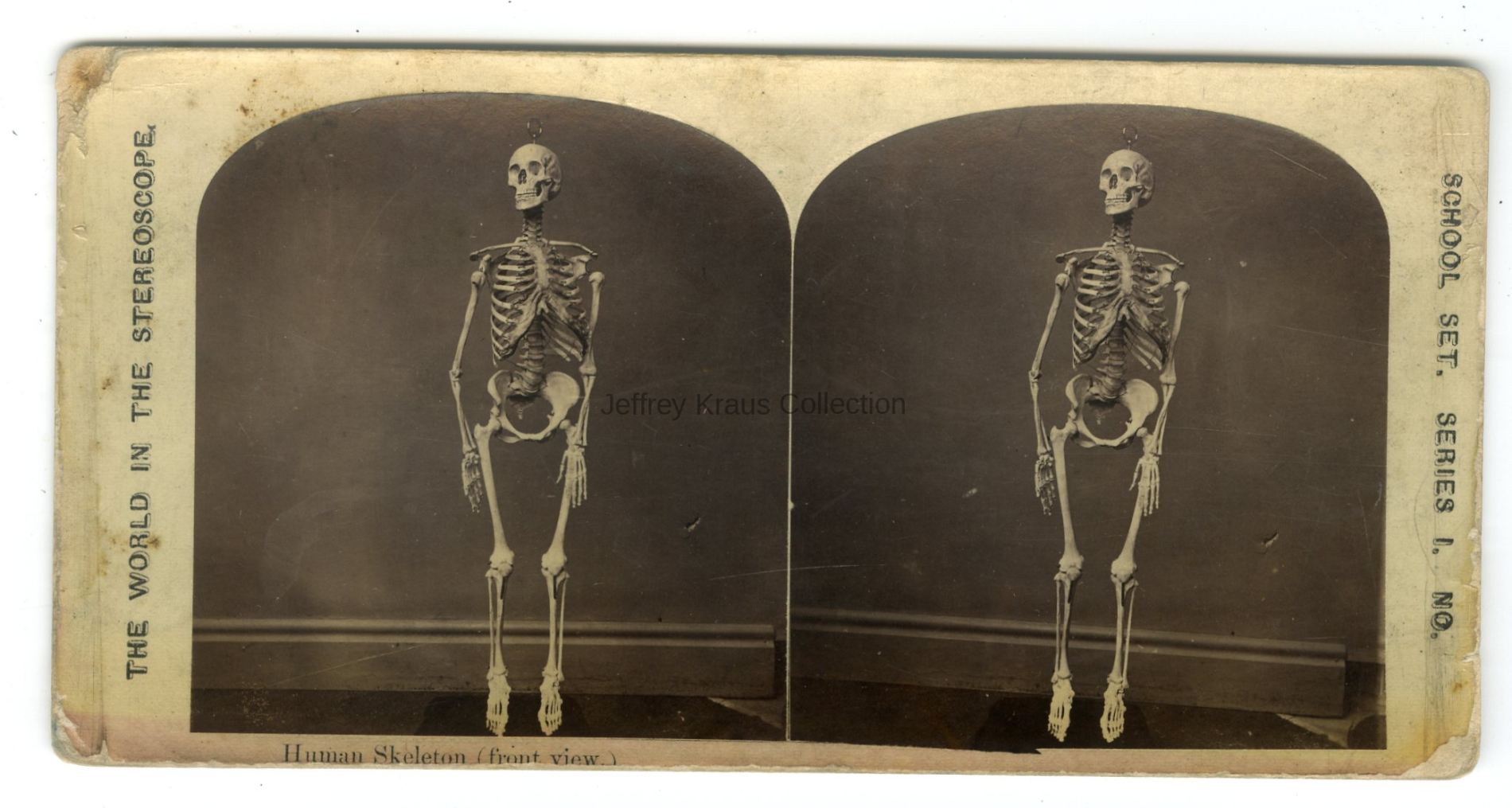
Human Skeleton (front view).
44530.
Dubuque, Iowa. Cigar Store Indian.
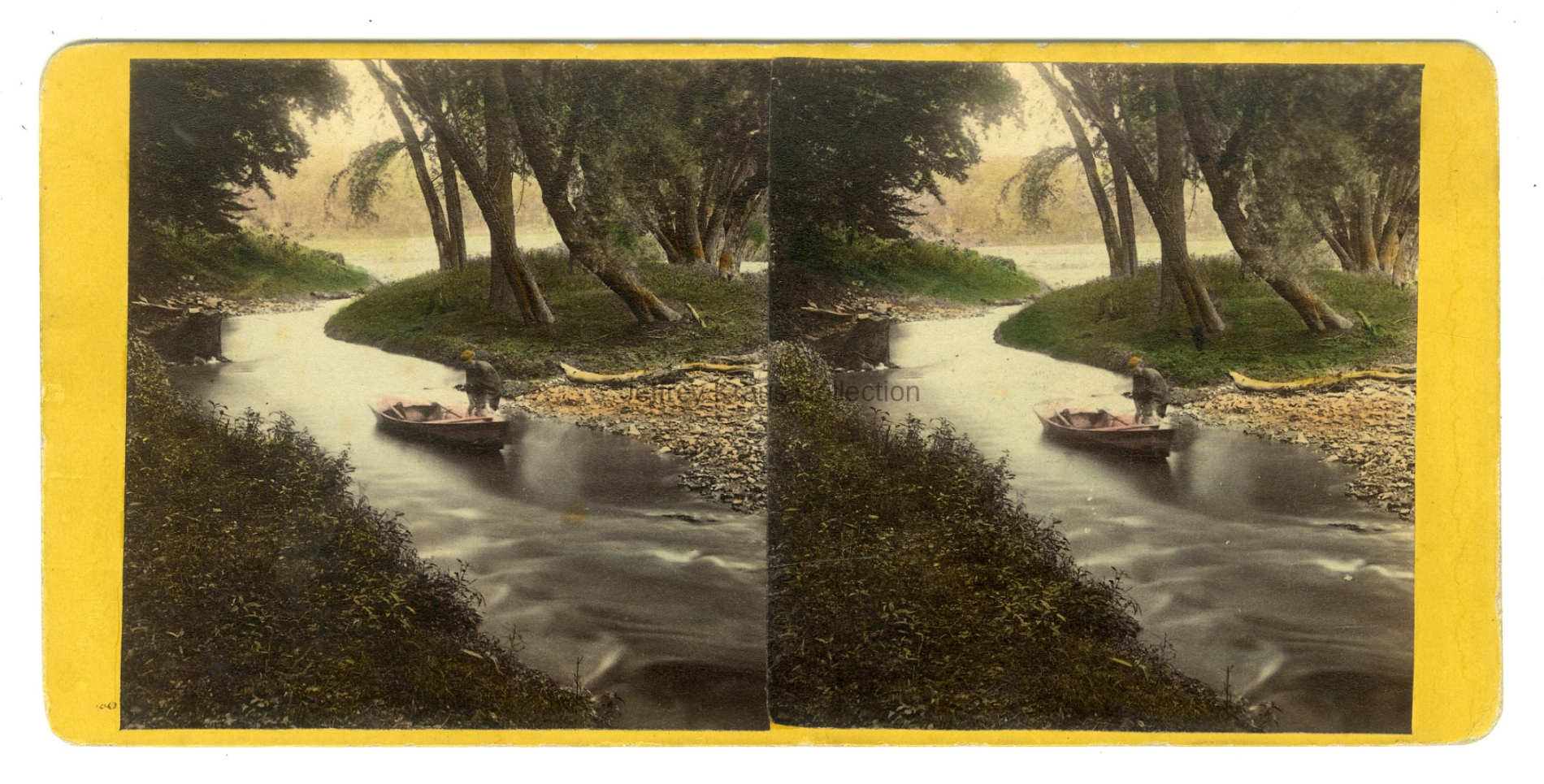
44531.
A Trip on the Catawissa. No. 215. Catawissa Island.
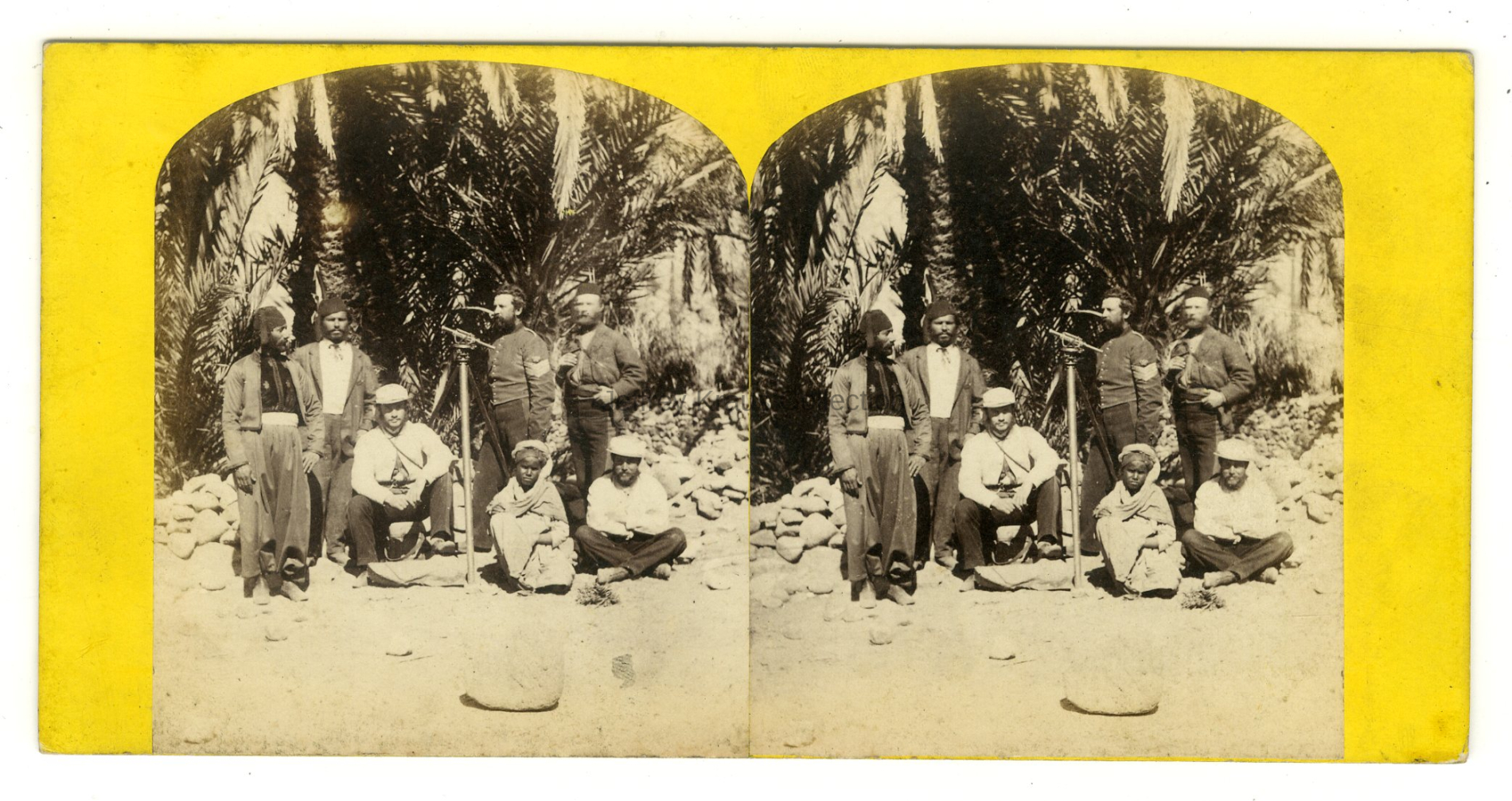
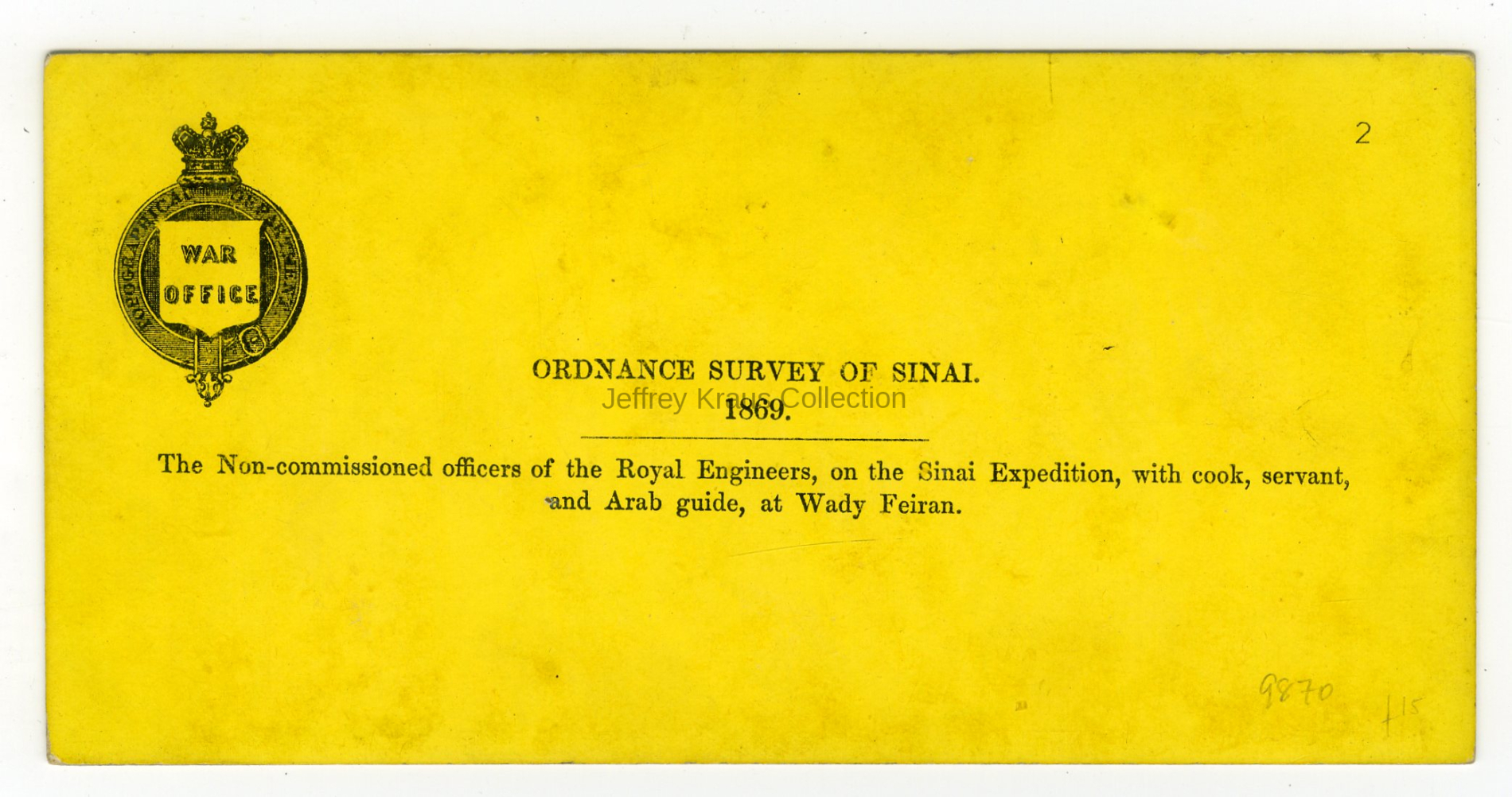
44535.
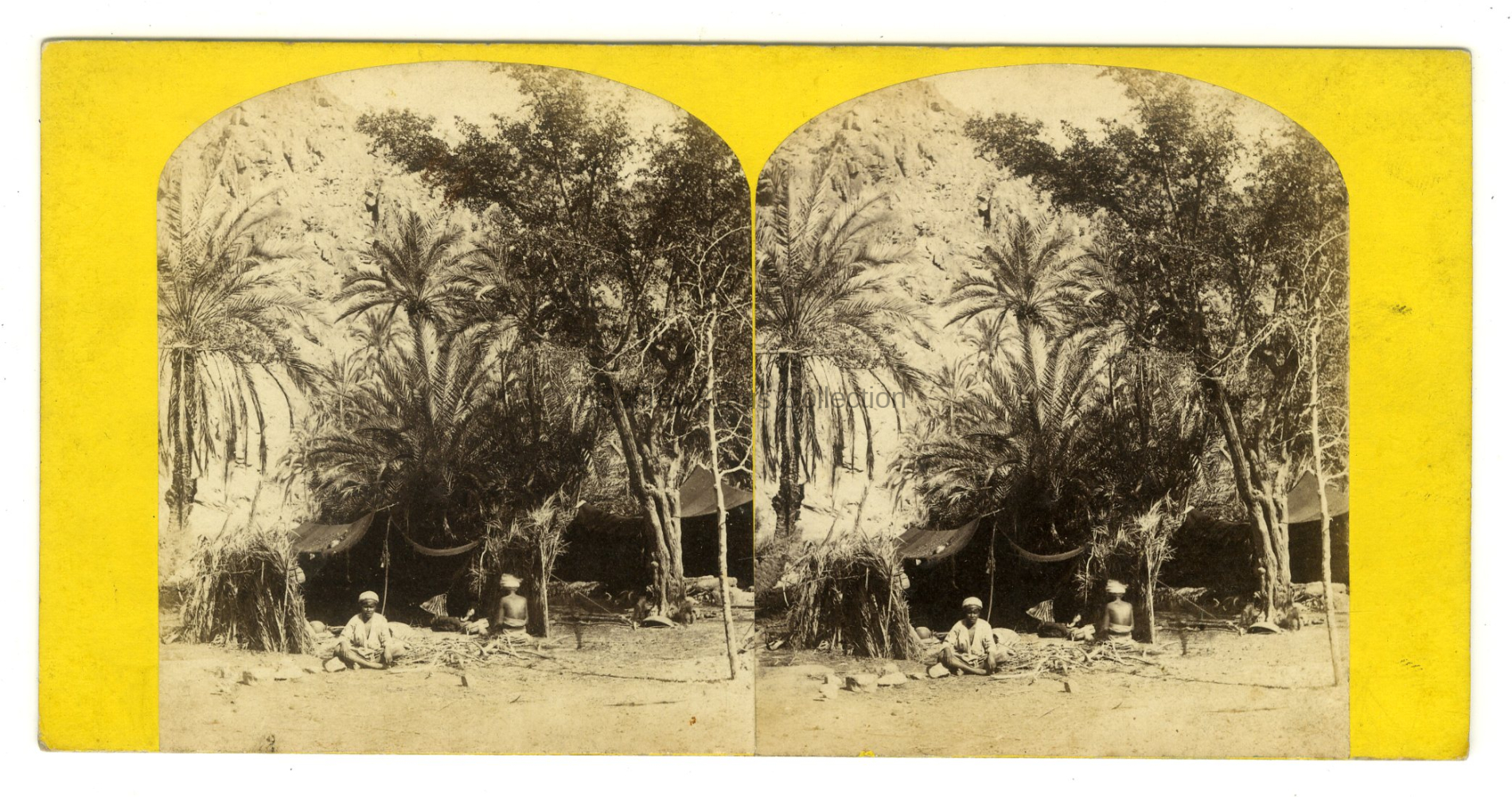
Ordnance Survey of Sinai. 1869. The Non-commissioned officers of the Royal Engineers, on the Sinai Expedition, with cook, servant, and Arab guide, at Wady Feiran.
44536.
Ordnance Survey of Sinai. 1869. Bedawin Encampment, Wady Feiran.
44540.
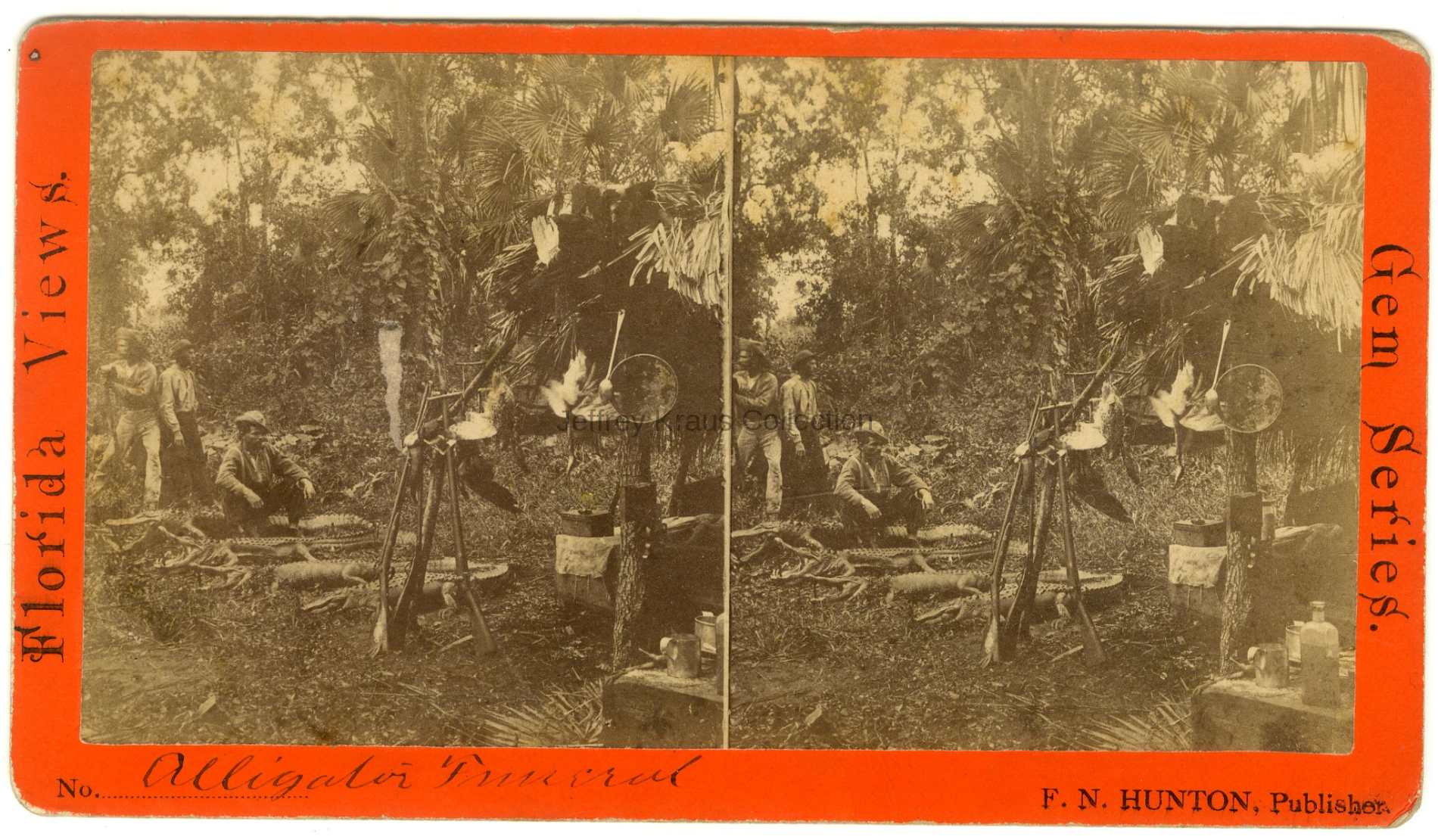
Alligator Funeral.


44567.
Sketches from my Log Book. The Emigrants’ Farewell.
44577.
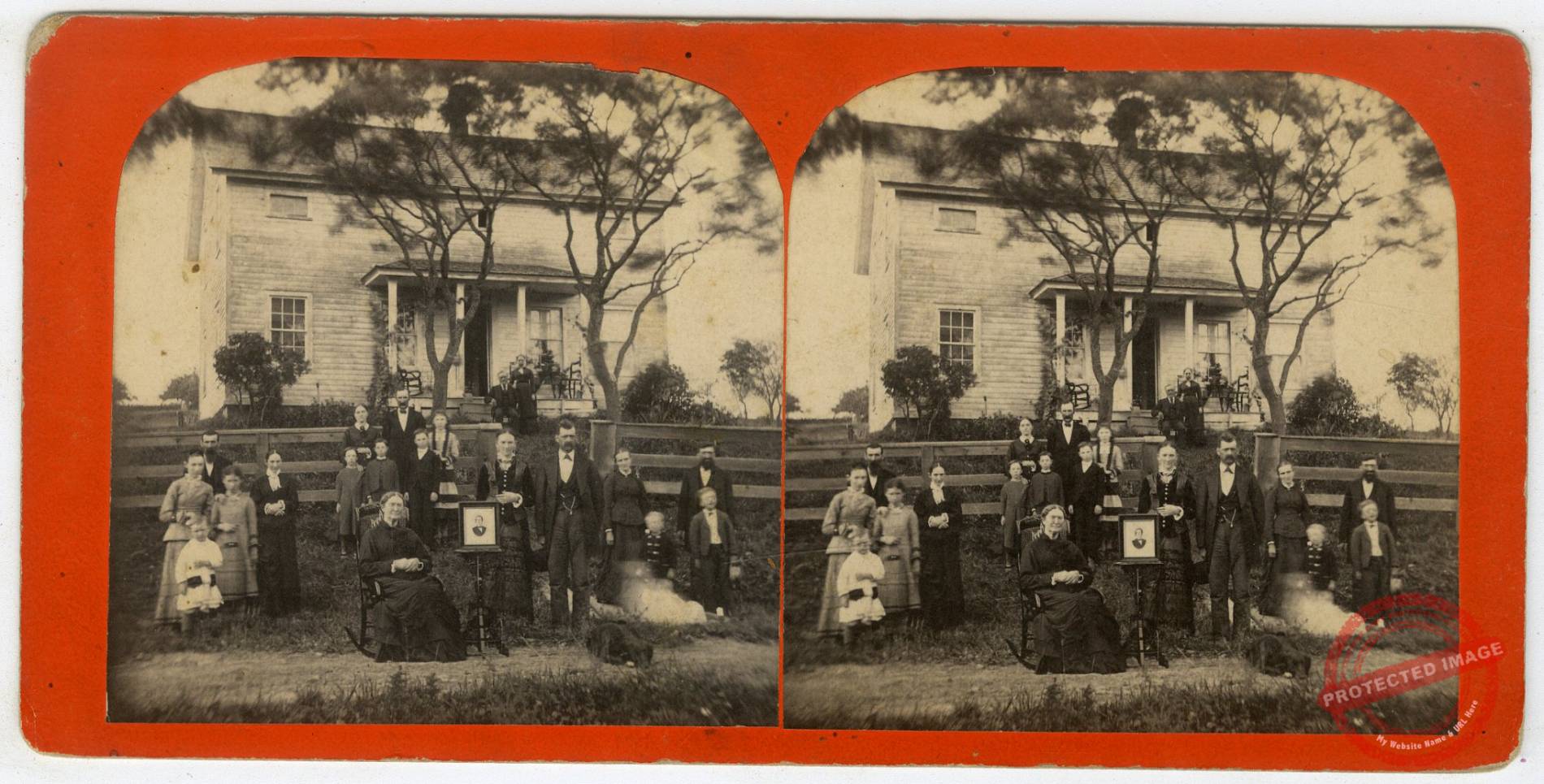
Family posed with a photograph of their deceased grandfather.
44582.
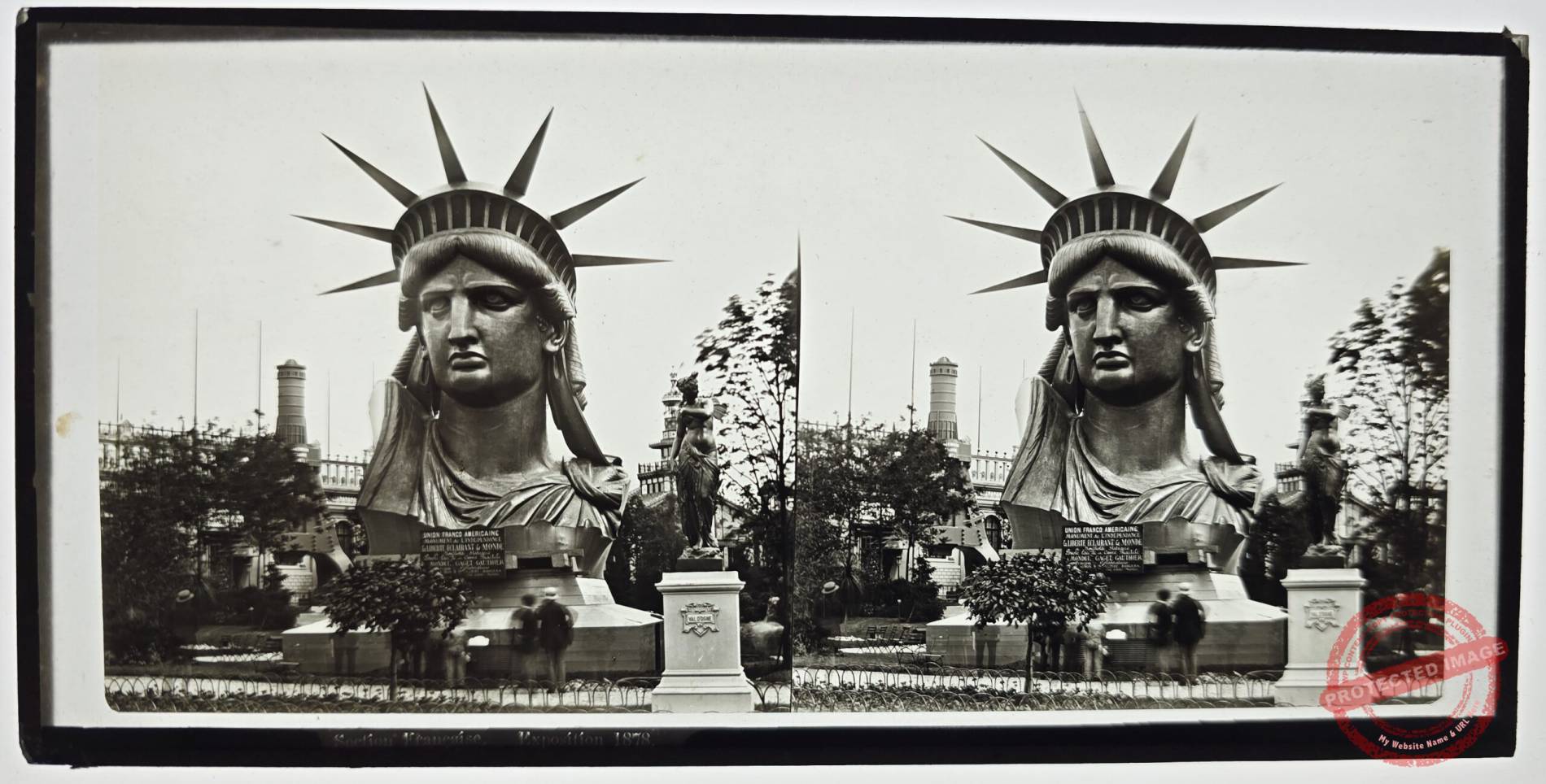
Section Francaise. Exposition 1878. This is the head of the Statue of Liberty on display in the Champs-de-Mars at the Exposition Universelle in Paris in 1878.
44591.
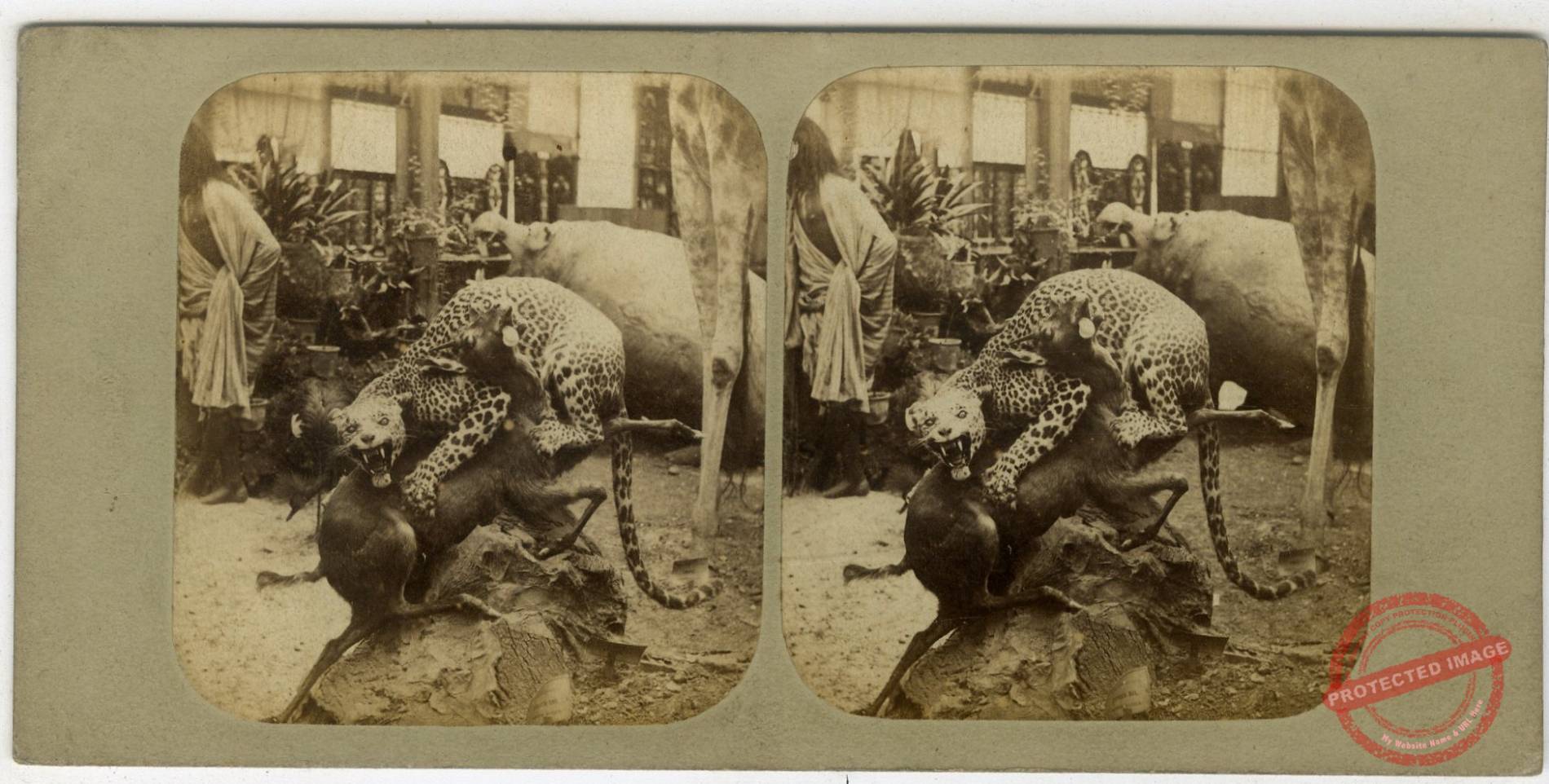
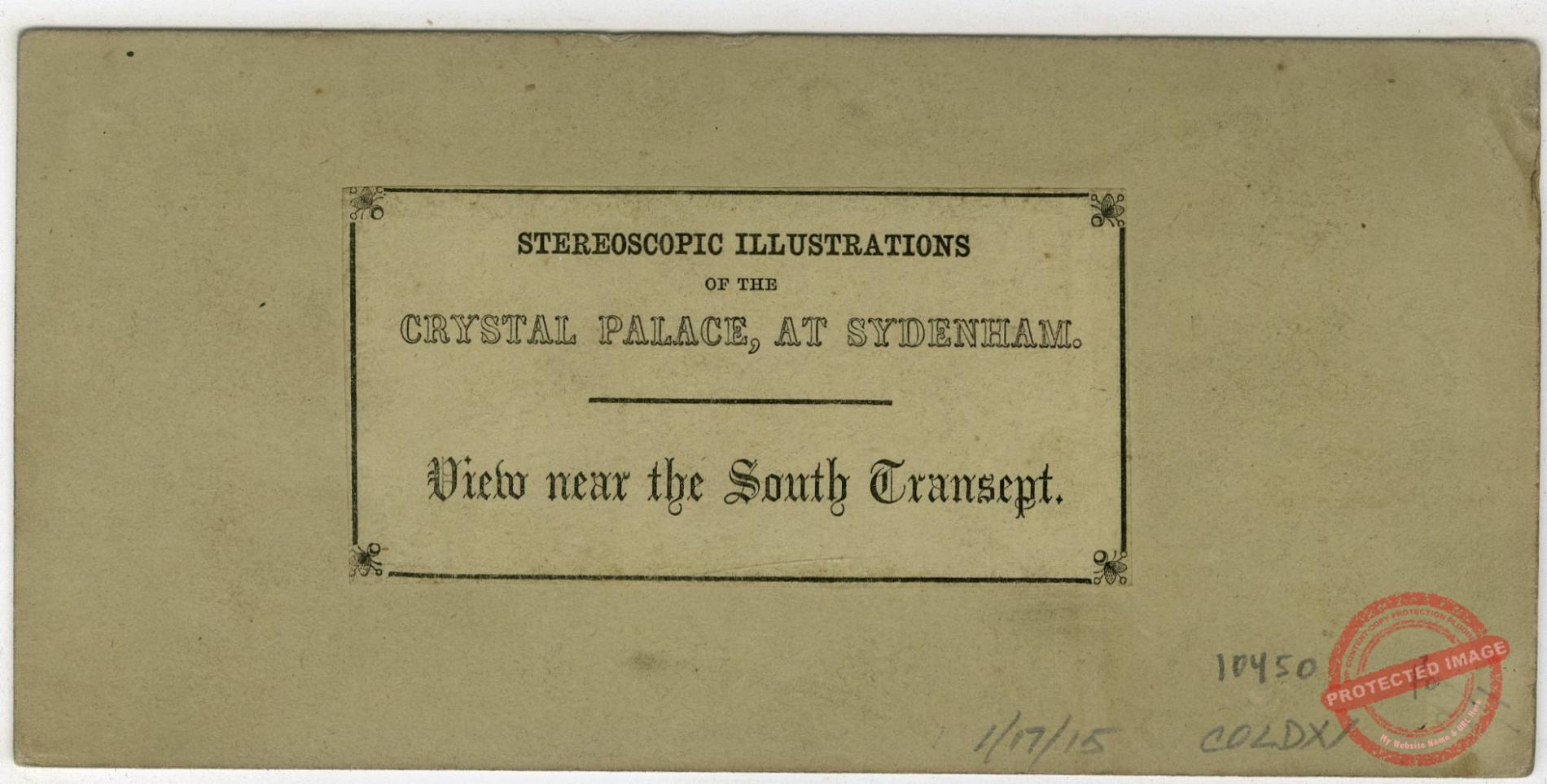
Stereoscopic Illustrations of the Crystal Palace, at Sydenham. View near the South Transept.
44600.
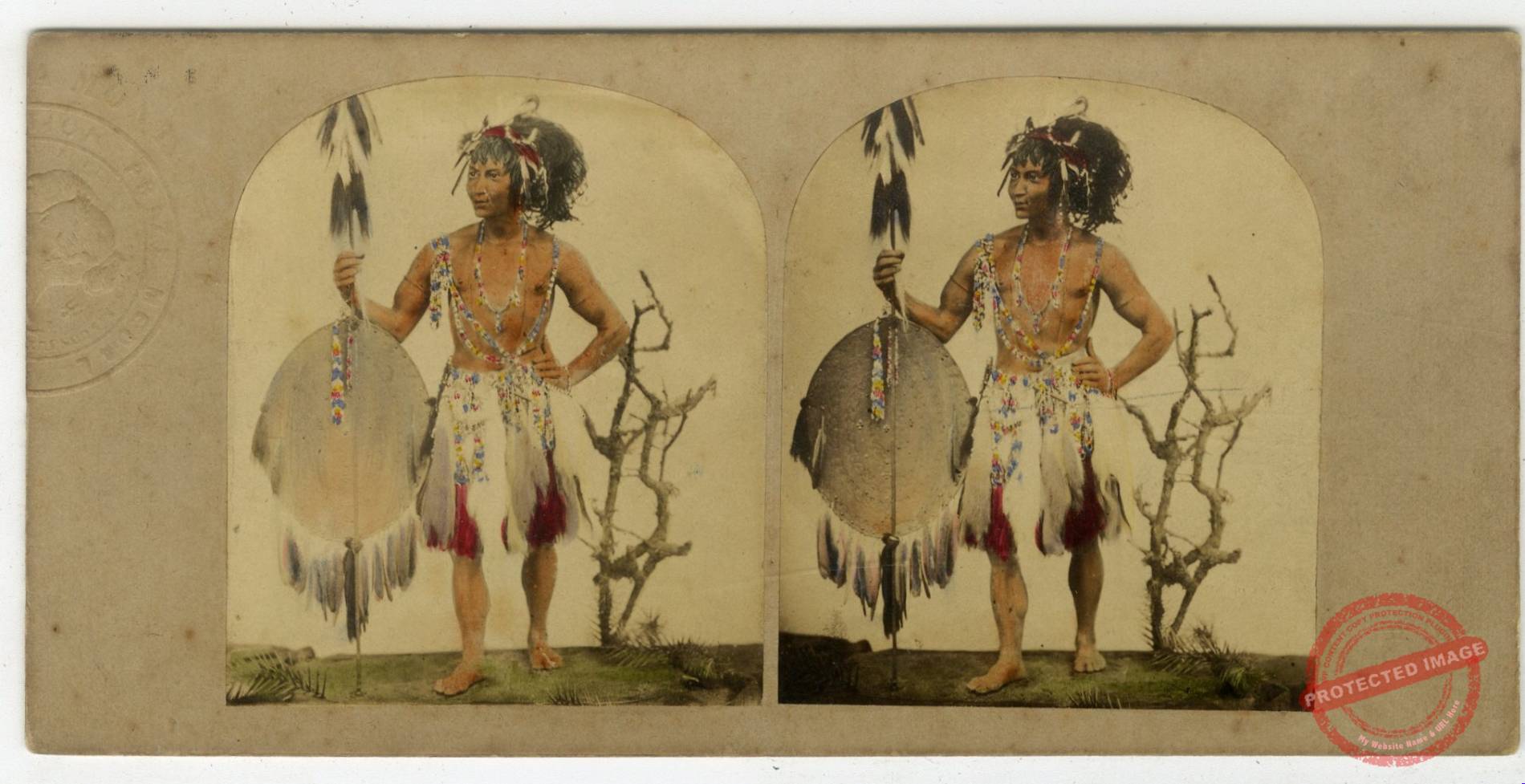
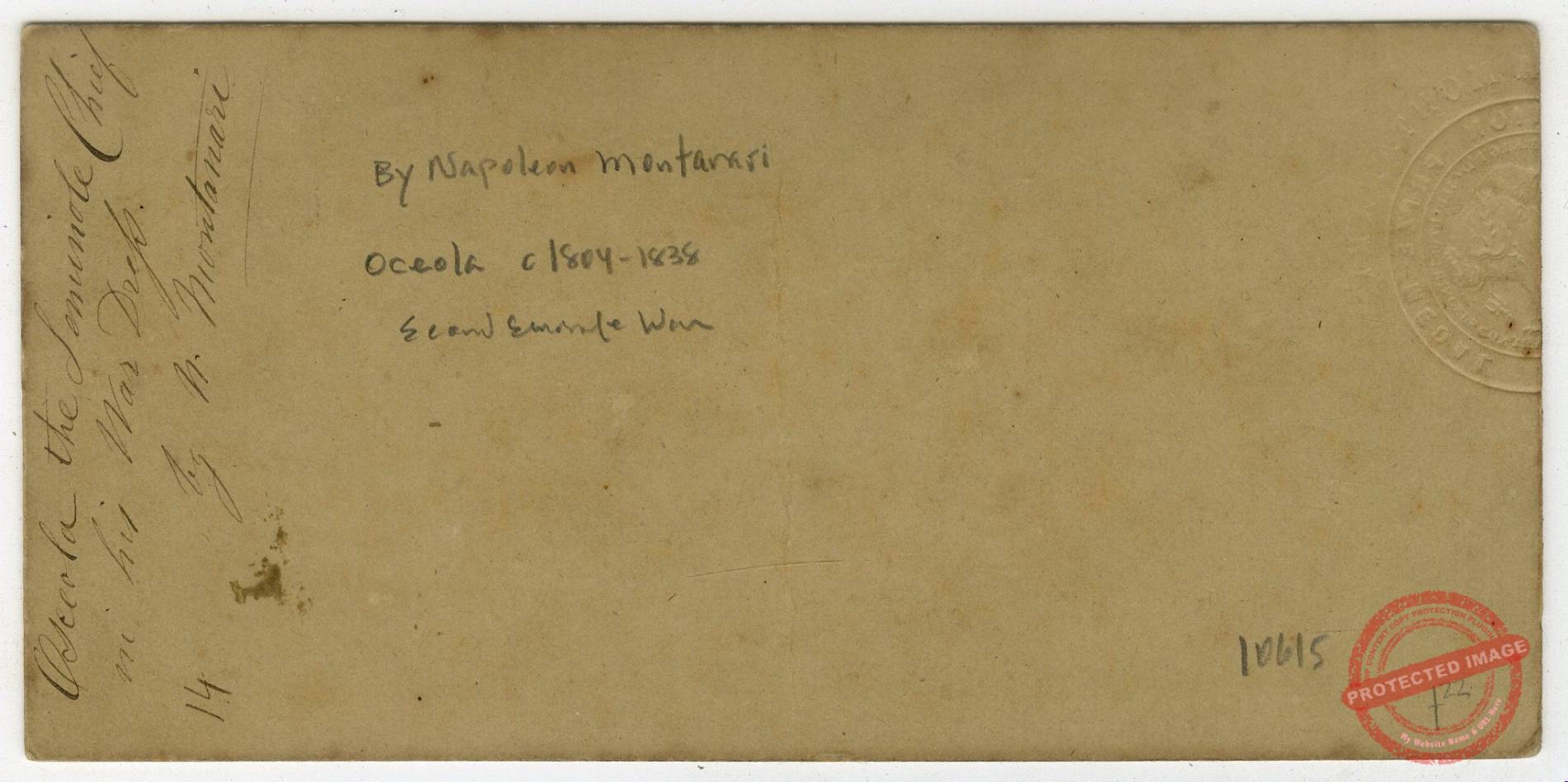
Oceola, the Seminole Chief in his War Dress, by Napoleon Montanari. Montanari was born circa 1813 in Boniface, Corsica. He was famous for his wax models and for doll making. He and his wife, Augusta were prize winners at the Great Exhibition of 1851. The couple were the biggest names in London’s luxury doll business in the second half of the nineteenth century. Their skilled wax modelling and attention to detail was much admired but the high cost of their dolls was often criticized. Dolls representing Queen Victoria and her children were hugely popular in the mid 19th century. Known as ‘model’ dolls they were purchased as objects to be admired, rather than played with. The Montanaris sold their goods in the fancy goods market in Soho Square. The hugely popular Soho Bazaar was owned and built by John Trotter, who had made his fortune supplying the British Army during the Napoleonic Wars. Concerned with the financial distress of the widows and daughters of Army Officers and anxious to stop the country from pouring ‘its happy and innocent virgins into the common sink of London’ he converted one of his warehouses into an indoor market for the encouragement of Female and Domestic Industry. Here, from 1816 widows and young women could sell homemade goods such as gloves, lace and jewelery and earn an income. As the Bazaar became more successful so the range of goods on sale increased and it moved away from its original purpose and became open to more professional manufacturers such as the Montanaris. The business thrived for many years but finally closed in the 1880s. This view has a prize medal blindstamp in the left margin.
44602.
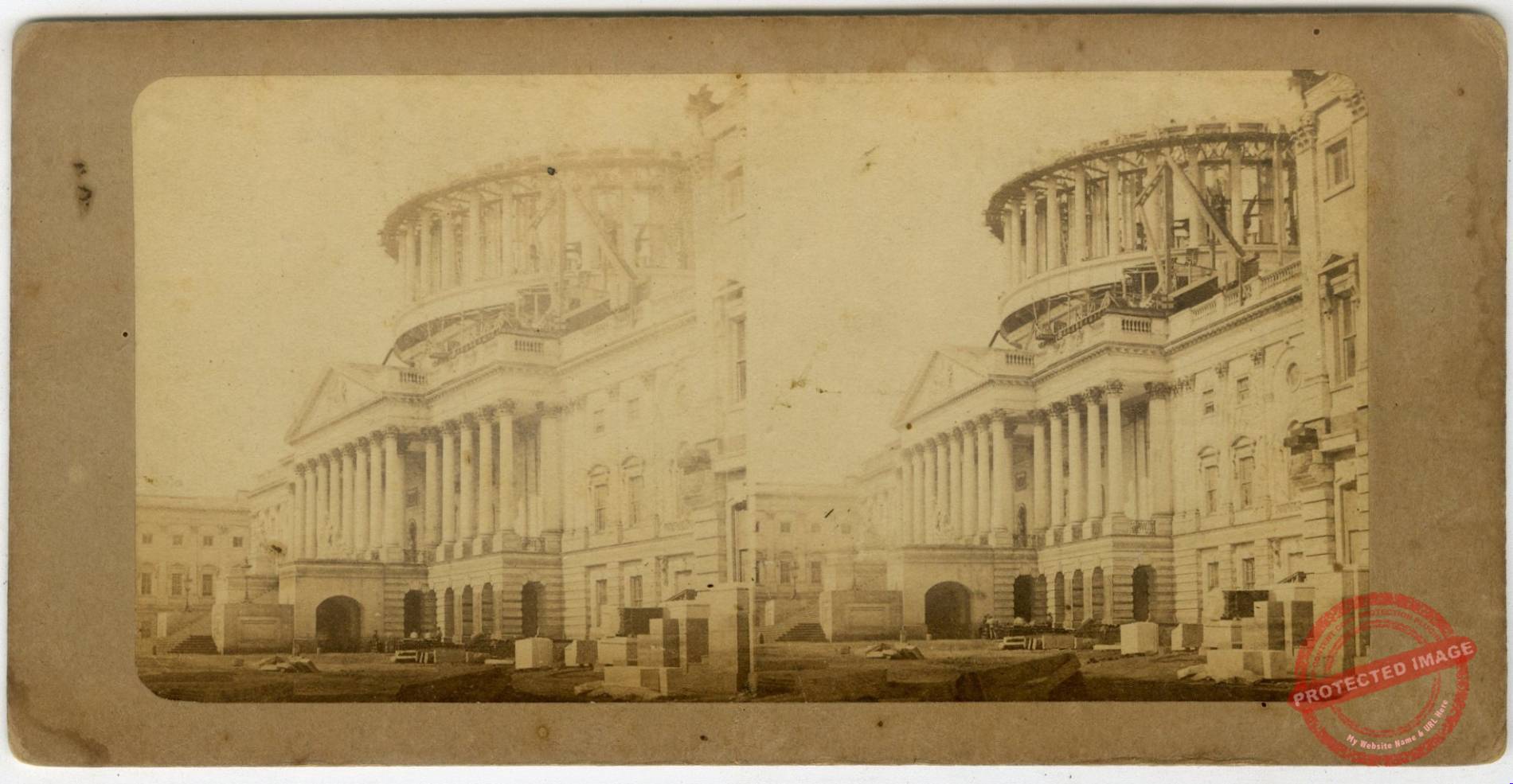
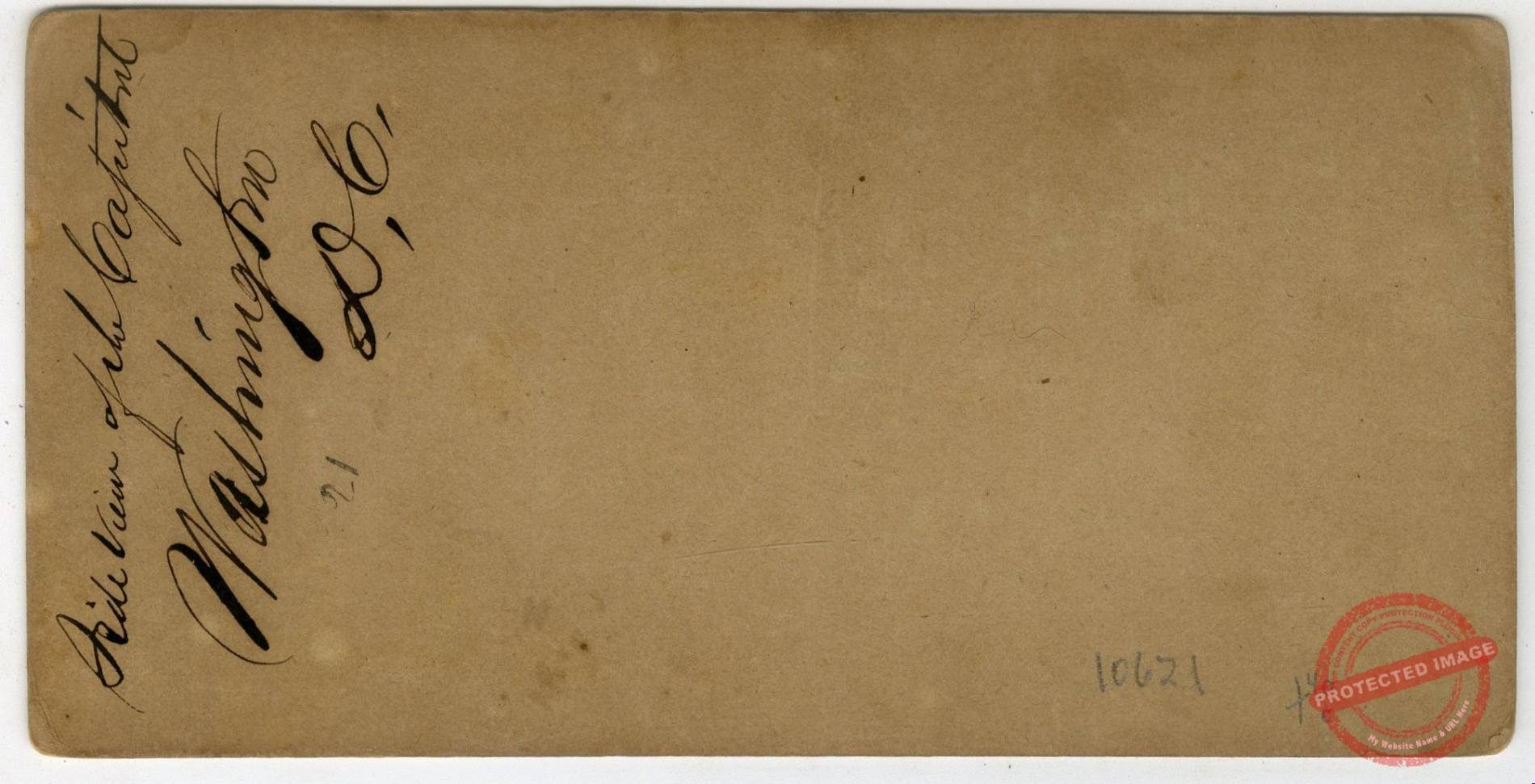
Side View of the Capitol, under Construction, Washington, D.C.
44612.
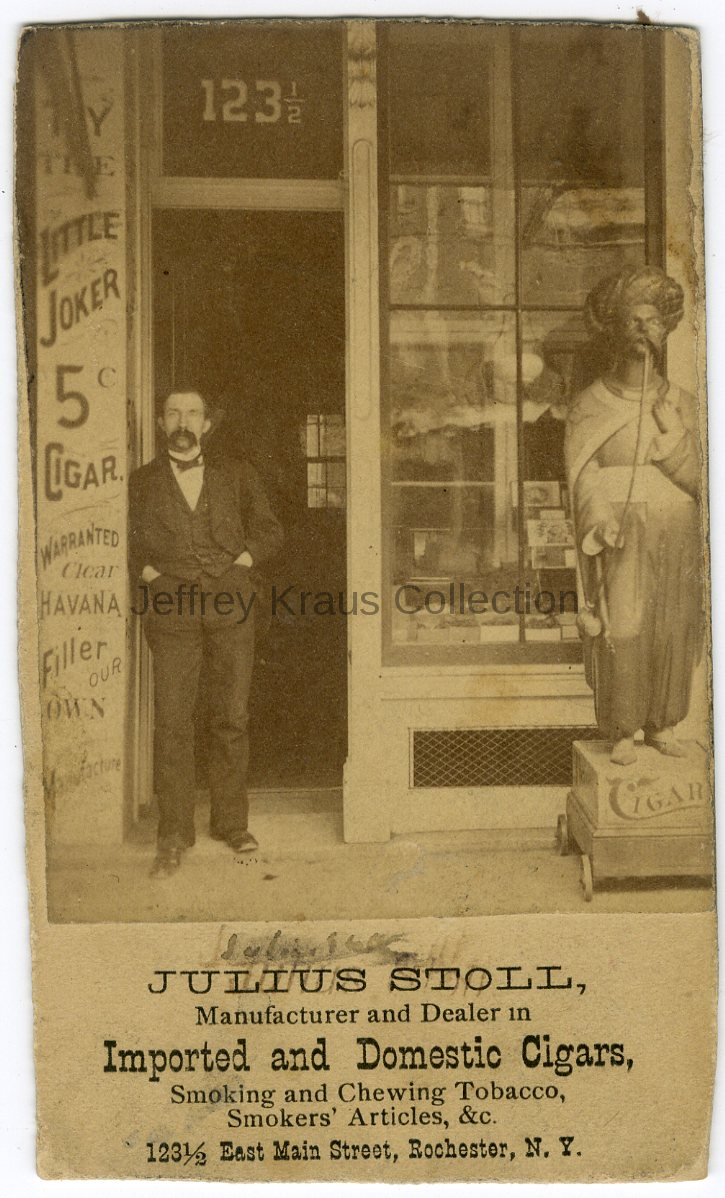
Julius Stoll, Manufacturer and Dealer in Imported and Domestic Cigars, Smoking and Chewing Tobacco, Smokers’ Articles, &c. 123 1/2 East main Street, Rochester, N.Y.
44620.
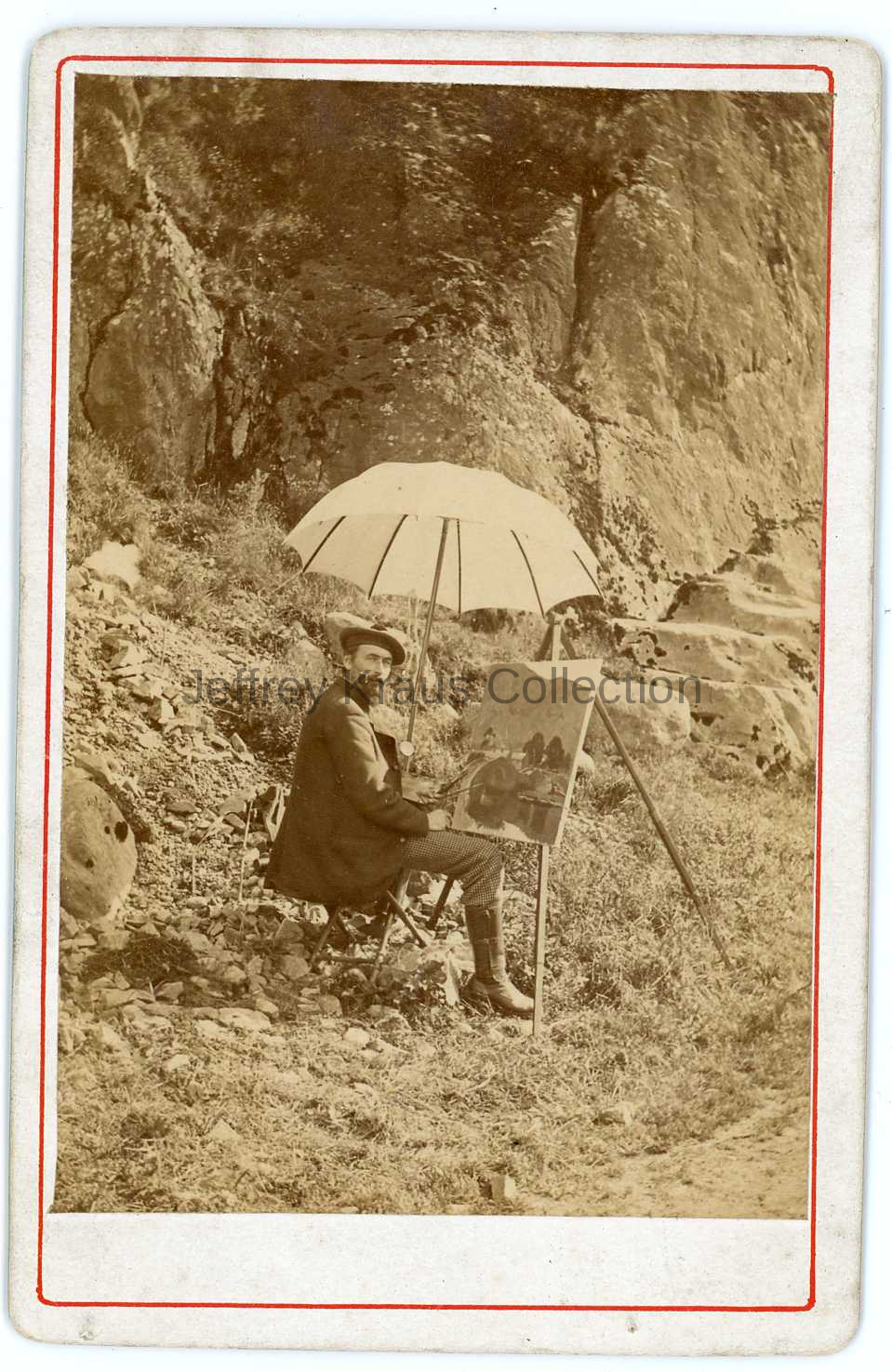
Painter en plein air.
44666.
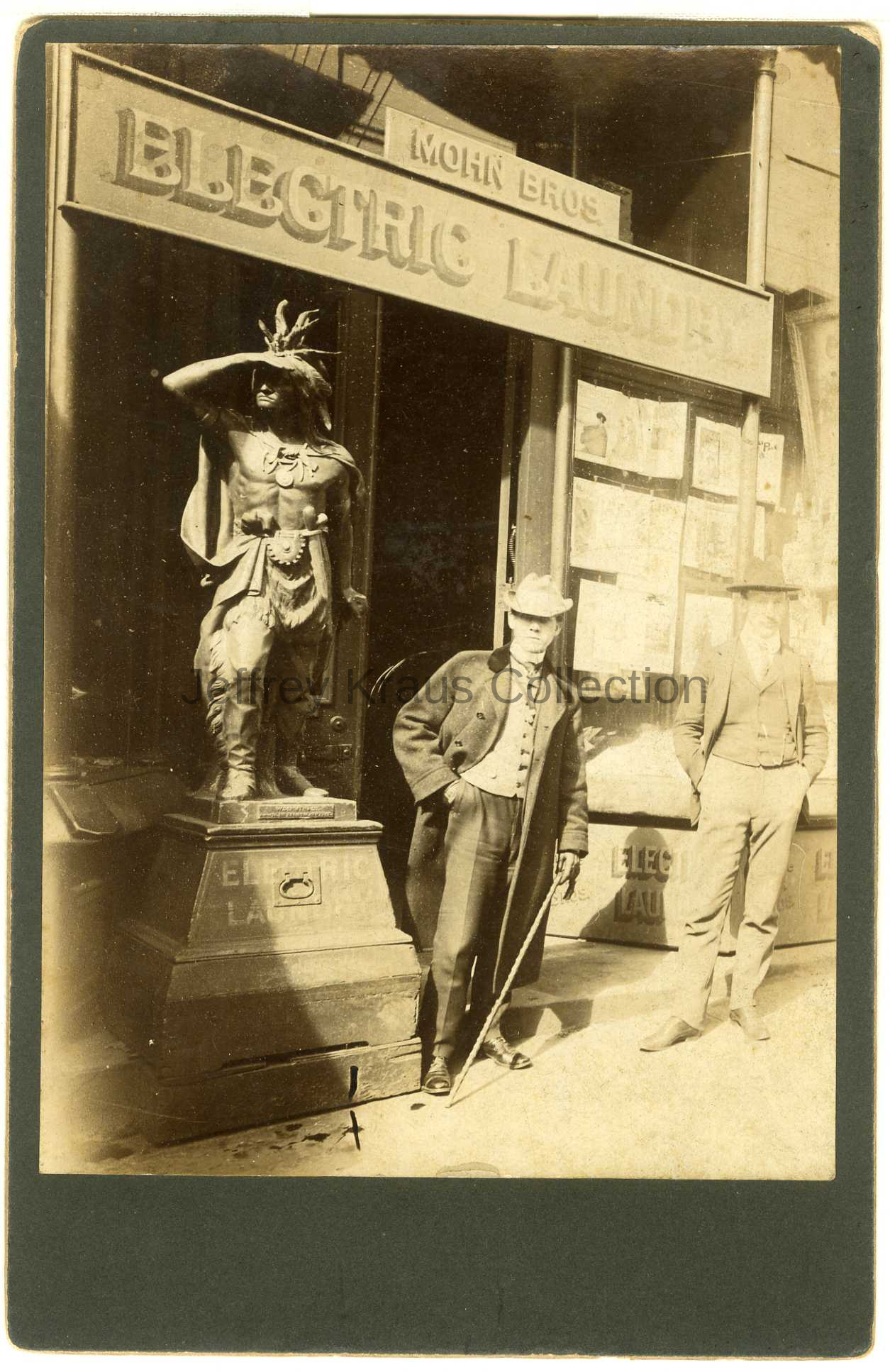
Mohn Bros. Electric Laundry, Pittsburgh. Native-American figure out front. This “Captain Jack cigar store Indian” was made by Wm. Demuth & Co., NY, circa 1875. It is made of hollow cast zinc, not wood. See this video.

44667.
Cigar Factory No. 44 18th Dist. of Ohio. Cigar store Indian with workers.
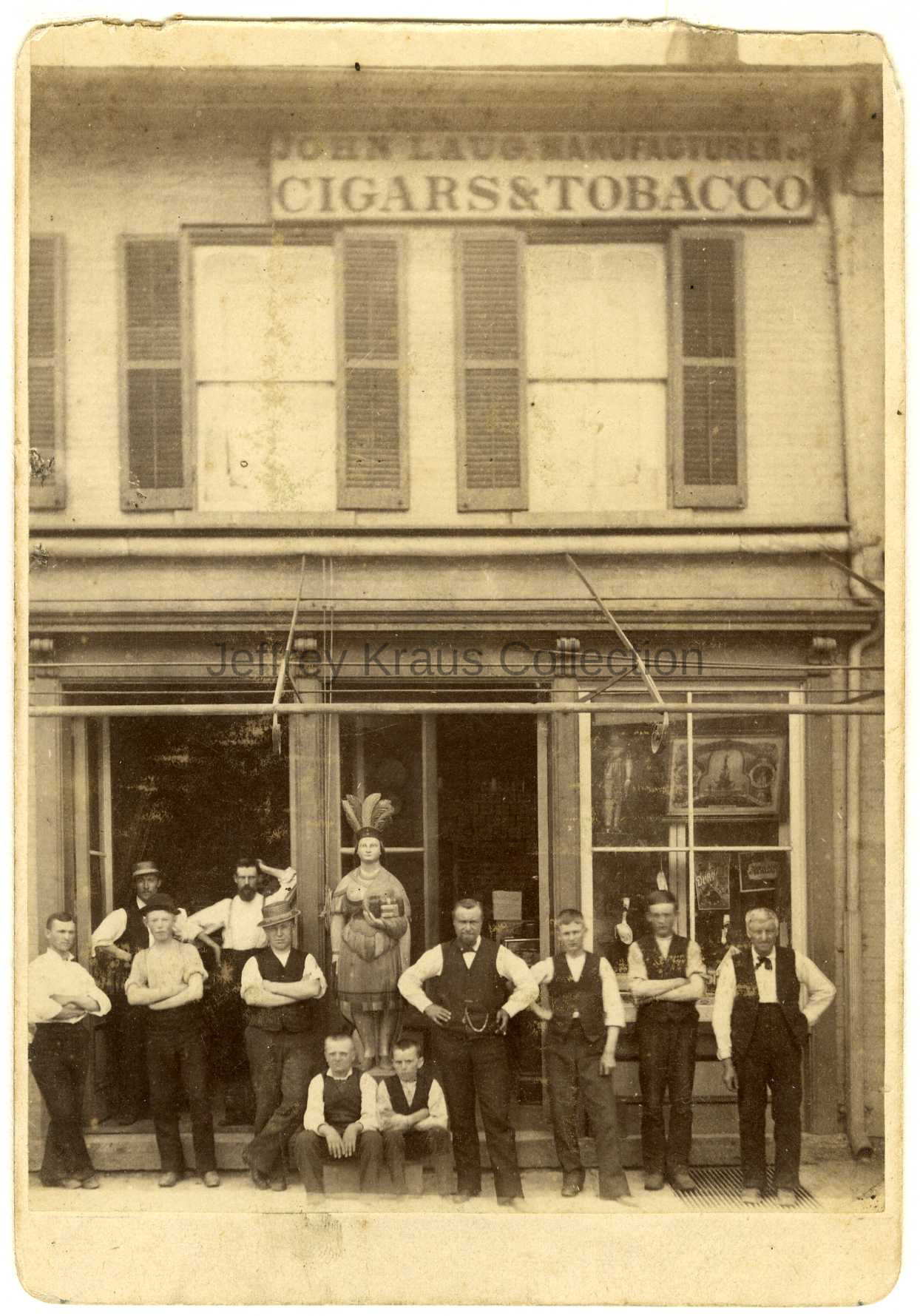
44669.
John Laug, Manufacturer of Cigars & Tobacco. Employees posed with cigar store Indian.
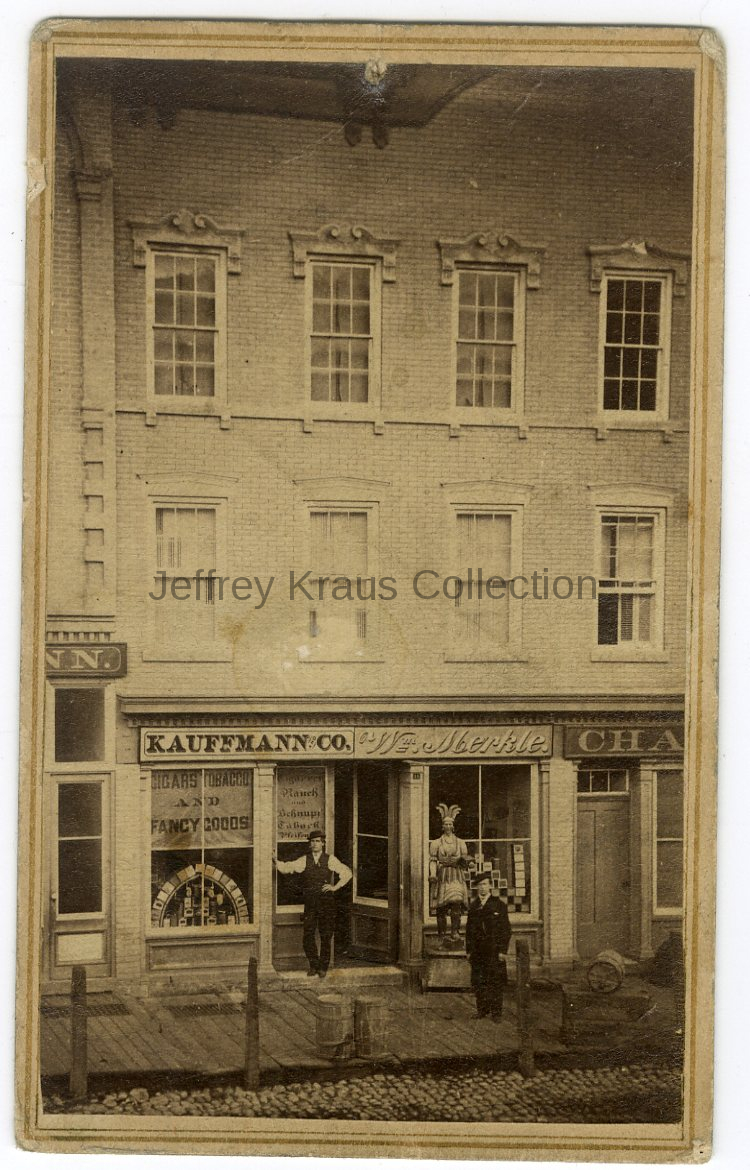
44681.
Kauffman & Co. Cigars, Tobacco and Fancy Goods.
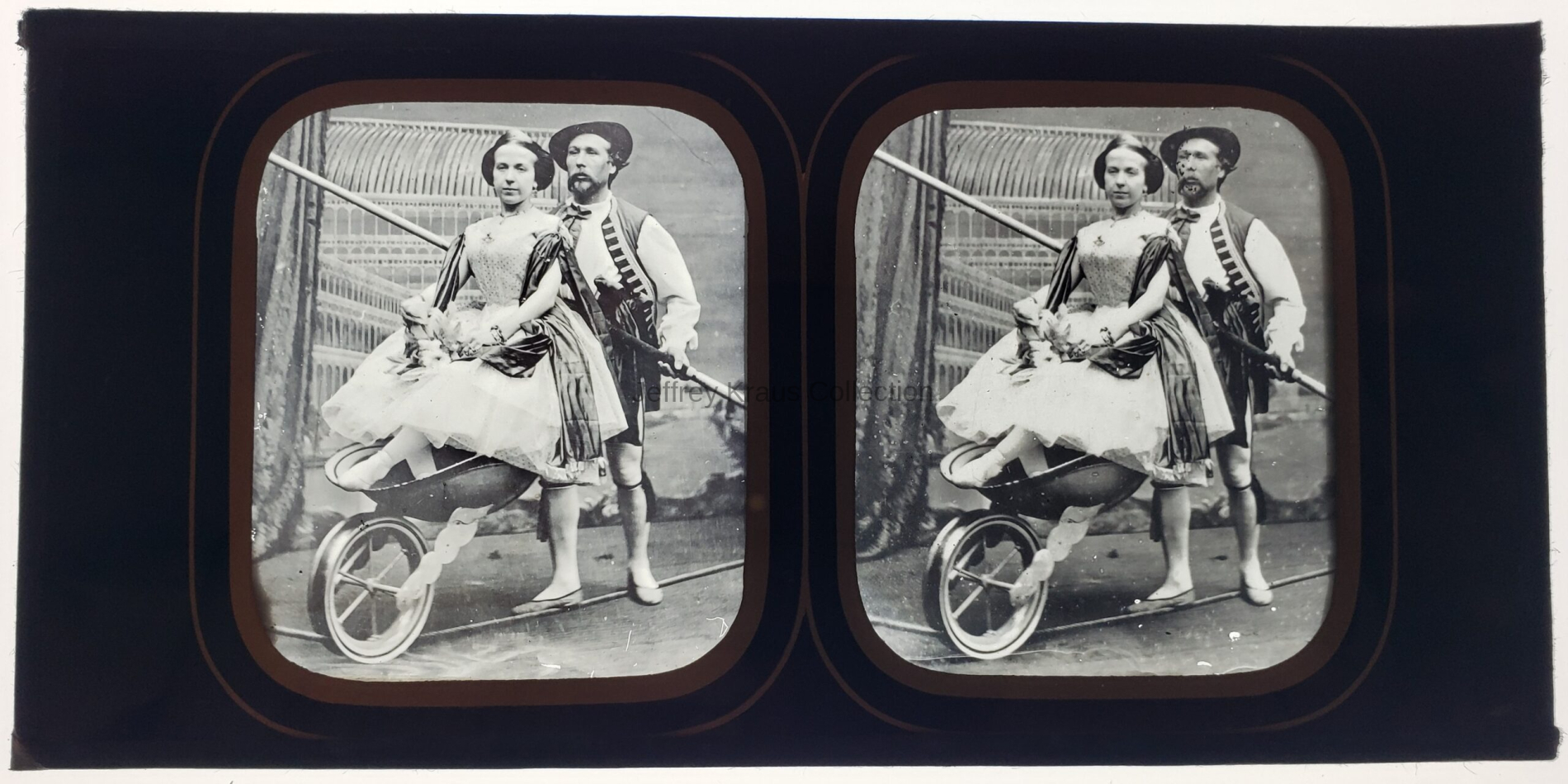
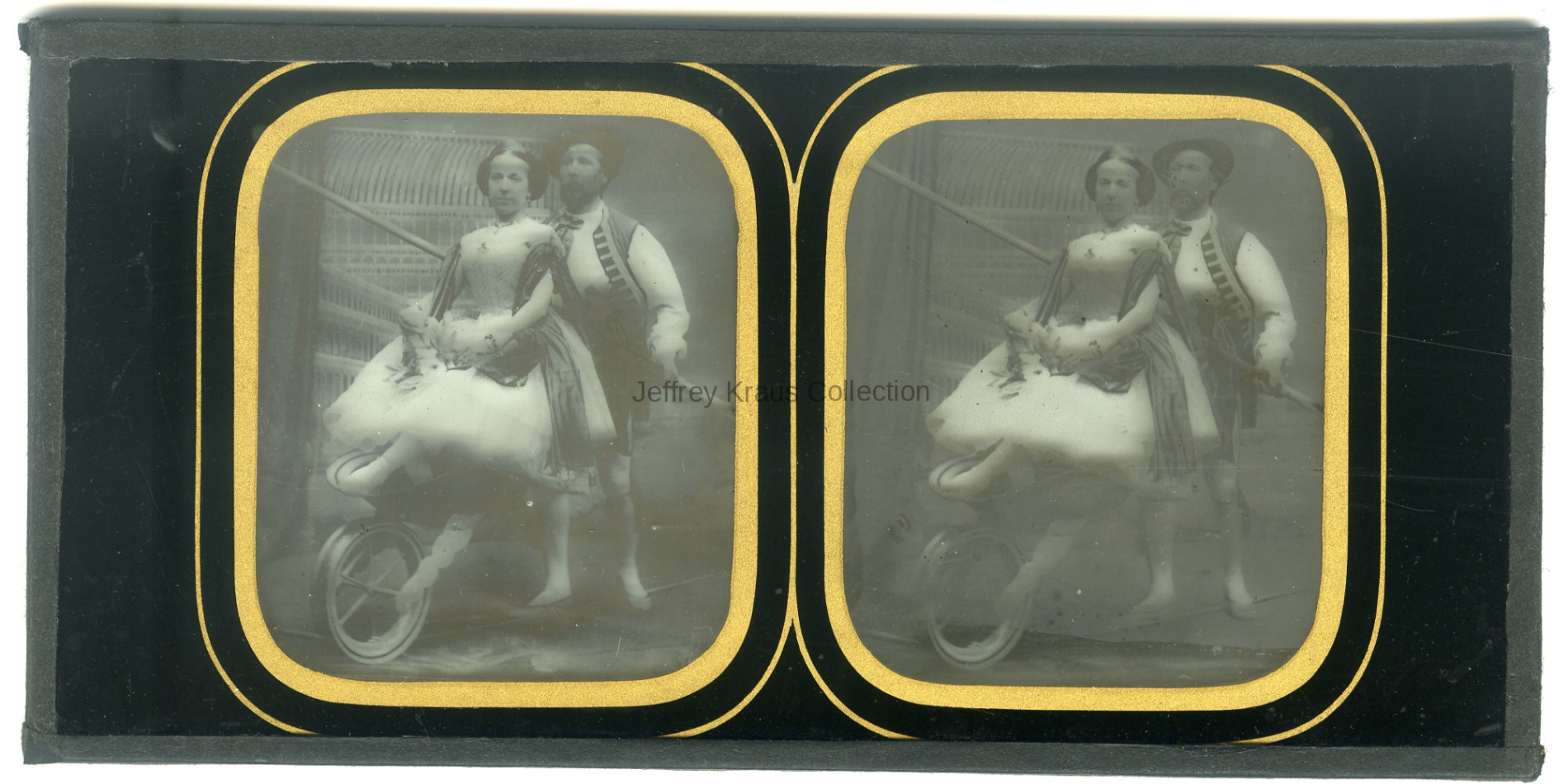
50478.
Blondin with Woman in Wheelbarrow in studio pose.
50497.
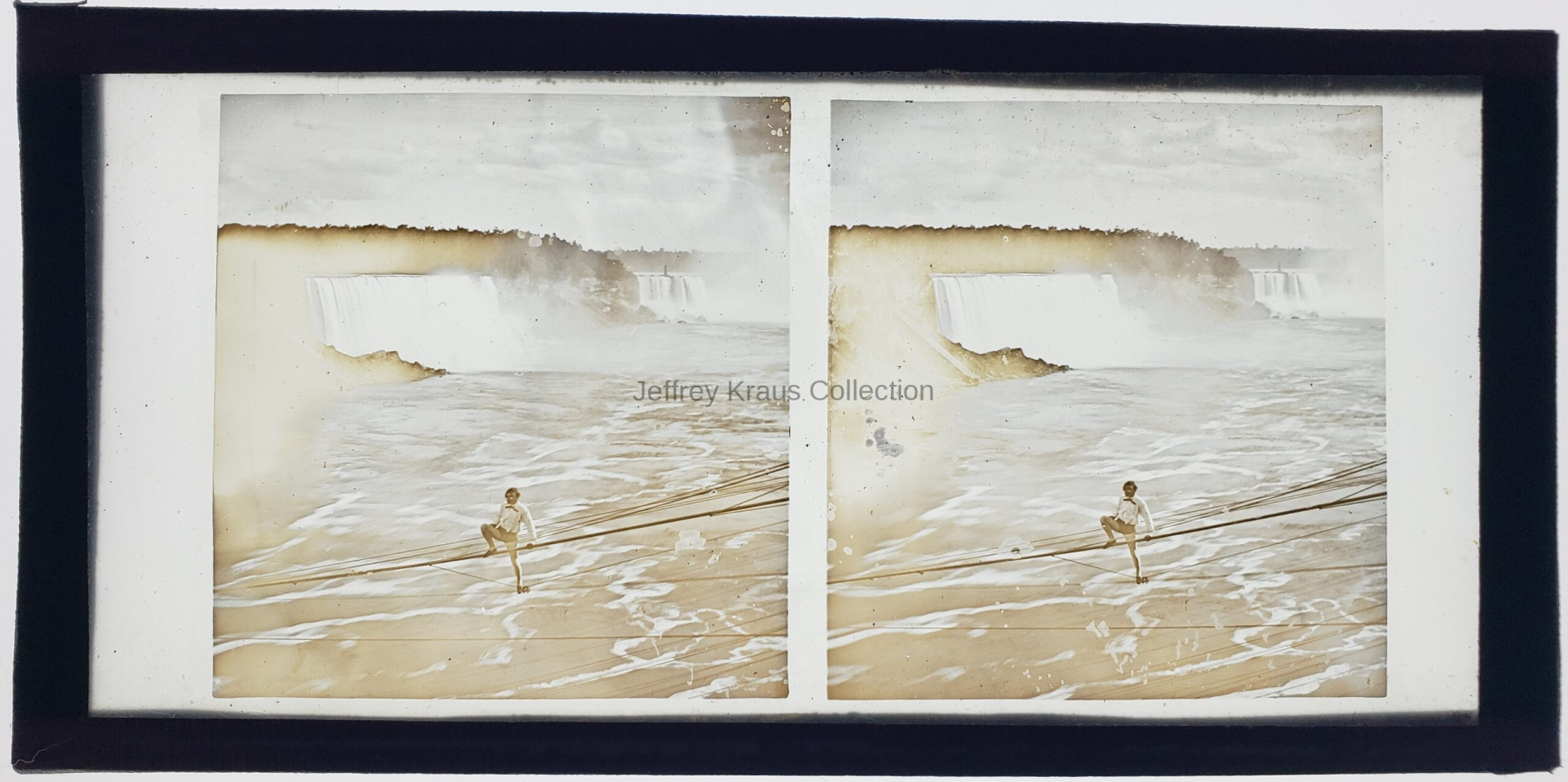
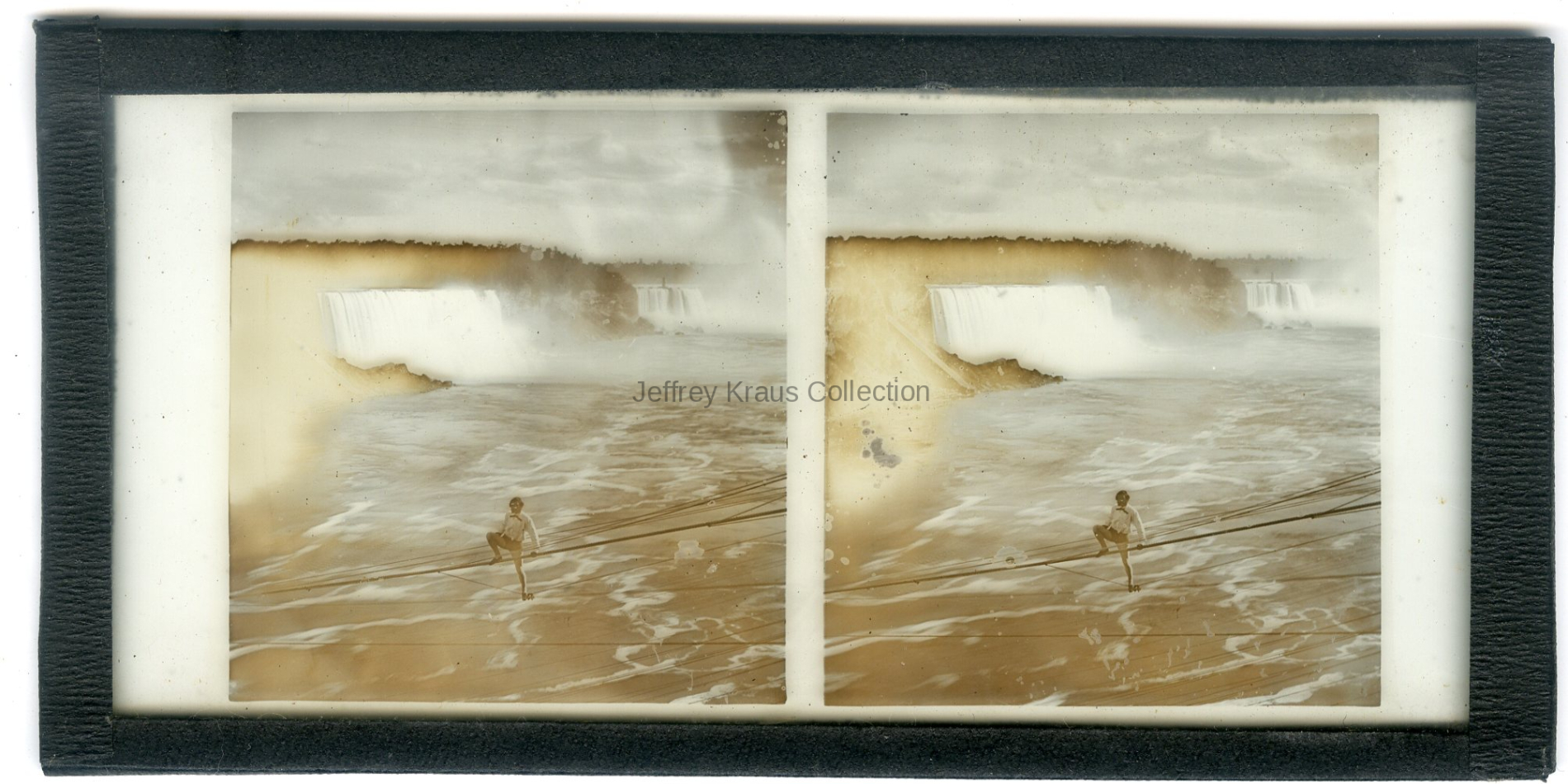
Blondin on the high wire.