13046.
New York House of Refuge, Randall’s Island. The Front Stoop.

New York House of Refuge, Randall’s Island. The Front Stoop.
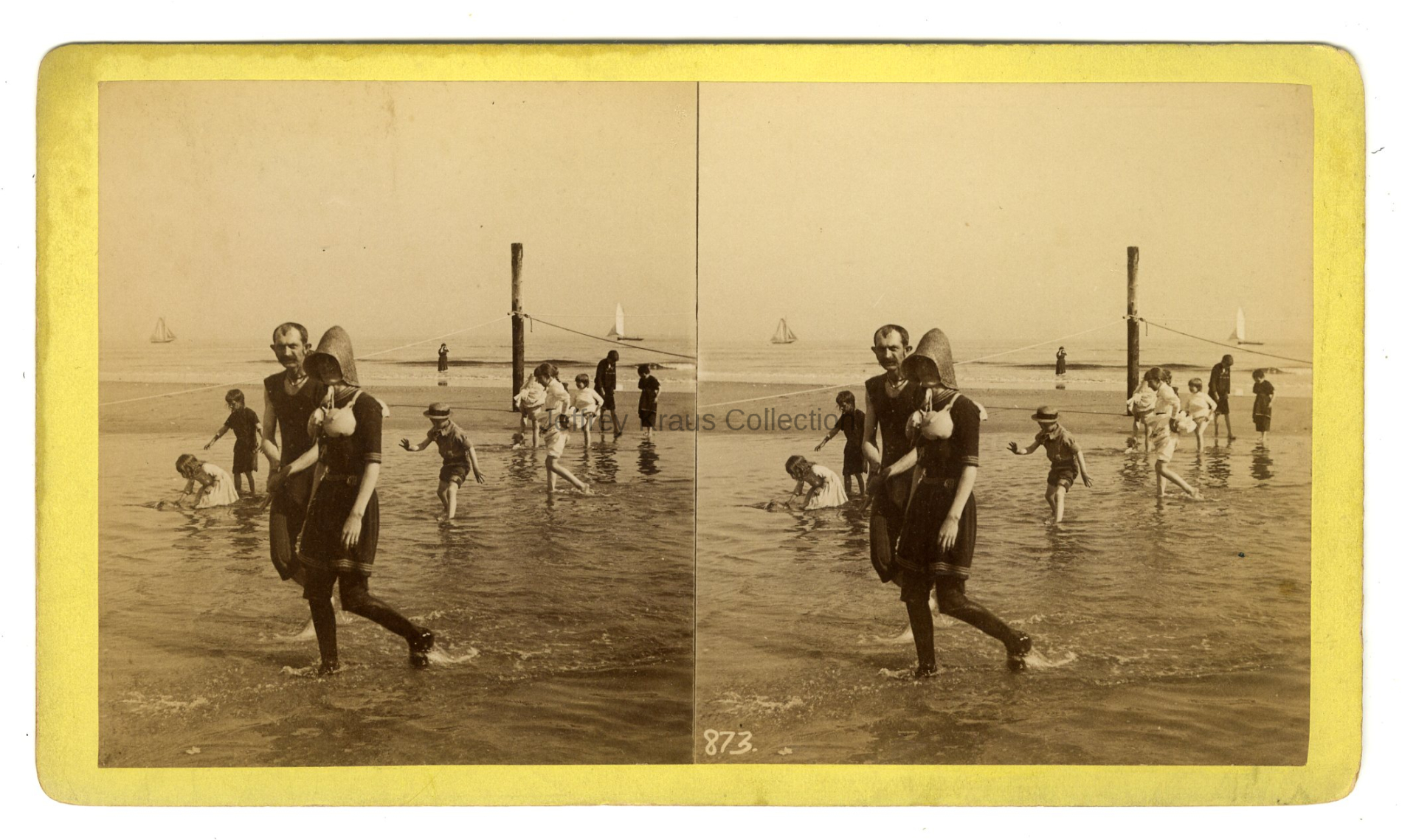
873. Coney Island. Stamp of Wm. B. Holmes on verso, where this view was purchased.
New York House of Refuge, Randall’s Island. The Chaplain’s Library. The chaplain at this time was Bradford K. Pierce and that is probably him at center.
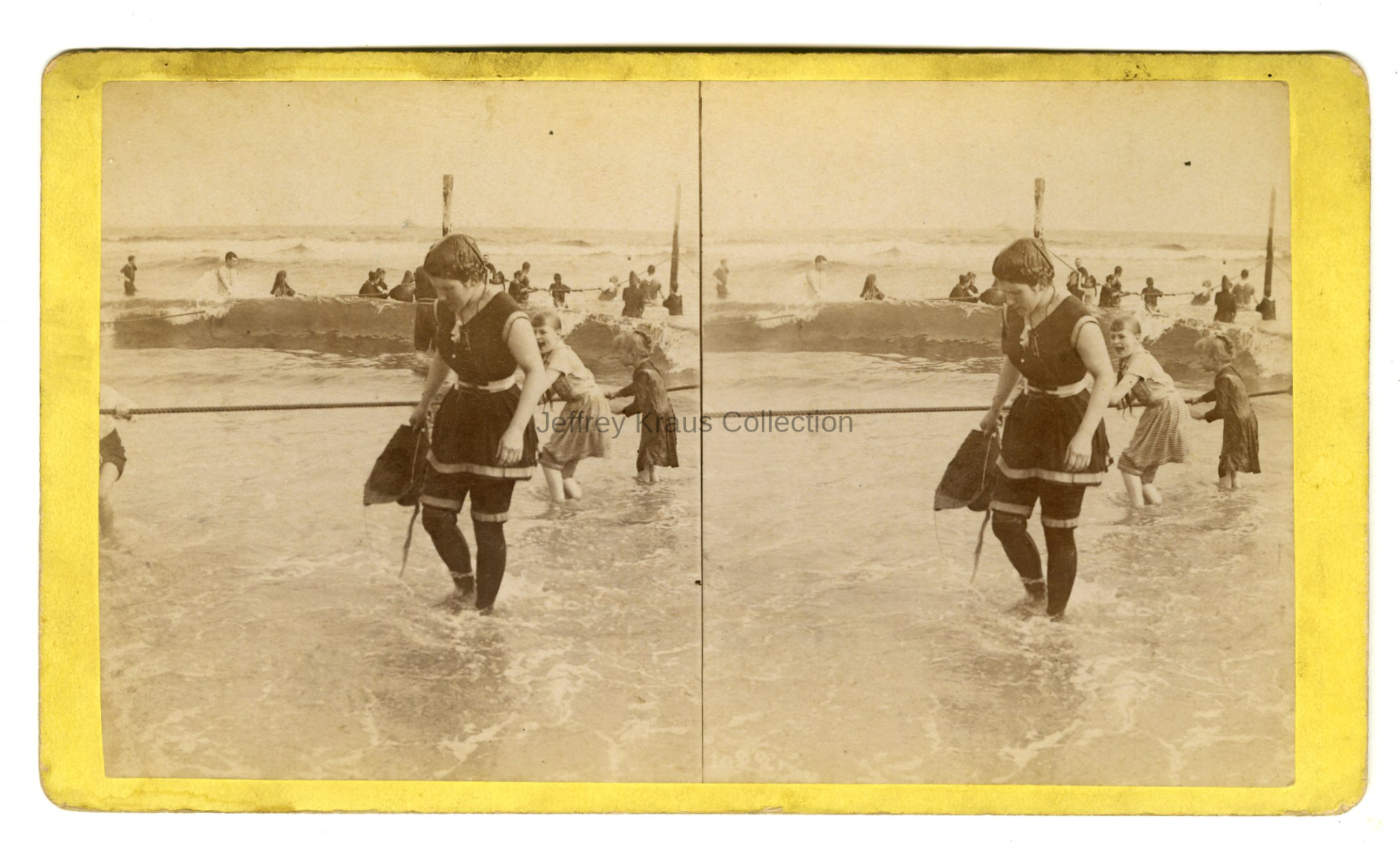
Coney Island.
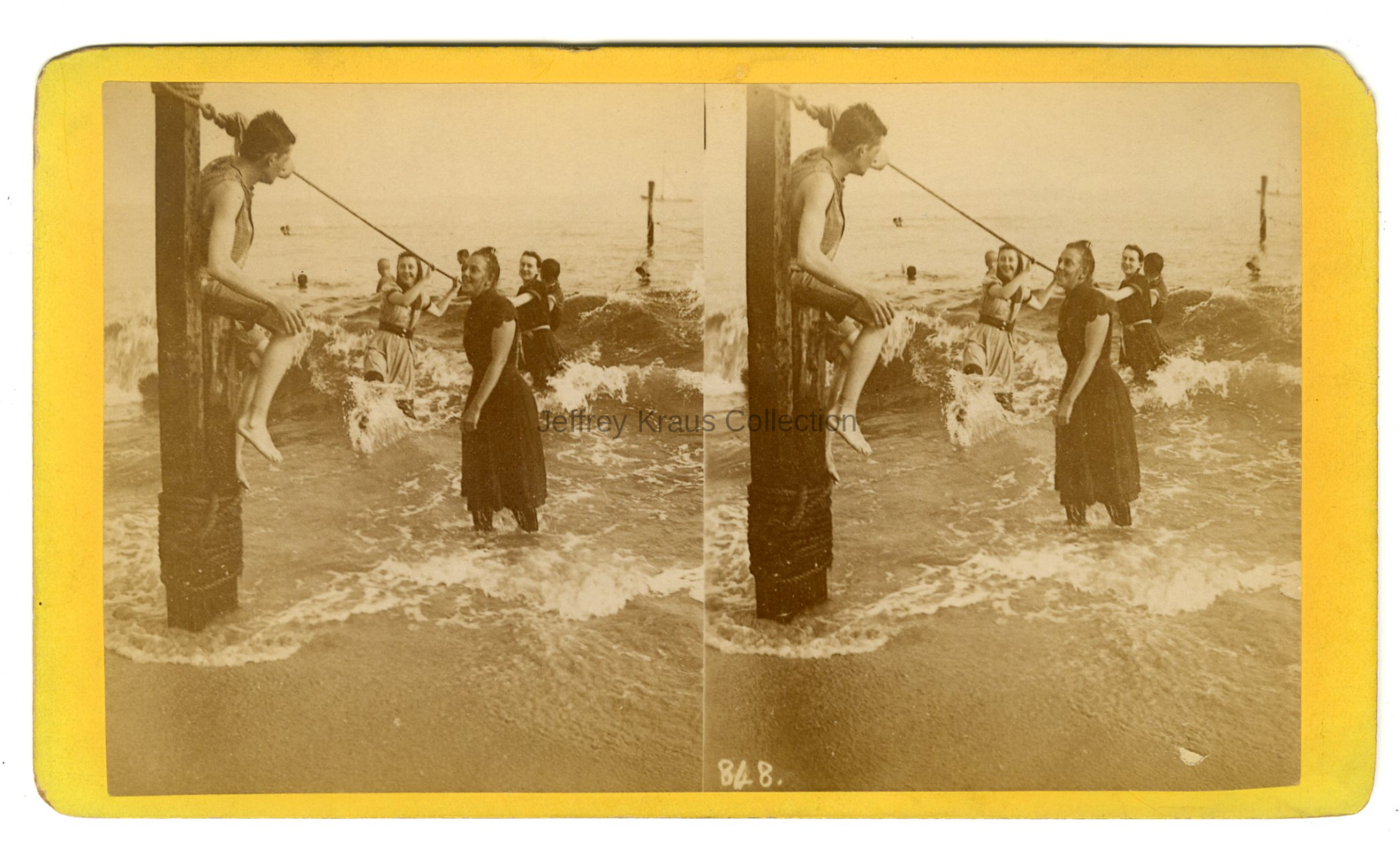
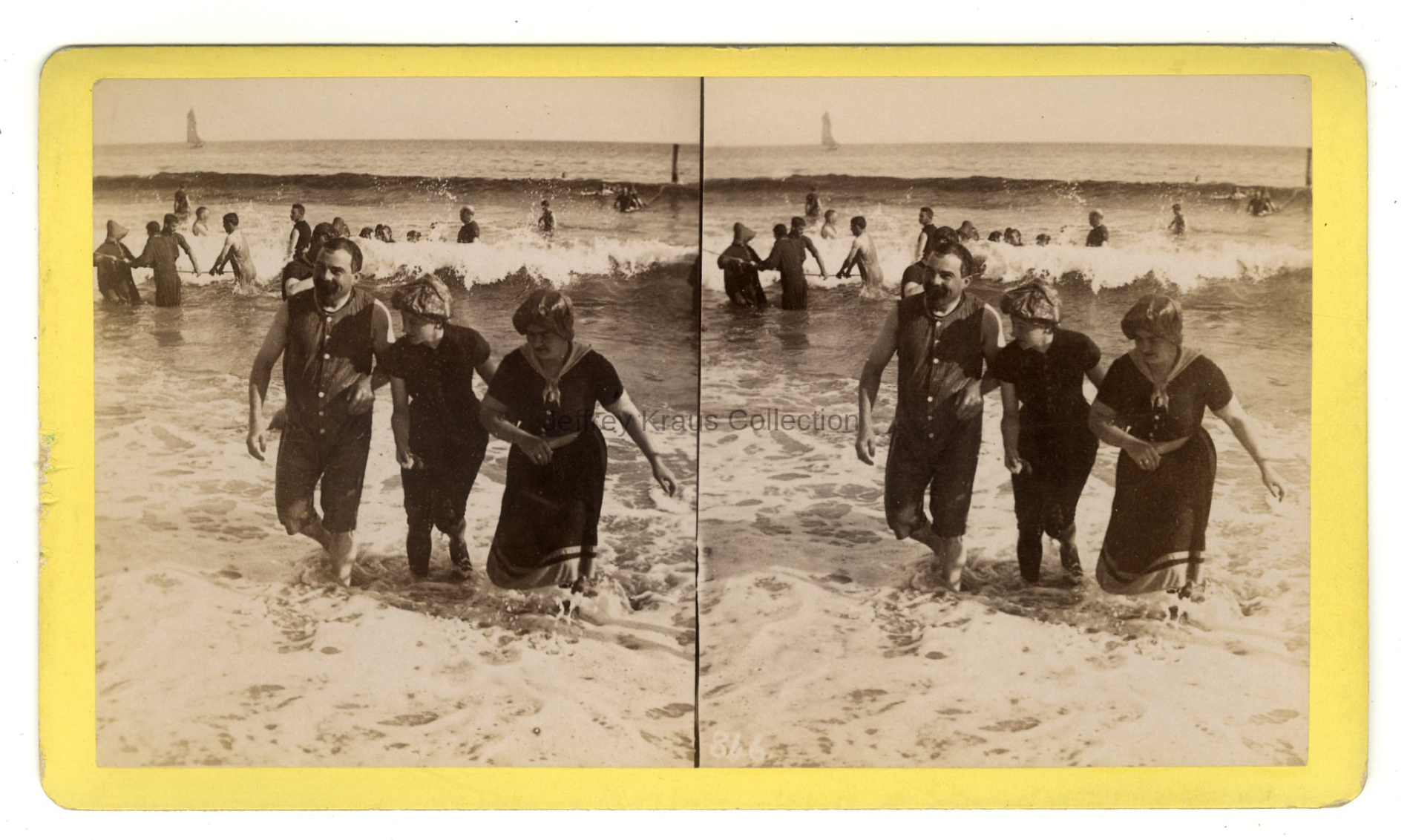
848. Coney Island. Stamp of Wm. B. Holmes on verso, where this view was purchased.
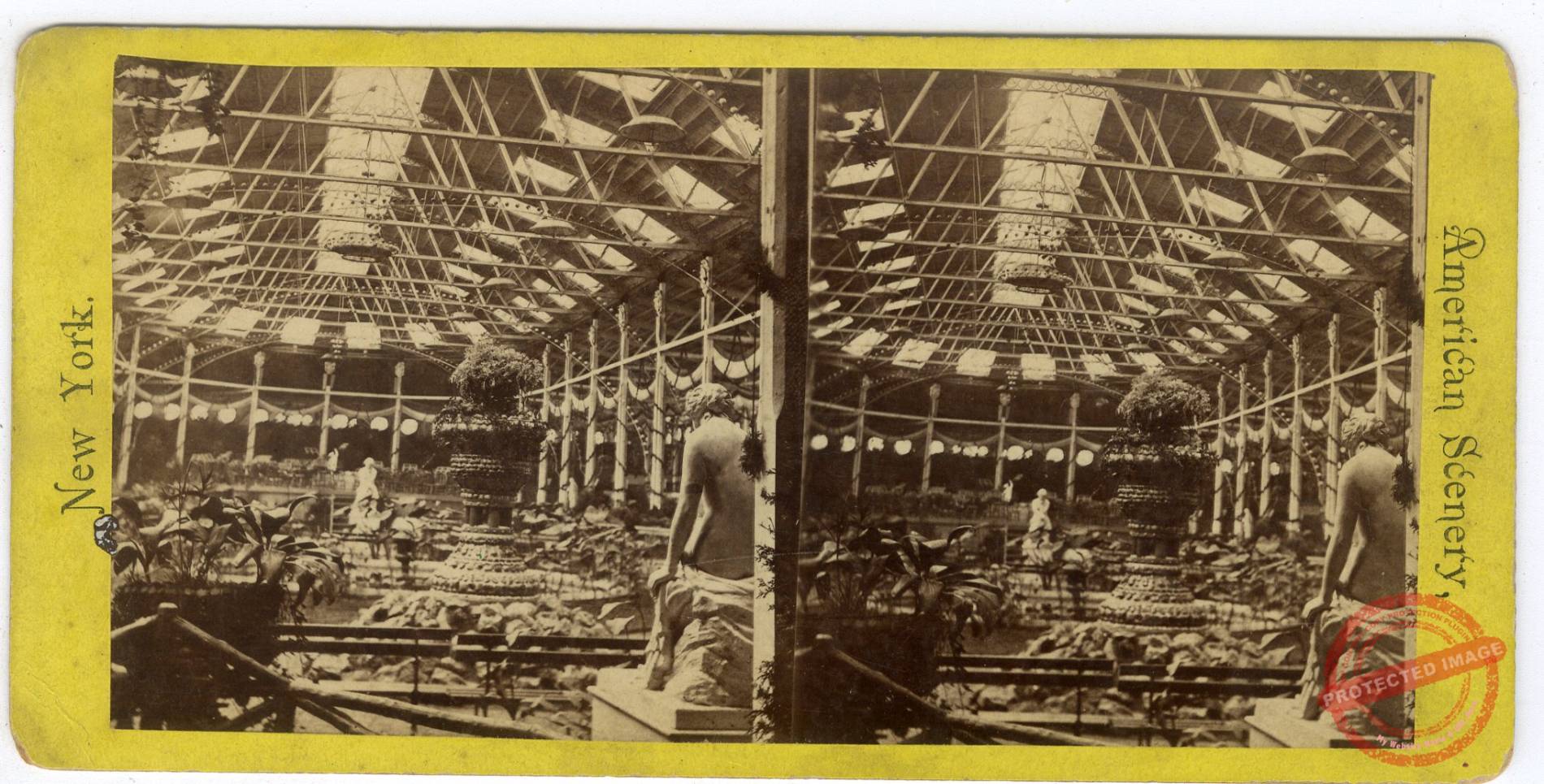
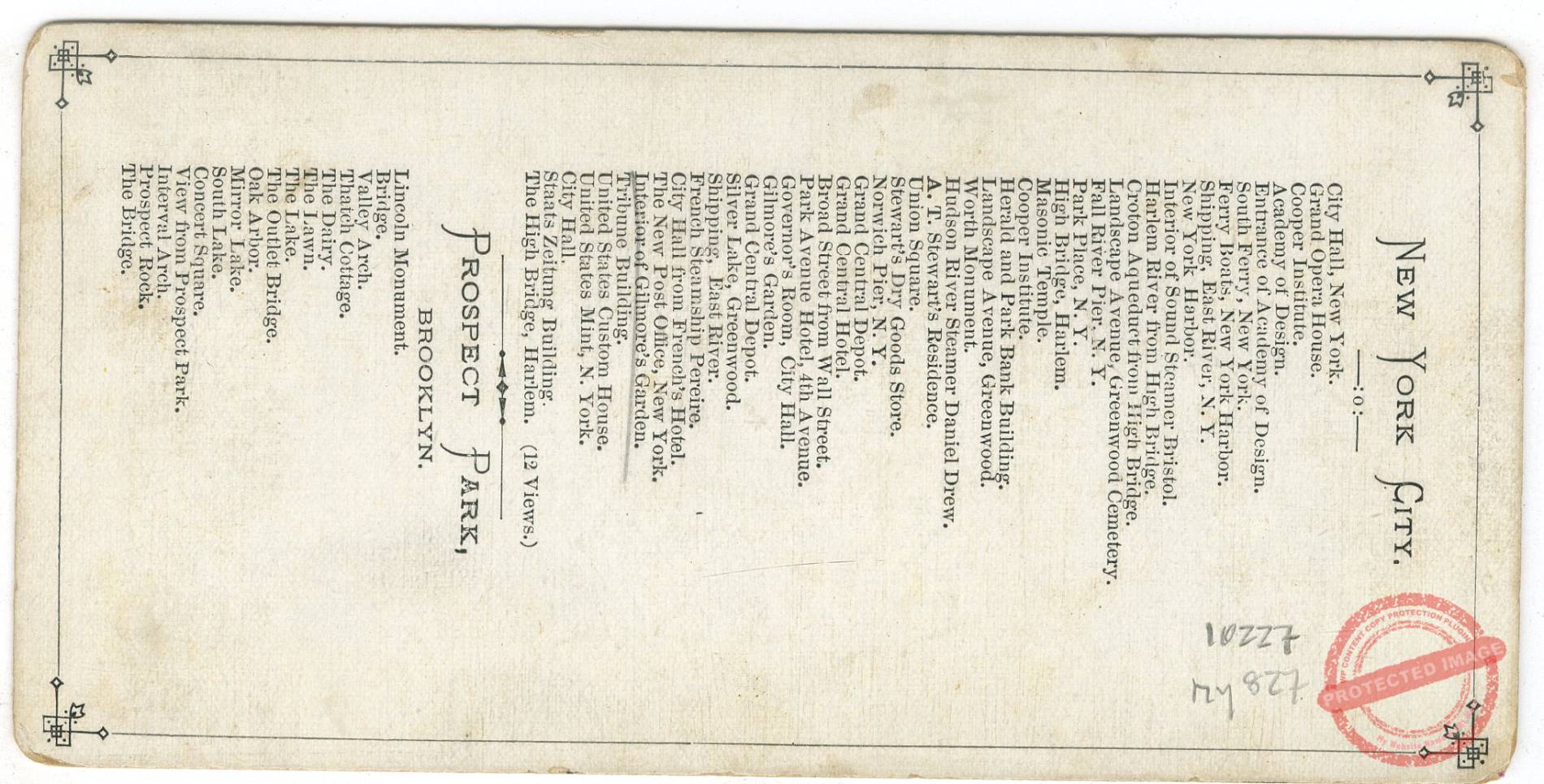
Interior of Gilmore’s Garden.
859. Coney Island.
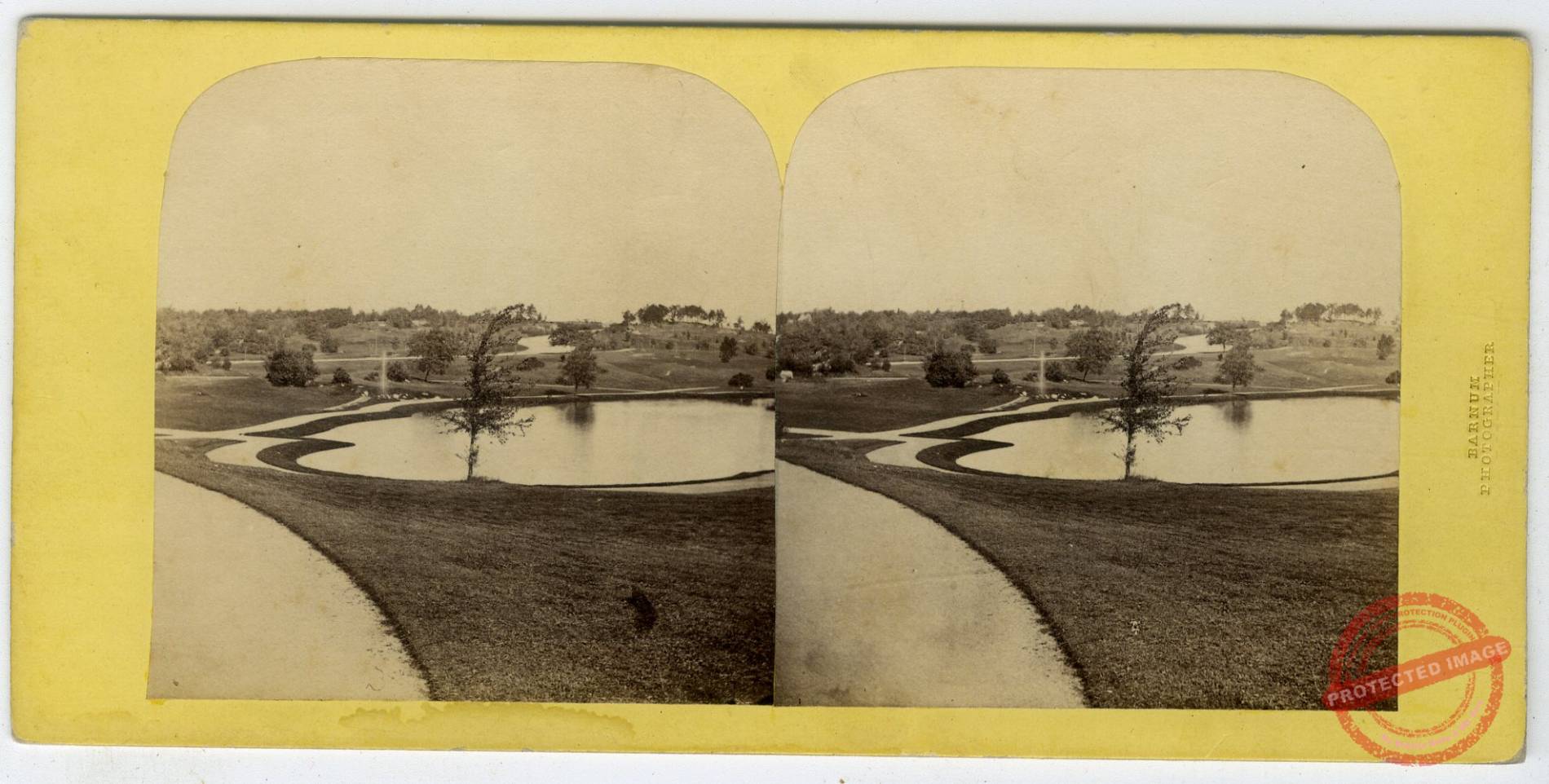
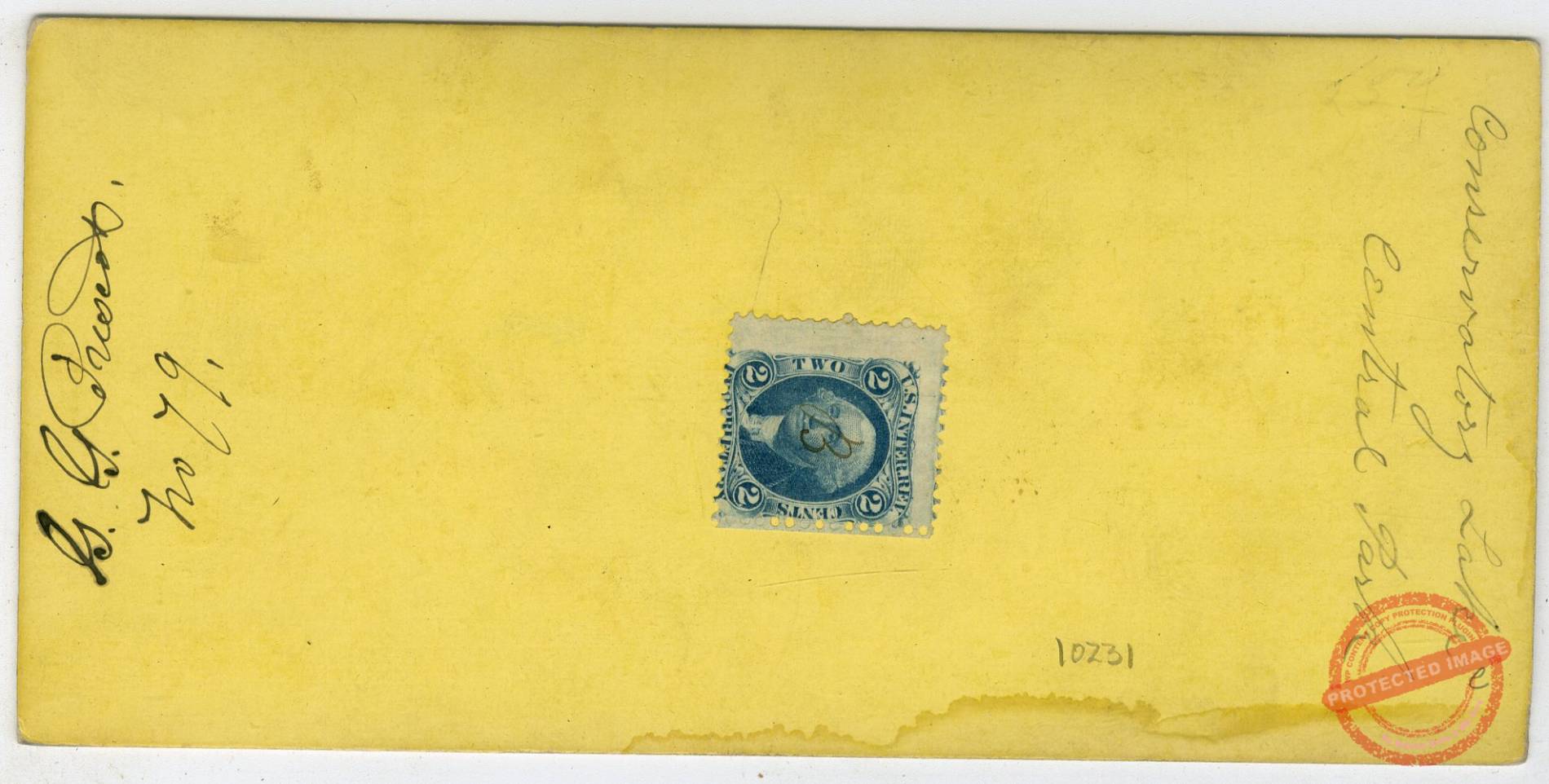
Conservatory Lake, Central Park.
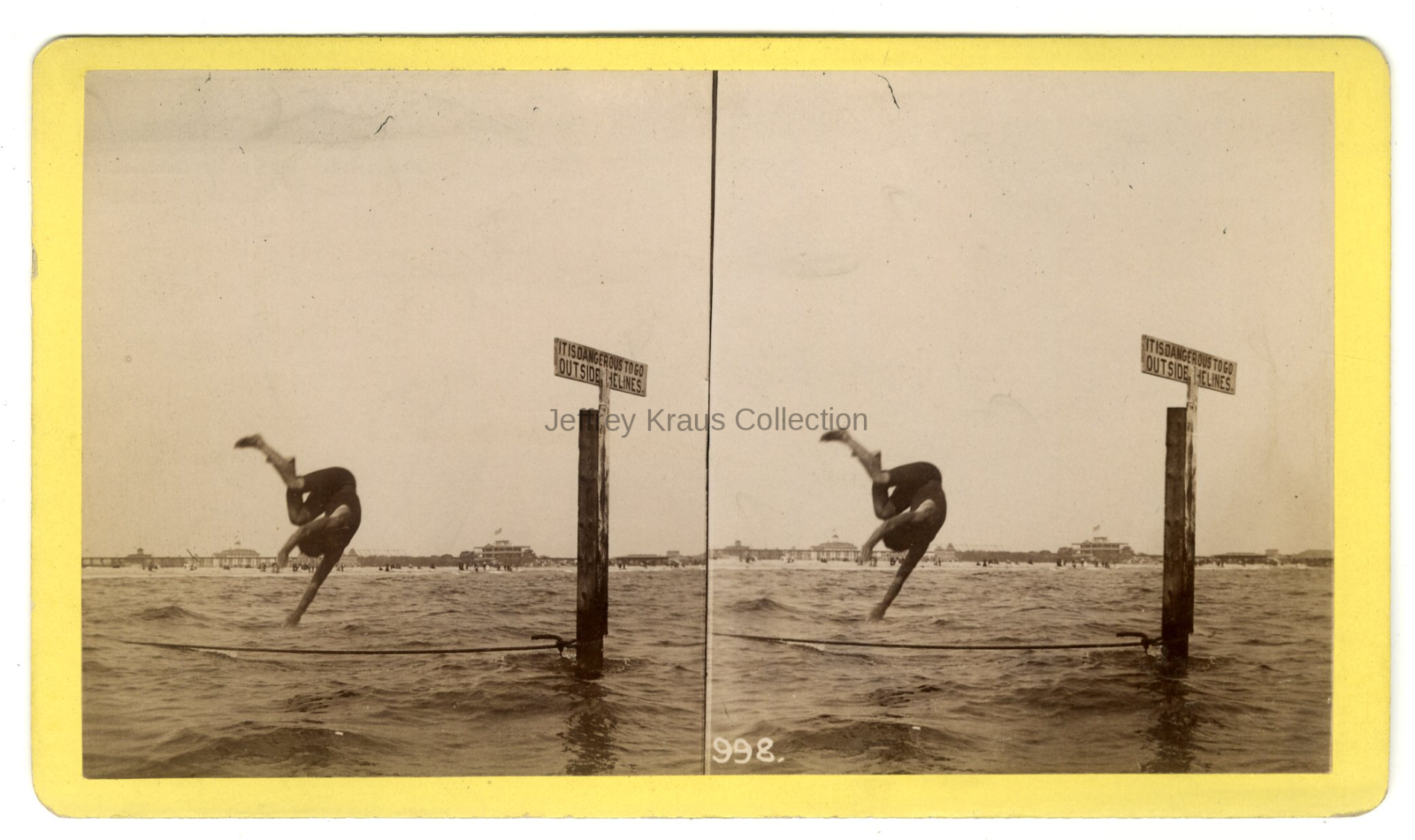
998. Coney Island.
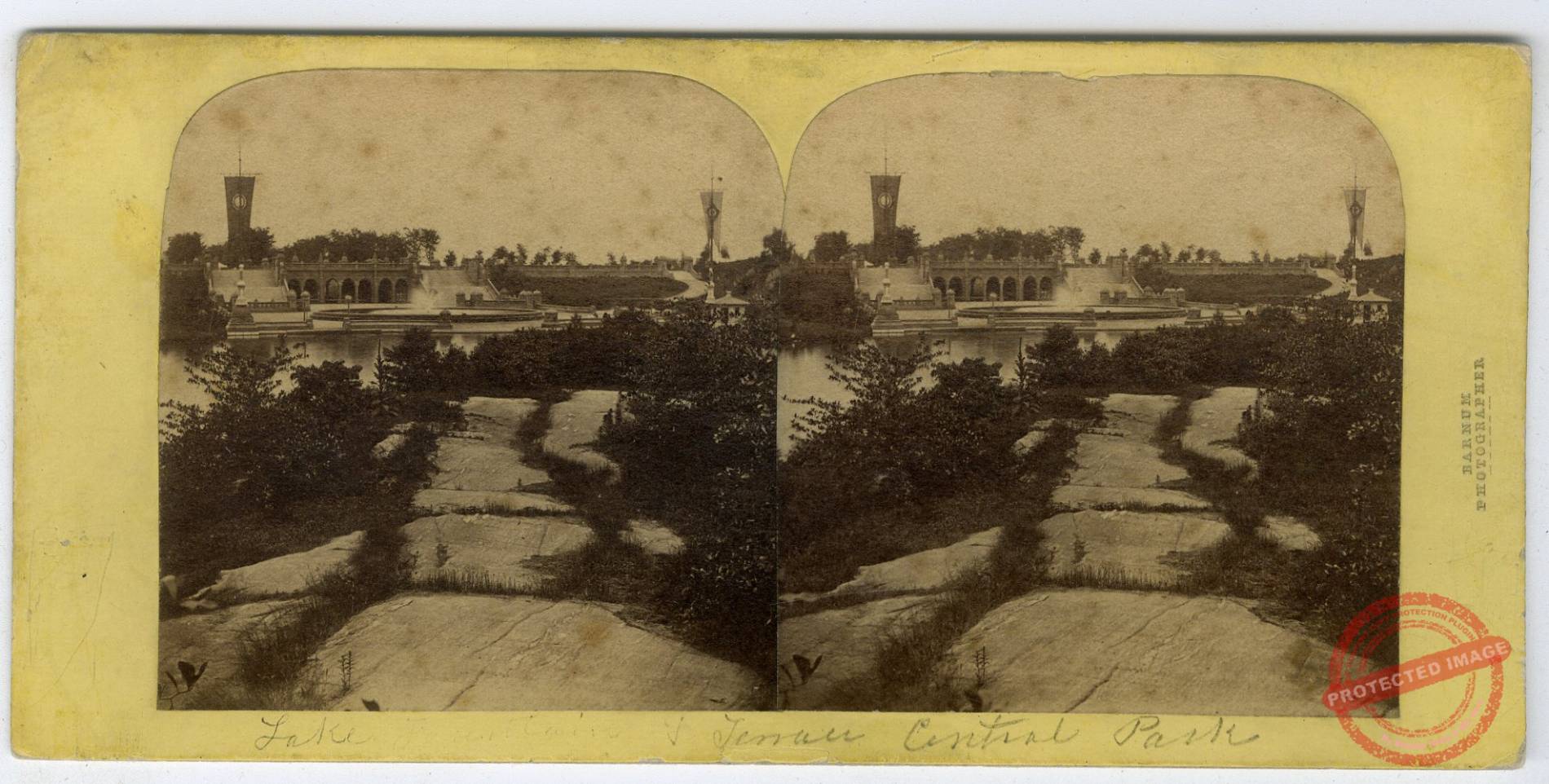
Lake, Fountain, & Terrace, Central Park.
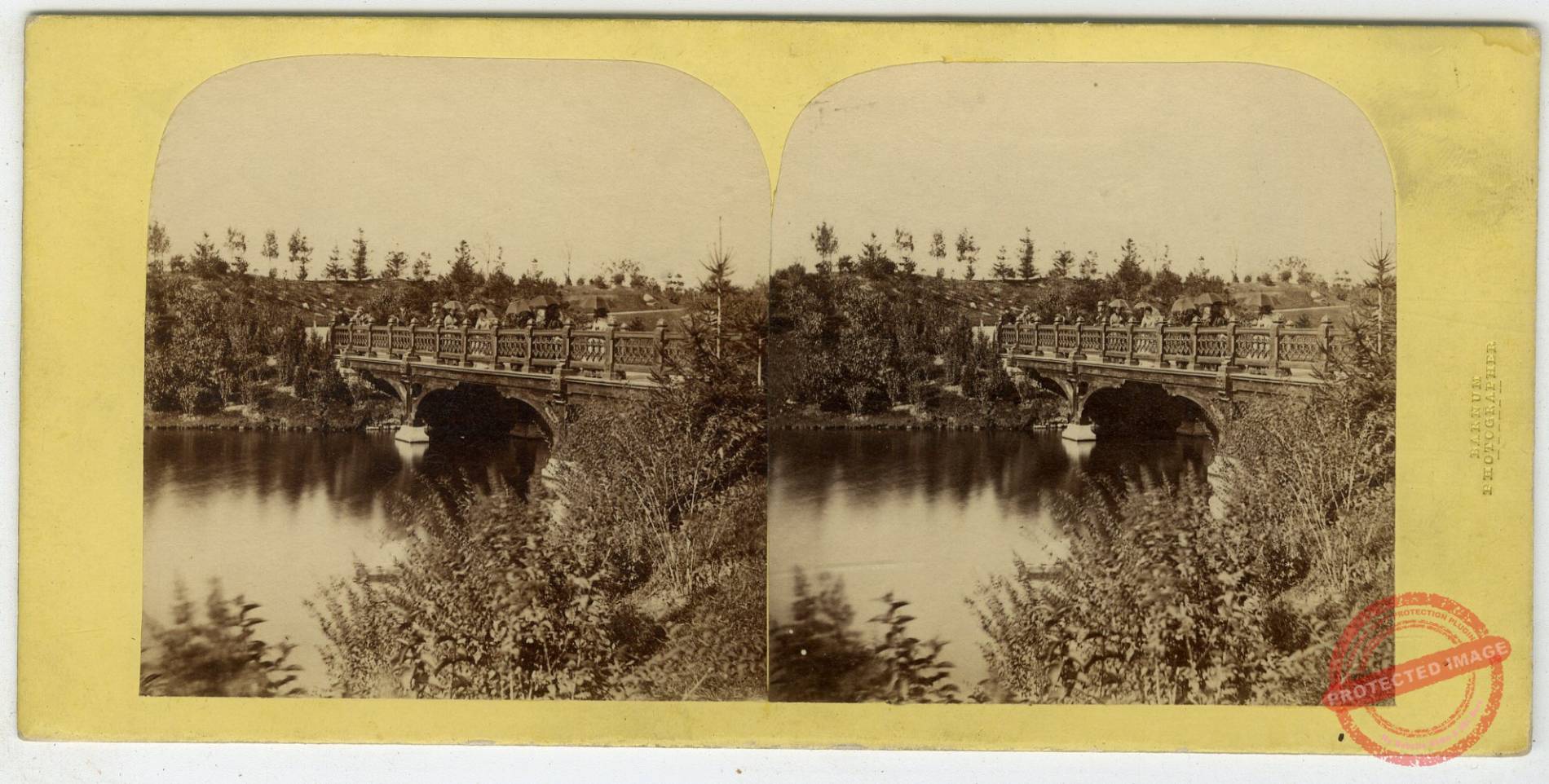
Oak Bridge, Central Park.
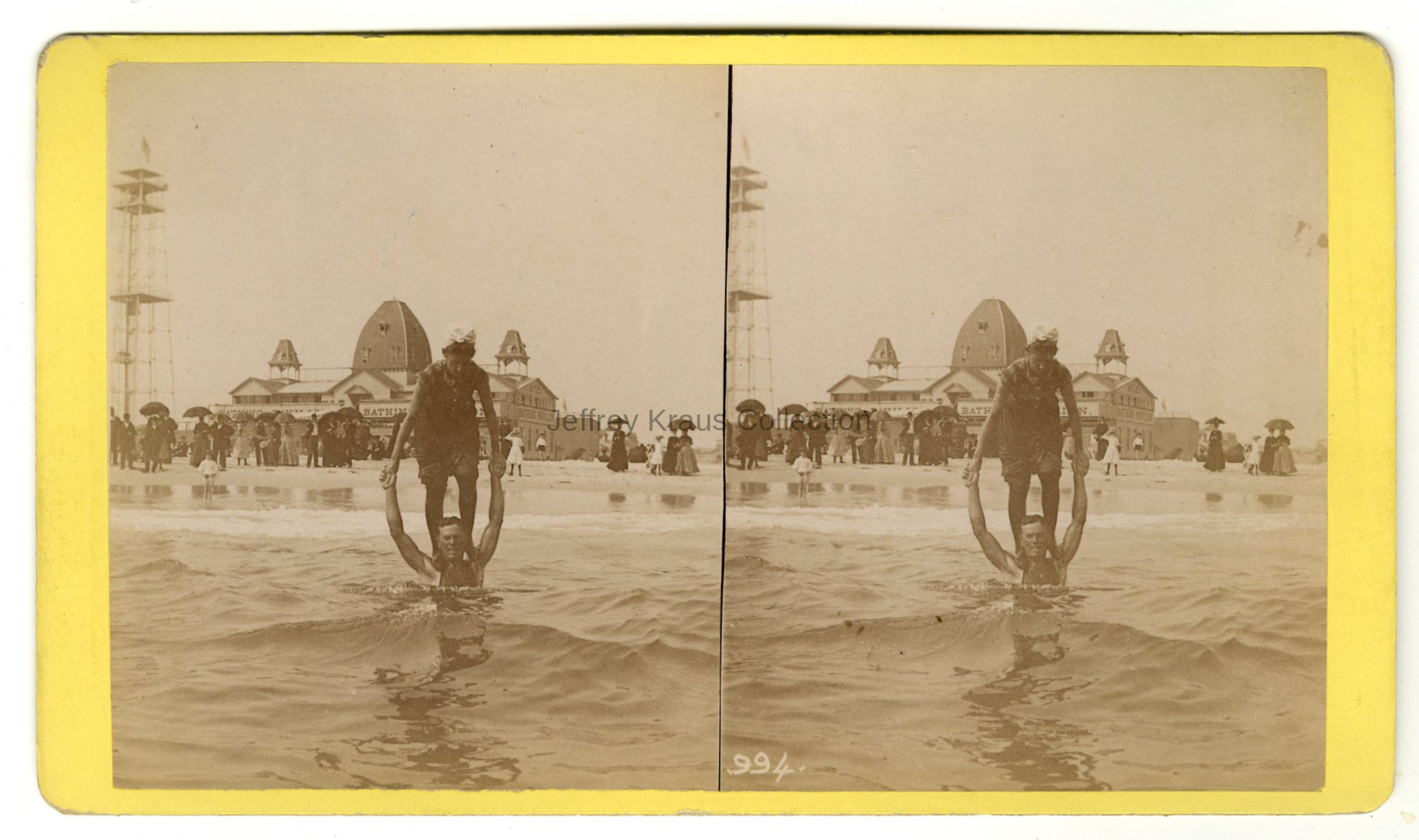
994. Coney Island.
836. “Ein Frankfurter.”
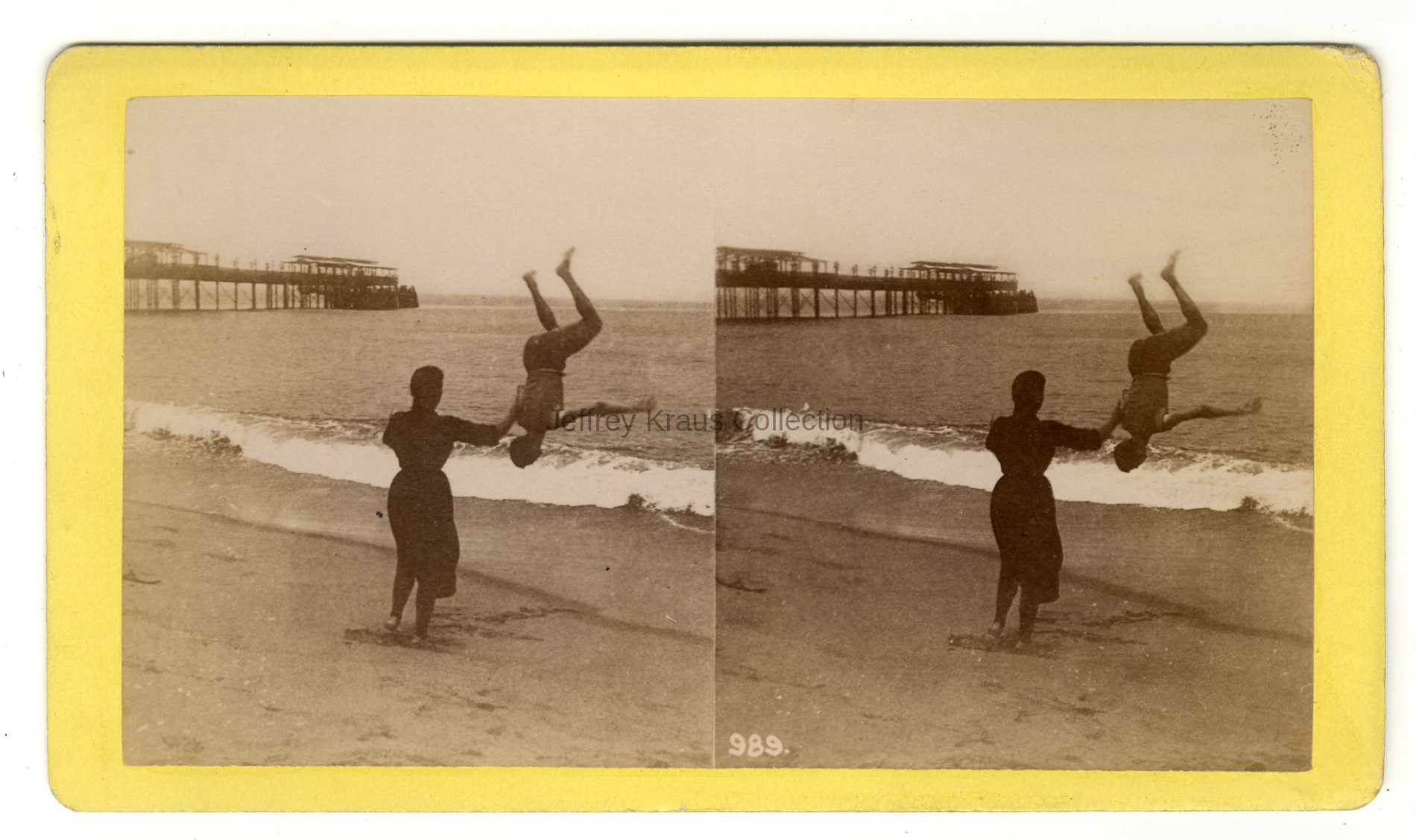
989. Coney Island.
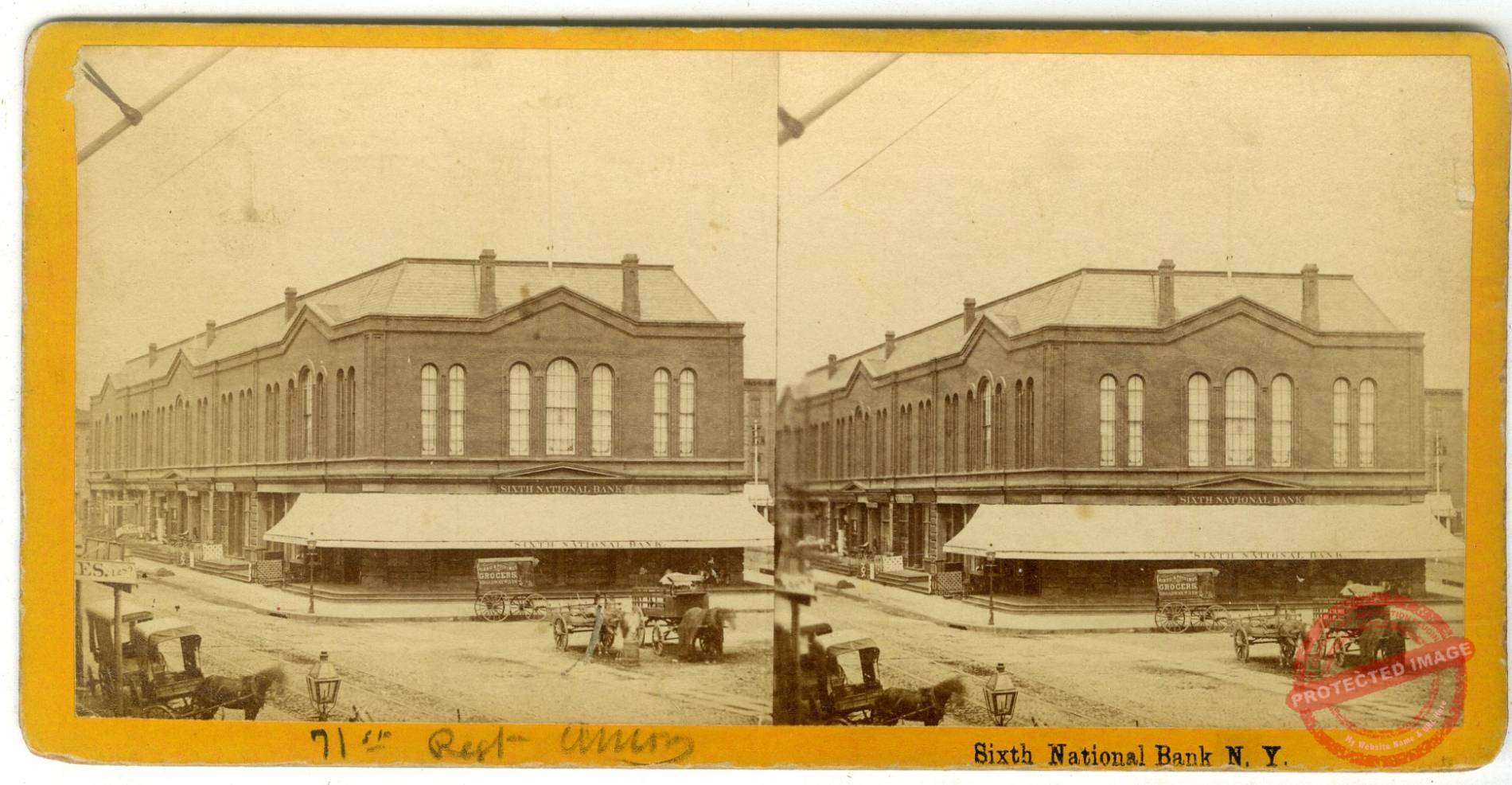
Sixth National Bank, N.Y. 71st Reg’t. Armory.
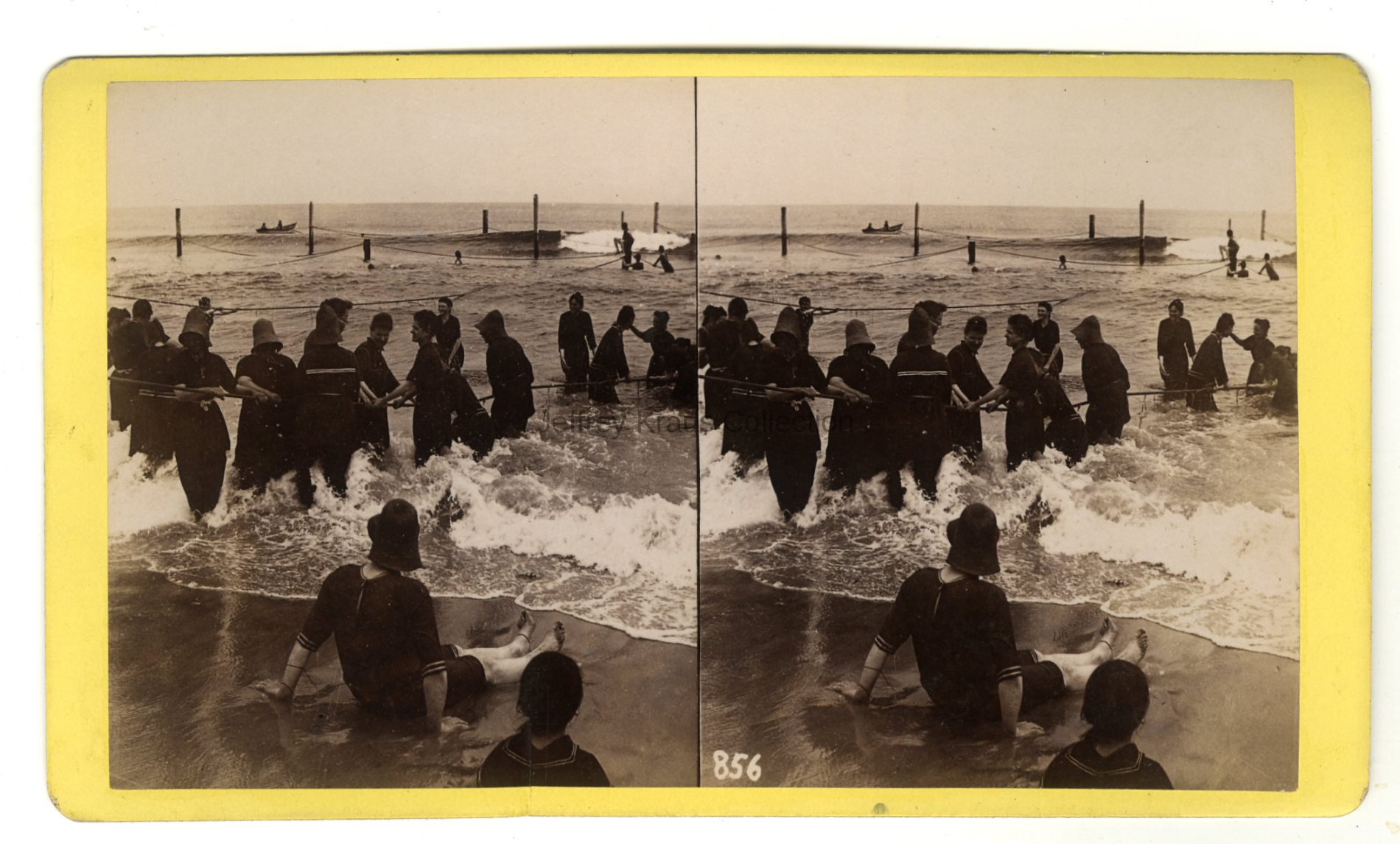
856. Coney Island.
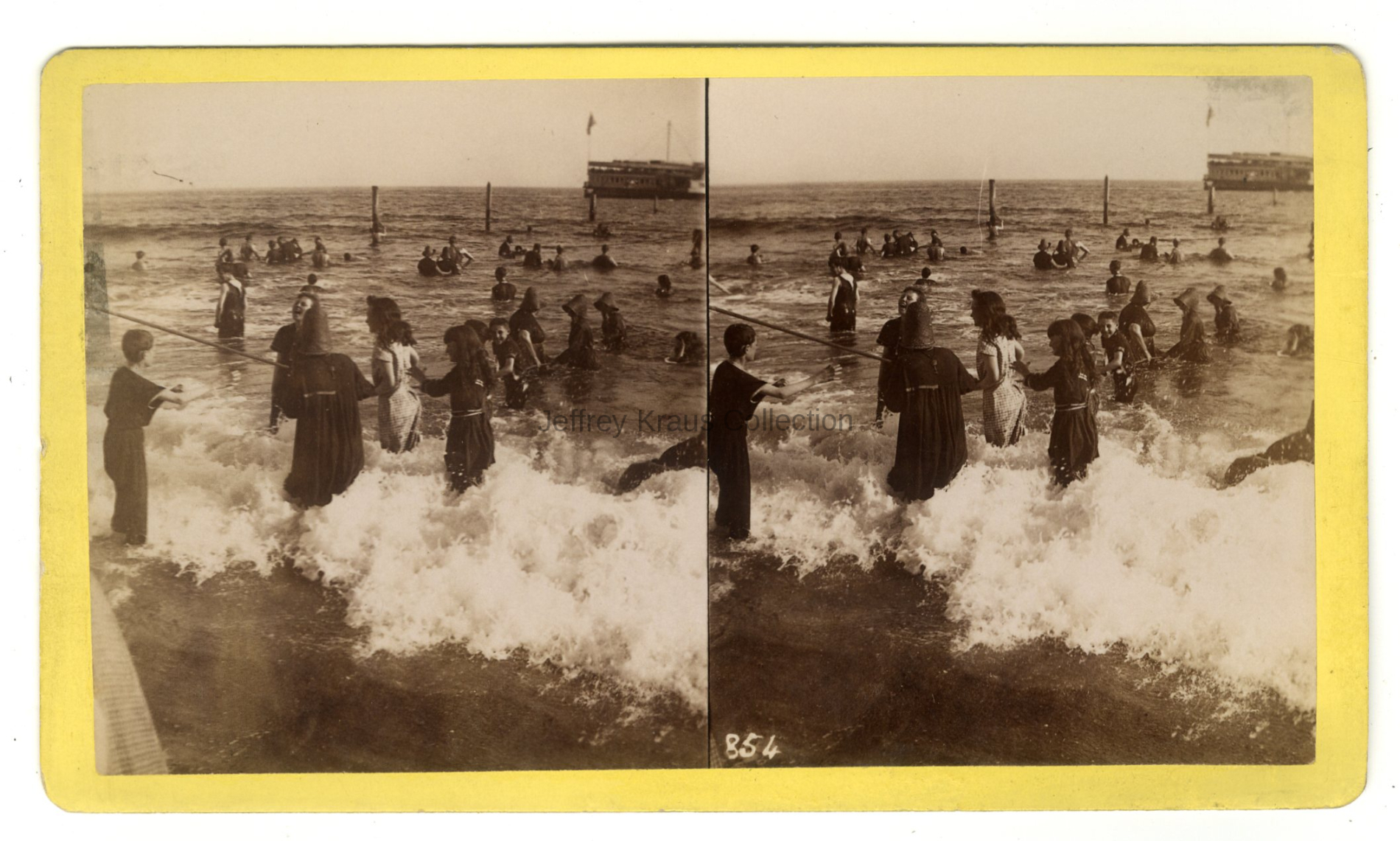
854. Coney Island.
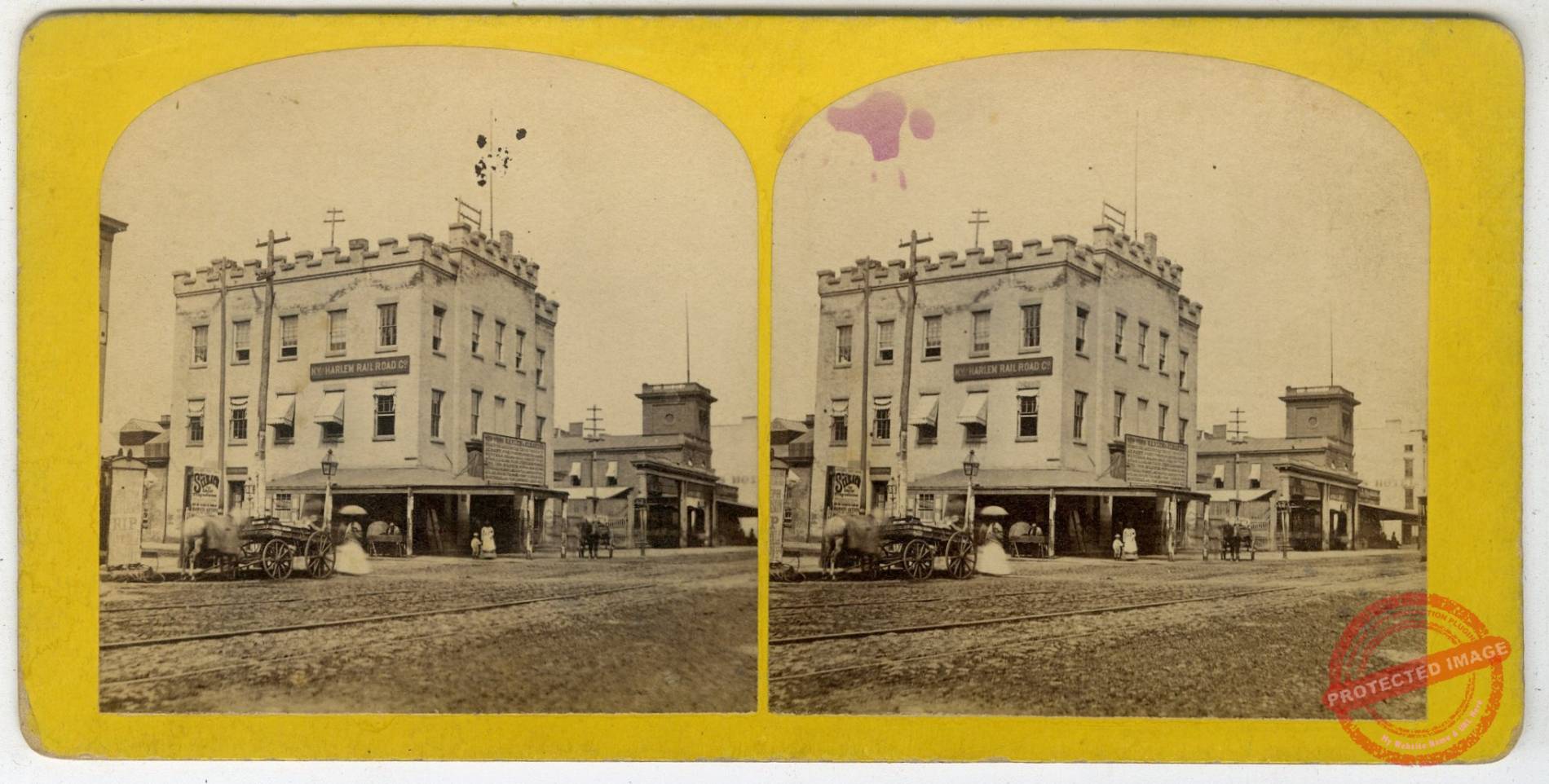
Harlem R.R. Co., 26th St. and 4th Ave.
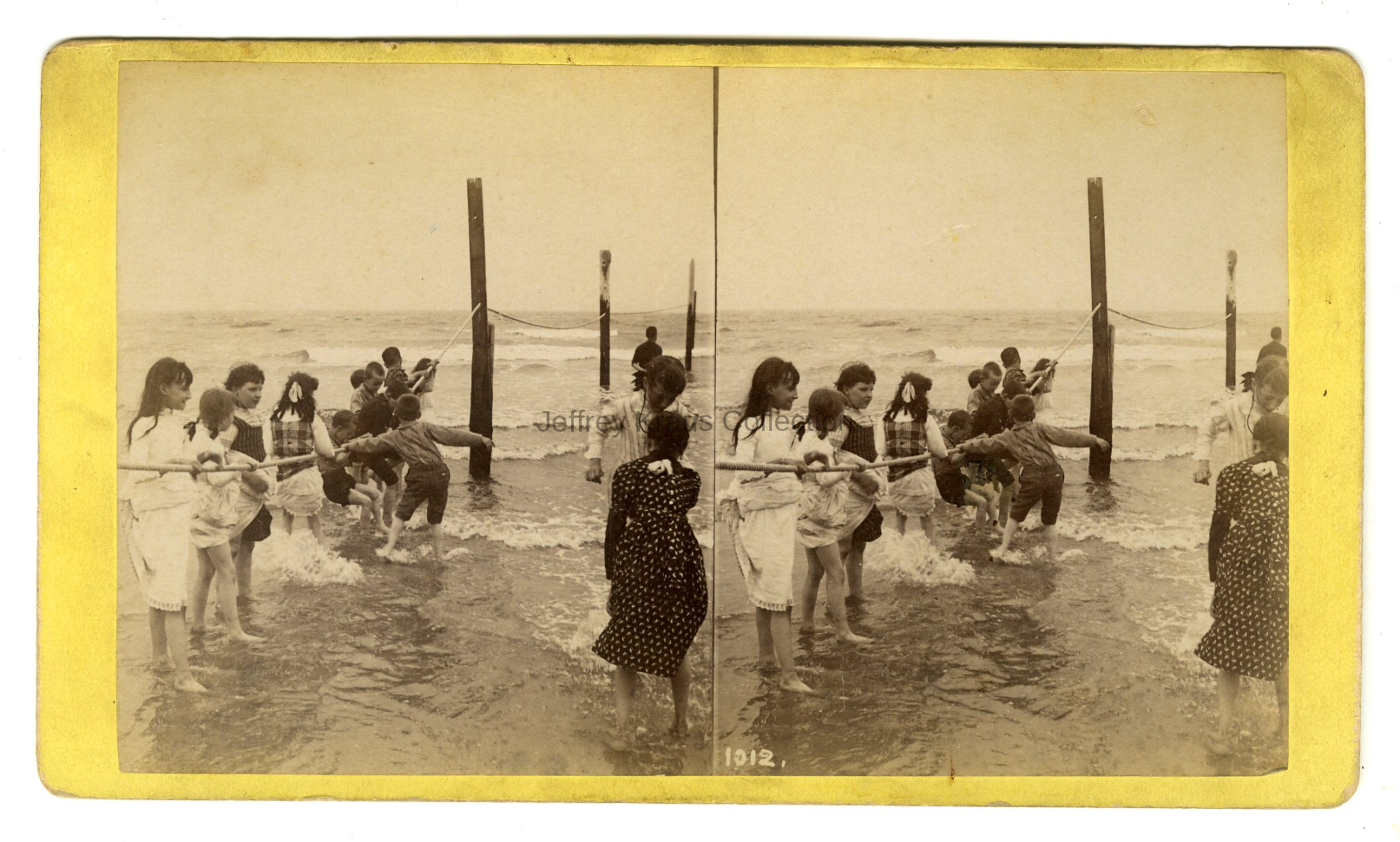
1012. Coney Island.
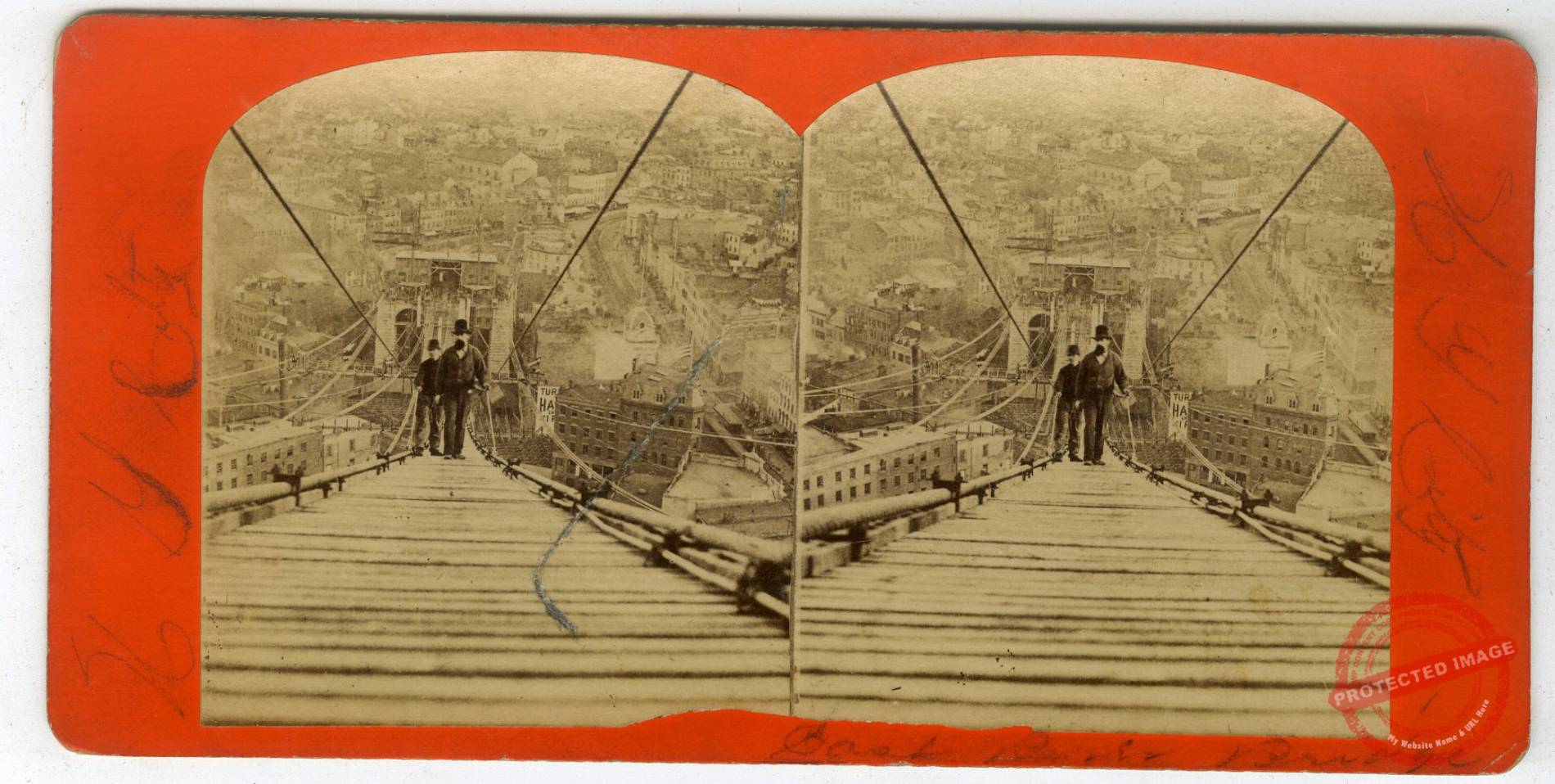
Brooklyn Bridge under construction.
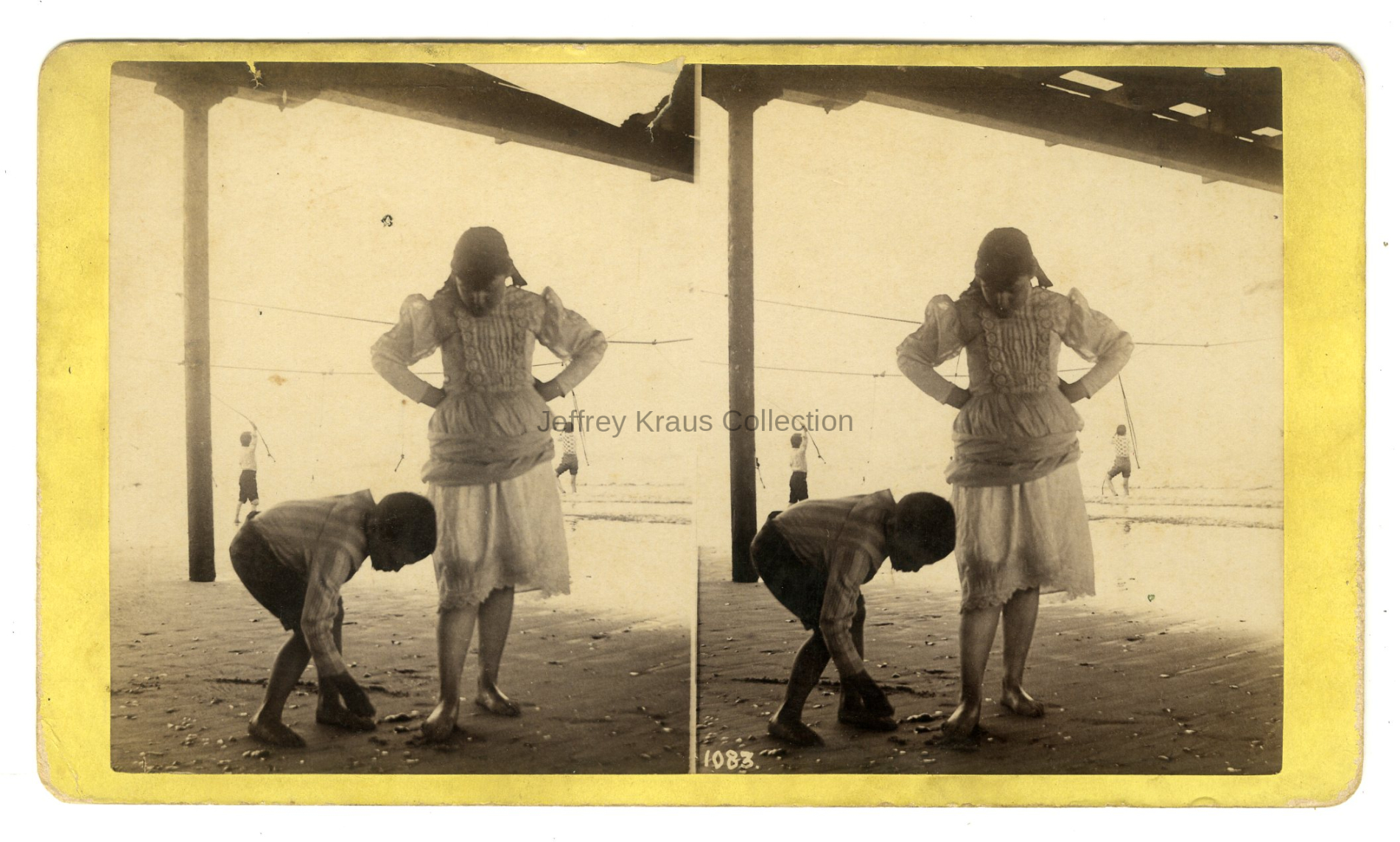
1083. Coney Island.
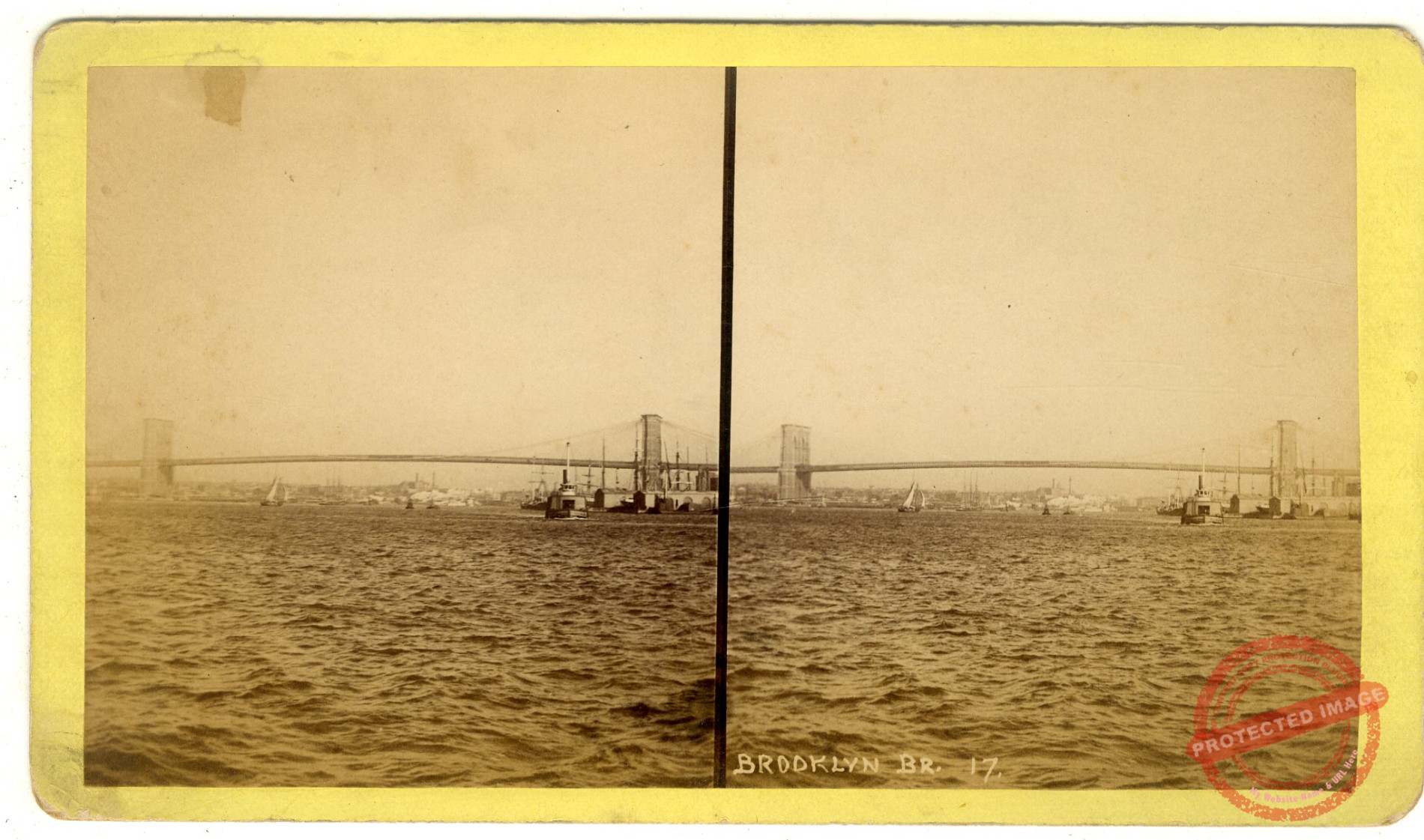
17. Brooklyn Bridge.
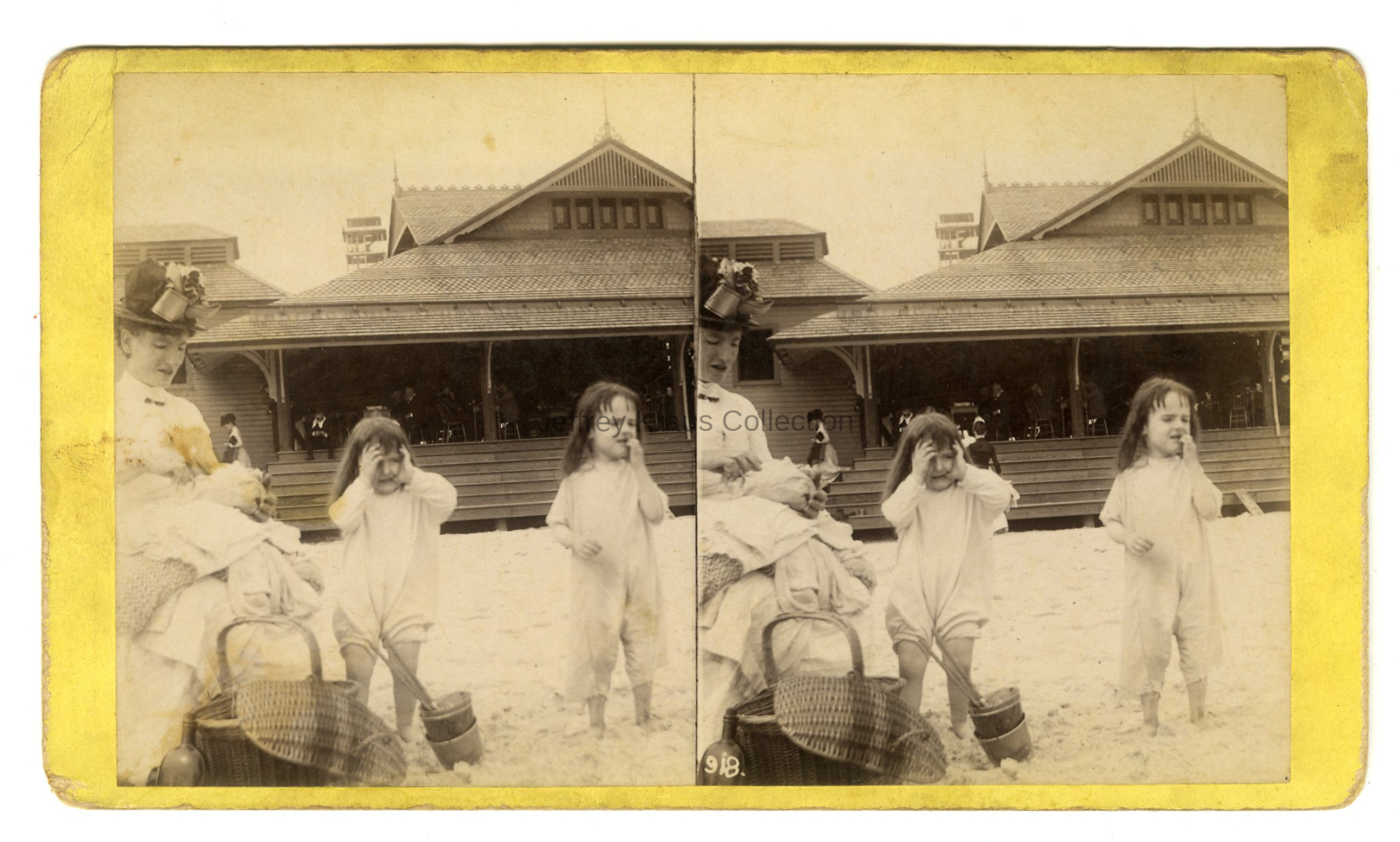
918. Coney Island.
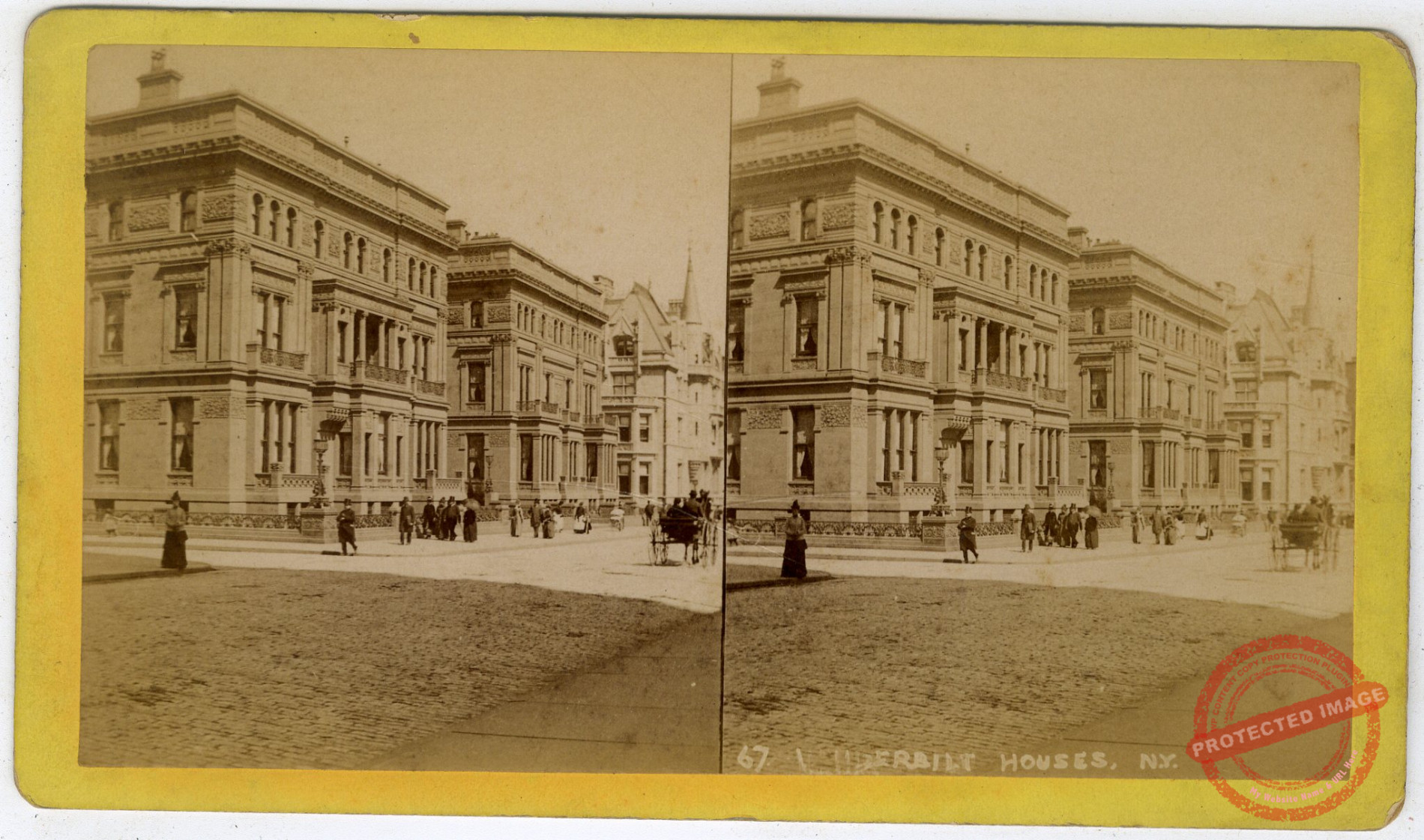
67. Vanderbilt Houses, NY.
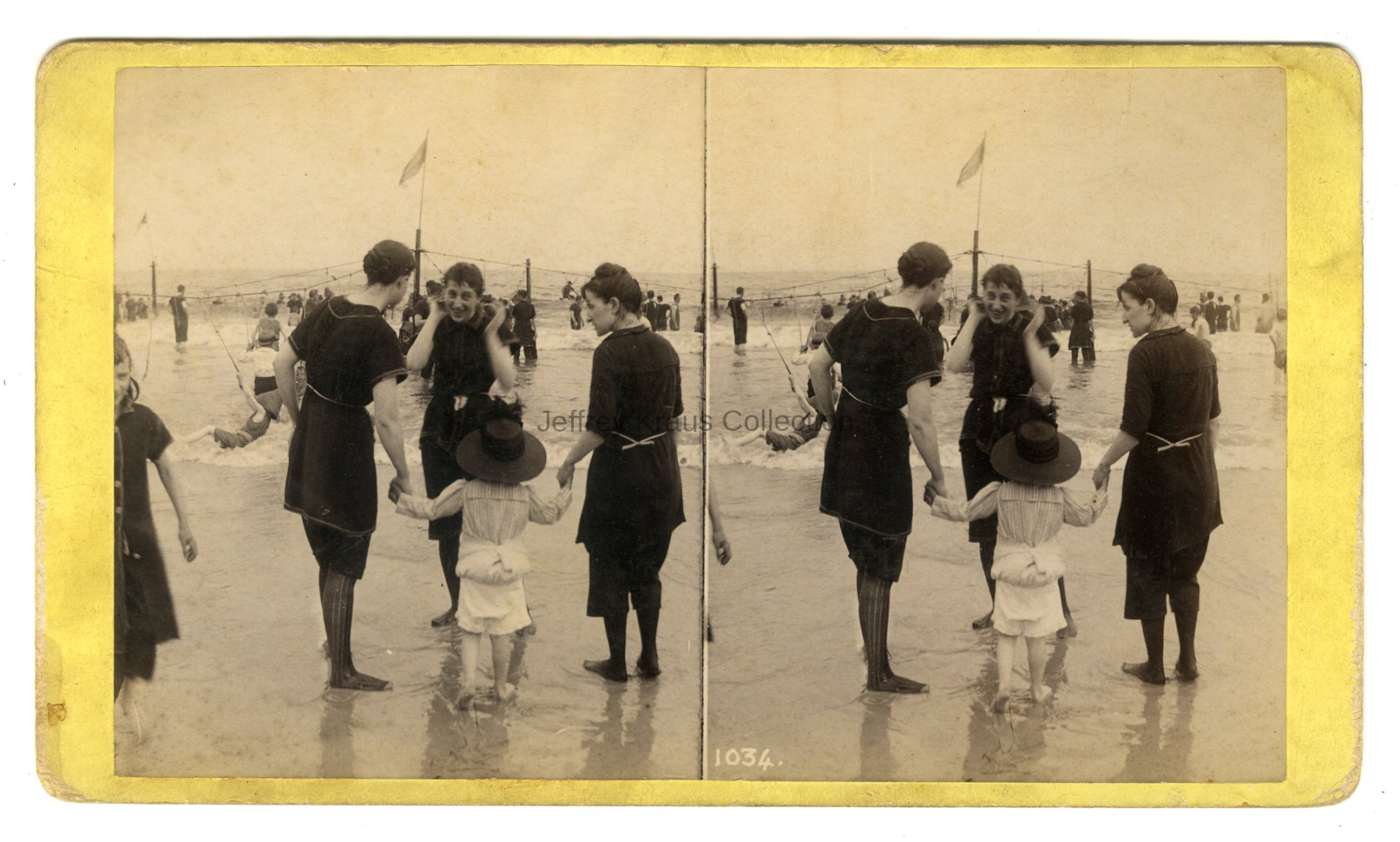
1034. Coney Island.
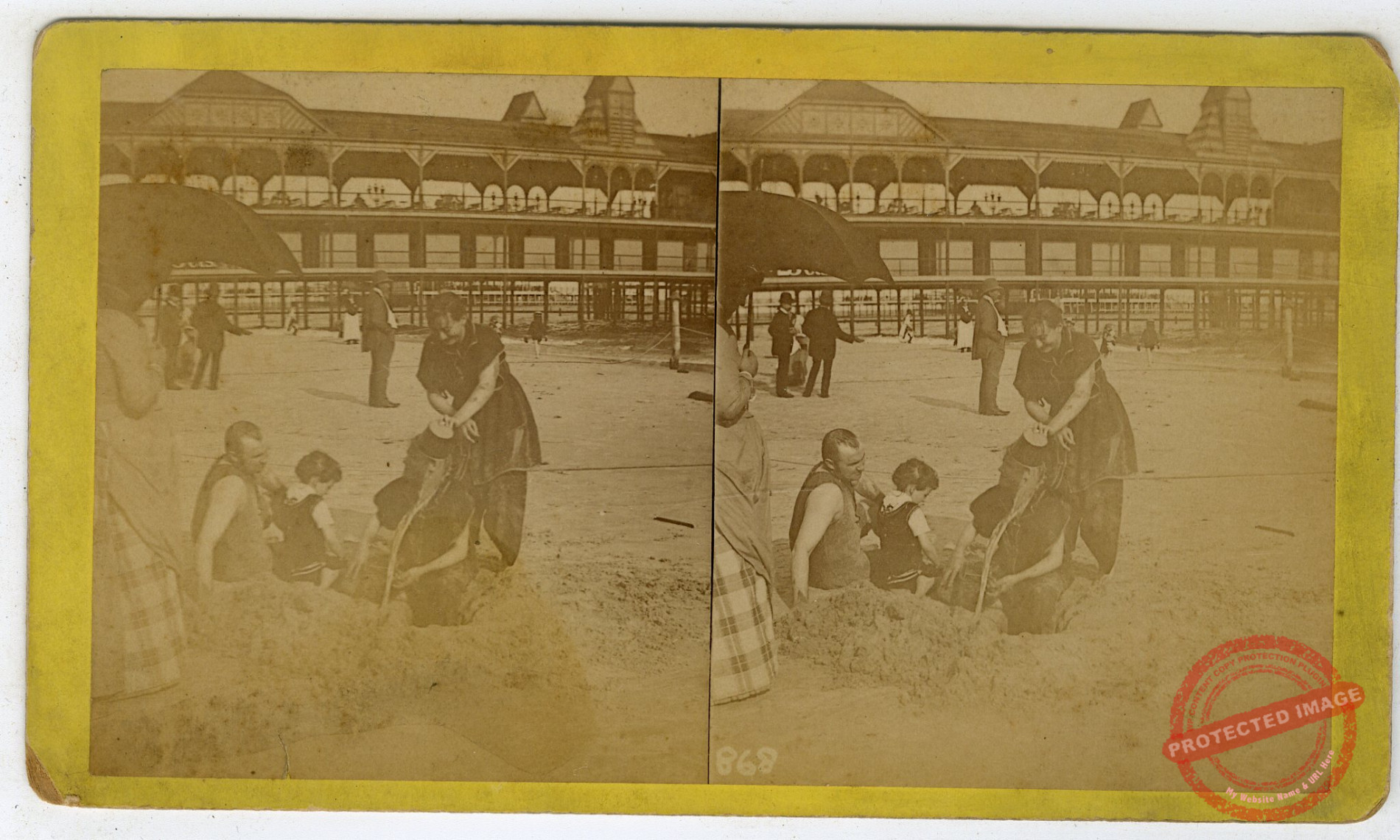
868. Beach Scene.
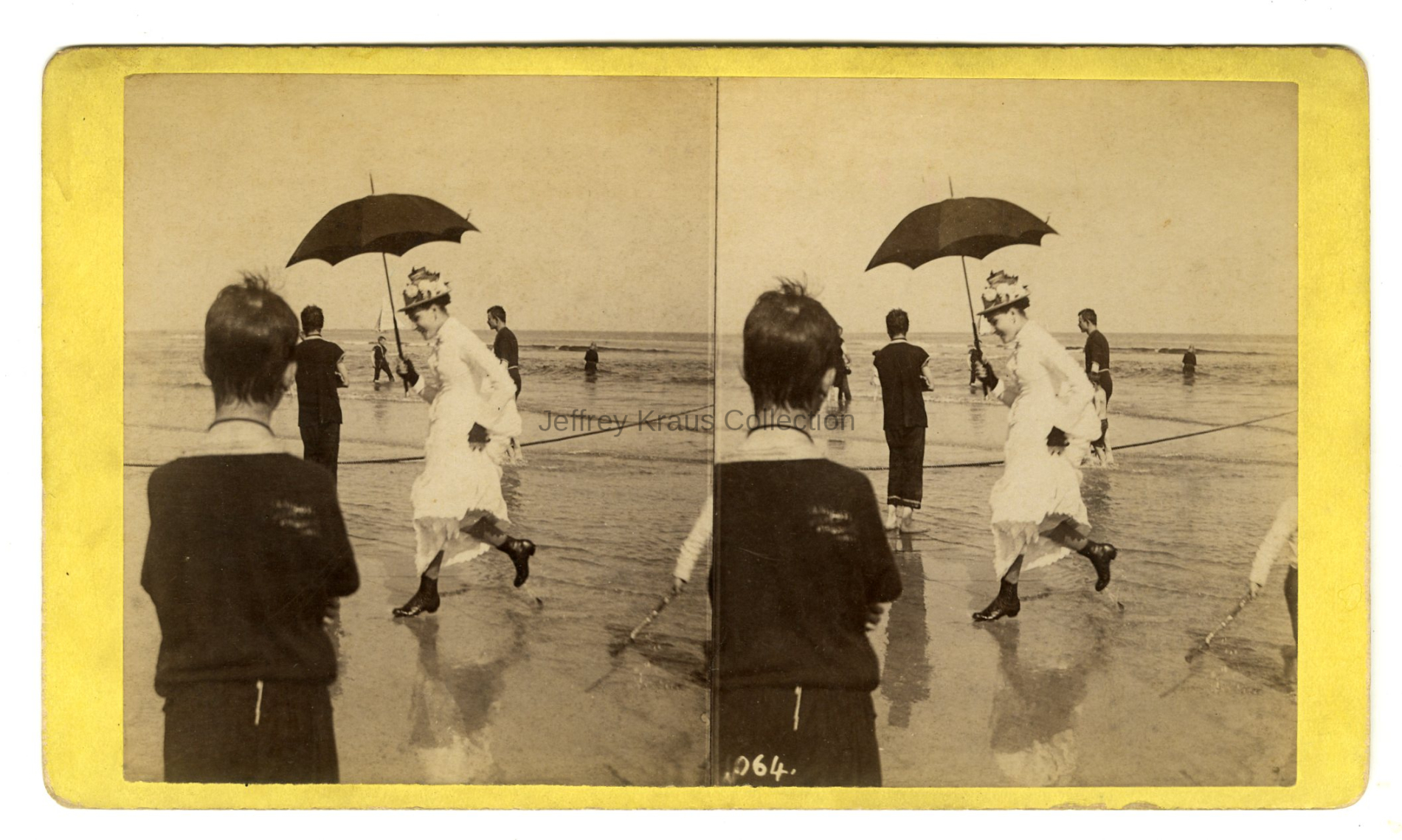
1064. Coney Island.
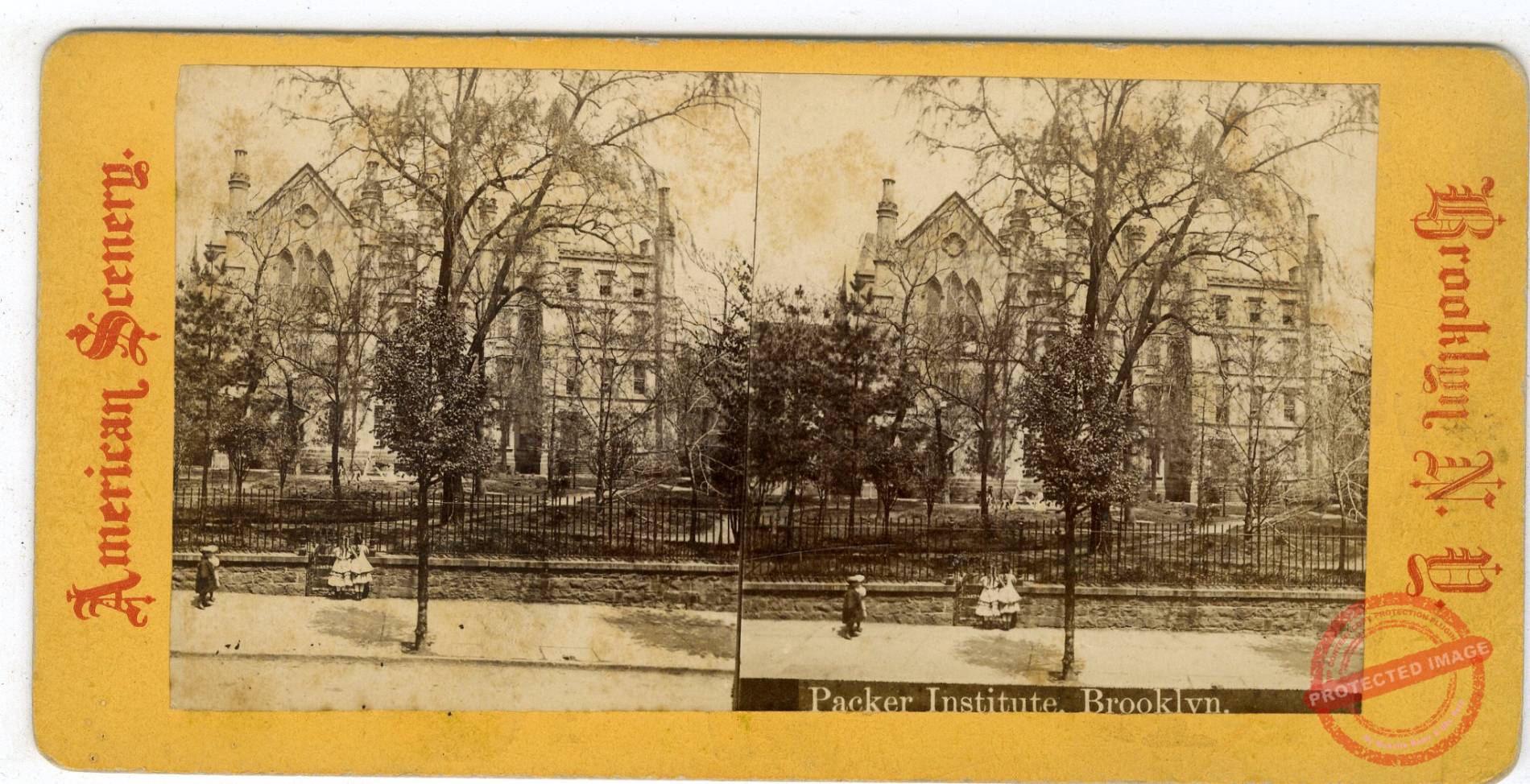
Packer Institute, Brooklyn.
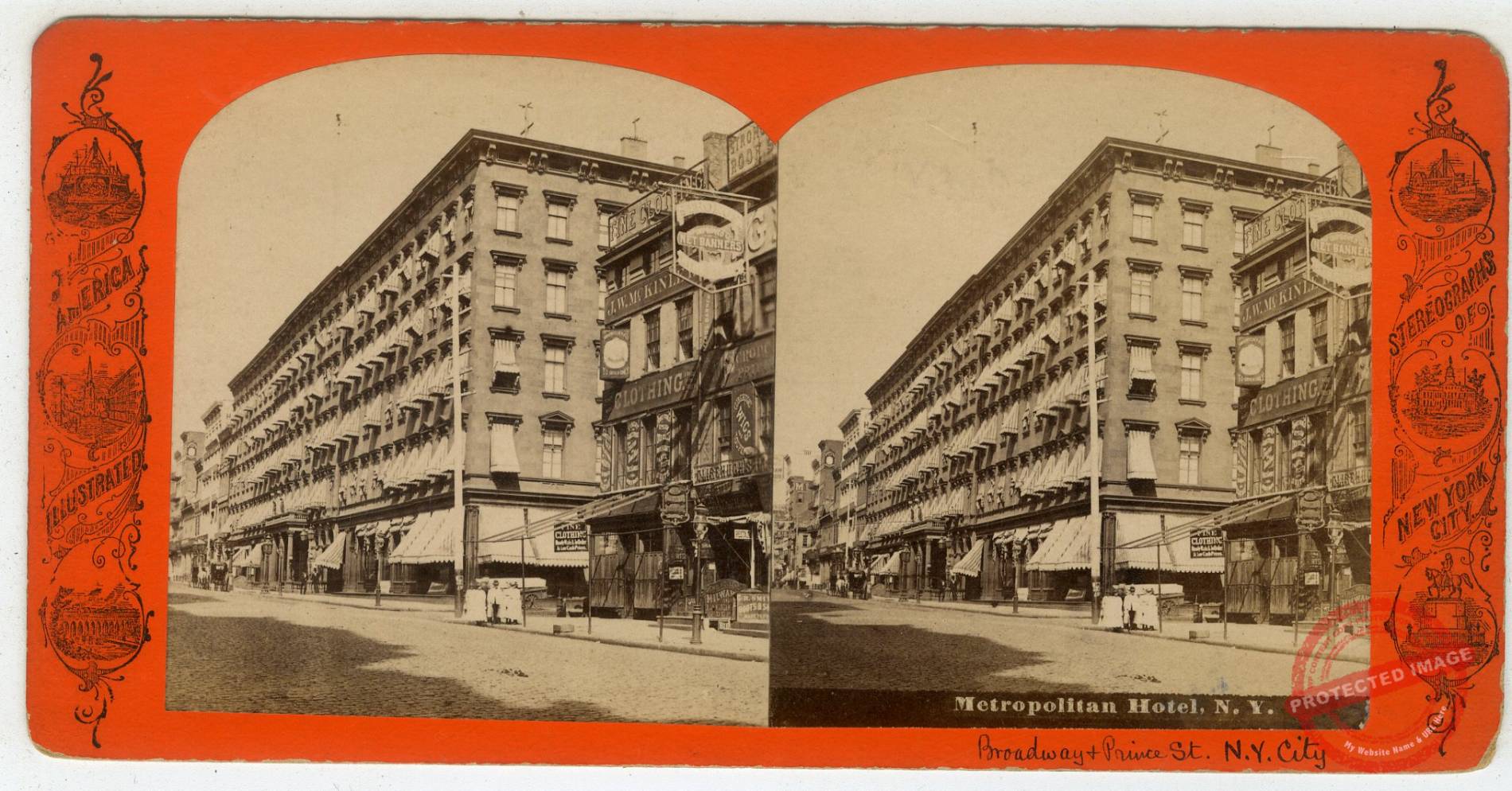
Metropolitan Hotel, N.Y. Broadway & Prince St.
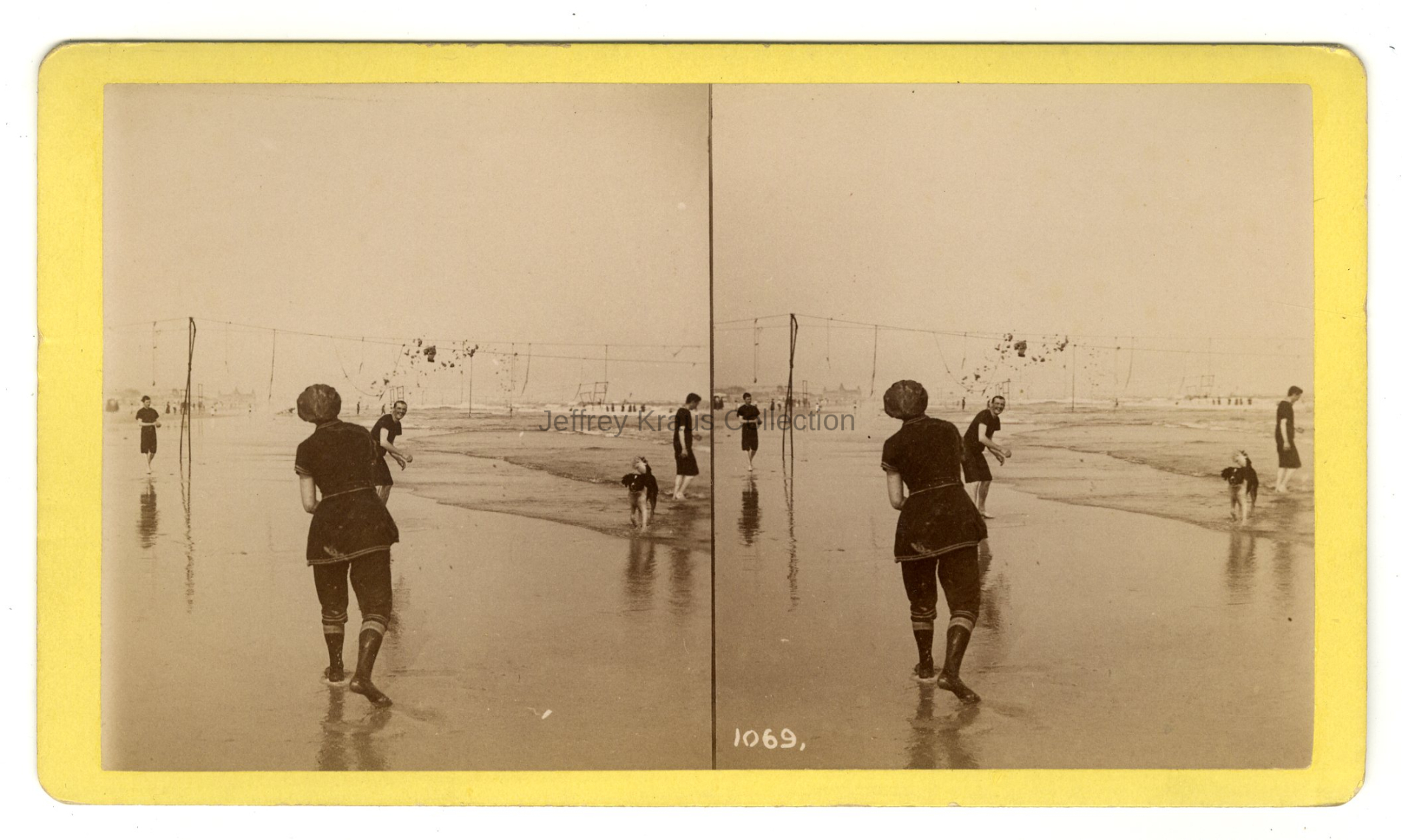
1069. Coney Island.
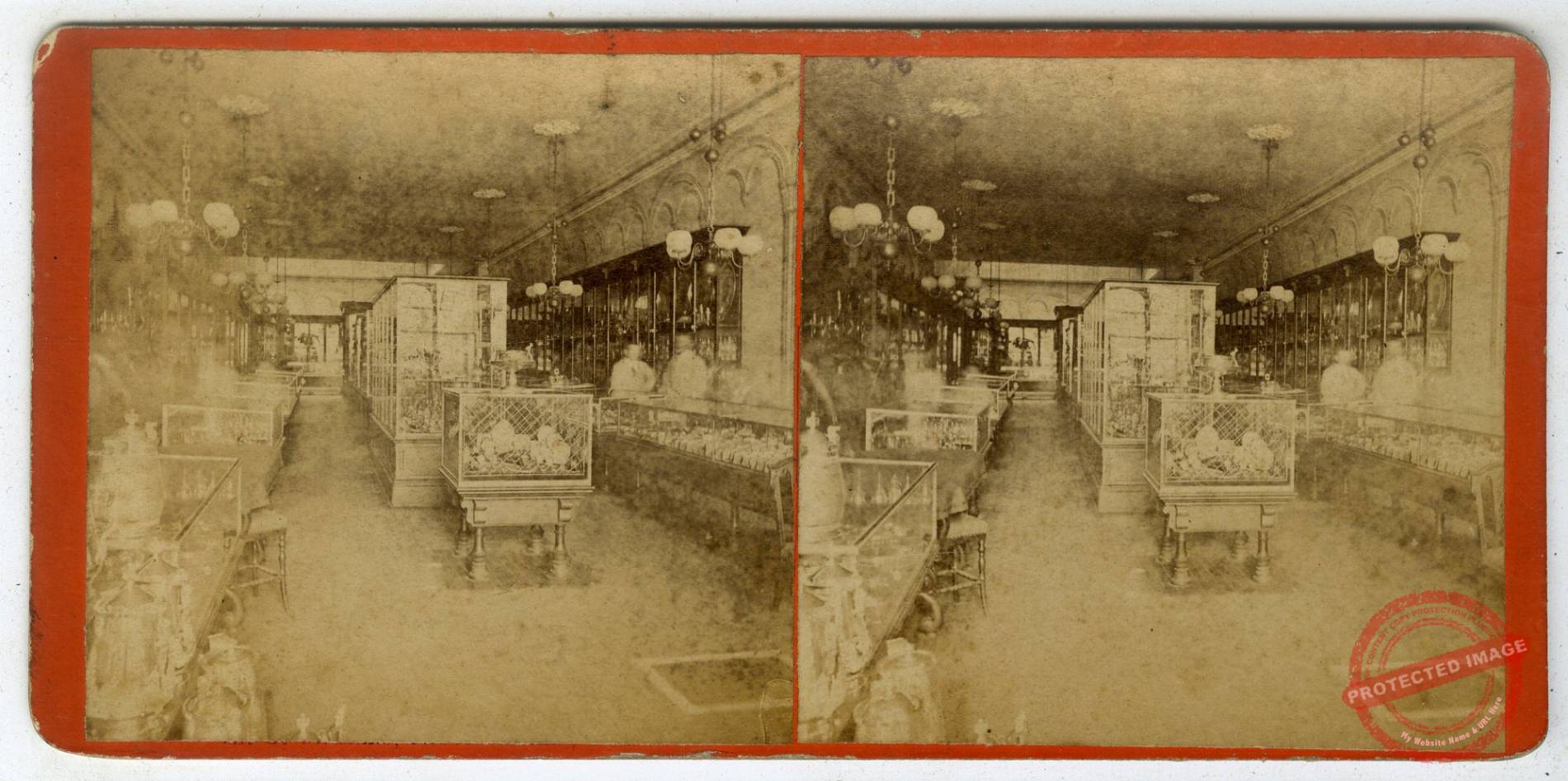
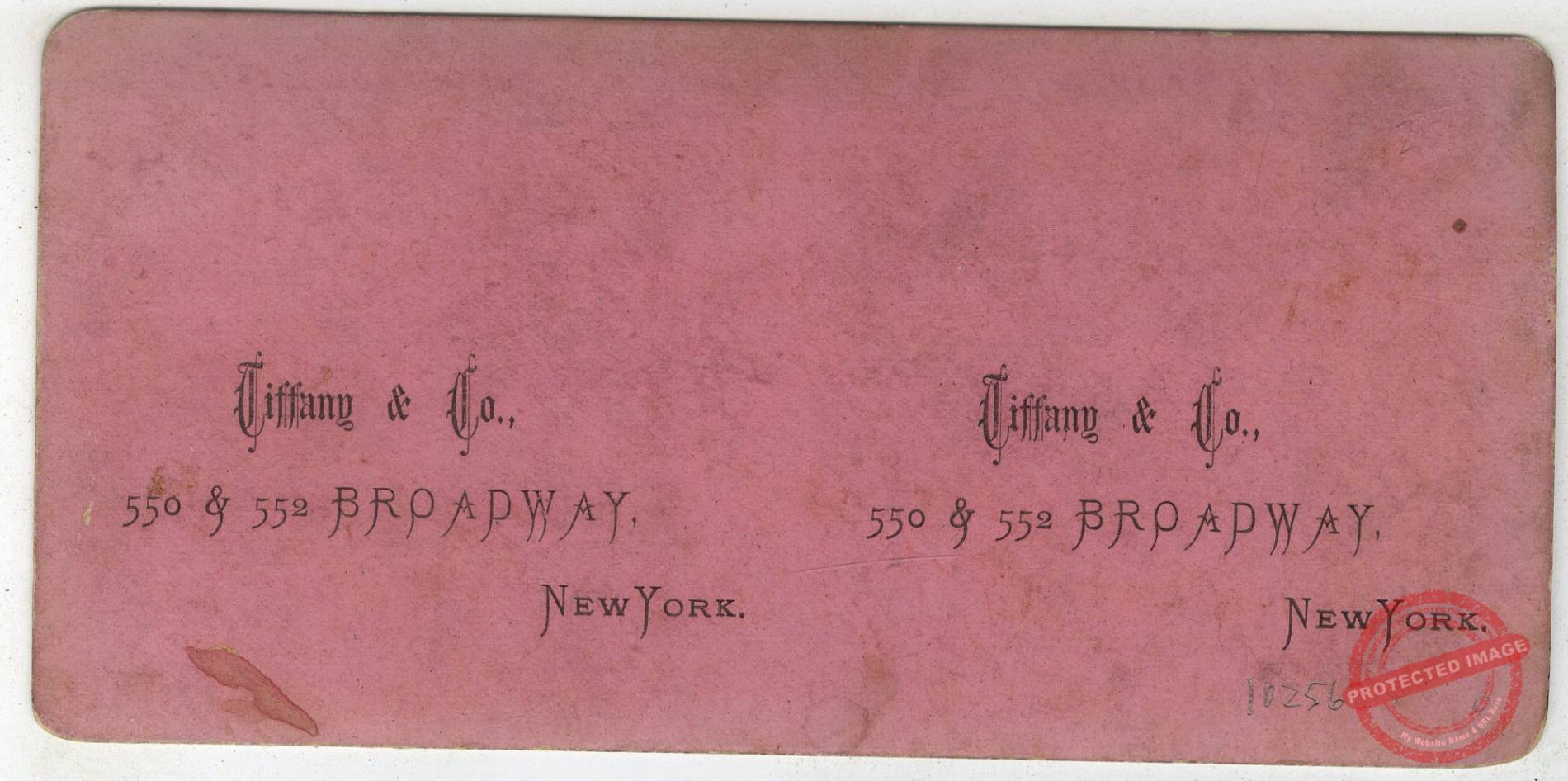
Tiffany & Co., 550 & 552 Broadway, NY.
973. Coney Island.
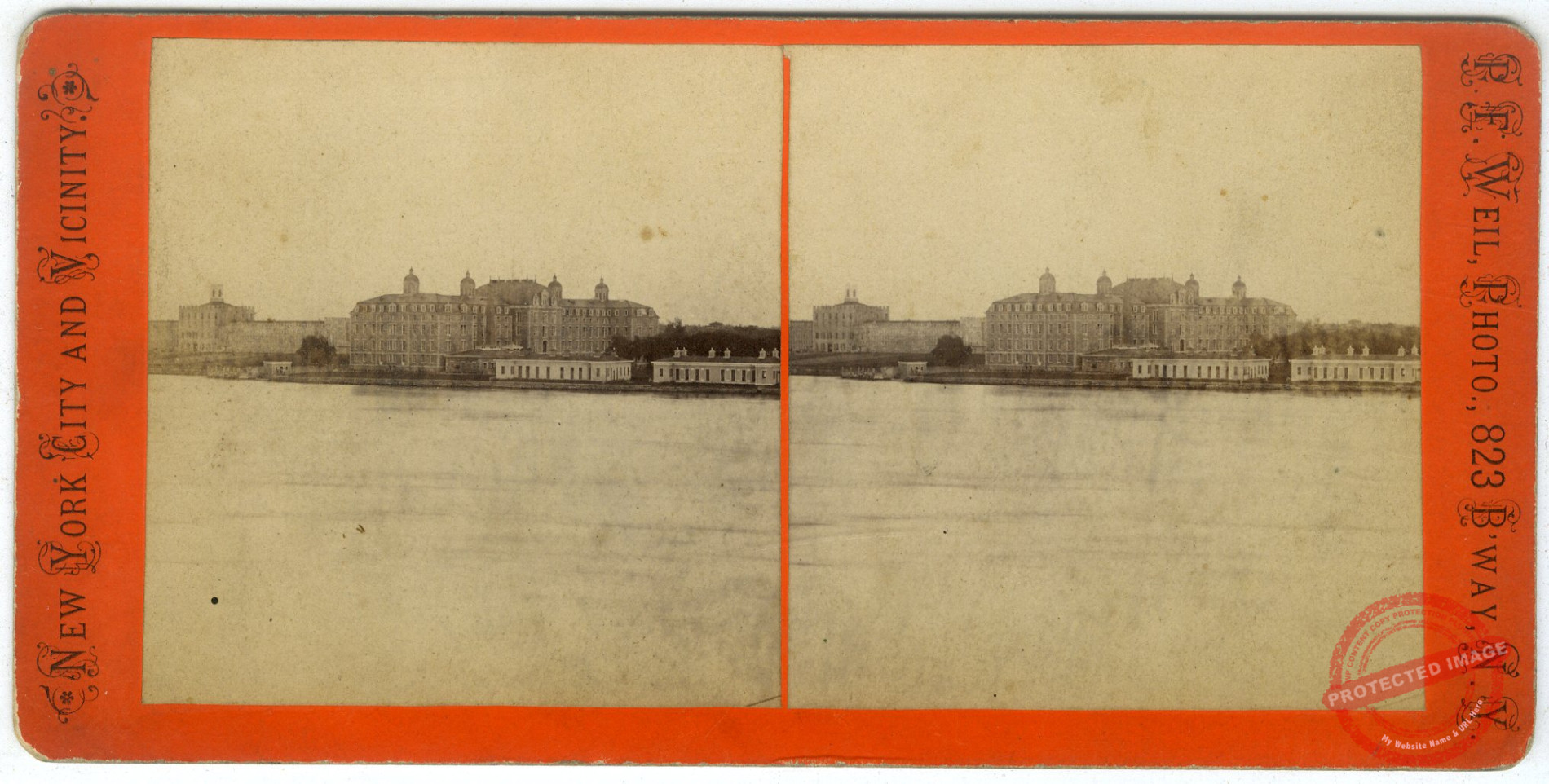
Blackwell’s Island Hospital.
866. Coney Island.
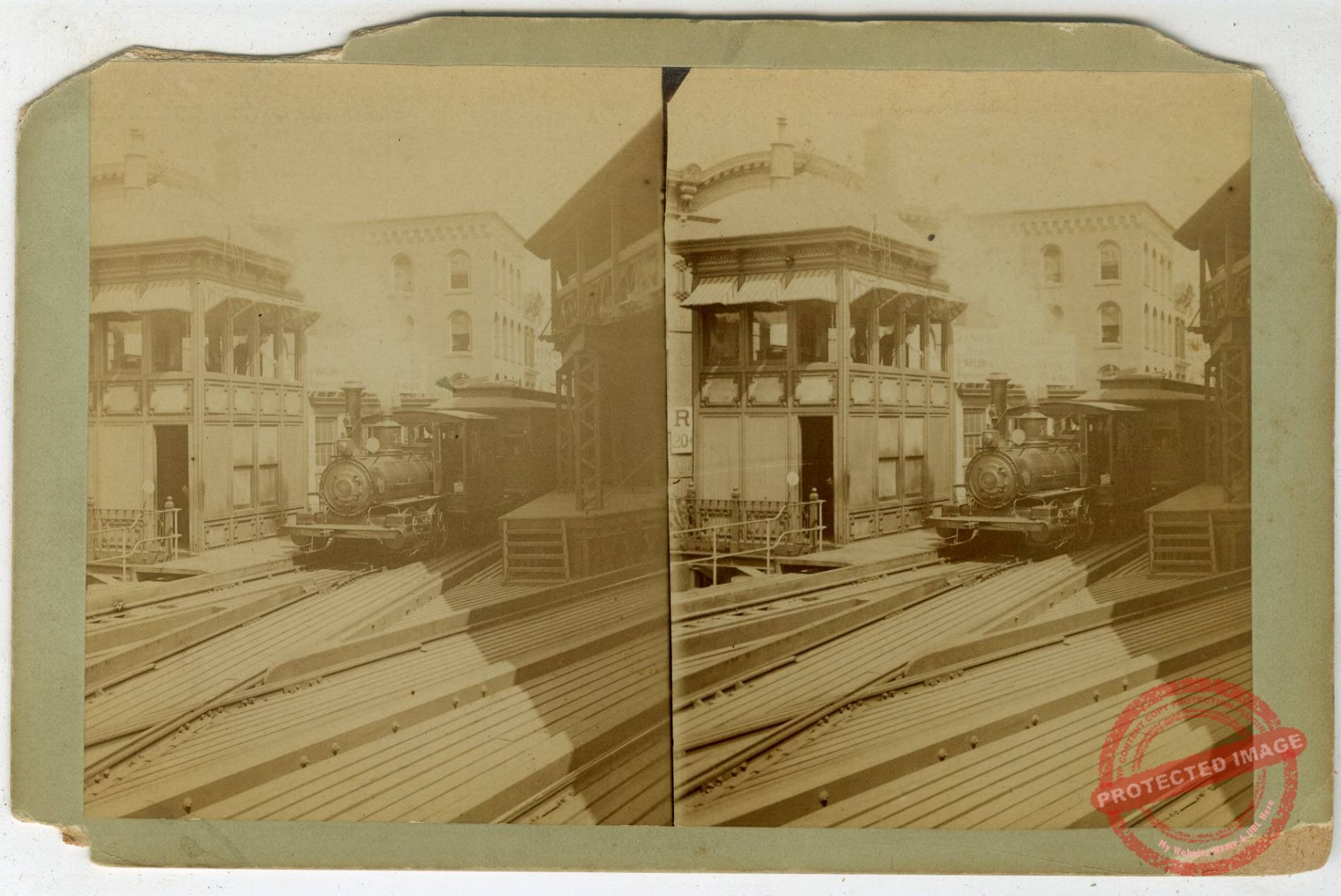
Chatham Square, N.Y.
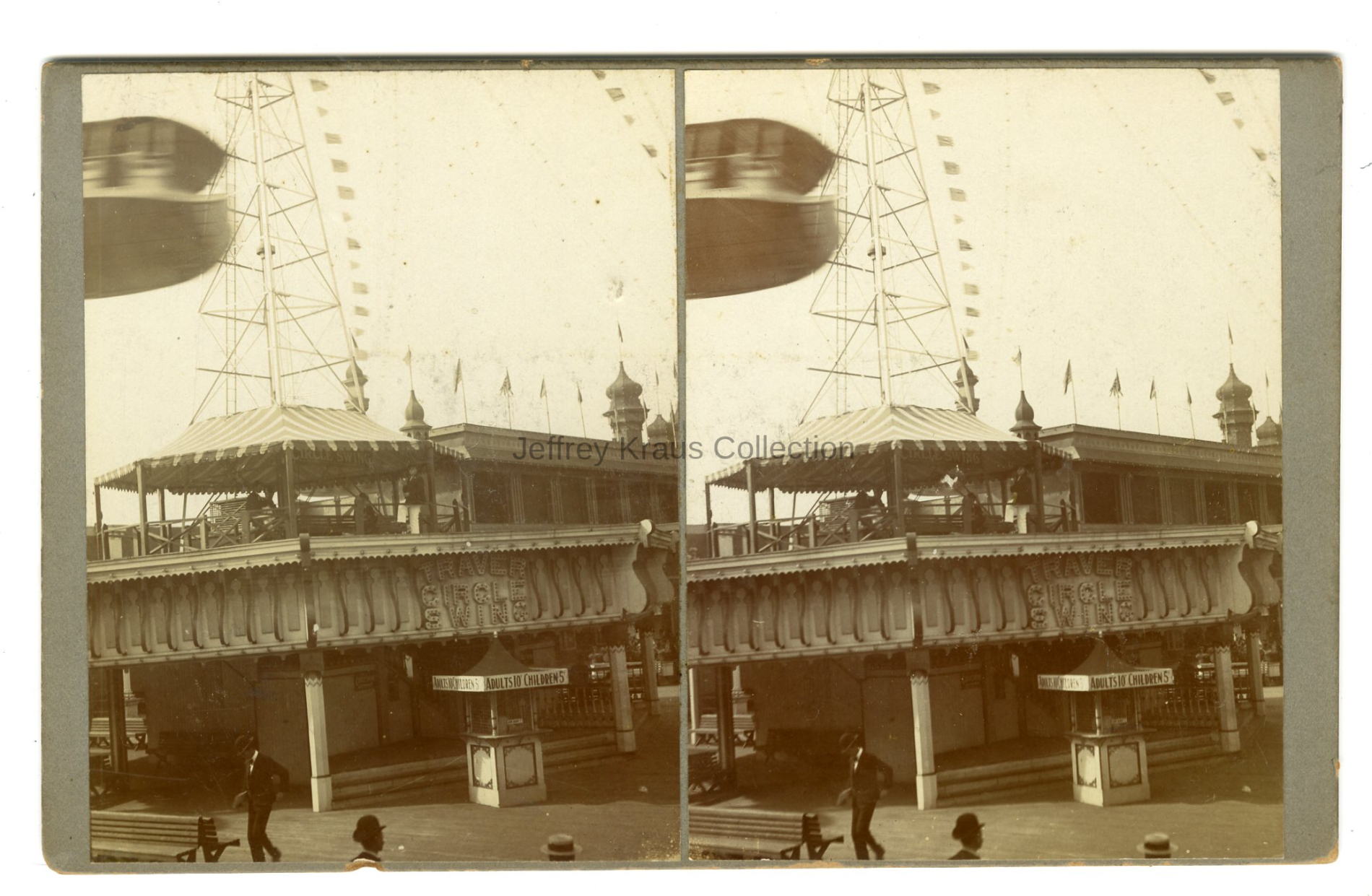
Coney Island. Luna Park. The Flying Boat.
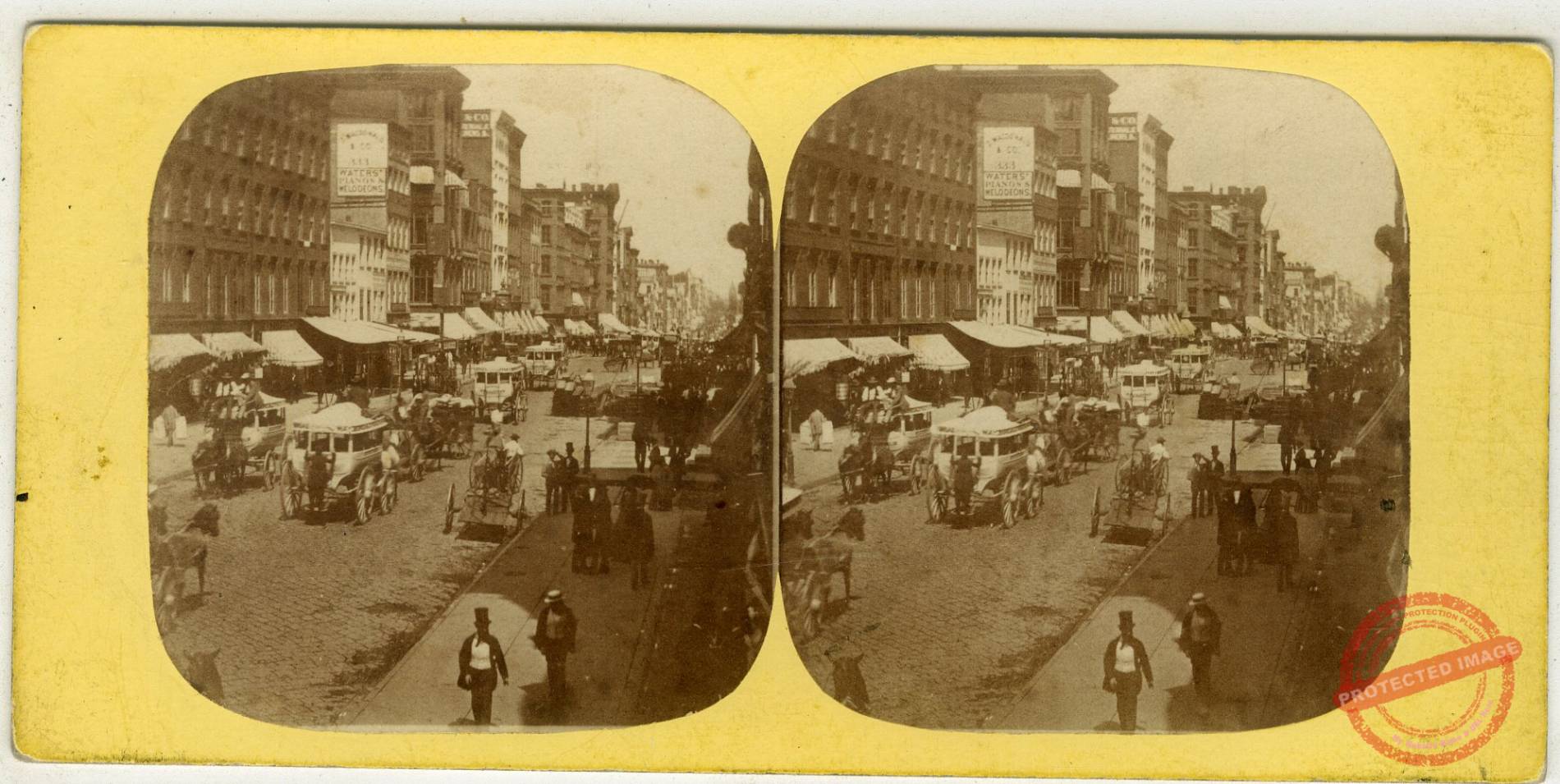
No. 172. Broadway. This is Anthony No. 181, issued later by Notman.
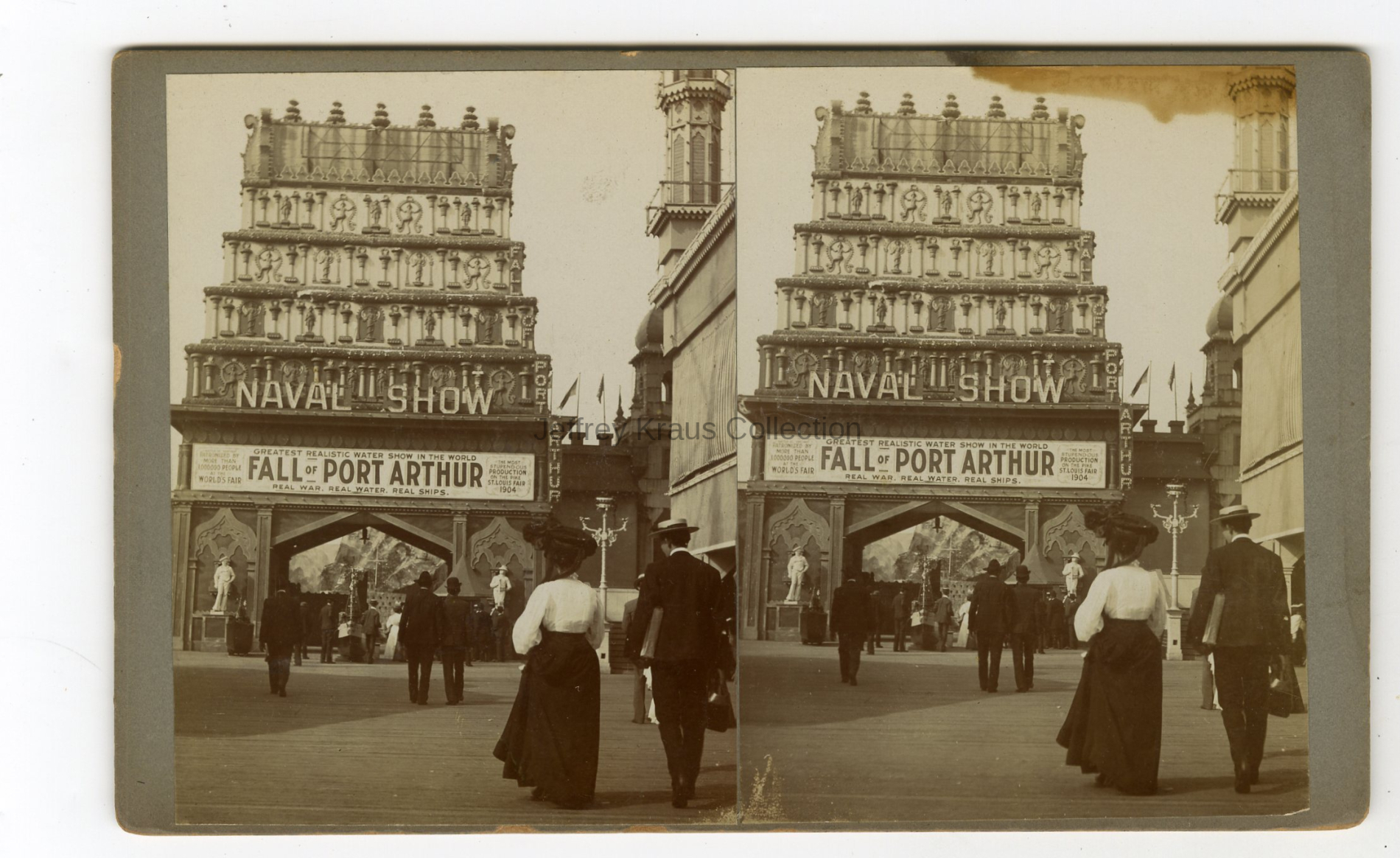
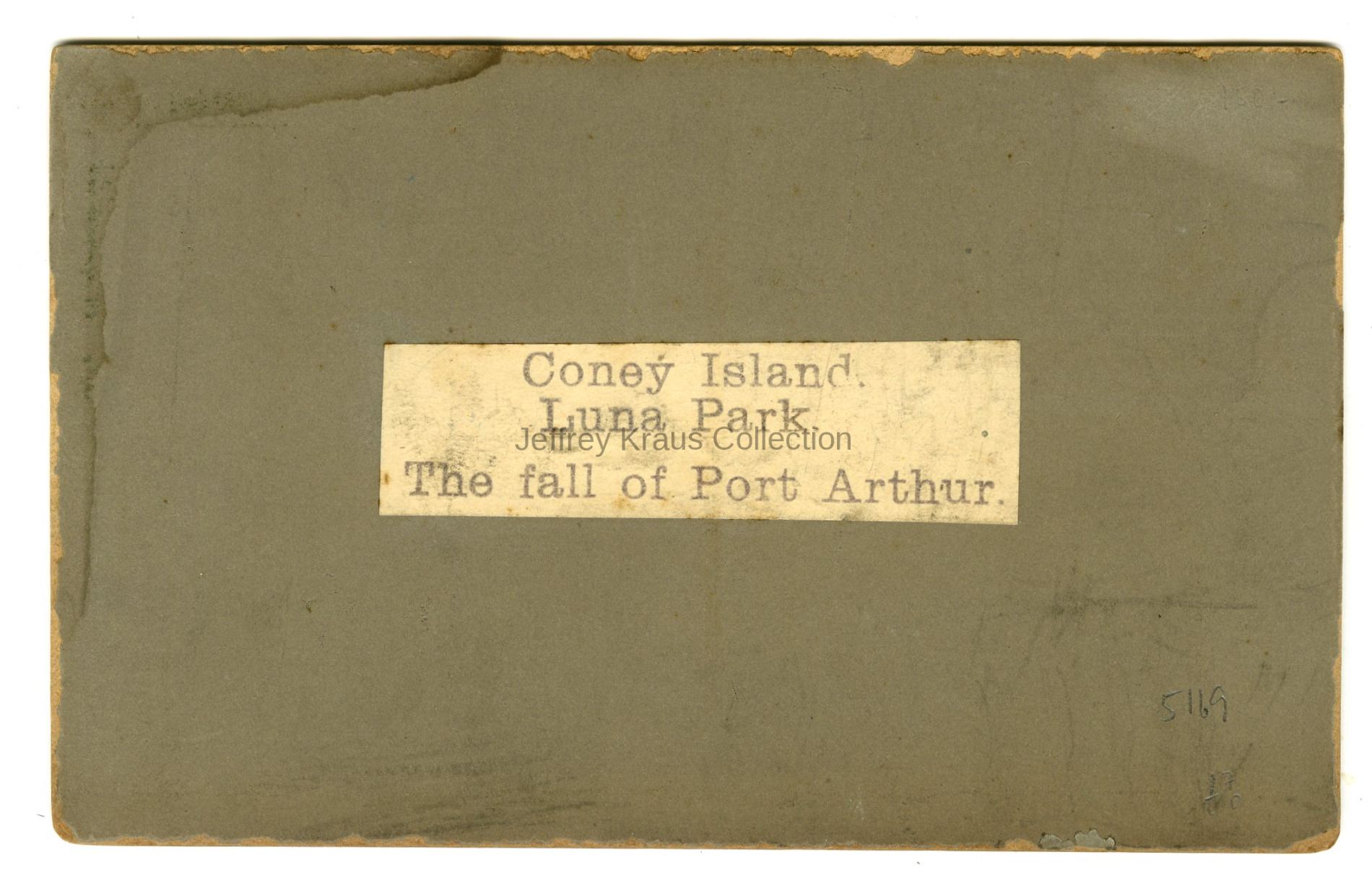
Coney Island. Luna Park. The fall of Port Arthur.
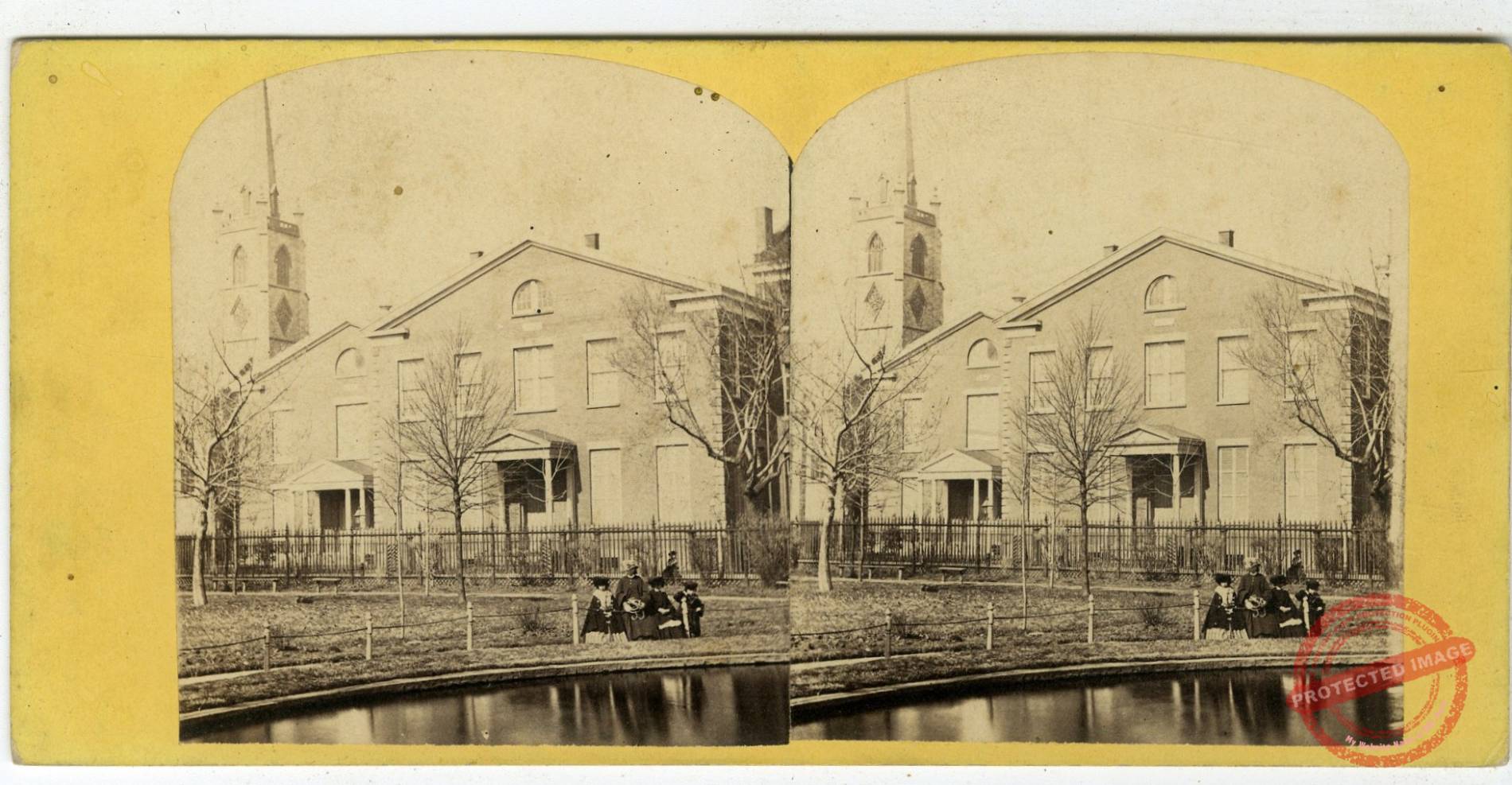
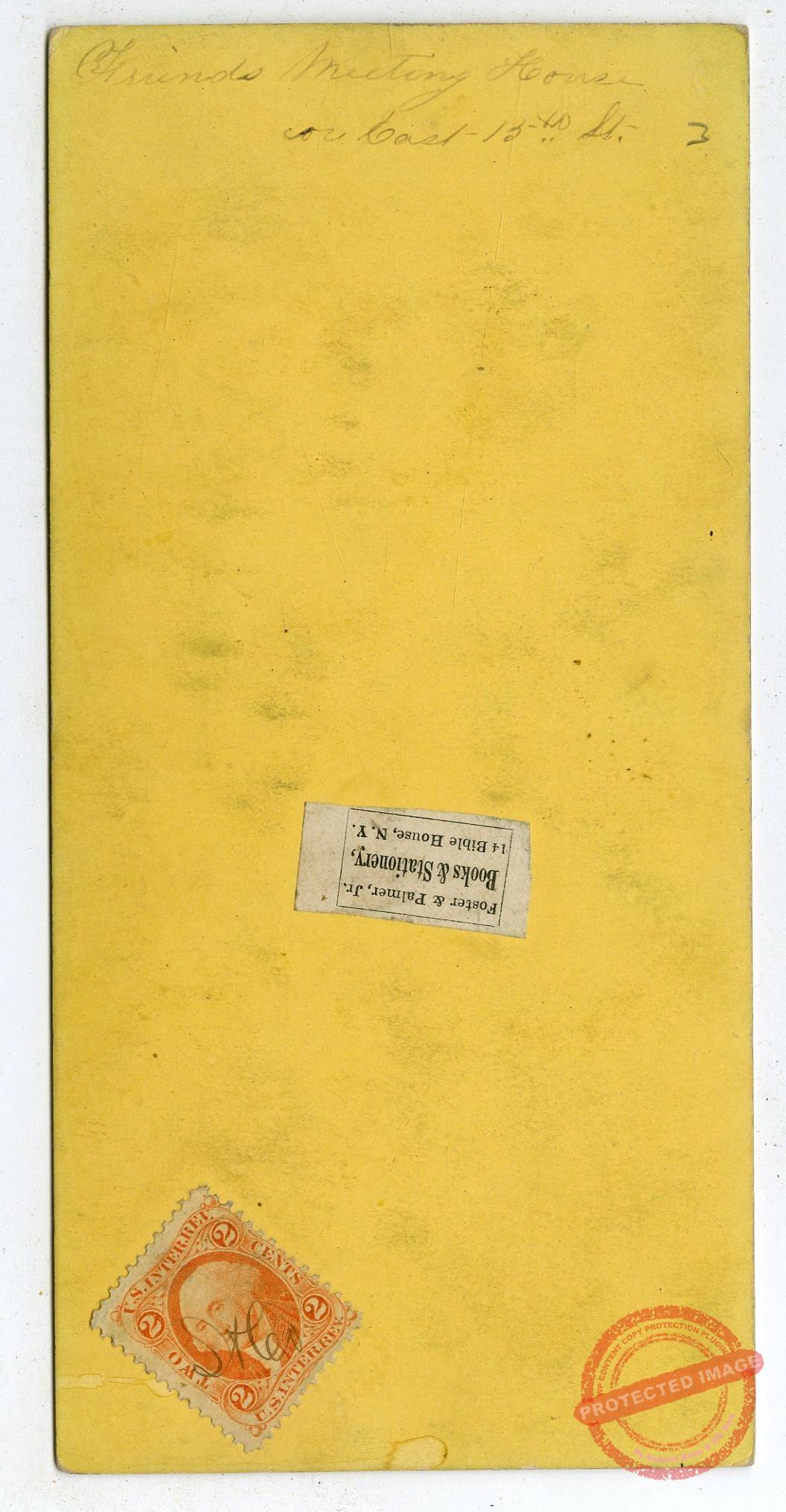
Friends Meeting House, East 15th St. The history of Fifteenth Street Friends Meeting begins in the 19th century, with the construction of the Meeting House in 1861 to serve Manhattan’s Quaker community, particularly those from the “Hicksite” branch of Quakerism. By the late 1700s, all Quaker meetings in North America had united in their opposition to slavery. Some New York City Friends played key roles in the Underground Railroad and abolitionist movements, while others, though against slavery, were hesitant to publicly oppose it. Isaac Hopper (1771–1852), a prominent abolitionist and philanthropist, was disowned by New York City Friends for his outspoken activism, yet continued attending Quaker worship. Lucretia Mott (1793–1880), an abolitionist and women’s rights advocate, delivered a notable speech at Fifteenth Street Meeting House on November 11, 1866, advocating for women’s rights.
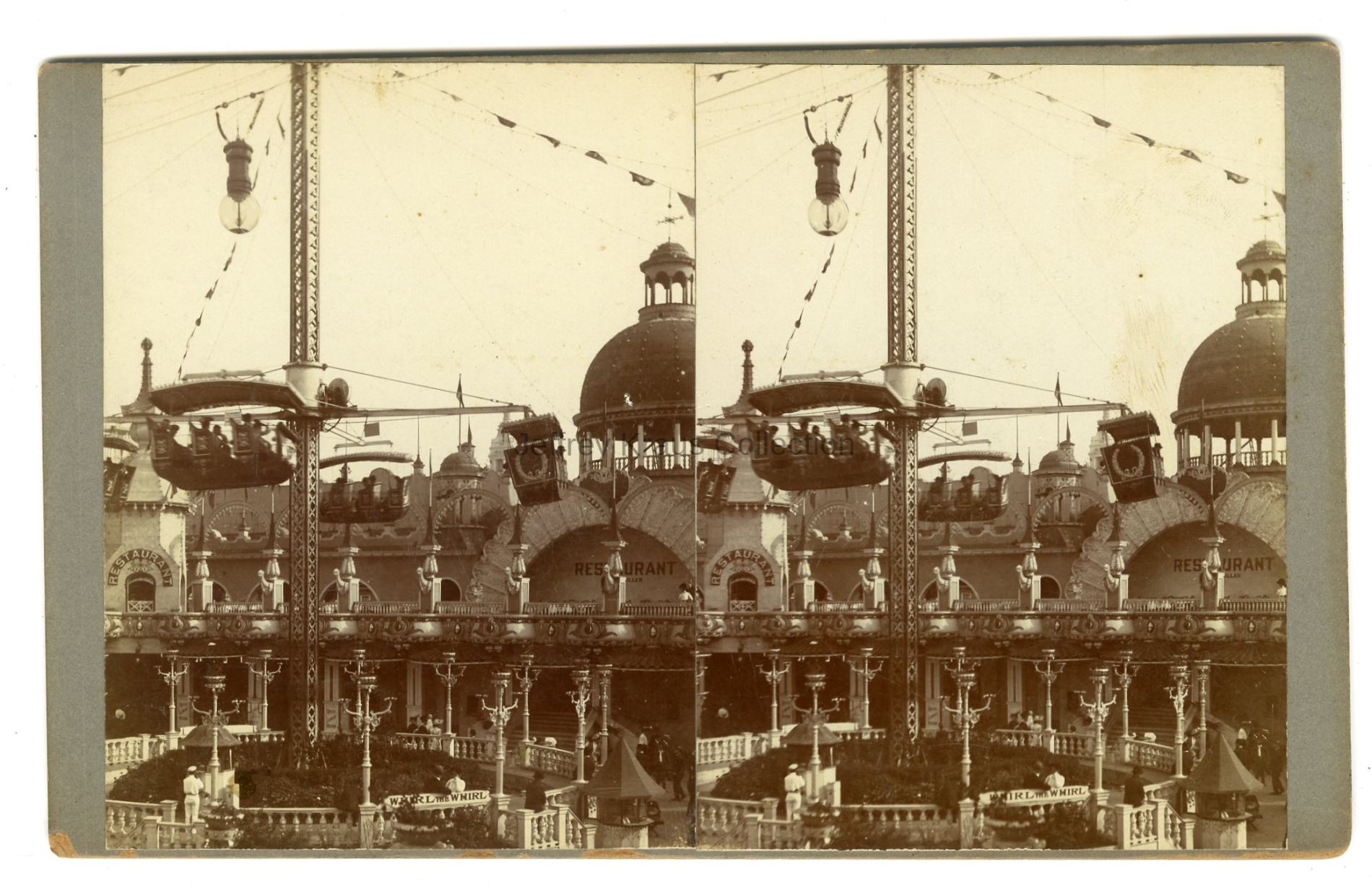
Coney Island. Luna Park. Whirl the whirl.
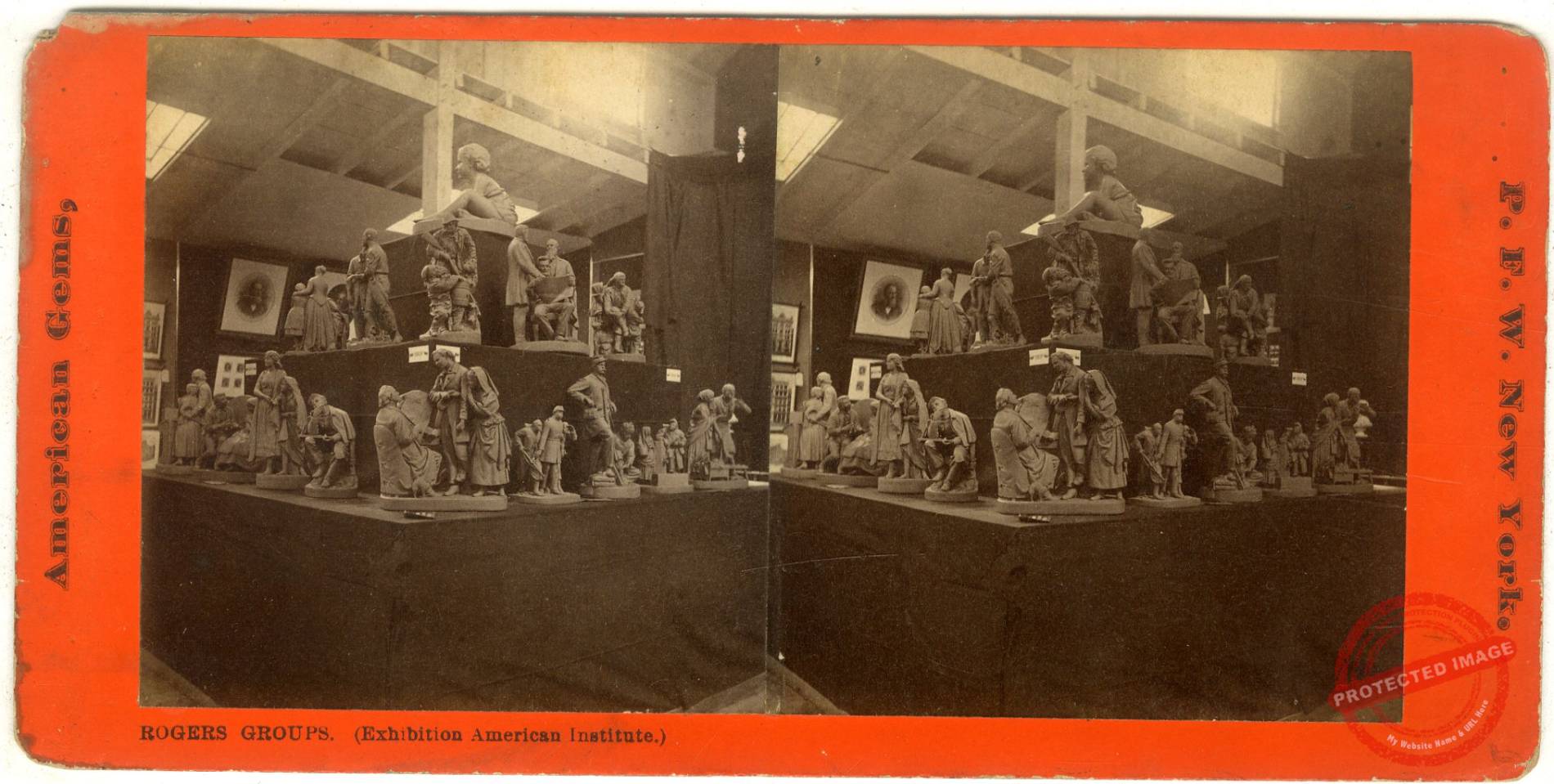
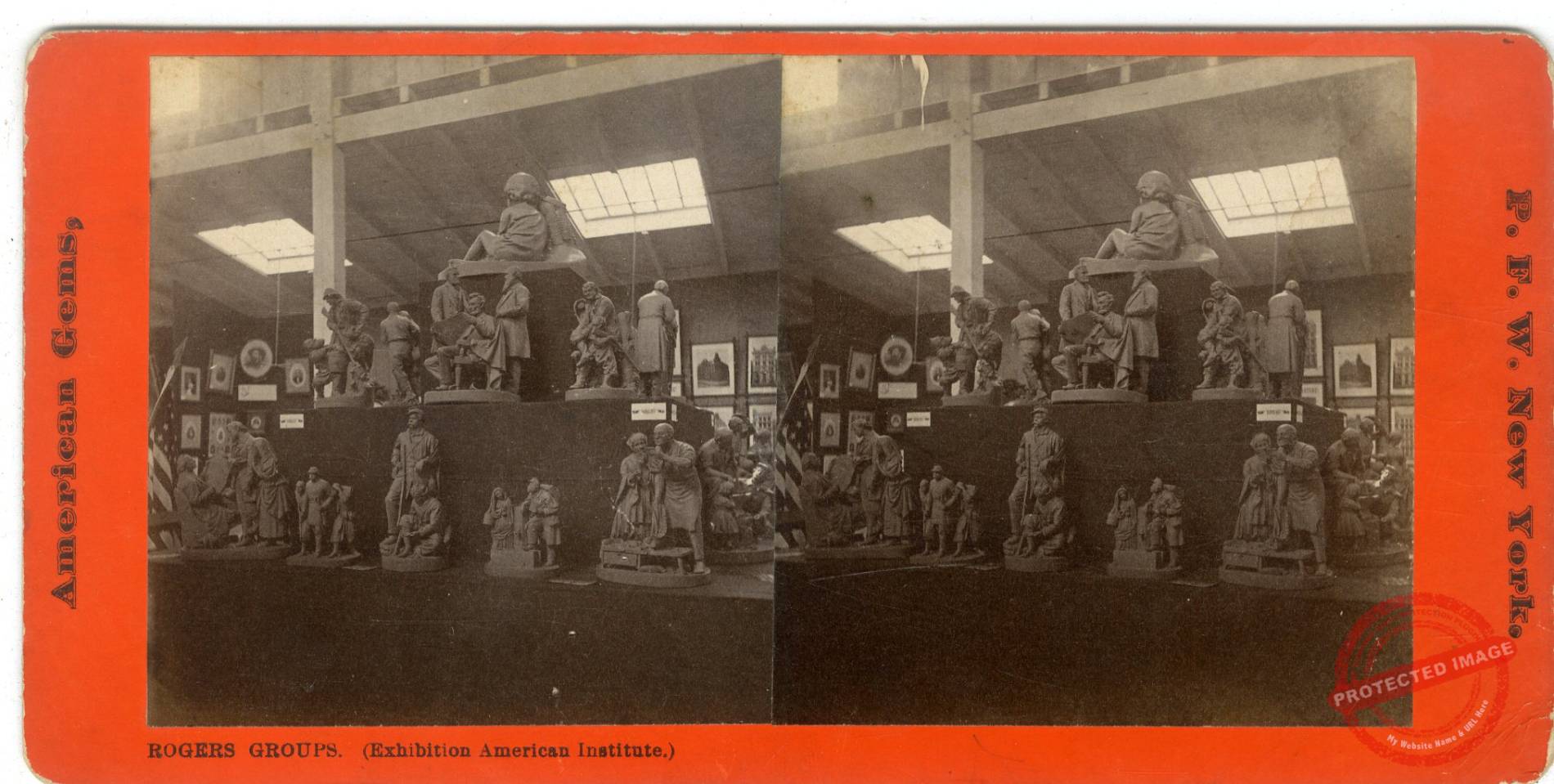
Rogers Groups (Exhibition American Institute).
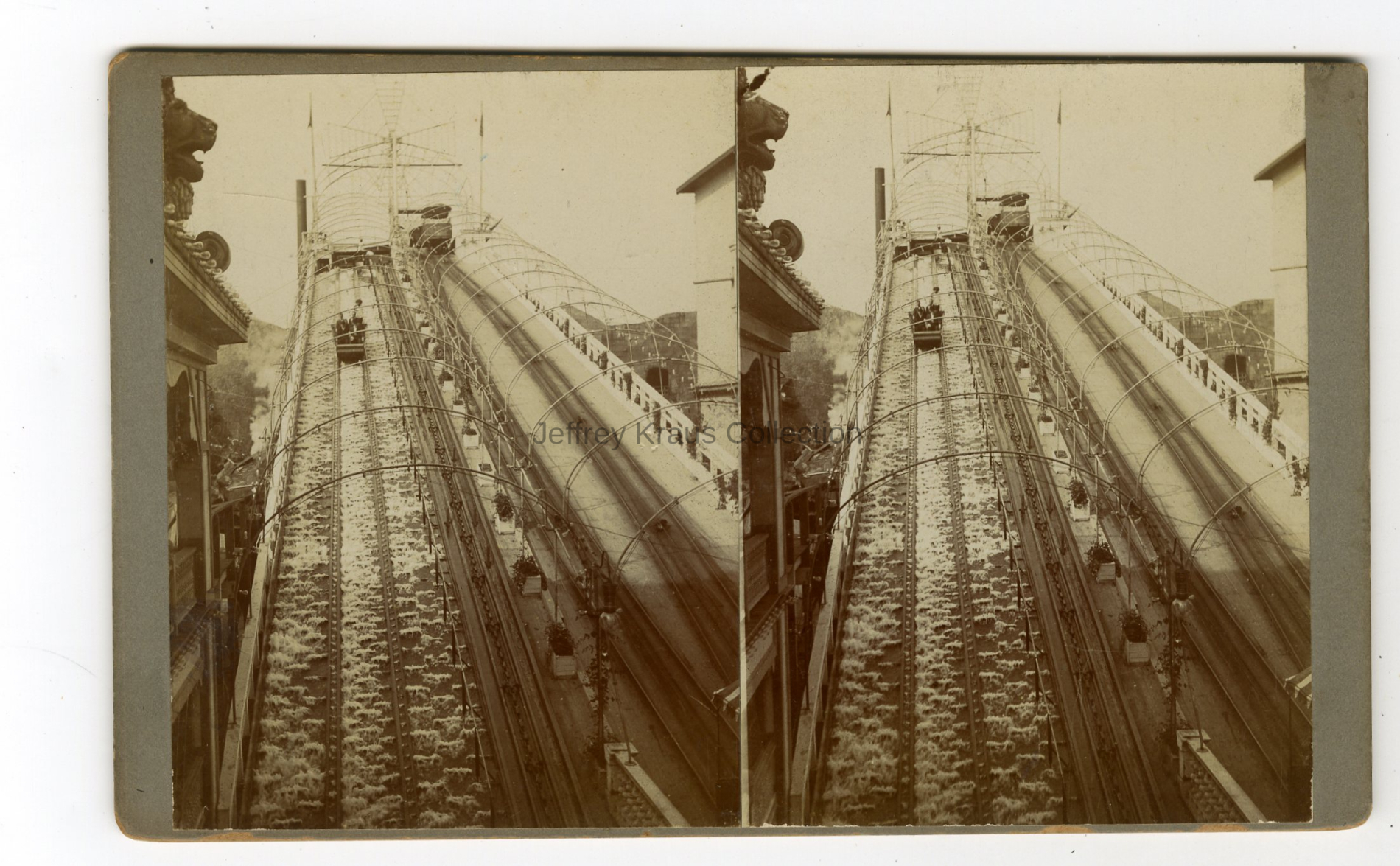
Coney Island. Luna Park. Shooting the Chute.
Rogers Groups (Exhibition American Institute).
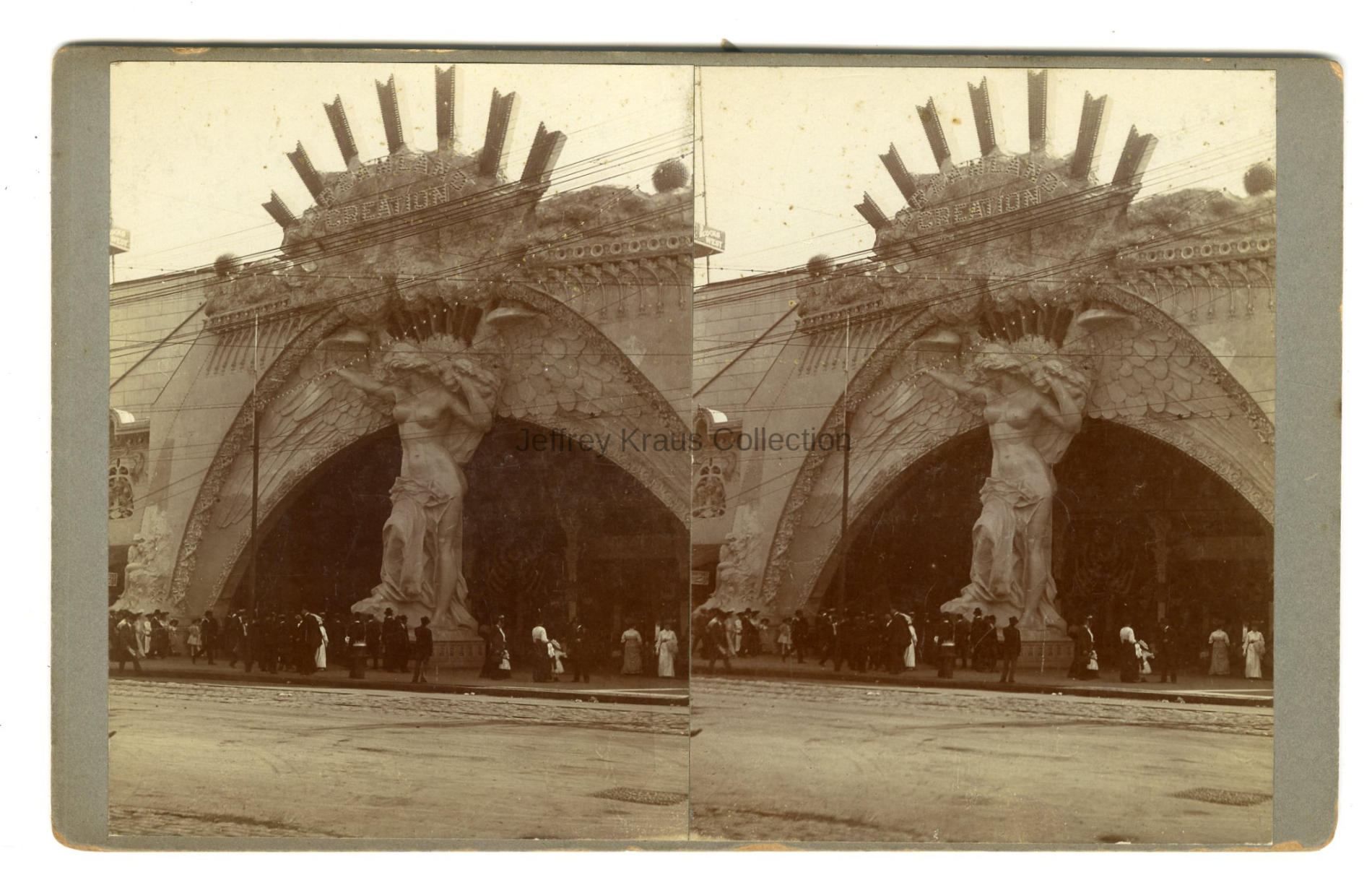
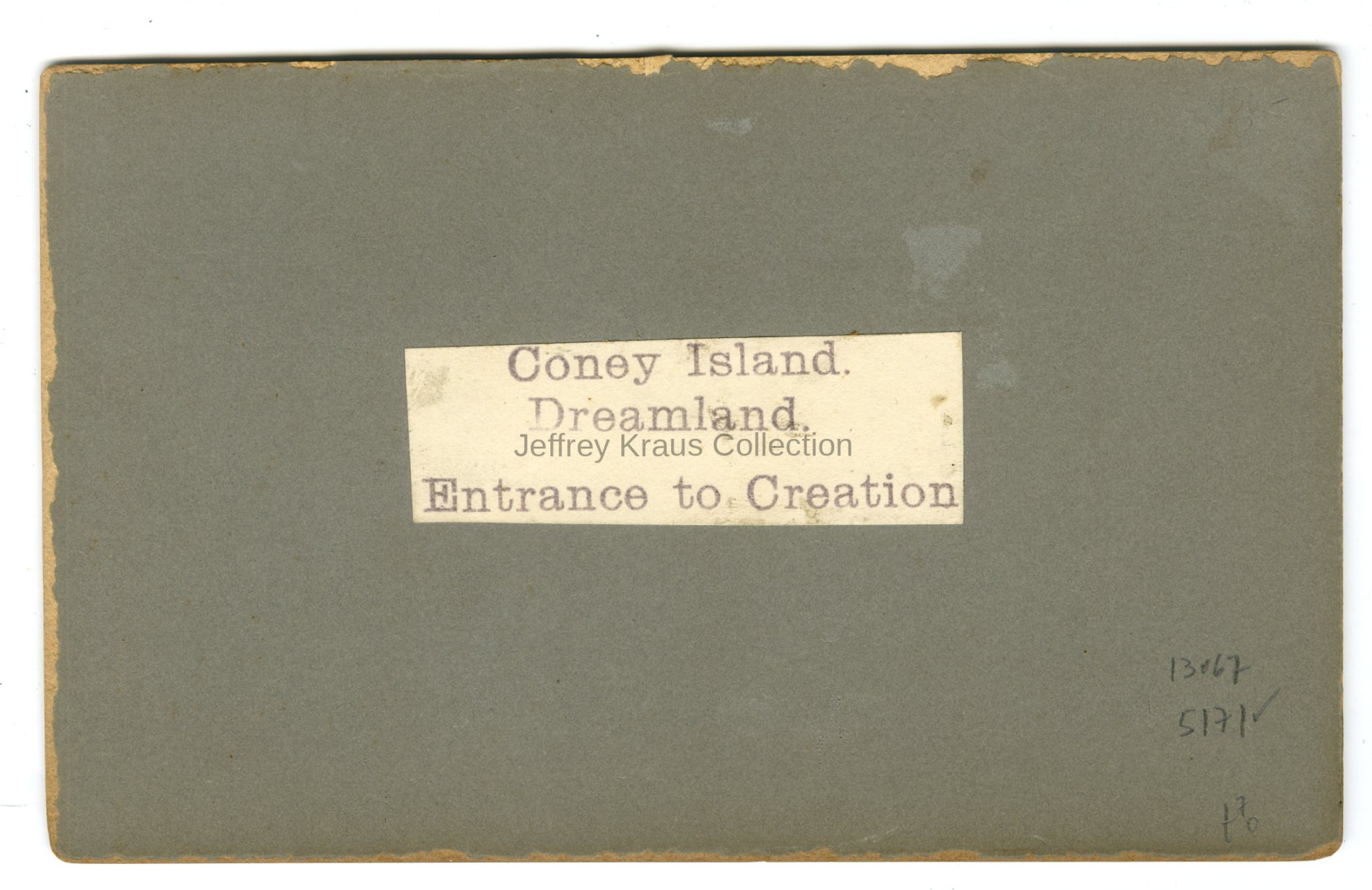
Coney Island. Dreamland. Entrance to Creation.
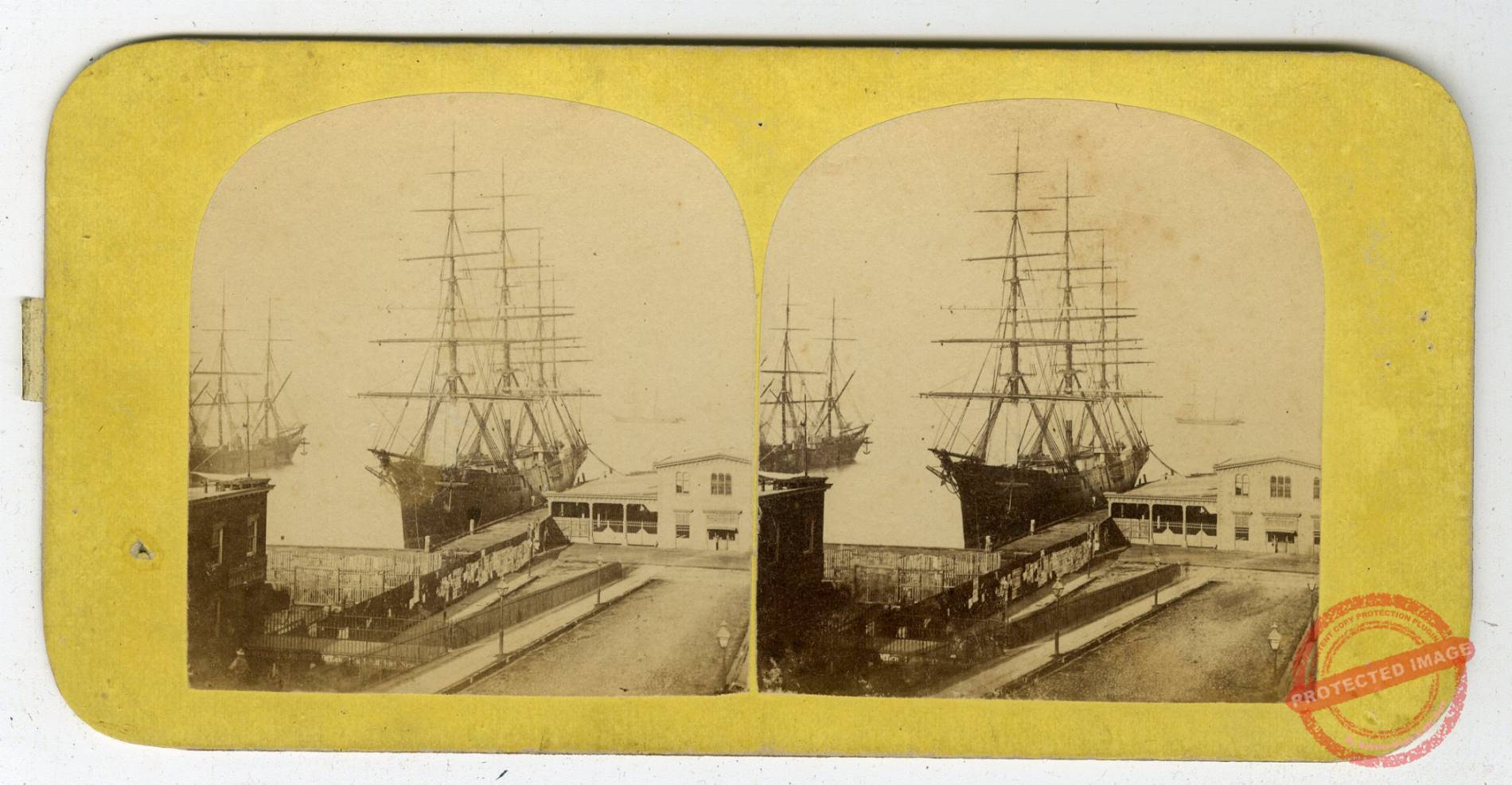
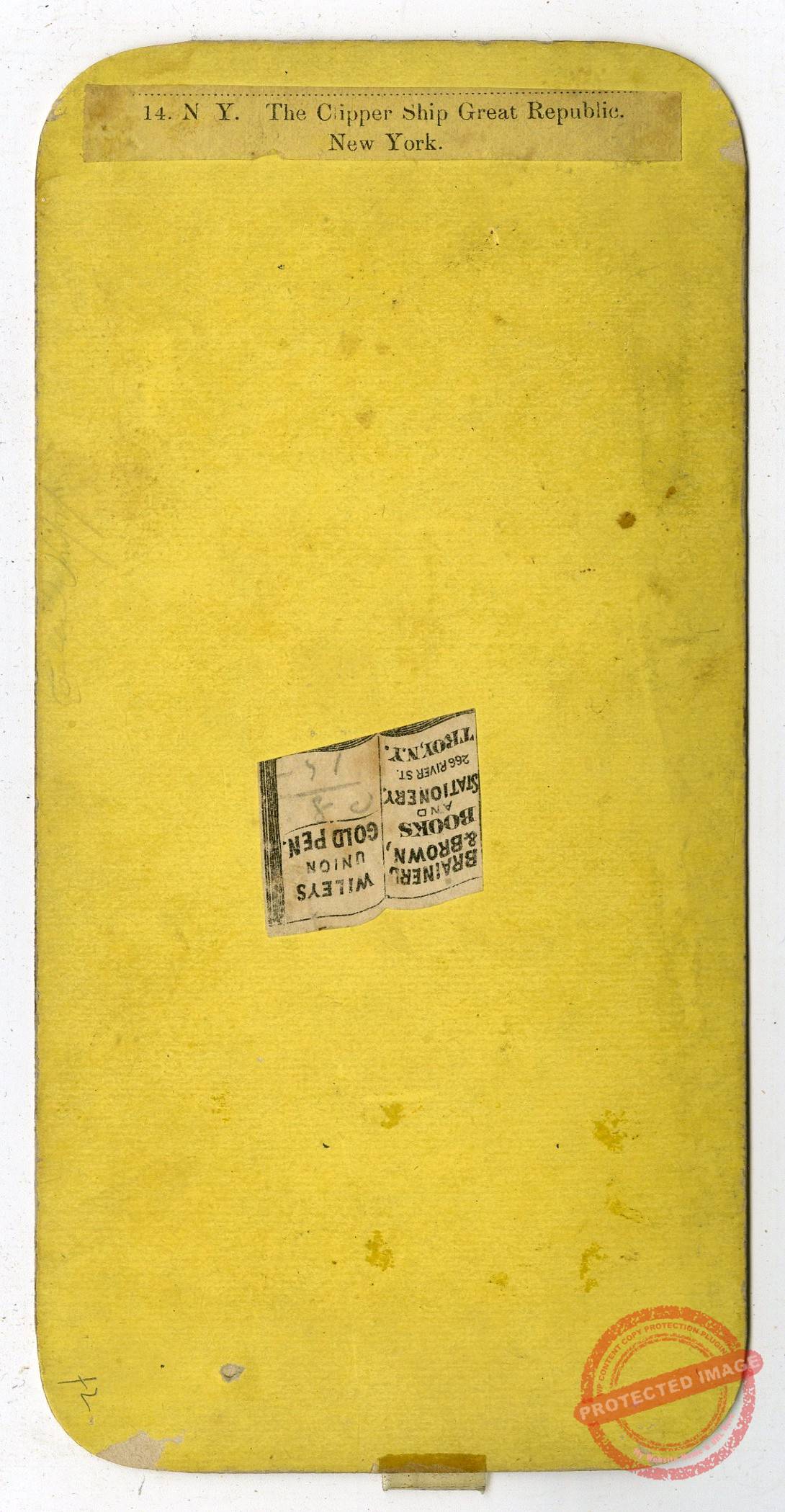
14. N.Y. The Clipper Ship Great Republic. New York.
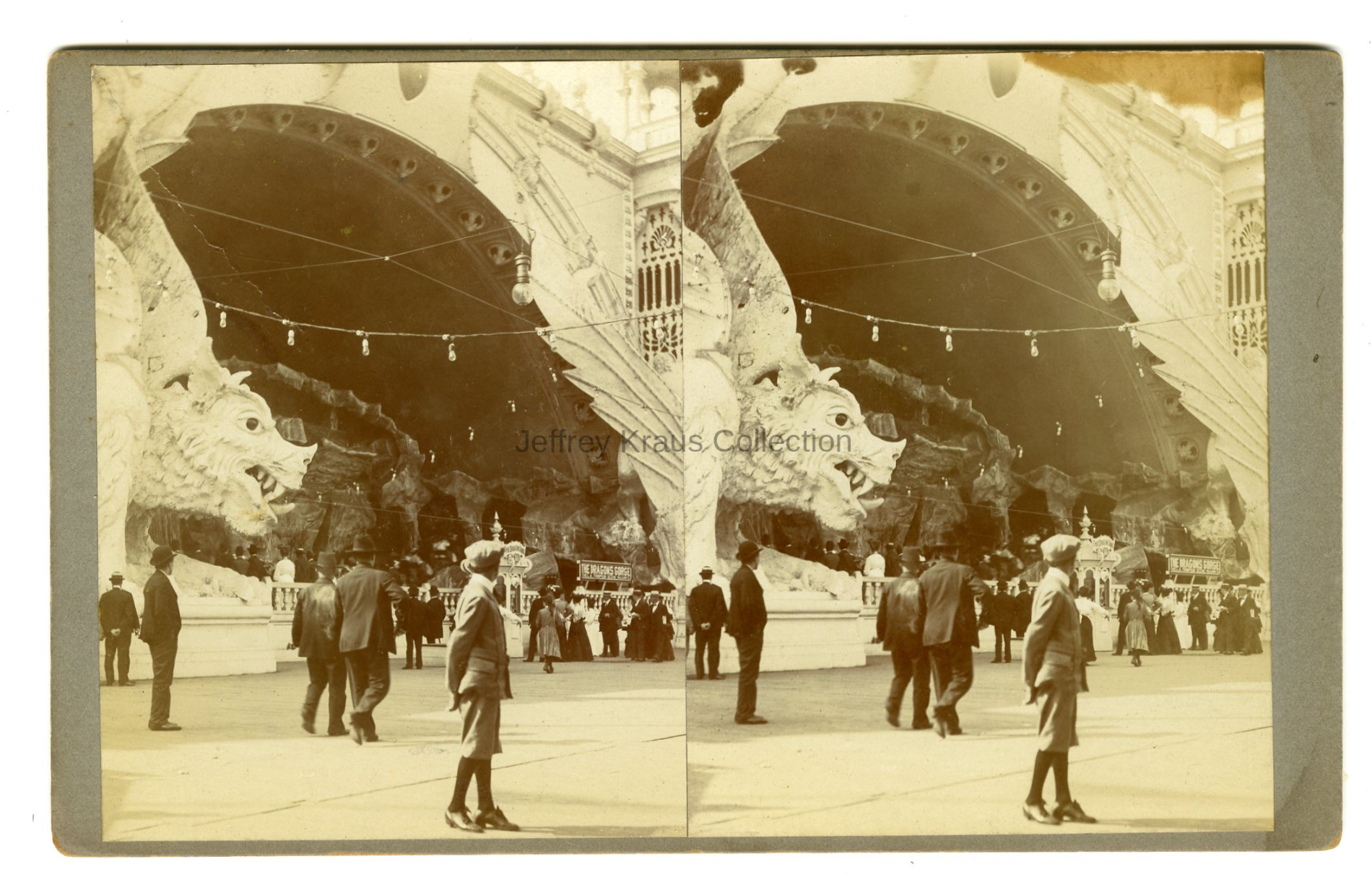
Coney Island. Luna Park. The Dragon’s Gorge.
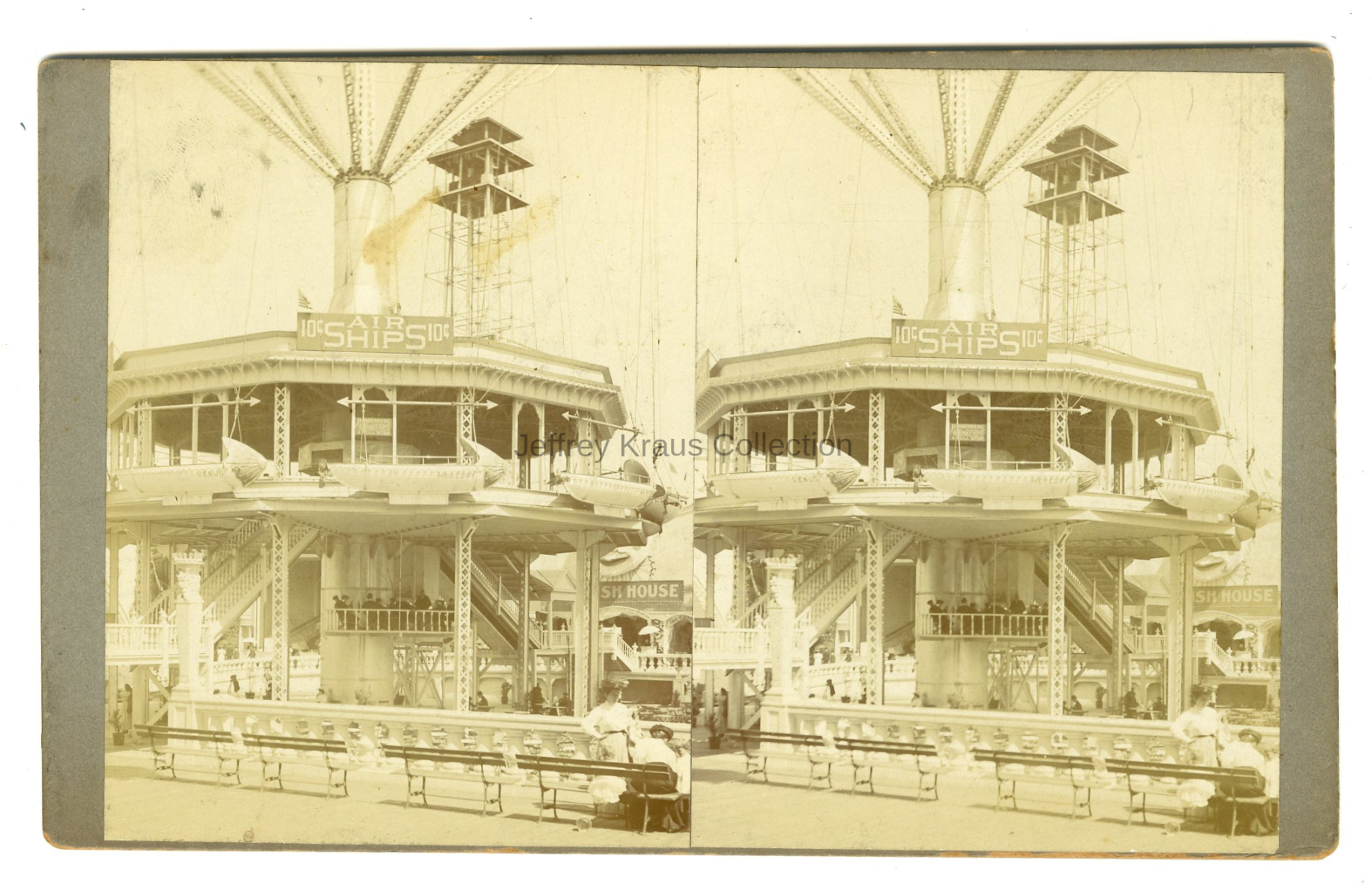
Coney Island. Dreamland. The Air Ships. They Travel about 45 miles an hour.
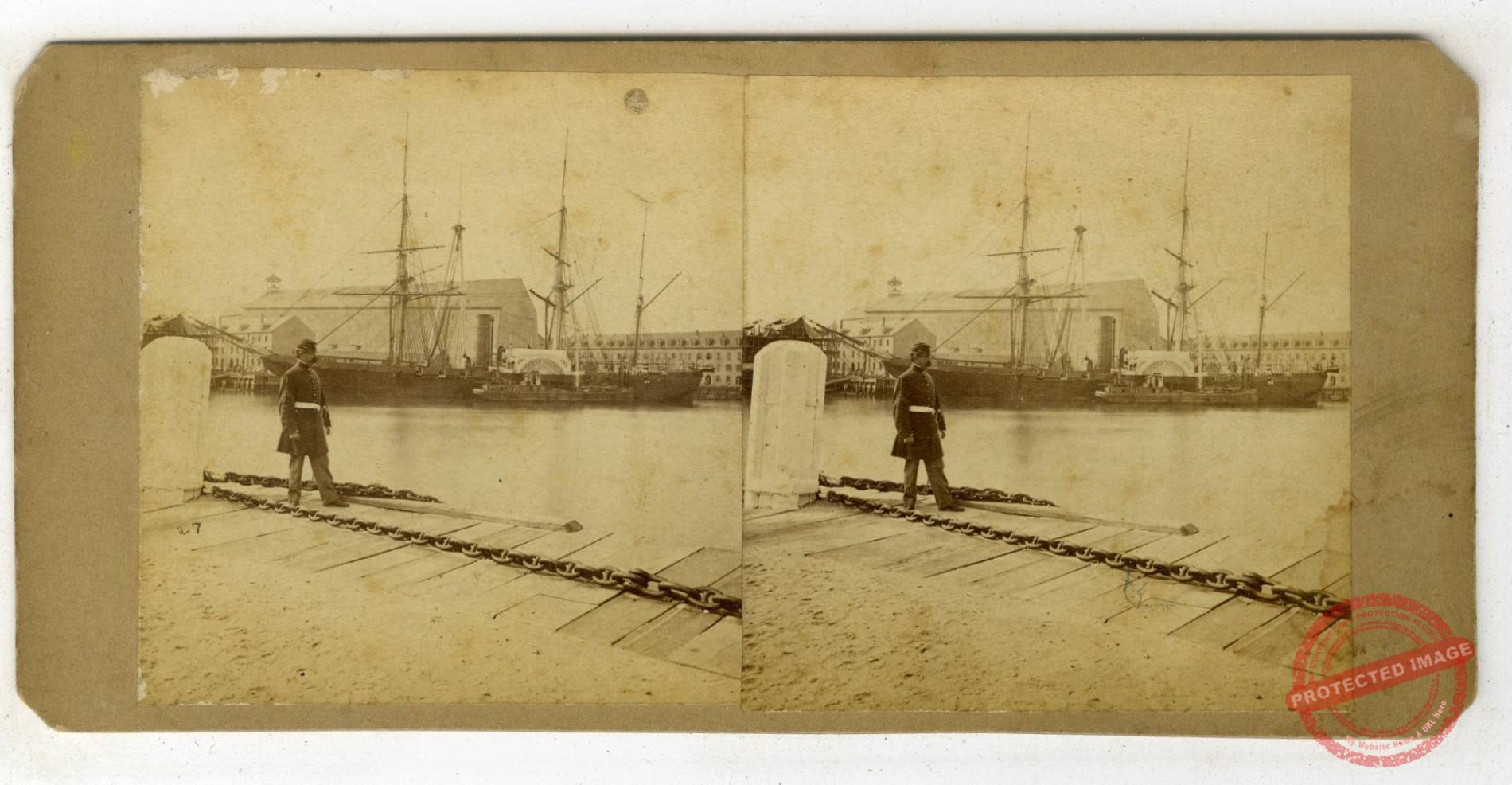
Navy Yard, Brooklyn, NY.
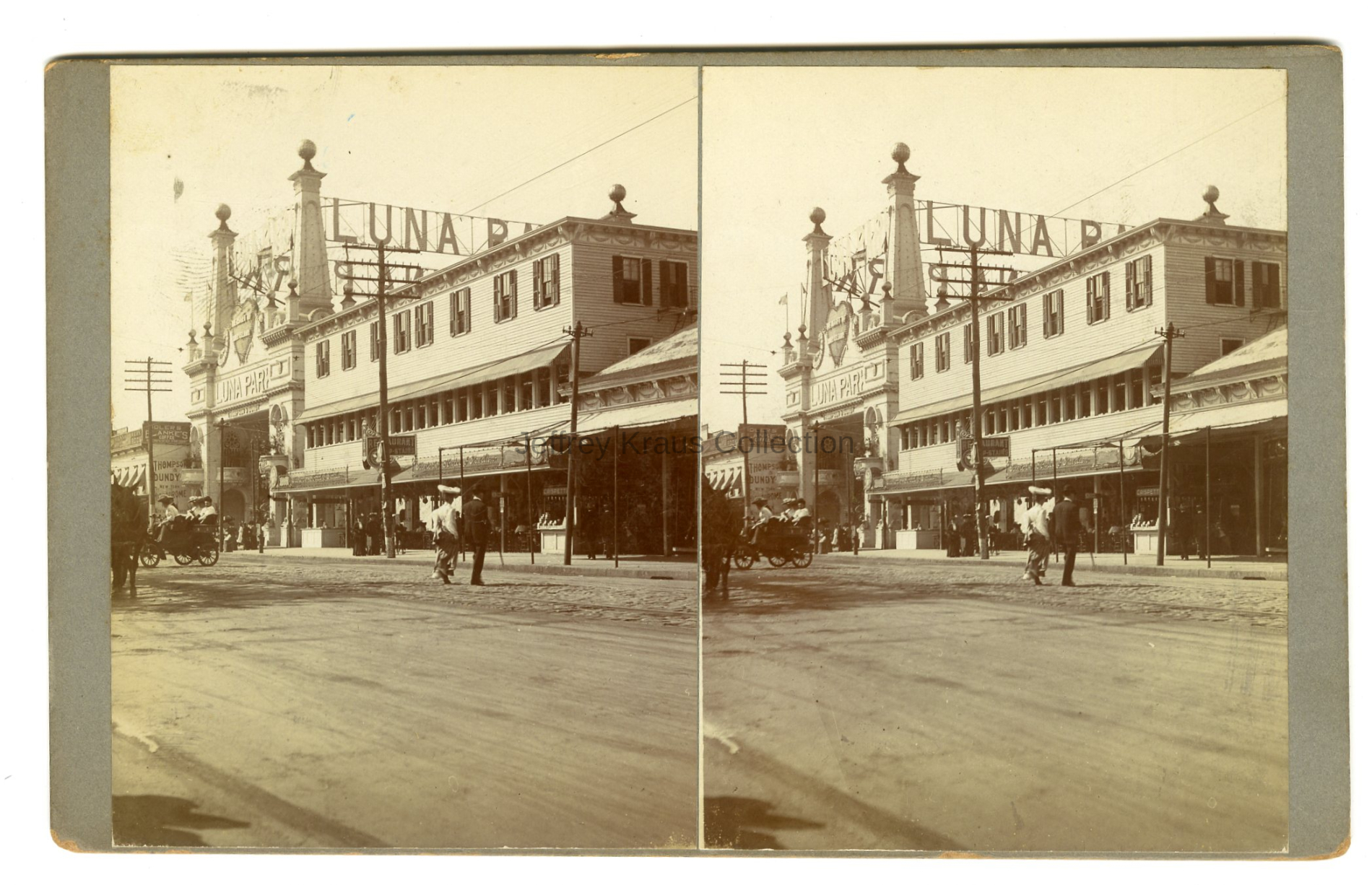
Coney Island. Luna Park. Looking down Surf Ave.
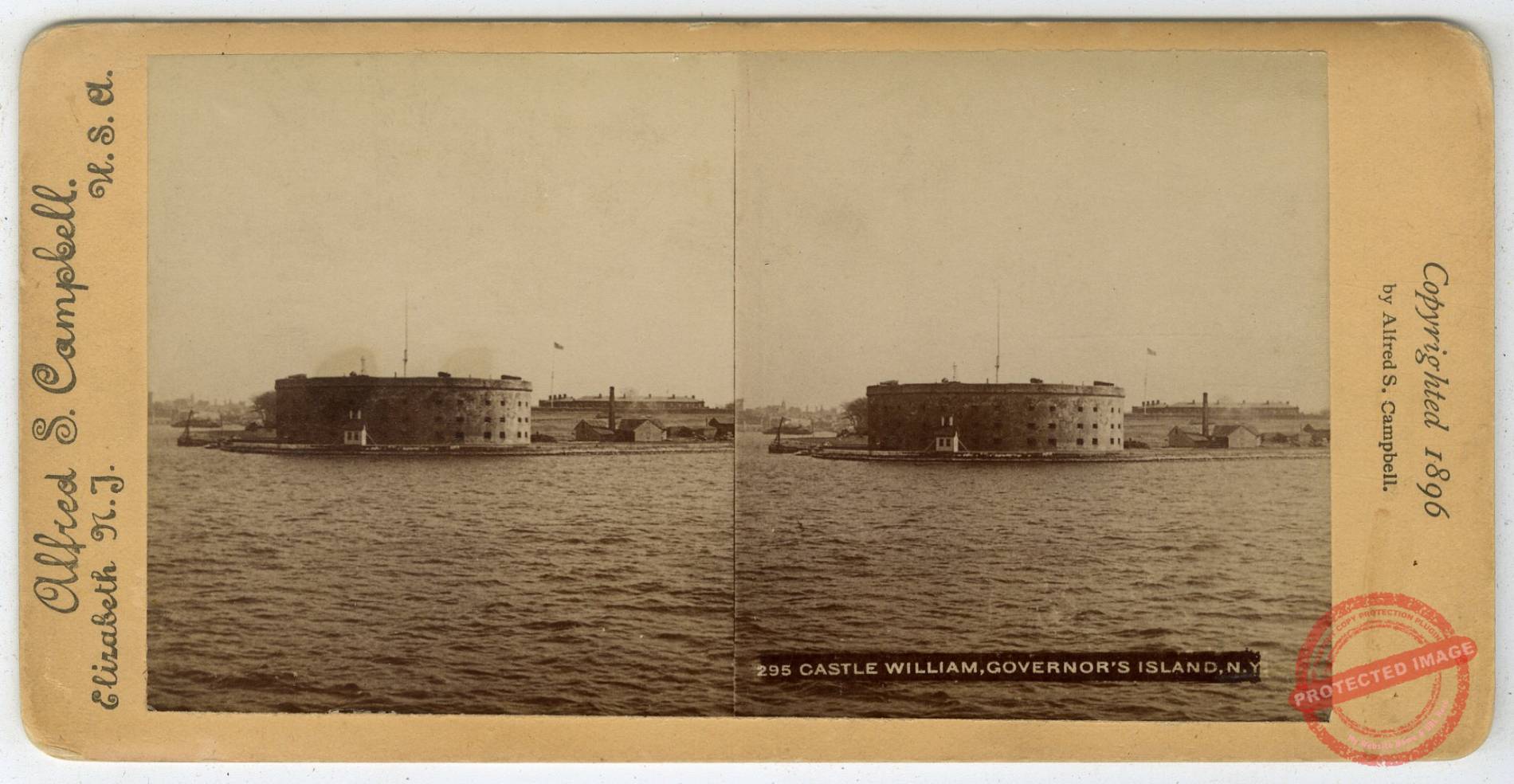
295. Castle William, Governor’s Island, NY.