12867.
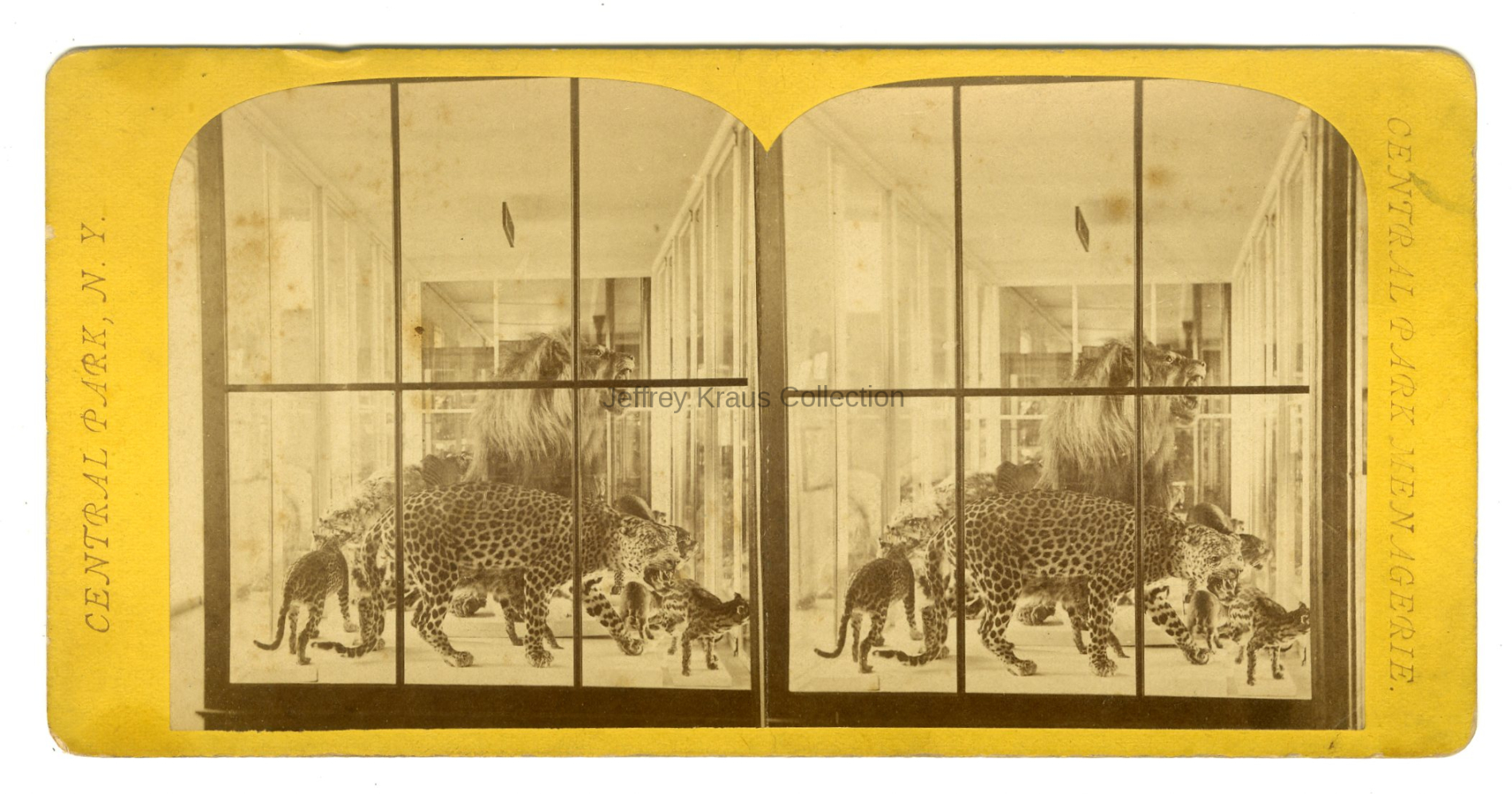
Central Park Menagerie.

Central Park Menagerie.
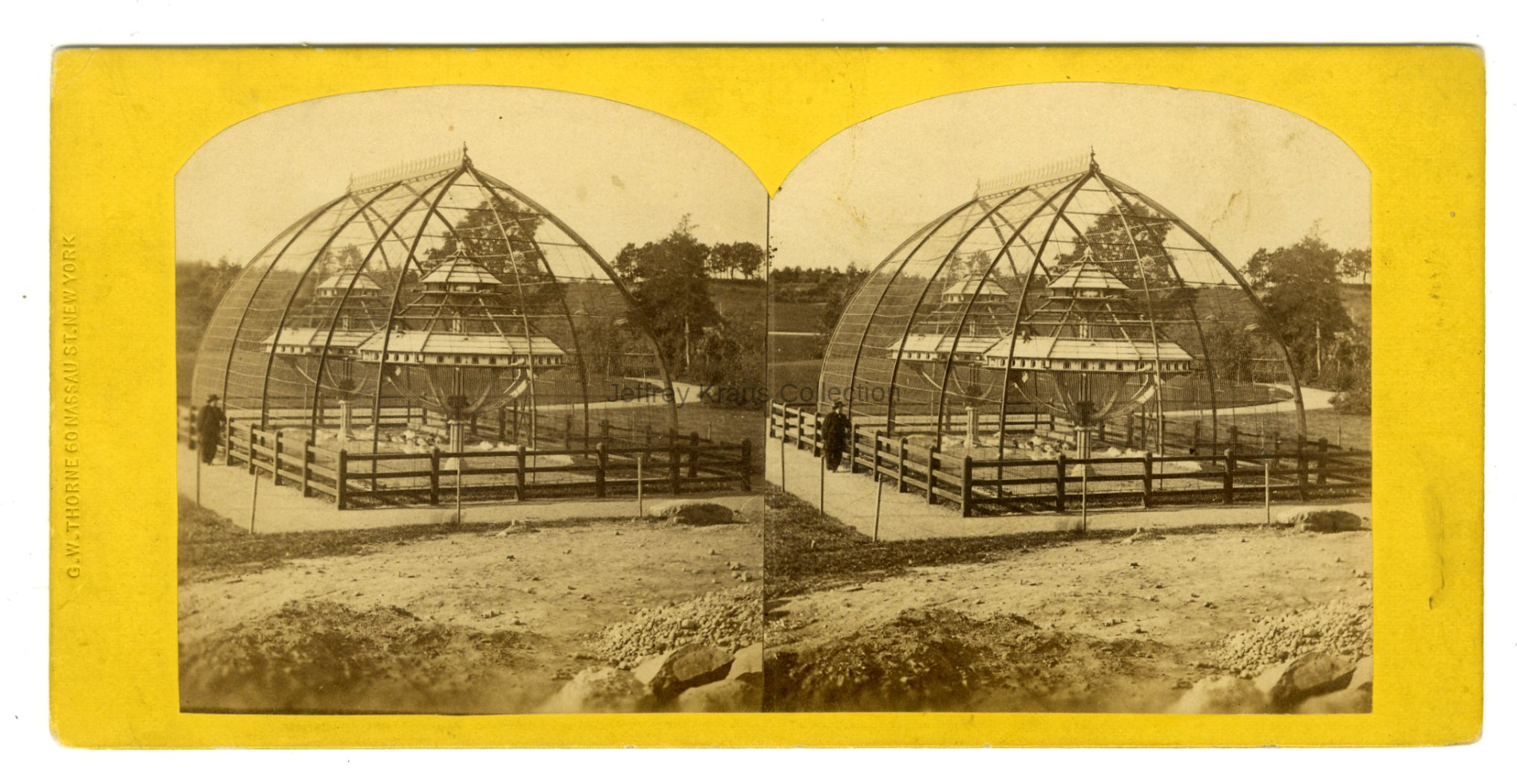
Central Park. The Dovecote.
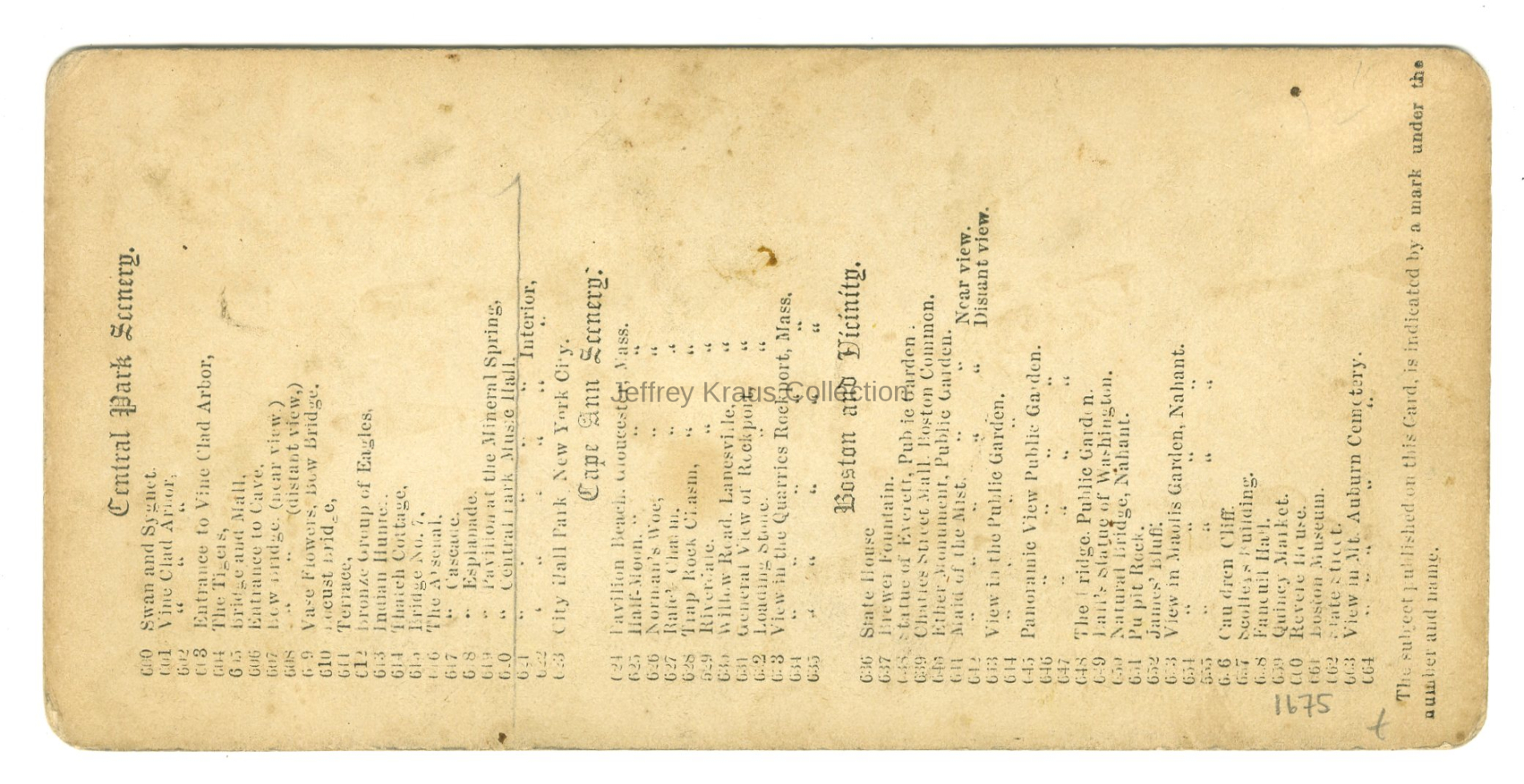
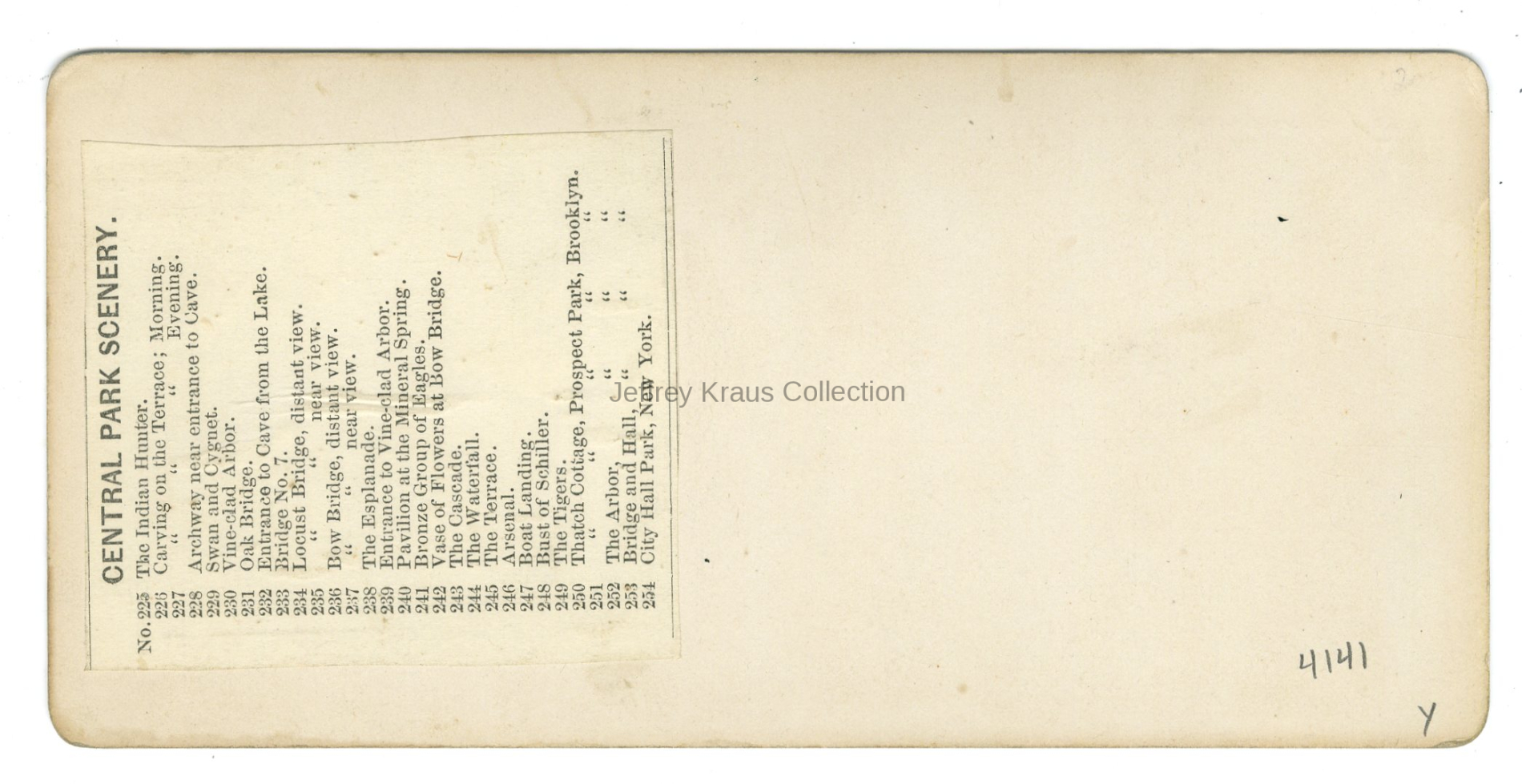
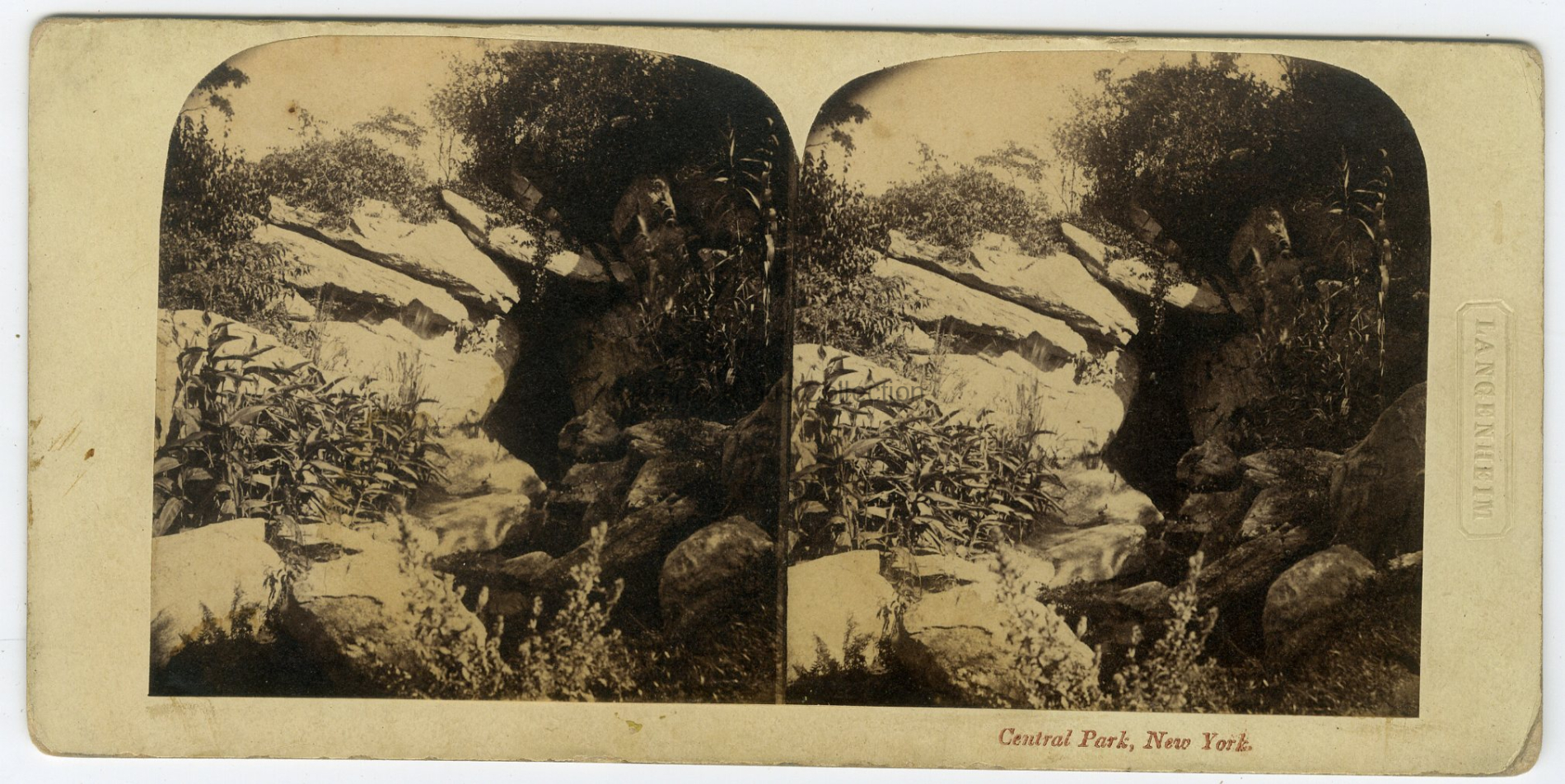
Central Park Scenery.
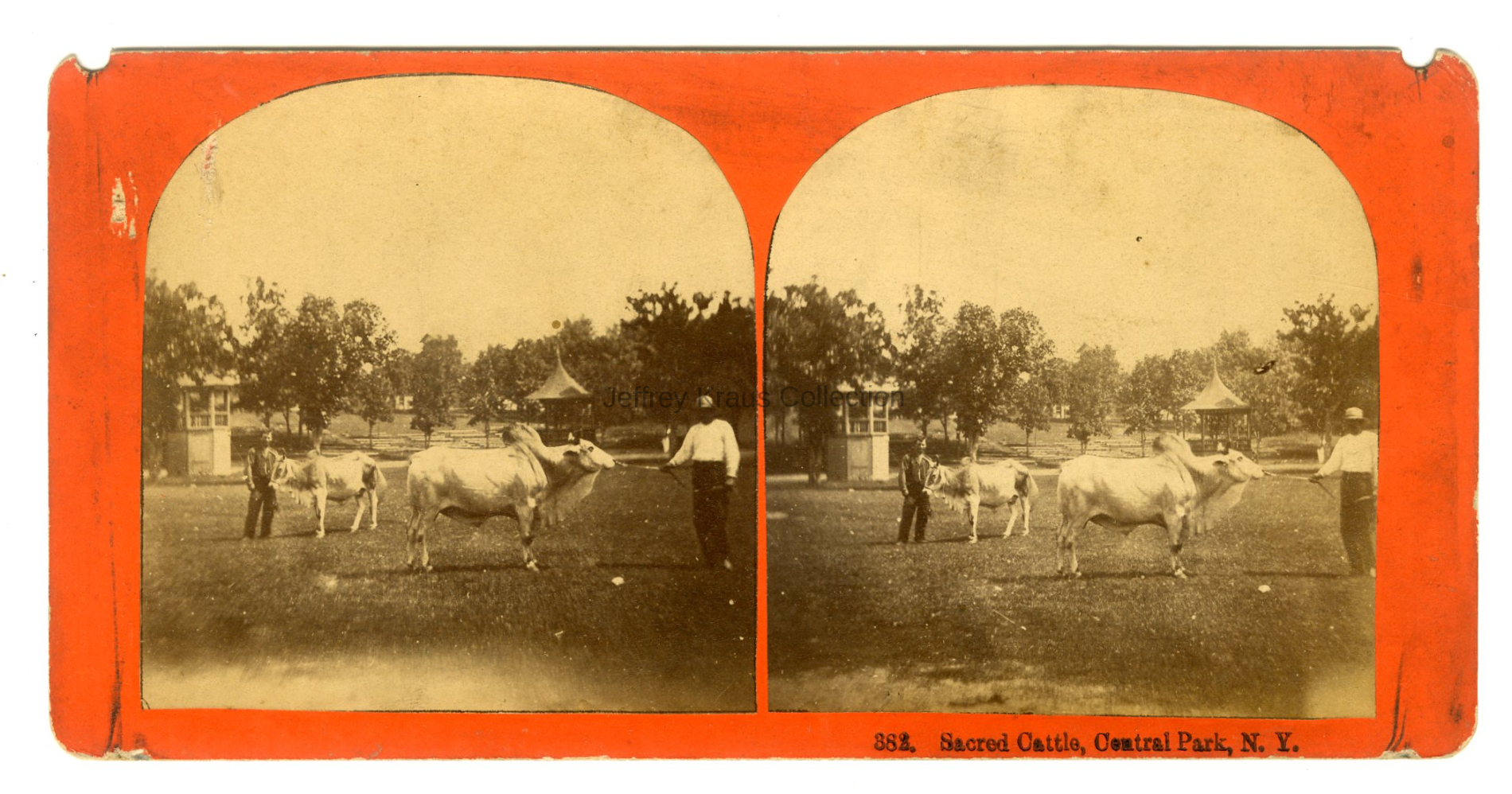
382. Sacred Cattle, Central Park, NY.
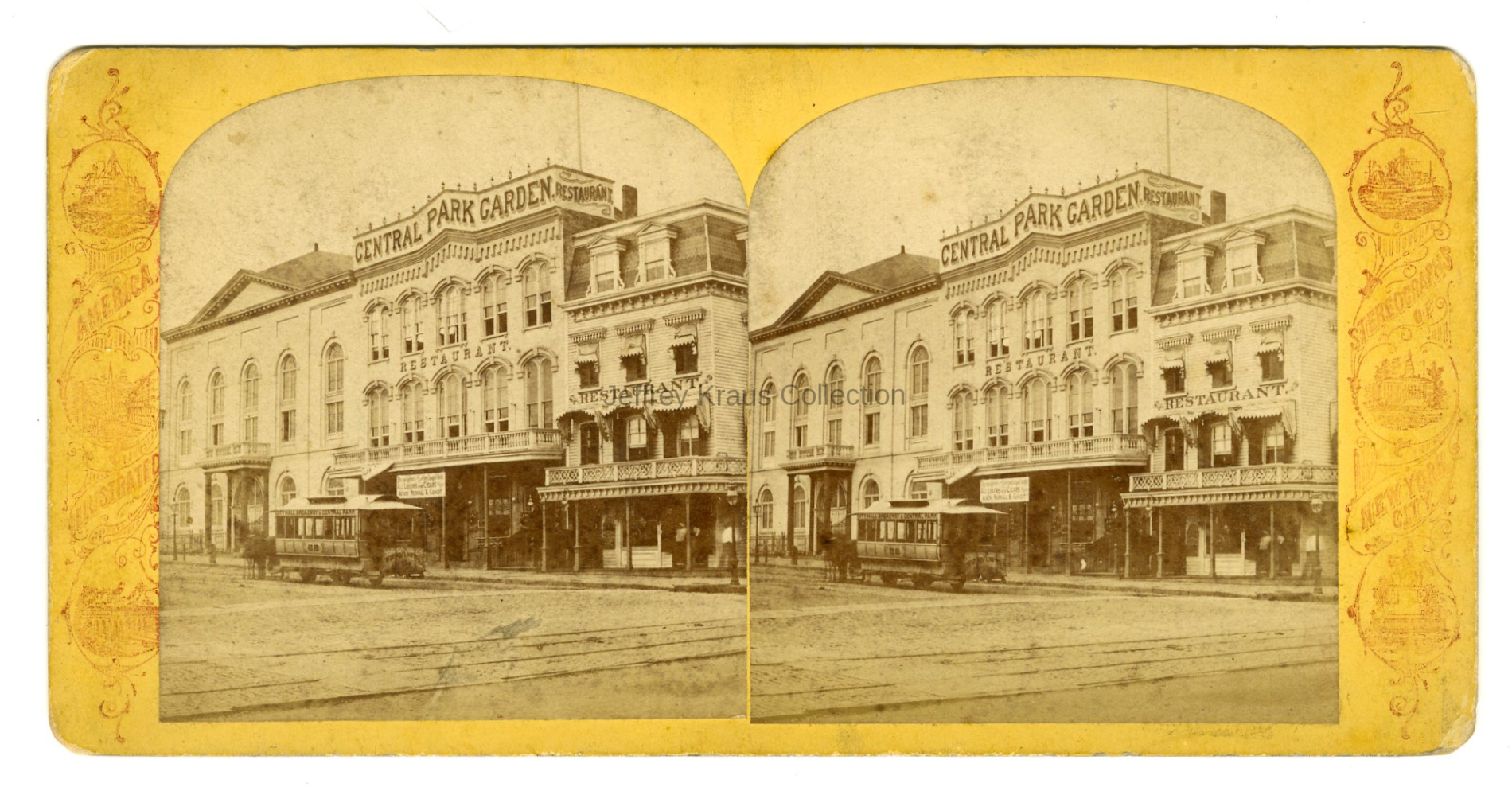
Central Park Garden.
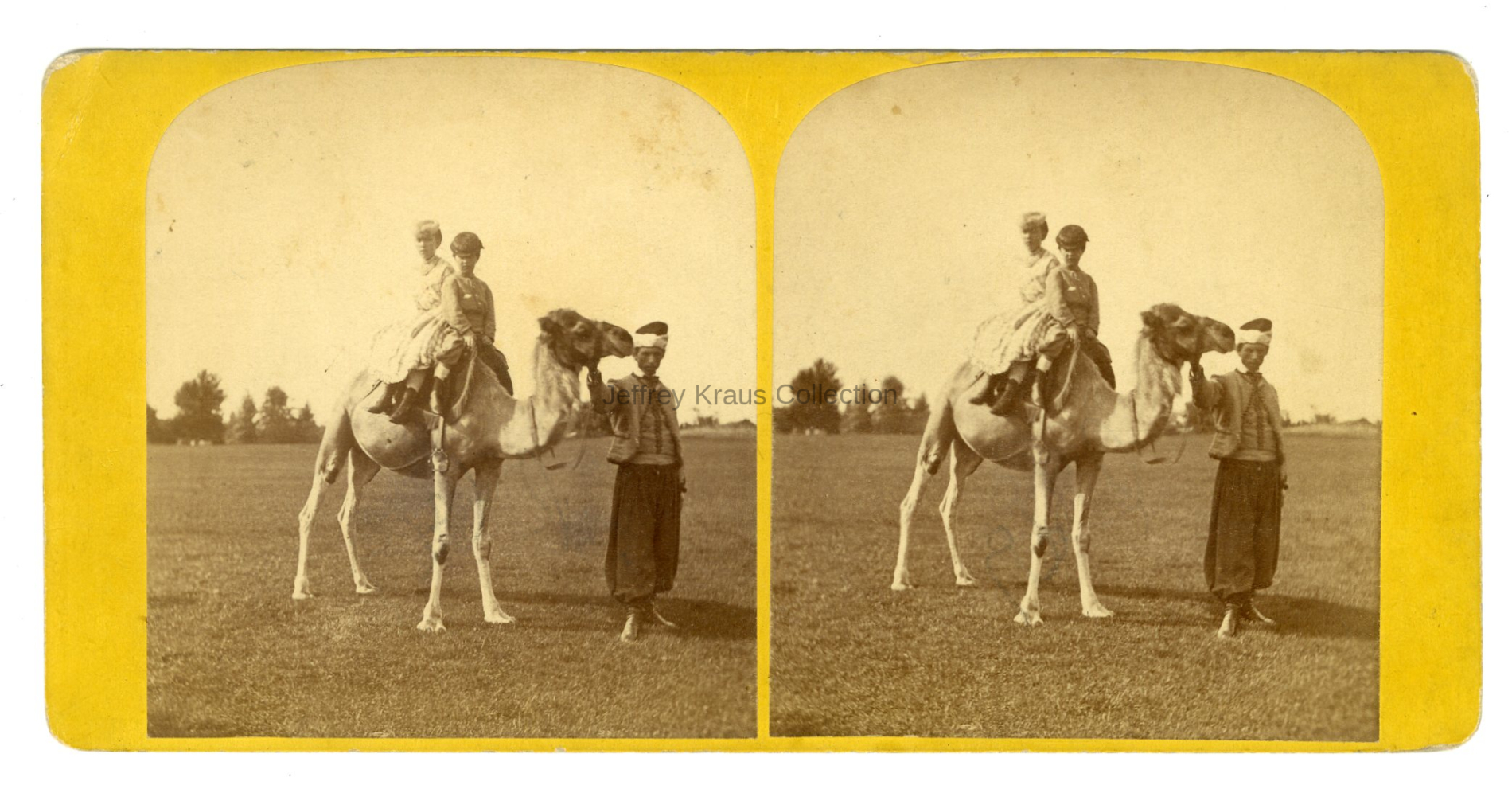
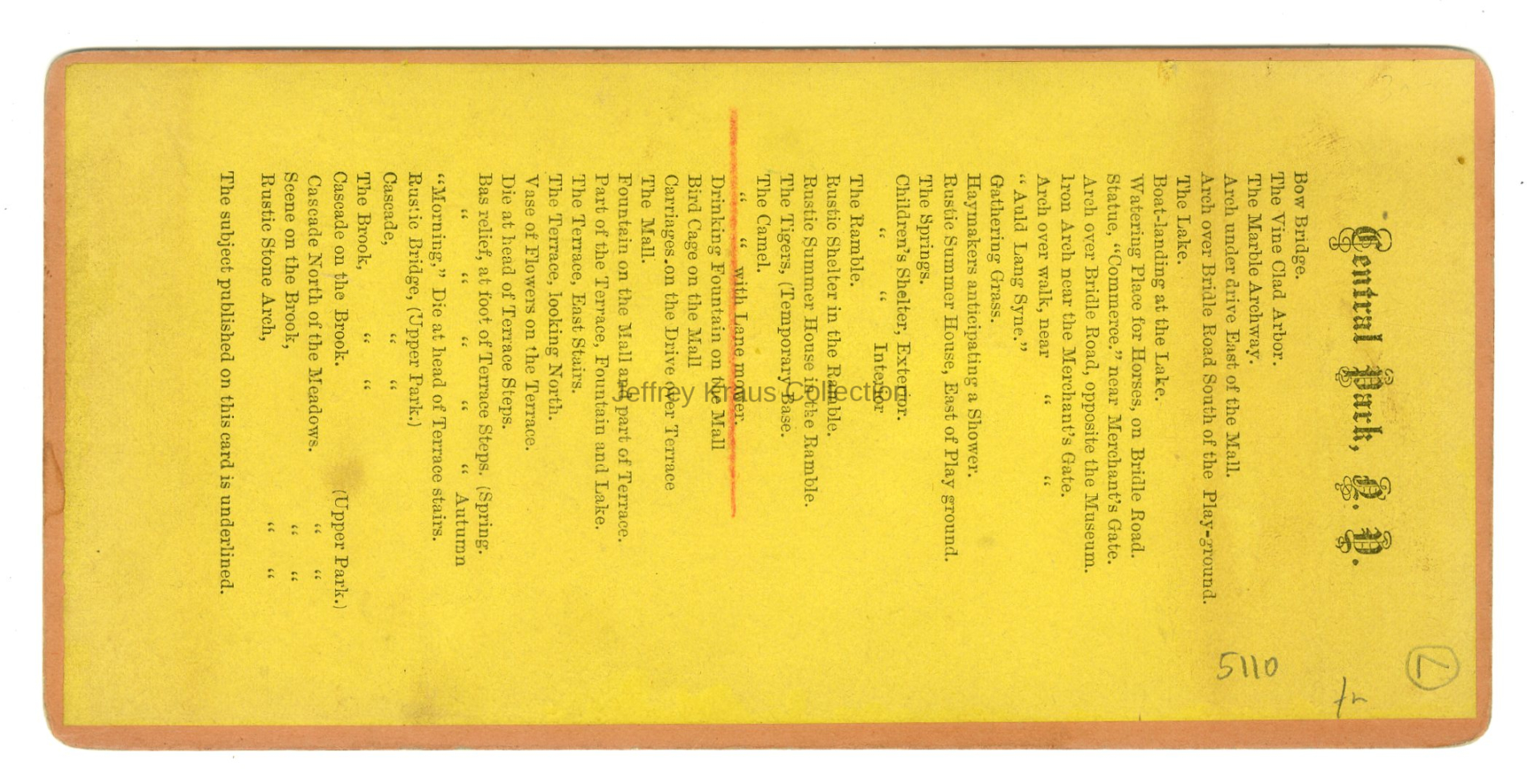
No. 58. The Camel.
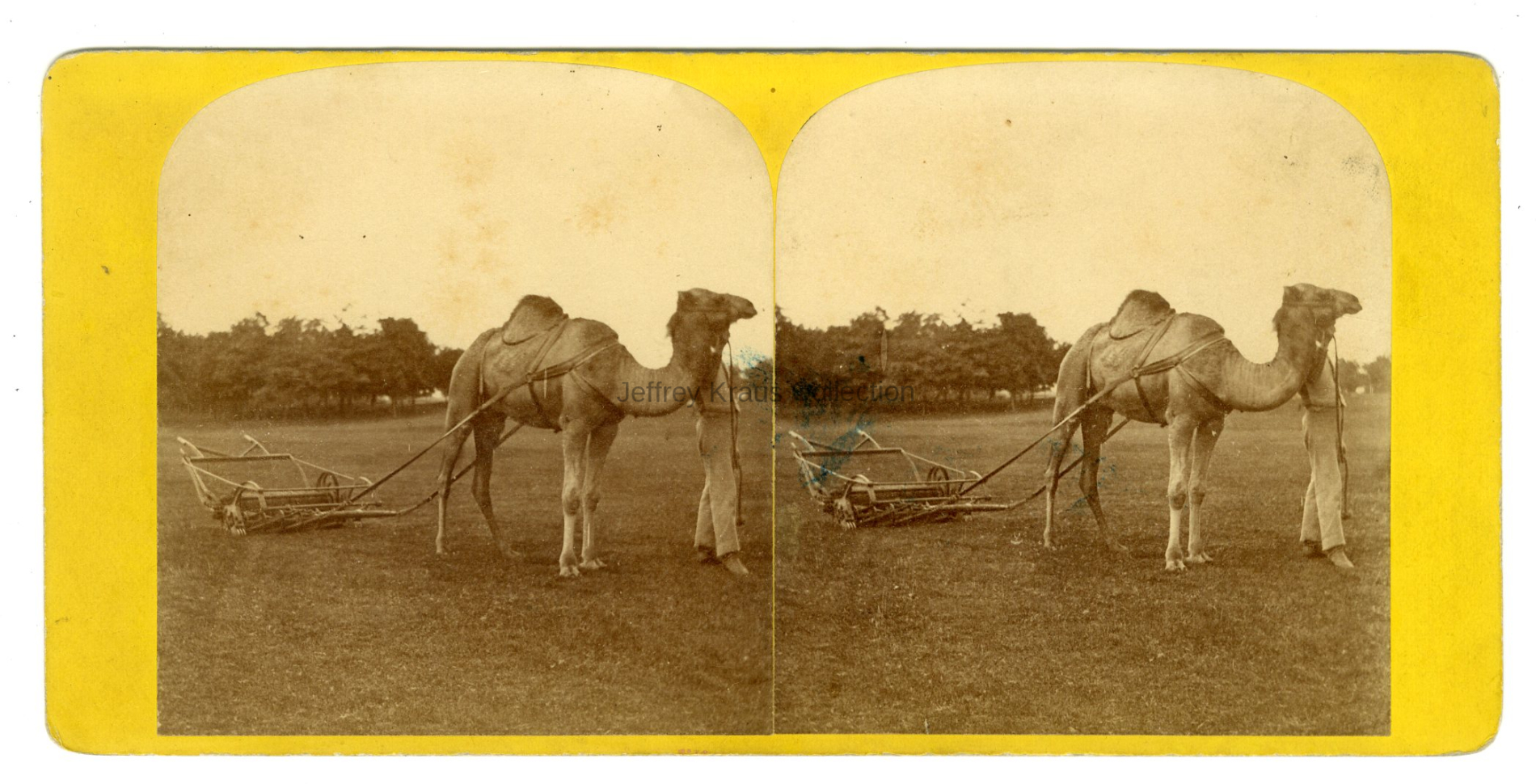
The Camel with Lane Mower. (Did they mean “Lawn Mover?)
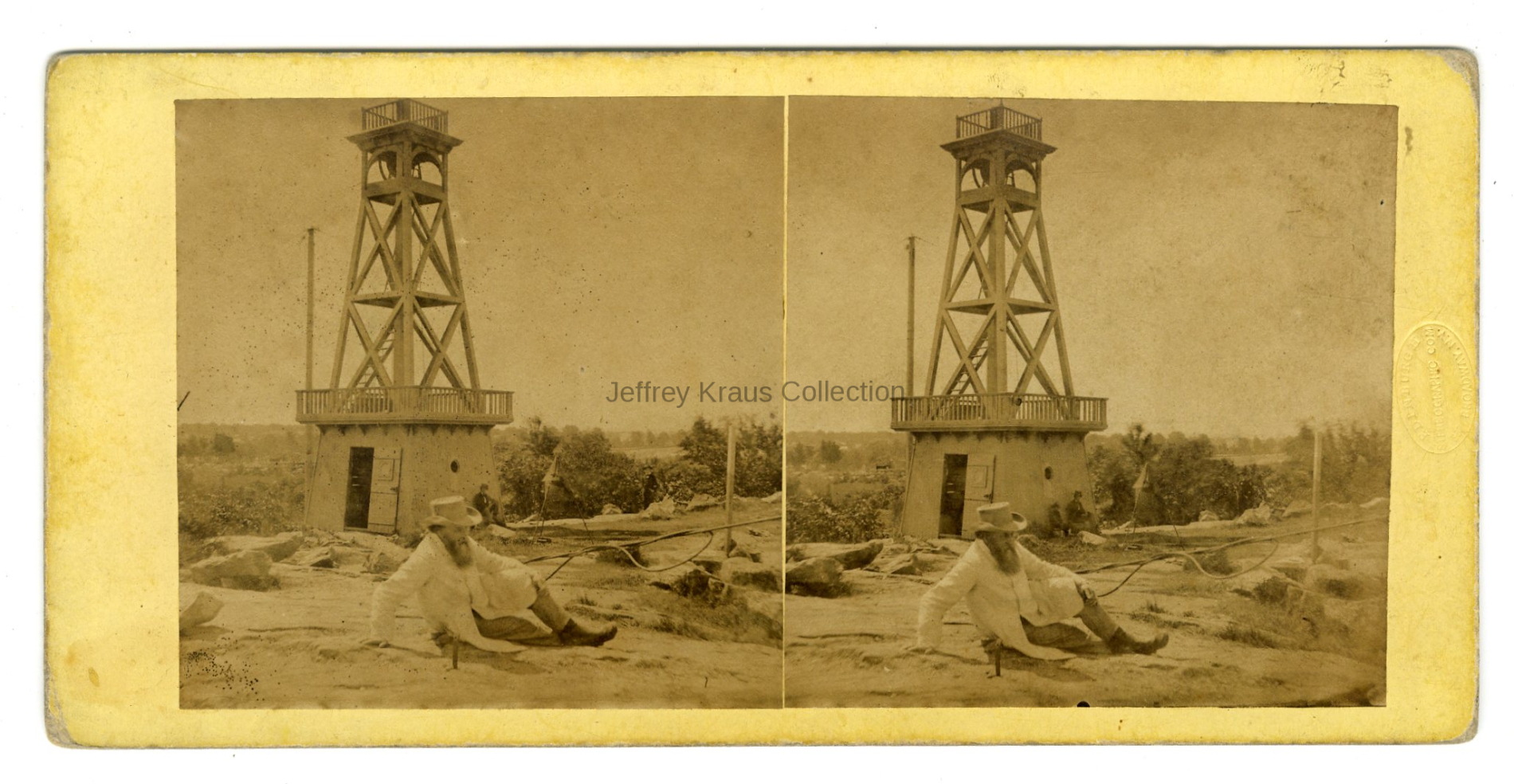
Tower at the Central Park, N. York.
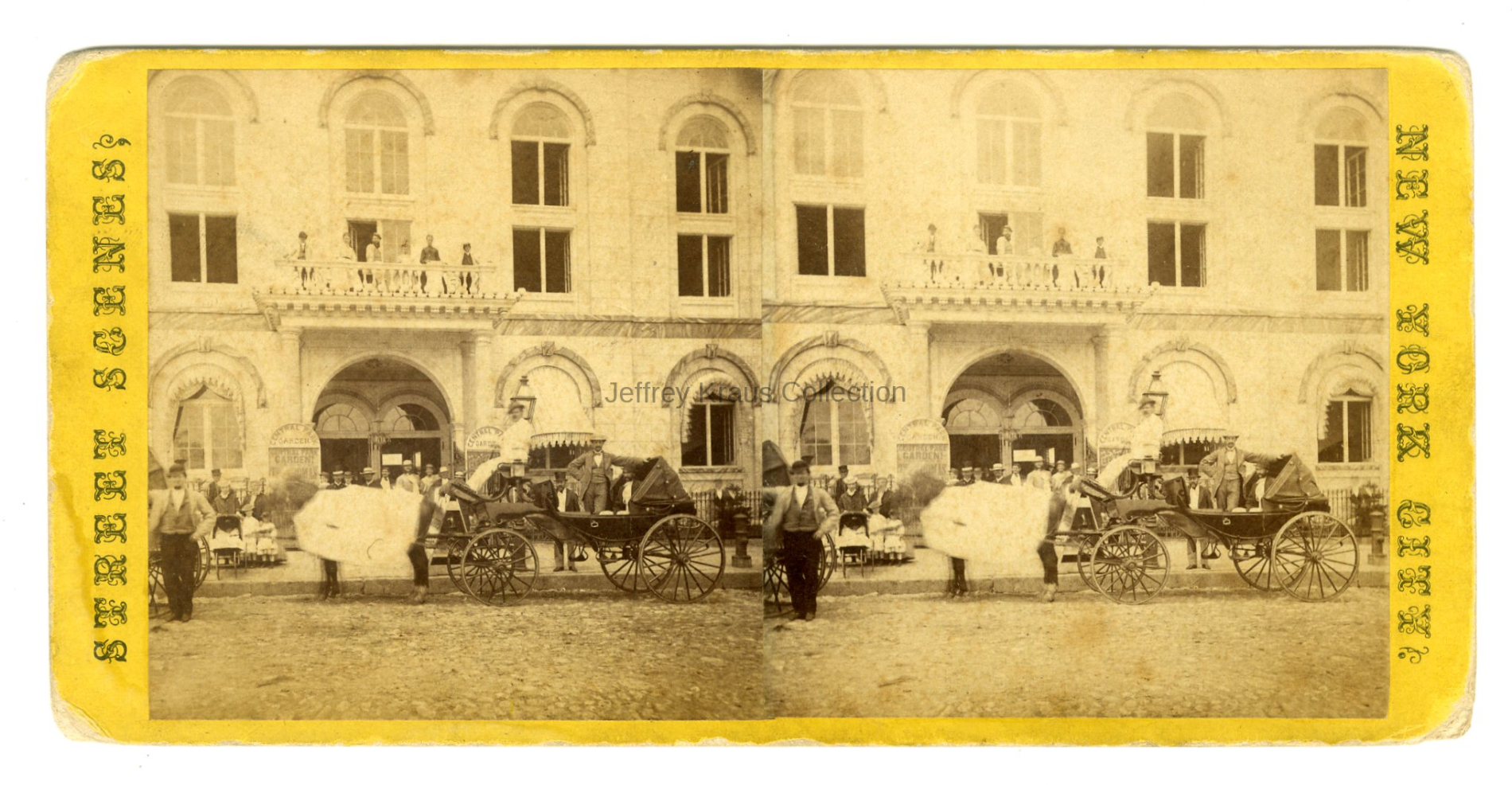
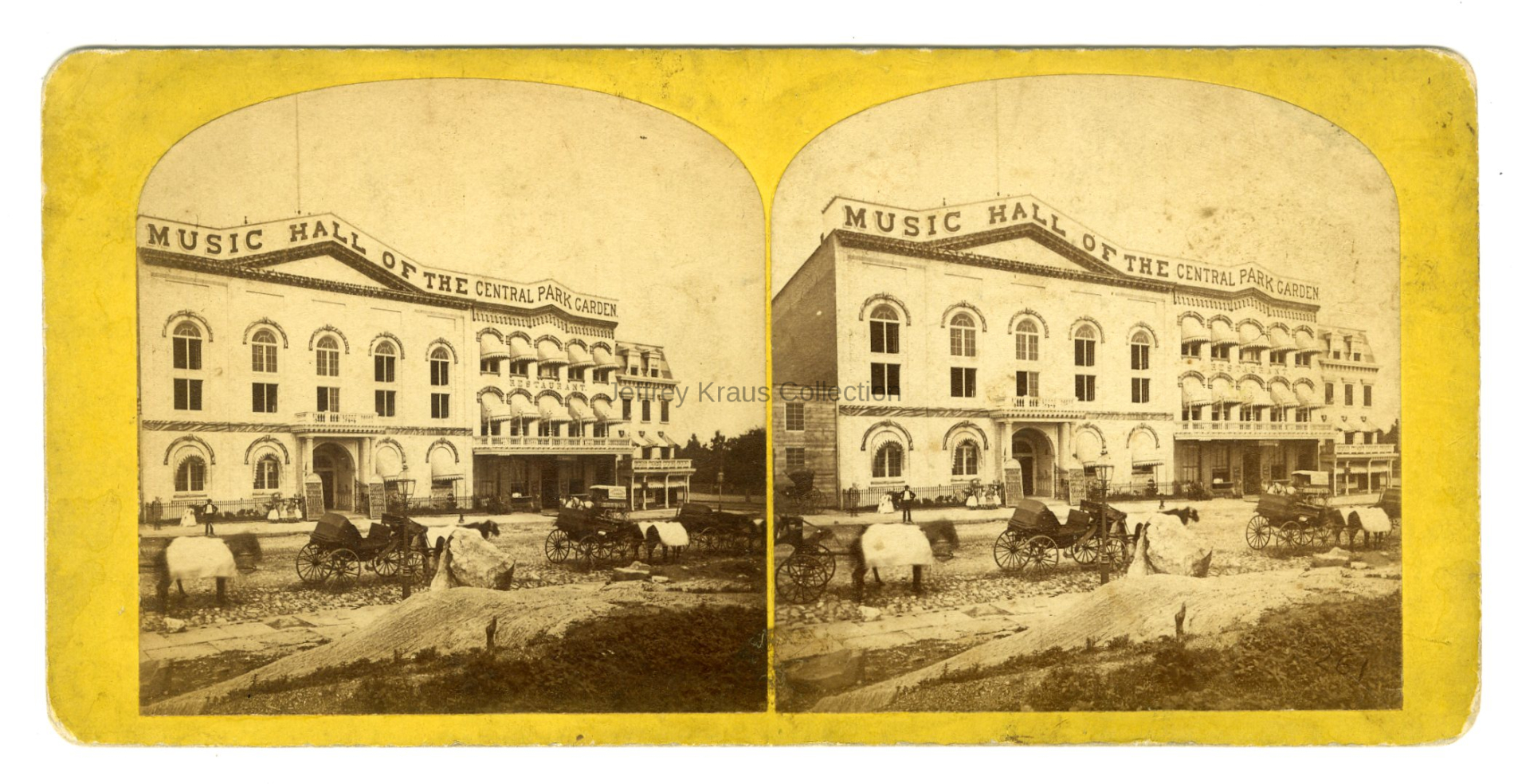
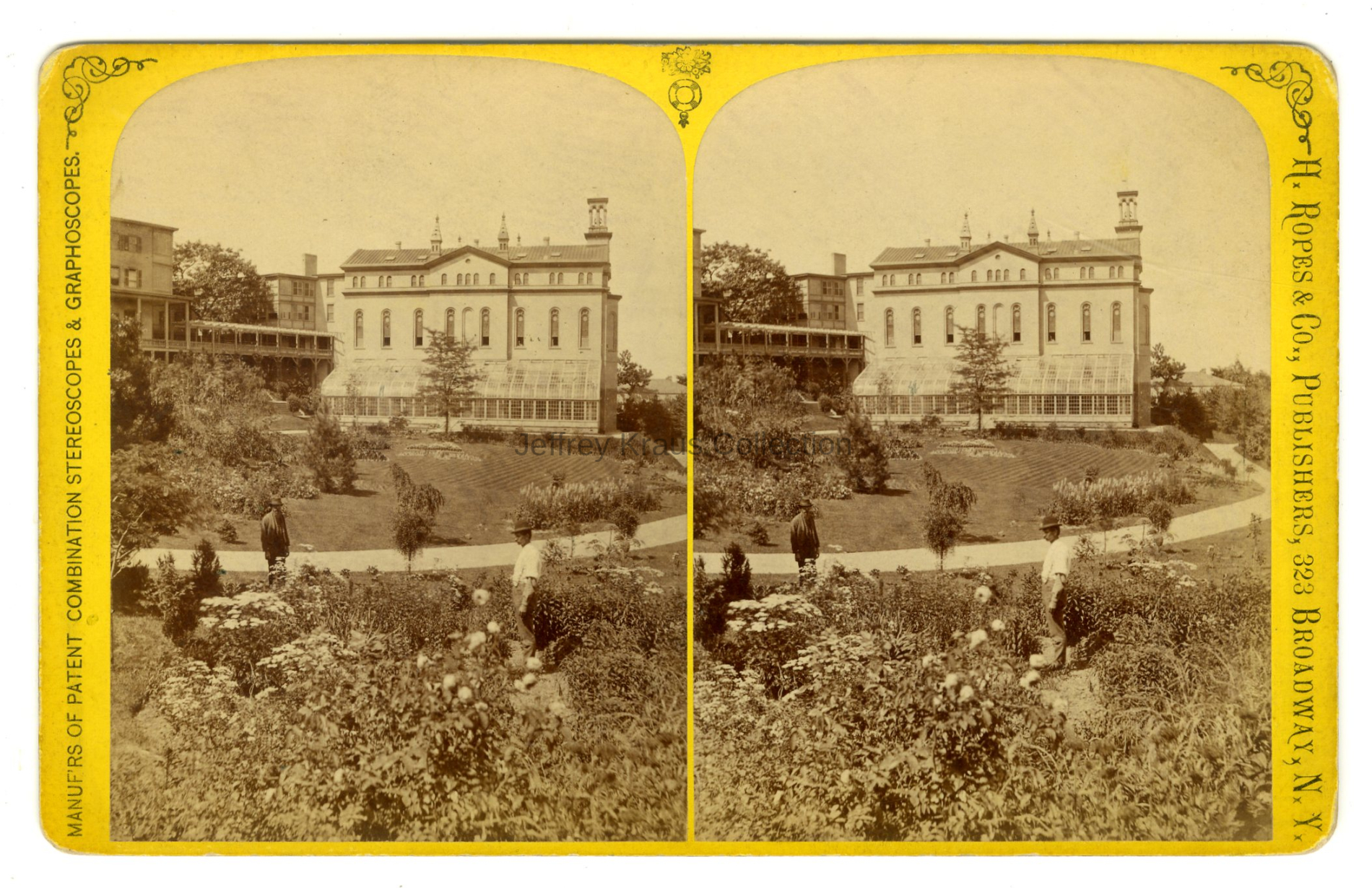
Central Park Garden, 7th Avenue & s9th Street, New York.
620. The Central Park Music Hall.
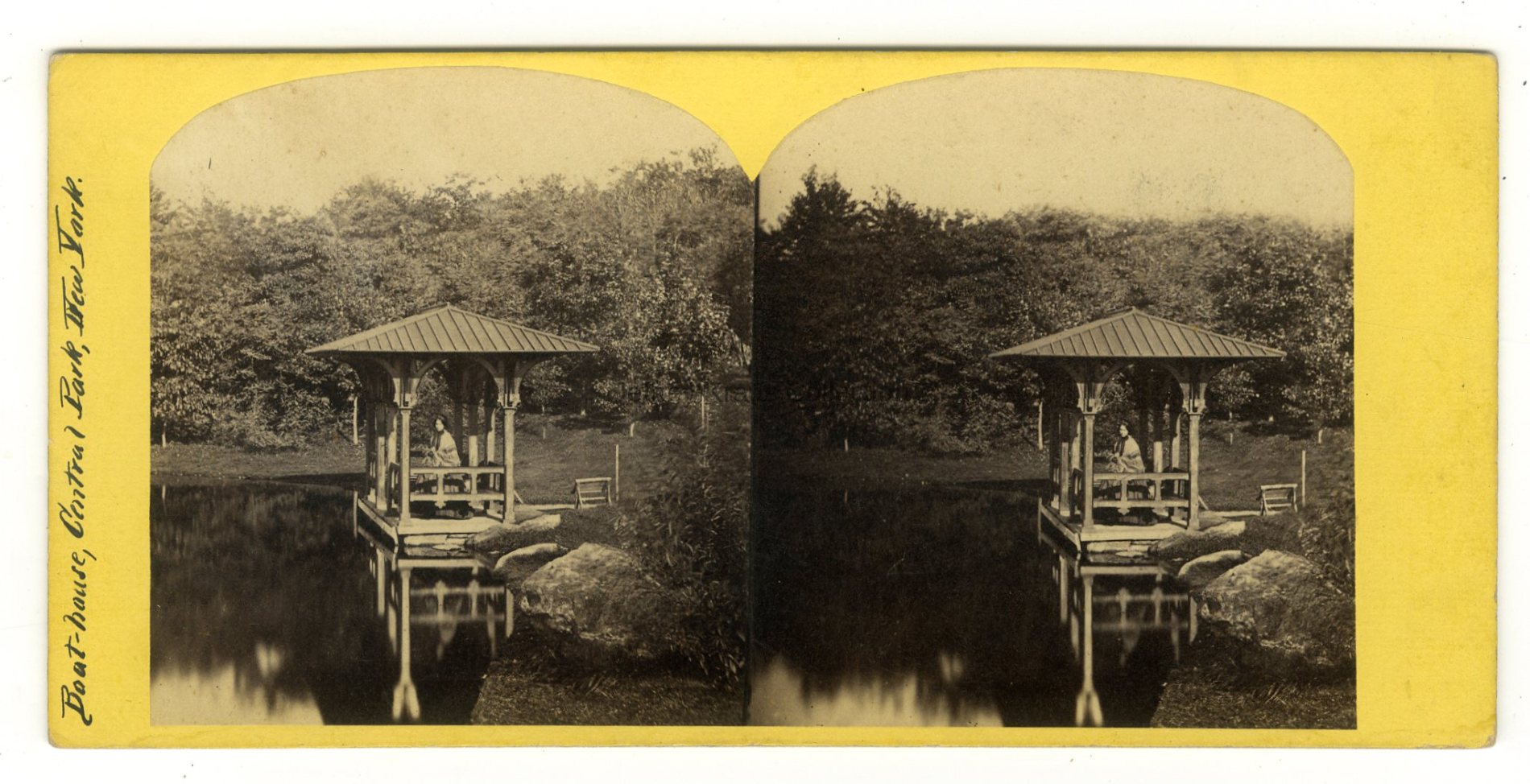
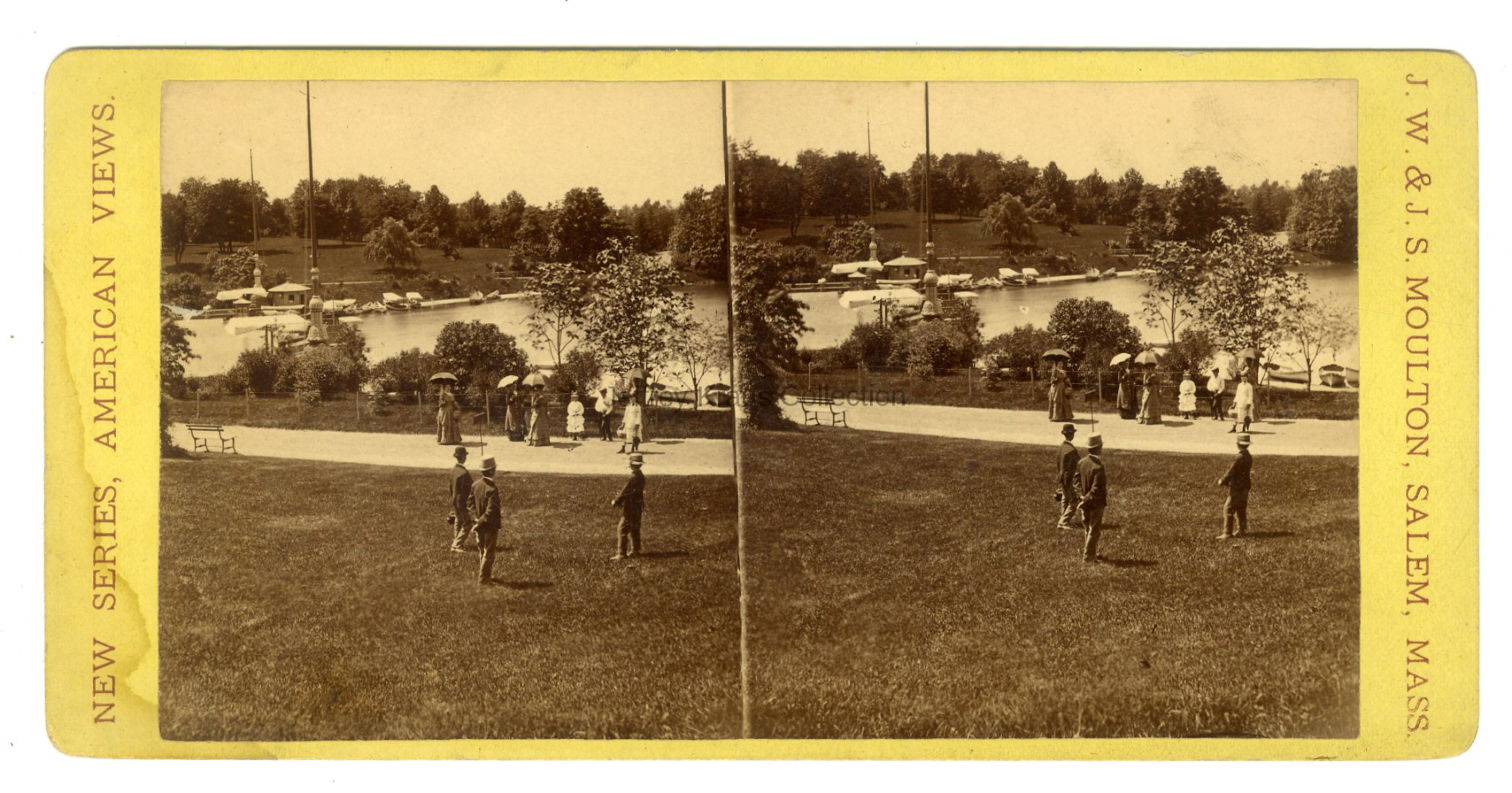
Central Park Boat House, No. 60. This view is from the John Meigs Collection, Washington DC. Meigs purchased these views in the 1860s and annotated his purchase: “Bo’t N.Y. City-Sep. 2, 1865-25 cts.”
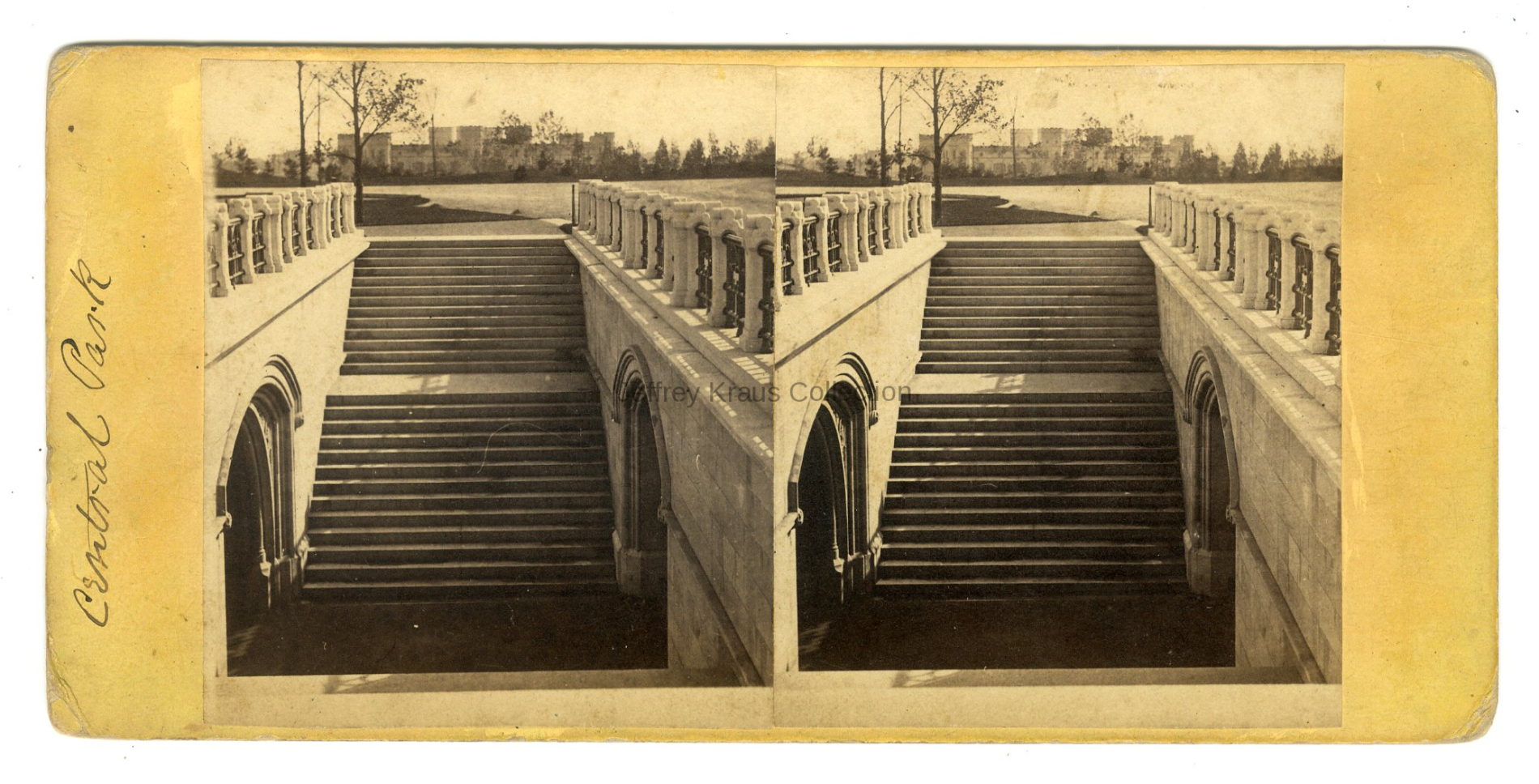
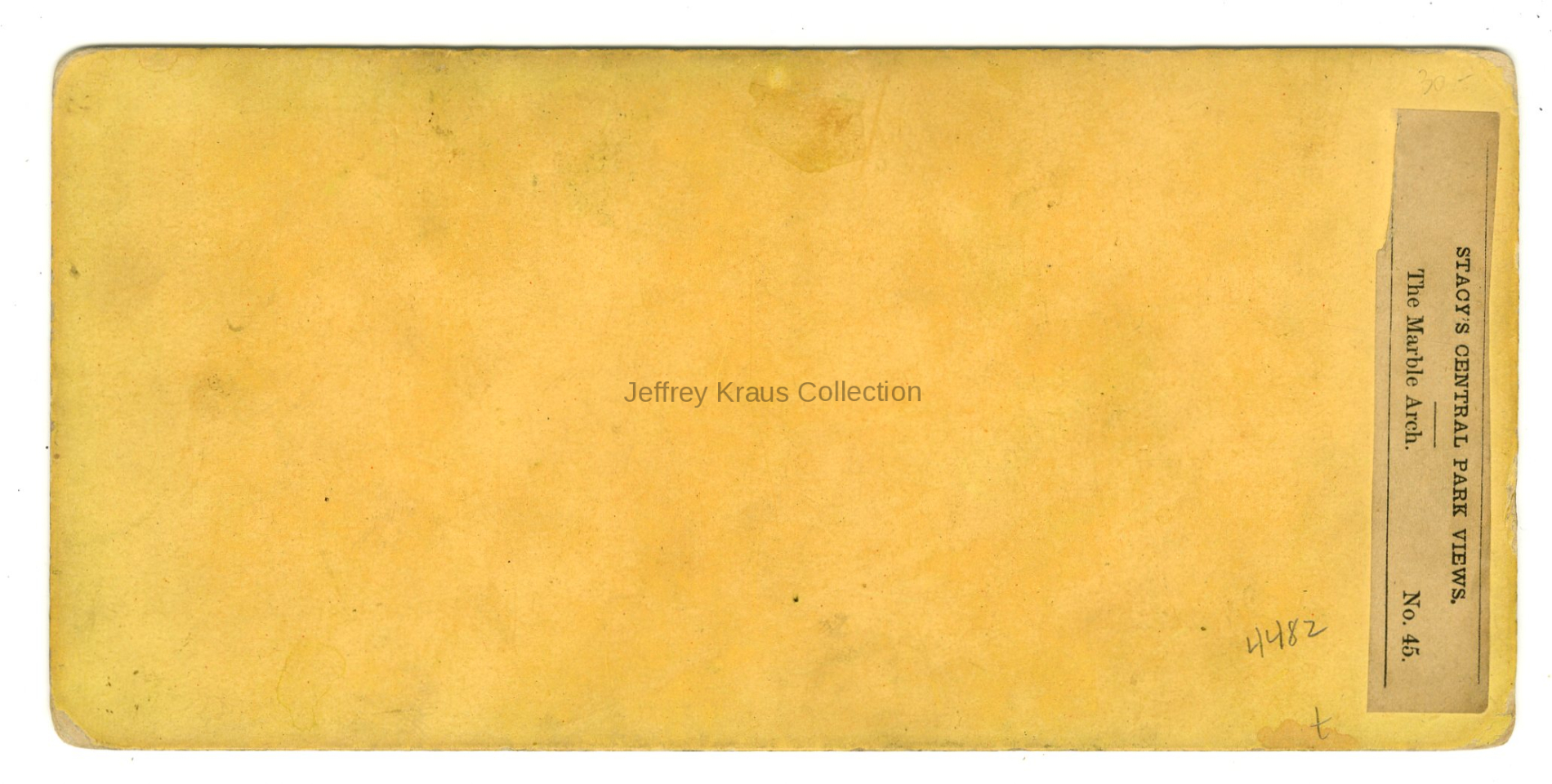
No. 45. The Marble Arch.
525. Water Terrace, Central Park. N.Y.
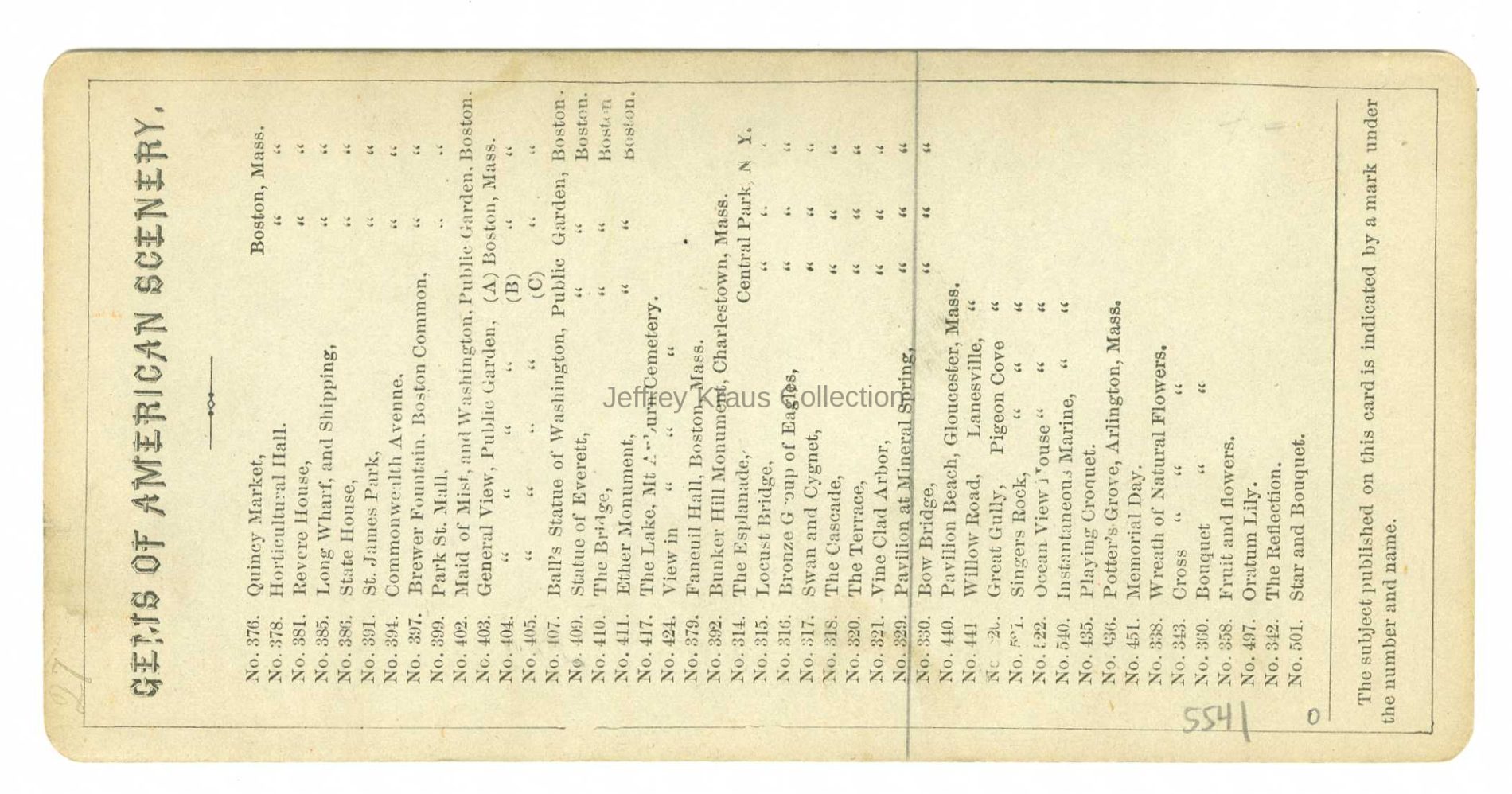
No. 329. Pavilion at Mineral Spring, Central Park, NY.
No. 188. Boat Landing.
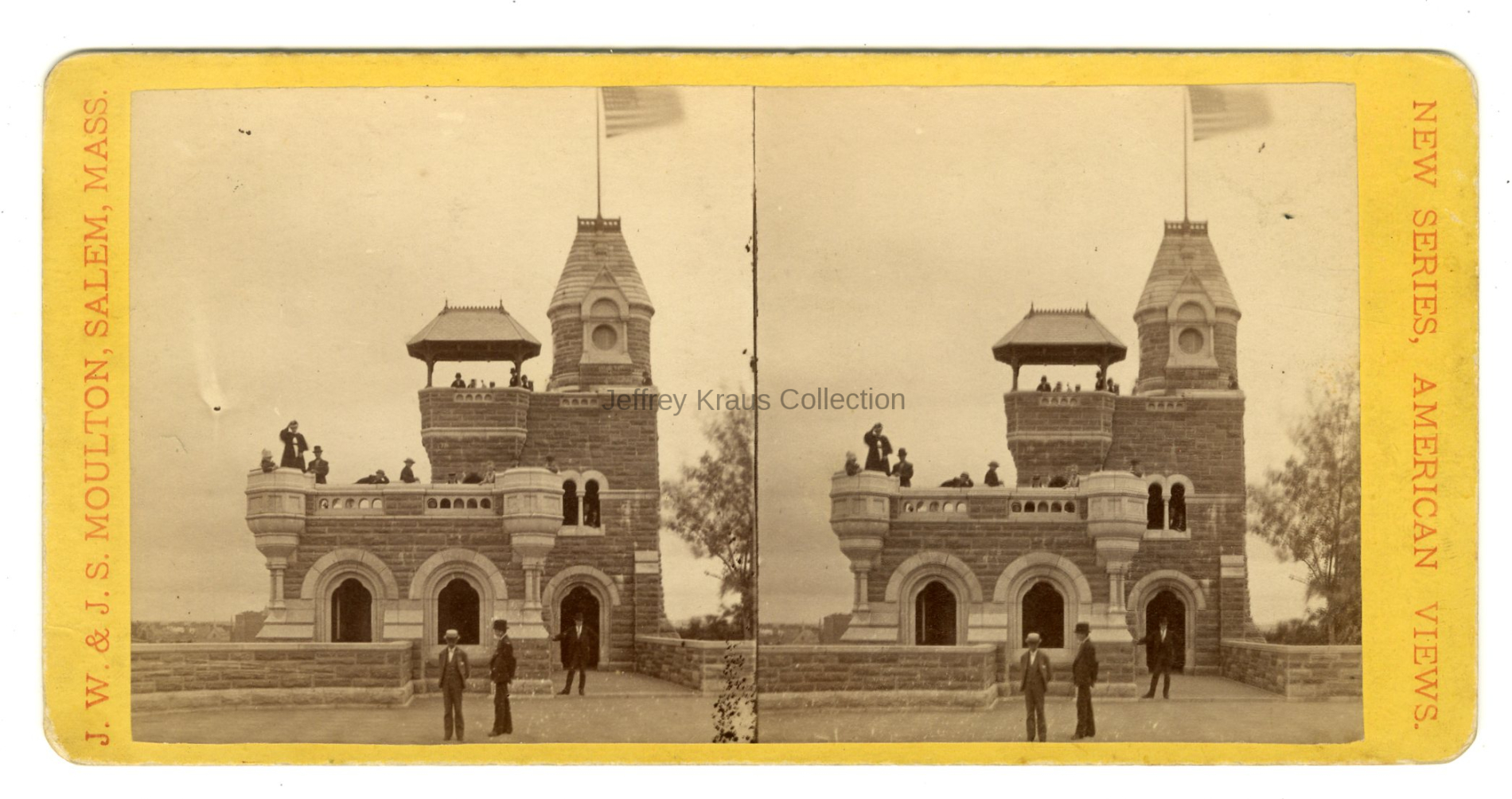
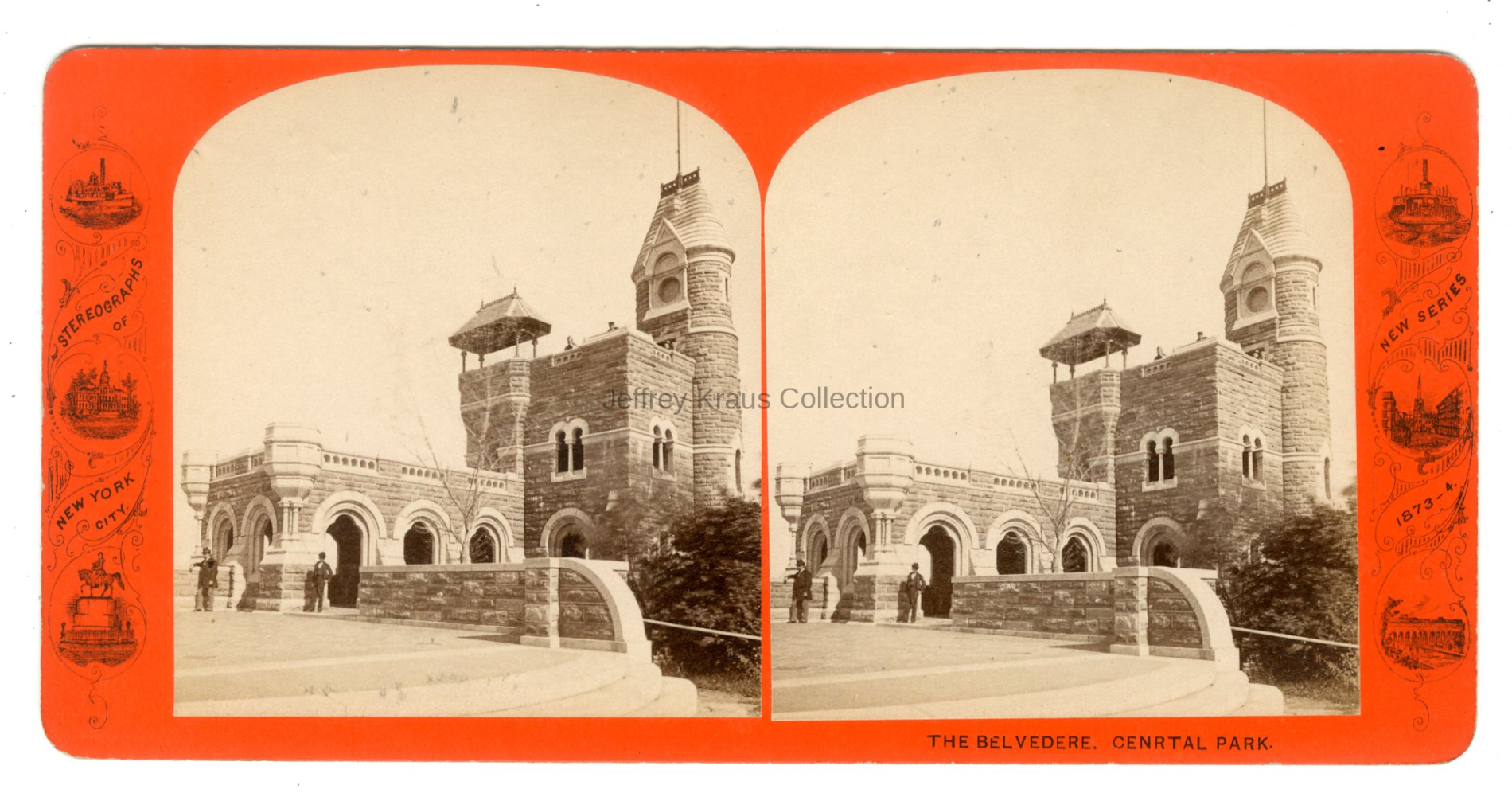
The Castle, Central Park. Belvedere Castle was designed by Frederick Law Olmsted and Calvert Vaux in 1867–1869. An architectural hybrid of Gothic and Romanesque styles, Vaux’s design called for a Manhattan schist and granite structure with a corner tower with conical cap, with the existing lookout over parapet walls between them.[1] Its name comes from belvedere, which means “beautiful view” in Italian.
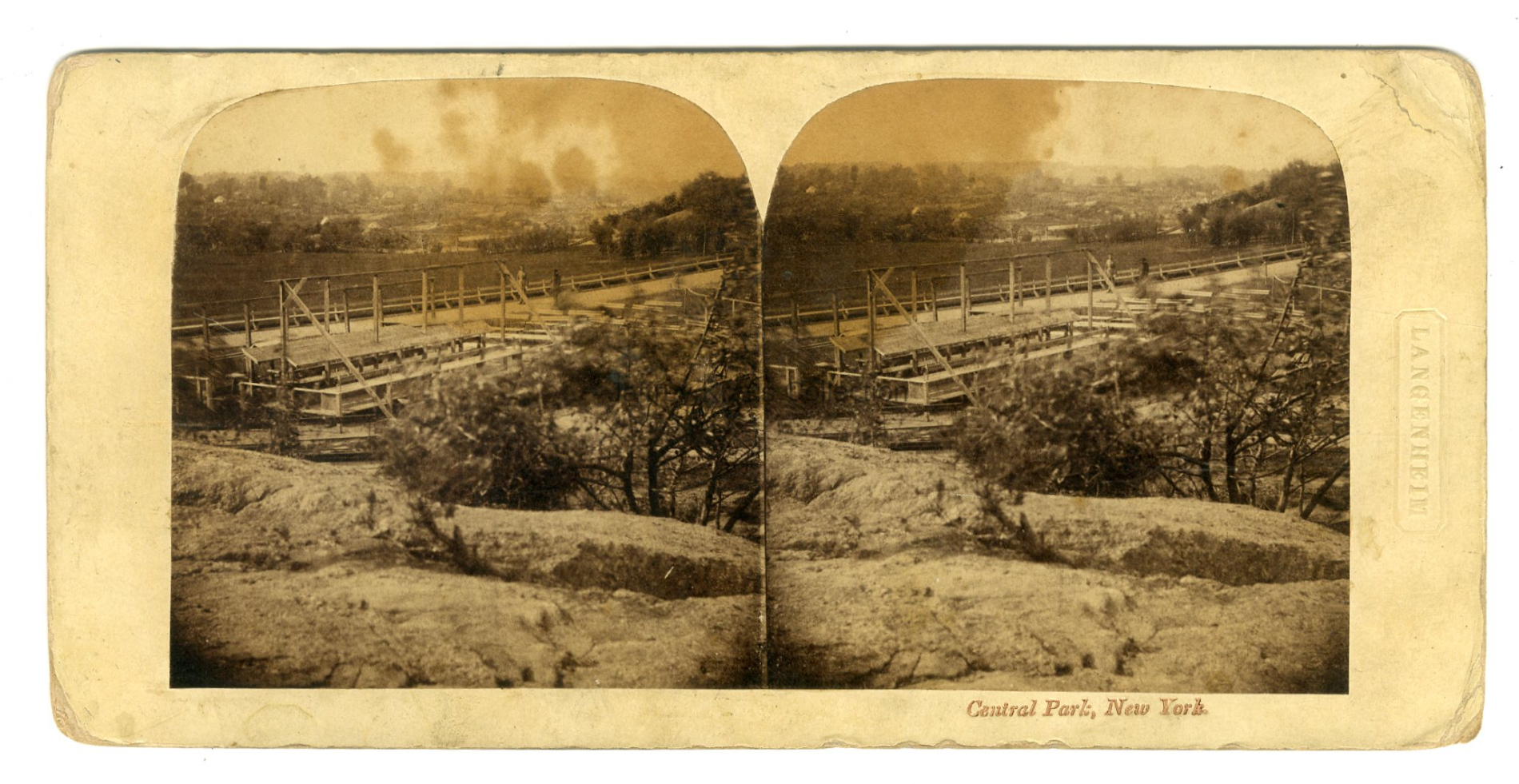
Central Park, New York.
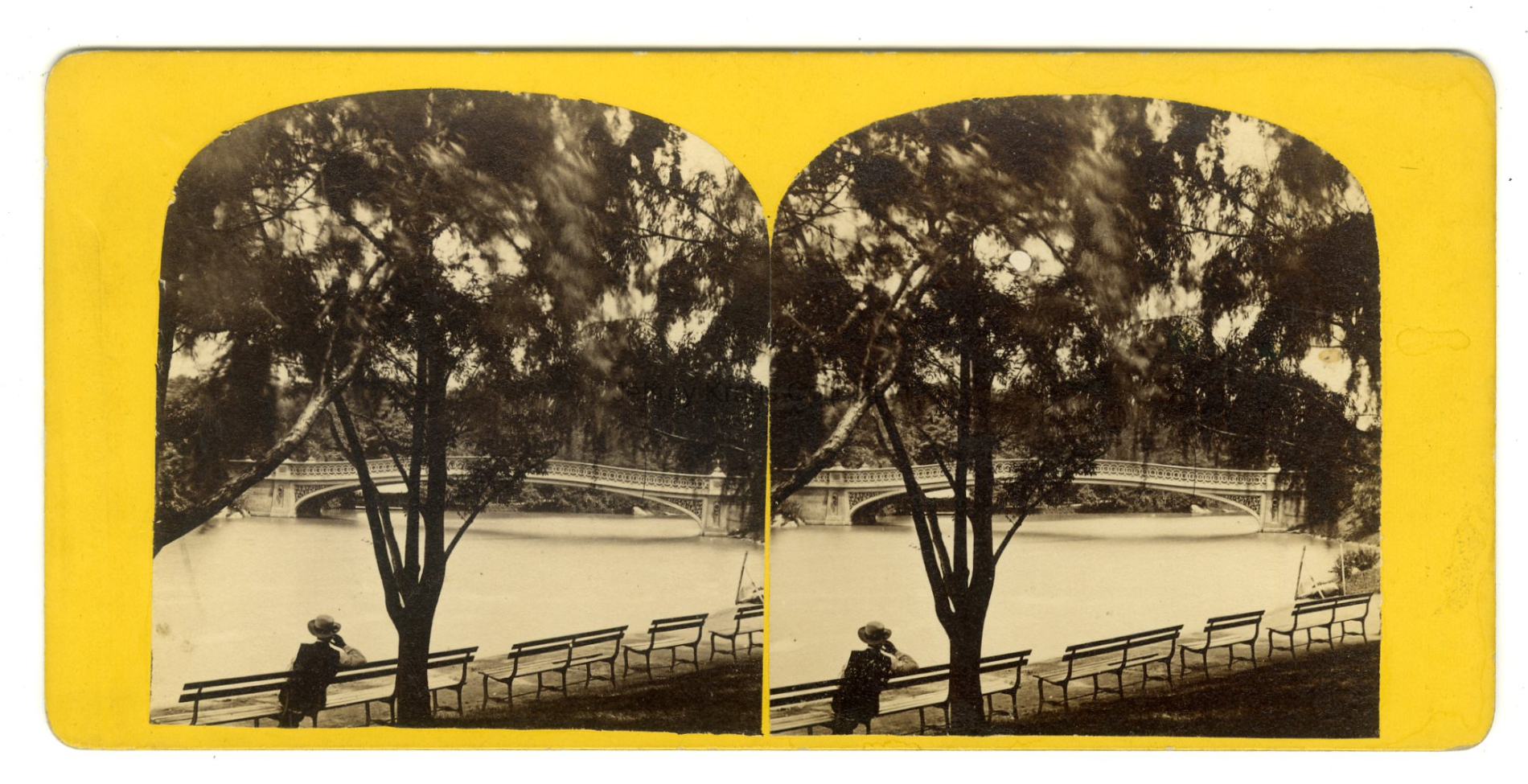
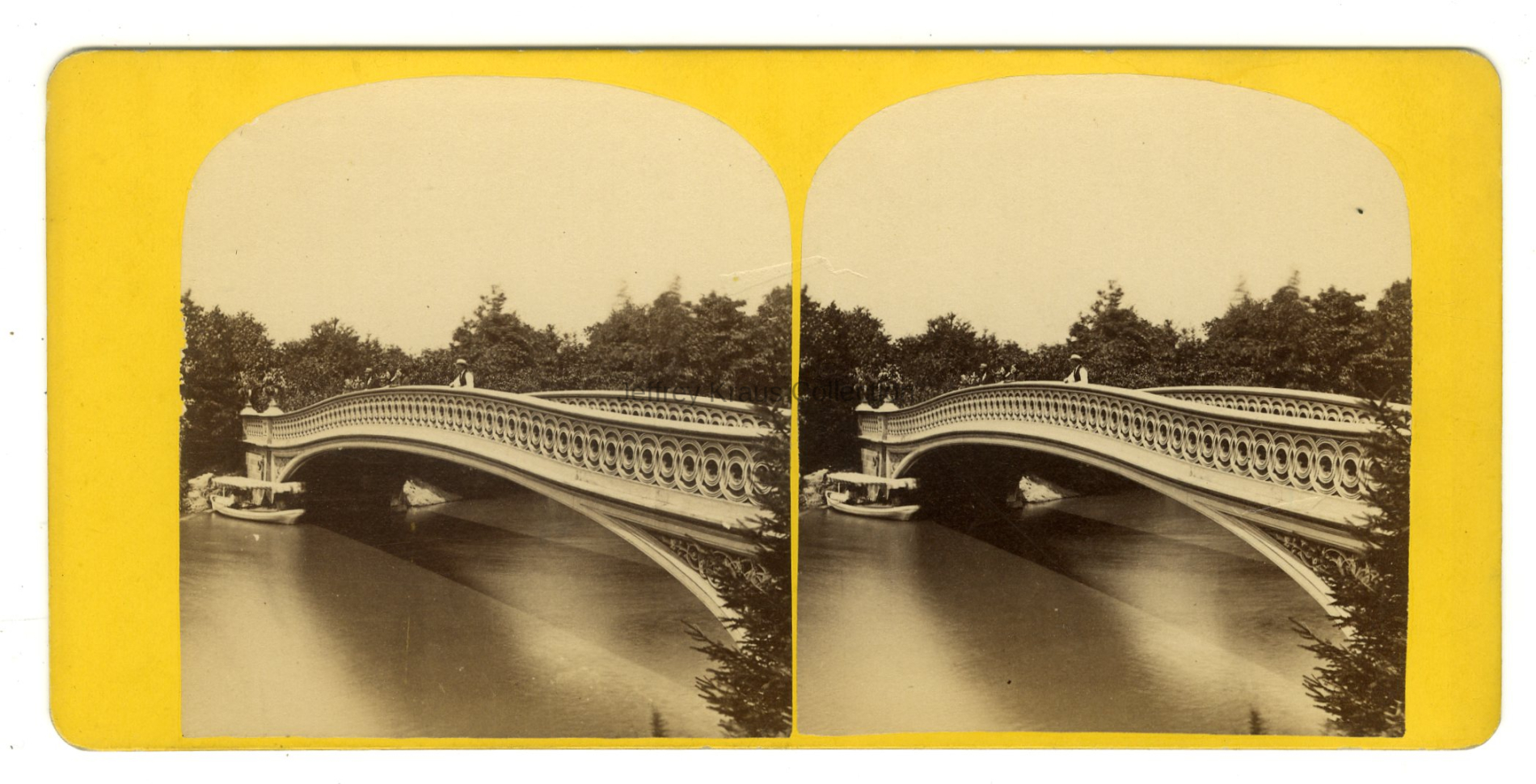
Bow Bridge, Central Park.
No. 246. Arsenal.
No. 1.-Fountain, No. 1.
No. 237. Bow Bridge, near view.
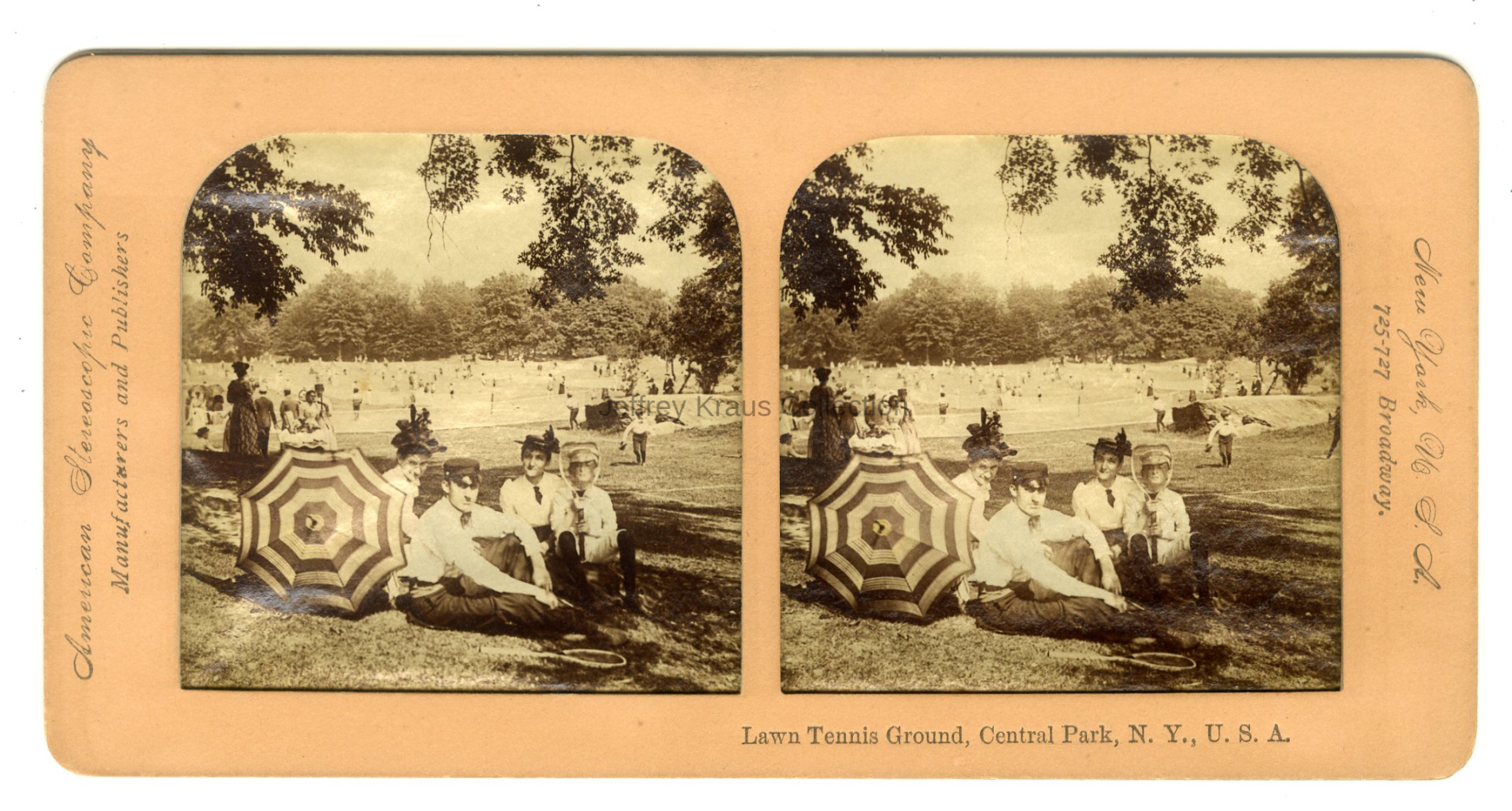
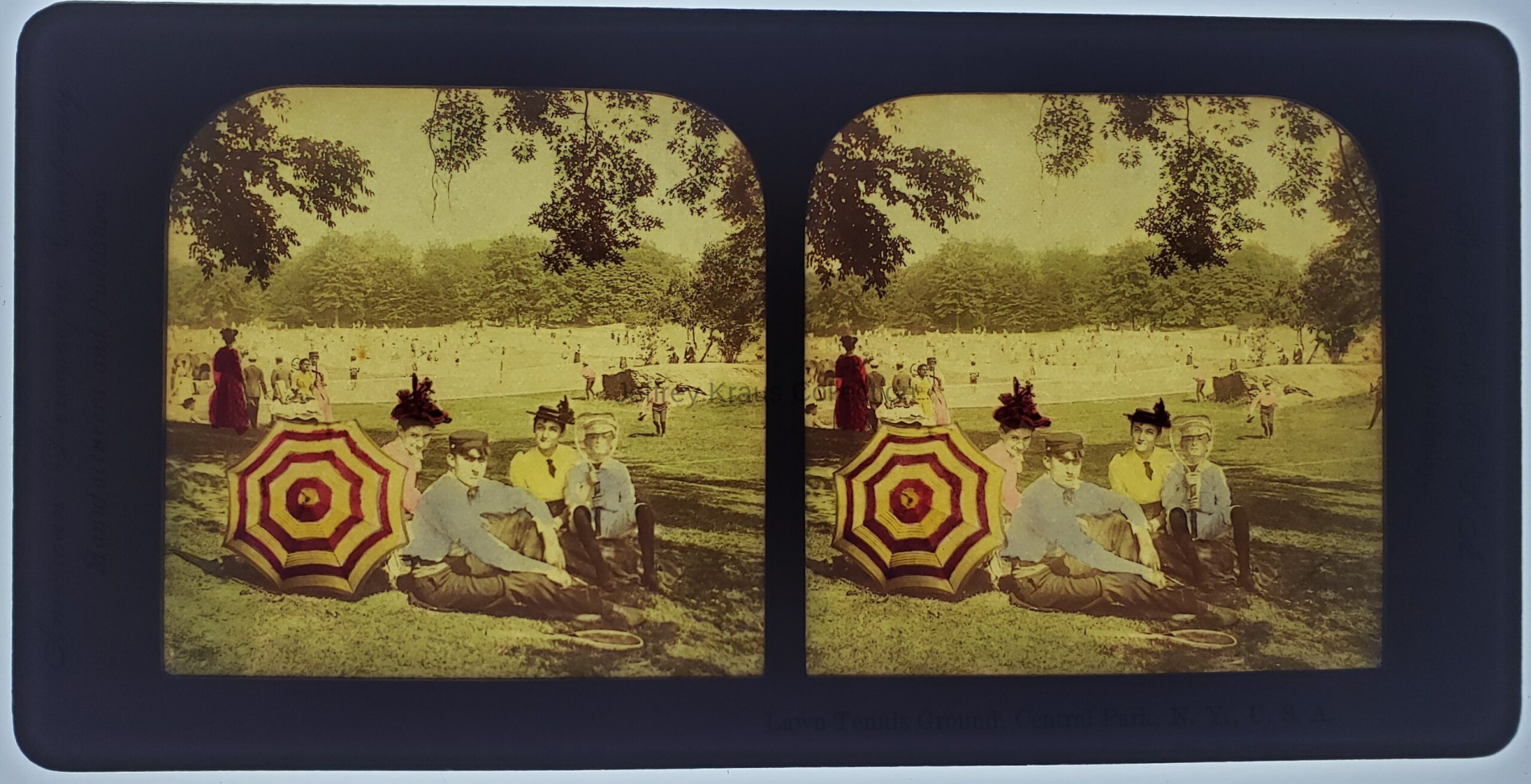
Lawn Tennis Ground, Central Park, NY.
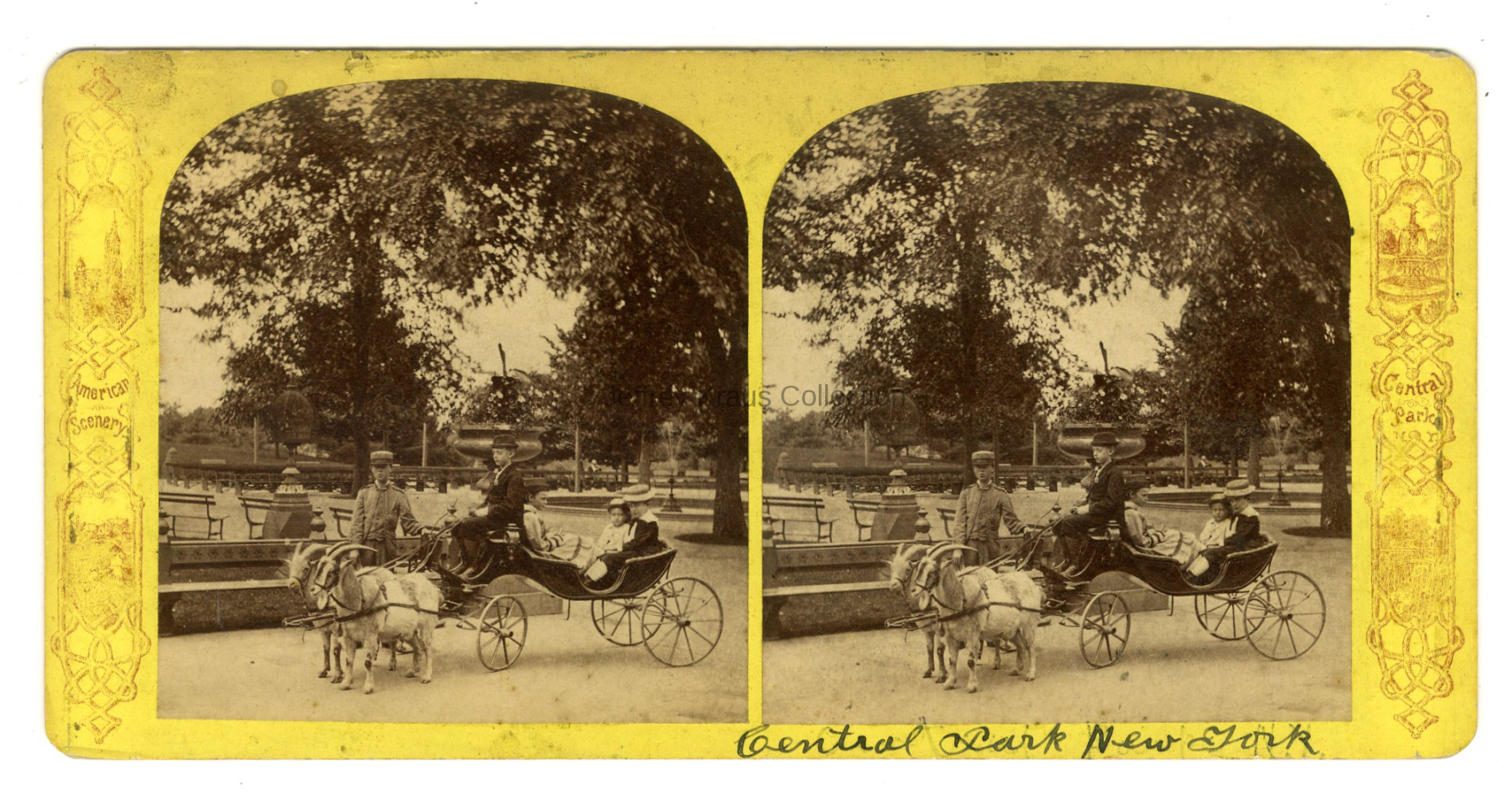
No. 52. Goat Team.
The Belvedere, Central Park.
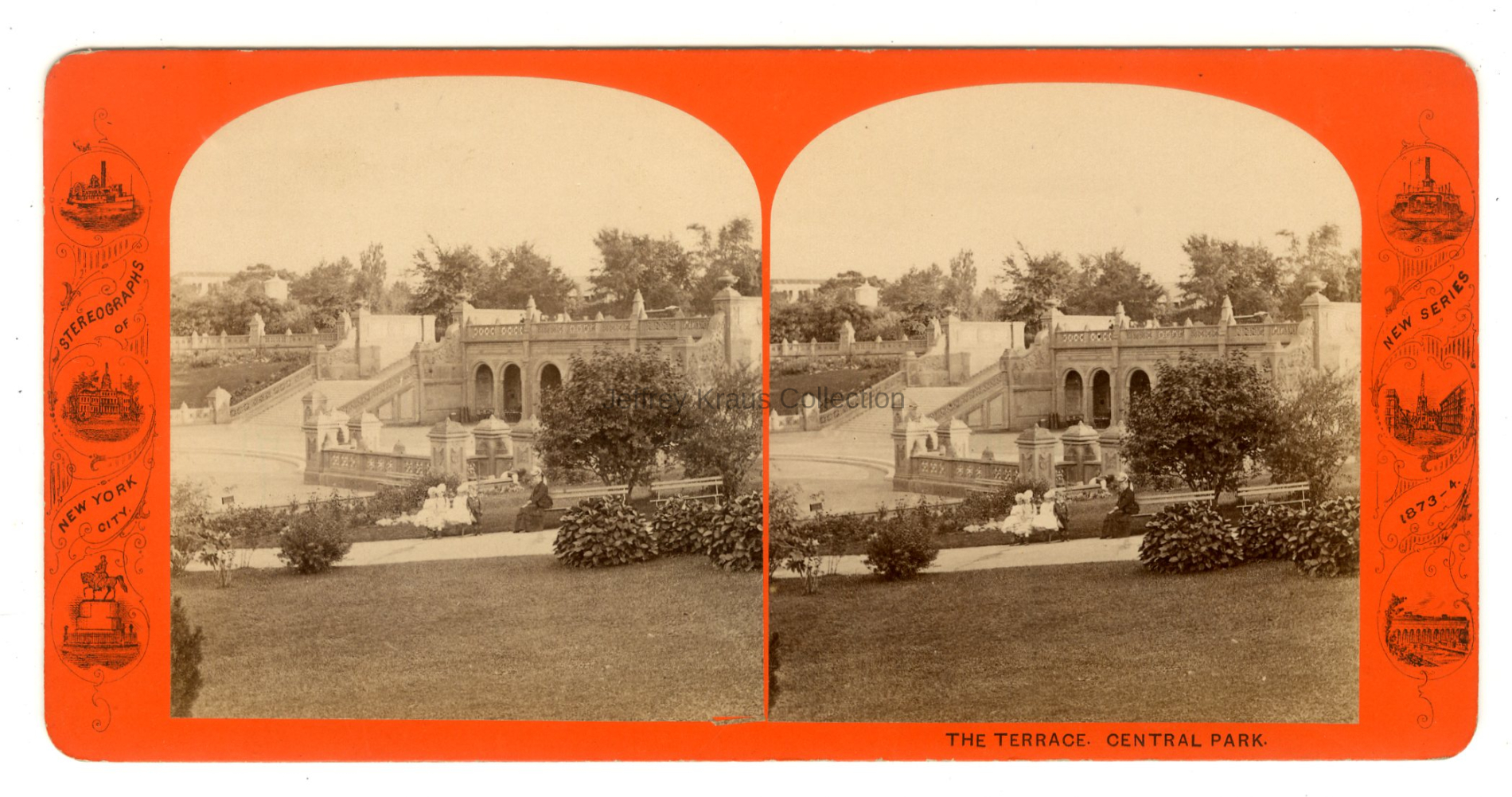
The Terrace, Central Park.
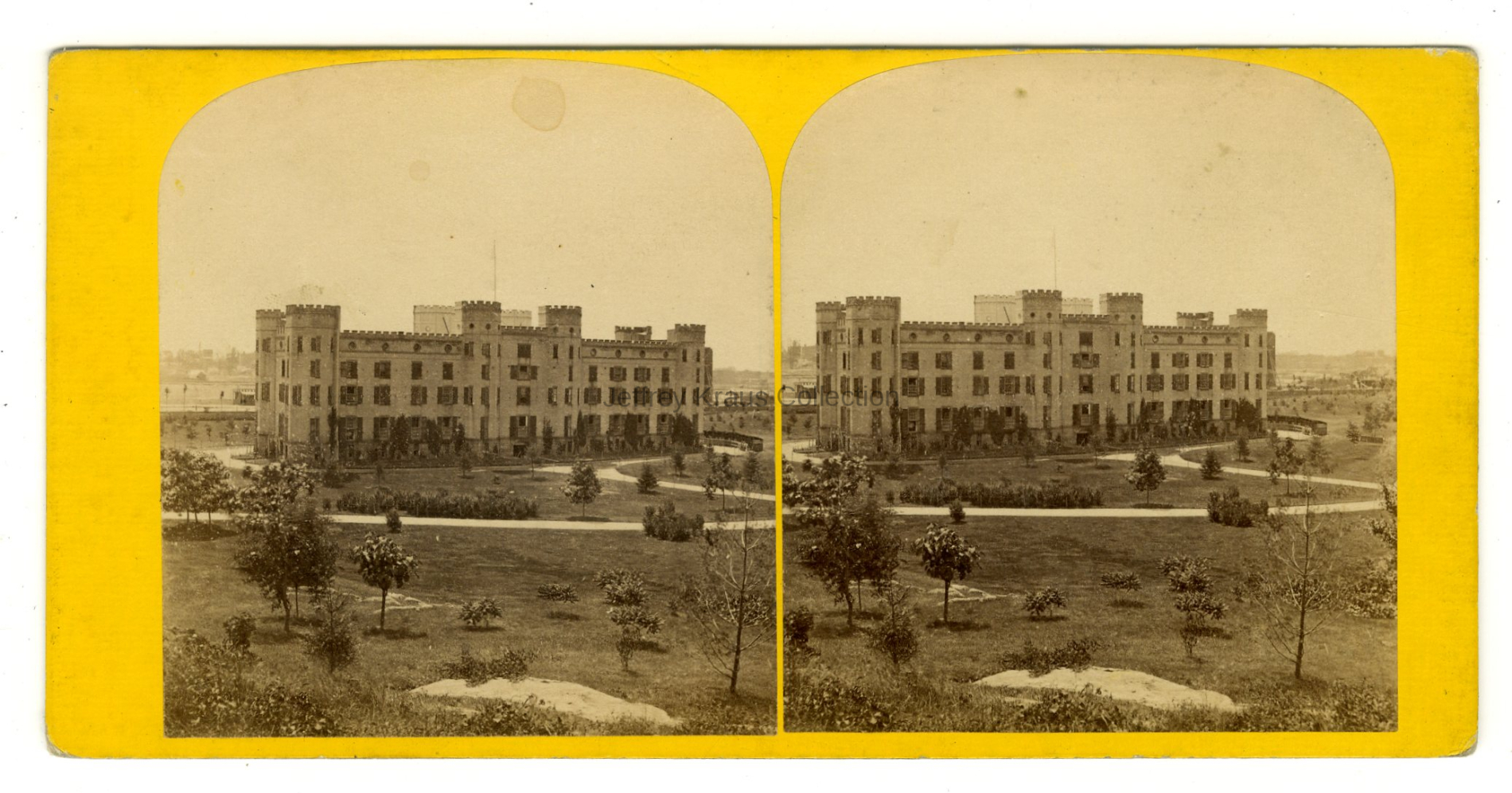
The Museum (formerly State Arsenal)–Central Park.
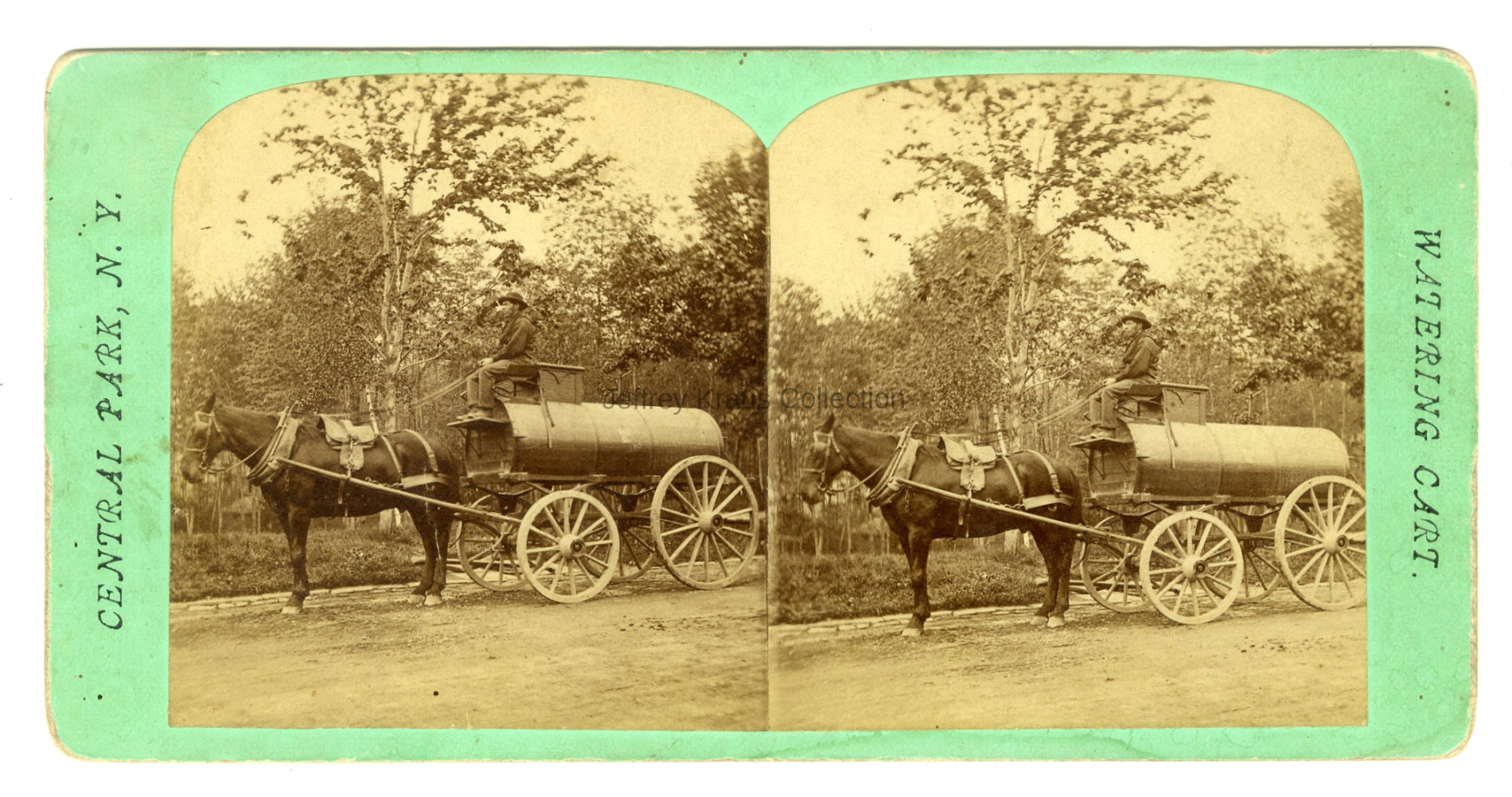
Watering Cart, Central Park.
No. 183. Mt. St. Vincent.
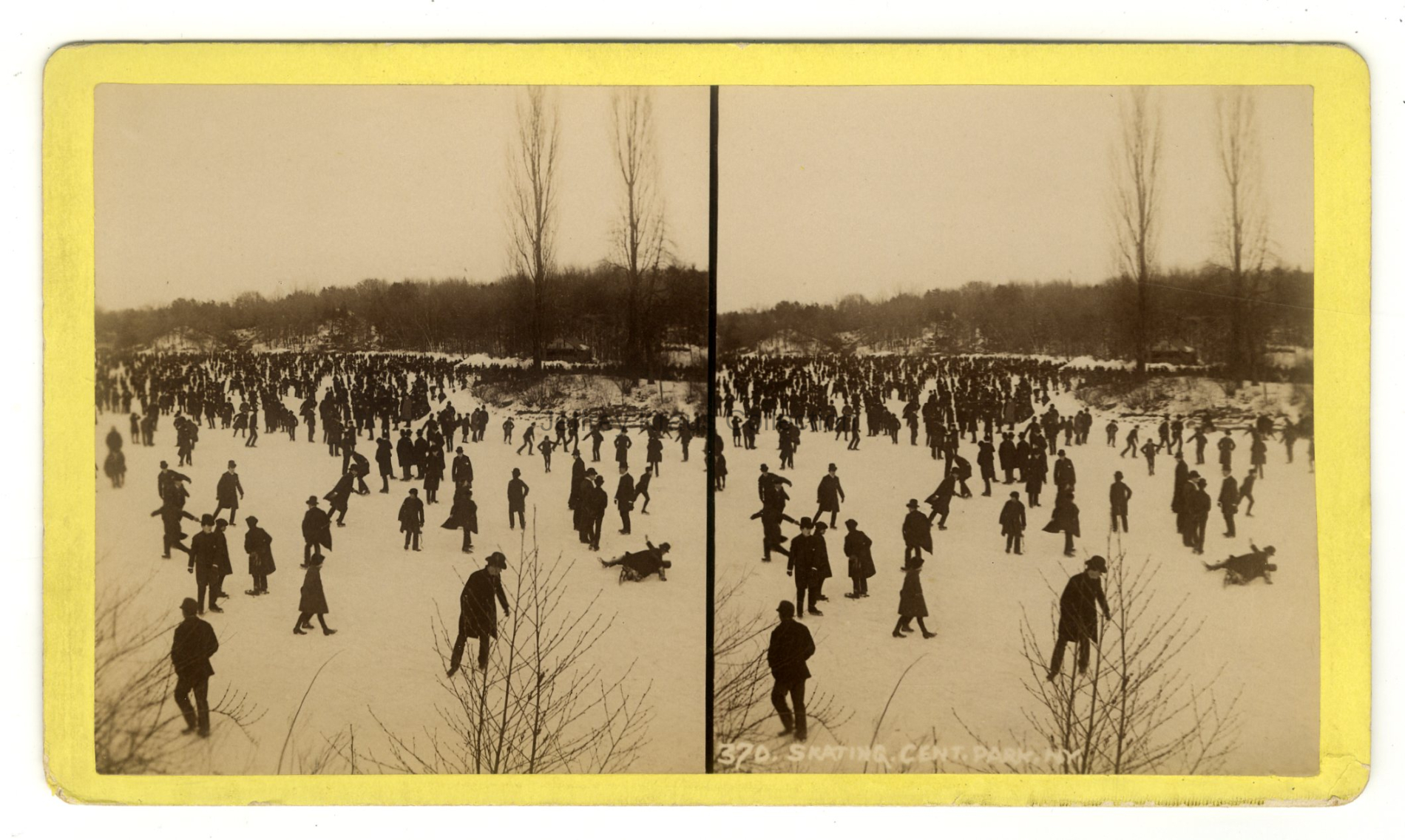
370. Skating, Central Park, NY.
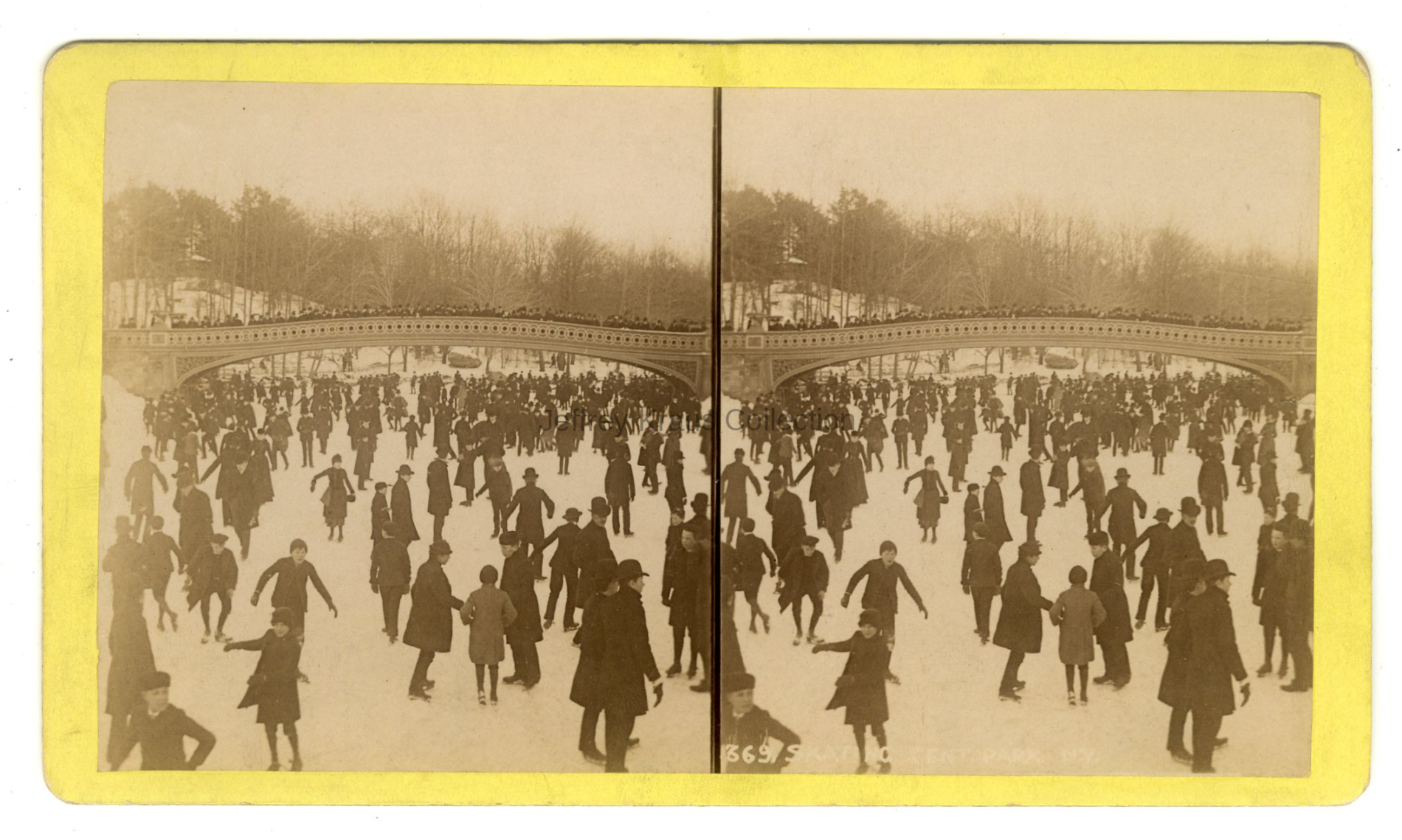
369. Skating, Central Park, NY.
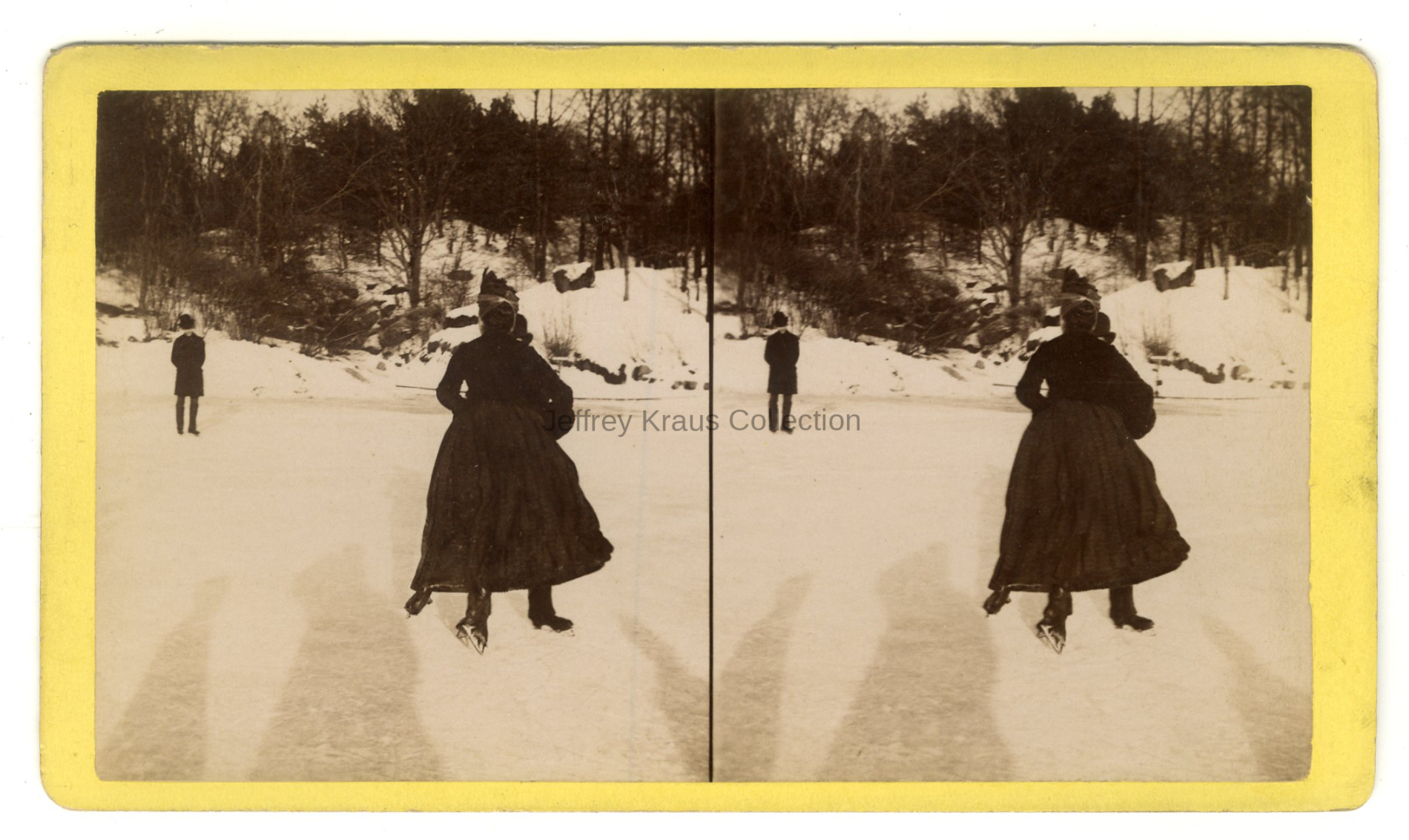
Skating, Central Park, NY.
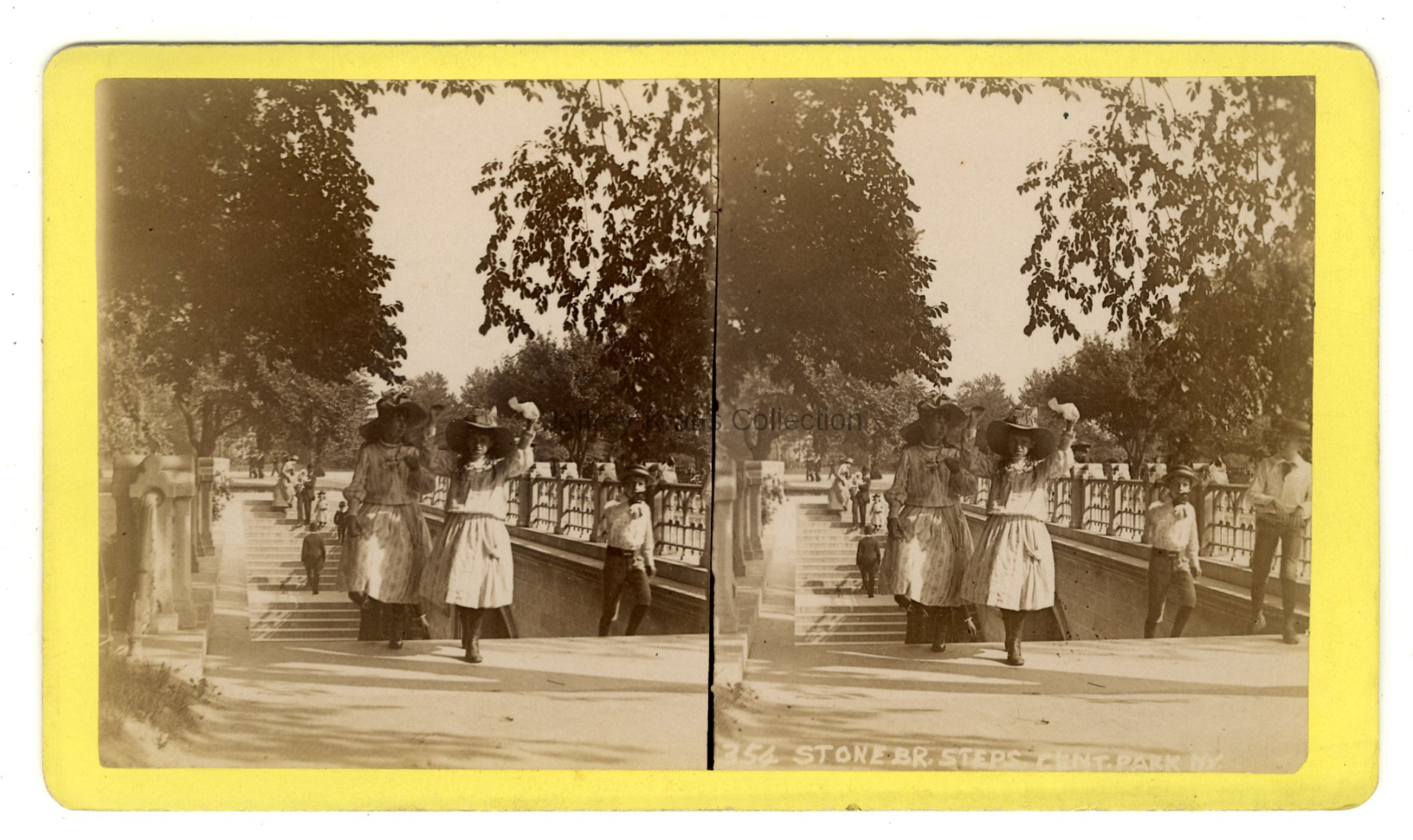
354. Stone Bridge Steps, Central Park.
“Limited Express”–Railway in Central Park, New York City.
“Limited Express”–Railway in Central Park, New York City.
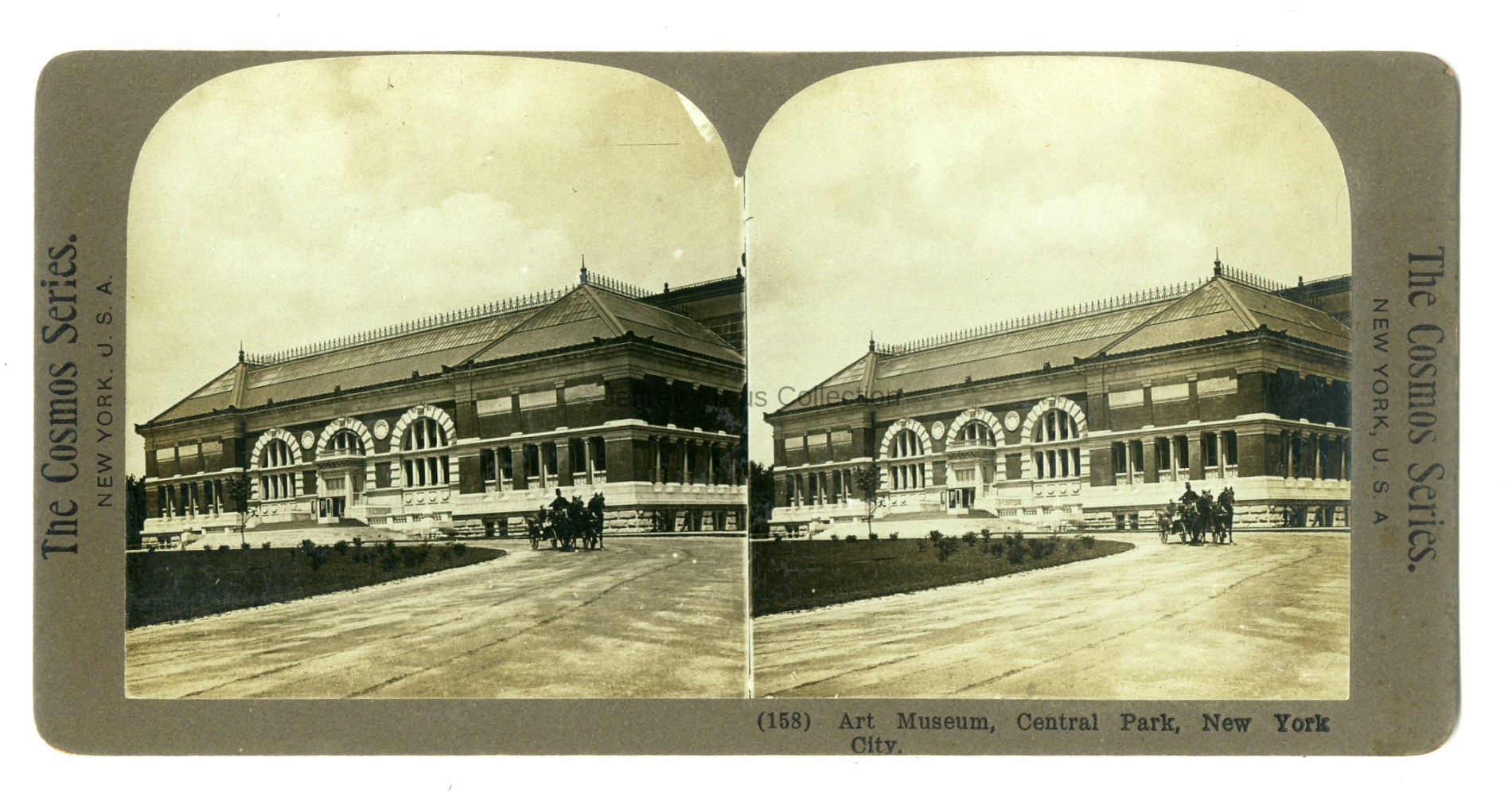
158. Art Museum, Central Park, New York City.
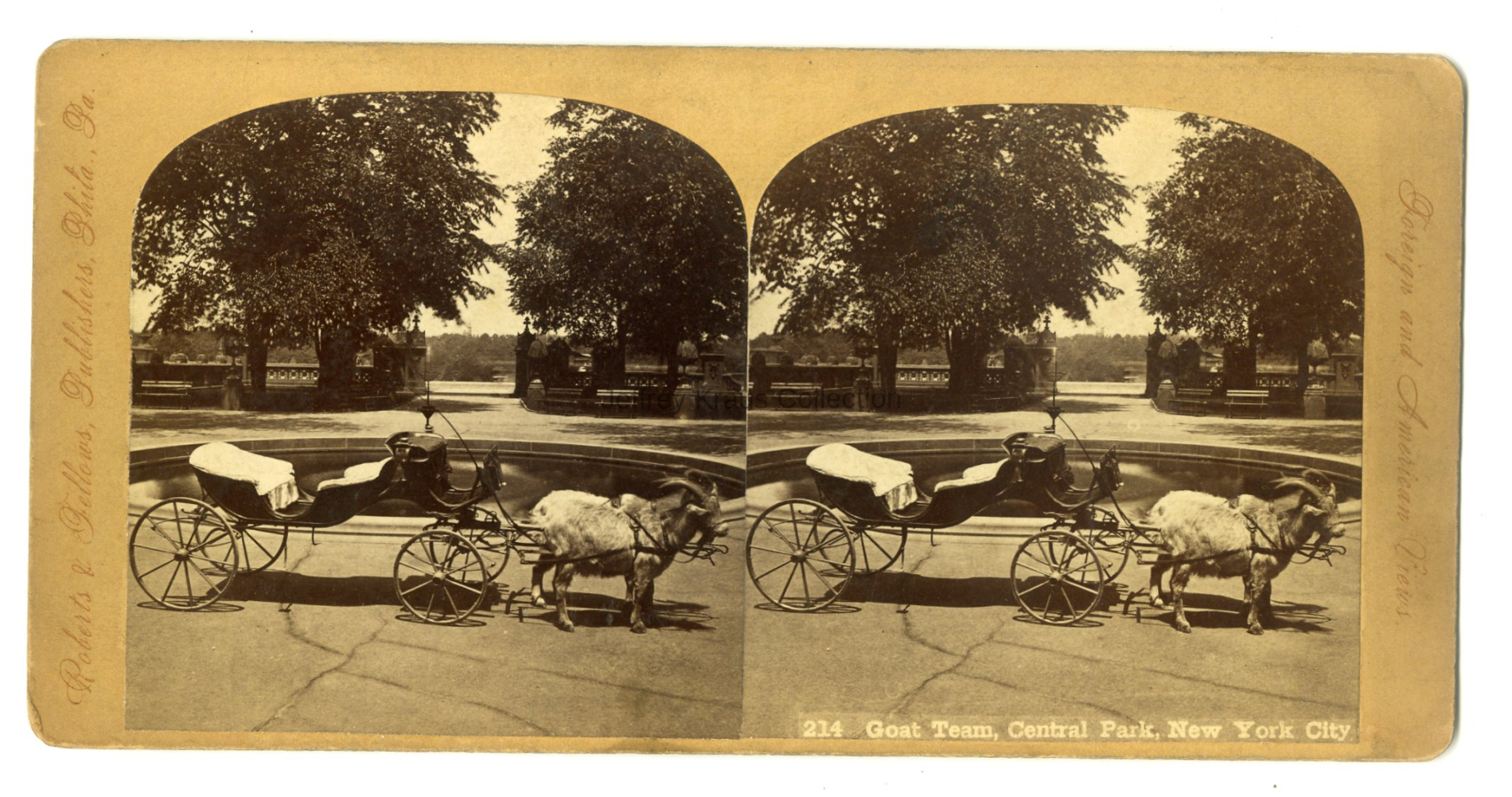
214. Goat Team, Central Park, New York.
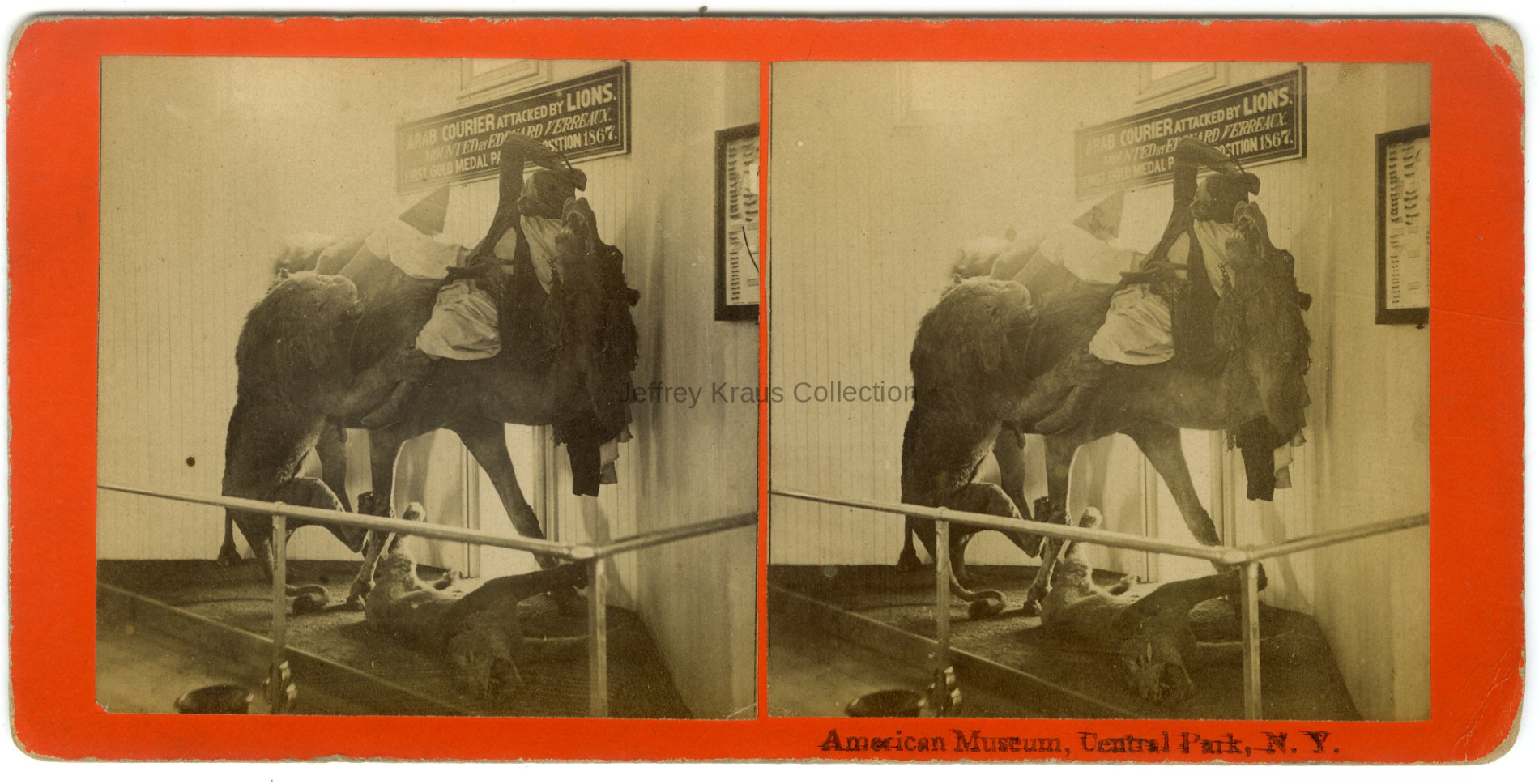
Arab Courier attached by Lions, American Museum, Central Park, NY.
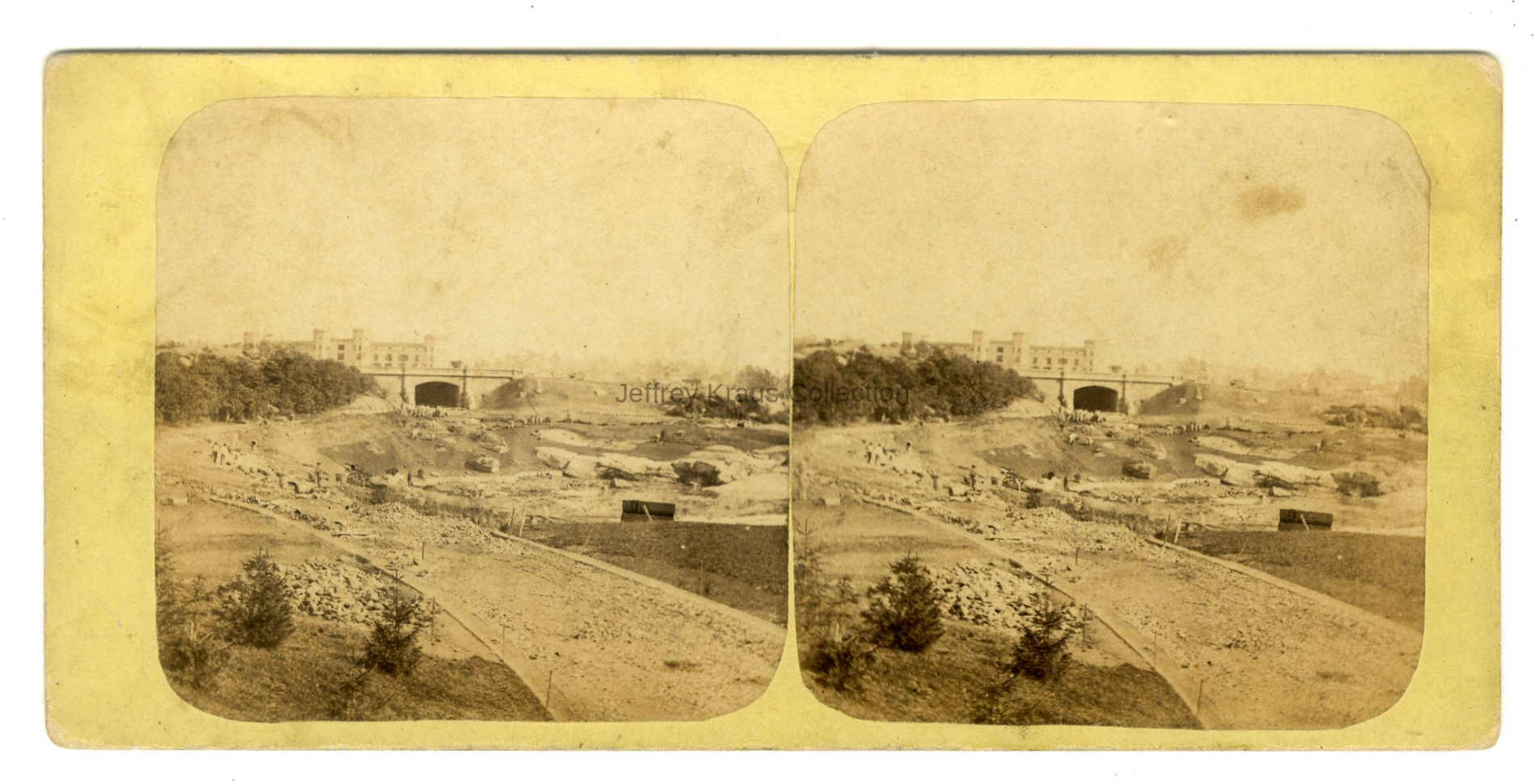
U.S. Arsenal, Central Park. The park is under construction in this view.
No. 183. Mt. St. Vincent. Central Park. Before there was a park, however, there were nuns. In 1847 the Sisters of Charity of St. Vincent de Paul arrived at the still-bucolic region of Manhattan and opened the Academy of St. Vincent, a school and convent. The nuns left when the area was incorportated into the park, however the building remained standing and utilized for several purposes. During the Civil War, it was briefly used as a hospital; later, it was a “restaurant and hostelry,” with some certainly spectacular views for guests. The stone chapel was even refashioned as an gallery for artwork and “stuffed specimens of animals of considerable value.” Unfortunately, the structures were destroyed in a fire in 1881.
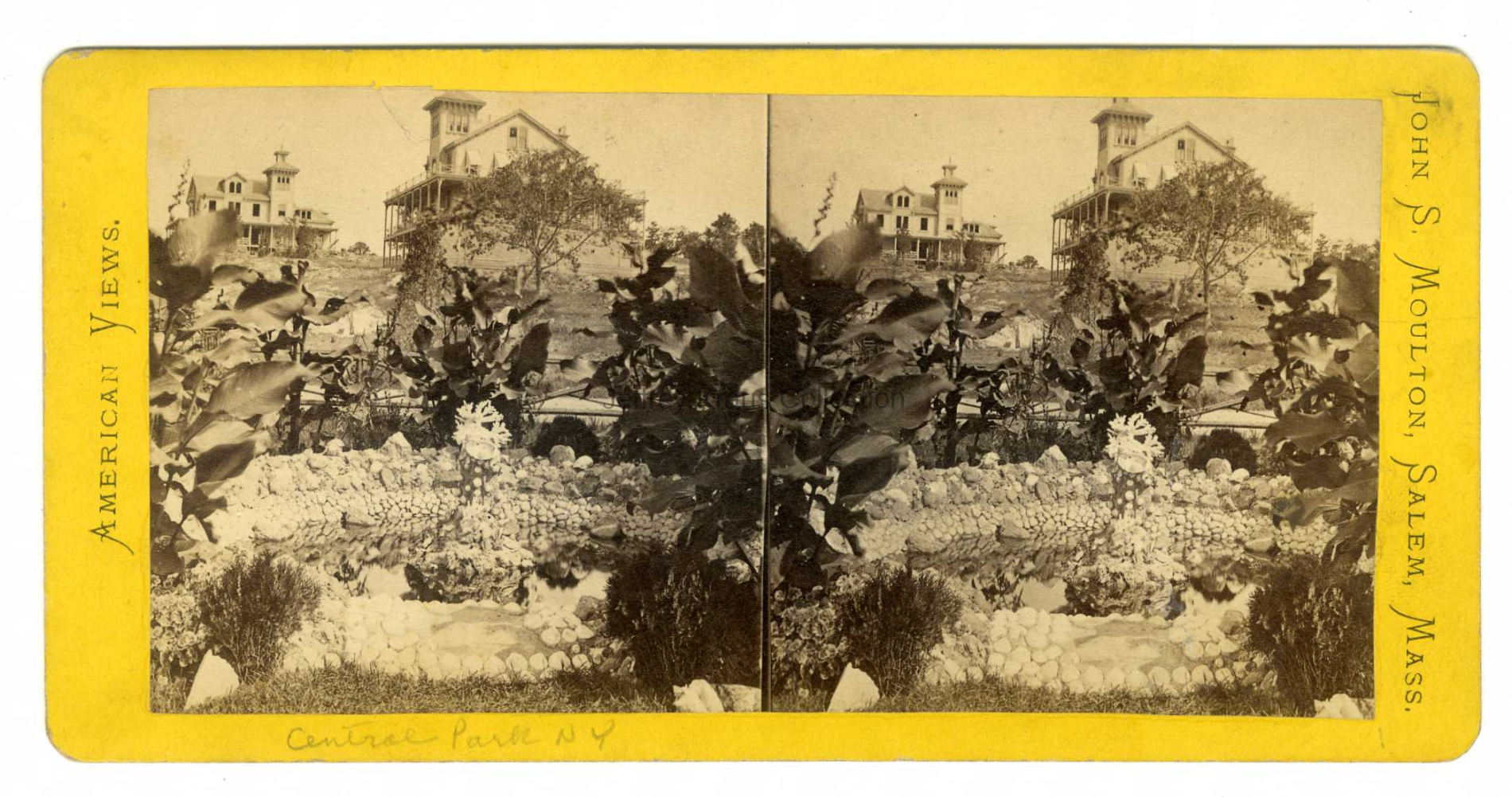
Central Park, NY.
Central Park. NY.
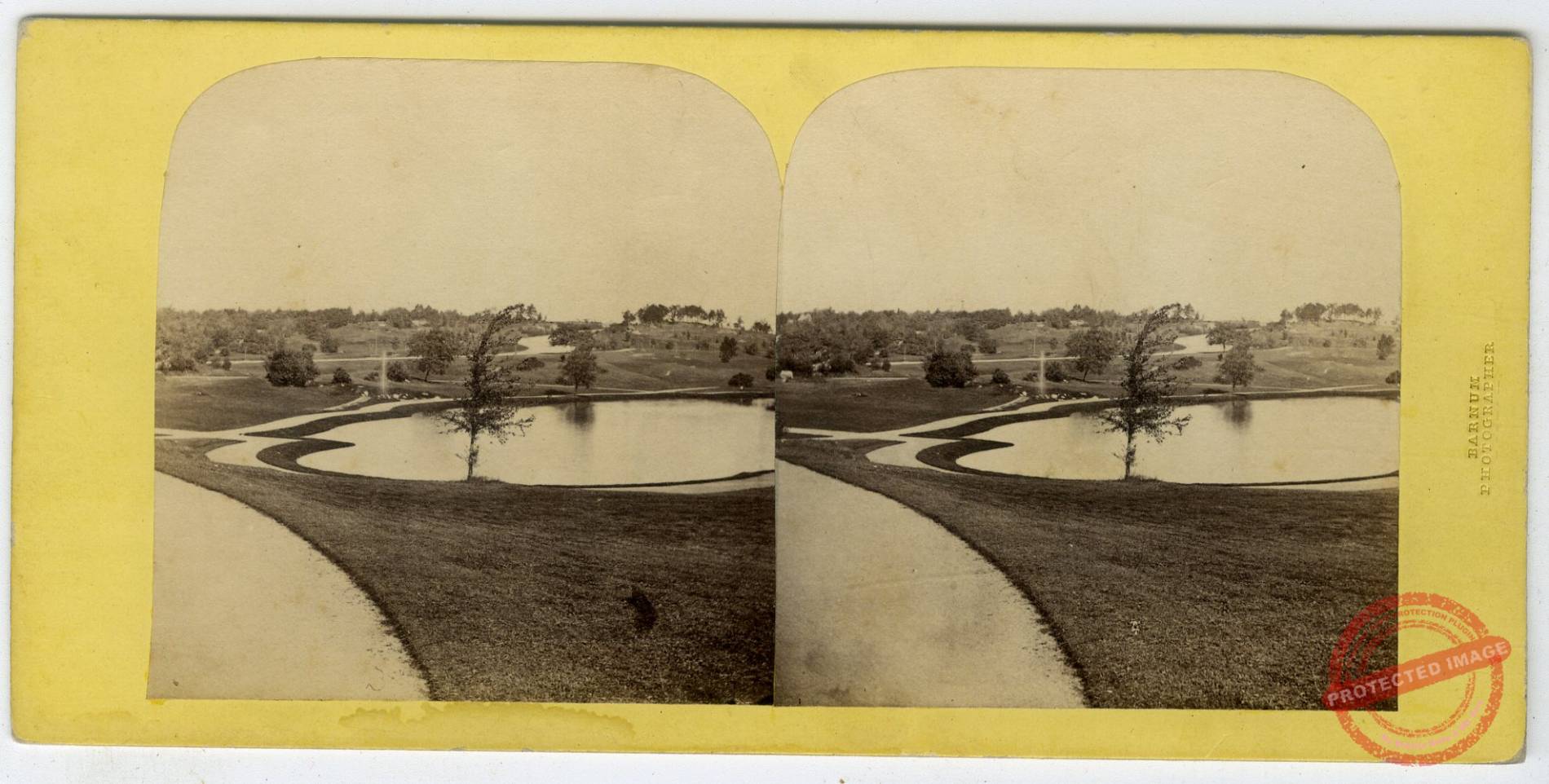
Conservatory Lake, Central Park.
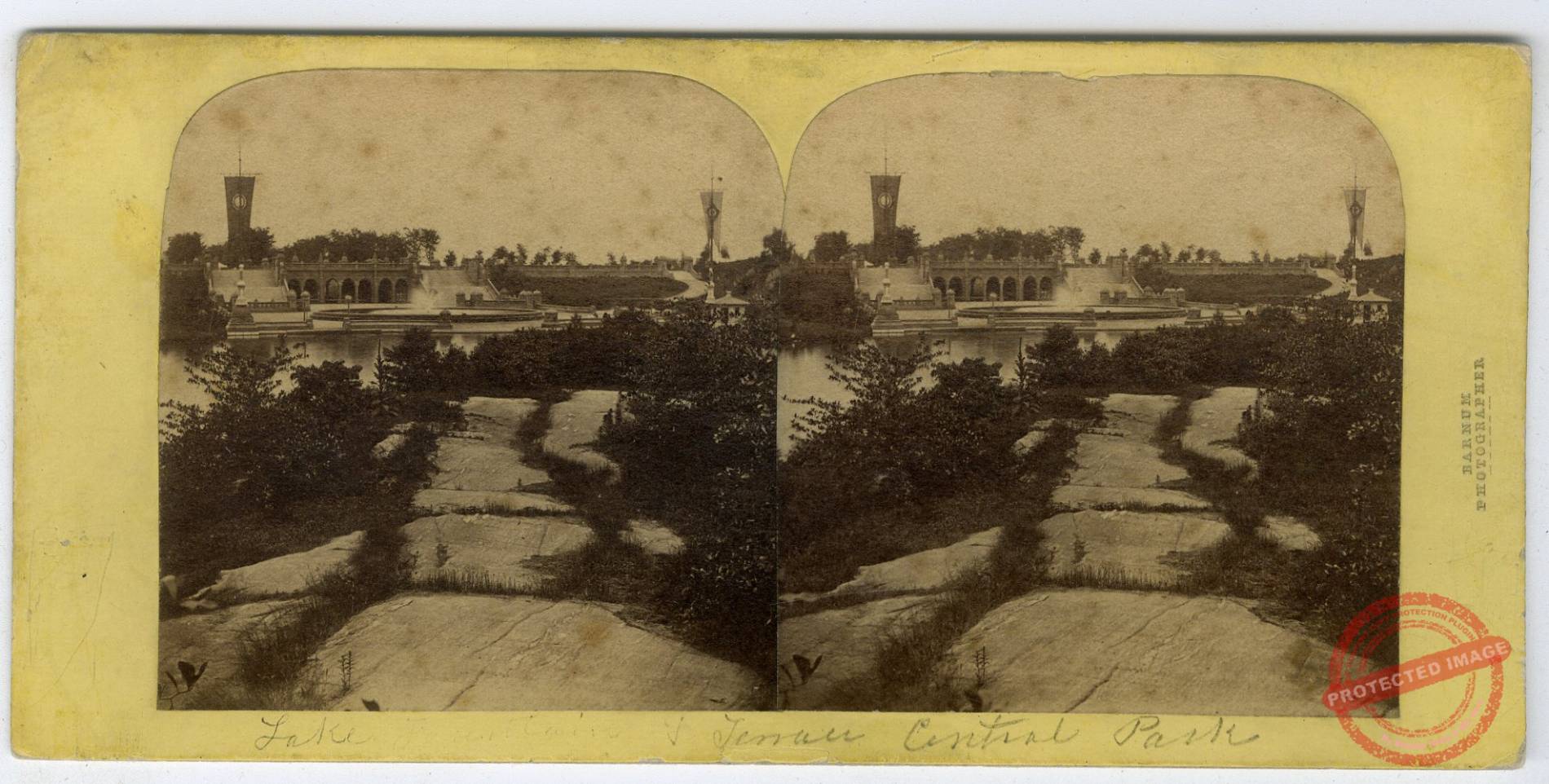
Lake, Fountain, & Terrace, Central Park.
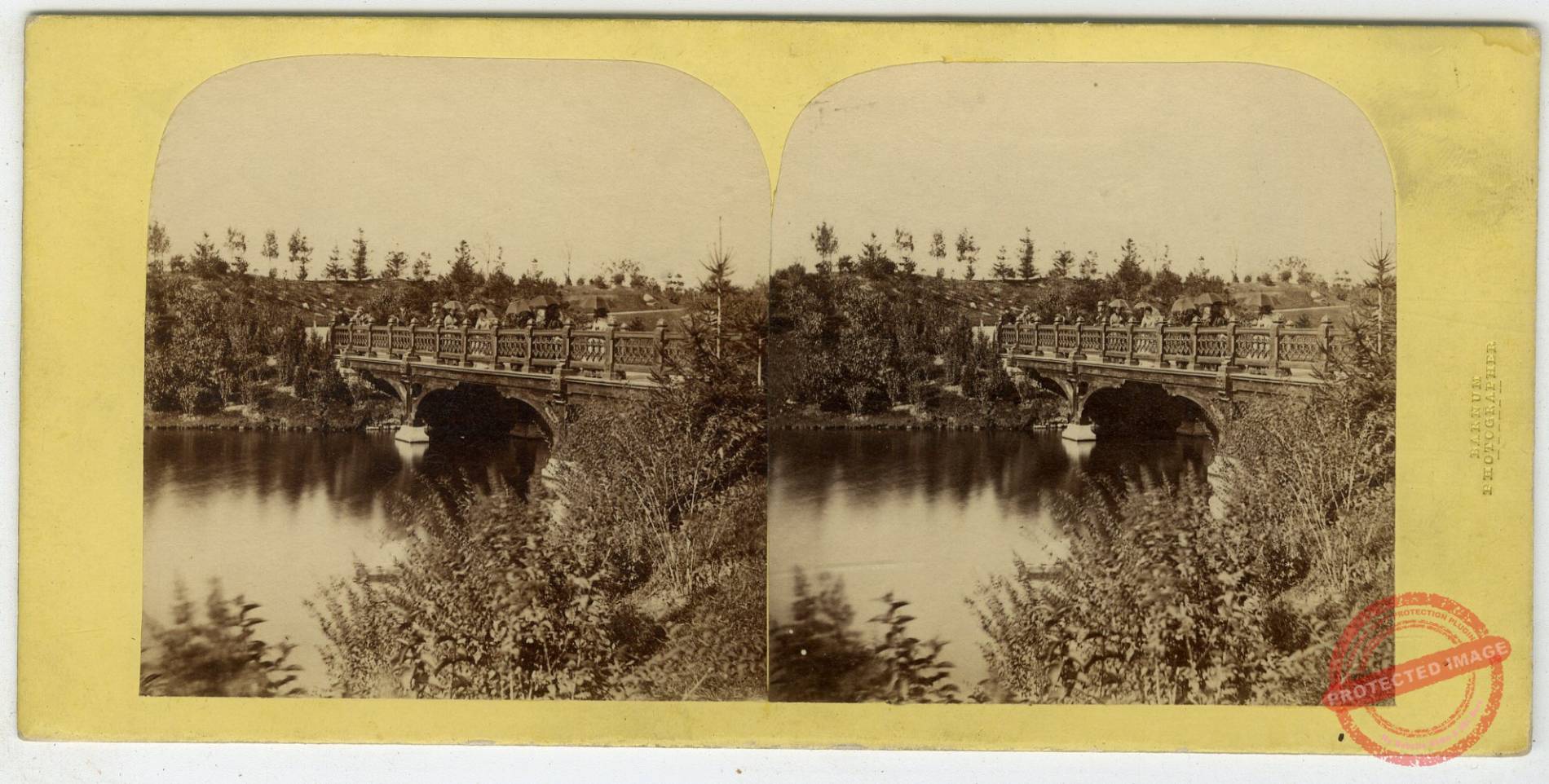
Oak Bridge, Central Park.
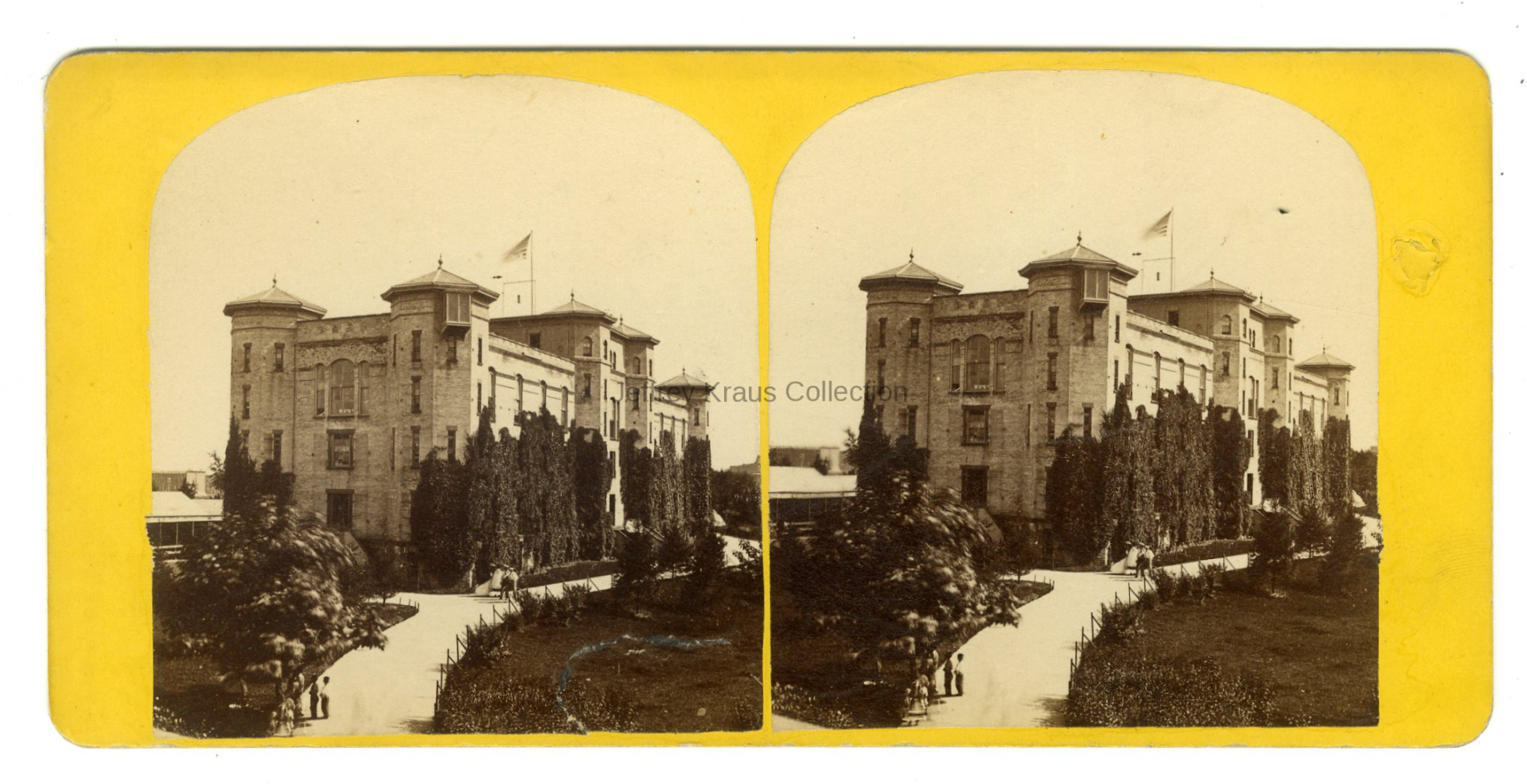
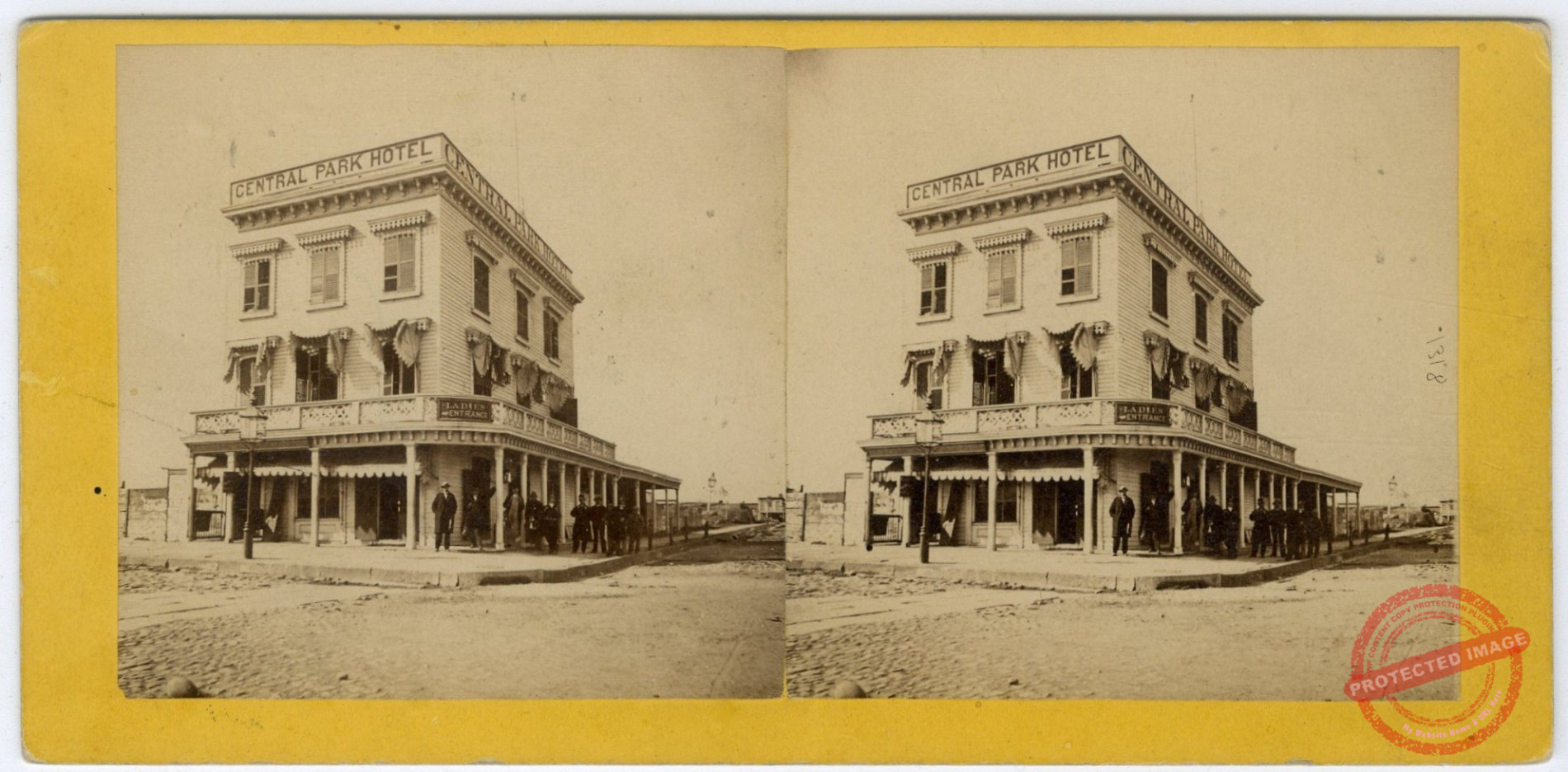
Central Park Hotel. The Central Park Hotel was listed in an 1859 NYC directory. The owner of the hotel was Hermann Knubel. The City of New York had acquired some of Hermann Knubel’s land for Central Park. So Mr. Knubel had apparent advance knowledge and quickly put that knowledge to work. Central Park was directly across from his hotel and the Broadway and Seventh Avenue train terminus was nearby. The Central Park Garden at 900 Seventh Avenue was opened next door to the hotel in May, 1868.
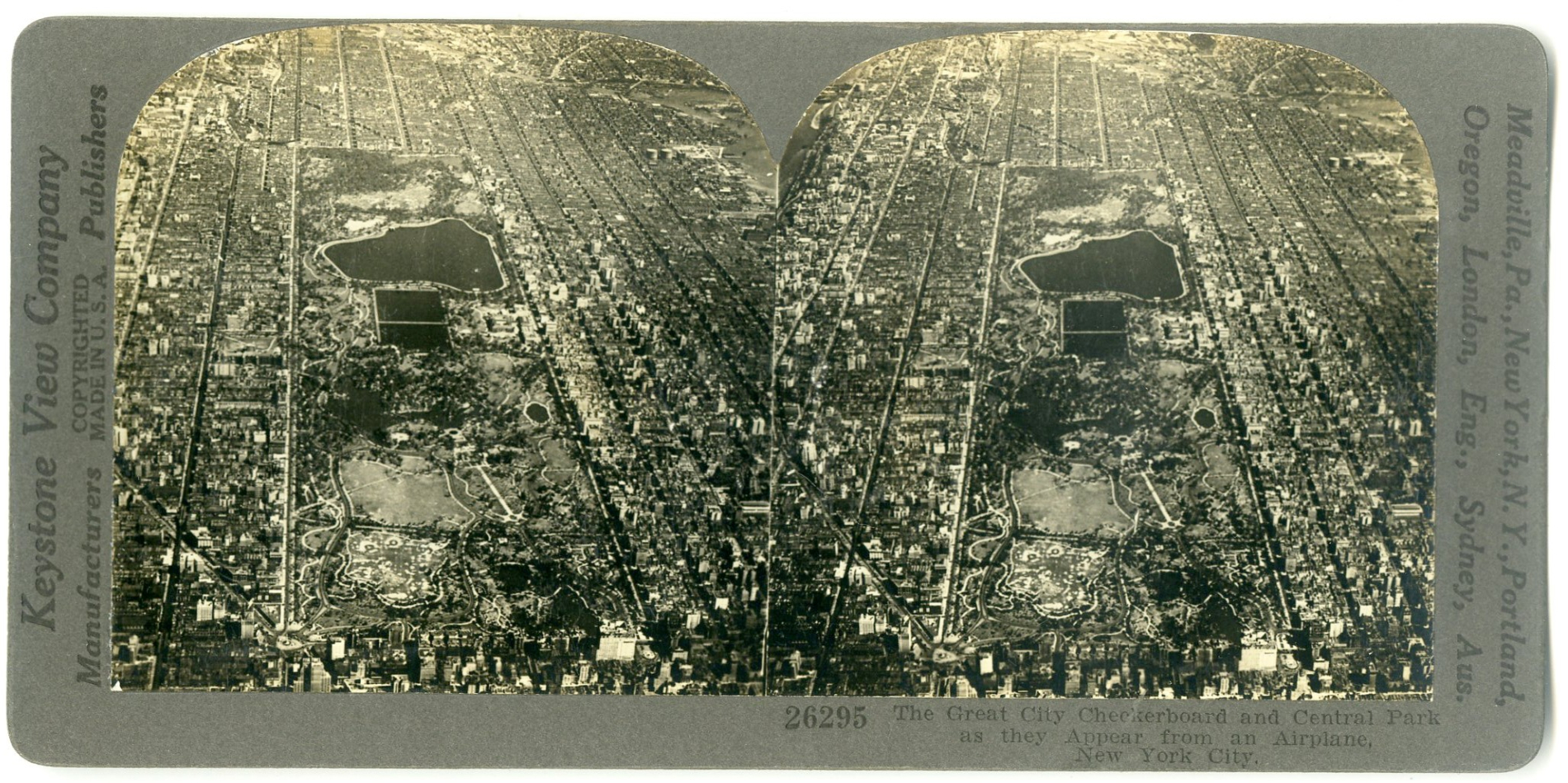
26295. The Great City Checkerboard and Central Park as they appear from an Airplane, New York City.
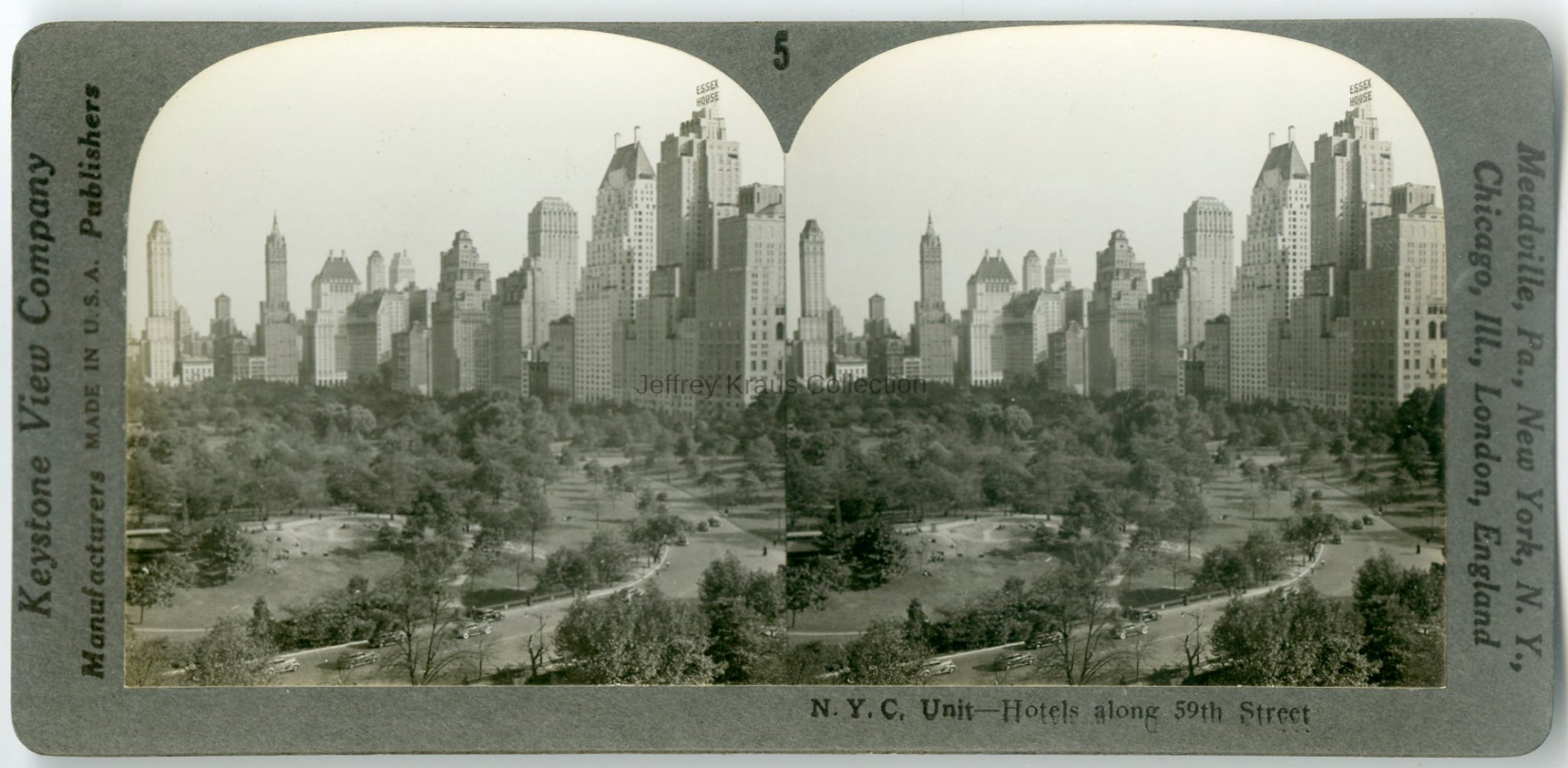
Hotels along 59th Street.
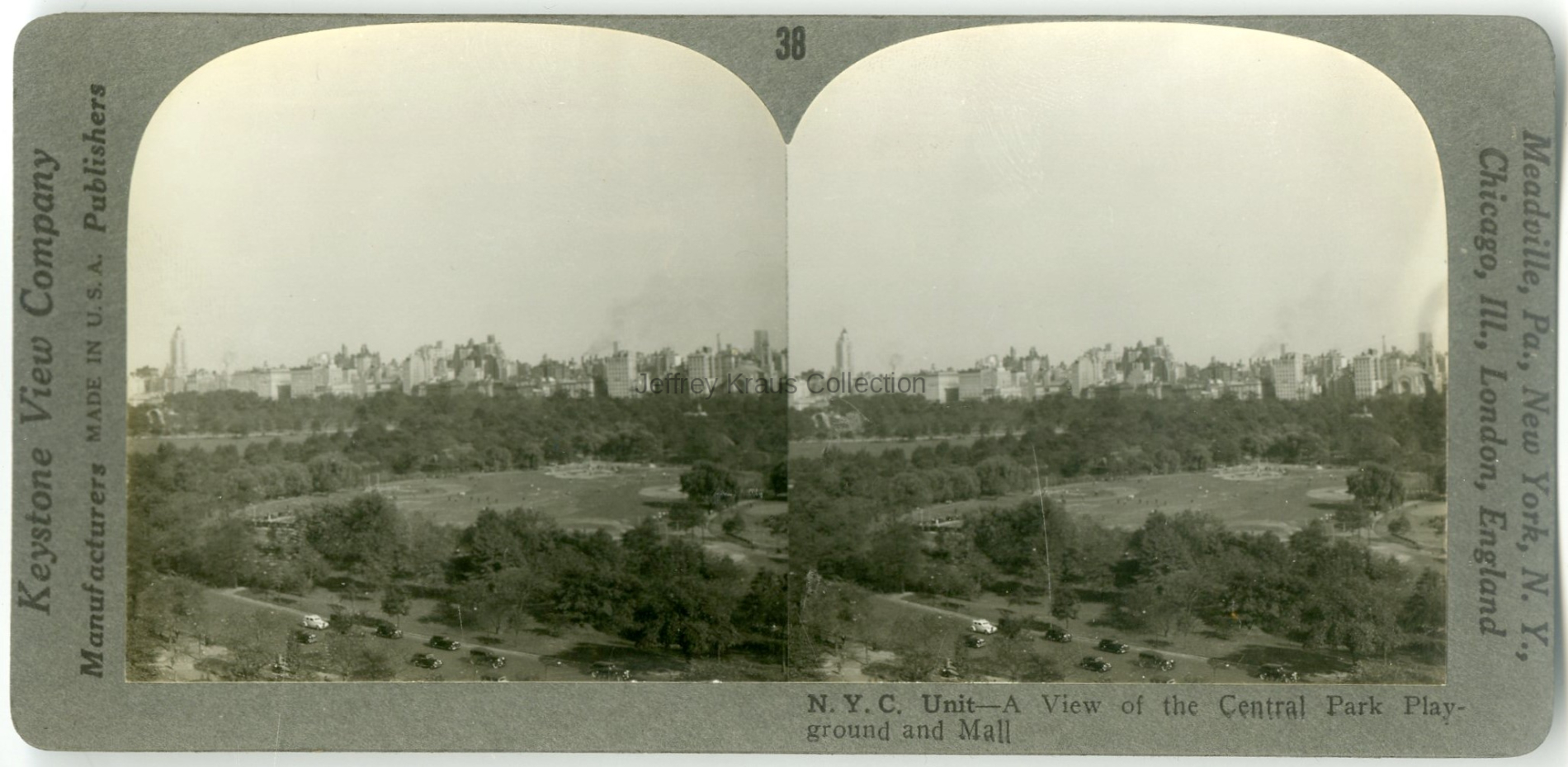
A View of the Central Park Playground and Mall.
Central Park, New York.