30808.
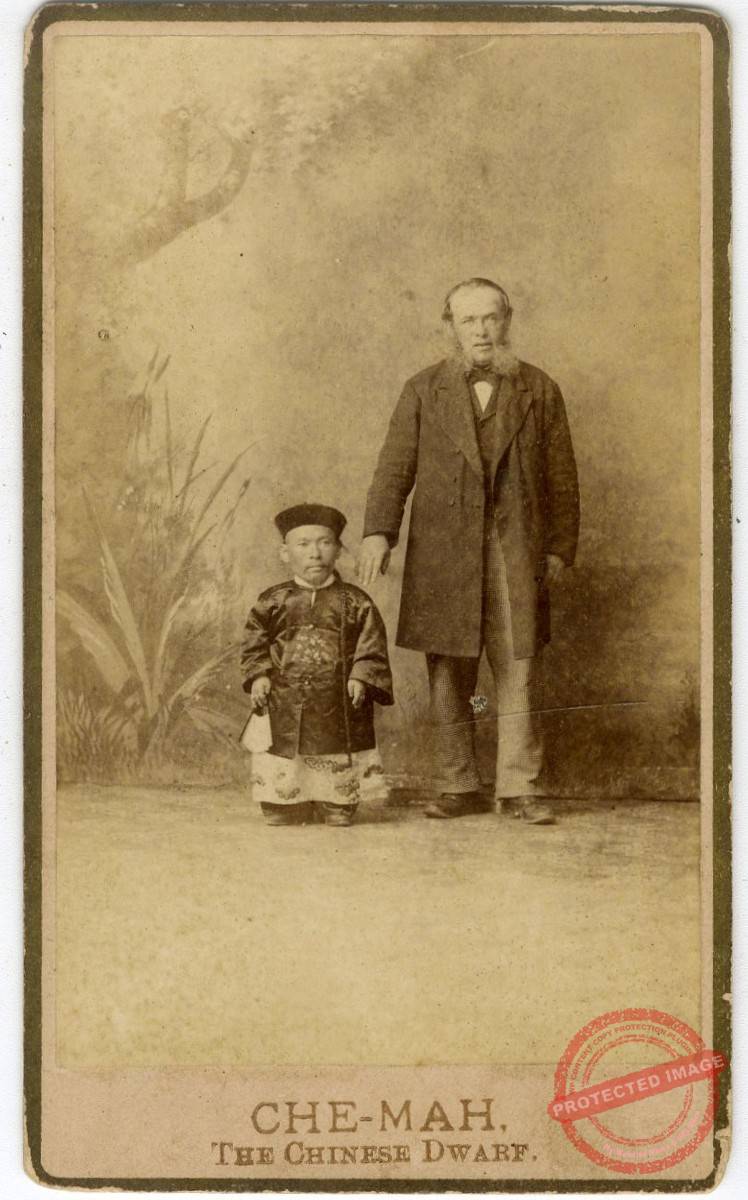
Che-Mah, the Chinese Dwarf.

Che-Mah, the Chinese Dwarf.
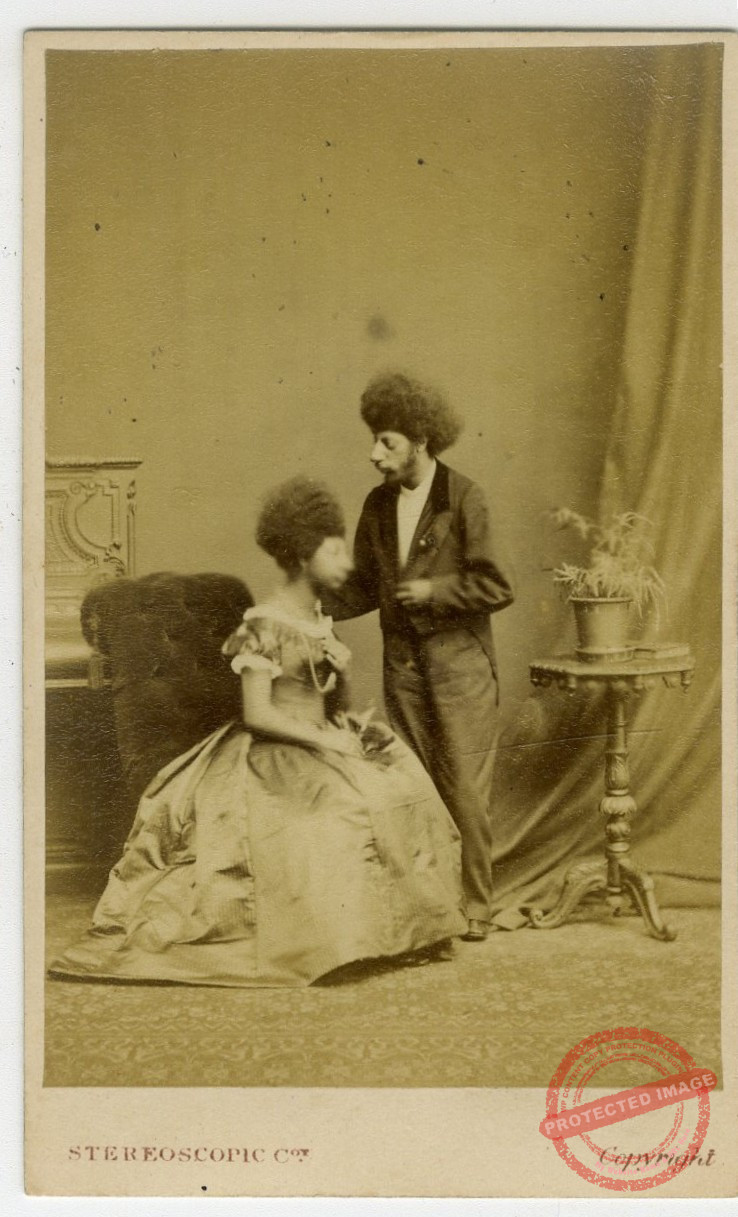
Maximo & Bartola, Aztecs of Ancient Mexico. Máximo and Bartola (also known as Maximo Valdez Nunez and Bartola Velasquez respectively) were the stage names of two Salvadoran siblings both suffering from microcephaly and cognitive developmental disability who were exhibited in human zoos in the 19th century. Originally from near Usulután, El Salvador, the siblings were given by their mother to a merchant who promised he would take them to Grenada to be educated and exhibited. They then went through several guardians afterwards. They were eventually billed as “Aztec Children” and an elaborate story was constructed of how they were found in the temple of a lost Mesoamerican city. They toured the U.S. and Europe, appearing before various regents and dignitaries.
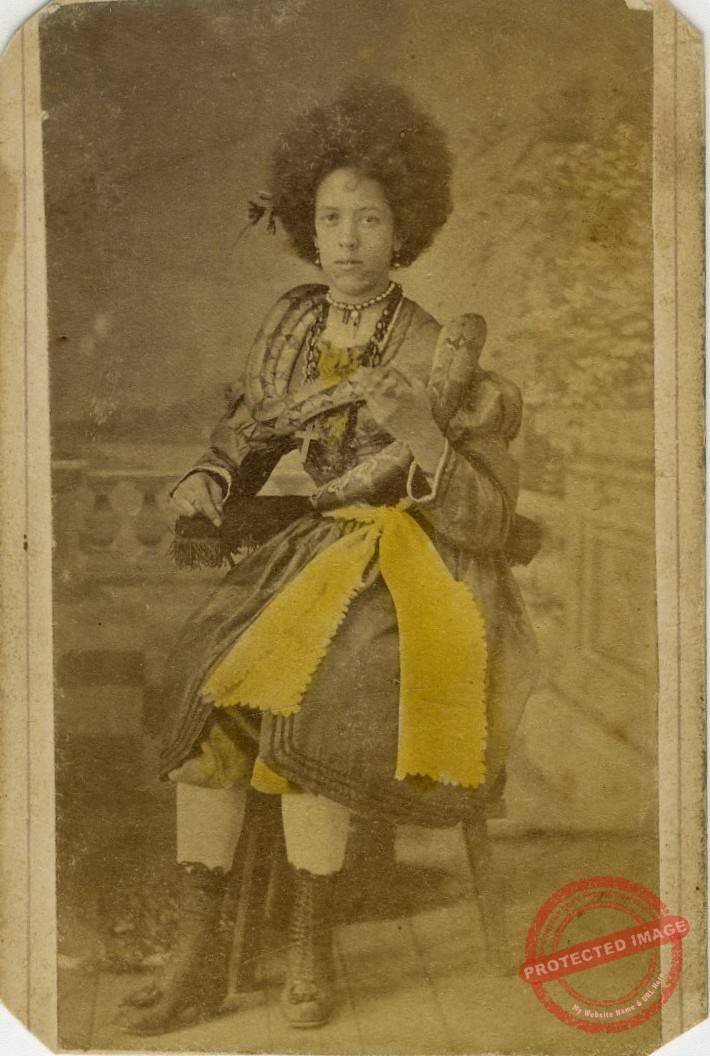
Unidentified Circassian Snake Lady.
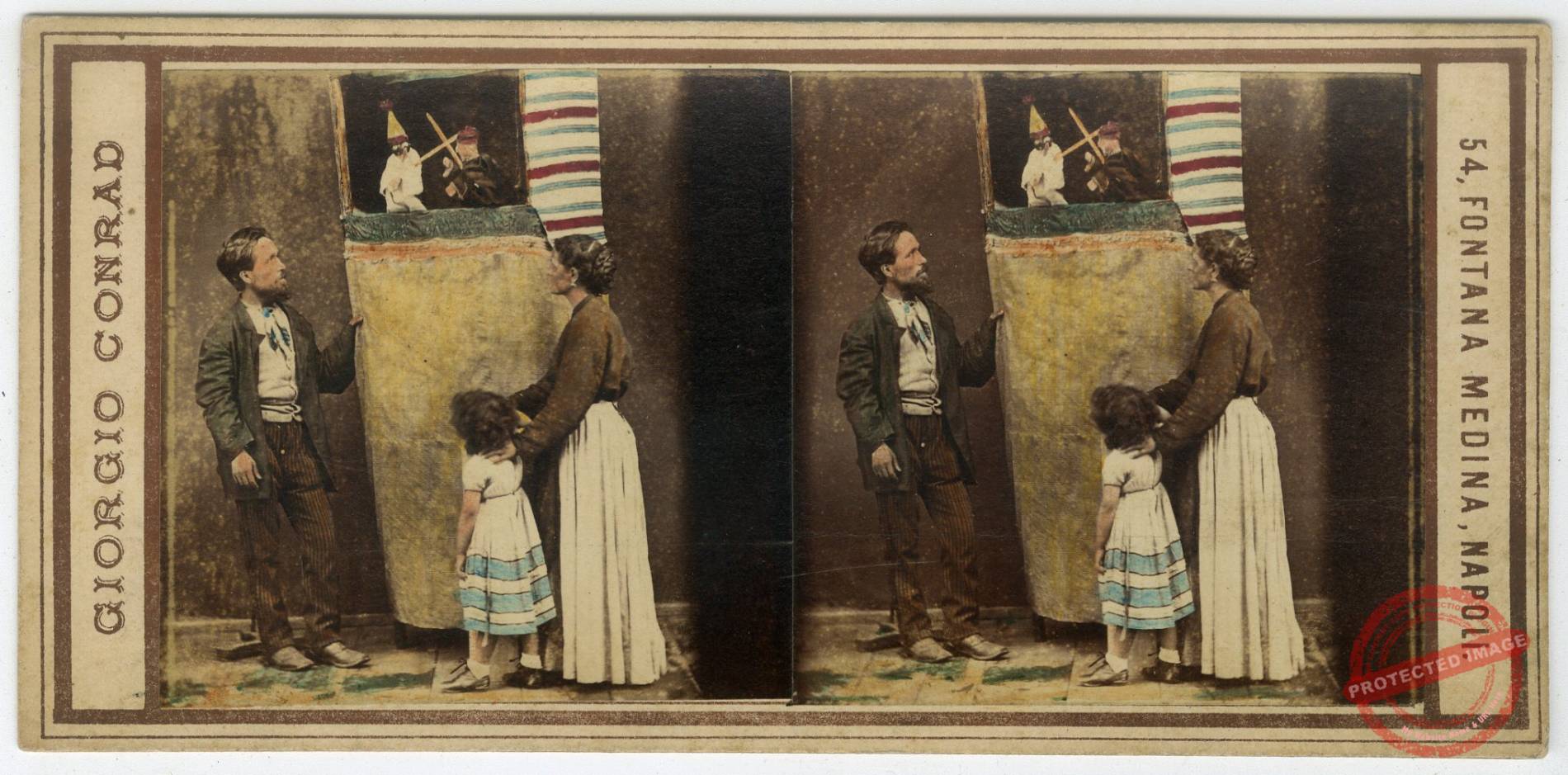
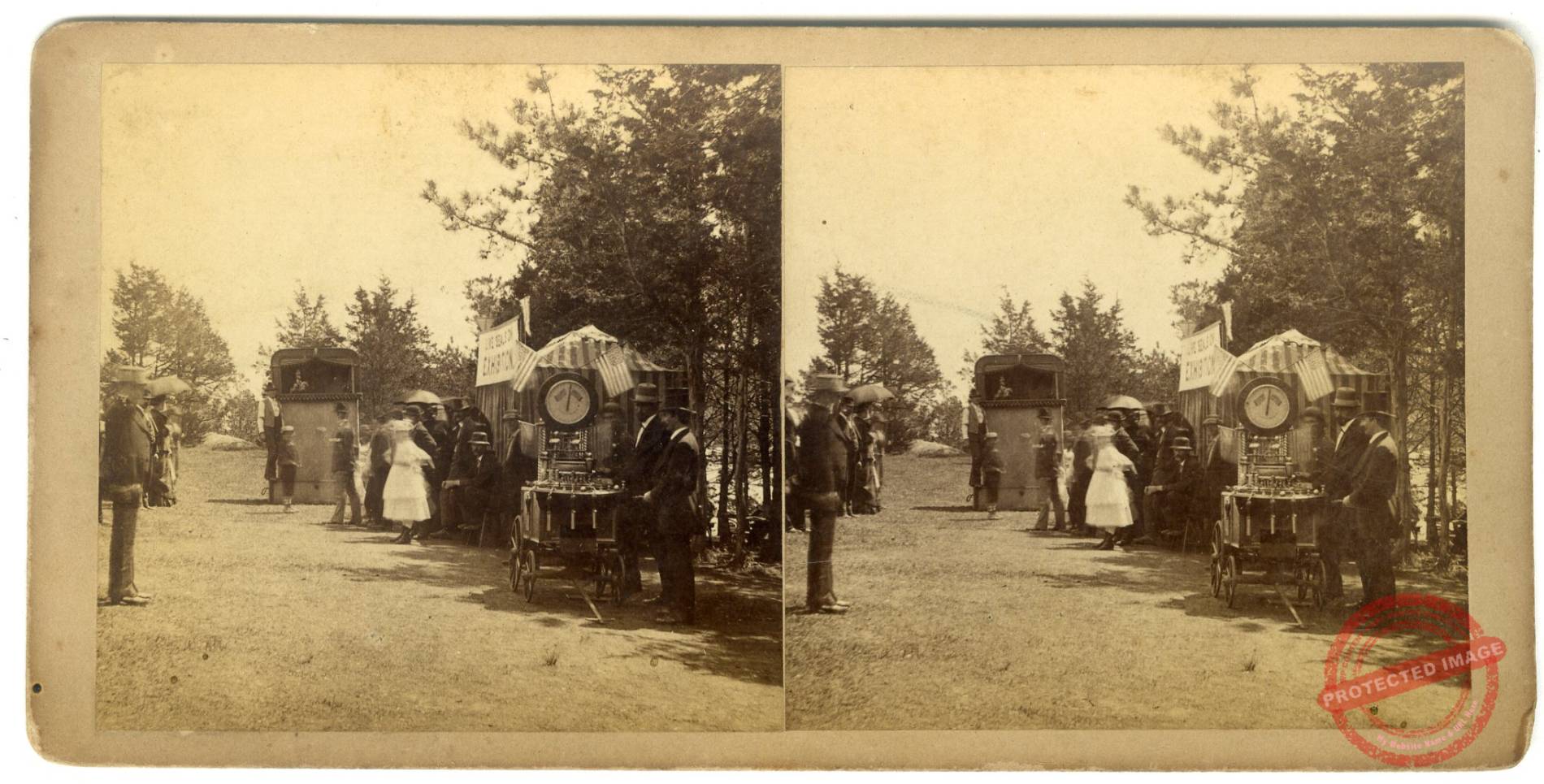
Puppet Show Streets of Naples.
Punch & Judy.
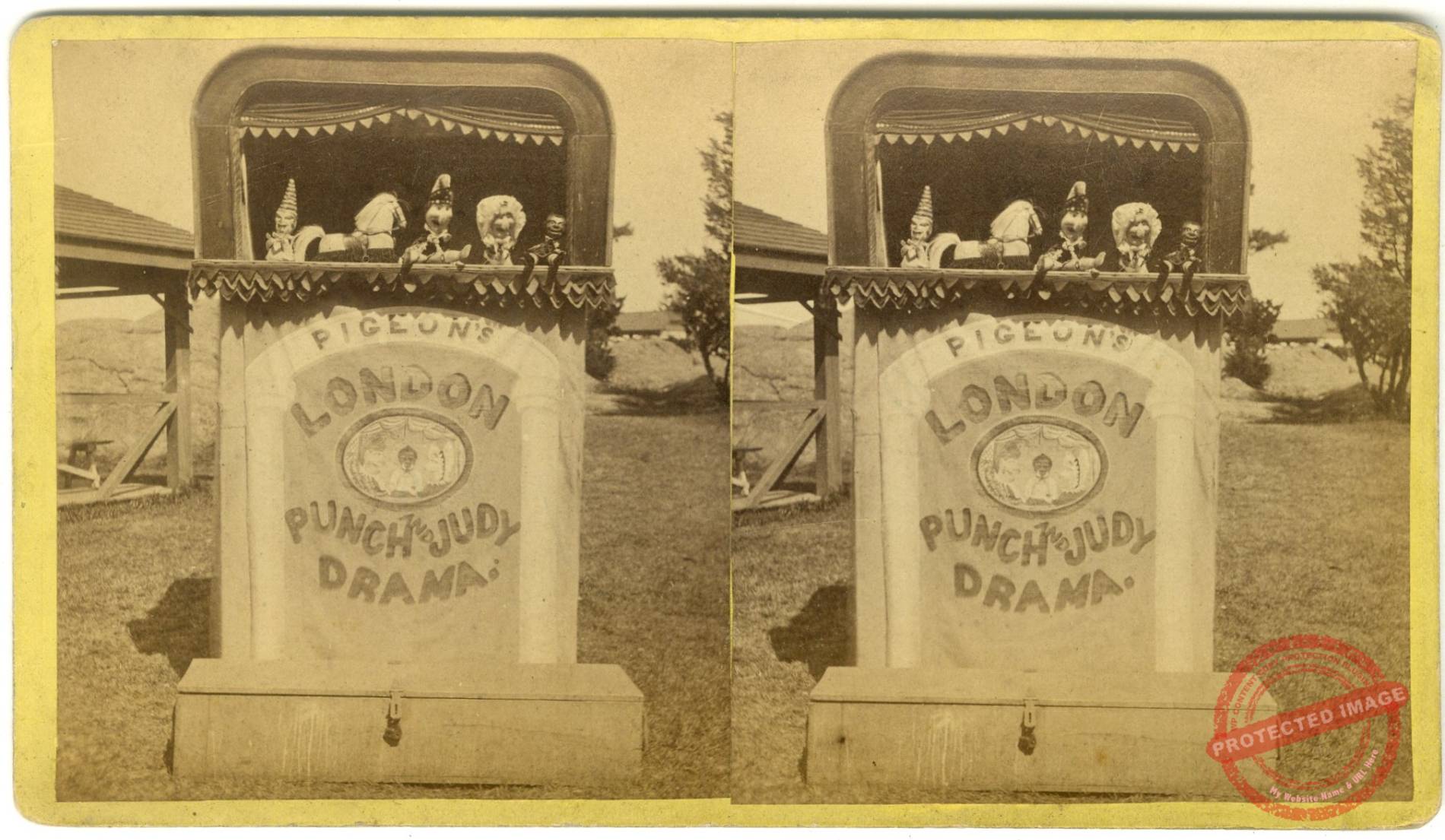
Pigeon’s London Punch and Judy Drama.
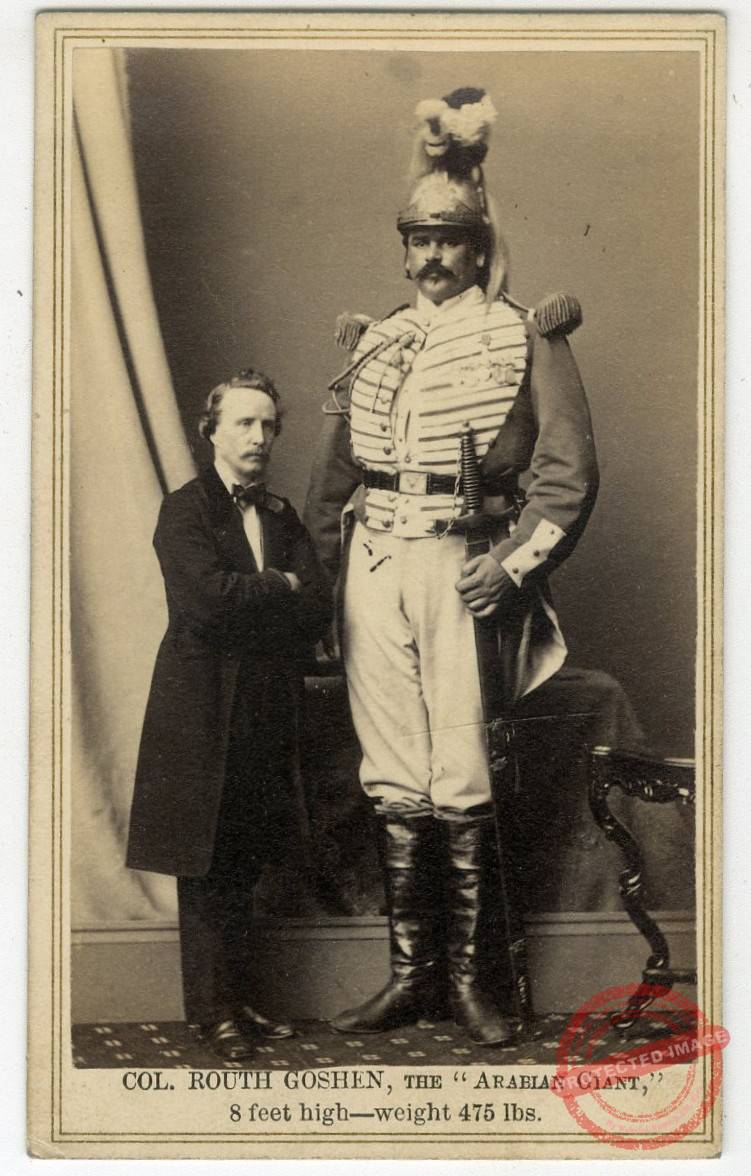
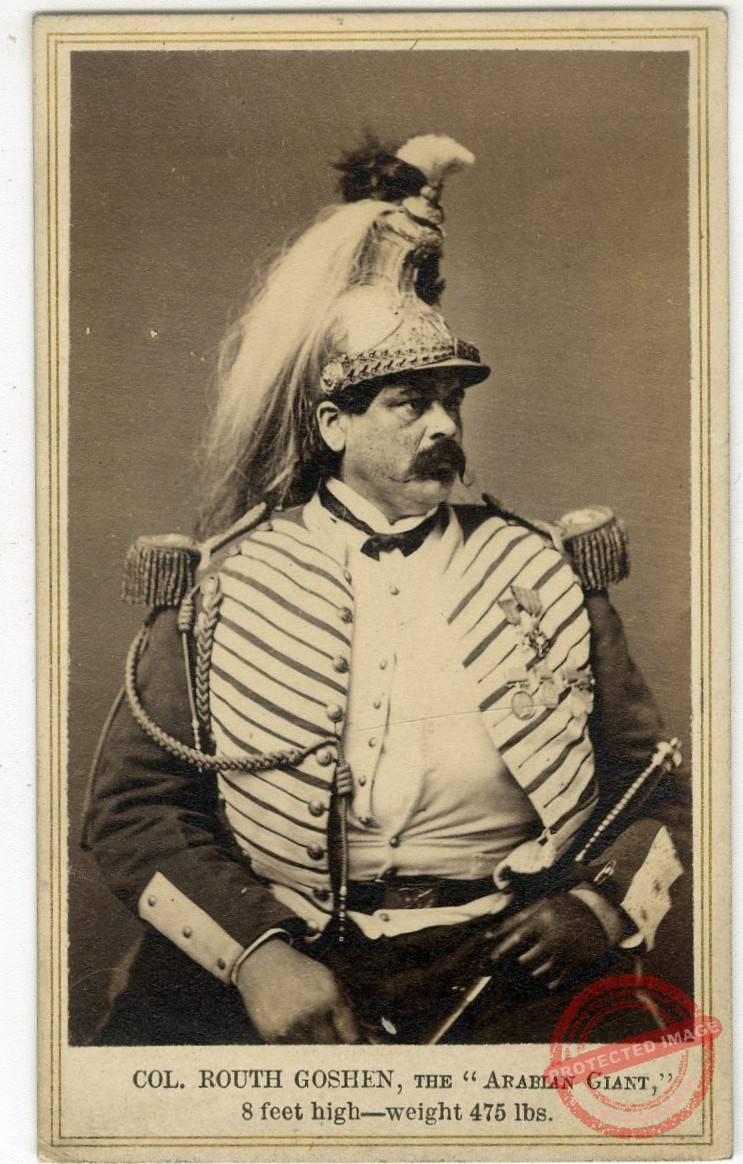
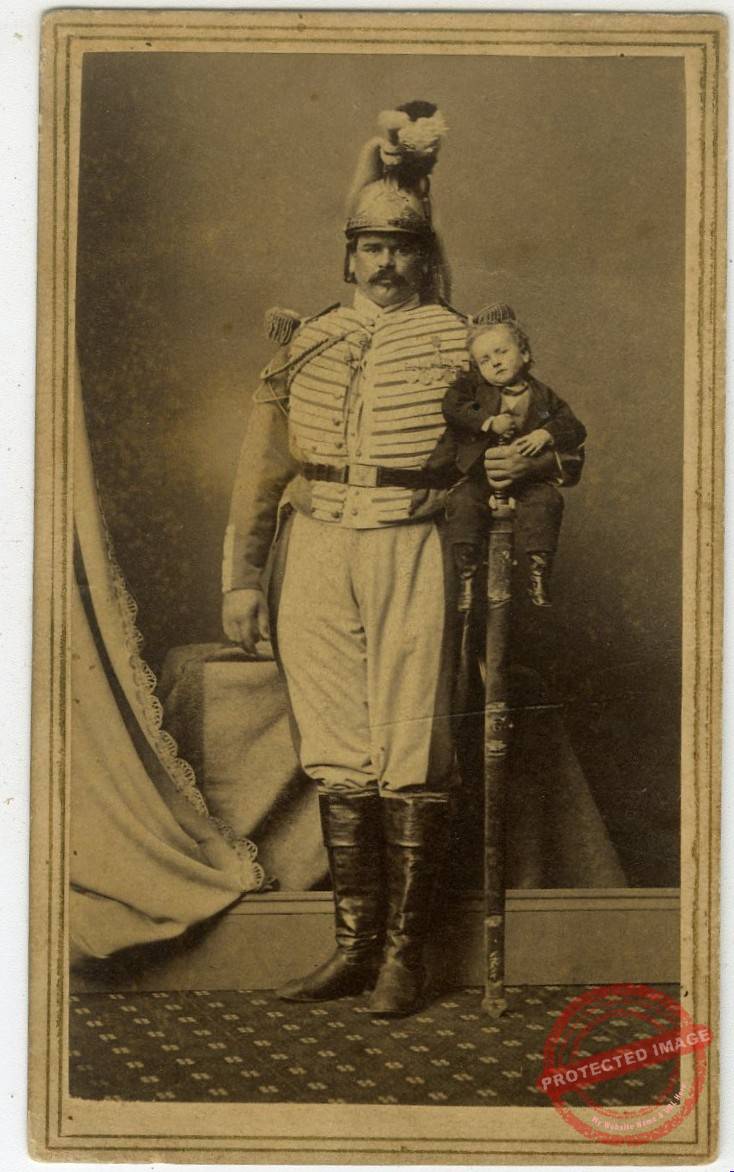
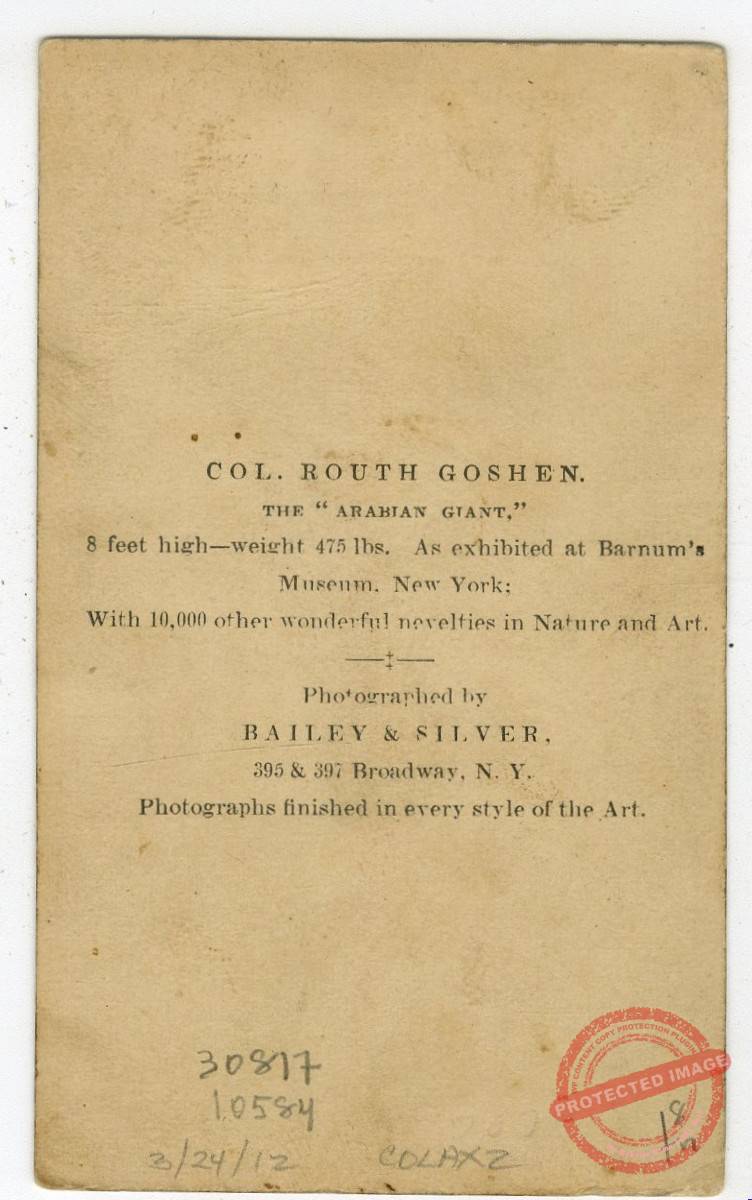
Col. Routh Goshen, the “Arabian Giant,” 8 feet high-weight 475 lbs.
Col. Routh Goshen, the “Arabian Giant,” 8 feet high-weight 475 lbs.
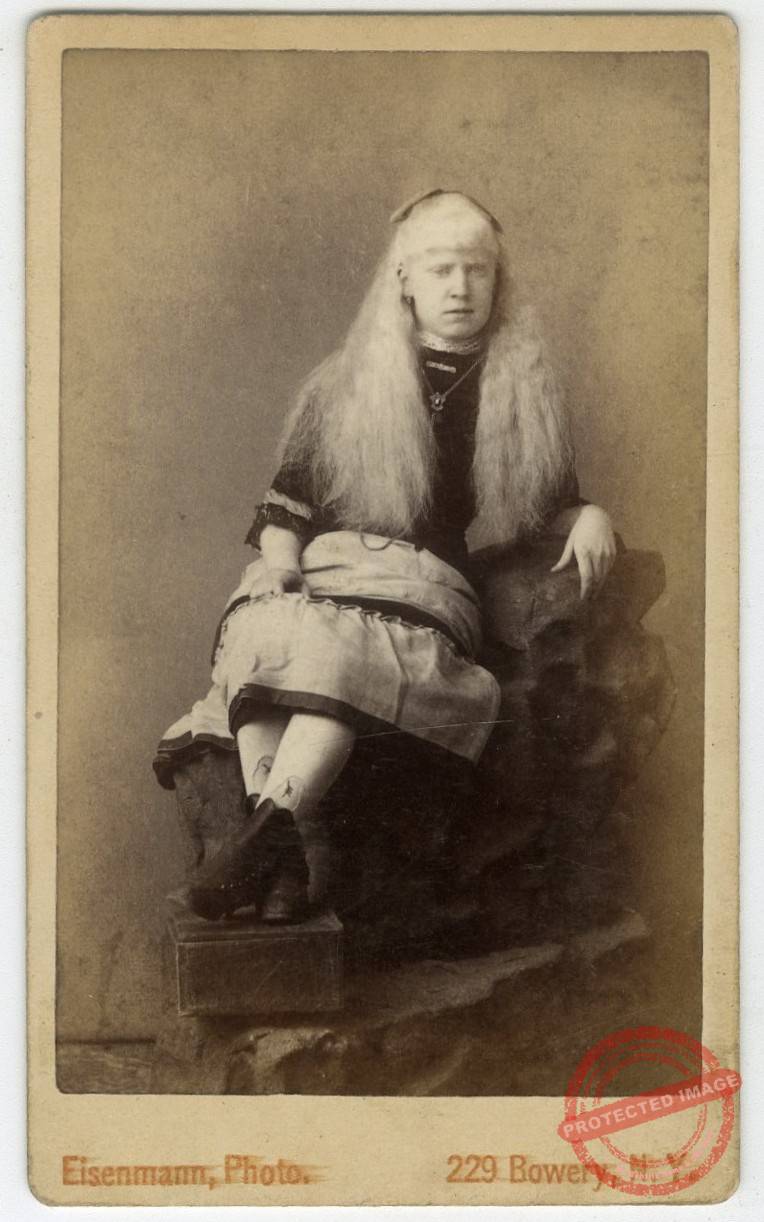
Albino woman.
Col. Routh Goshen, The Arabian Giant. 8 feet high–weight 475 lbs. As exhibited at Barnum’s Museum, New York.
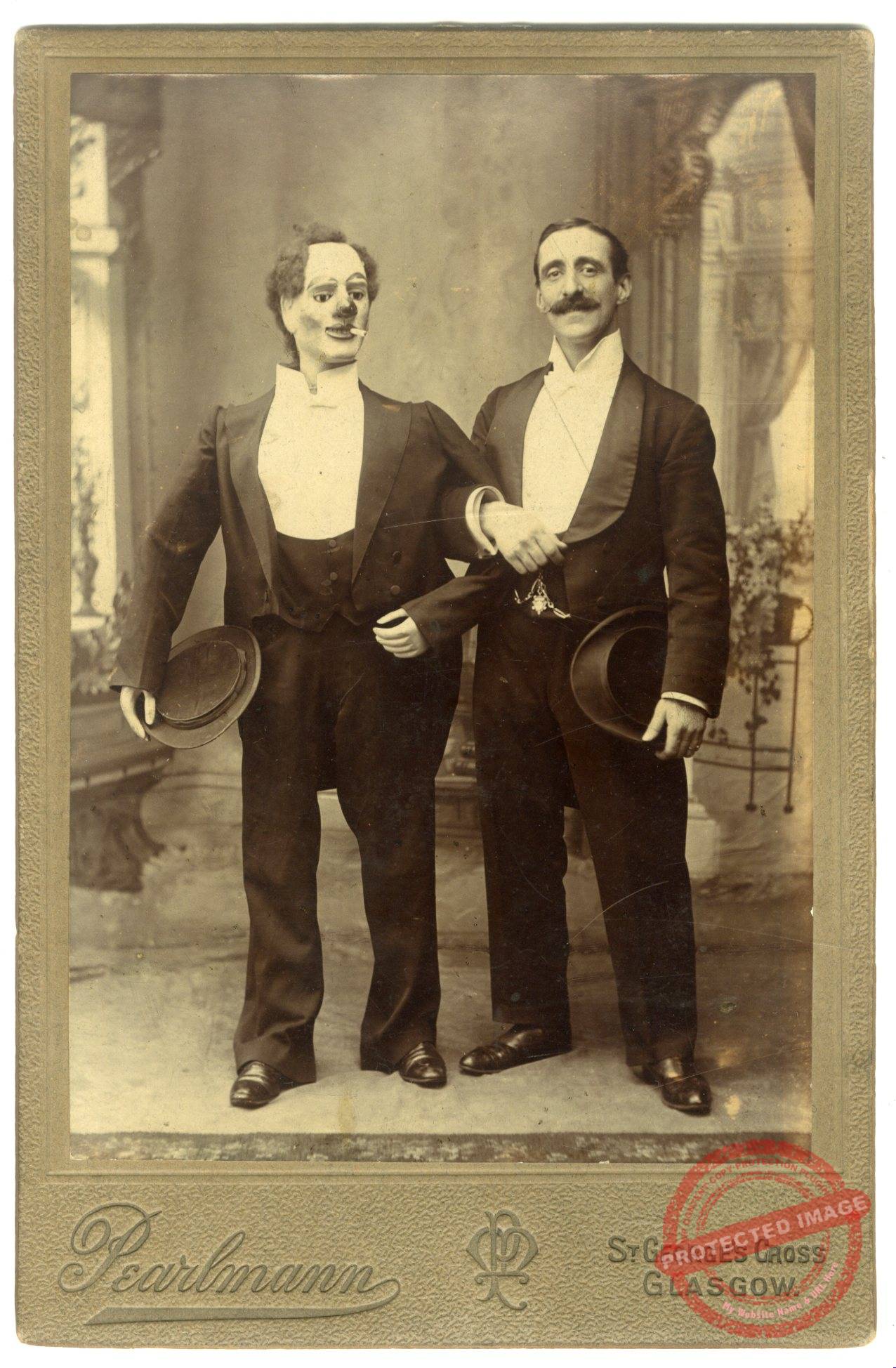
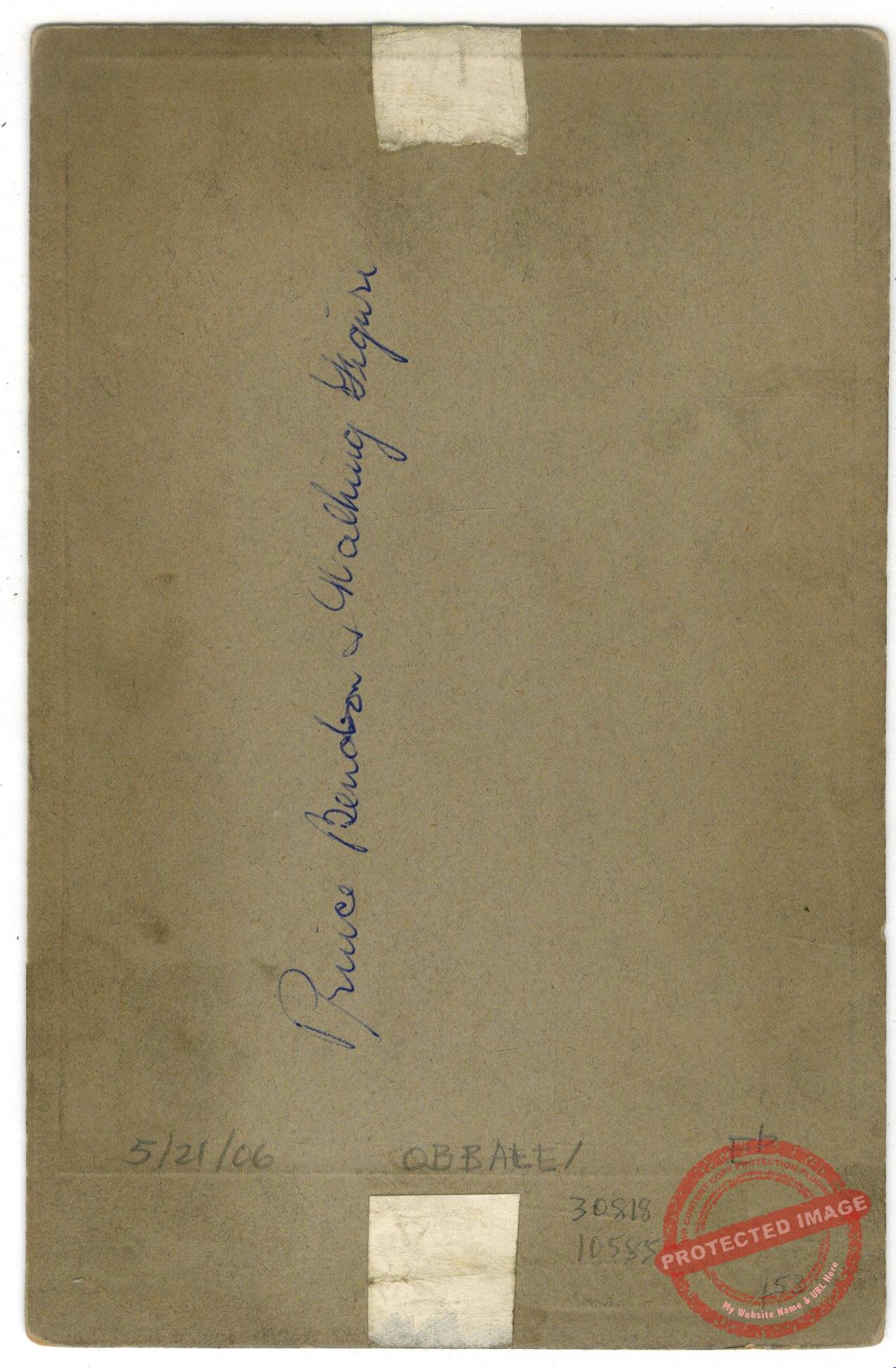
Prince Bendon & Walking Figure.
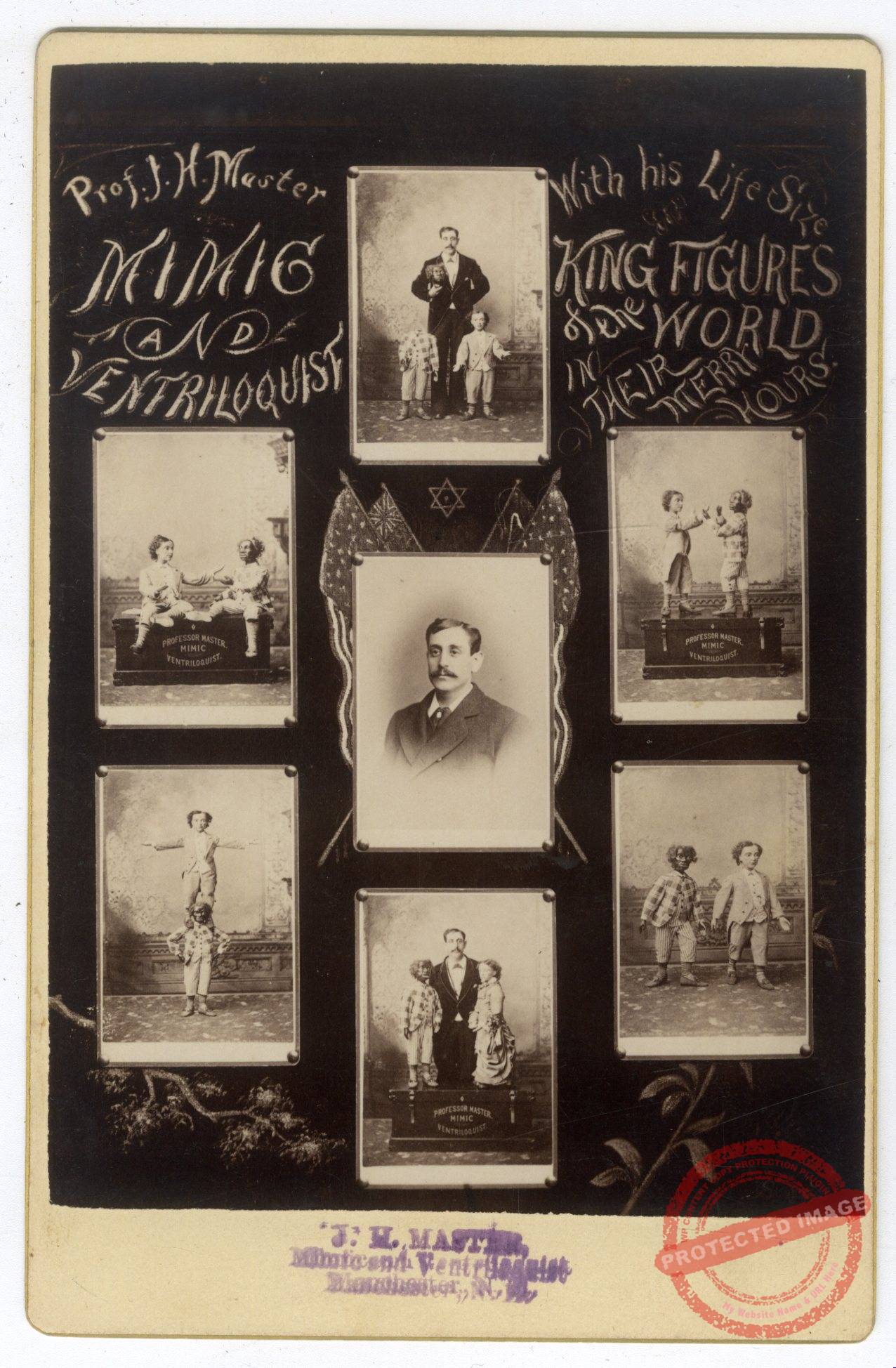
Prof. J.H. Master, Mimic and Ventriloquist with his Life Size King Figures of the World in Their Merry Hours.
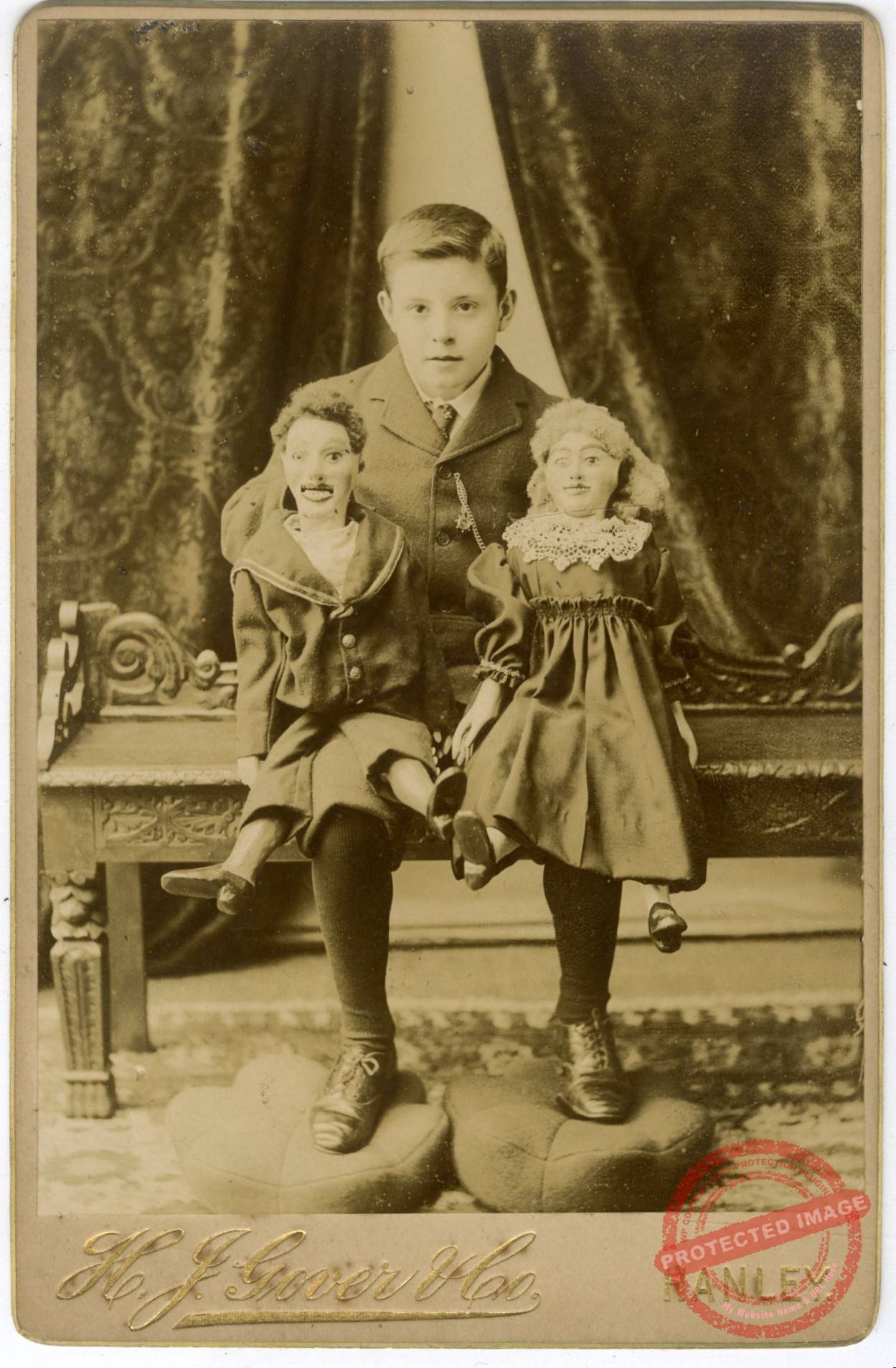
Young man with two ventriloquist dolls.
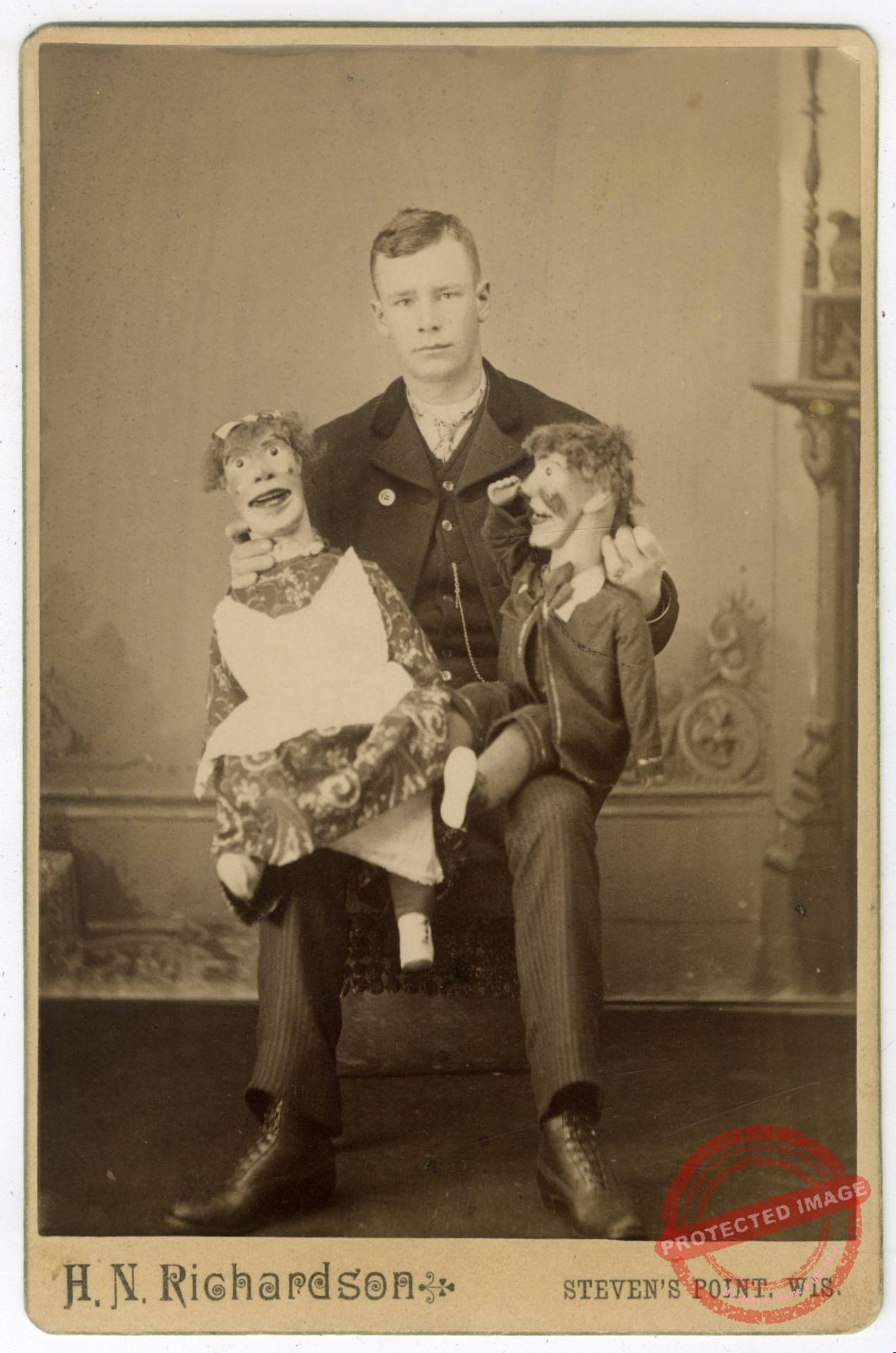
Ventriloquist with 2 dummies.
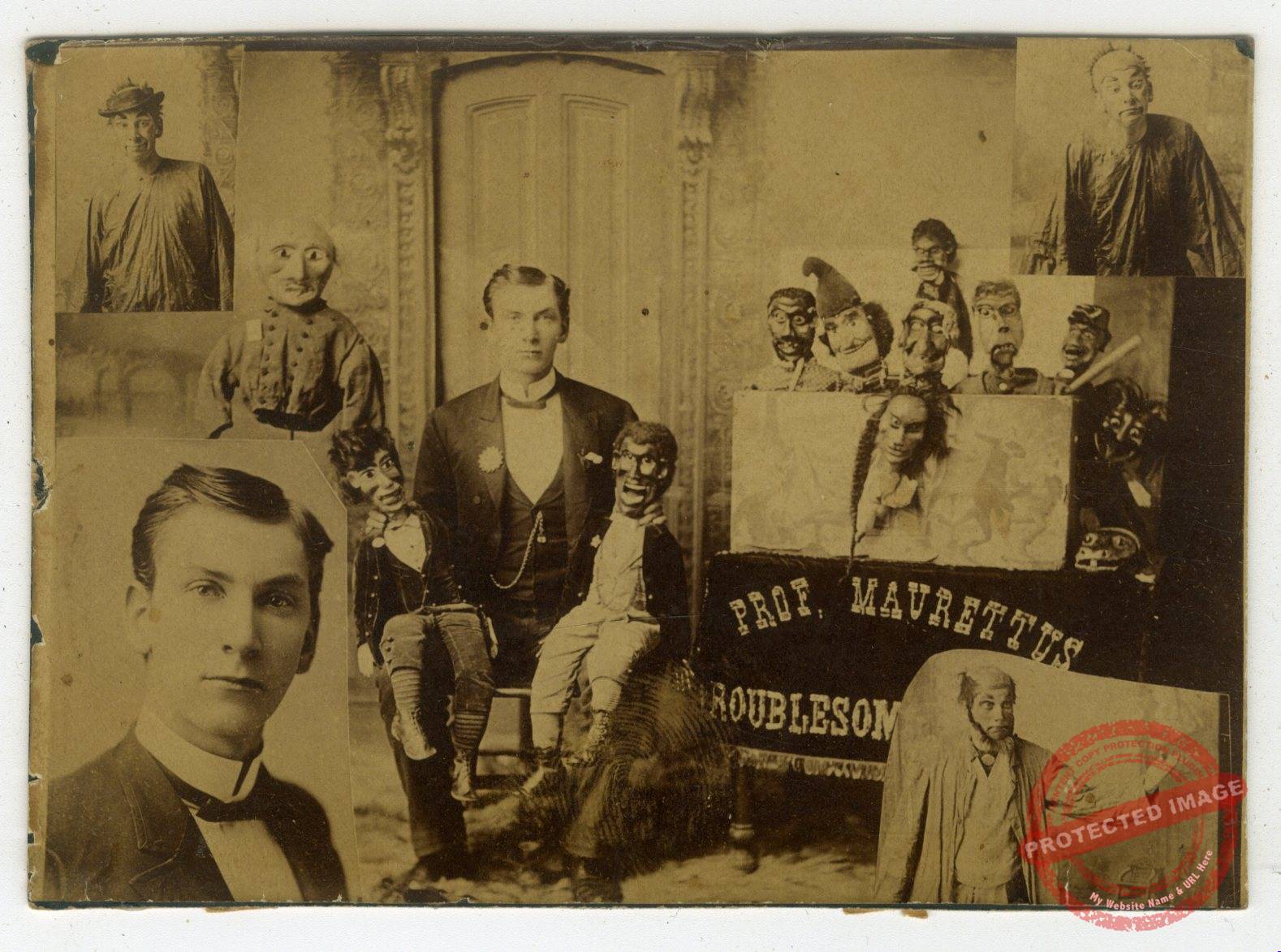
Prof. Maurettus and his ventriloquist dummies.
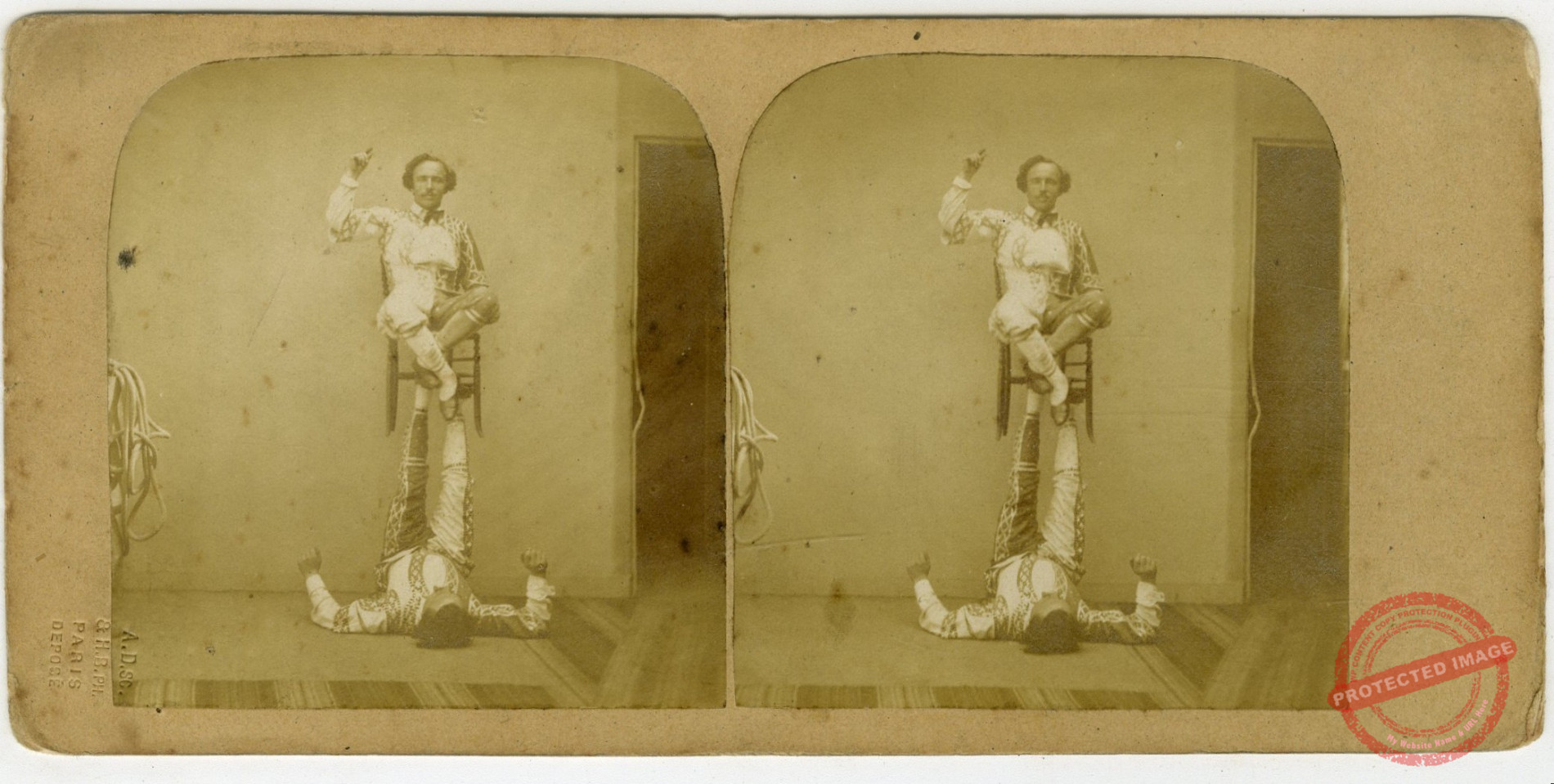
Equilibrists 1859.
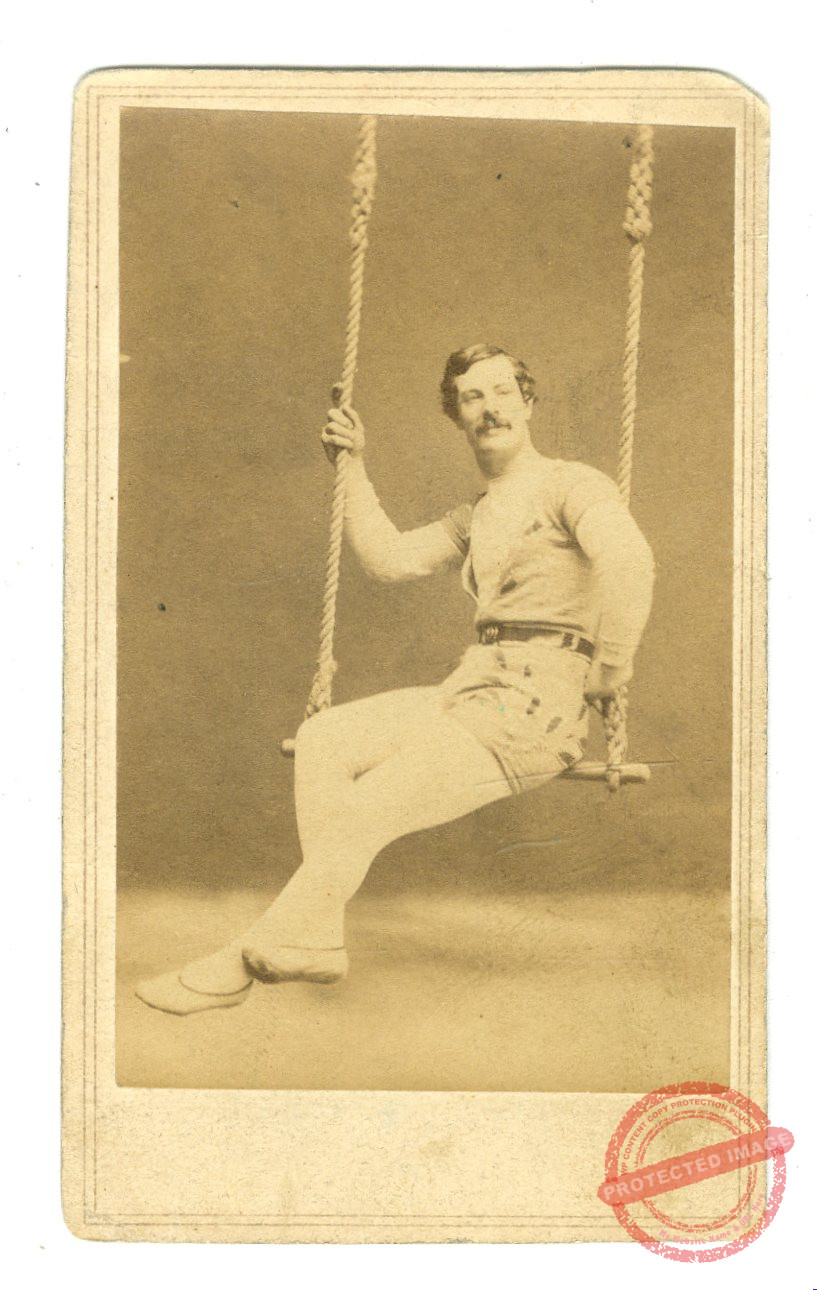
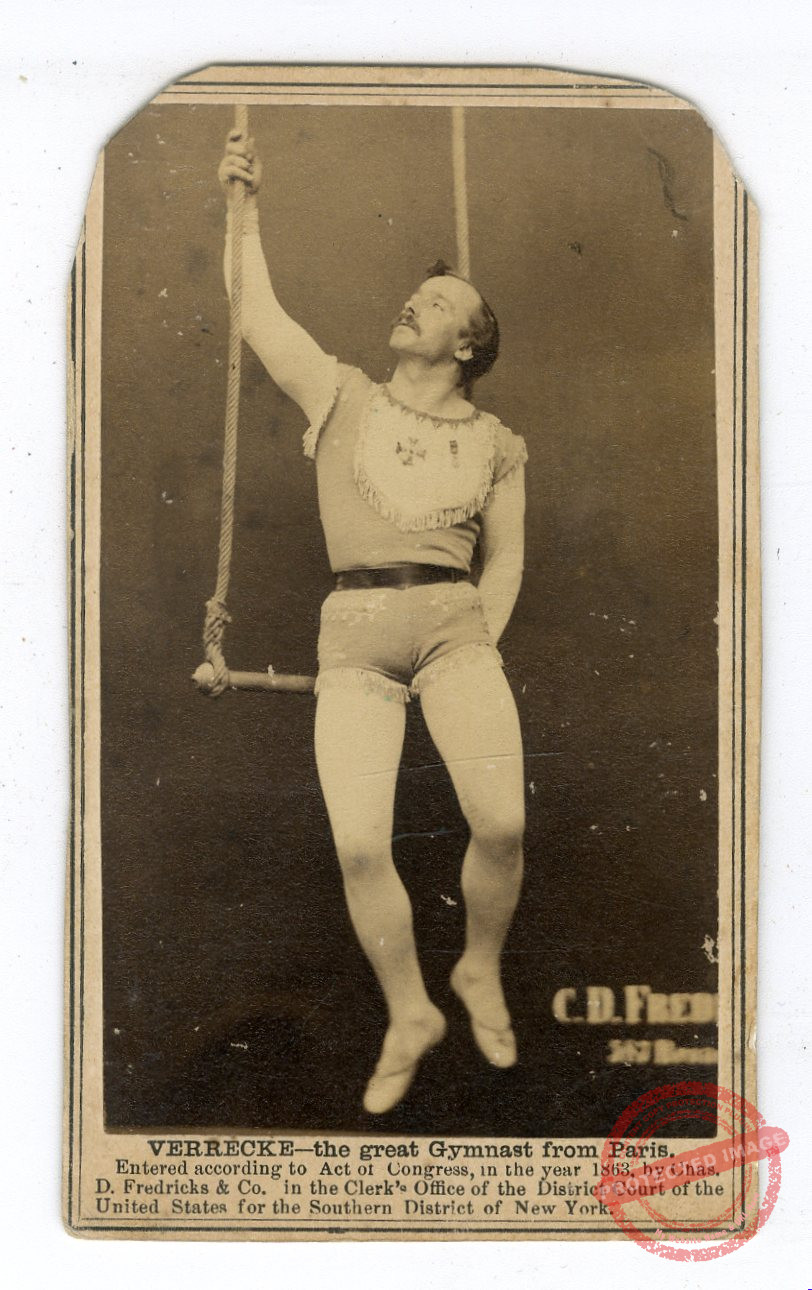
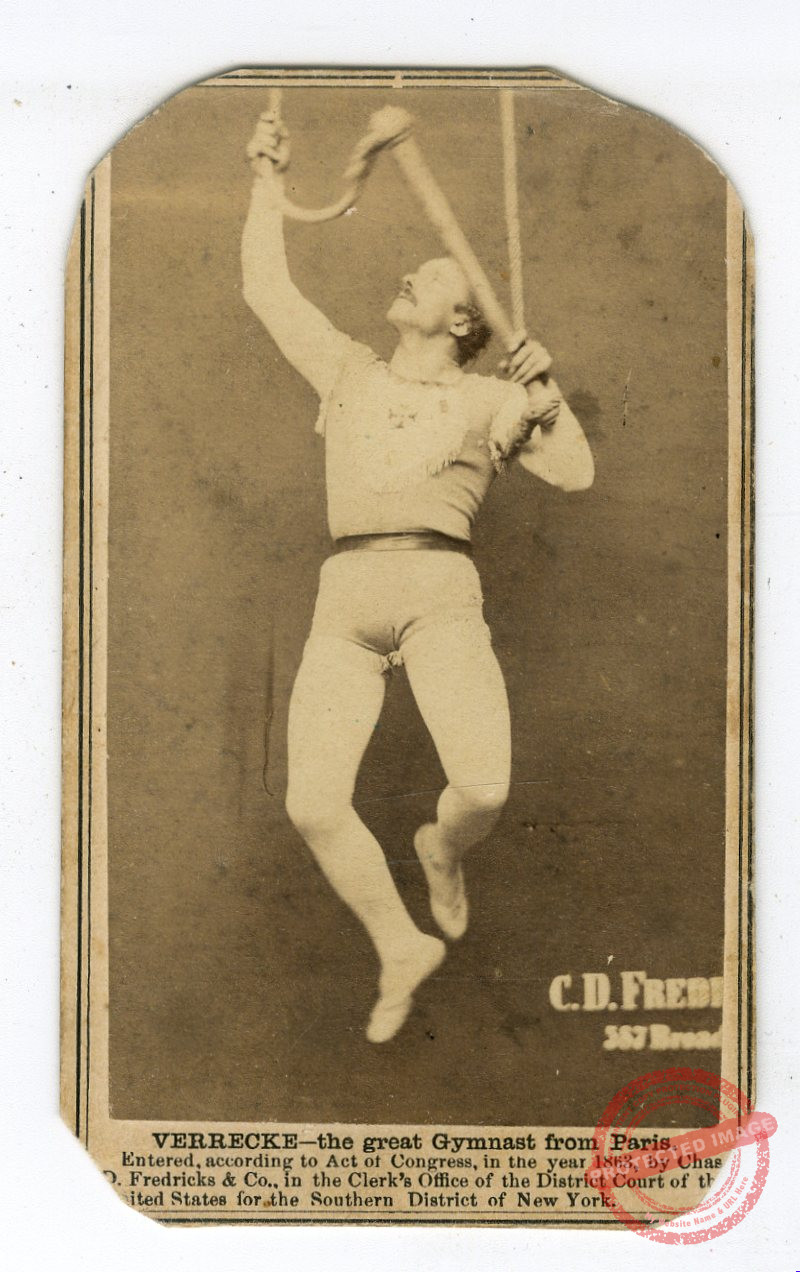
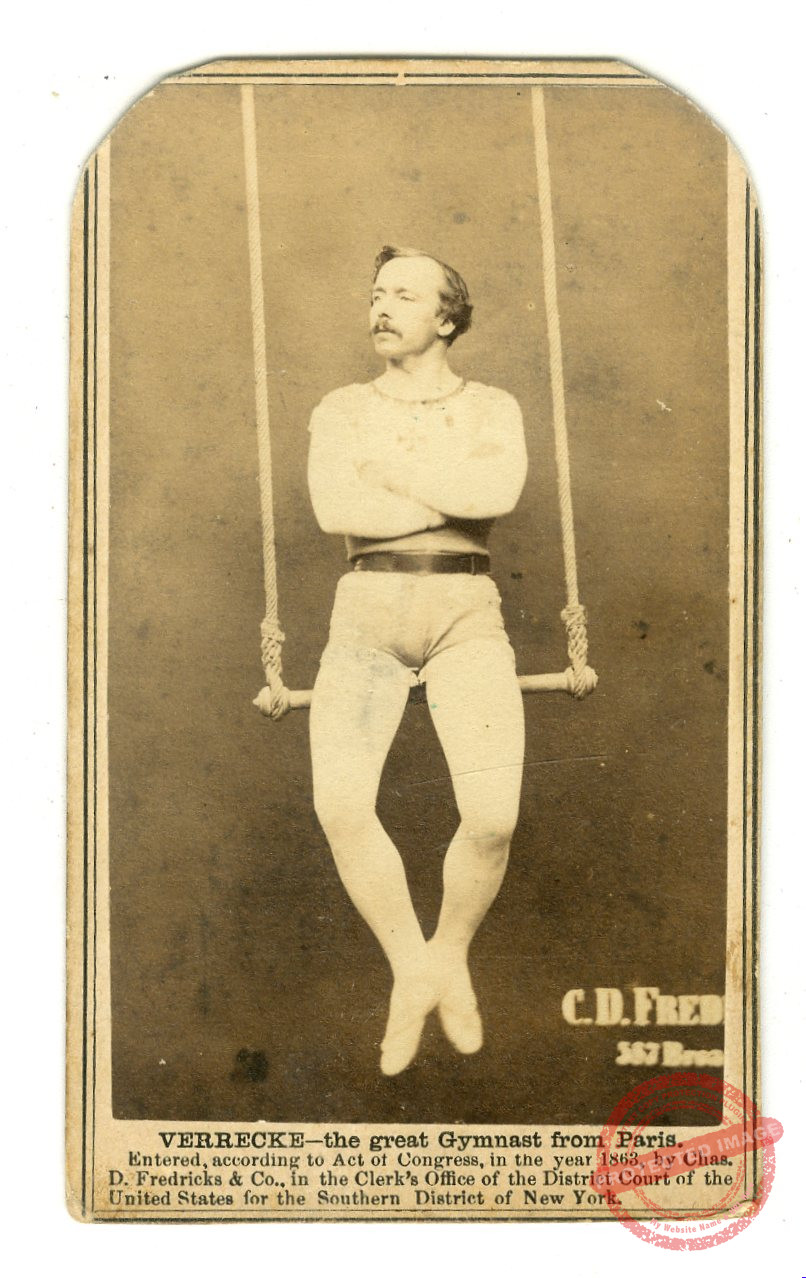
Léopold Verrecke was a renowned 19th-century Belgian trapeze artist and gymnast who later became a wartime balloon pilot during the Siege of Paris. Billed in performances as “Verrecke the Great Gymnast,” he gained widespread fame in the 1860s as a premier aerialist alongside pioneers like Jules Léotard. Verrecke achieved star status when engaged by director Louis Dejean to perform at the famous Cirque Napoleon (now the Cirque d’Hiver) in Paris during the 1860s. At the time, the word “gymnast” was commonly used to describe circus aerialists and acrobats. Verrecke was celebrated for his daring feats on the flying trapeze, a discipline invented by Jules Leotard at that very venue in 1859.
Like other major acrobats of the era, he toured internationally and posed for cartes de visite showcasing his athletic physique and circus costumes. During the Franco-Prussian War (1870–1871), when Prussian forces surrounded Paris, the French government recruited daring circus acrobats, sailors, and athletes to pilot hot-air and gas balloons carrying mail and dispatches out of the besieged city. On December 20, 1870, Verrecke piloted the mail balloon Général Chanzy, departing from the Gare du Nord in Paris at 2:00 a.m. with three passengers, carrier pigeons and 25 kilograms of mail including a letter from Georges Clemenceau to his wife. Strong winds blew the balloon off course into enemy territory, landing in Roedersdorf, Bavaria, at 10:20 a.m.. Prussian forces captured Verrecke, his passengers, and the mailbags. Because Prussian Chancellor Otto von Bismarck had previously threatened to treat captured balloonists as spies rather than regular soldiers, widespread rumors circulated in France that Verrecke and his crew had been executed by firing squad. Verrecke and the passengers were subjected to mistreatment and a grueling captivity in Bavaria, though they all survived the war and were not executed.
Verrecke-the great Gymnast from Paris.
Léopold Verrecke was a renowned 19th-century Belgian trapeze artist and gymnast who later became a wartime balloon pilot during the Siege of Paris. Billed in performances as “Verrecke the Great Gymnast,” he gained widespread fame in the 1860s as a premier aerialist alongside pioneers like Jules Léotard. Verrecke achieved star status when engaged by director Louis Dejean to perform at the famous Cirque Napoleon (now the Cirque d’Hiver) in Paris during the 1860s. At the time, the word “gymnast” was commonly used to describe circus aerialists and acrobats. Verrecke was celebrated for his daring feats on the flying trapeze, a discipline invented by Jules Leotard at that very venue in 1859.
Like other major acrobats of the era, he toured internationally and posed for cartes de visite showcasing his athletic physique and circus costumes. During the Franco-Prussian War (1870–1871), when Prussian forces surrounded Paris, the French government recruited daring circus acrobats, sailors, and athletes to pilot hot-air and gas balloons carrying mail and dispatches out of the besieged city. On December 20, 1870, Verrecke piloted the mail balloon Général Chanzy, departing from the Gare du Nord in Paris at 2:00 a.m. with three passengers, carrier pigeons and 25 kilograms of mail including a letter from Georges Clemenceau to his wife. Strong winds blew the balloon off course into enemy territory, landing in Roedersdorf, Bavaria, at 10:20 a.m.. Prussian forces captured Verrecke, his passengers, and the mailbags. Because Prussian Chancellor Otto von Bismarck had previously threatened to treat captured balloonists as spies rather than regular soldiers, widespread rumors circulated in France that Verrecke and his crew had been executed by firing squad. Verrecke and the passengers were subjected to mistreatment and a grueling captivity in Bavaria, though they all survived the war and were not executed.
1-Polar Bear, Thalassarctus Maritimus.
66-Bear on Pole, Ursus Americanus.
1393. Old Ephraim, Helping Himself, Yellowstone National Park.
The Centennial Photograph of “Old Abe,” the Live Wisconsin War Eagle, Agricultural Hall, International Exposition, Philadelphia, 1876.
Northern Artificial Limb Co., Des Moines, Iowa.
Ranee II, Juggler.
Strongmen and Clown with Indian Clubs, dumbbells, swords.
Al Rano. Man with Indian Clubs, probably a juggler.
Al Rano. Man with Indian Clubs, probably a juggler.
Man with Indian Clubs. The balls and knives on the table indicate he is a juggler.
William Hanlon (1842-1923) with trapeze and barbell.
Thomas Hanlon (1833-1868). Suffered a fall in 1865, pierced his skull, became mentally unstable as a result and committed suicide 3 years later.
William Hanlon (1842-1923).
Leotard, 1864.
Written on verso “Saw Leotard and bought this at the Alhambra July 1st, 1862.”
3201. Cameroni’s Great Slide from “Ferris Wheel to New York to the North Pole,” World’s Fair, St. Louis, Mo.