30701.
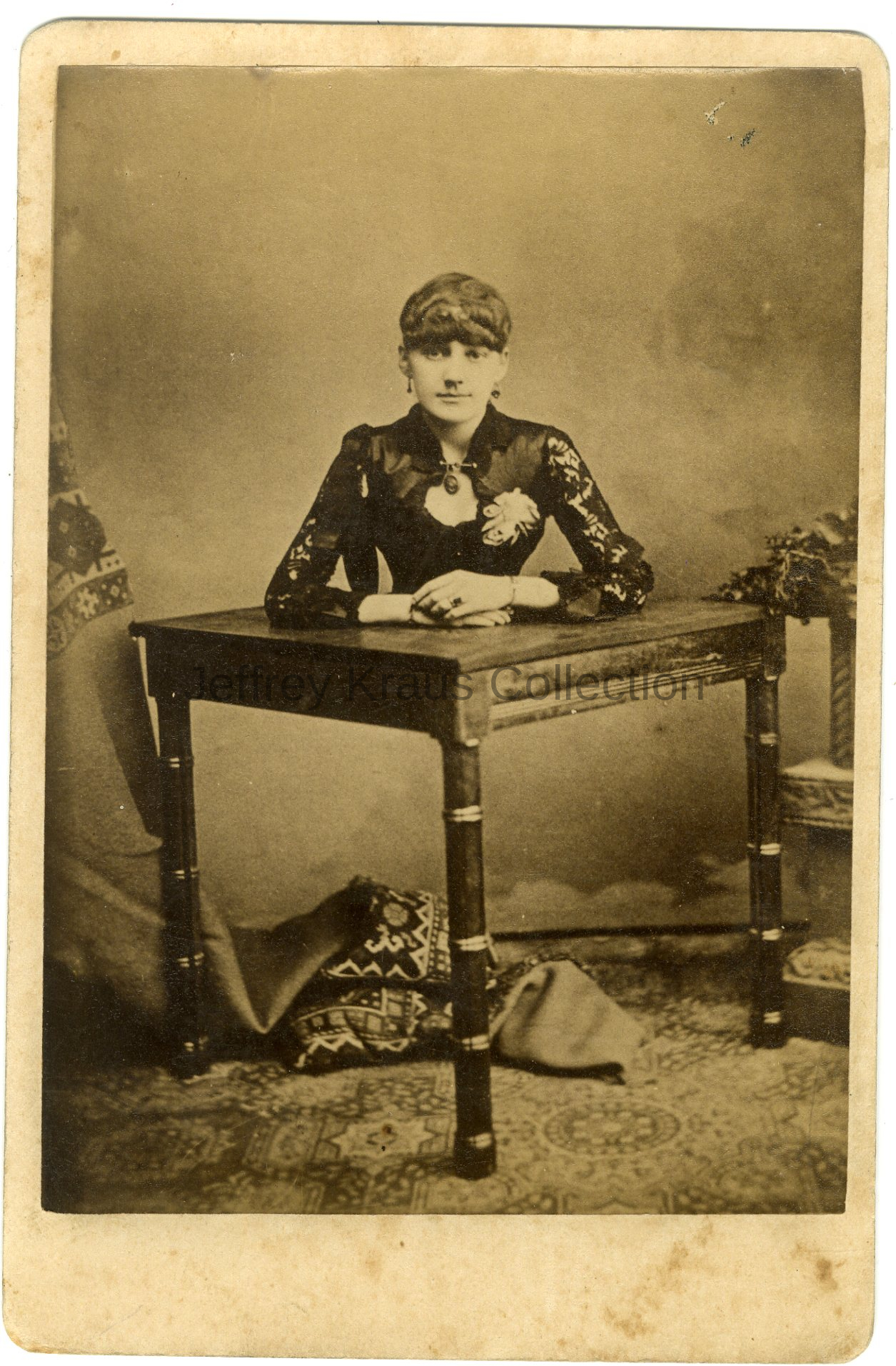
Half-woman on table illusion.

Half-woman on table illusion.
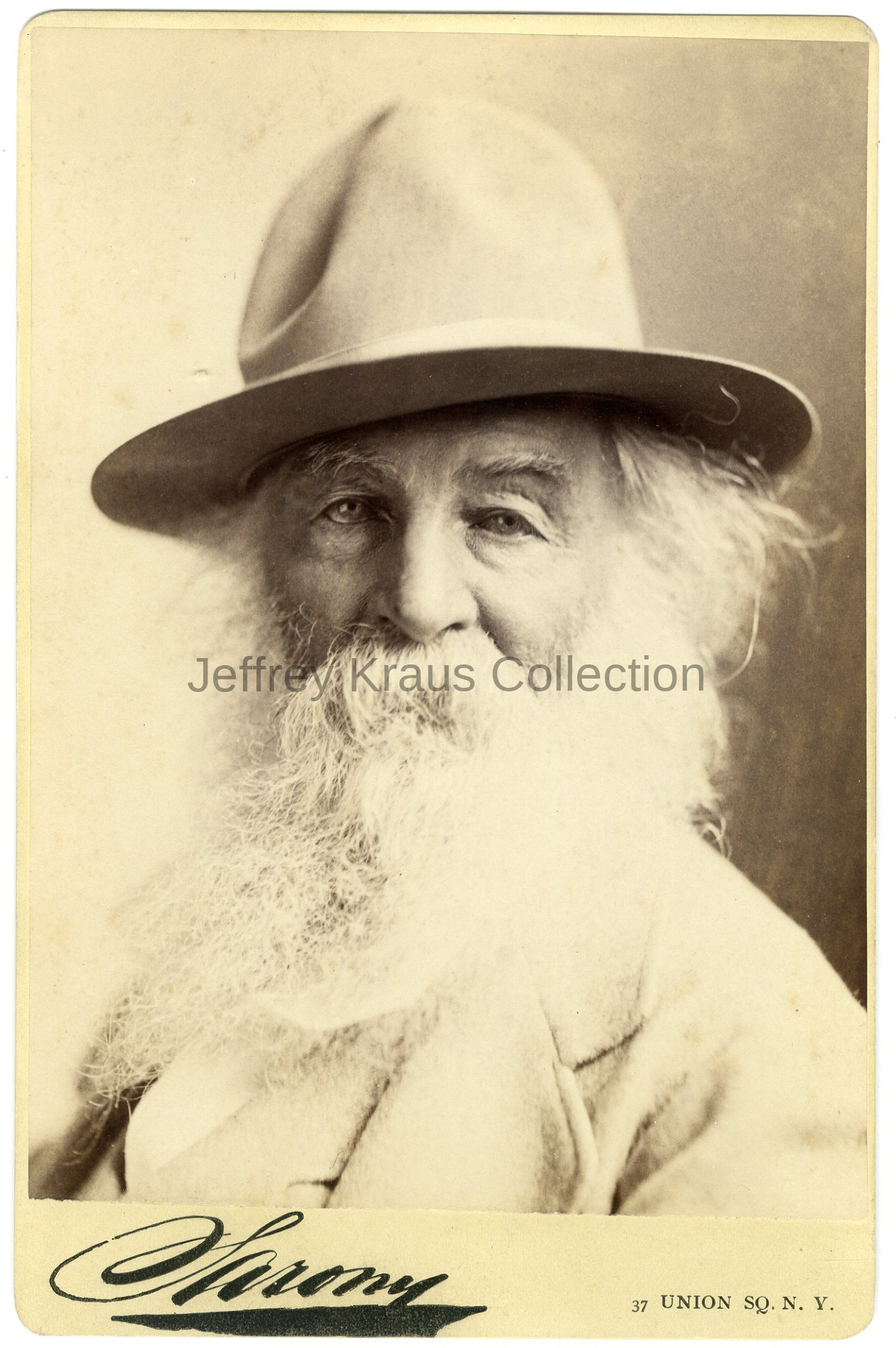
Walt Whitman, July 1878.
Walt Whitman, July 1878.
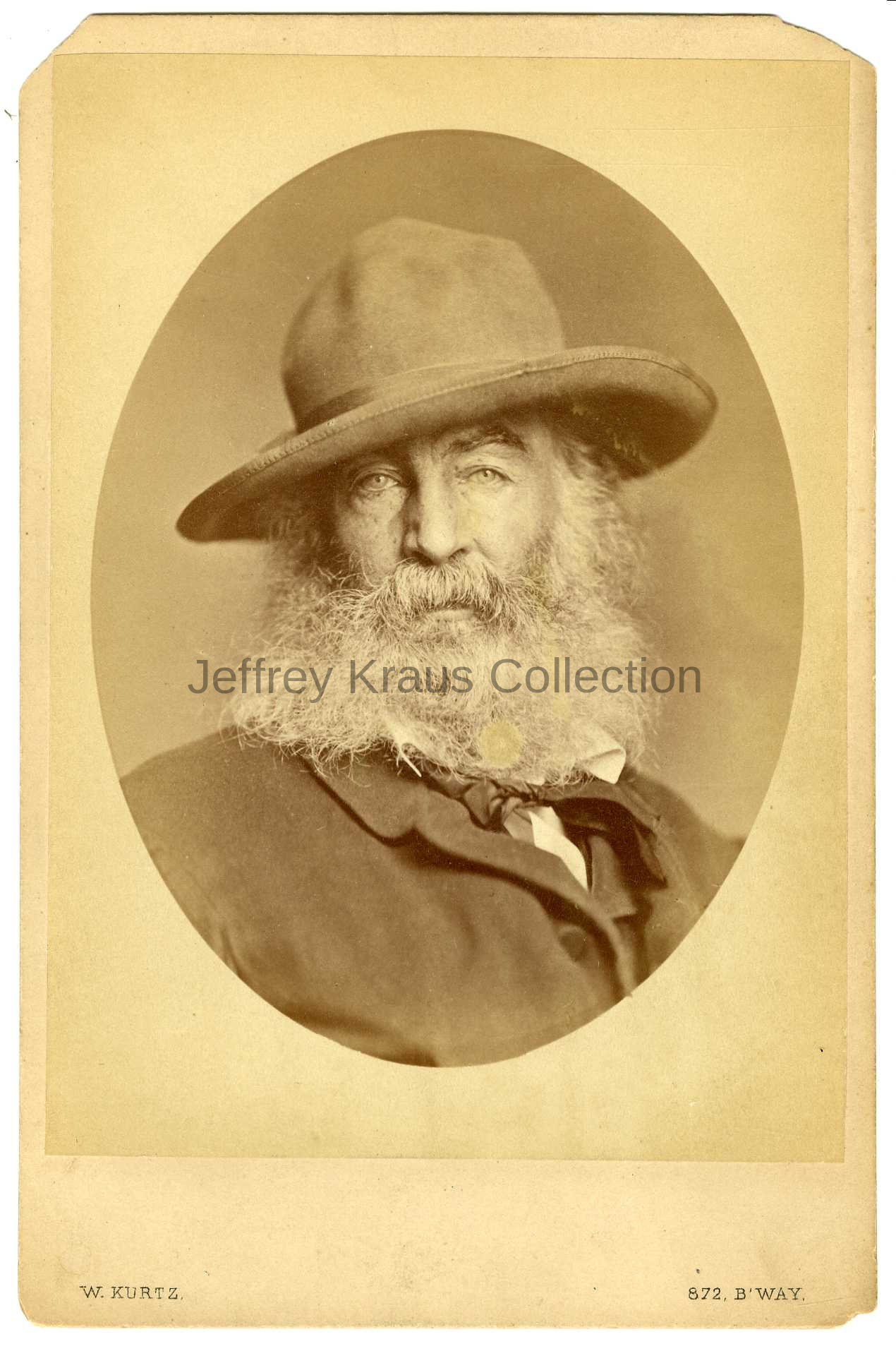
Walt Whitman, late 1860s.
Walt Whitman, July 1878.
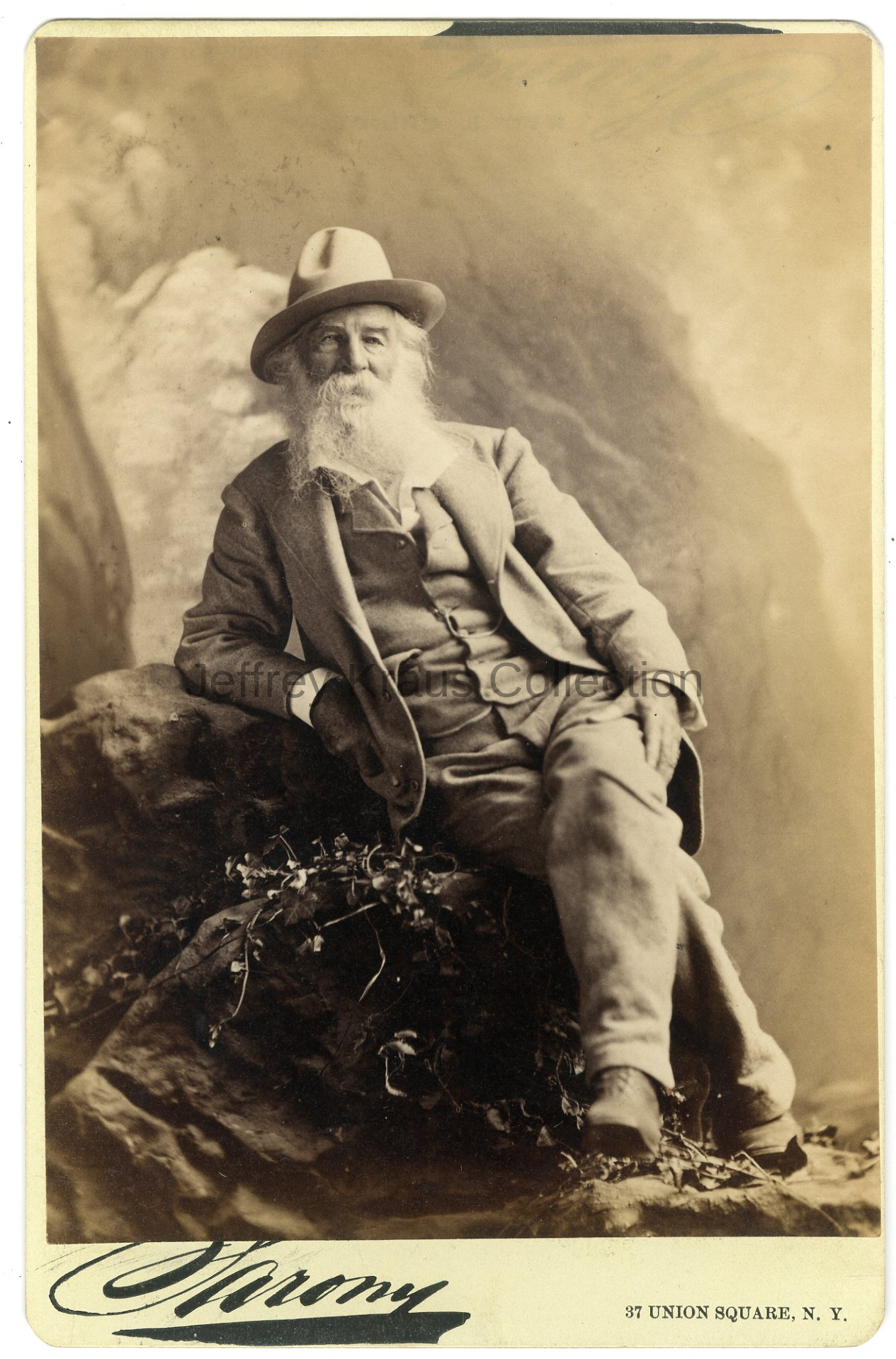
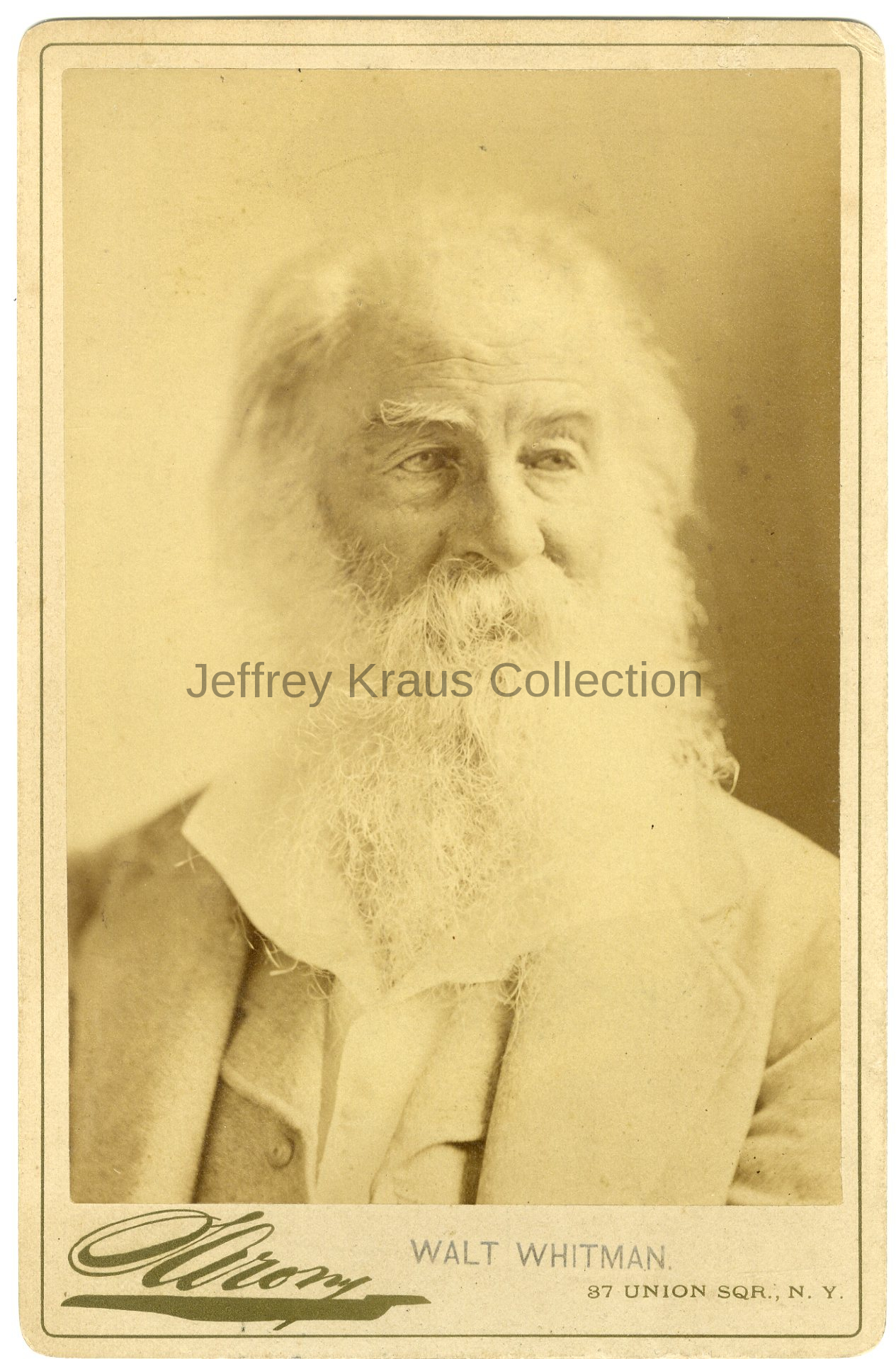
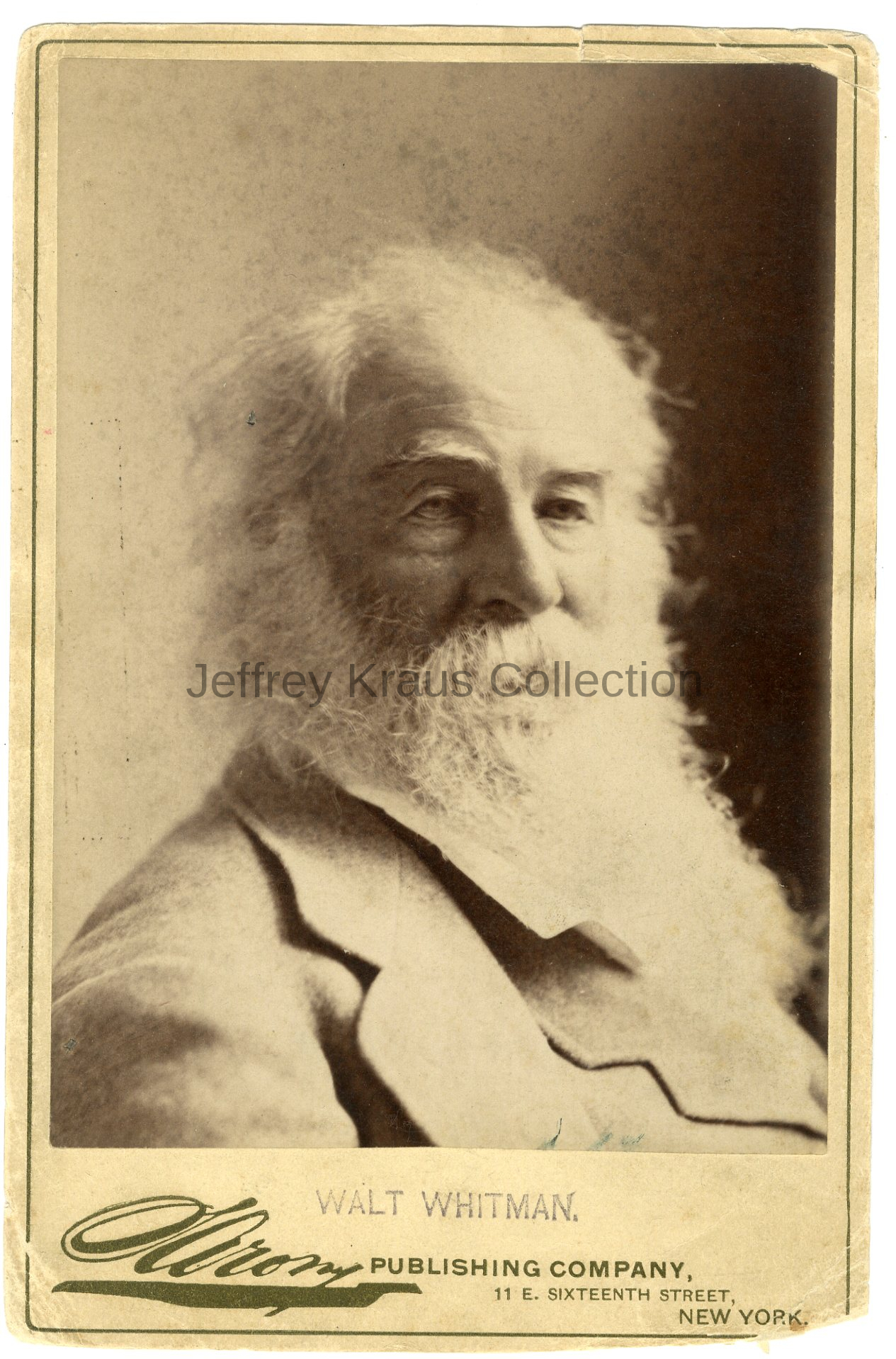
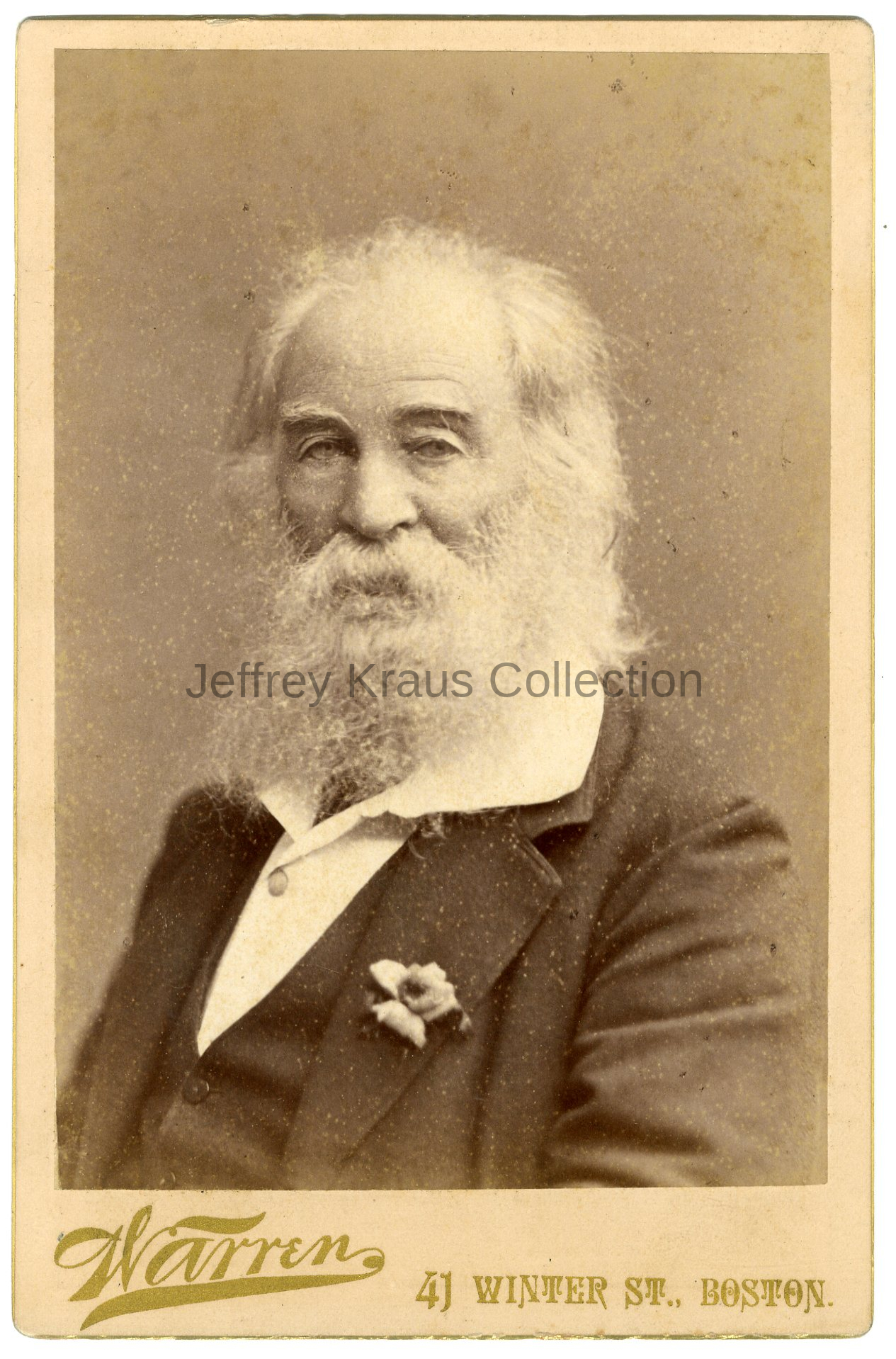
Walt Whitman, 1881. Whitman called this the “pompous photo.”
Walt Whitman, July 1878.
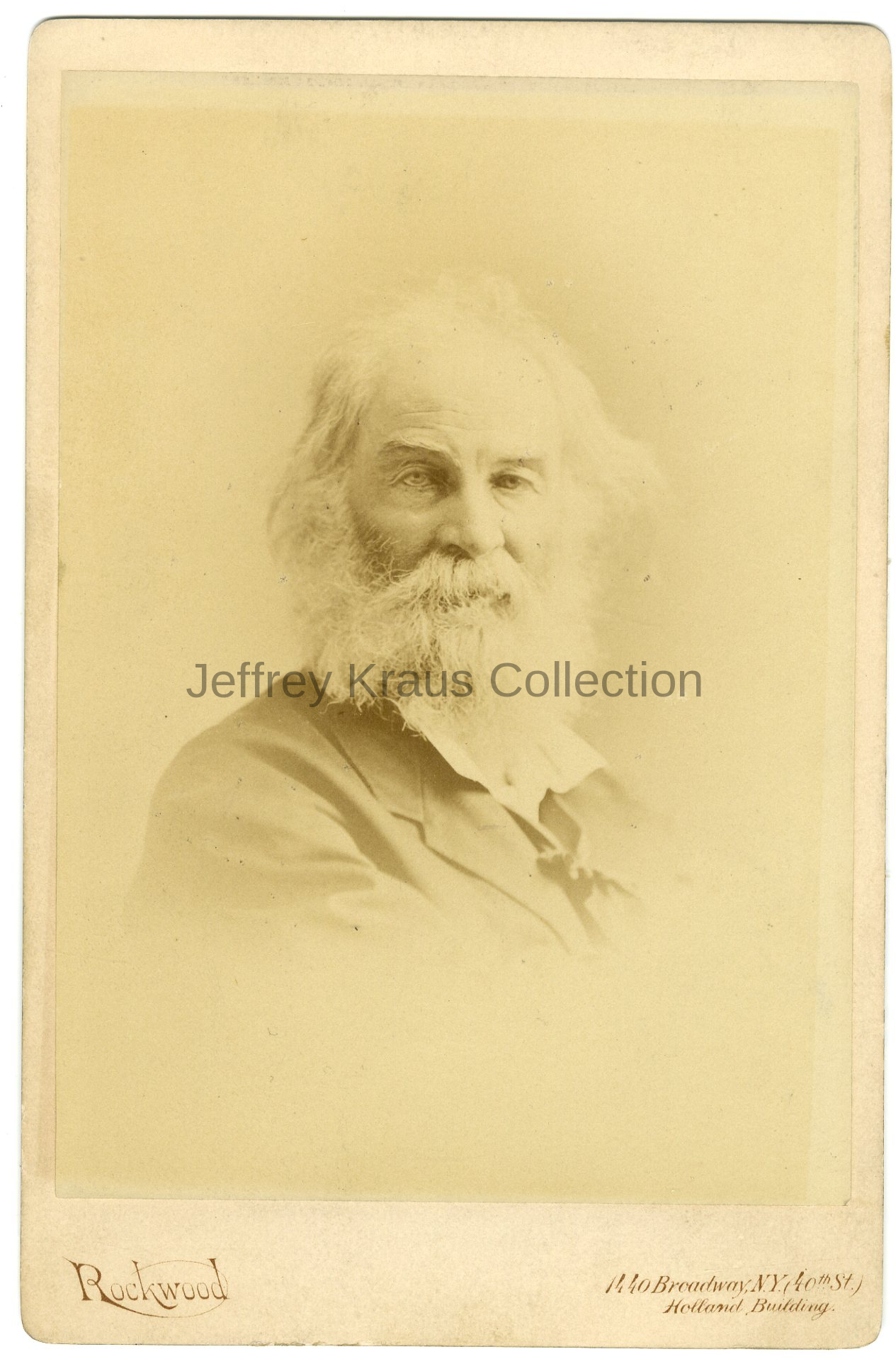
Walt Whitman, 1881.
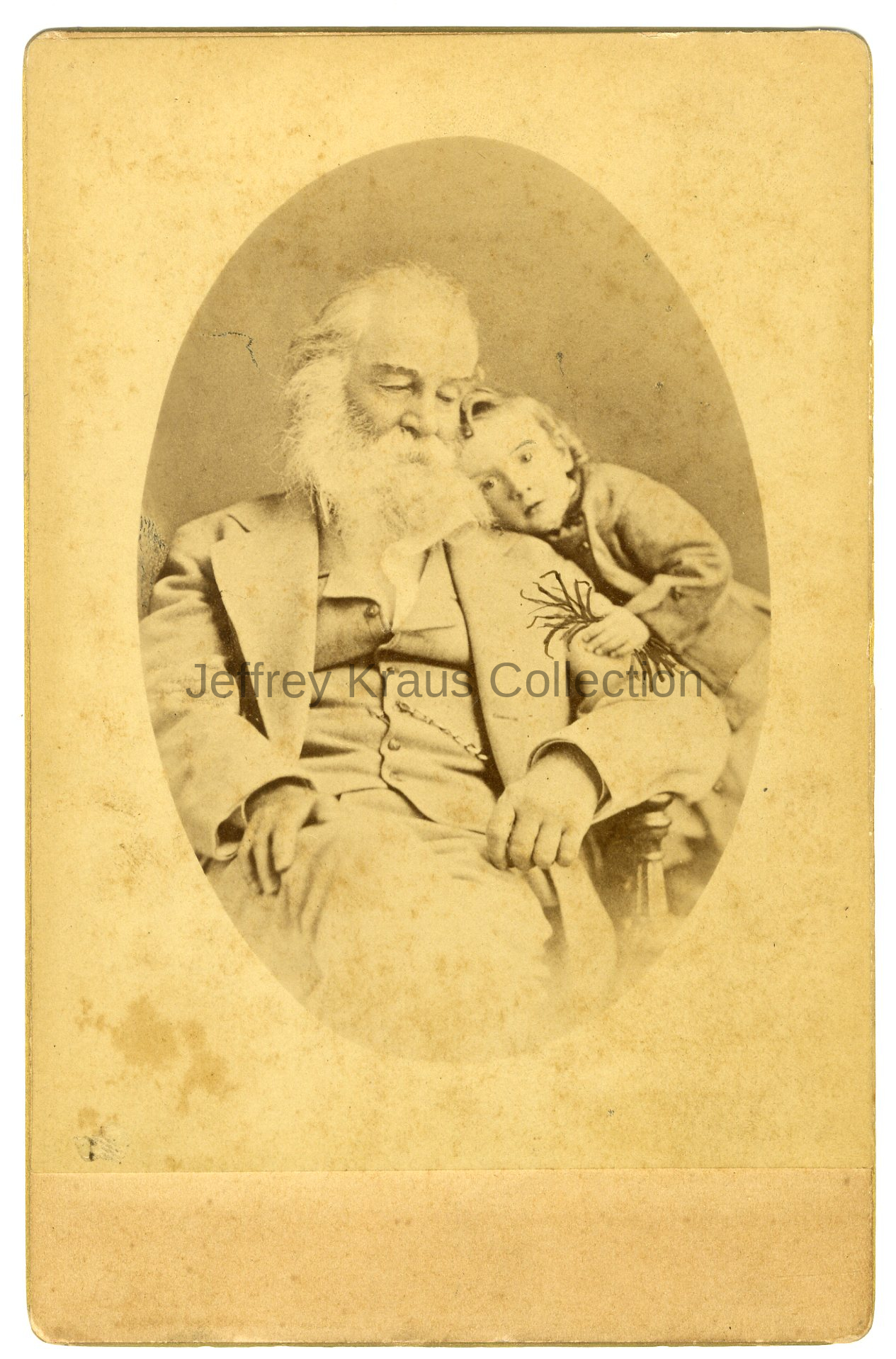
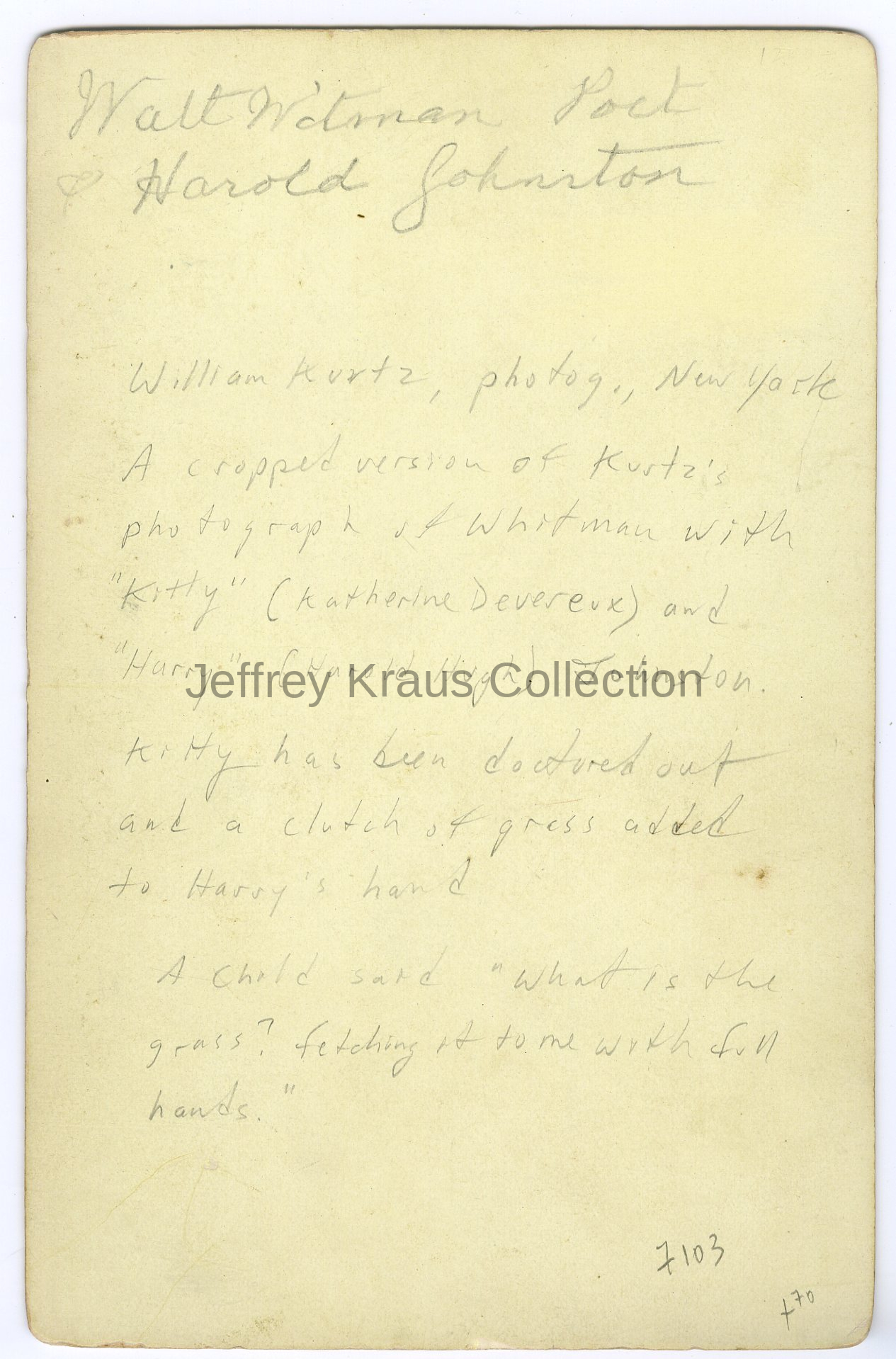
Walt Whitman, 1879. With Harold Johnston. This is a cropped version of Kurtz’s photo of Whitman with “Kitty” (Katherine Devereux) and “Harry” (Harold Hugh) Johnston. Kitty has been doctored out and a clutch of grass added to Harry’s hand. A child said “What is the grass? fetching it to me with full hands.”
Walt Whitman, 1871.
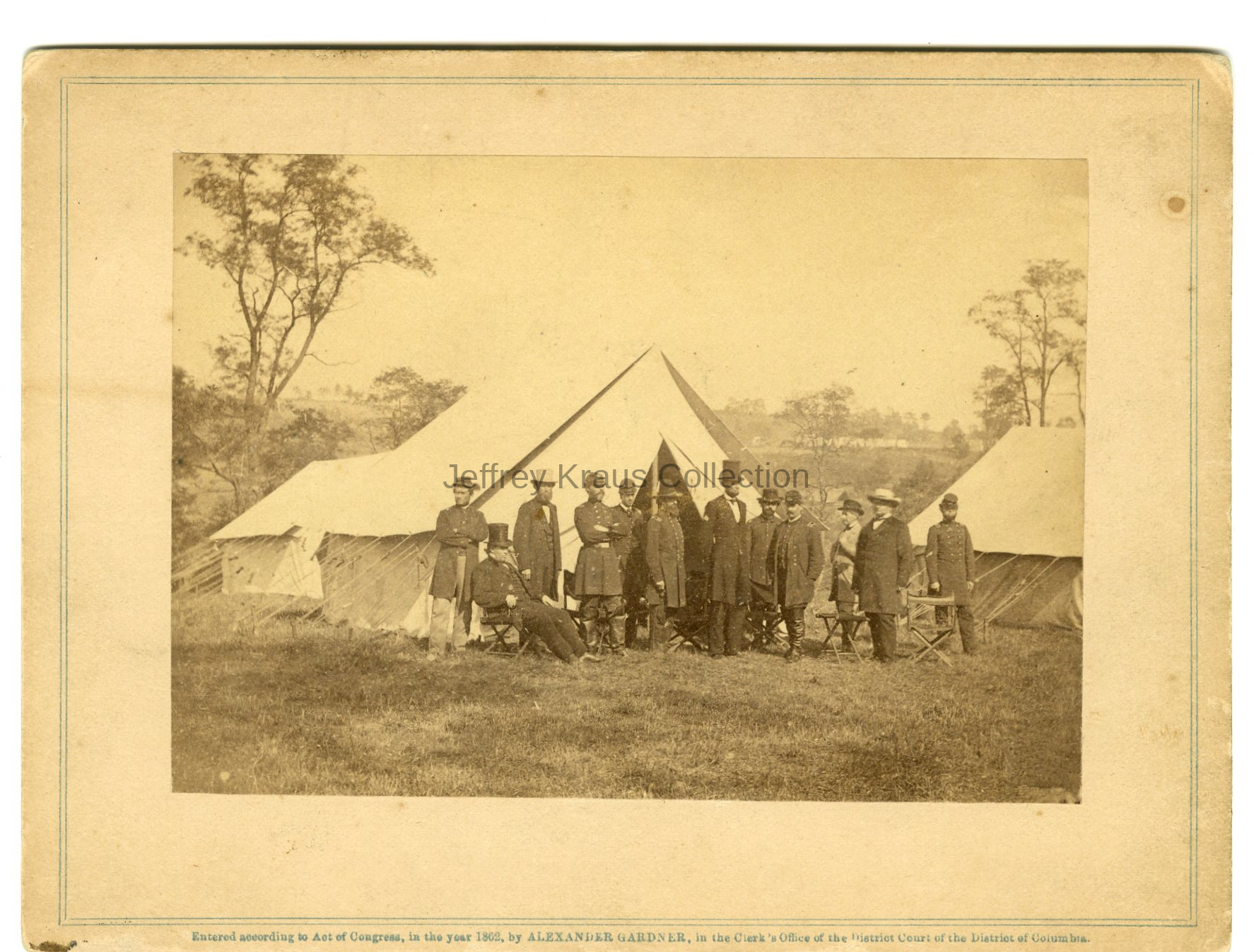
Brady’s Album Gallery. No. 605. Group of President Lincoln, Gen. McClellan, and Suite, at Headquarters Army of Potomac, previous to reviewing the troops and the Battle-Field of Antietam, 3d Oct., 1862.
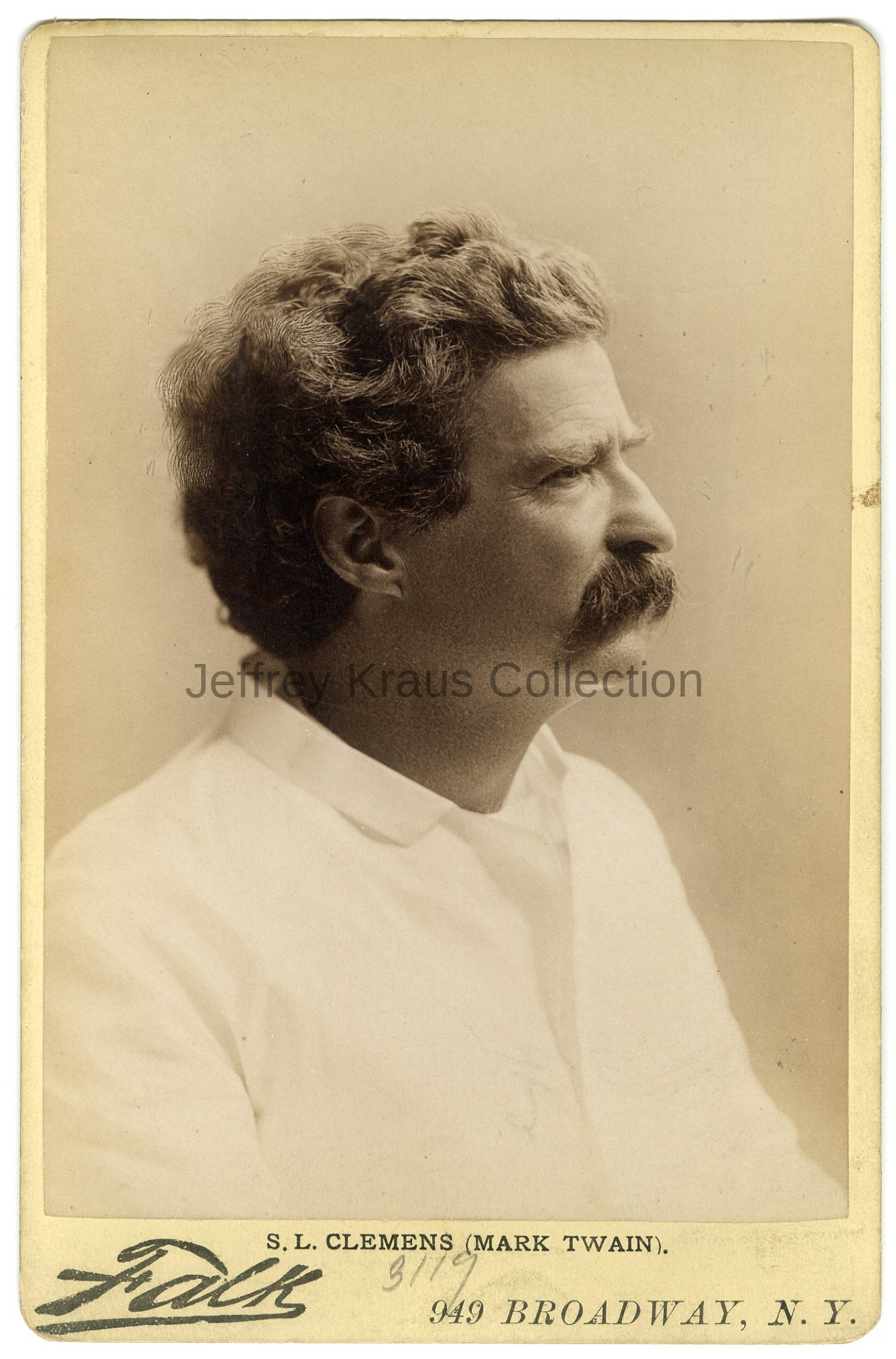
S.L. Clemens (Mark Twain).
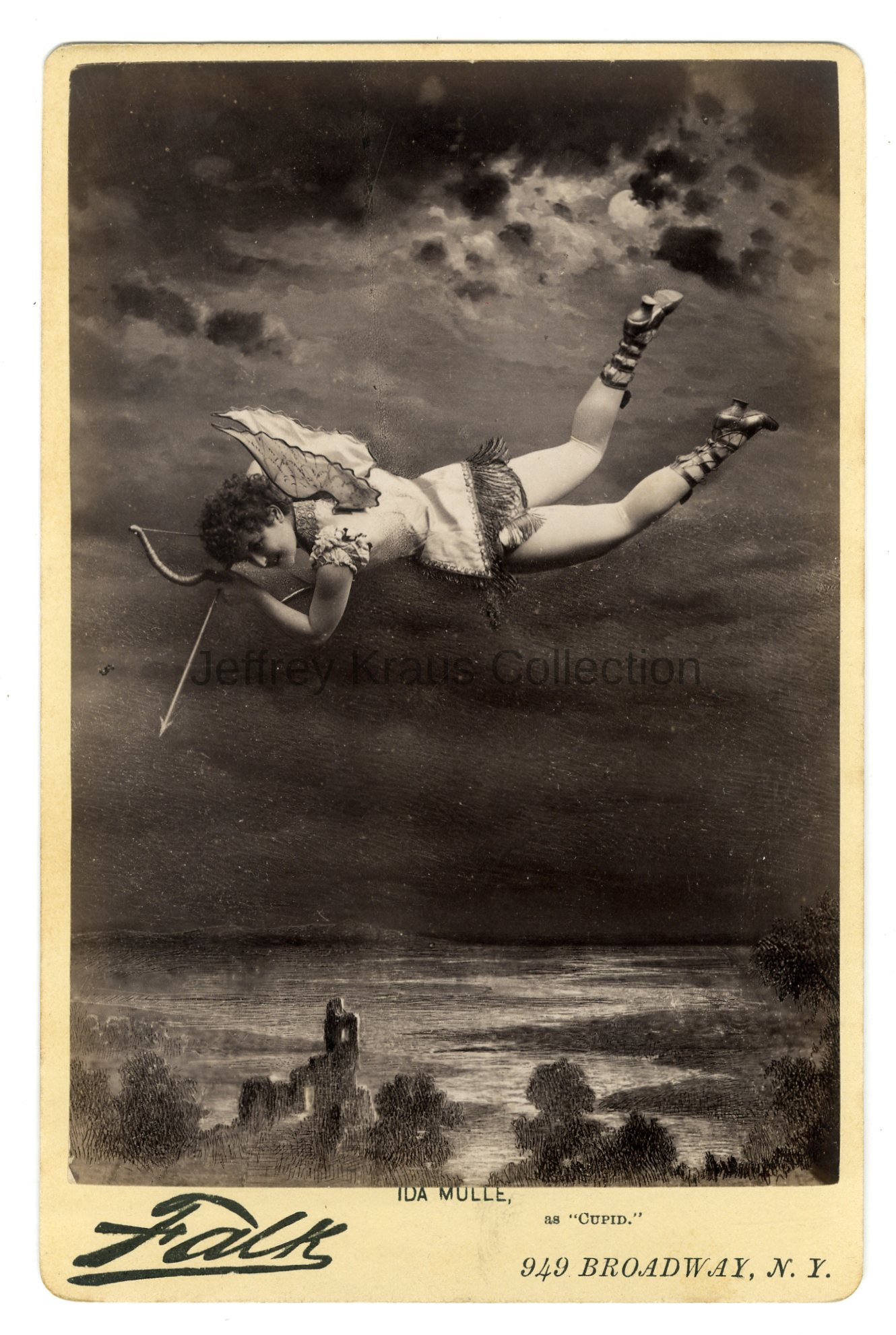
Ida Mulle as “Cupid.”
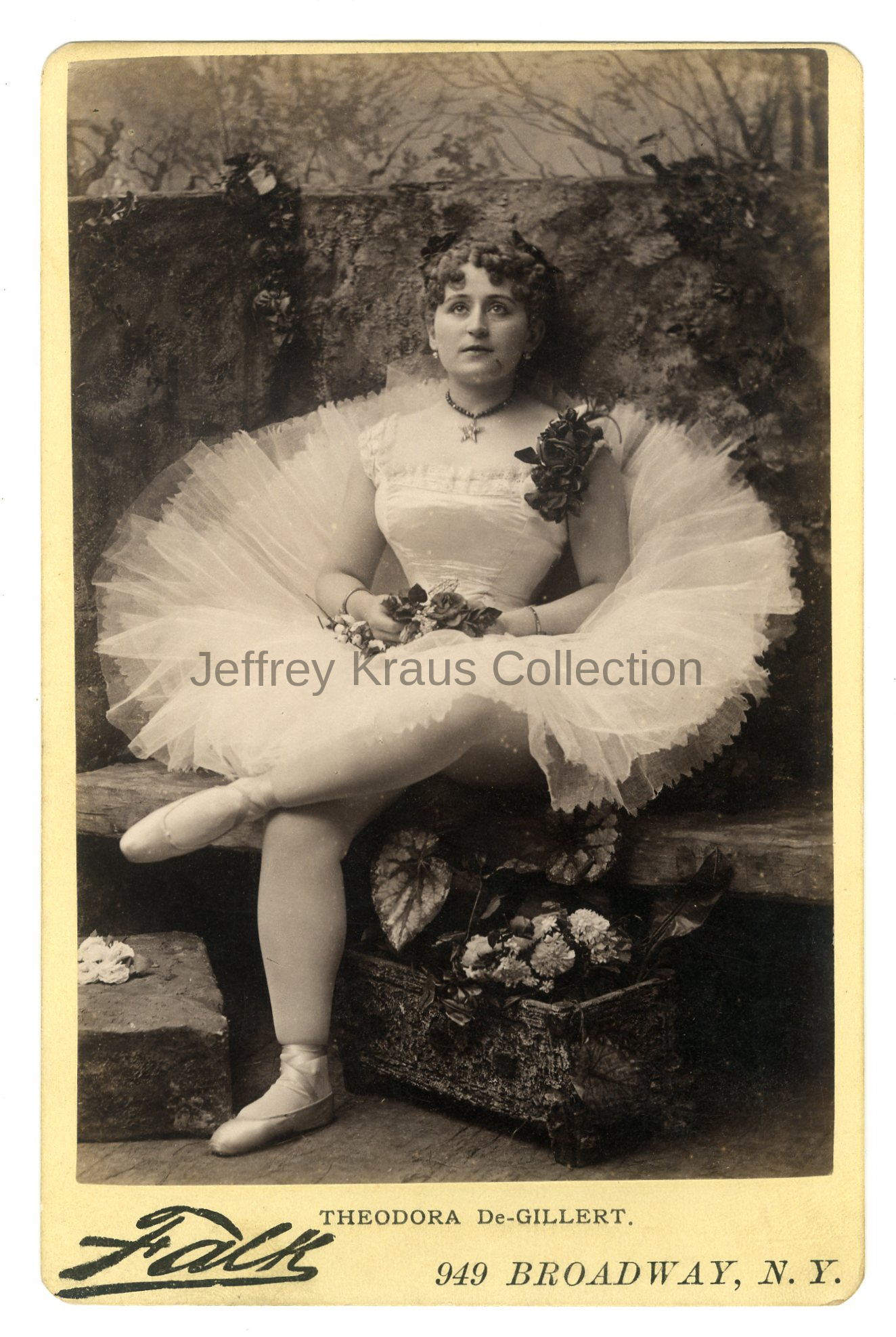
Theodora De-Gillert.
Billie Barlow, as “Mercury.”
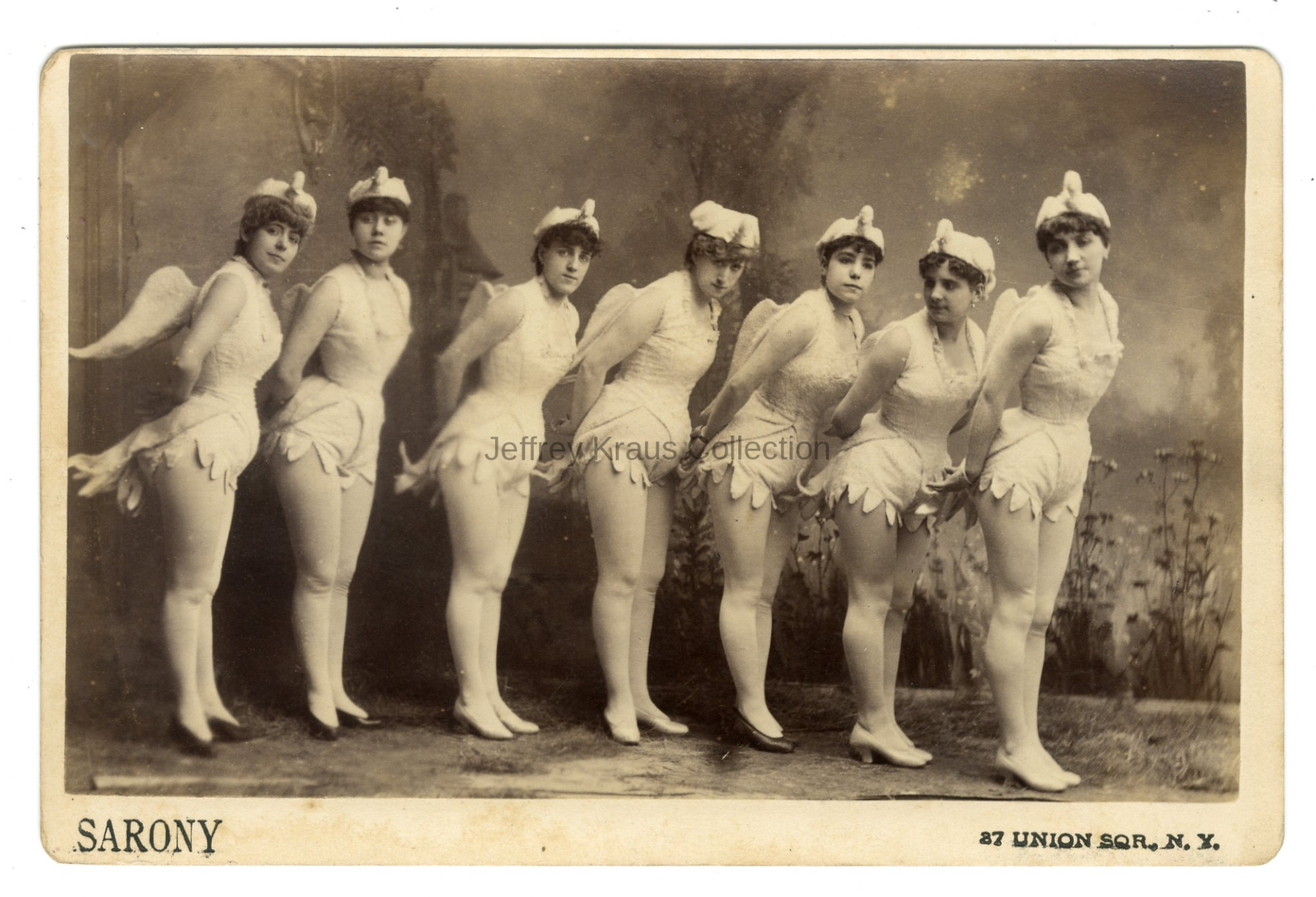
Scissor Brigade.
Angels.
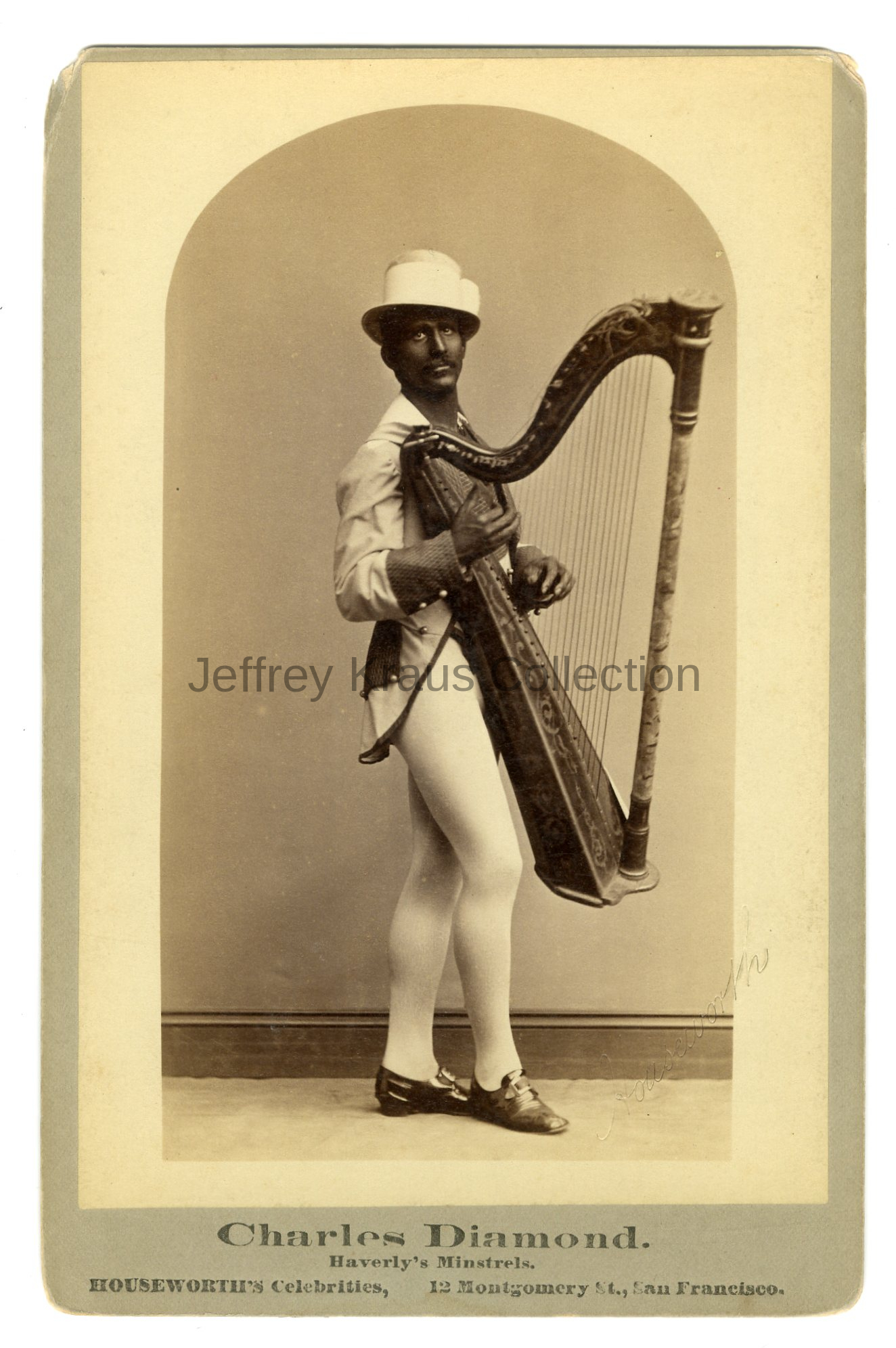
Charles Diamond. Haverly’s Minstrels.
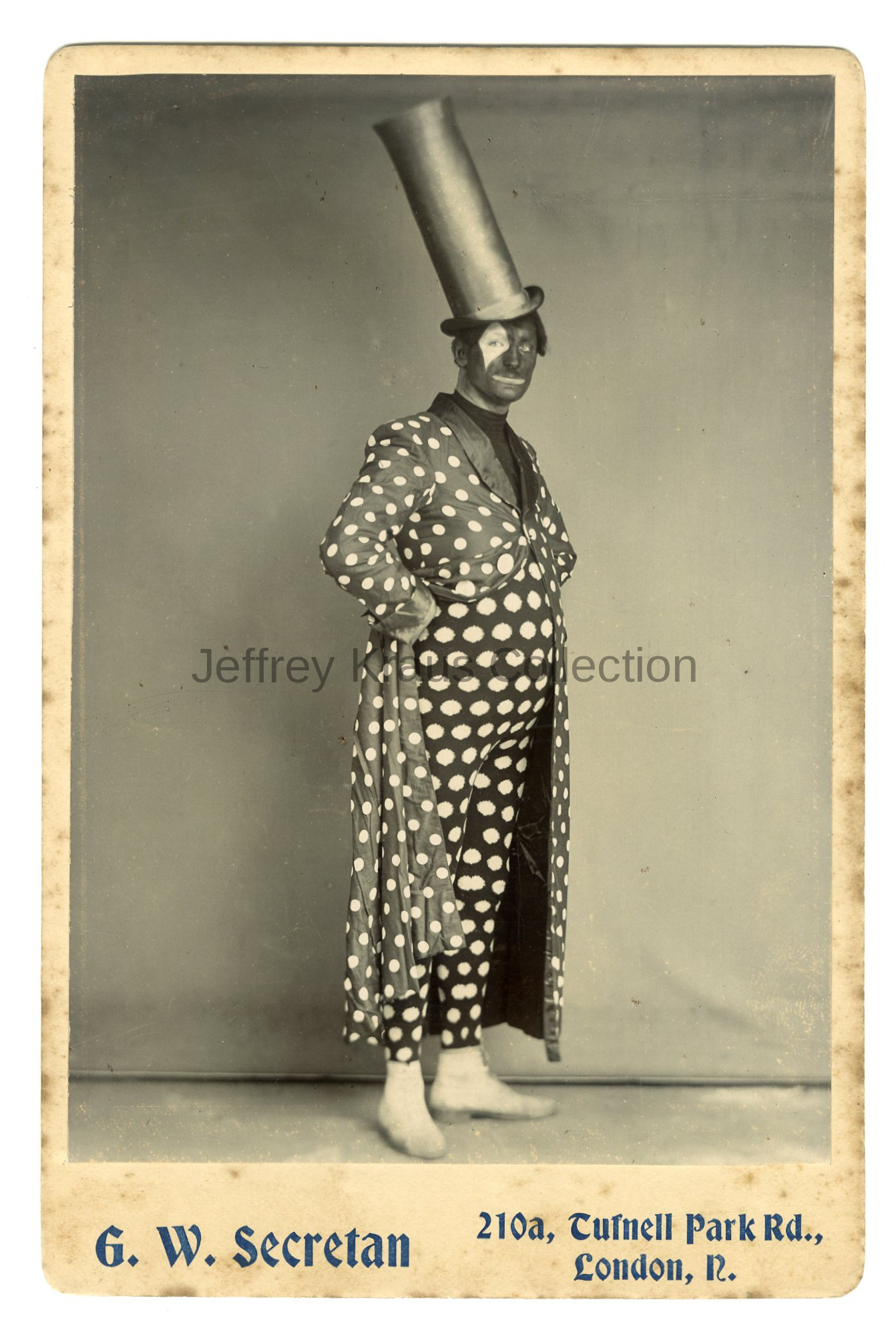
George H. Chirgwin, “The White Eyed Kaffir.”
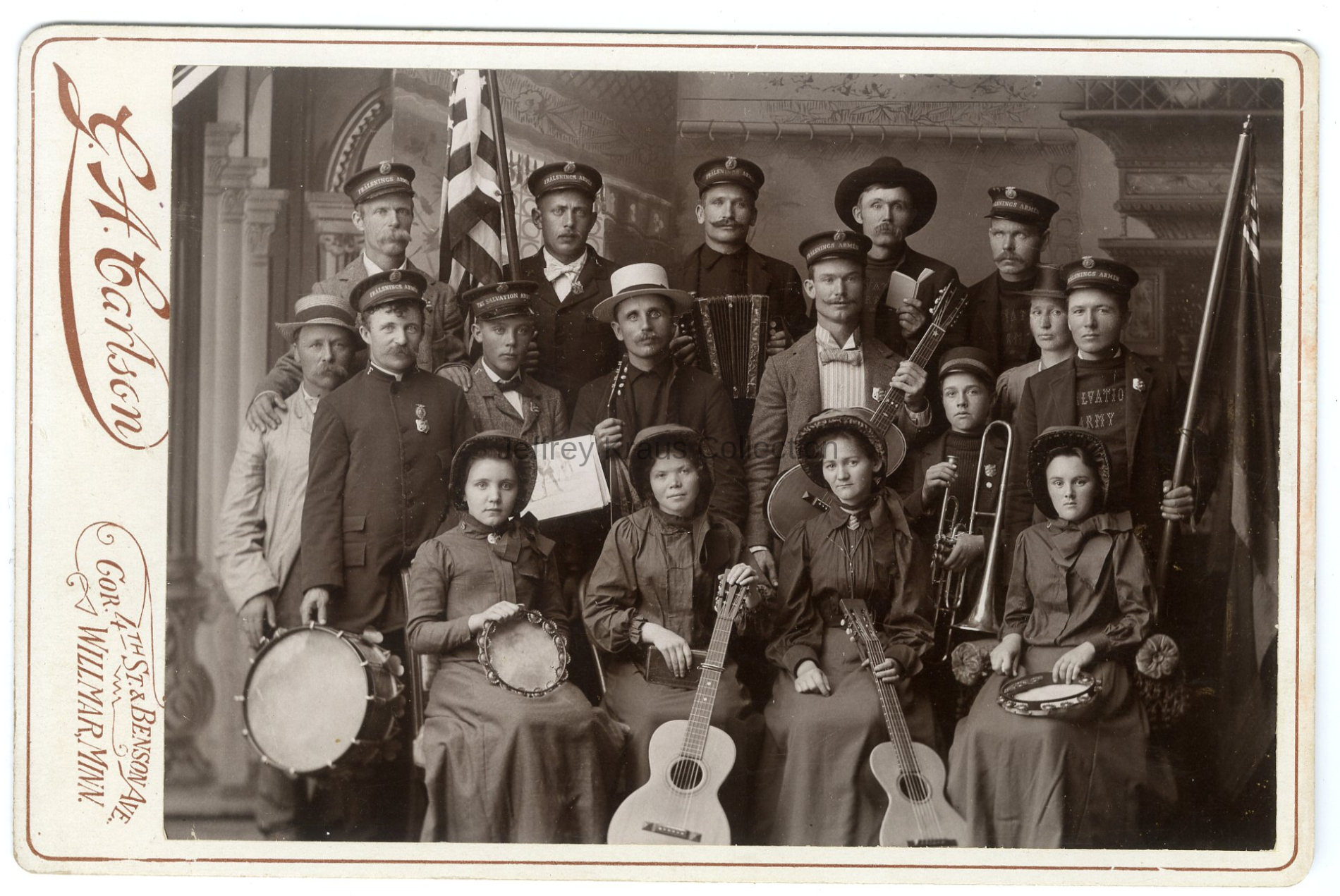
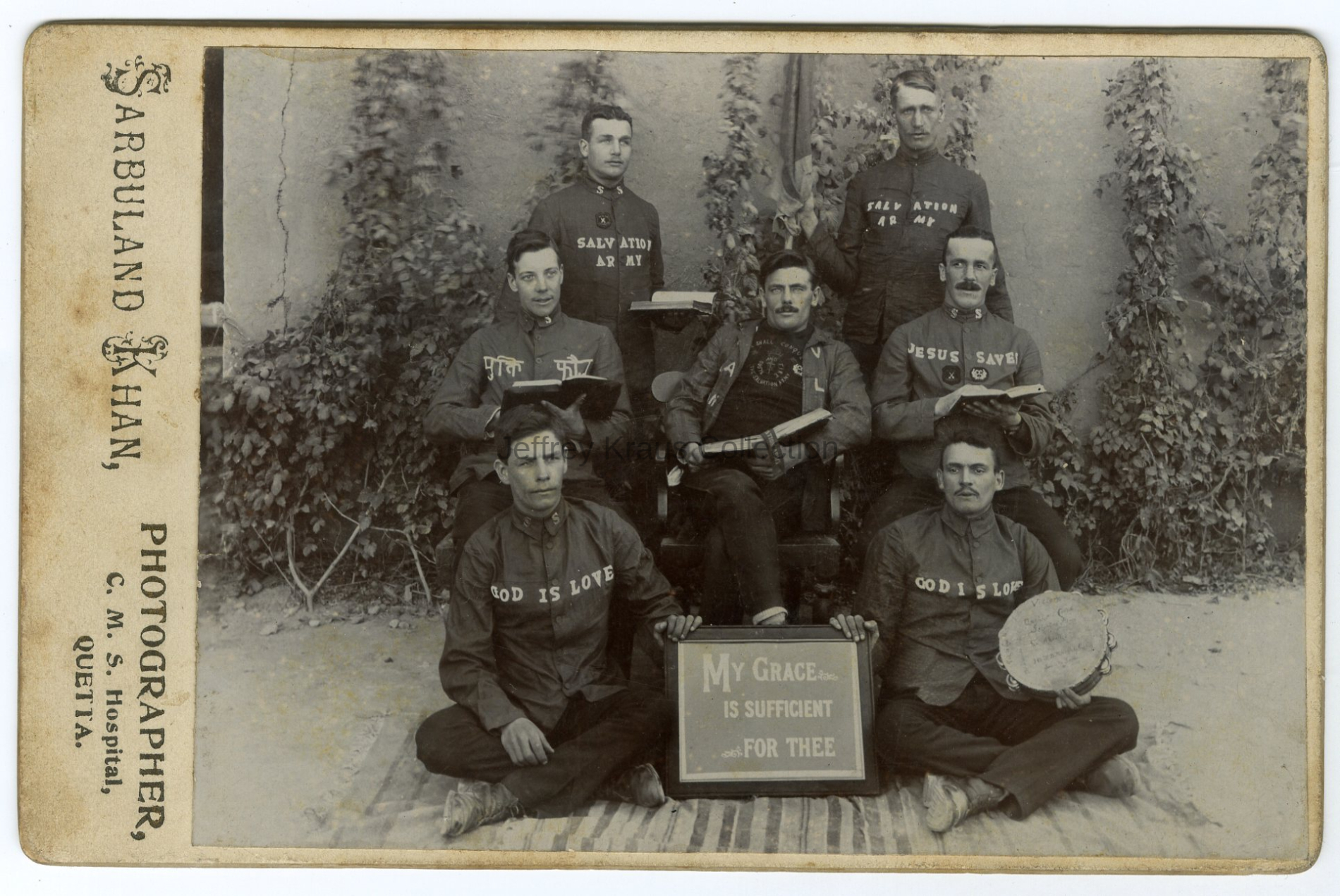
Salvation Army Group.
Salvation Army Group.
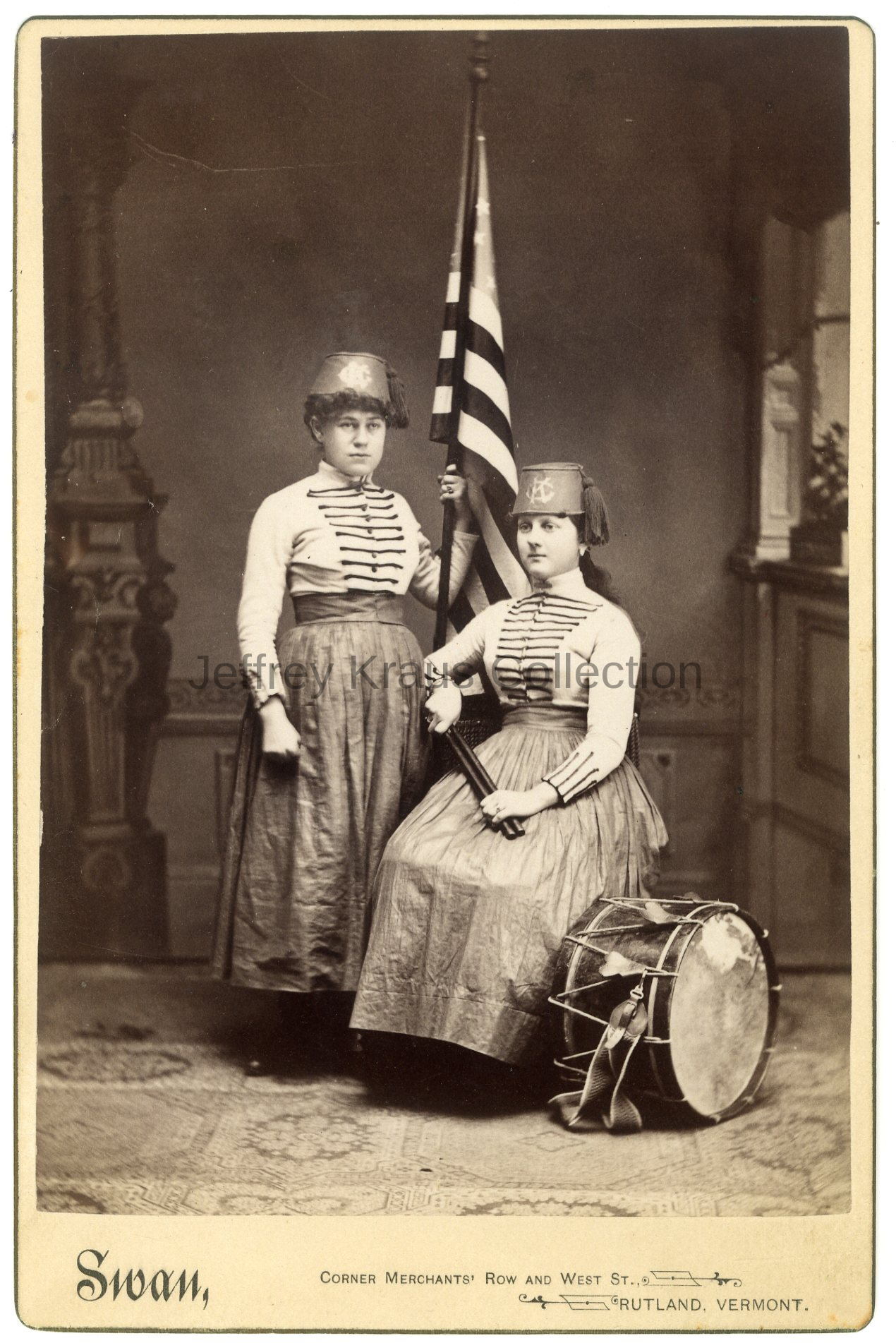
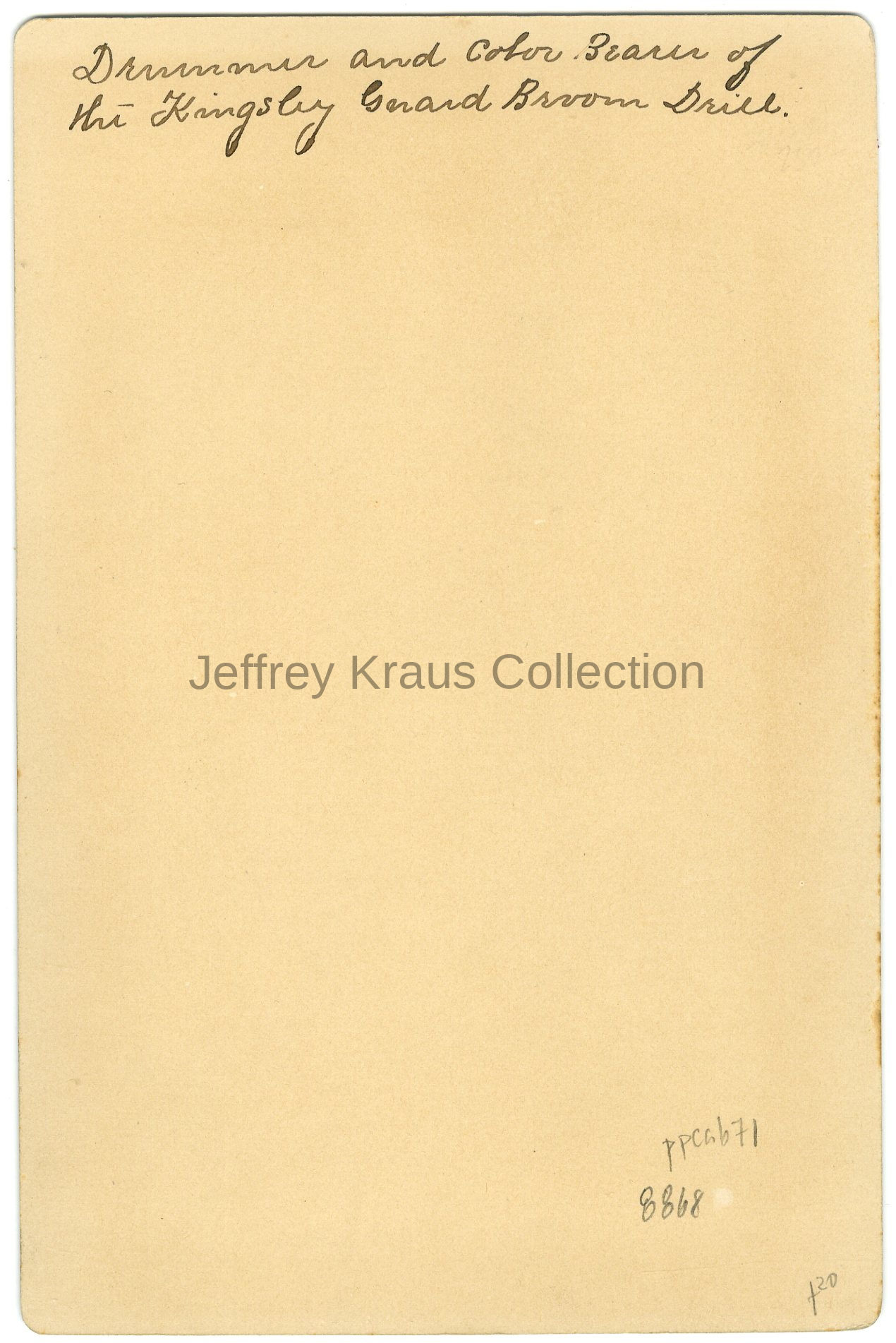
Drummer and Color Bearer of the Kingsley Guard Broom Drill.
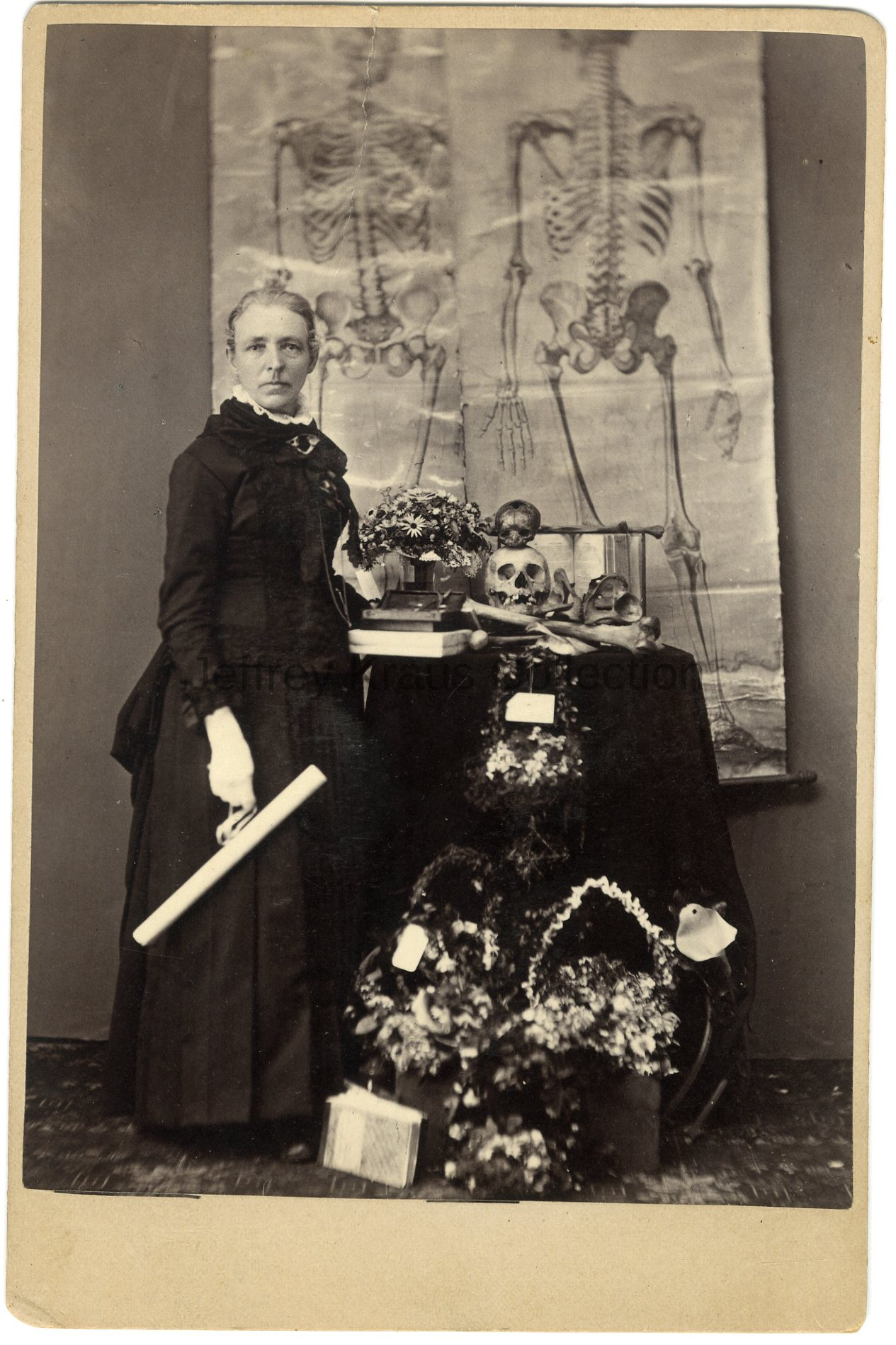
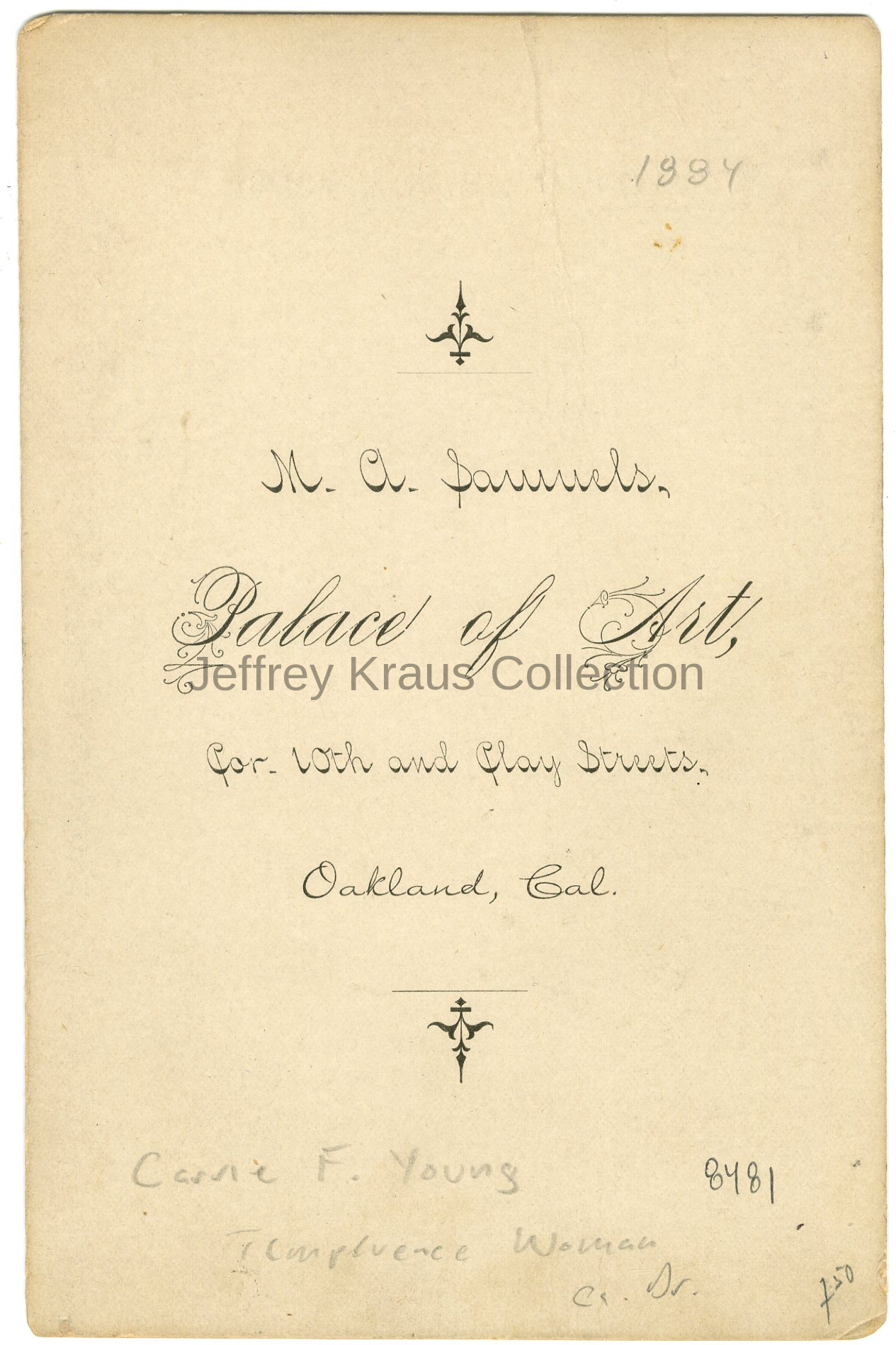
Carrie F. Young, MD. 1884. First woman to receive a medical diploma in California. Also a suffragette. She is likely holding her diploma.
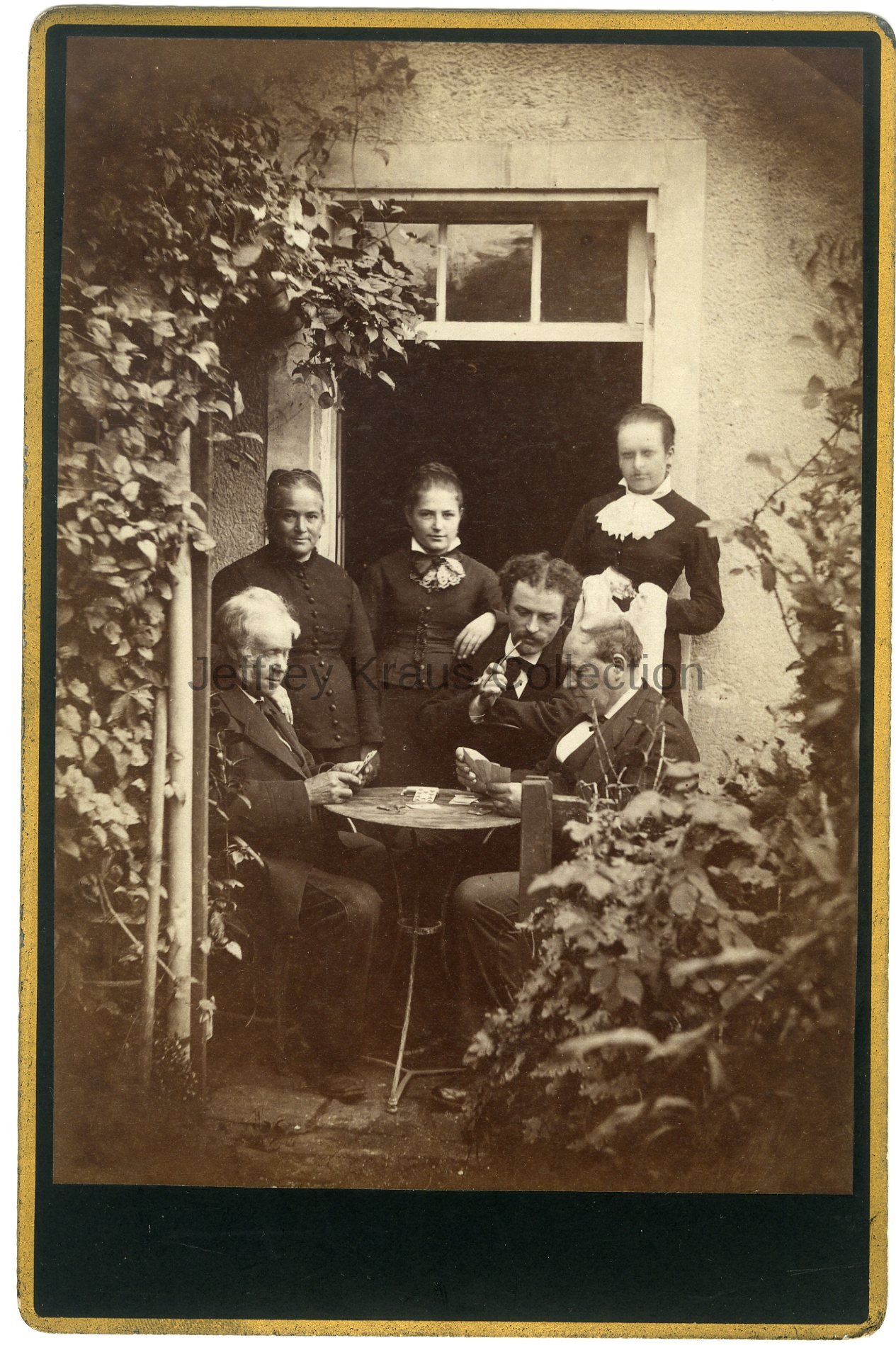
Card-playing group.
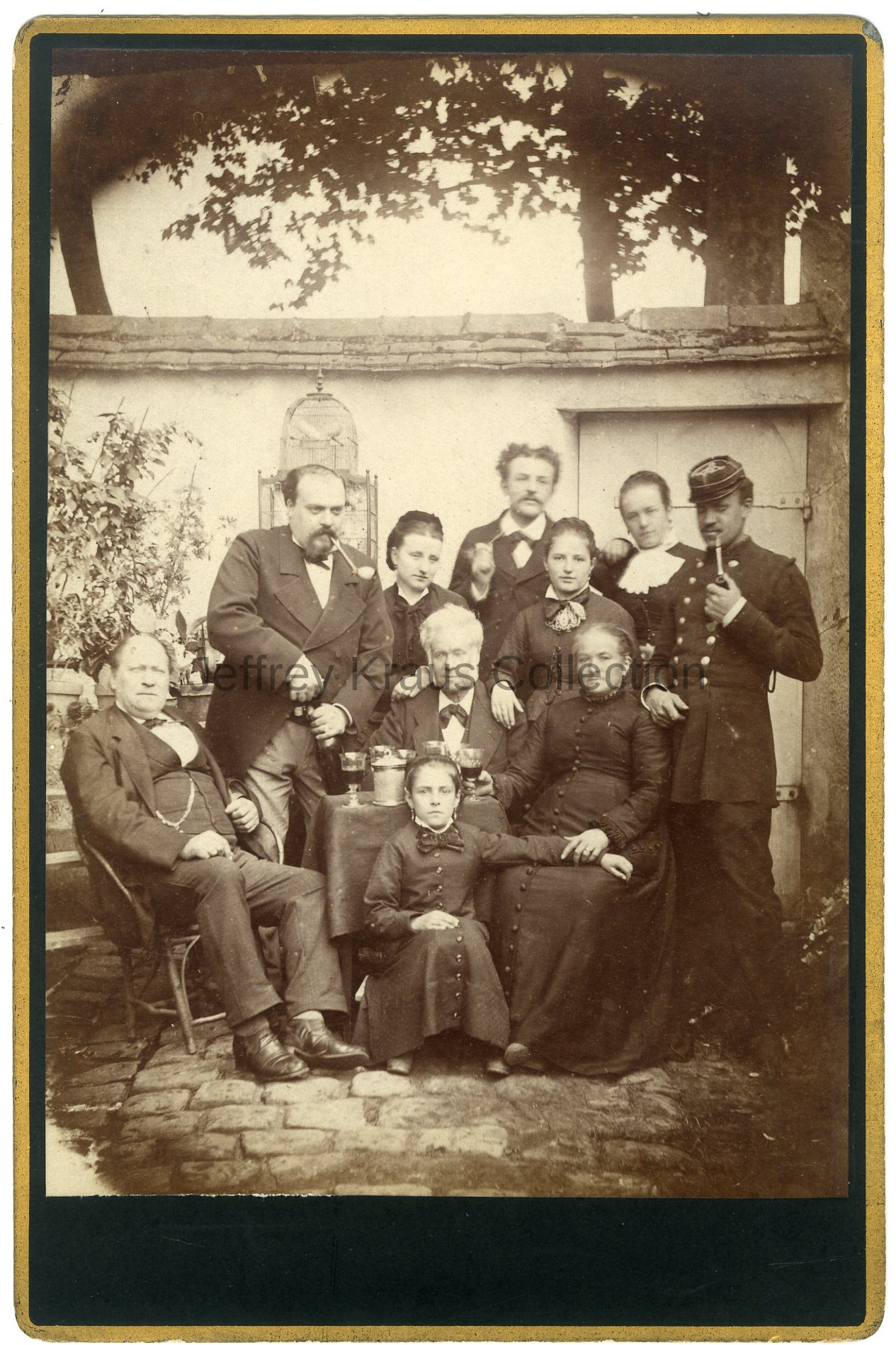
Group with wine.
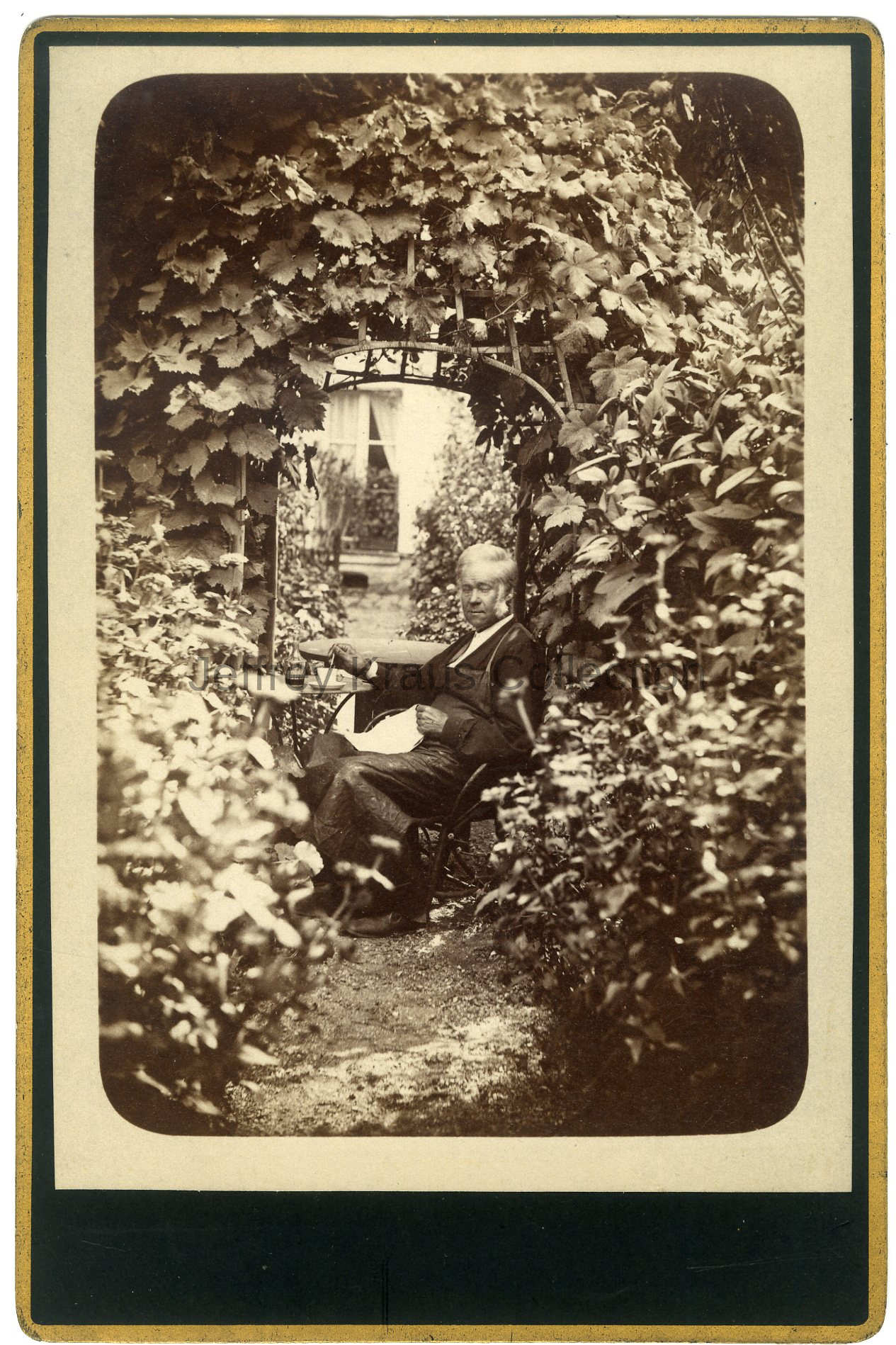
Gentleman at leisure.
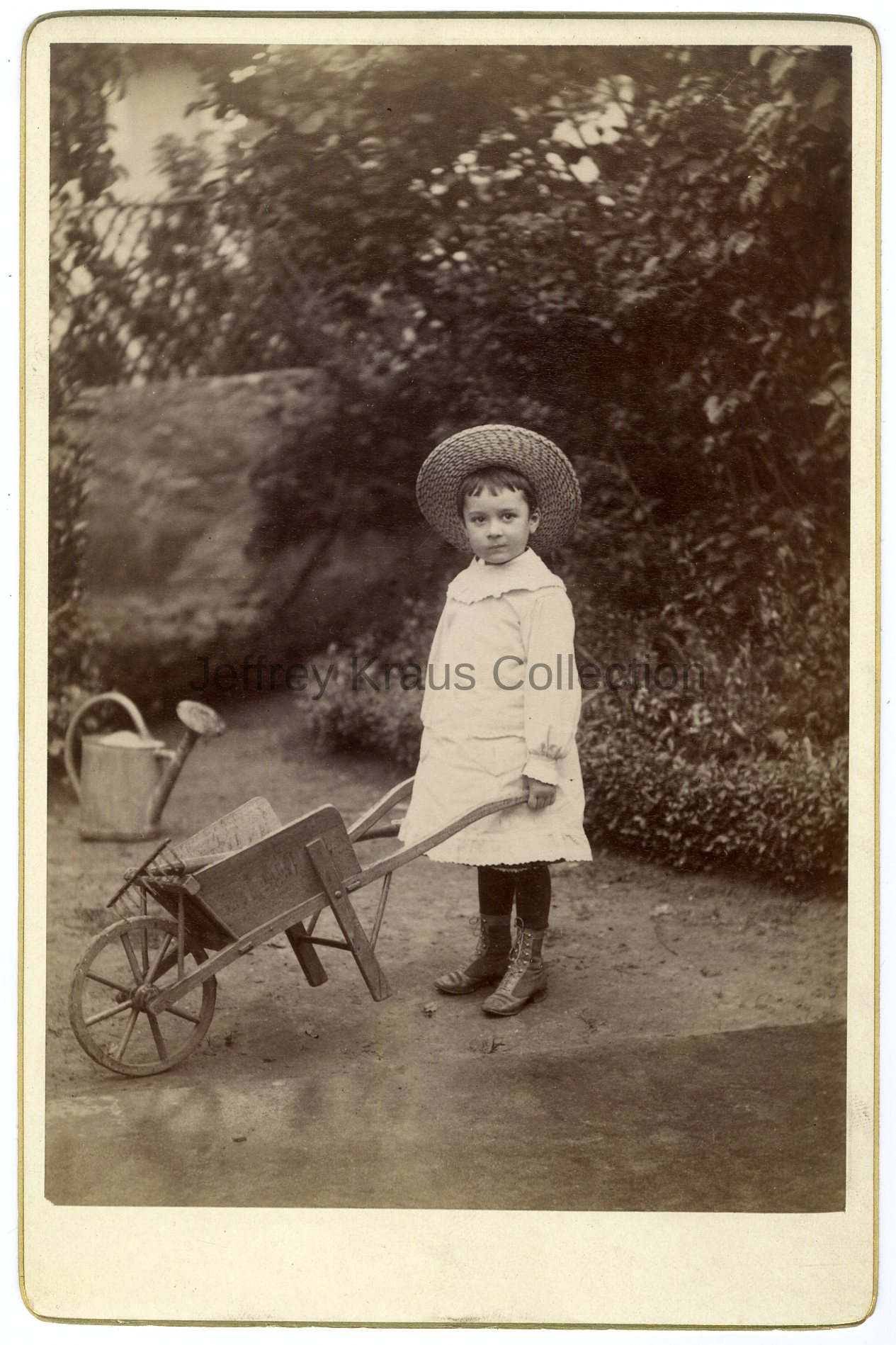
Child with wheel barrow and watering can.
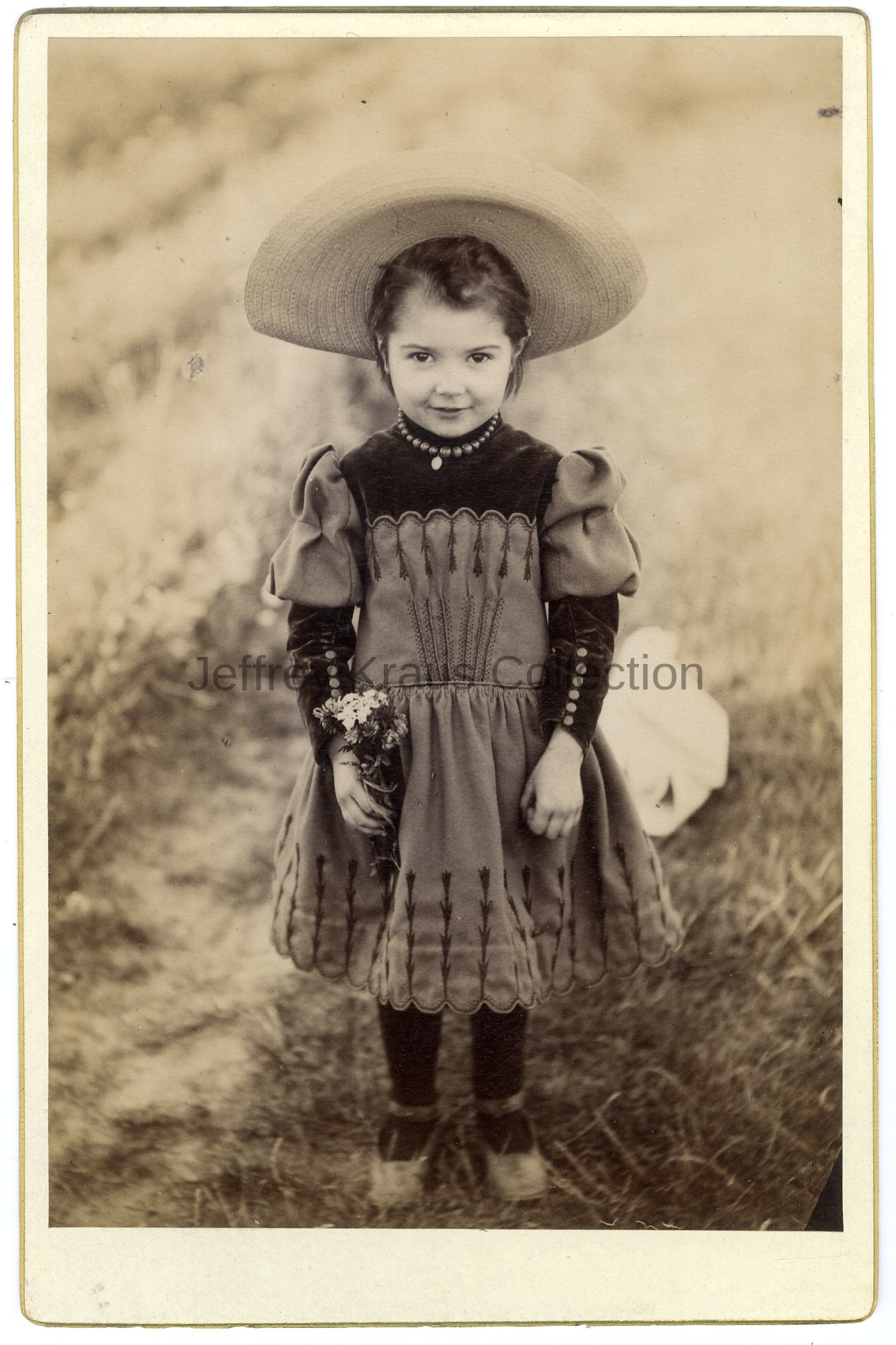
Girl with bouquet. Marie Delorme age de 3 ans-tieut un bouquet pour sa grand mere Delorme.
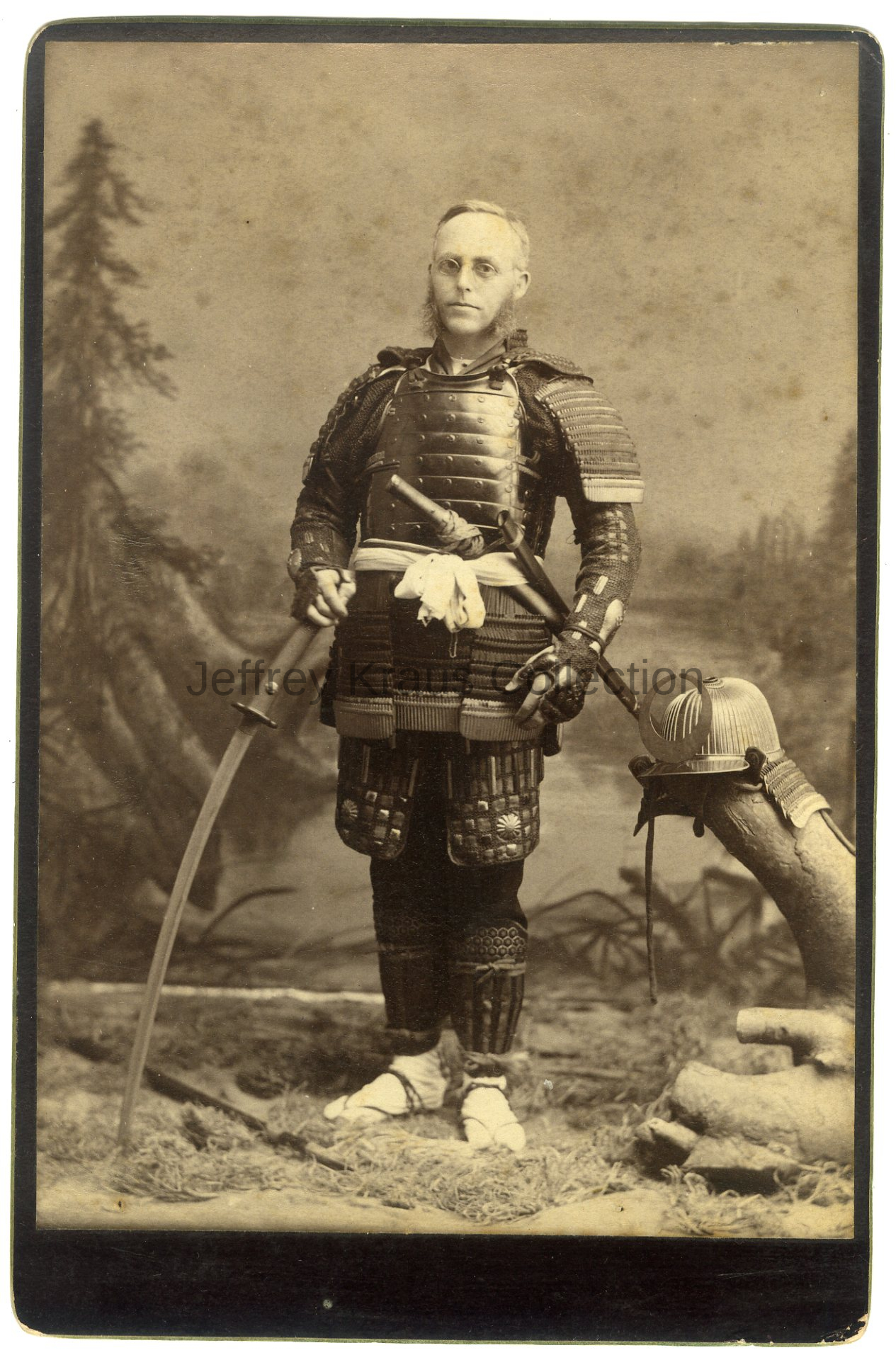
Harry Rehodes dressed as a samurai.
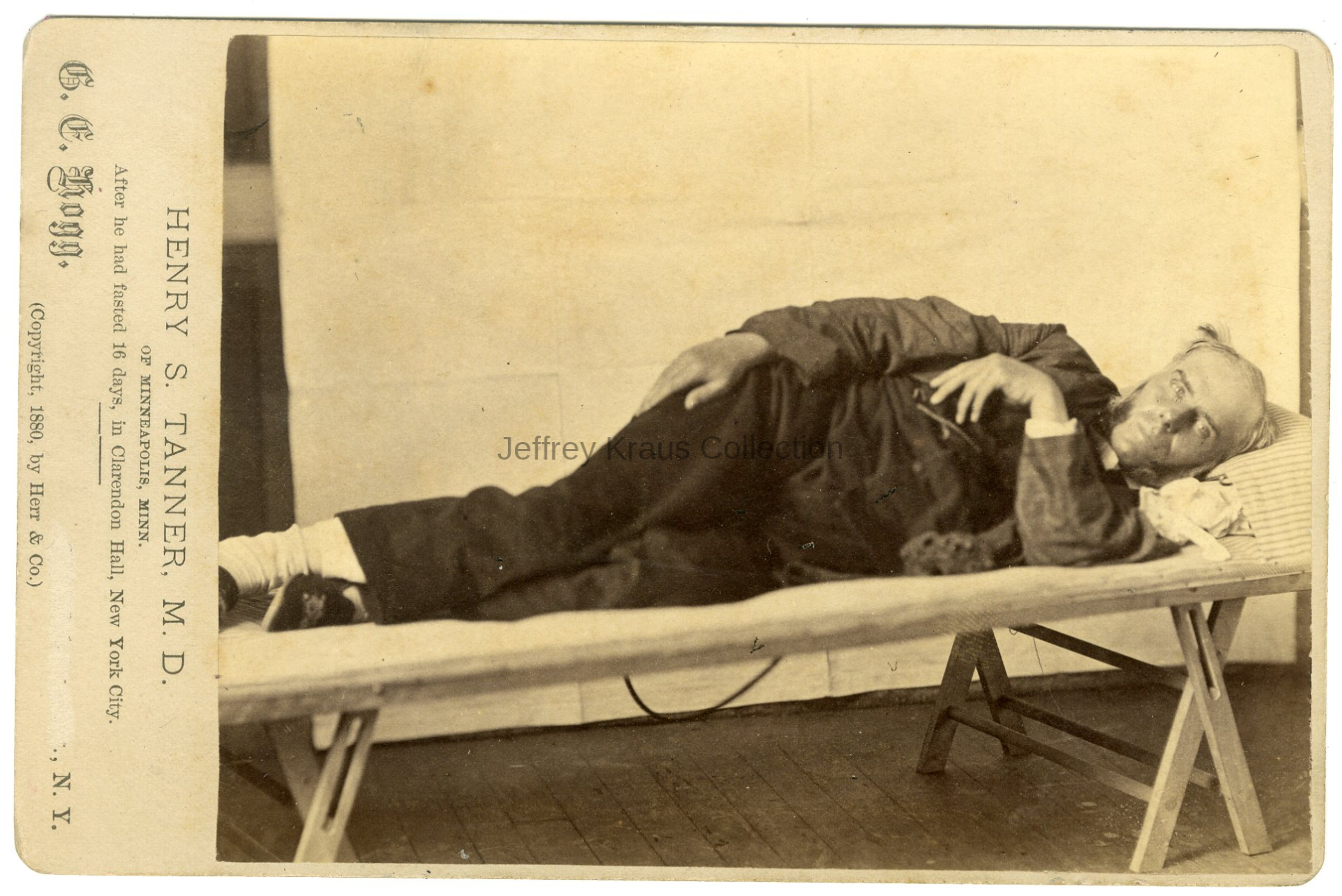
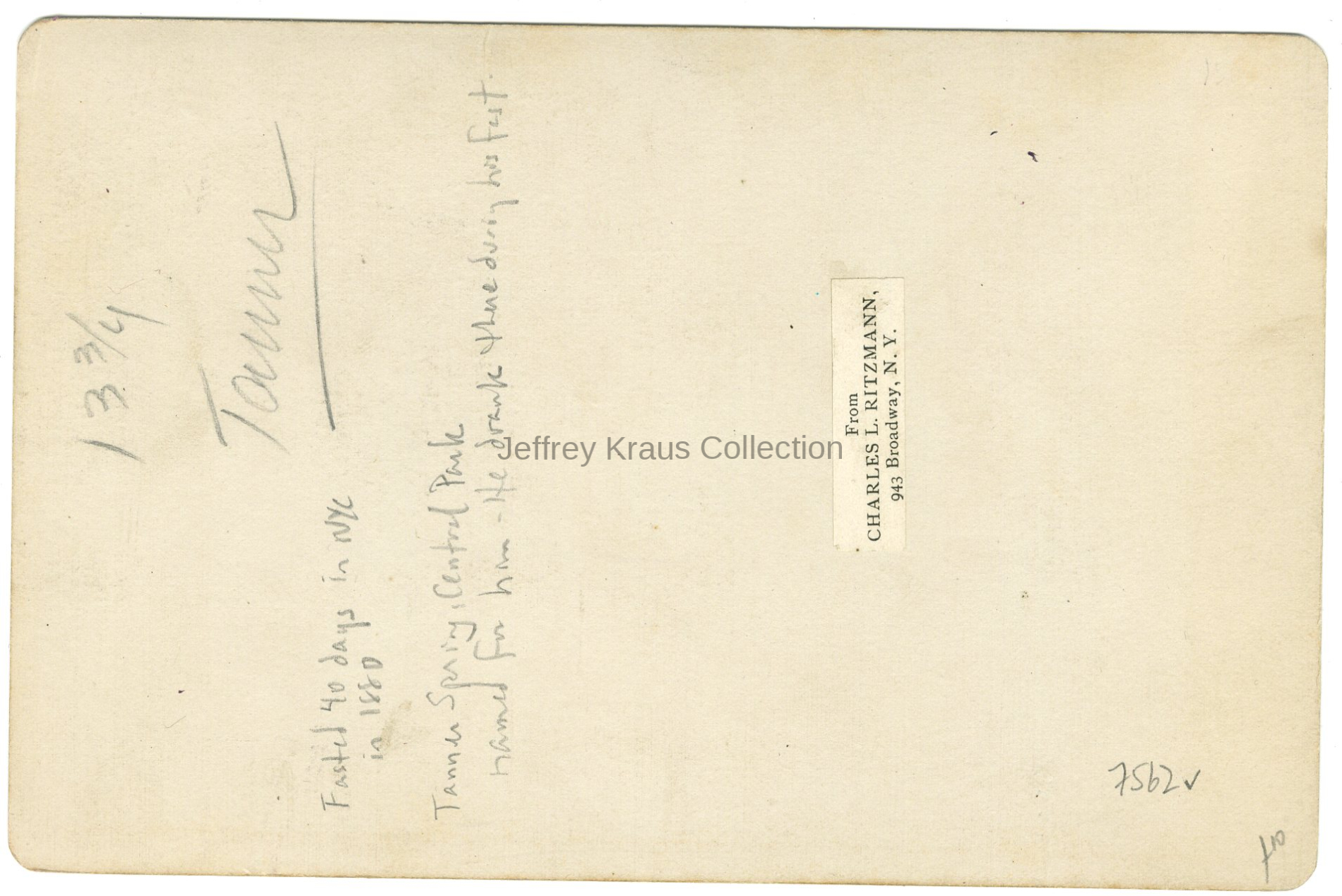
Henry S. Tanner, M.D. of Minneapolis, Minn. After he had fasted 16 days, in Clarendon Hall, New York City. Tanner fasted 40 days in NYC in 1880. Tanner Spring in Central Park is named for him. He drank from there during his fast.
Henry Samuel Tanner (February 7, 1831 – December 28, 1918) was an eclectic doctor who advocated fasting. He fasted for 40 days in Manhattan, New York City in 1880.He was born on February 7, 1831, in England to Hannah and Samuel Tanner. He was a graduate of the Eclectic Medical Institute in Cincinnati (class of 1859). He claimed to have completed a 42 day fast in 1879, but was unable to prove it. On June 28, 1880, he began a forty-day fast in Manhattan. His first meal after completing the fast was milk, watermelon, and half a pound of beefsteak. On his 81st birthday, in 1911 he proposed an 80 day fast in Los Angeles, California. He died on December 28, 1918, in San Diego, California. On June 28, 1880, Tanner began a forty days’ fast at Clarendon Hall in Manhattan. After originally intending to go without food or water, he was persuaded to drink, before going without water from the second to the tenth day. Tanner lost almost 40 pounds by the conclusion of the experiment, and against the advice of his doctors began consuming meat, fruits, wine and milk immediately after.
Because no one believed his claim that he had fasted for 42 days, in January 1880, Tanner, a practitioner of hygienic medicine, announced that he would repeat his experiment to show that humans can survive without food and would agree to submit himself to be placed “under the care of any medical society” that would provide adequate housing. On June 30, Tanner began his attempt to duplicate his 40-day fast and after the 6th day, the New York Times began a series of articles chronicling his day –to-day progress, each dispatch becoming more ominous in its anticipation that his death by starvation was imminent. As the twelfth night approached, a Times headline announced that “The End [was] Predicted to be at Hand” But rather than deteriorating, by the twentieth day, Tanner’s condition improved and he “looked and acted better than ever”. On August 7, the Times reported that a crowd of over 2,000 would witness Tanner break his 40-day fast at midnight. The usual admission price of 25 cents was raised to half a dollar resulting in a box office take of over $2,000. The many doctors on hand still expected him to keel over though upon re-feeding and although he re-fed on milk (which today would be strongly discouraged) he suffered only minimal nausea and some vomiting. A few days later the Times began reporting on Tanner’s recovery, gaining back some of his weight and that by September 10, the “fasting doctor” had launched a lecture tour touting “starvation” as a cure for disease.
Tanner’s Spring is located mid-park, just west of the Great Lawn Today, it looks to be more of a puddle that one an active spring. Its name commemorates Dr. Henry S. Tanner, a proponent of therapeutic fasting, who, in the summer of 1880, elected to fast under constant observation for forty days and nights, supplied only by water from this very spring. M.M. Graff, in relating the story in her wonderful book “Tree Trails of Central Park”, observed “The legend quite naturally arose that the water of the spring contained some magically concentrated nutrients”. Before the construction of the park, the spring provided water for the community of Seneca Village, which was located to the north of Summit Rock, which at the time was called “Goat Hill”. The spring is just south of the hill, which boasts the highest natural elevation in the park, and is also a favorite observation post for birders.
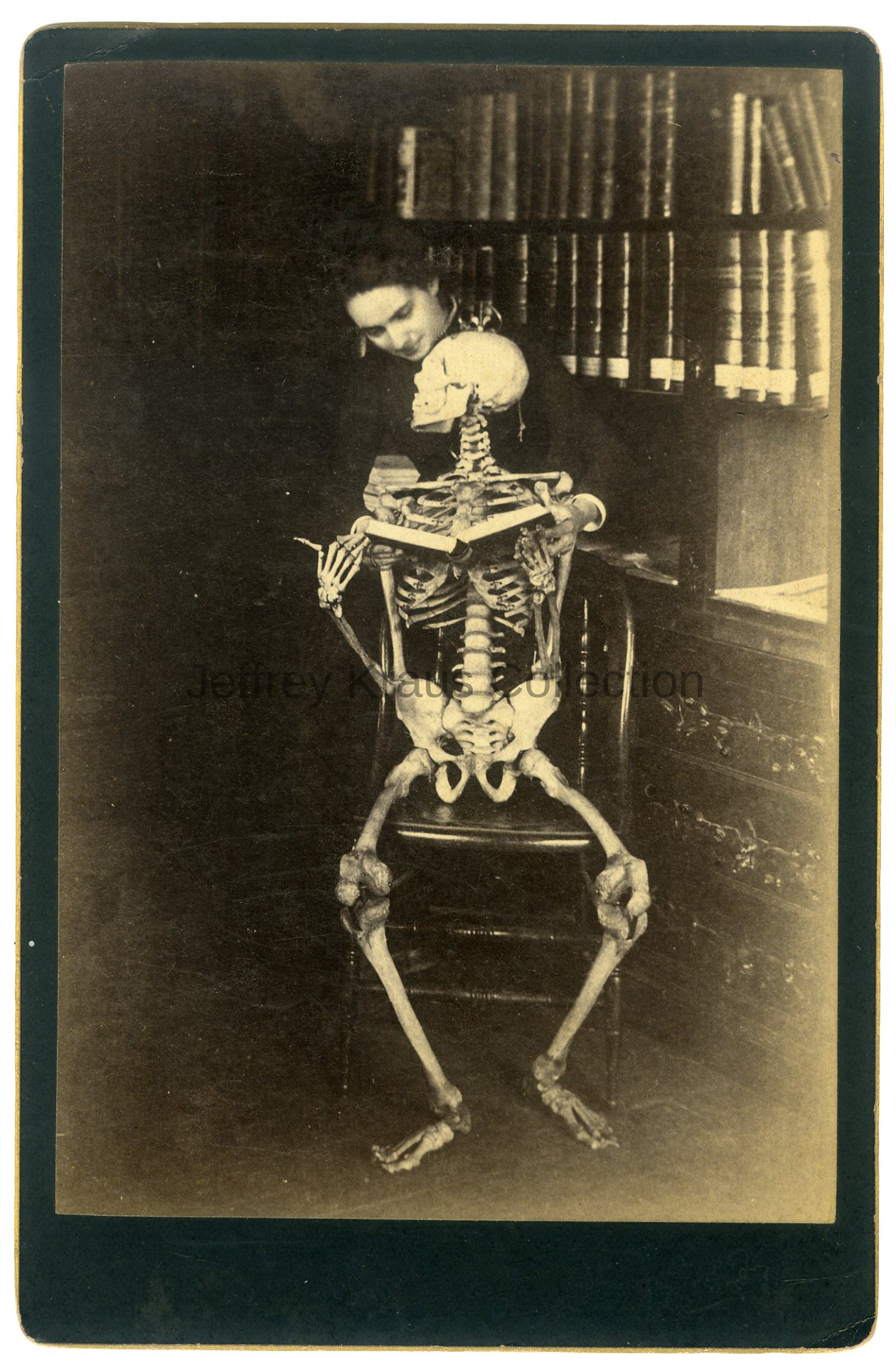
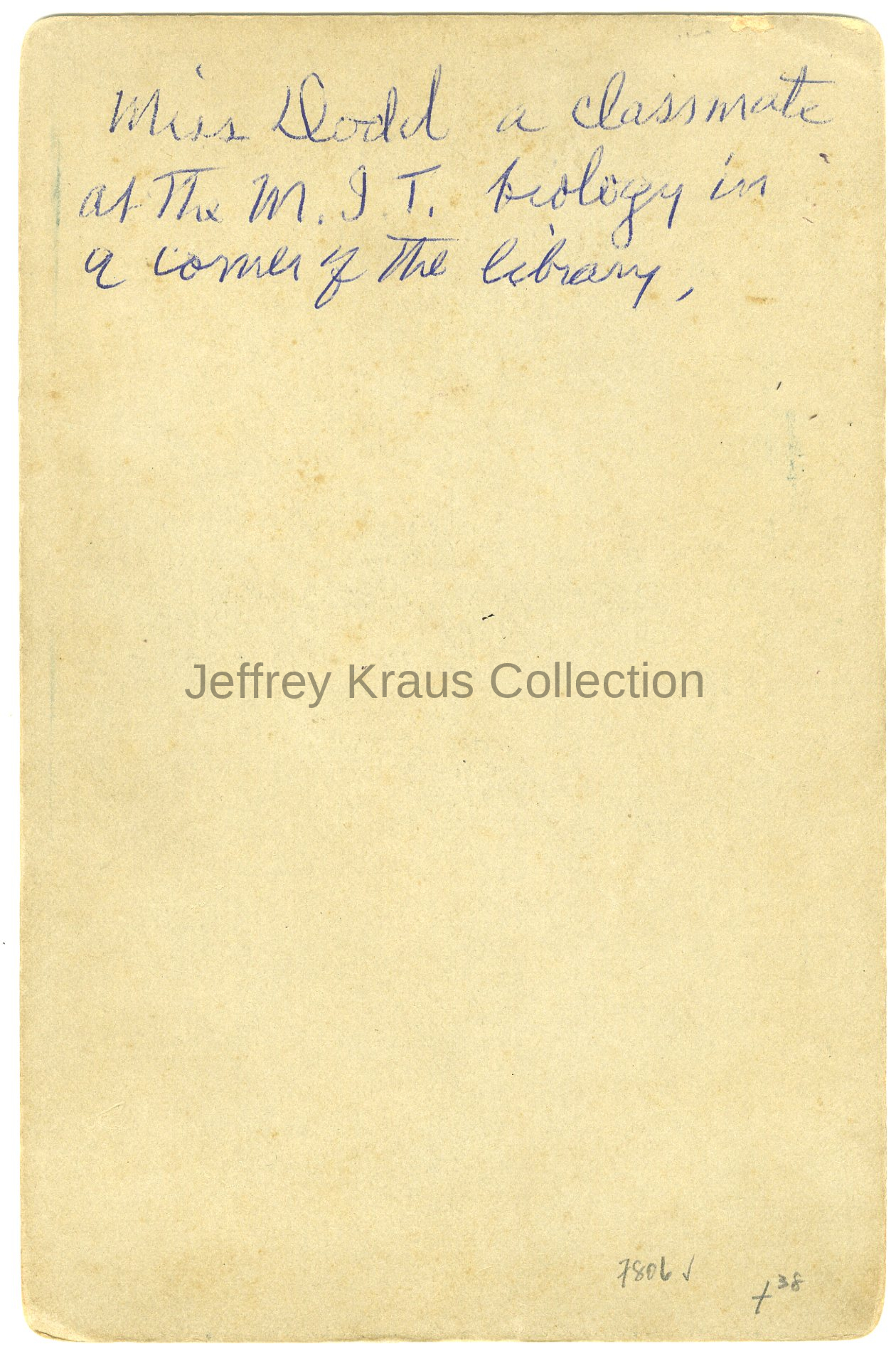
Miss Dodd, a classmate at the M.I.T. biology in a corner of the library.
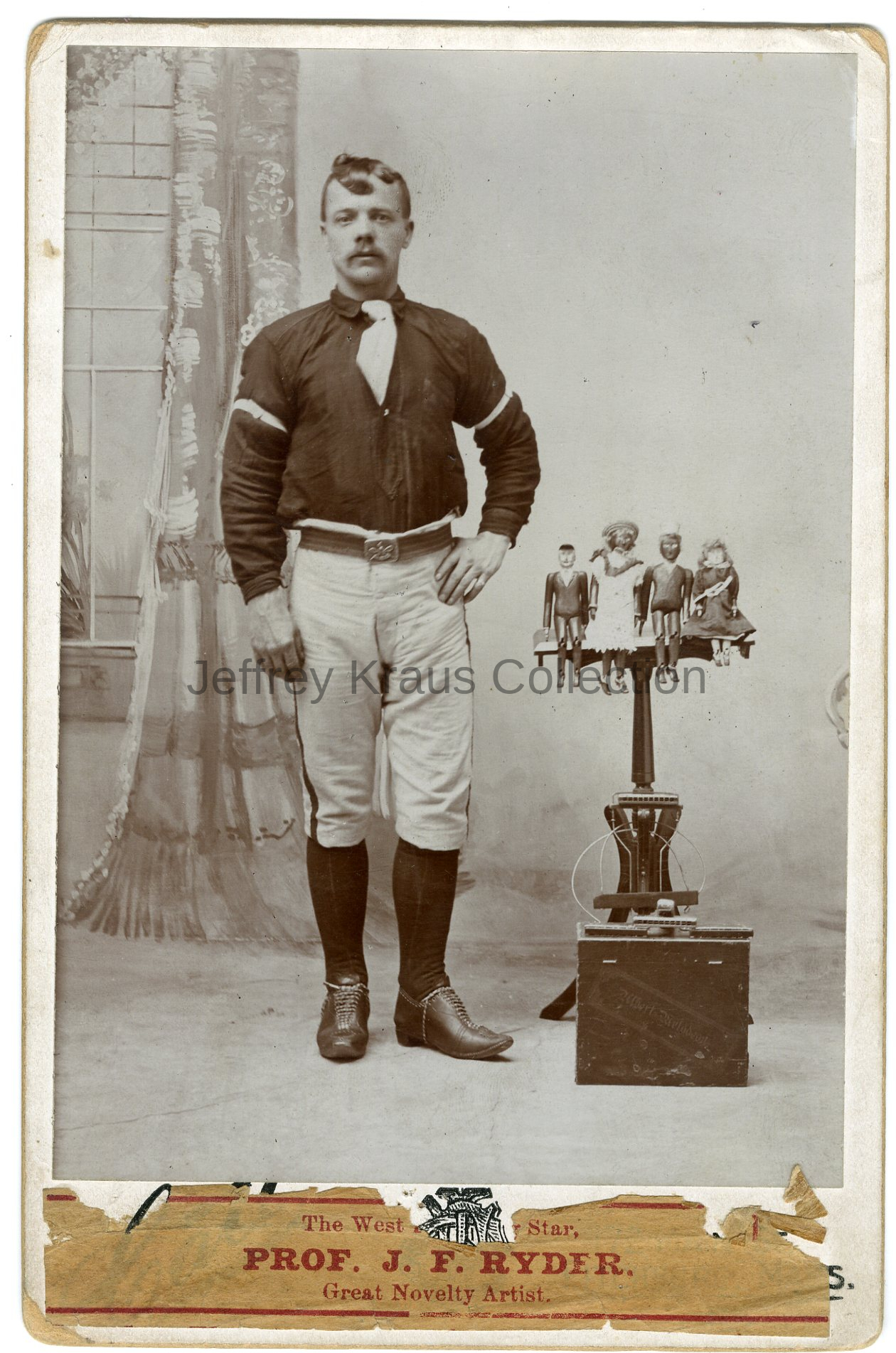
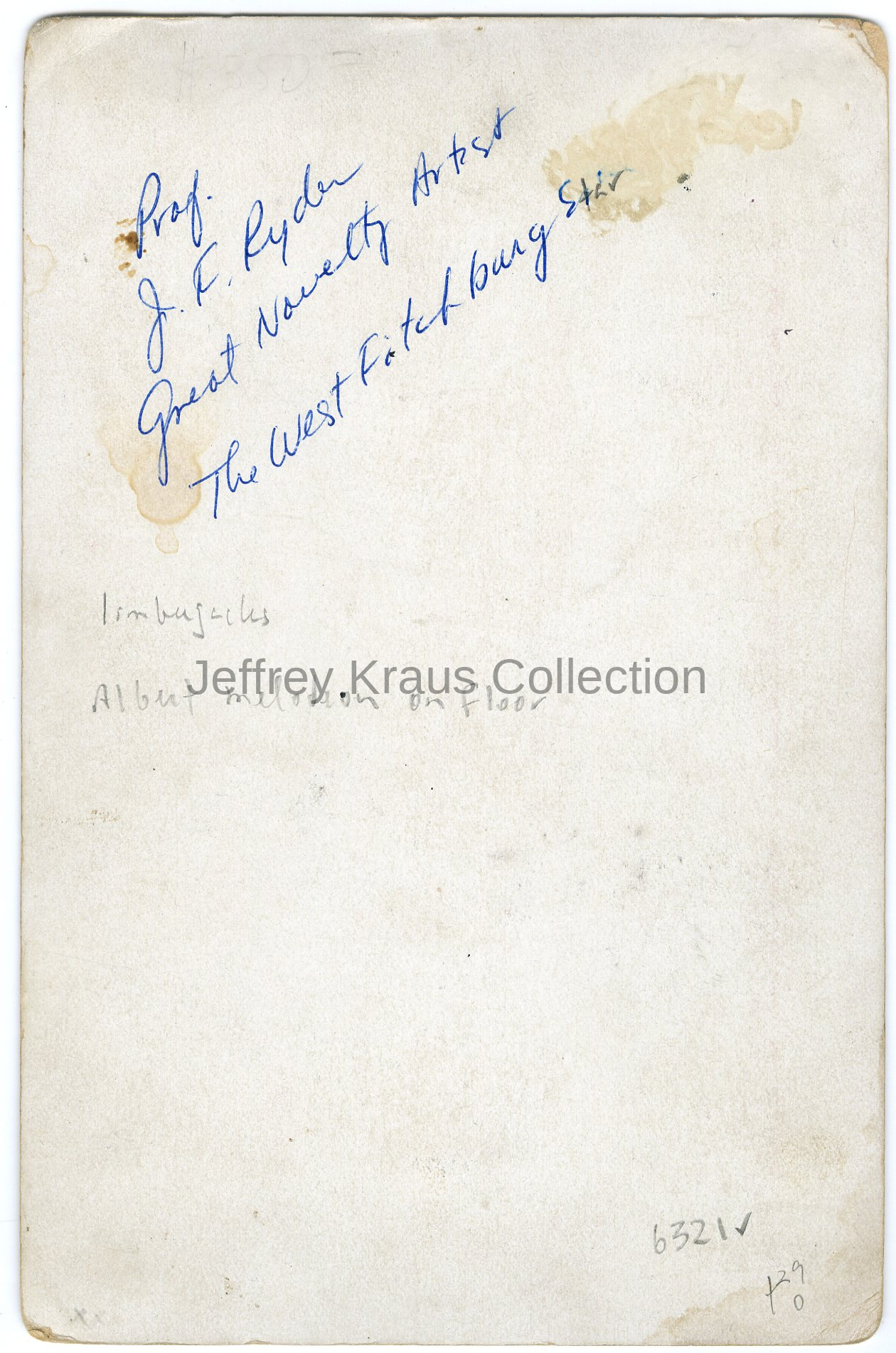
The West Fitchburg Star, Prof. J.F. Ryder, Great Novelty Artist. He is pictured with his limberjacks. An Albert melodeon is on the floor.
Lady Liberty with Flag.
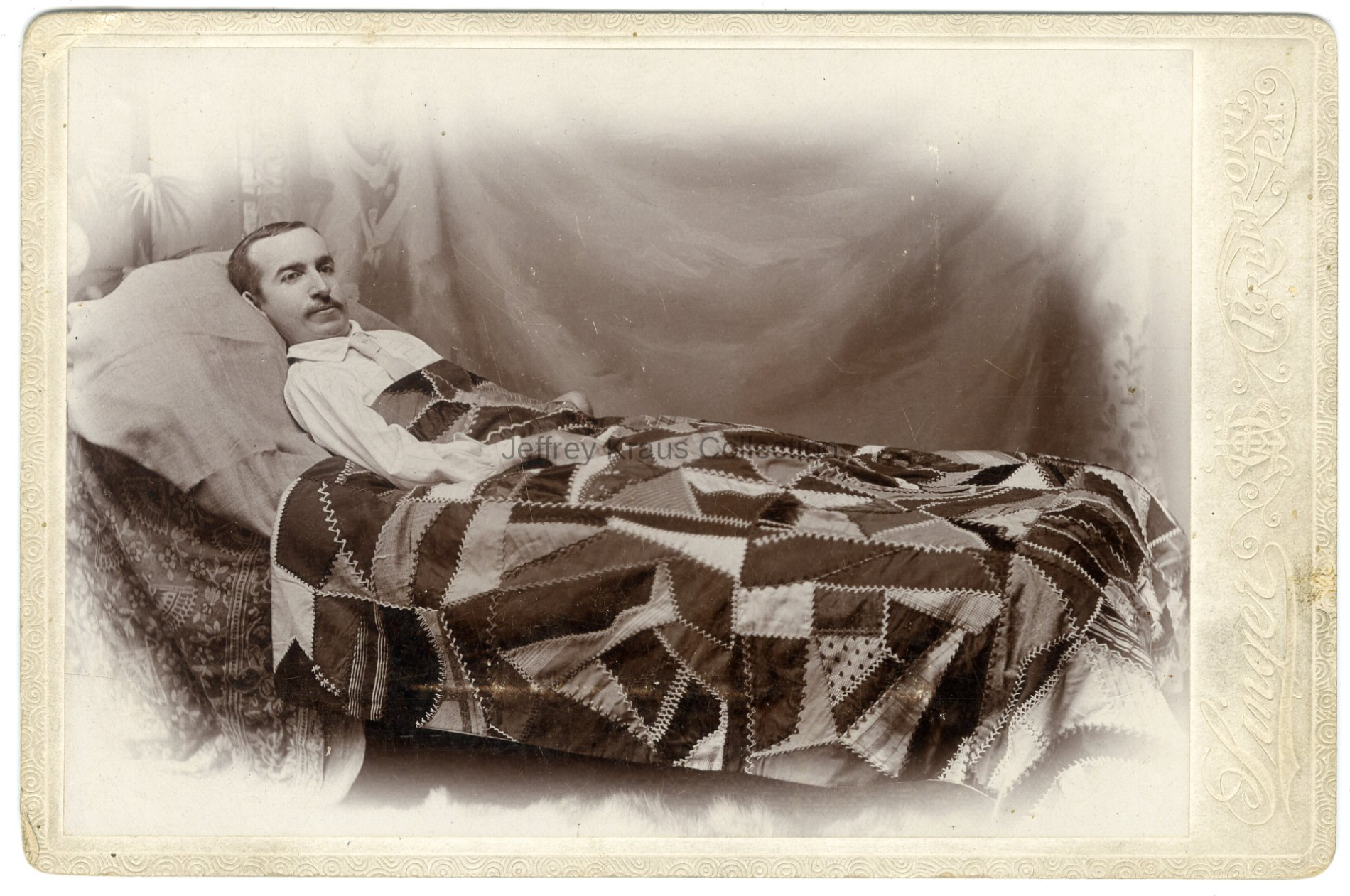
Bedridden man under crazy quilt.
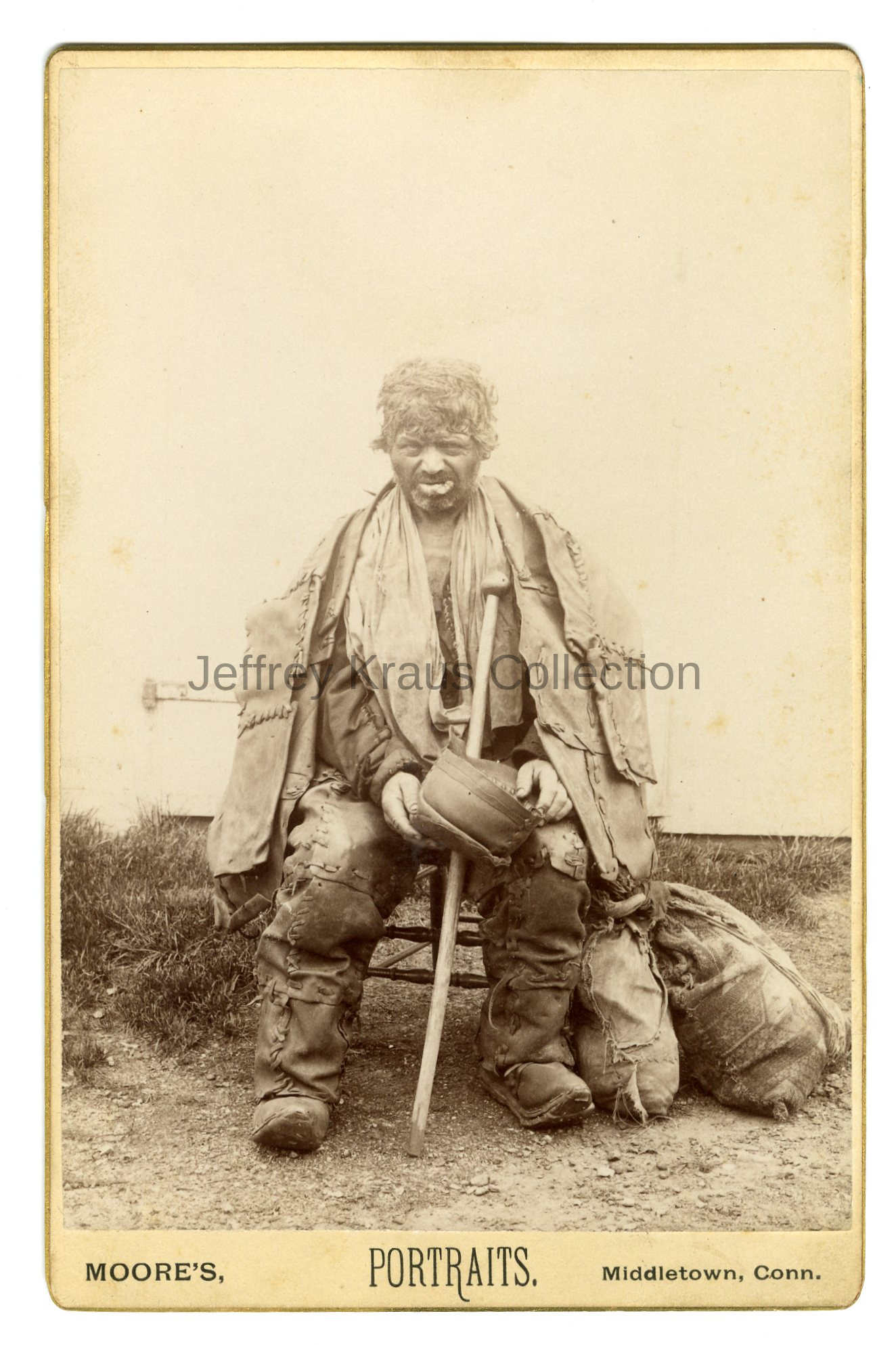
The Old Leather Man. Taken at Fisher’s Mill, Straddle Hill, Middletown, Ct. See The Old Leather Man by Dan W. DeLuca.
The Old Leather Man. See The Old Leather Man by Dan W. DeLuca.
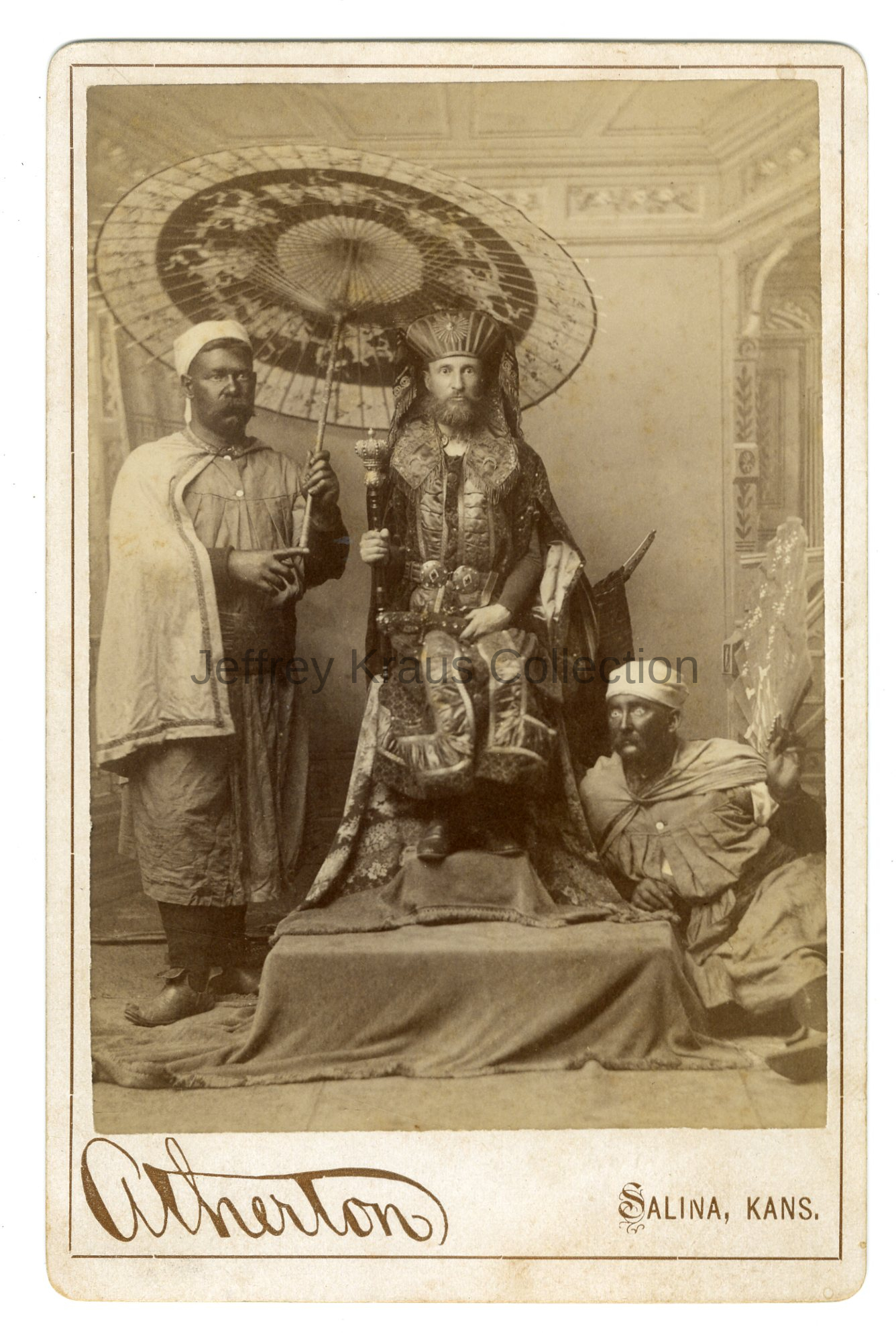
Three men in costume. Two of the men appear to wear blackface and are attendants to the seated man.
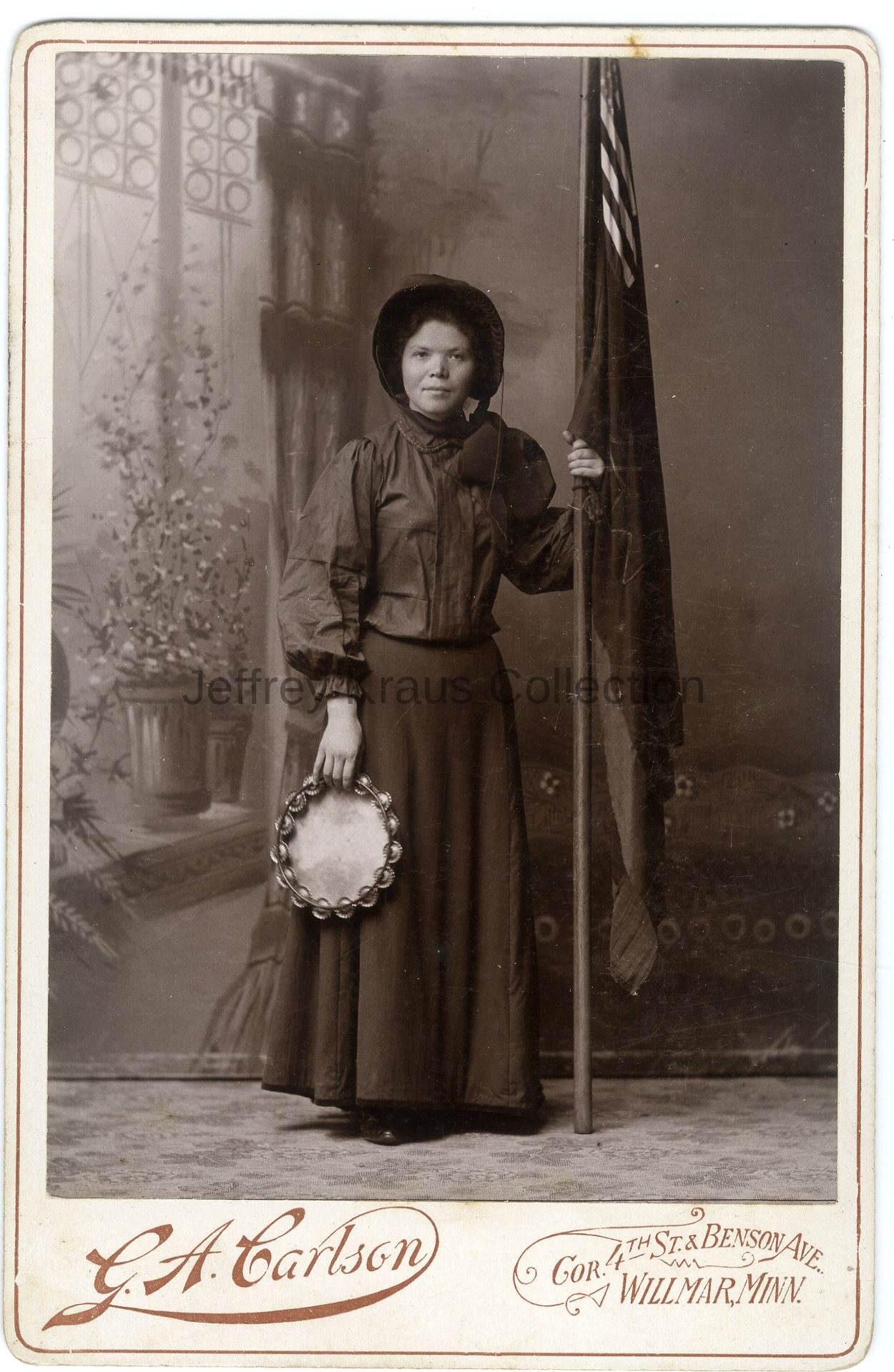
Salvation Army woman with tambourine and flag.
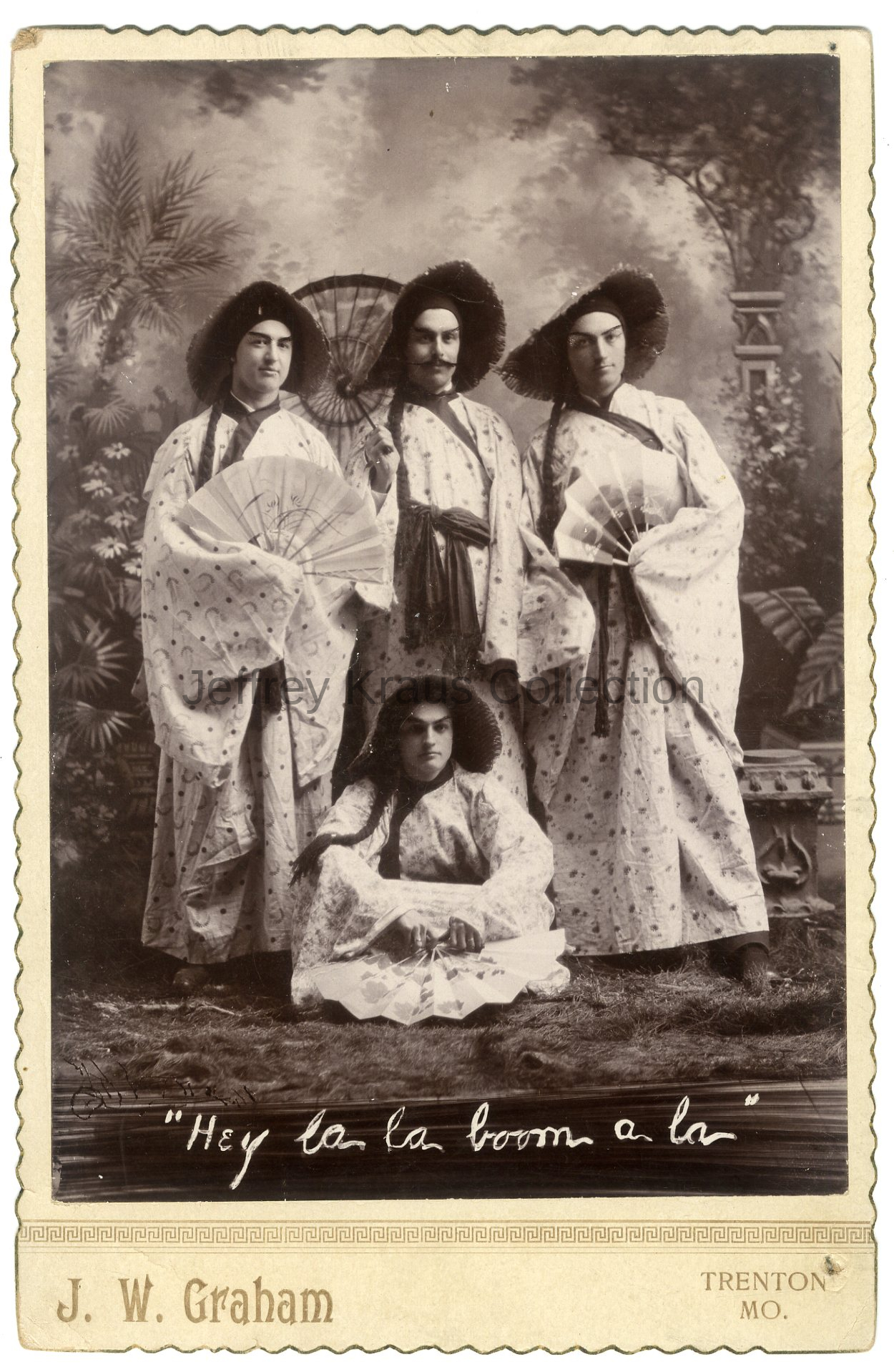
Hey la la boom a la.
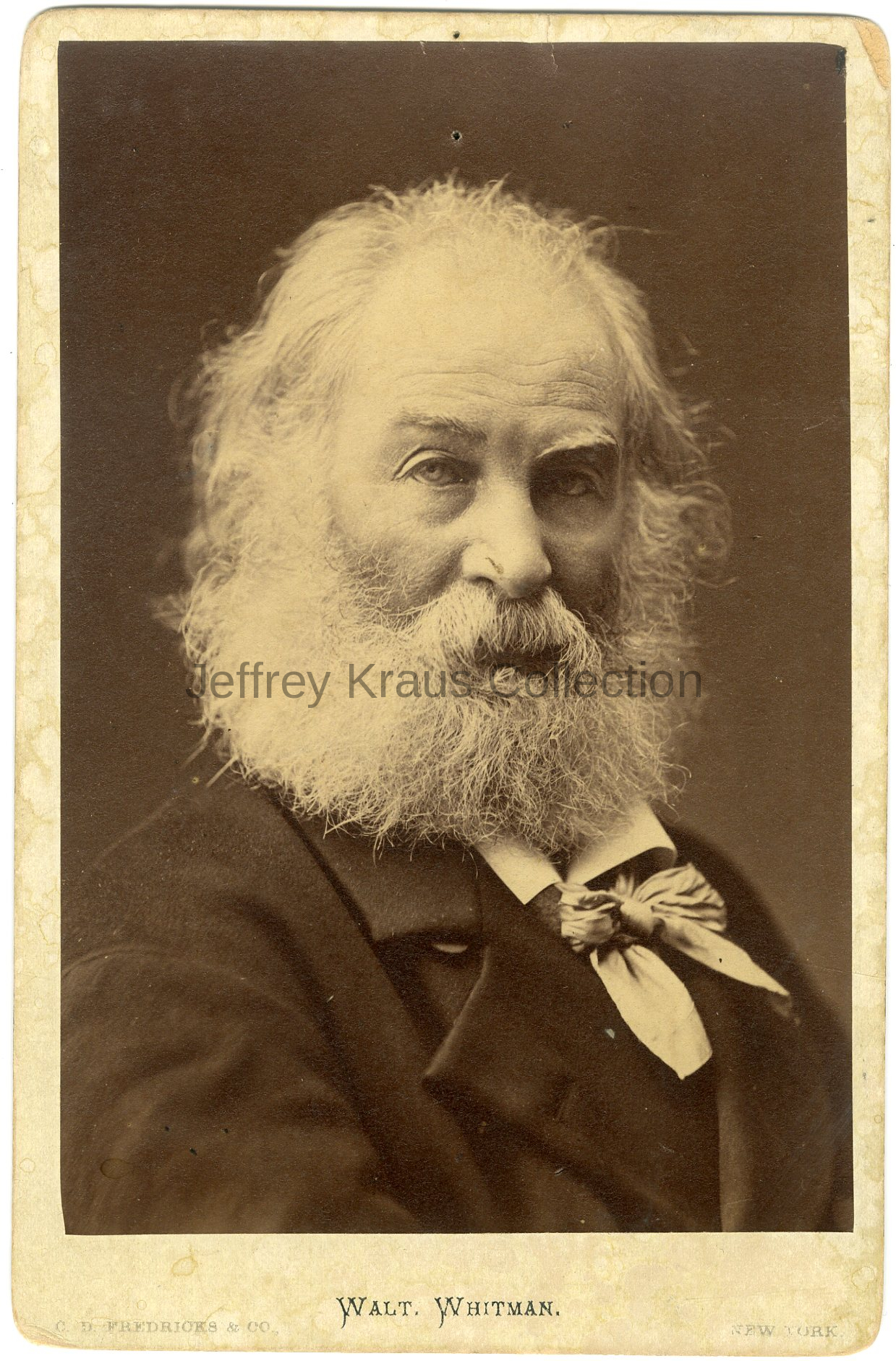
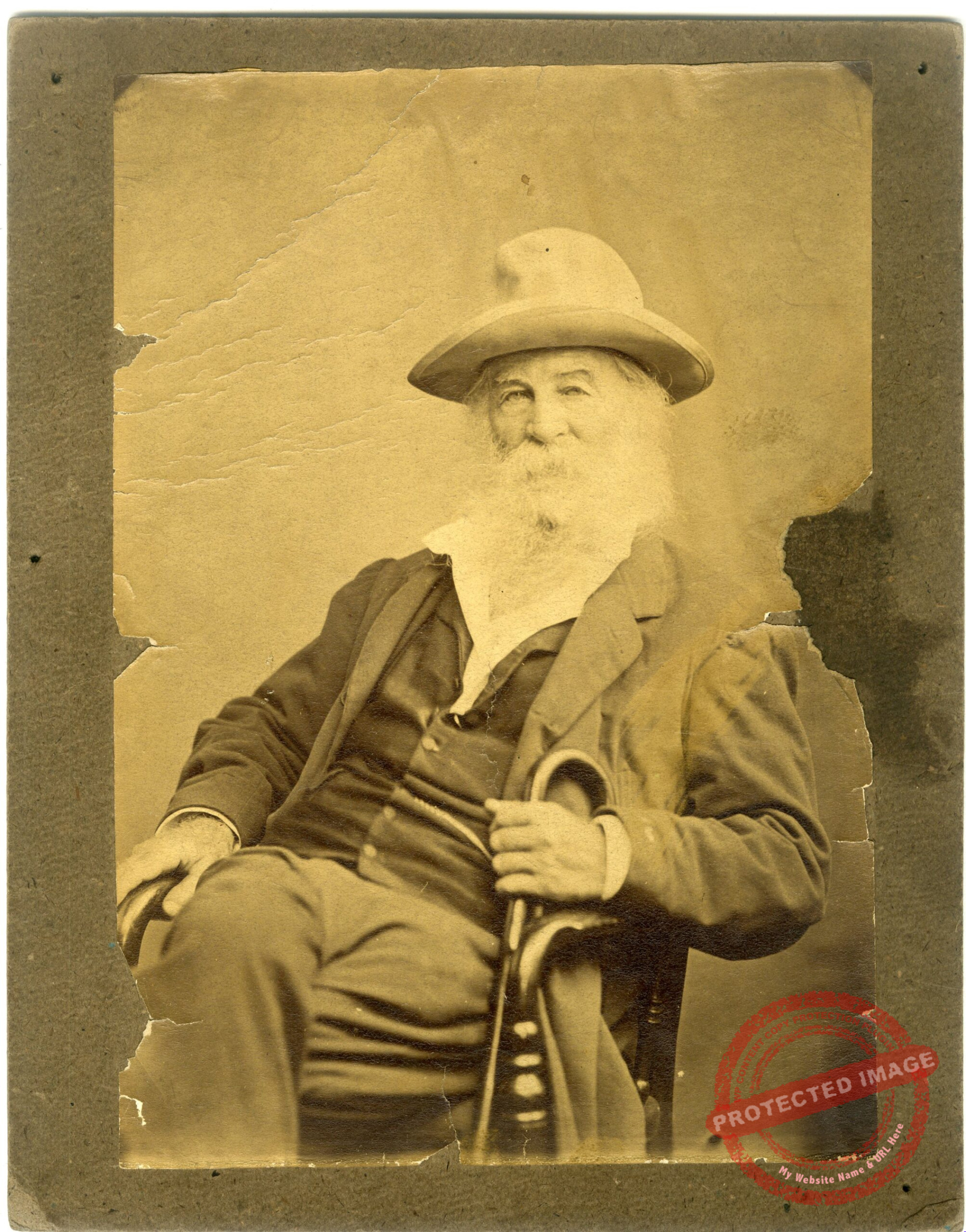
Walt Whitman. Circa early 1870’s.
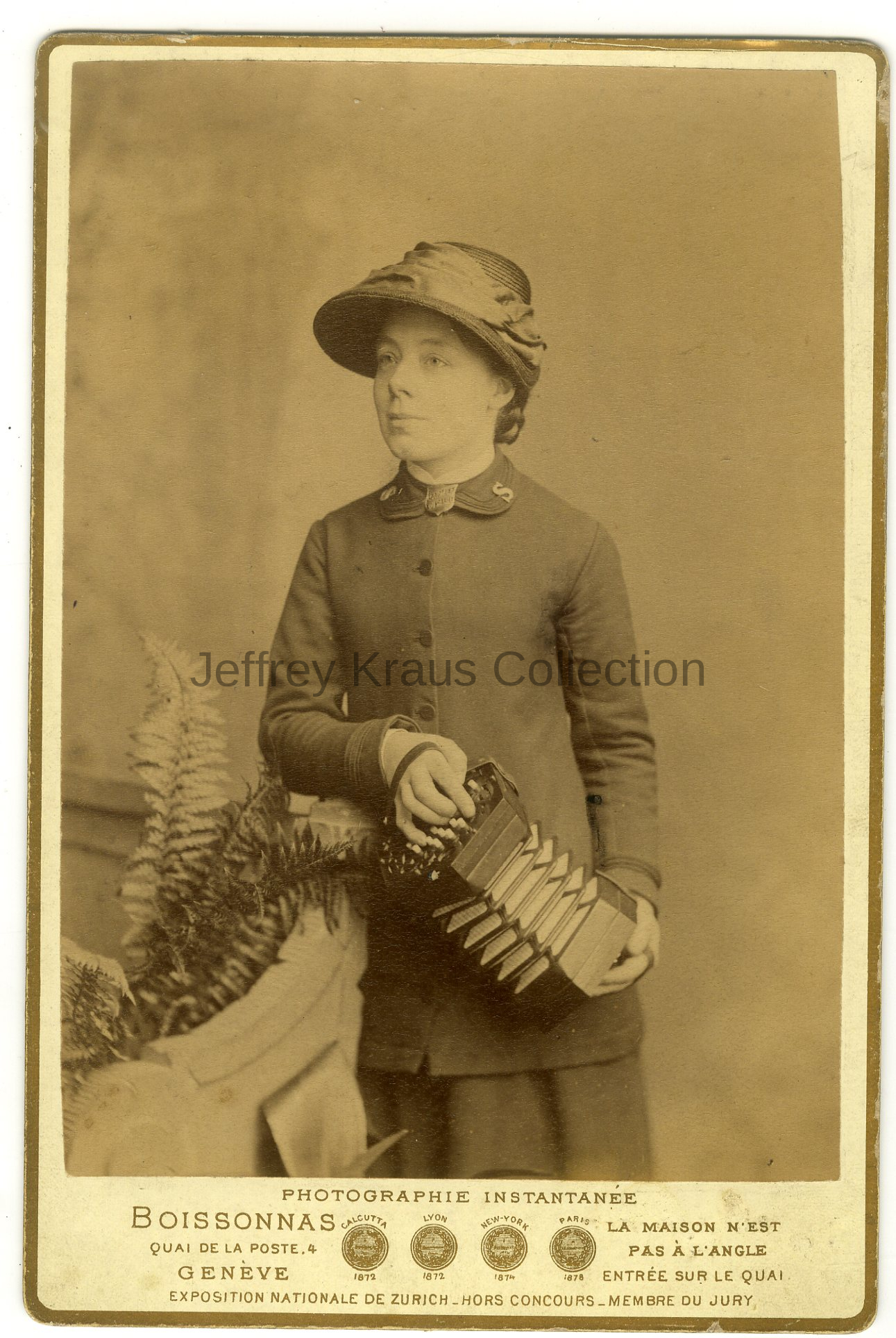
Salvation Army woman with squeeze box.
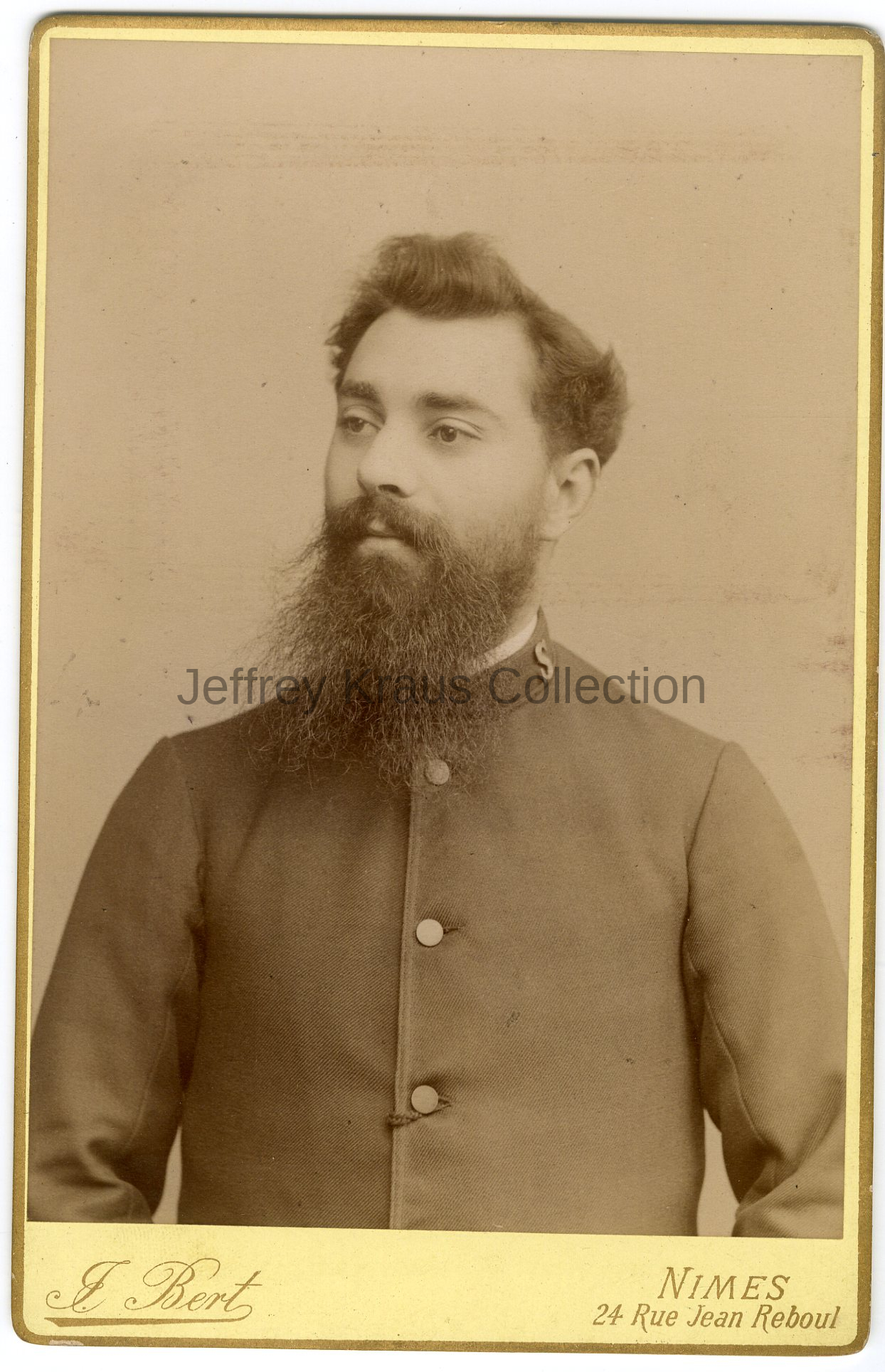
Bearded Salvation Army gentleman. [D]
Sera-Sera Dancers.
Walt Whitman, photo’d from life, Sept., ’72, Brooklyn, N.Y. Frontispiece to Two Rivulets, Author’s Edition, Camden, NJ, 1876.
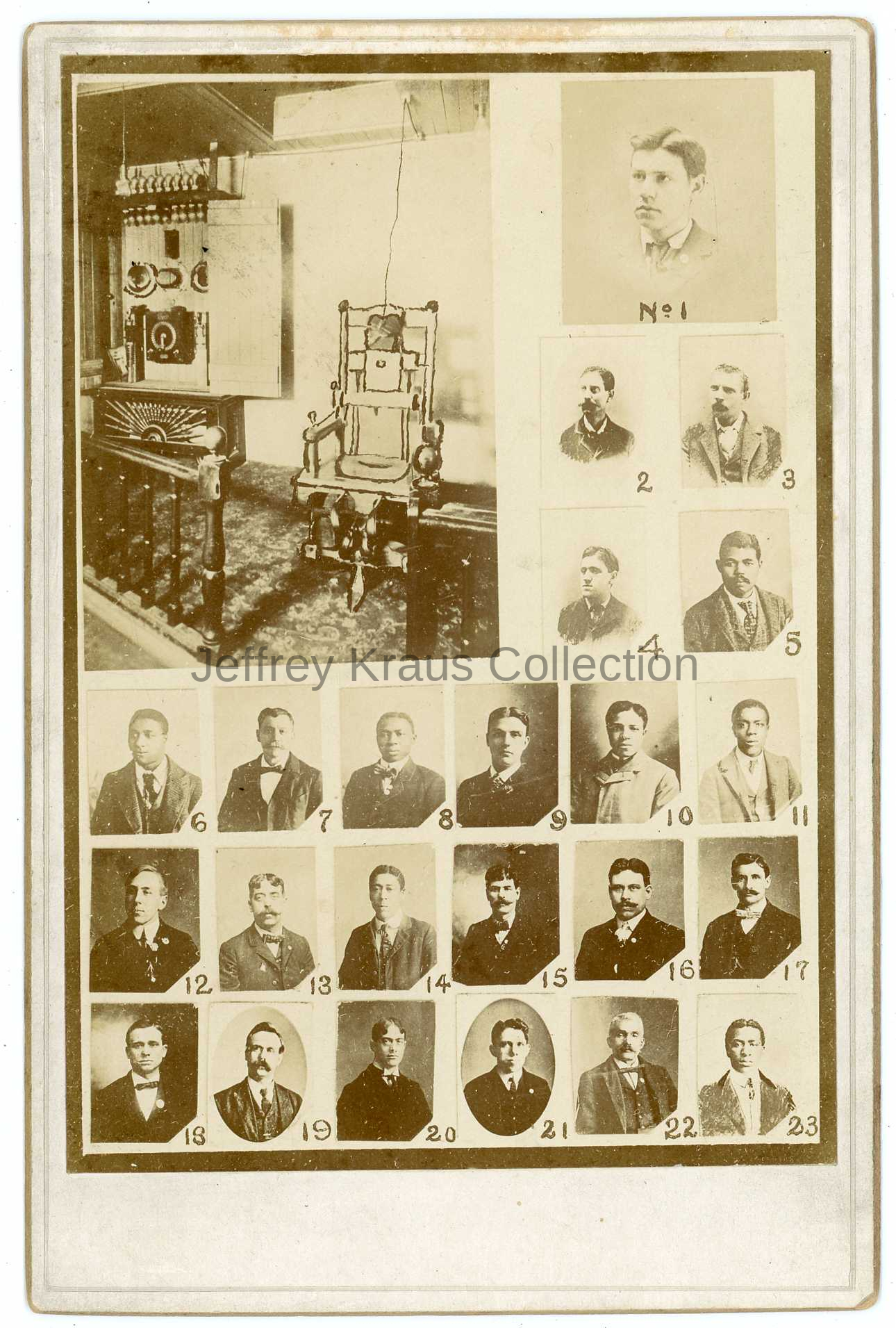
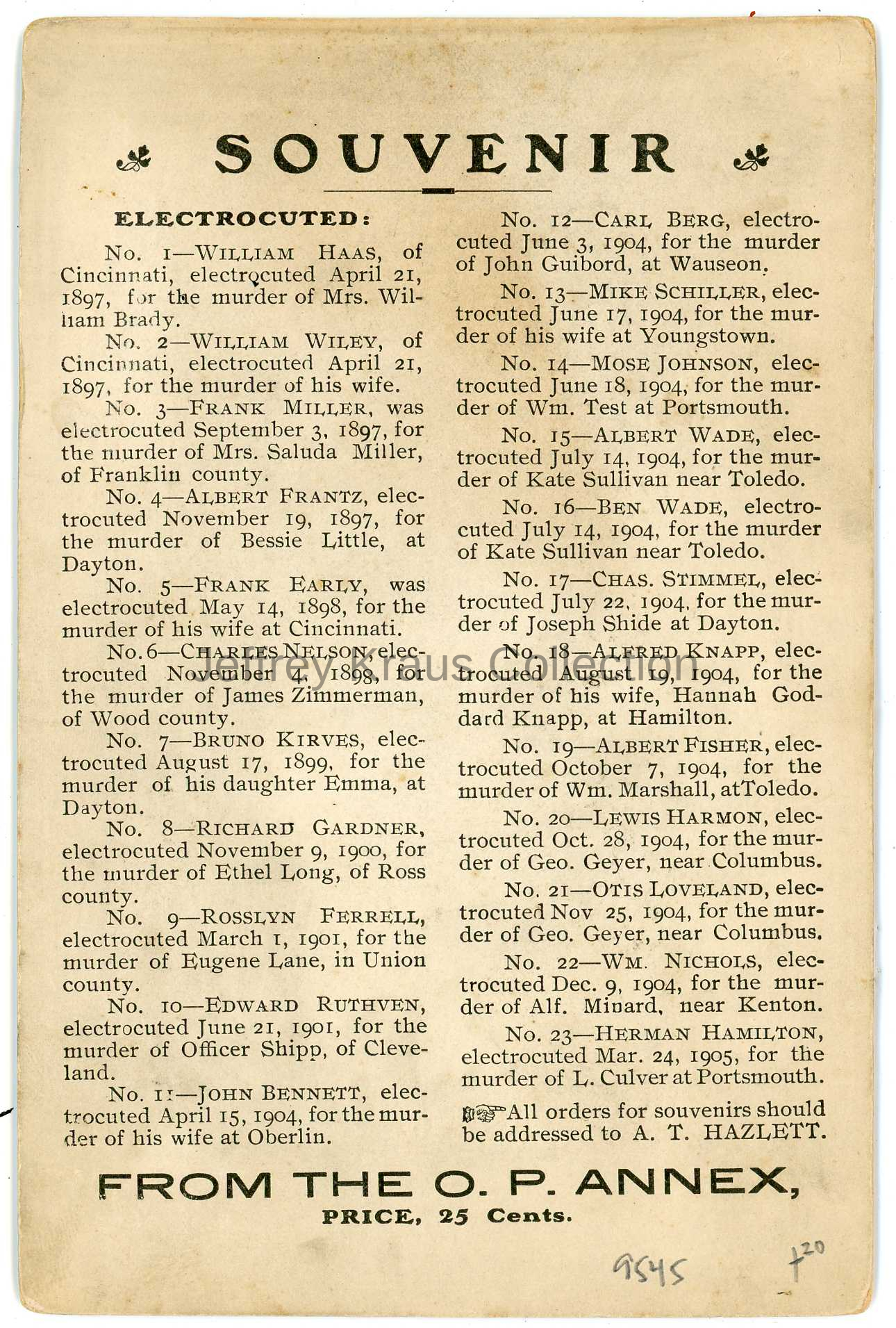
Souvenir from the Ohio Penitentiary Annex of those electrocuted there between 1897 and 1905.
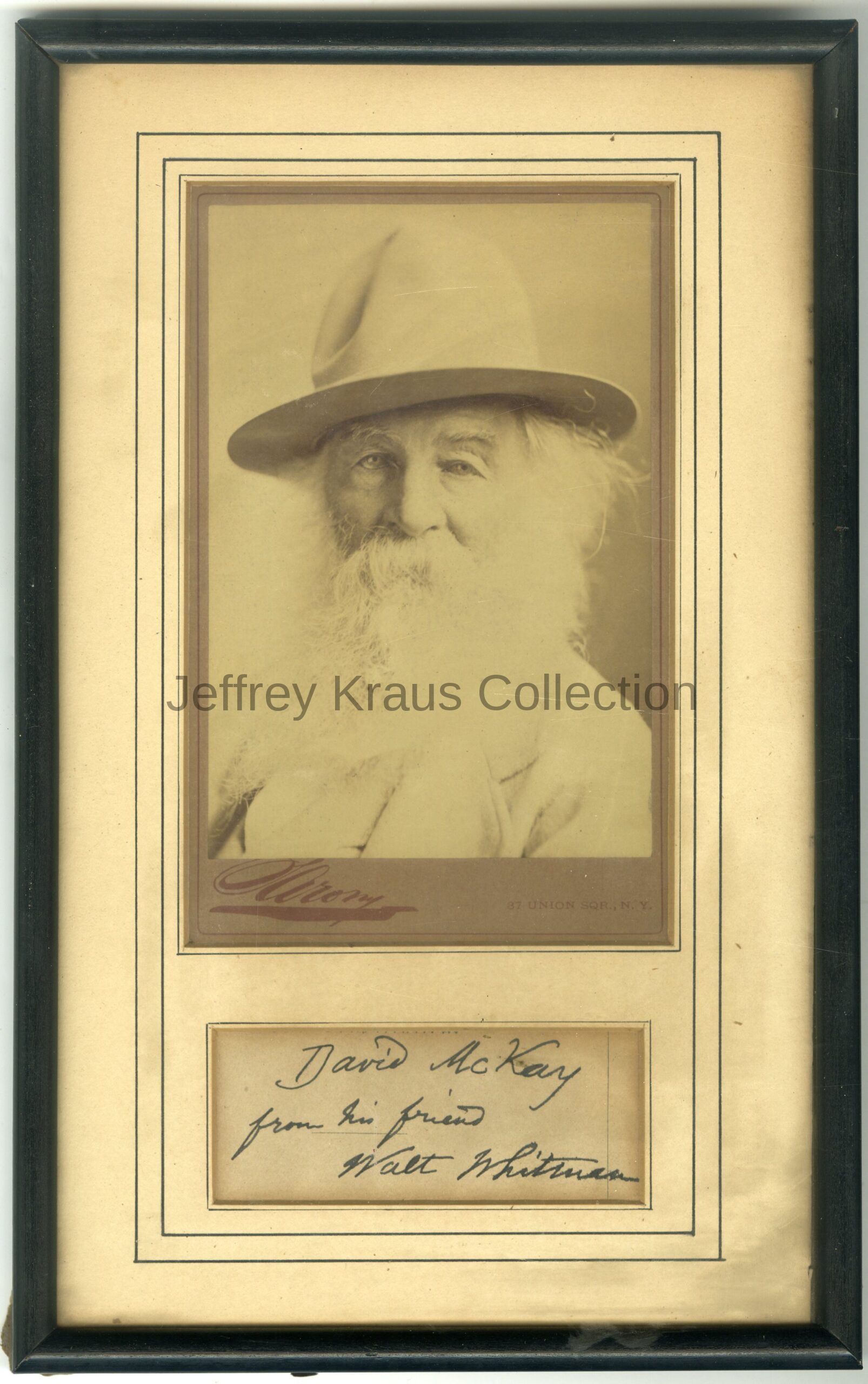
Walt Whitman, framed along with paired inscription “David McKay from his friend Walt Whitman.” Mckay was Whitman’s final publisher.
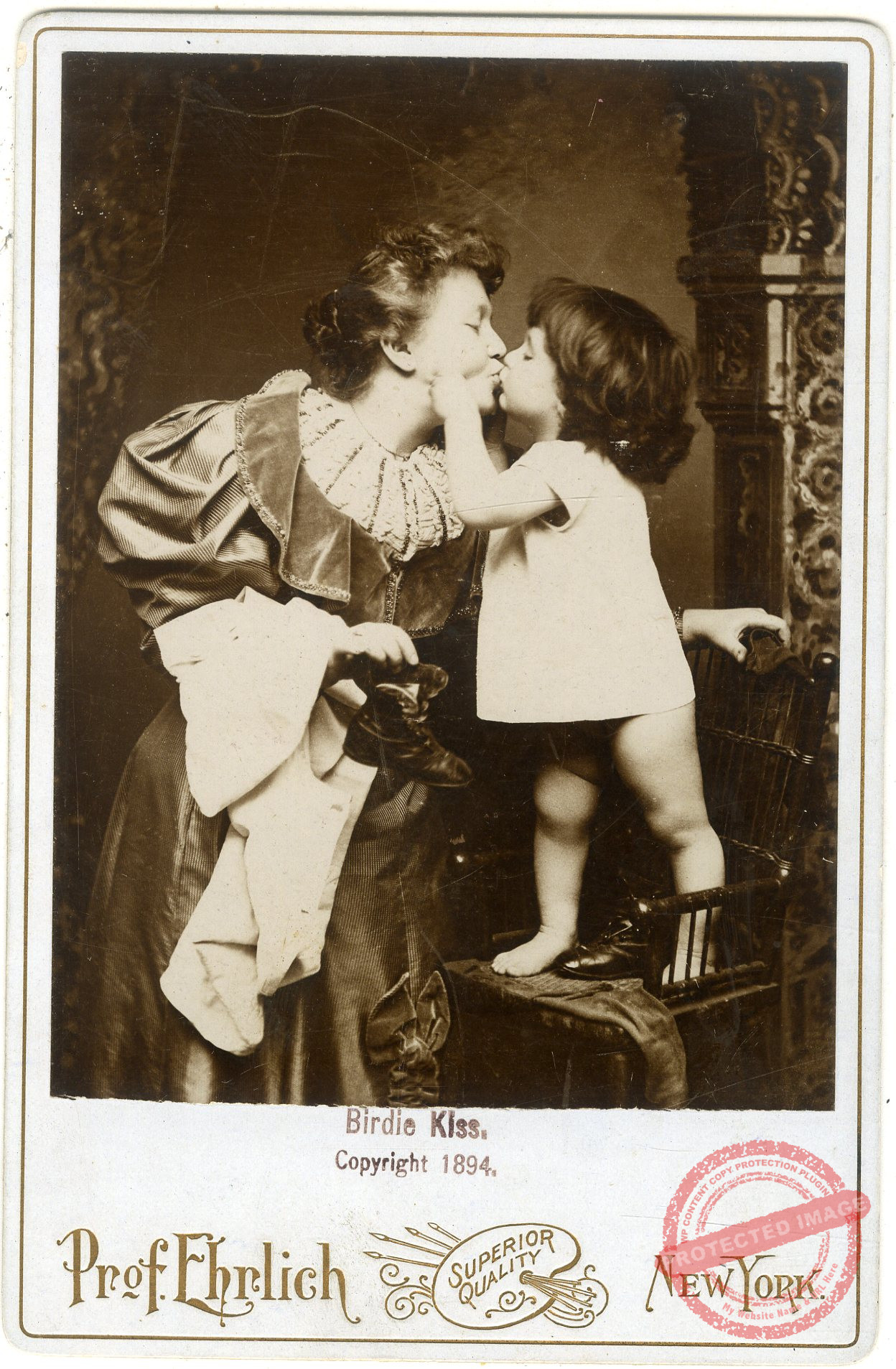
Birdie Kiss.
Walt Whitman, London, Ontario, Canada, Summer, 1880. Whitman traveled to London, Ontario, Canada on June 3, 1880 to visit his friend, physician, and eventual biographer Dr. Richard Maurice Bucke. He spent the majority of his 3-month stay at Dr. Bucke’s home, located at the London Asylum for the Insane, where Bucke was the superintendent. He visited the studio of the Edy Brothers and had 7 photographs made, this being one of them.