51211.
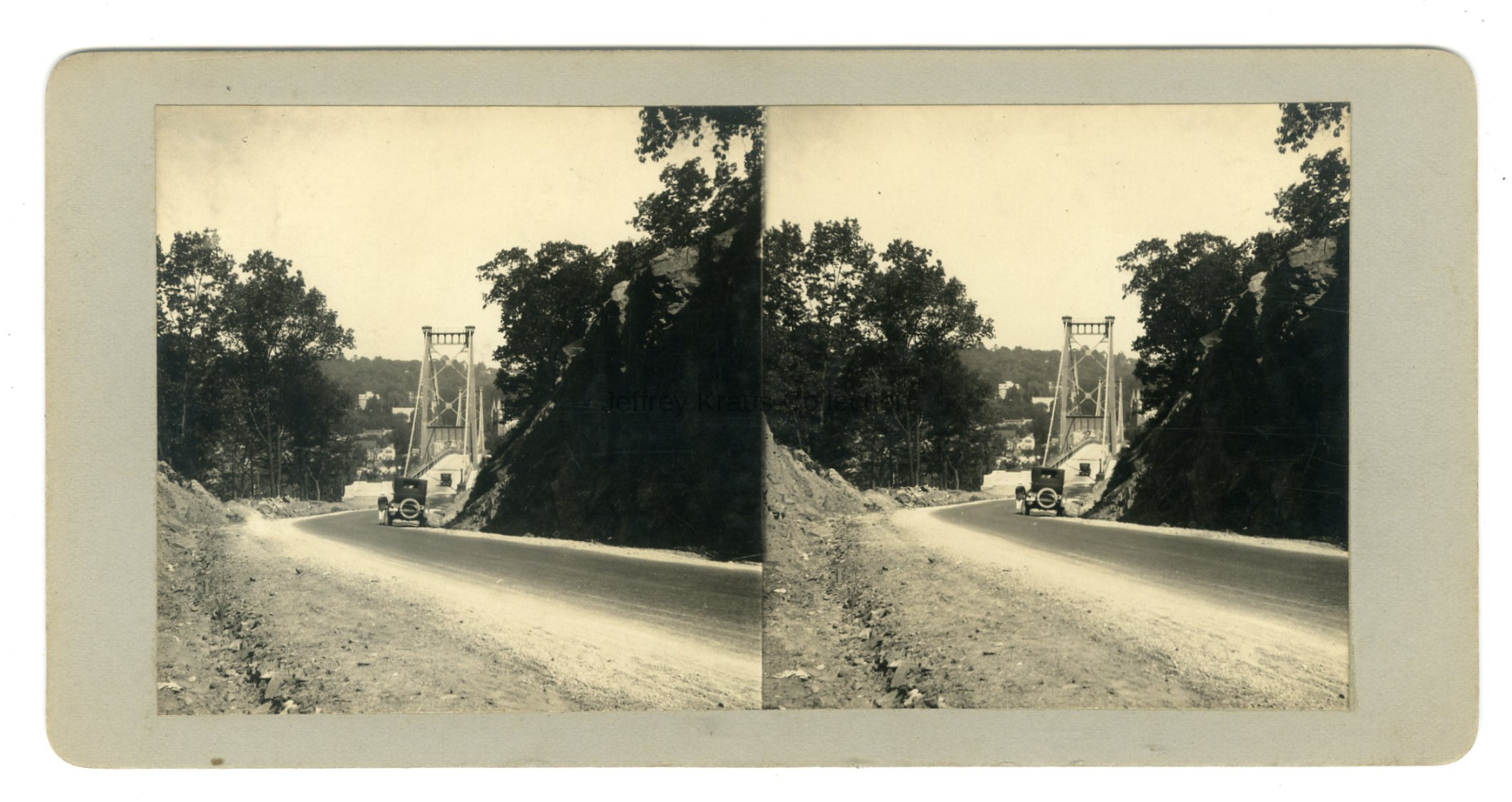
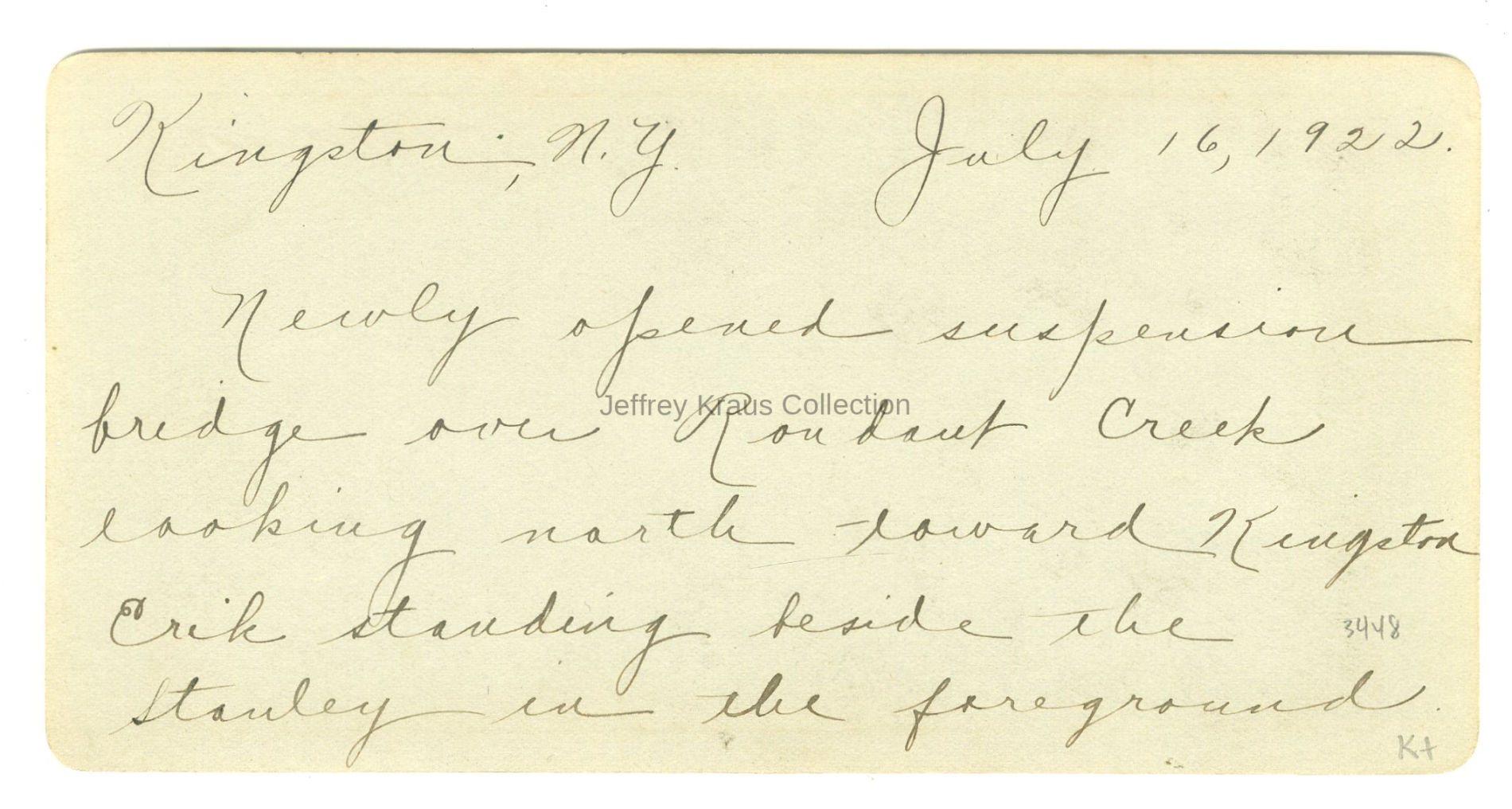
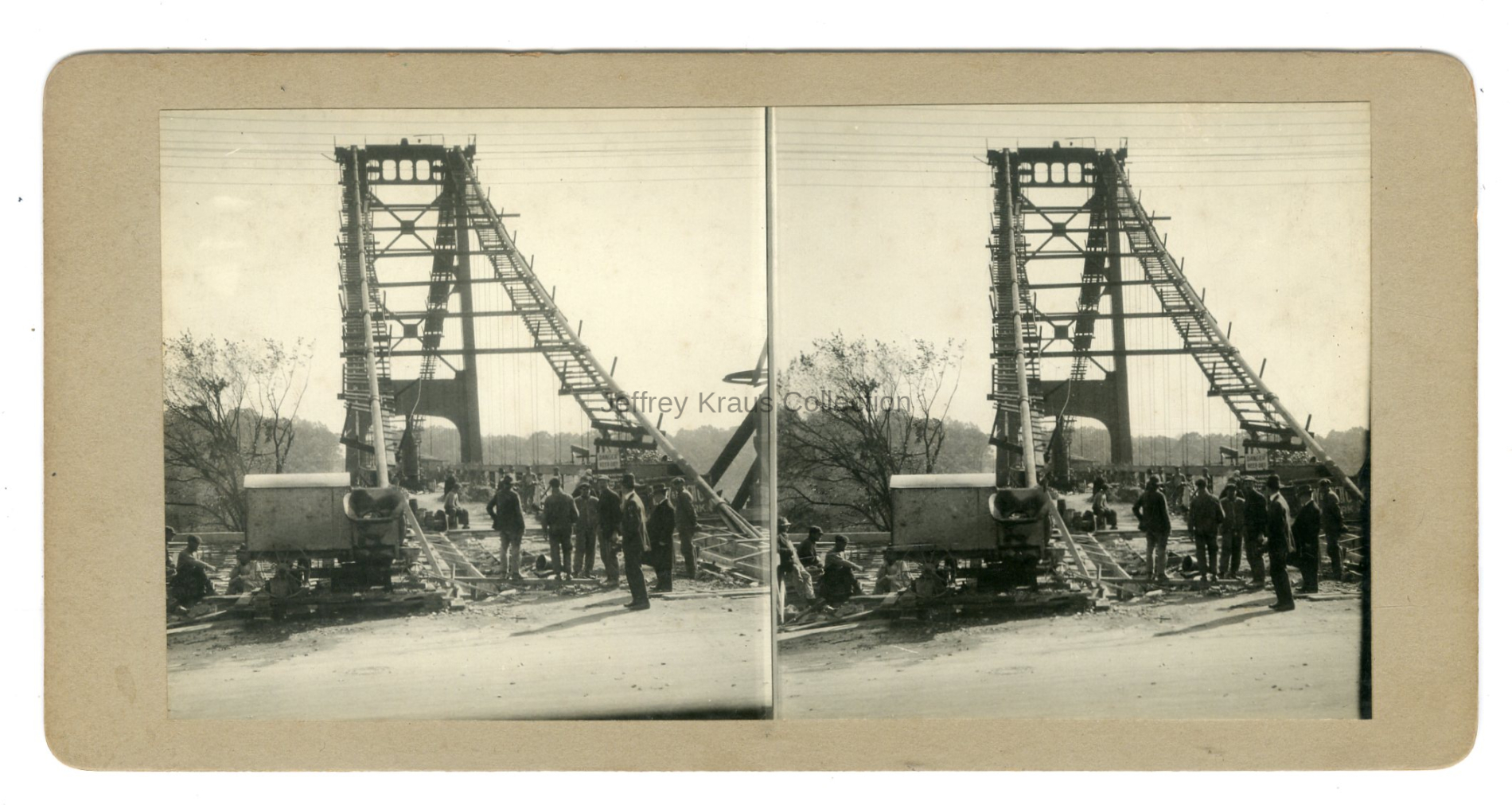
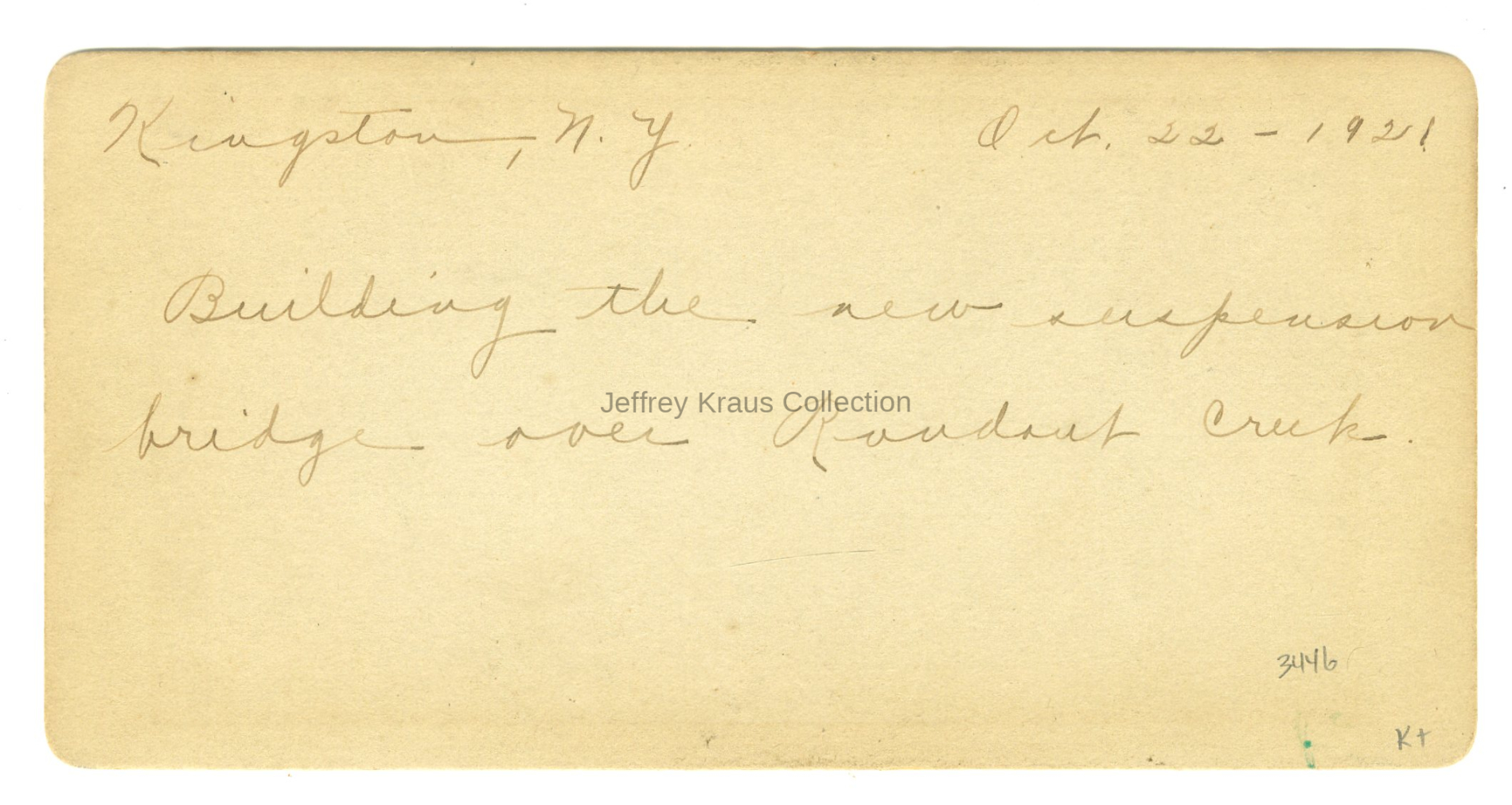
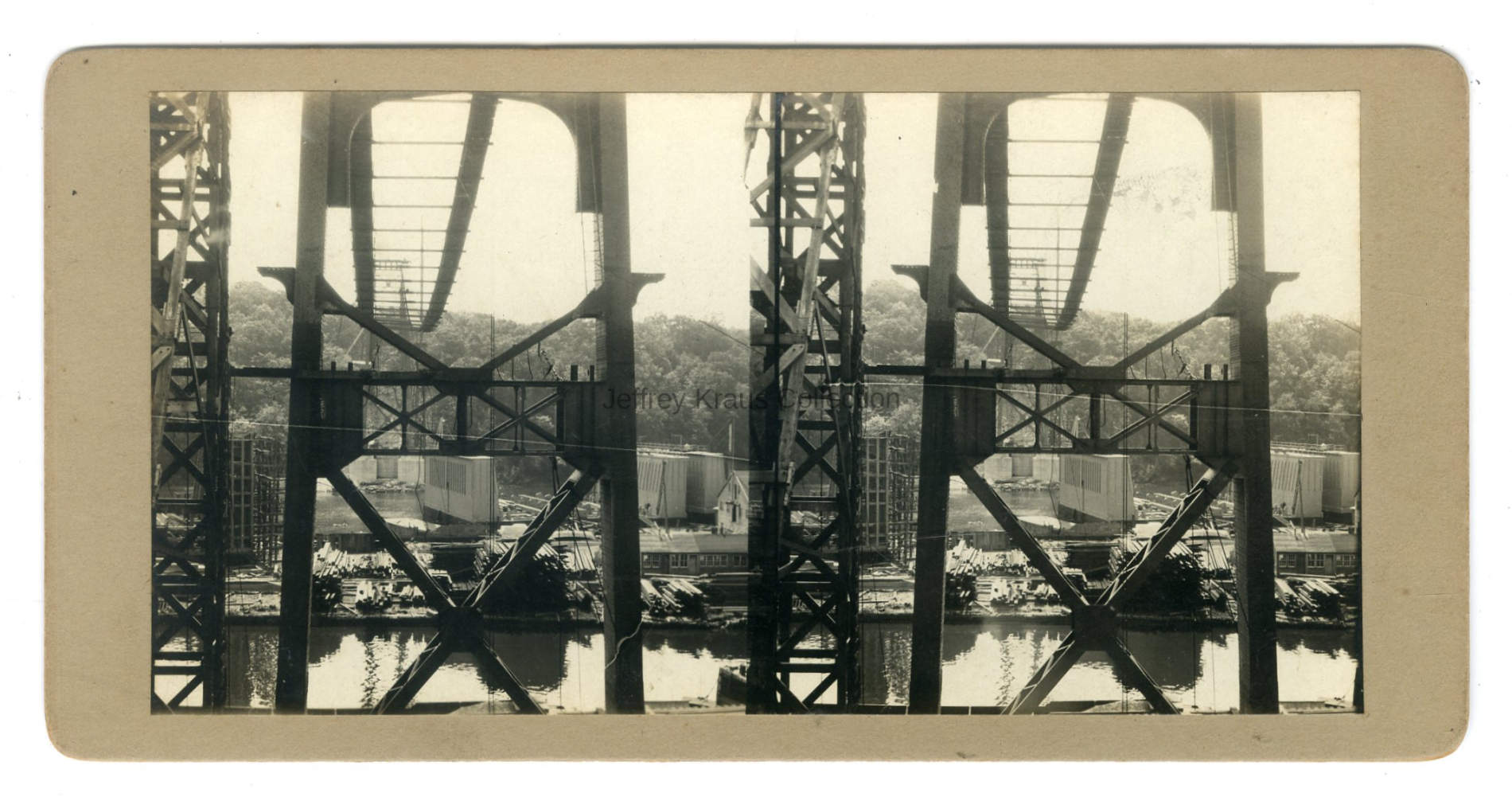
Kingston, NY. July 16, 1922. The new suspension bridge over Rondout Creek.
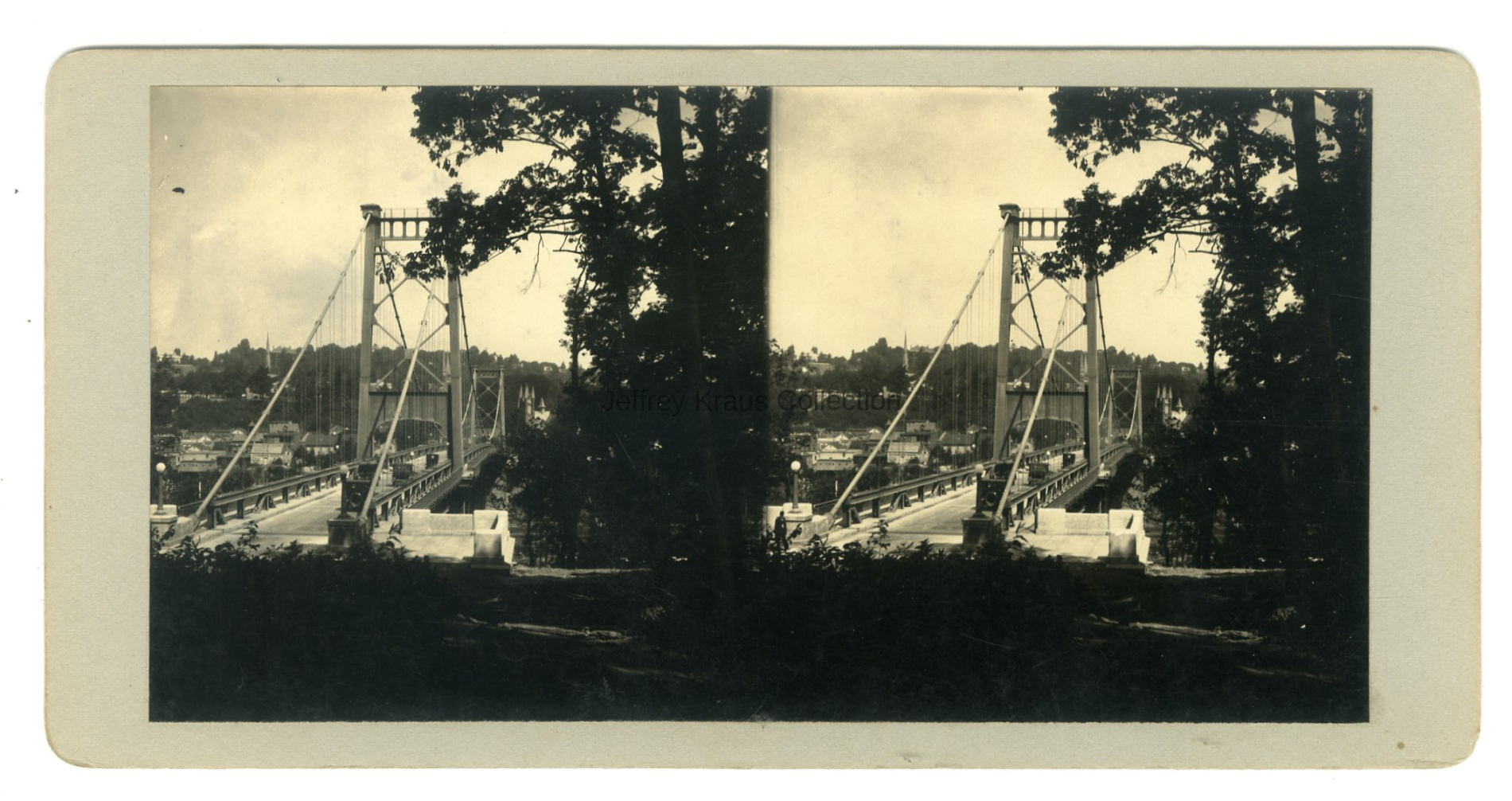
Kingston, NY. July 16, 1922. Newly opened suspension bridge over Rondout Creek looking north toward Kingston.
Kingston, NY. July 16, 1922. Newly opened suspension bridge over Rondout Creek looking north toward Kingston. Erik standing beside the Stanley in the foreground.
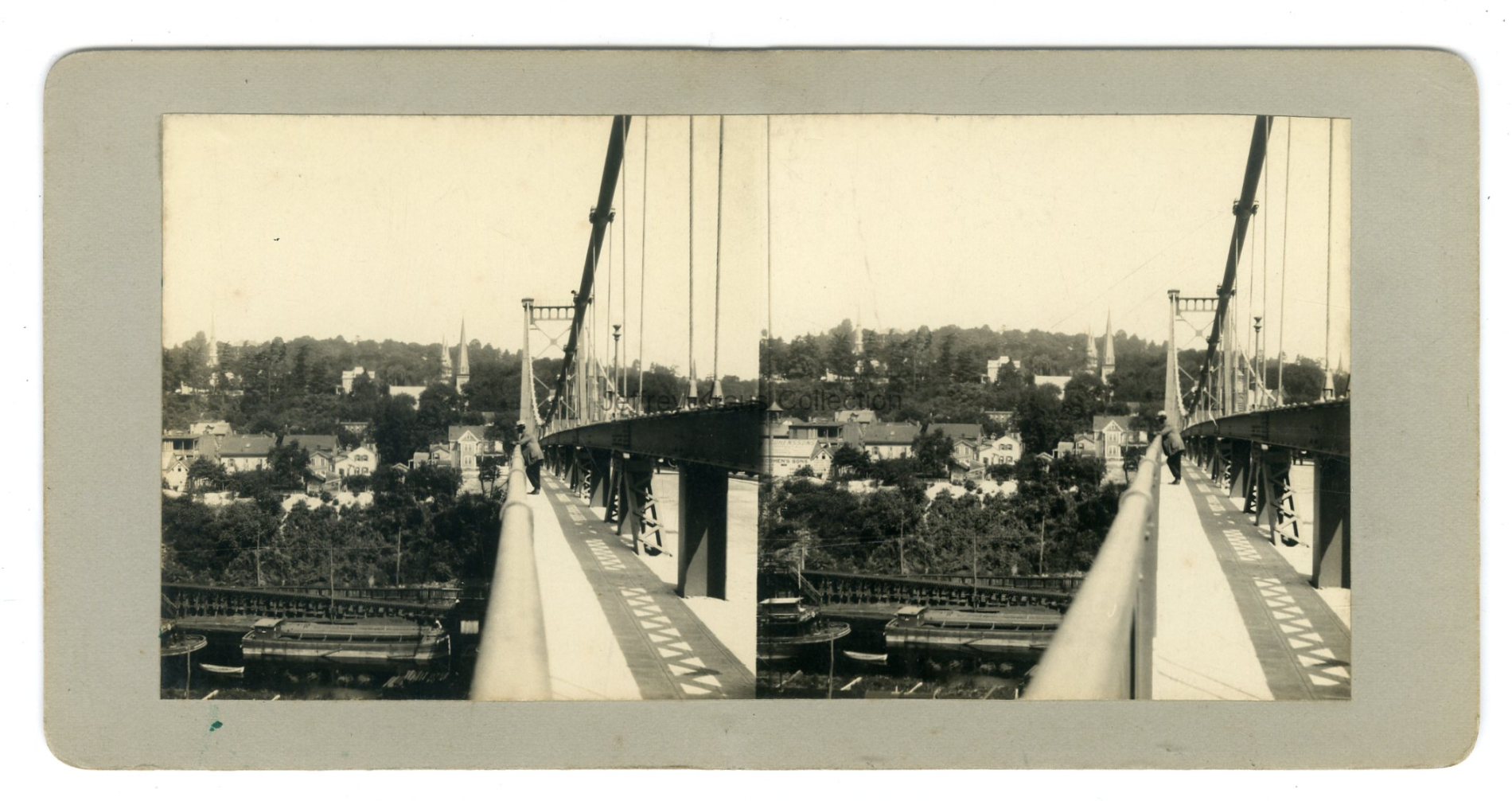
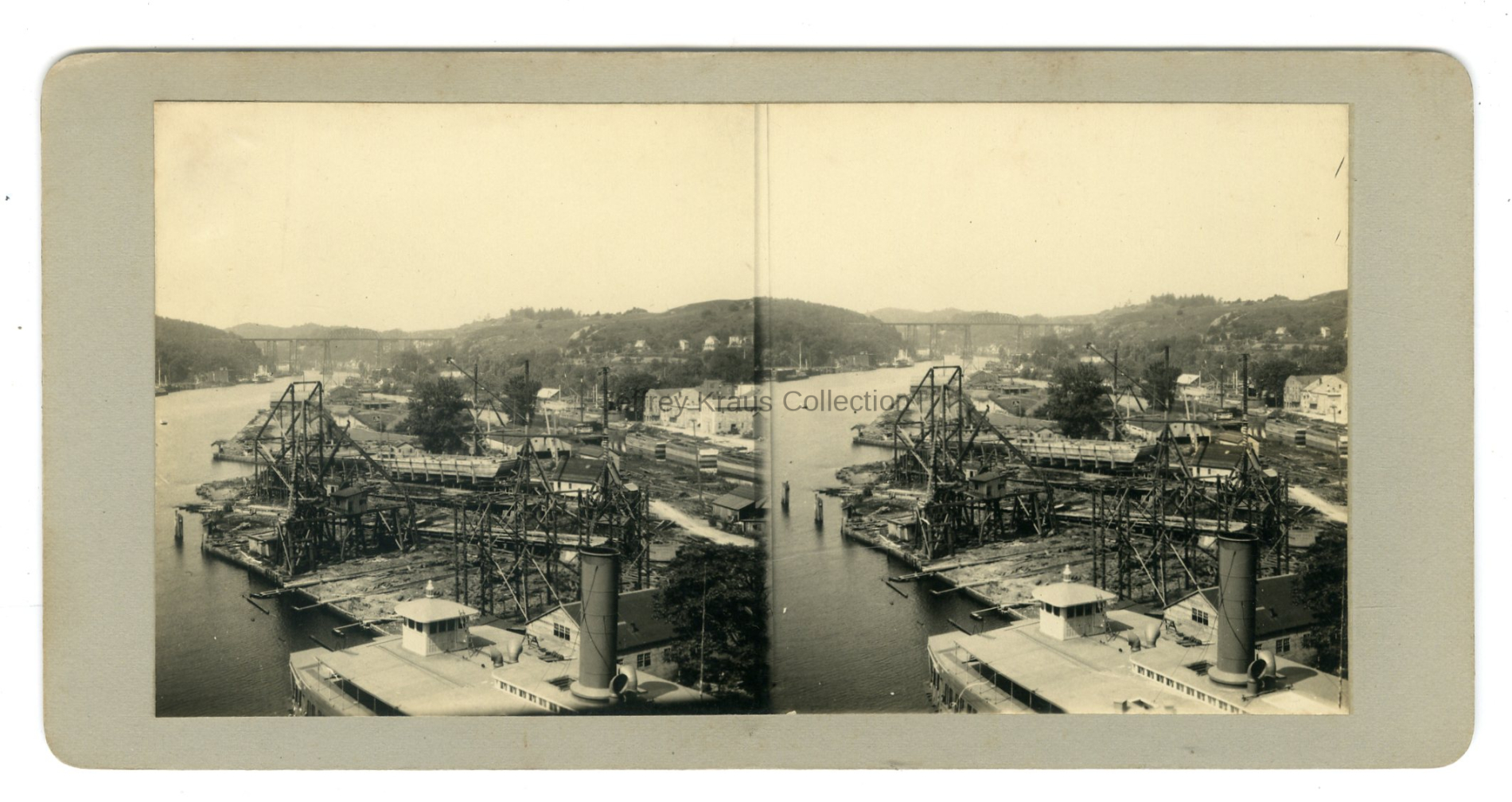
Kingston, NY. July 16, 1922. Shipyard and railway bridge over Rondout Creek from the suspension bridge.
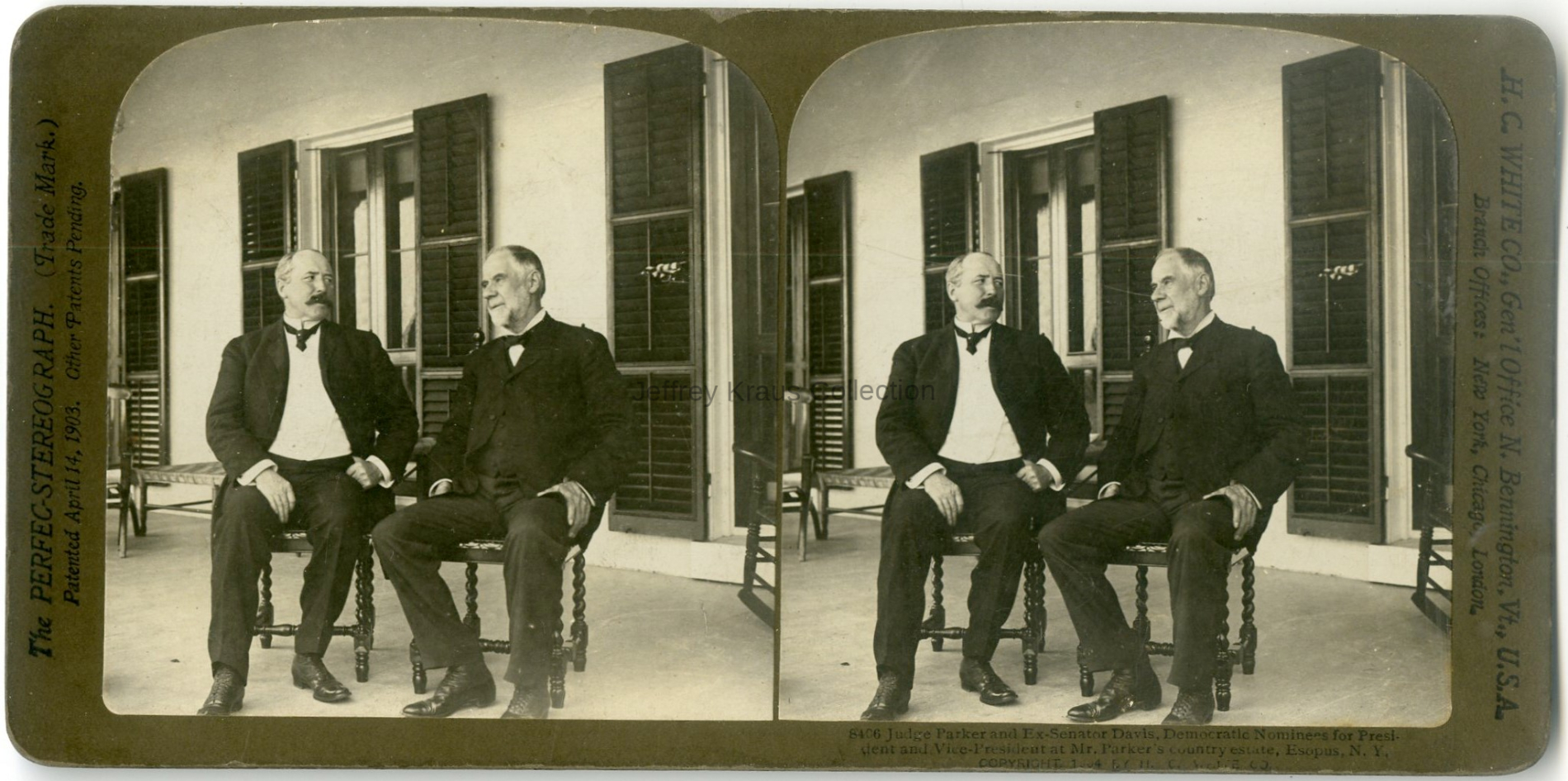
8406. Judge Parker and Ex-Senator Davis, Democratic Nominees for President and Vice-President at Mr. Parker’s country estate, Esopus, NY.
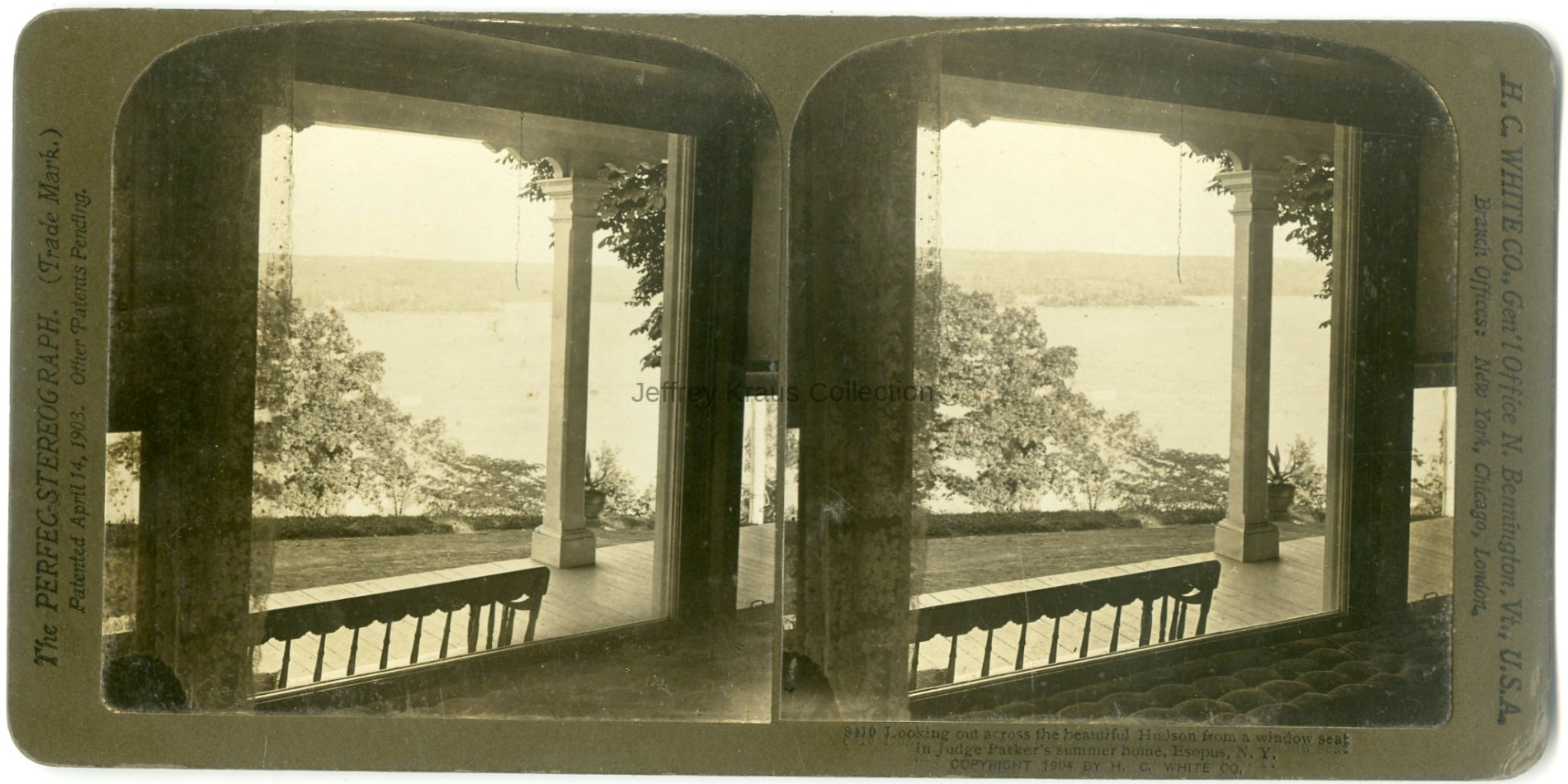
8410. Looking out across the beautiful Hudson from a window seat in Judge Parker’s summer home, Esopus, NY.
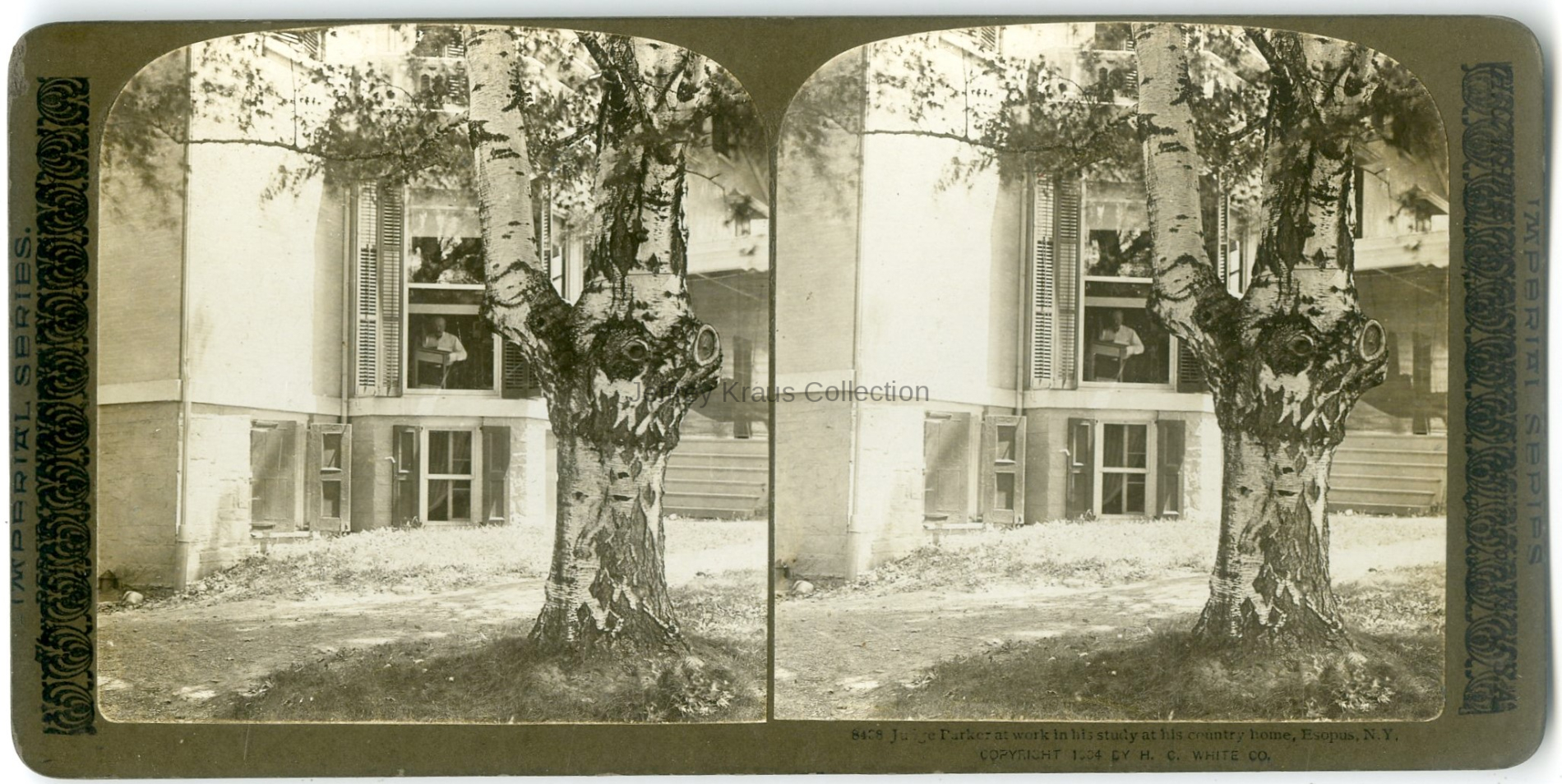
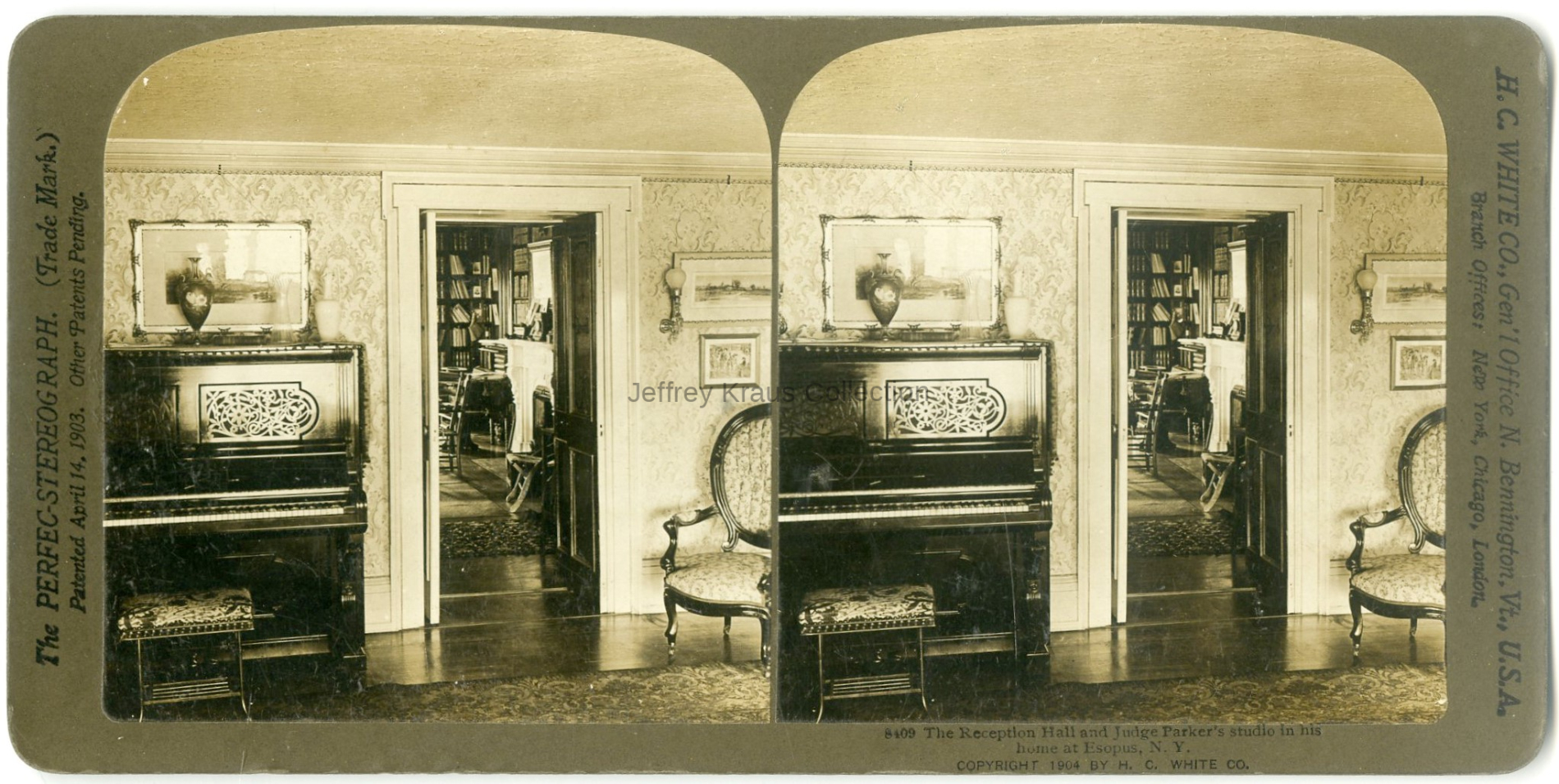
Chief Justice Parker, Democratic candidate for President, in his Library at Rosemount, Esopus, NY.
Chief Justice Parker, Democratic candidate for President, and Mrs. Parker, at their home, Rosemount, Esopus, NY.
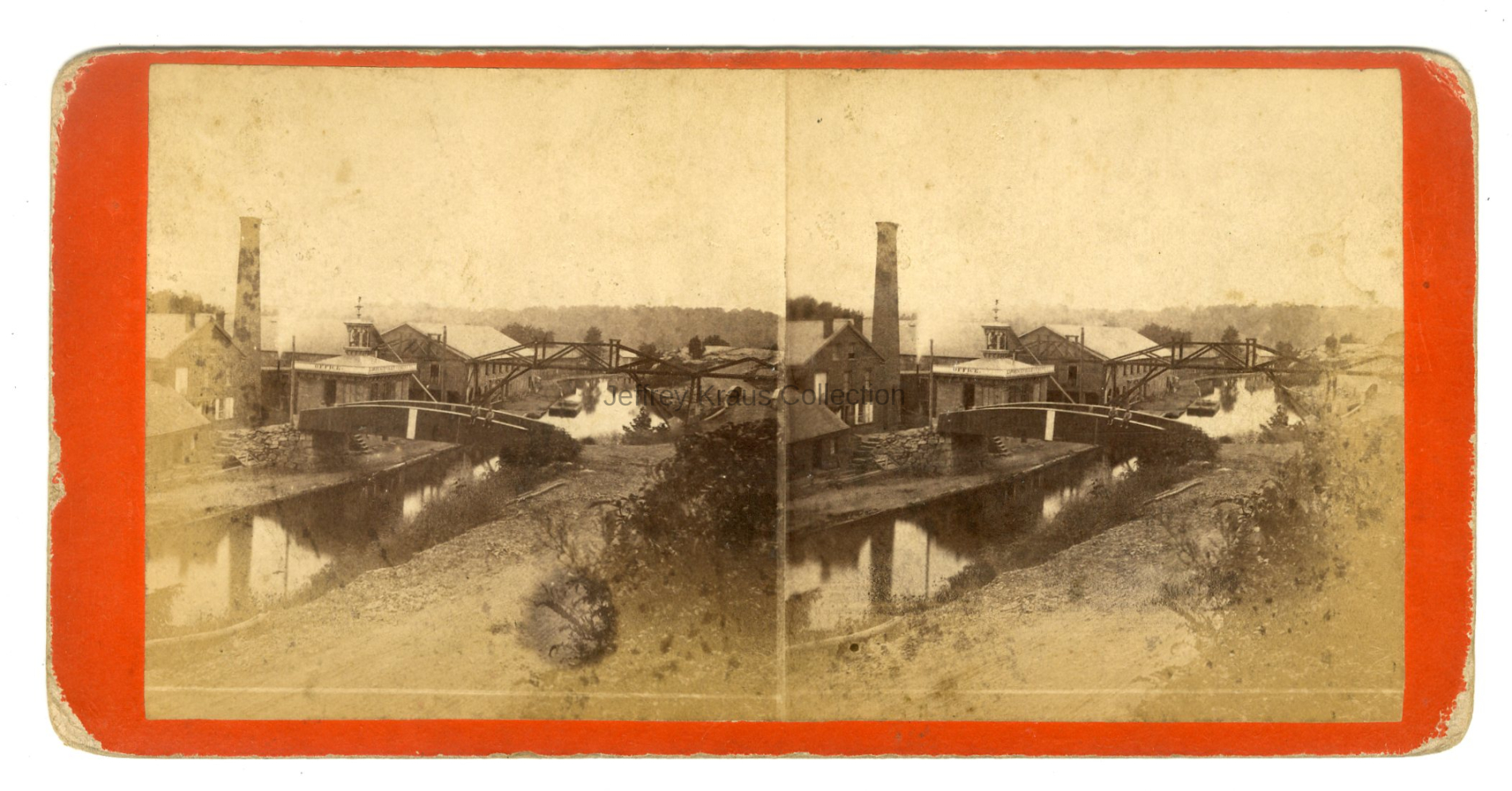
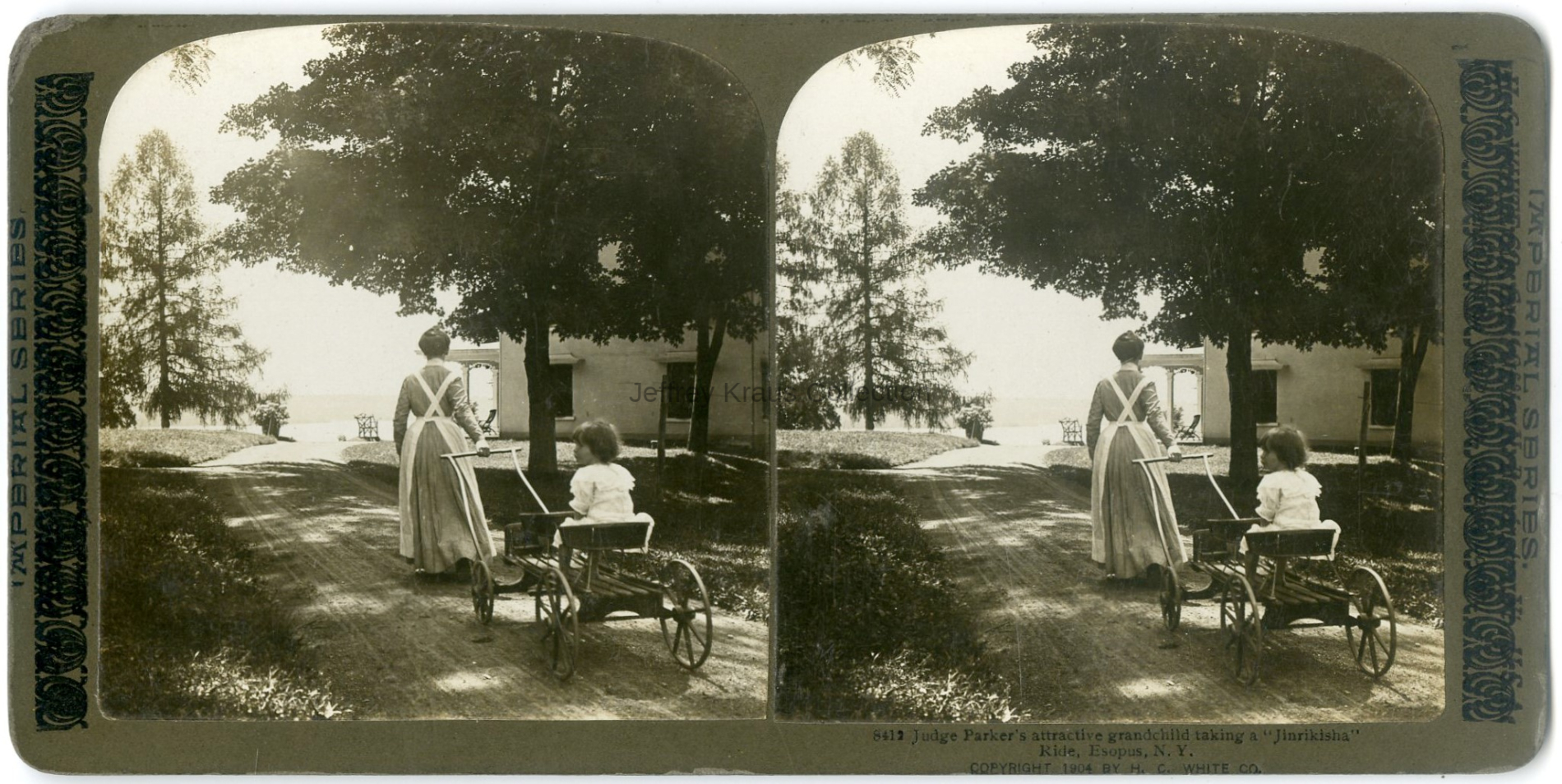
Home joys of a Presidential candidate-Judge Parker and his grandchildren at Rosemount, Esopus, NY.
Chief Justice Parker and his daughter, Mrs. Hall, on the lawn before his home, Rosemount, Esopus, NY.
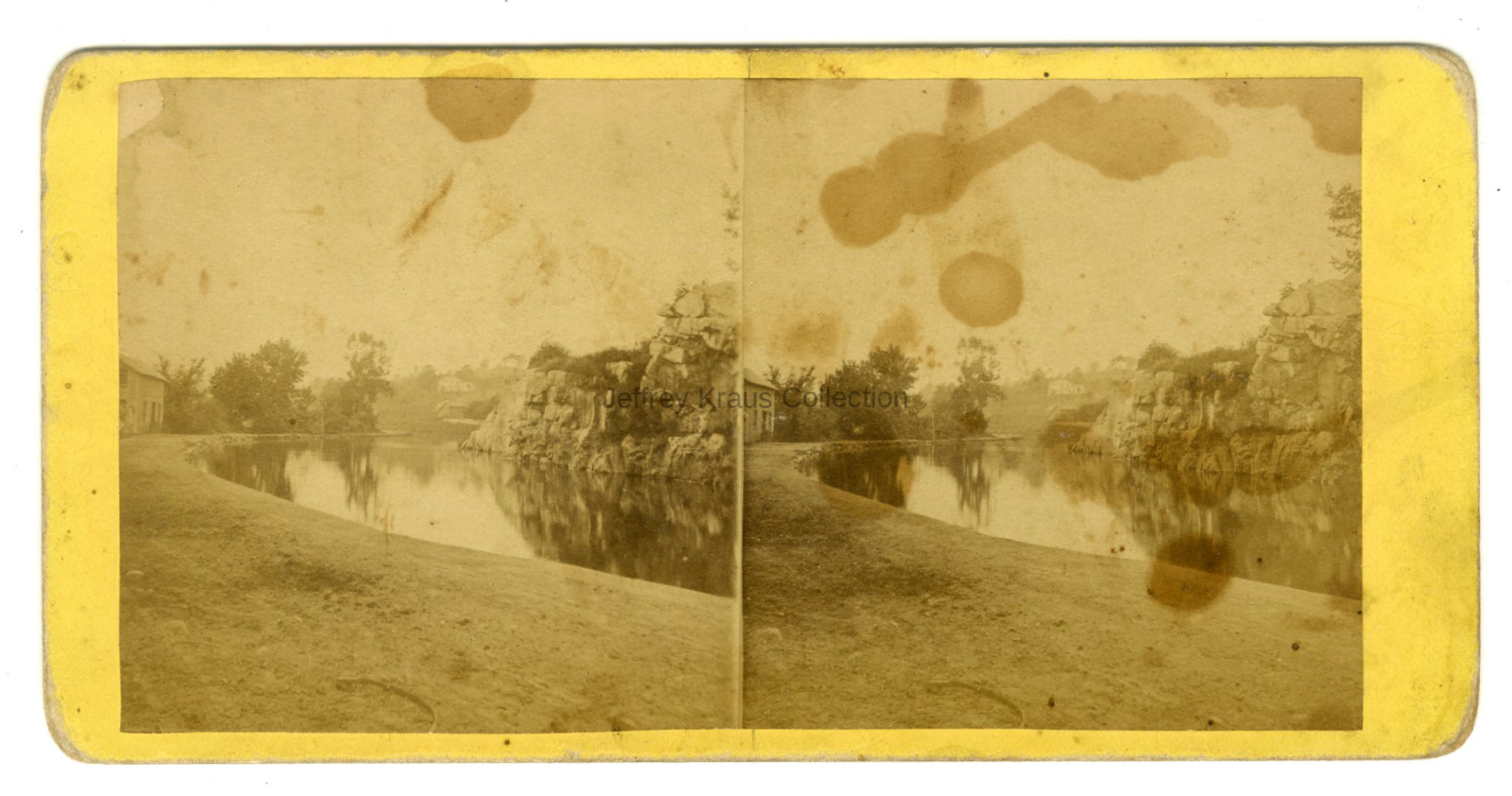
Washington Hollow Fair. The Dutchess County Agricultural Society was organized in 1841 at Washington Hollow. The first Dutchess County Fair was held there on the first Wednesday and Thursday of October 1842. Total prizes awarded for livestock, fruit and vegetables at this fair amounted to $294.00. In 1843 the fair was held in Poughkeepsie, in 1844 in Washington Hollow and then alternated between Poughkeepsie and Washington Hollow until 1852, when Washington Hollow was chosen as the permanent site of the Dutchess County Fair. Washington Hollow is one of the three hamlets that make up the Town of Pleasant Valley, NY. Originally called Pittsbury, it was later renamed after George Washington who passed through and camped there during the American Revolution.
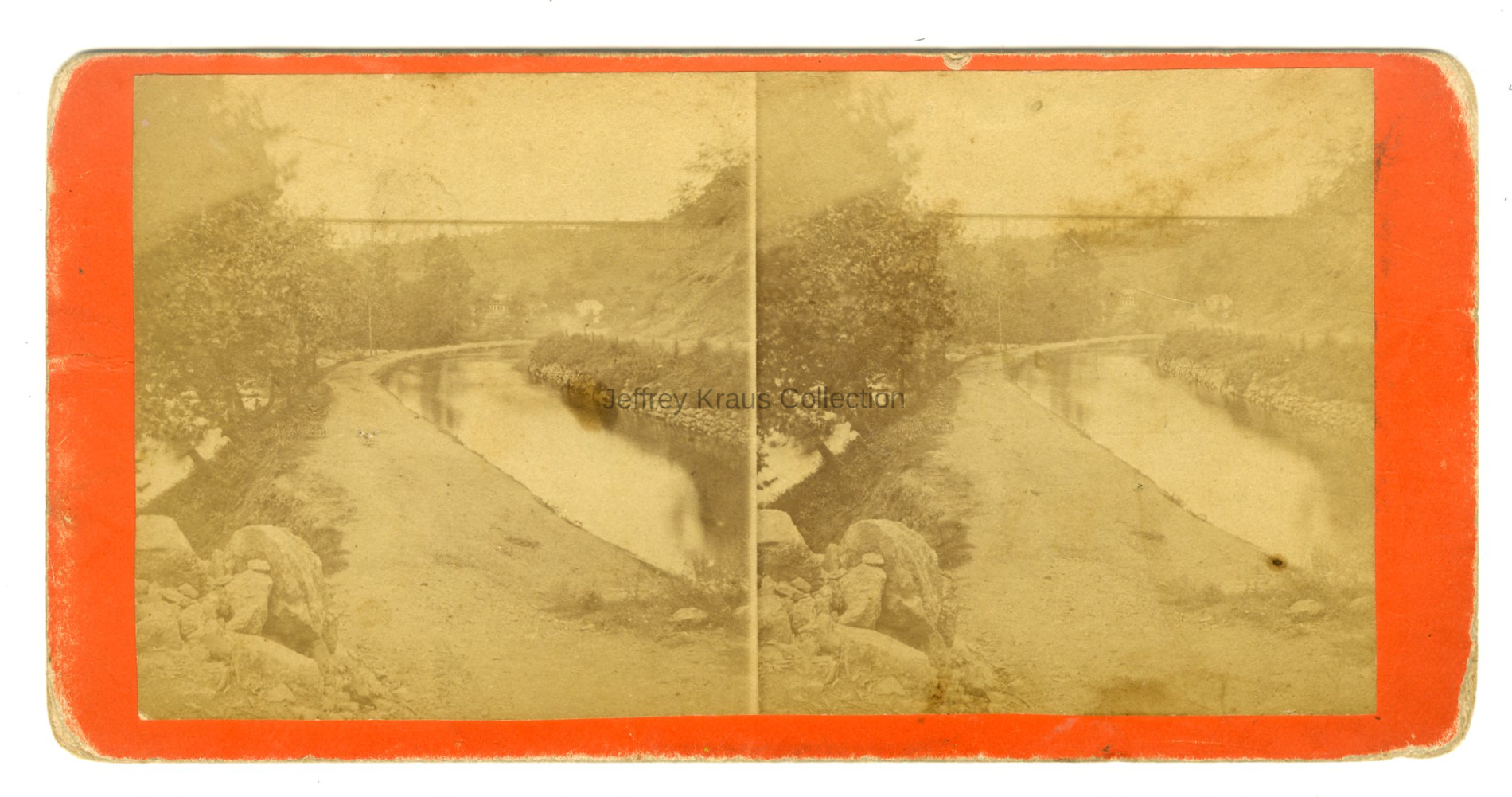
Front Interior View of Leason E. Holdridge’s Crockery Store, (Kirchner Building), 278 Main Street, Poughkeepsie, N.Y.
Front View of Leason E. Holdridge’s Crockery Store, (Kirchner Building), 278 Main Street, Poughkeepsie, N.Y.
College Hill, Po’keepsie, NY. One of the two largest open spaces in the City of Poughkeepsie, College Hill Park has a storied past. The site came into prominence in the 1830s, when a building was erected by the leaders of the Improvement Party, a group of local citizens who were responsible for new industries, new streets, new churches and new schools in the city. The most successful of all the group’s initiatives was the Collegiate School on College Hill, which, coincidentally, is how the site got its name. The founders were 11 prominent Poughkeepsie men who incorporated in 1835 and built the impressive Parthenon-like school building. Charles Bartlett, who’d previously overseen a school in Fishkill Landing (today’s Beacon), became the school’s principal when it opened in 1836. Within three years, the school had become an established and well-respected educational facility. Following Bartlett’s death in 1857, Otis Bisbee succeeded him as principal. In 1865, the school was sold at auction to settle Bartlett’s estate and Bisbee participated in the bidding process with plans to continue the school operation. When he was outbid by George Morgan, who acquired the property for $35,500, Bisbee built Riverview Military Academy on Lincoln Avenue. Once the student body vacated the Collegiate School, Morgan opened College Hill Hotel in the former school building; Morgan also lived at the hotel. The hotel proved to be unsuccessful and Morgan then constructed the namesake Morgan Lake with the intention of selling the water to Poughkeepsie. At that time, with the population increasing in the city, officials sought to establish a municipal water system to supply drinking water to residences. Morgan was mayor of Poughkeepsie from 1869 through 1871. Despite that influence, Poughkeepsie’s water commissioners chose the Hudson River over Morgan Lake for the system. John Guy Vassar, nephew of Matthew Vassar, purchased College Hill with the intention of opening an orphanage in the building, but the project never came to fruition. In October 1892, William W. Smith, partner of the Smith Brothers Cough Drop enterprise in the city, purchased the College Hill property for $11,600. He donated it to the city for use as a public park. “It was a place that people went to picnic and in winter they could sleigh ride there,” said Harvey Flad, author of “Main Street to Mainframes: Landscape and Social Change in Poughkeepsie.” “It was a very well used park.” In 1917, the caretaker and florist for the park, both city employees, were the only ones living in the former school and hotel. On Feb. 11 at 8:45 a.m., smoke was detected in the building and by noon the entire structure was destroyed by a massive fire. The land remained vacant until 1934 when, upon the death of banker and industrialist Guilford Dudley, he bequeathed $22,000 in his will to erect a Parthenon-like structure on College Hill to commemorate its history as the site of a college during the 19th century. Supported and built as part of the Works Project Administration (WPA), per Dudley’s wishes it was named The Shelter. East and downhill from the shelter is a rock garden created in 1931 by Clarence Lown, who owned a cooperage business in the city and transported plants to the park from his own garden. A still popular nine-hole golf course opened in the park in 1933, Morgan Lake features a dock for fishing and walking trails exist throughout the grounds. “The July Fourth fireworks used to be at College Hill Park before moving to the river,” said City Council member Ann Perry, who has worked tirelessly in recent years to bring the park’s appearance back to its heyday. “I spend a lot of time there with volunteers to keep it in good condition.” College Hill Park is on North Clinton Street, north of Oakley Street in Poughkeepsie. [Anthony P. Musso, Poughkeepsie Journal]
Farmers & Manufacturers National Bank, Po’keepsie, NY. n 1834 a group of prominent businessmen in Poughkeepsie founded the Farmers’ and Manufacturers’ Bank with a capital of $200,000. At a meeting held July 19 at Hatch’s Hotel in Poughkeepsie, stockholders met to elect a 13-member board of directors that included Matthew Vassar, William Davies and James Hooker. Hooker was elected the bank’s first president but shortly after turned the position over to Vassar, well known for his successful brewery and philanthropic endeavors. When the bank officially opened to the public in 1835, it became the fourth one to exist in the city, the others being Bank of Poughkeepsie, Dutchess County Bank and the Poughkeepsie Savings Bank. Upon establishing the financial entity, its directors purchased and demolished Myers Tavern on the northeast corner of Market and Cannon streets. There, they built a 2 1/2-story, three-bay Greek Revival-style building; it included a square cupola atop its roof, providing it with a distinctive and elegant appearance. Originally, the upper floor of the building served as a residence for the bank’s cashier. The first recorded customer was George Van Kleeck, one of the city’s most prominent merchants and a descendent of Baltus Van Kleeck, who built the first house in Poughkeepsie. In 1863, following the introduction of the National Banking Act, passed to provide customers with a more secure banking system, the Farmers’ and Manufacturers’ Bank’s charter expired on Dec. 31. On Jan. 1, 1864 its operation was transferred to a new organization, which retained the bank name and its officers. On June 20, 1865, the bank switched over from a state establishment to a national bank that printed its own currency. Just prior to 1889, the bank went through its first renovation; its 1835 windows were replaced with new single-light French plate glass. Simultaneous to that upgrade, the original service counters were refinished and fitted with partitions that had plate glass and the walls and ceilings were redecorated. A more expansive modernization took place in 1892 when the bank’s interior and exterior were modified. The multiple stone steps that existed on Market Street, which provided customers with access to the bank floor, were removed and the interior floor was lowered to street level. The bank’s ground floor was redesigned to expand the banking room and to provide space for a new modern vault with safe deposit boxes. A directors’ room was built in the rear section of the building with a separate entrance on Cannon Street; the room would be relocated in 1915 into an addition that was built on the back part of the lot that the bank owned. Farmers’ and Manufacturers’ Bank was eventually acquired by Empire National Bank, which promptly closed the Poughkeepsie office and relocated elsewhere but retained ownership of the building. When Bank of New York acquired Empire, it reopened the Market Street building as a branch office. In 1994, after the bank closed that branch, the building was purchased by Bob Jankovics, who moved his insurance business there. The once bank and now insurance office is at 43 Market St. [Anthony P. Musso, Poughkeepsie Journal]